What Makes a Stout Different From a Porter?
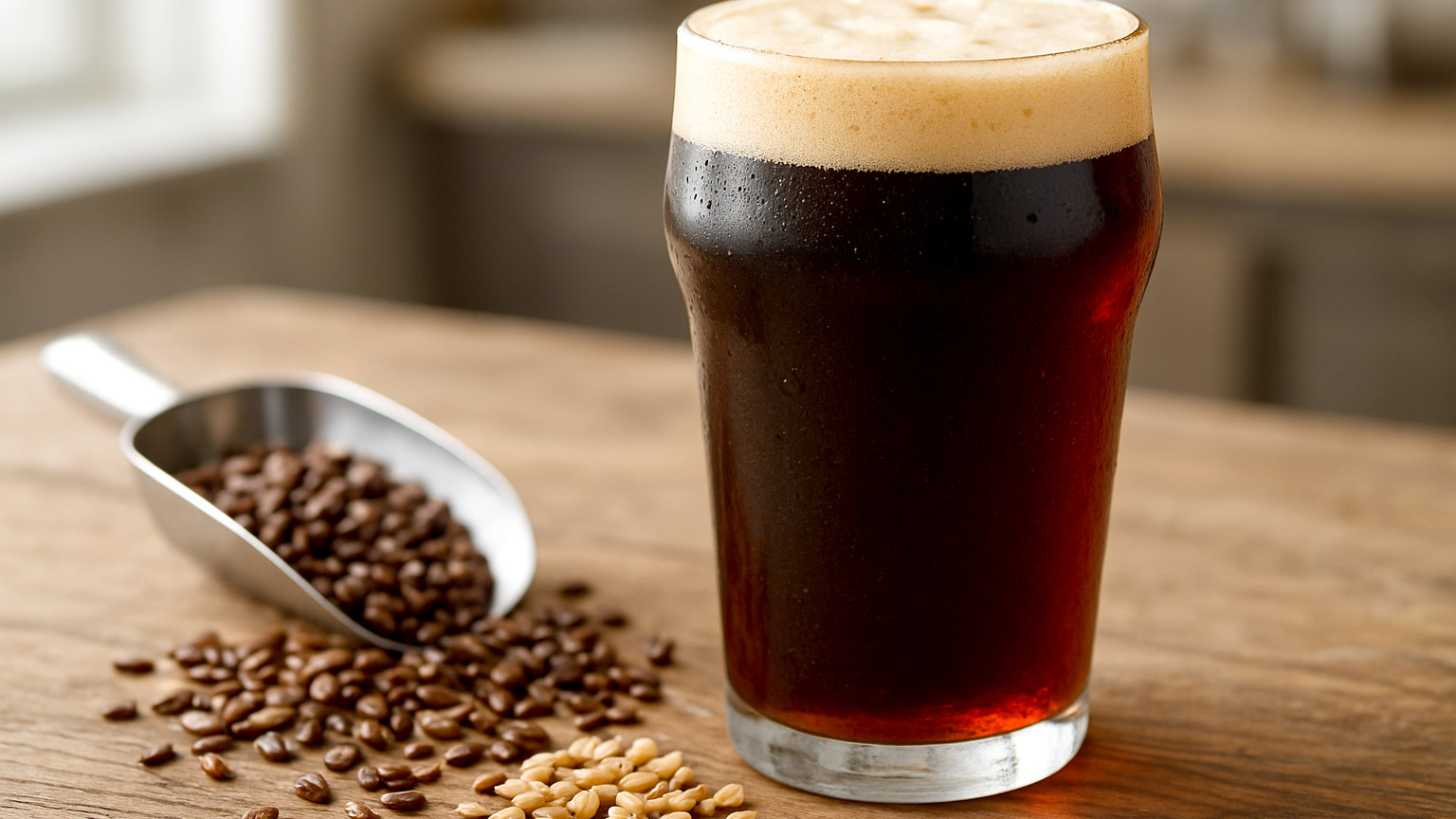
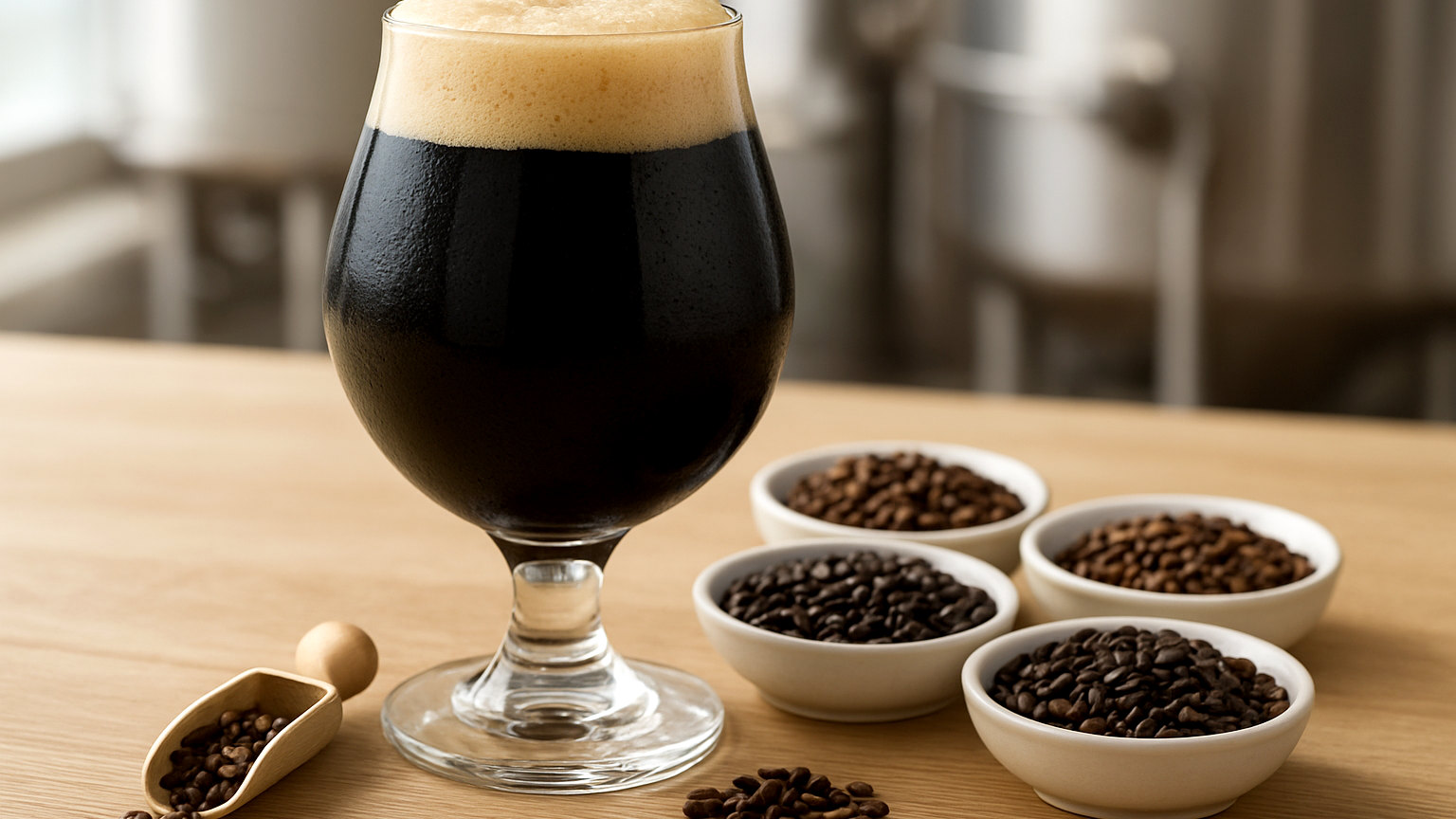
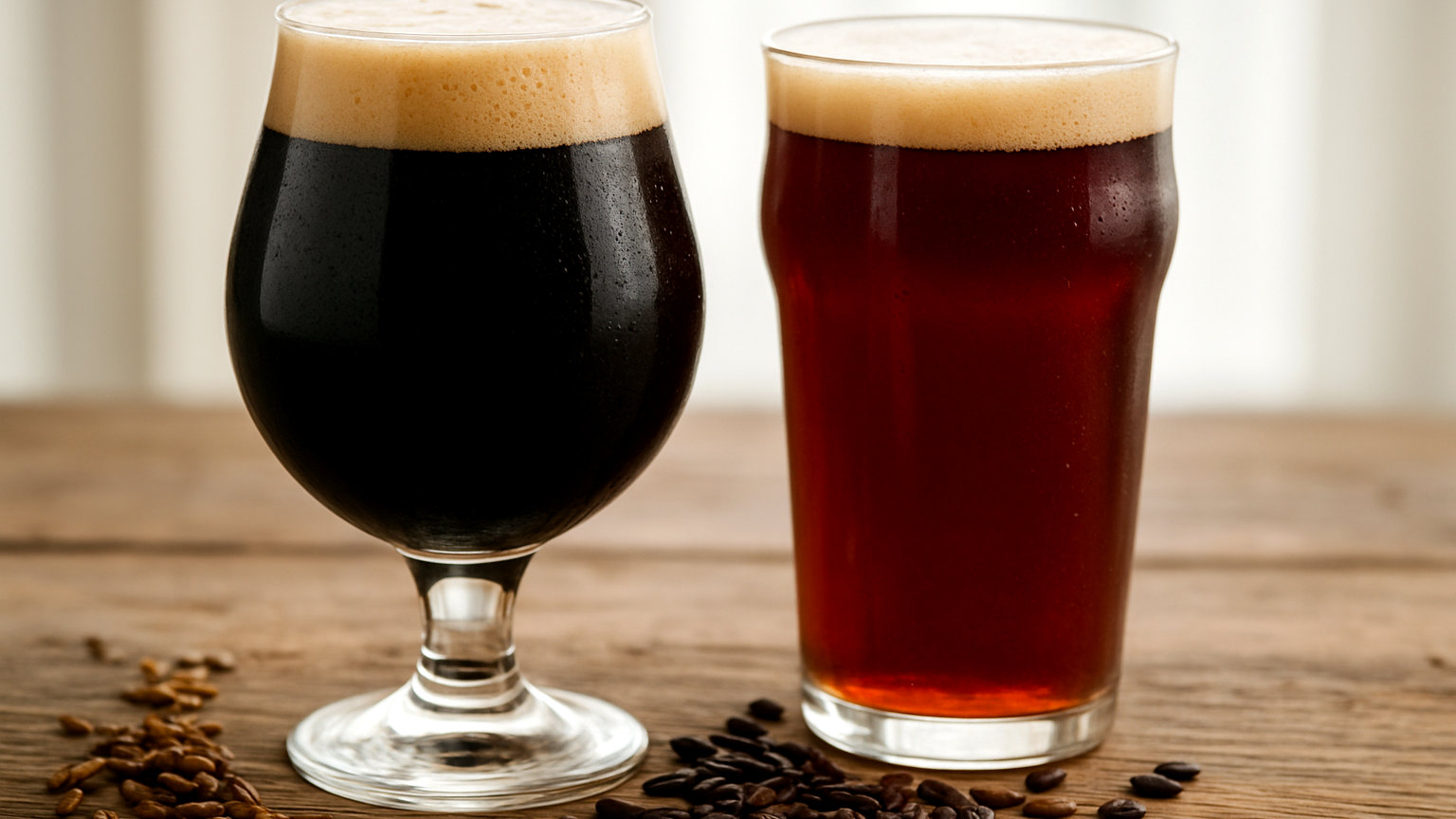
The honest answer is that the line has moved repeatedly and is partly arbitrary. There is still a useful distinction worth knowing.
By Drink Recipes Team
3 Dec 2025

Home brewing is mostly cleaning, patience and temperature control; the recipe is the easy part. These guides start with a first brew that works rather than a first brew that impresses, explain the styles well enough that you can judge what you have made against what you meant to make, and are honest about which equipment earns its shelf space. Cider and ginger beer sit here too, because both are the sensible starting point for anyone without a full kit. The safety notes - bottle pressure, sanitation, and when to pour a batch away - are written into the guides where you will read them.
The honest answer is that the line has moved repeatedly and is partly arbitrary. There is still a useful distinction worth knowing.
Golden ale is pale, light and unforgiving. Brewing one well in warm weather comes down almost entirely to fermentation control.
Cleaning and sanitising are two different operations and doing only one is why batches spoil. The rule about when it starts mattering is simple.
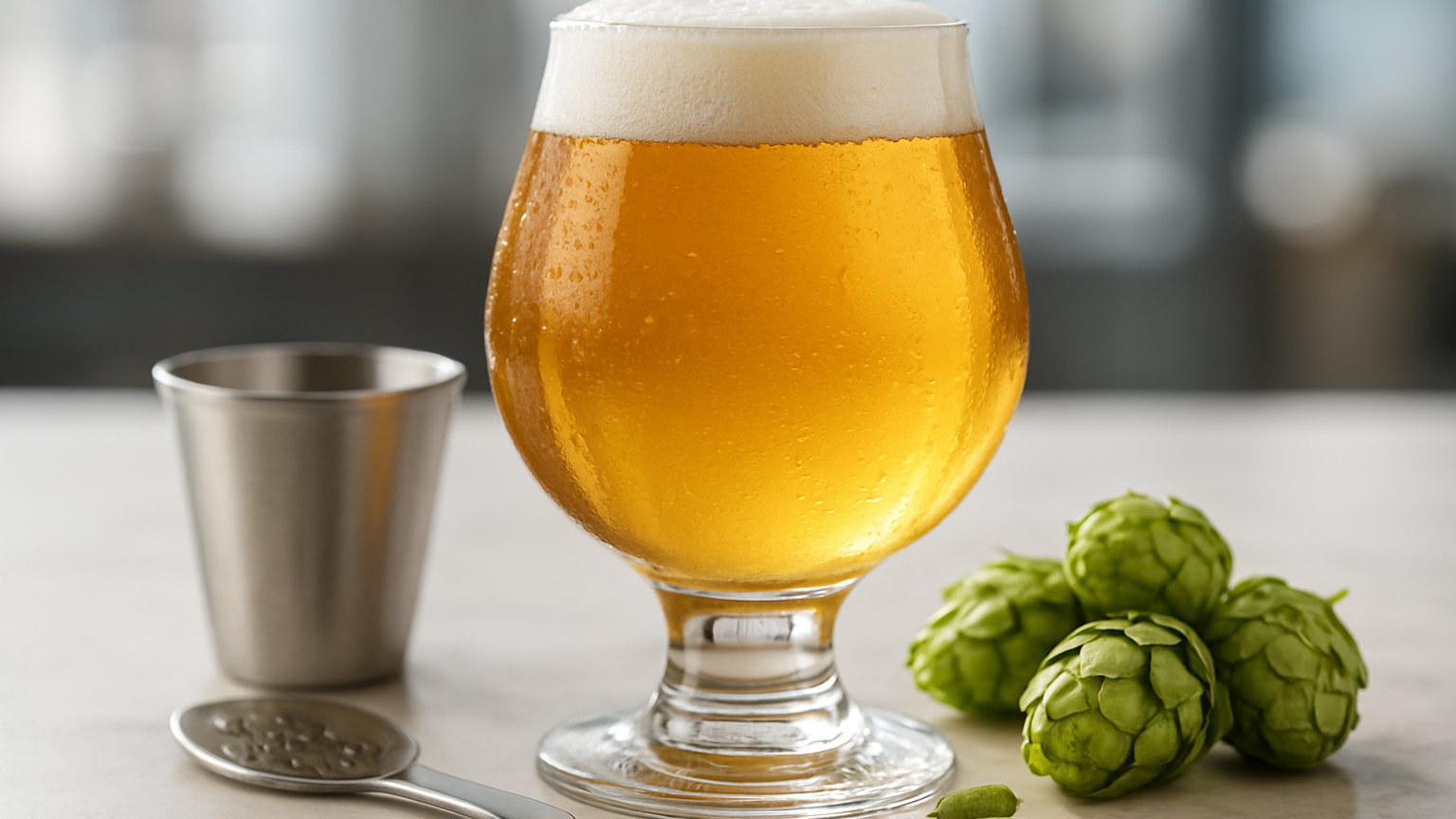
IPA now covers at least three genuinely different beers. Knowing which one you are drinking makes the whole category easier to navigate.
Grain scales in proportion. Hops do not, and neither does efficiency. Here is what to adjust when a recipe is written for a different volume.
Temperature affects beer more than the recipe does. Too warm produces flavours no amount of conditioning will remove.
A session beer has less alcohol to carry aroma, so hop choice and timing both change. Here is what works below four per cent.
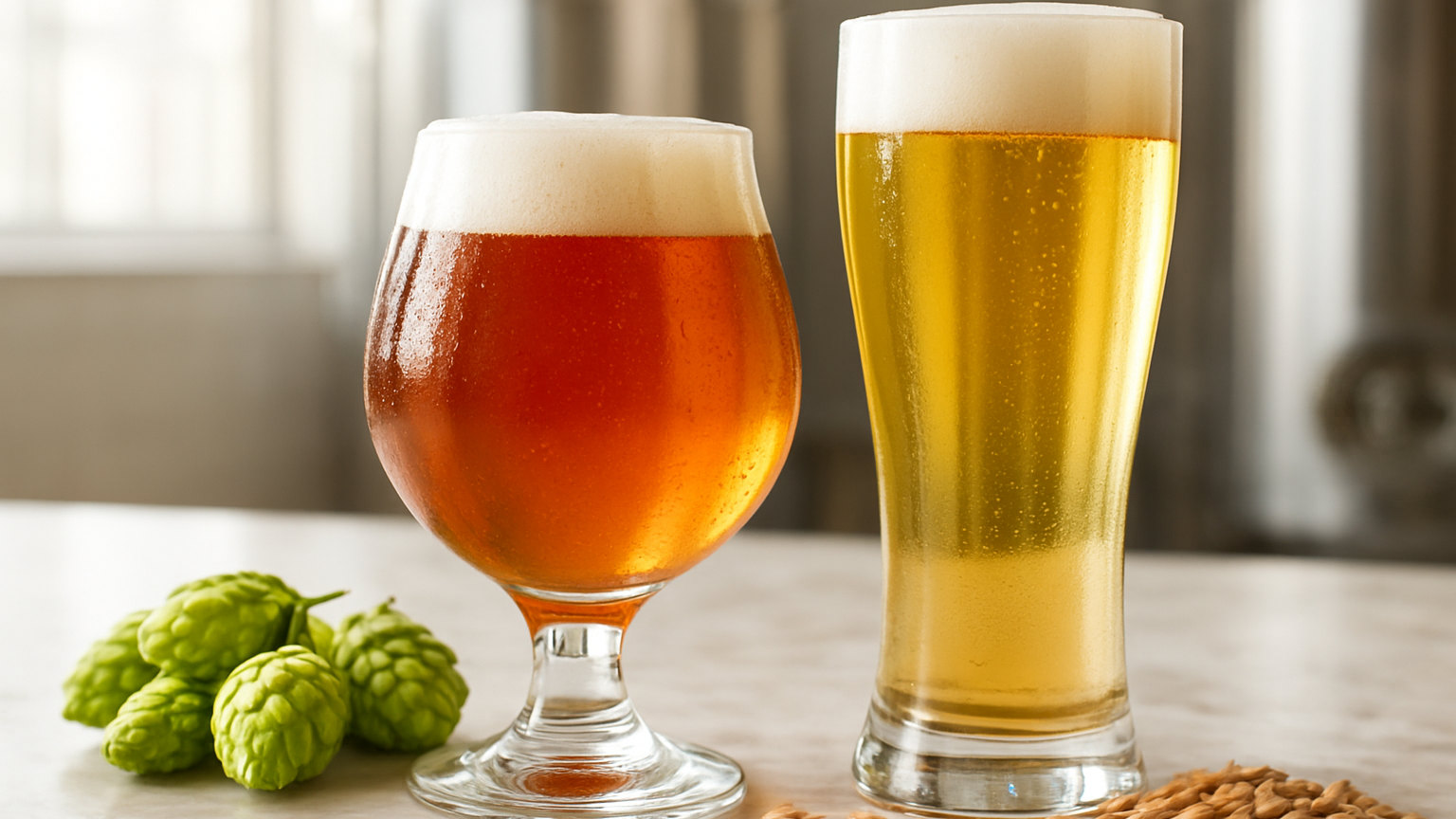
Almost every beer is one or the other, and the difference is the yeast rather than the colour. Everything else follows from that.
Porter and stout overlap, but the grains that separate them are specific. Here is the bill that gives chocolate depth without the coffee edge.
Three ways into home brewing, differing in how much of the process you take on yourself. Each has a genuine case, and one is the obvious first step.
Bitter is a low-alcohol beer with nowhere to hide, which makes it one of the harder styles to brew well and one of the most rewarding.
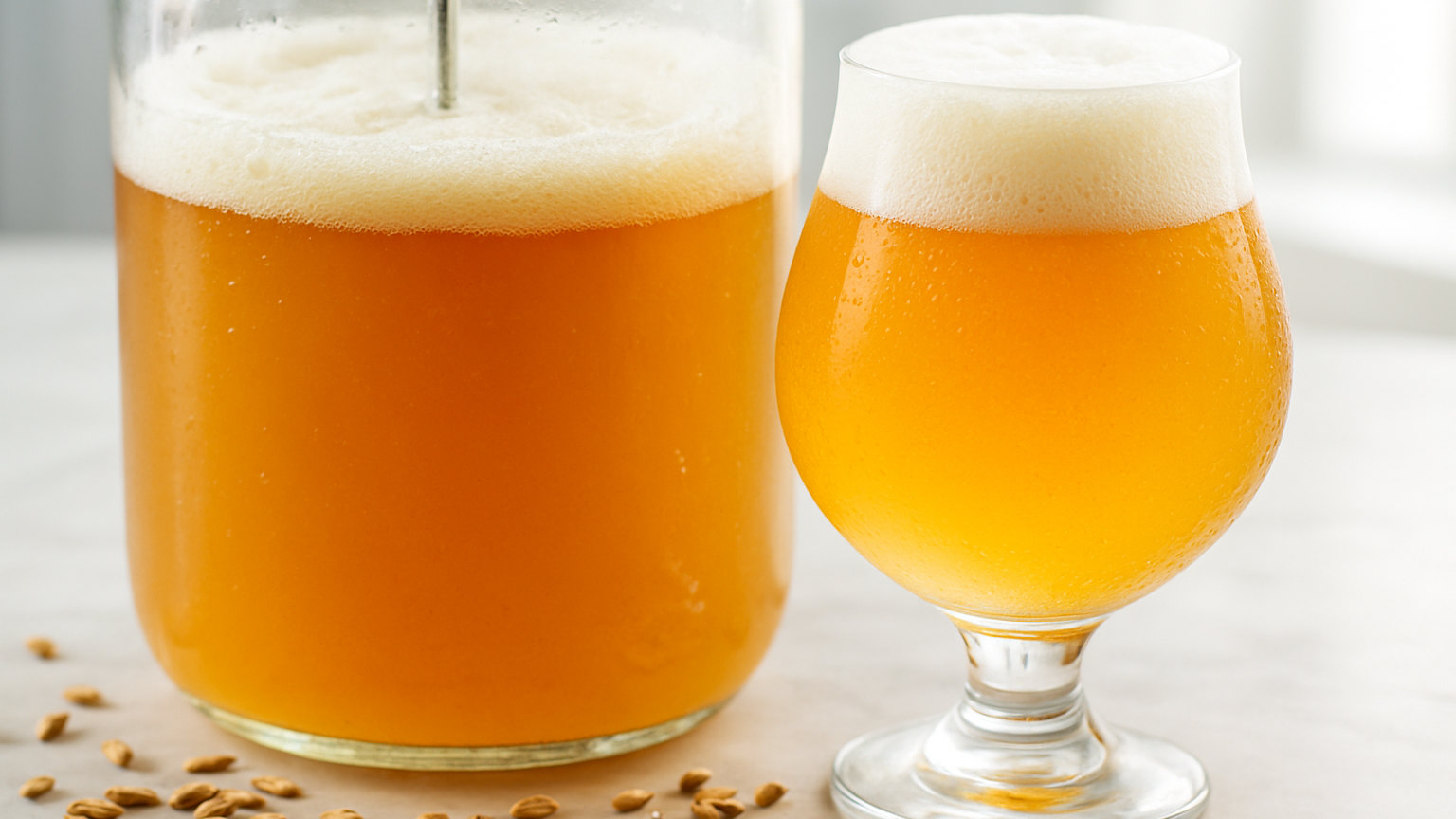
In a wheat beer the yeast makes the flavour and the grain makes the texture. Getting that the wrong way round is the usual mistake.
A first beer needs less equipment and more patience than most people expect. Two things decide whether it works, and neither is the recipe.
Dark grains are not interchangeable. Each one does a specific job, and swapping them is why so many home stouts come out harsh or thin.