Which Styles Are Easiest to Brew at Home?
Some styles hide a mistake and some announce it. Which you want depends on whether you are learning or producing.
By Drink Recipes Team
27 May 2026

Lager, ale, stout, IPA and the rest - what actually separates them, and what each should taste like.
Some styles hide a mistake and some announce it. Which you want depends on whether you are learning or producing.
Beer styles feel ancient and most of the definitions date from the 1970s. Understanding where they came from explains why the edges are so blurred.
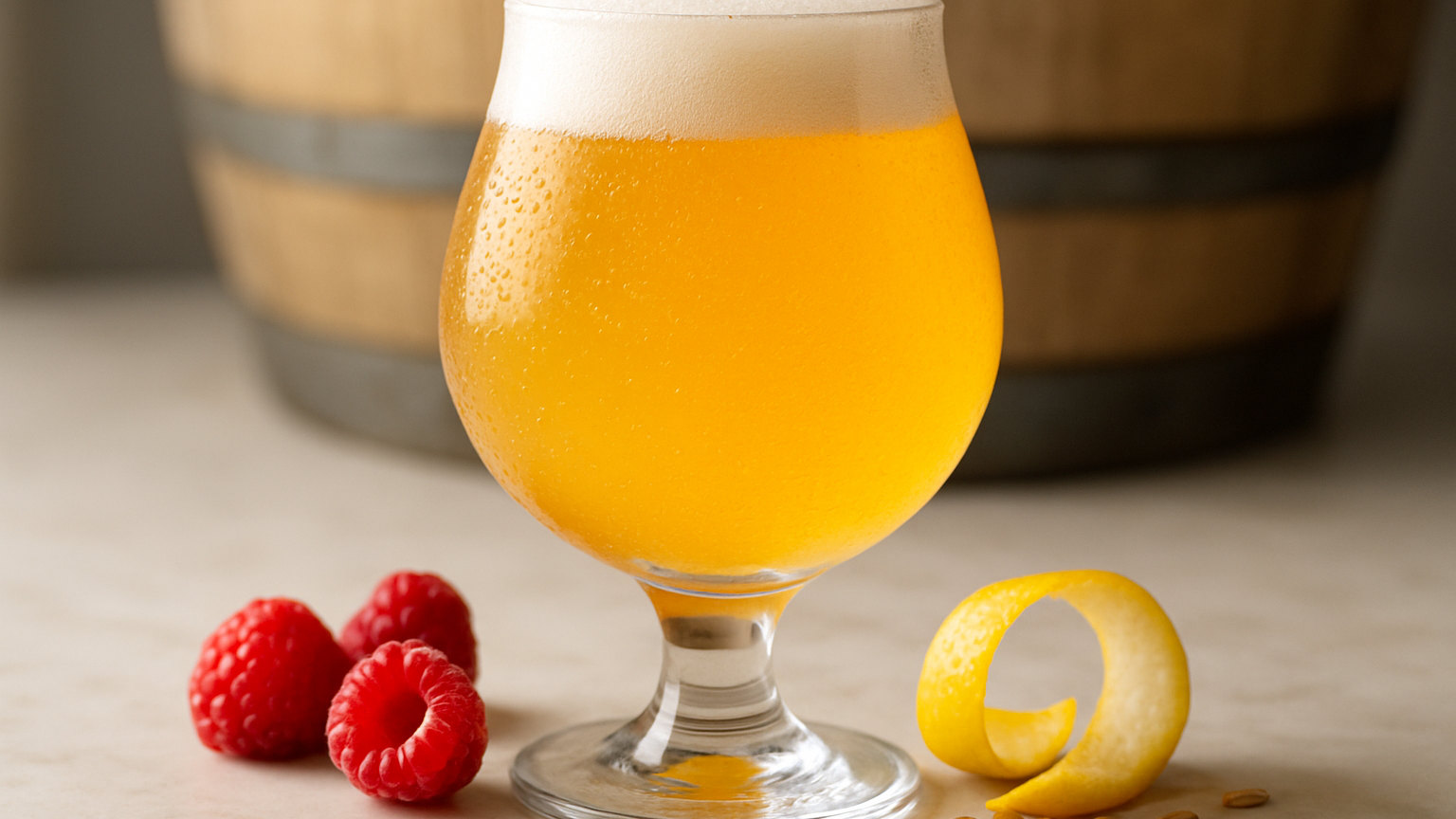
Sour beer is made by deliberately introducing bacteria that most brewing tries to eliminate. The results range from lightly tart to genuinely challenging.
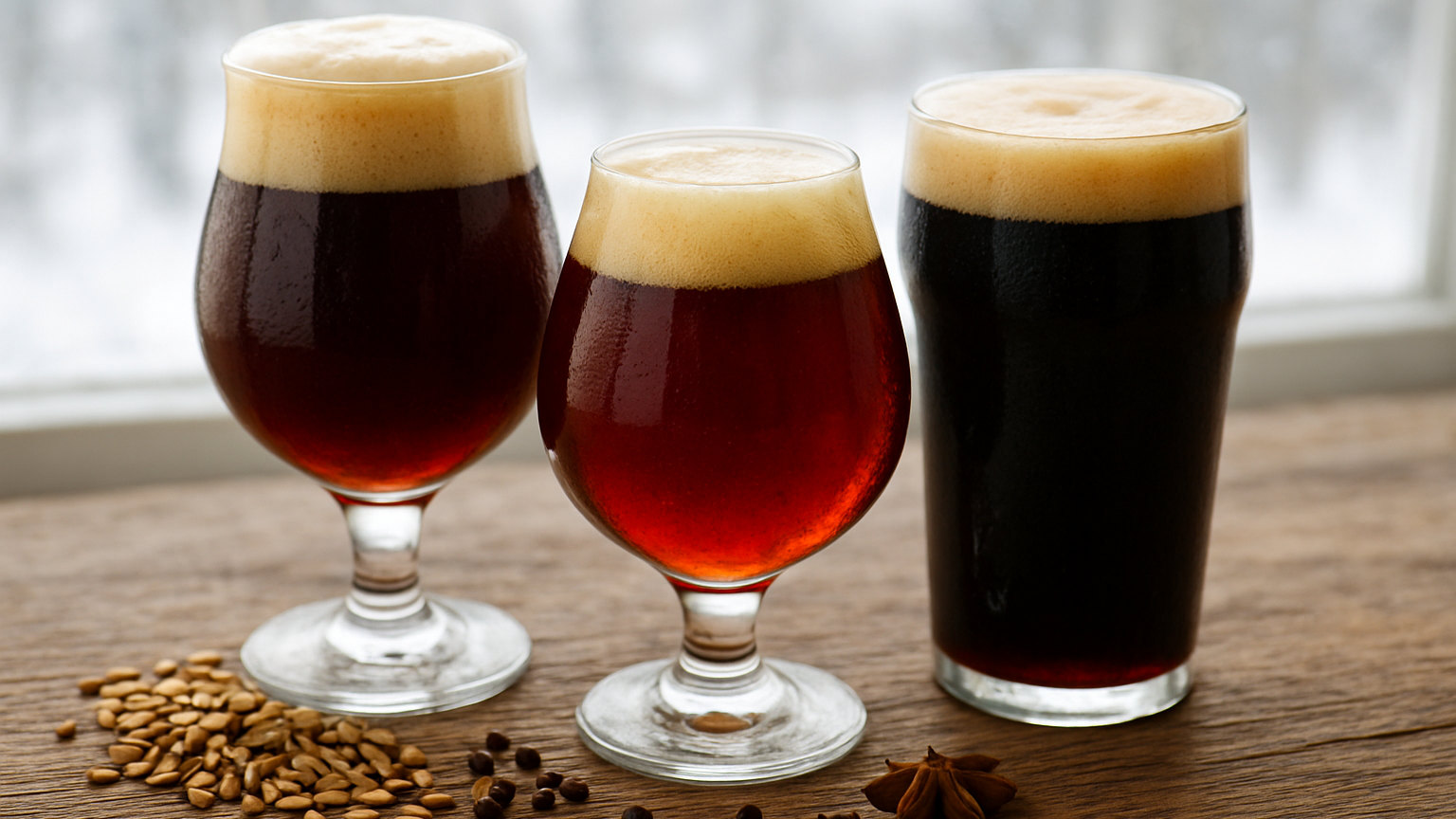
Cold weather rewards malt over hops and warmth over crispness. Several styles exist specifically for it and are only around for a few months.
Two numbers appear on most beer these days. One is precise and legally required, the other is a laboratory figure that only half describes what you taste.
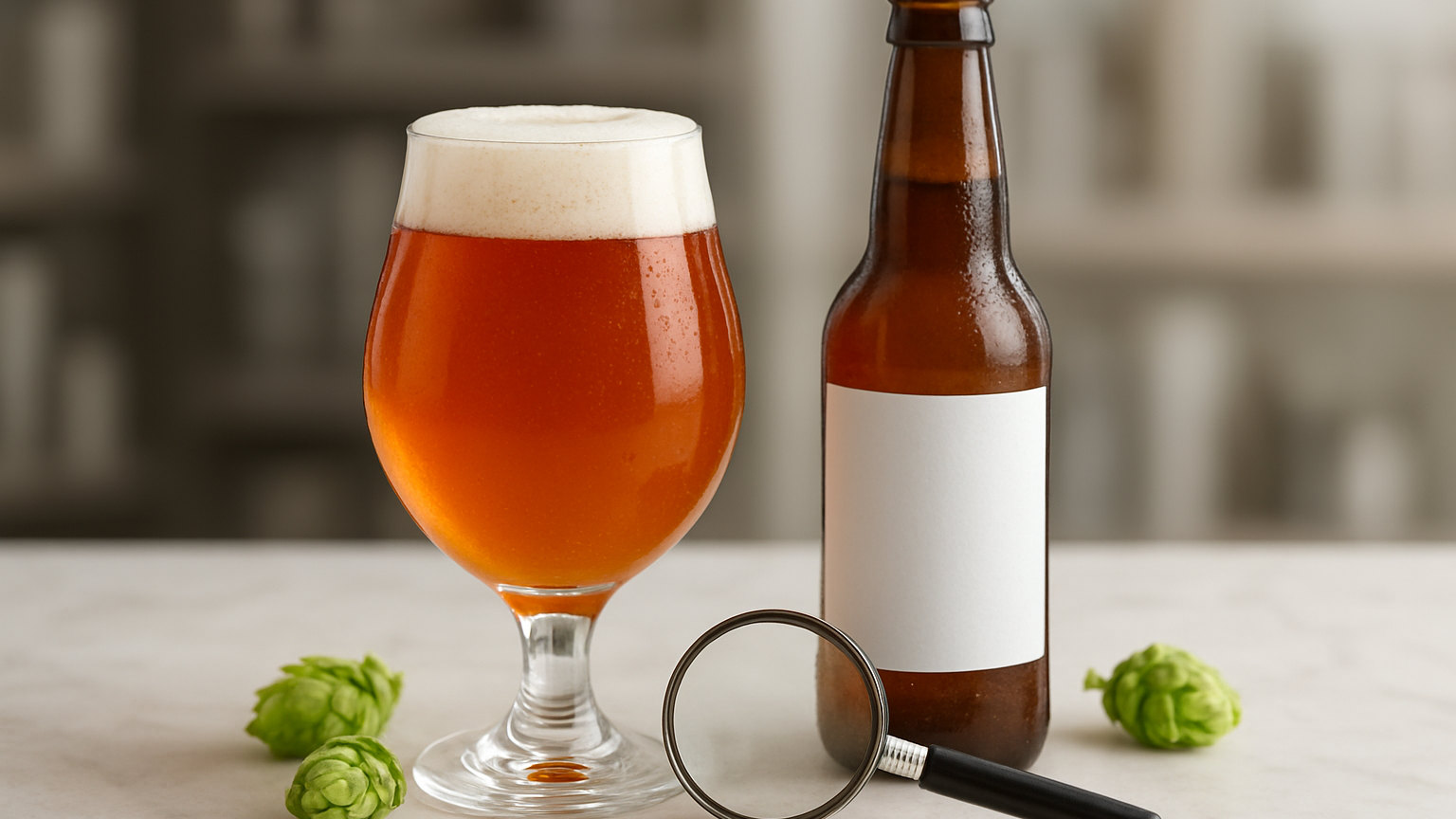
A beer label carries four genuinely useful pieces of information and a great deal of marketing. Knowing which is which saves money.
A session beer is one you can have two or three of, which sounds simple and is genuinely harder to brew than a strong one.
Belgian brewing follows different rules to British and German traditions, and the yeast is doing far more of the work than the recipe.
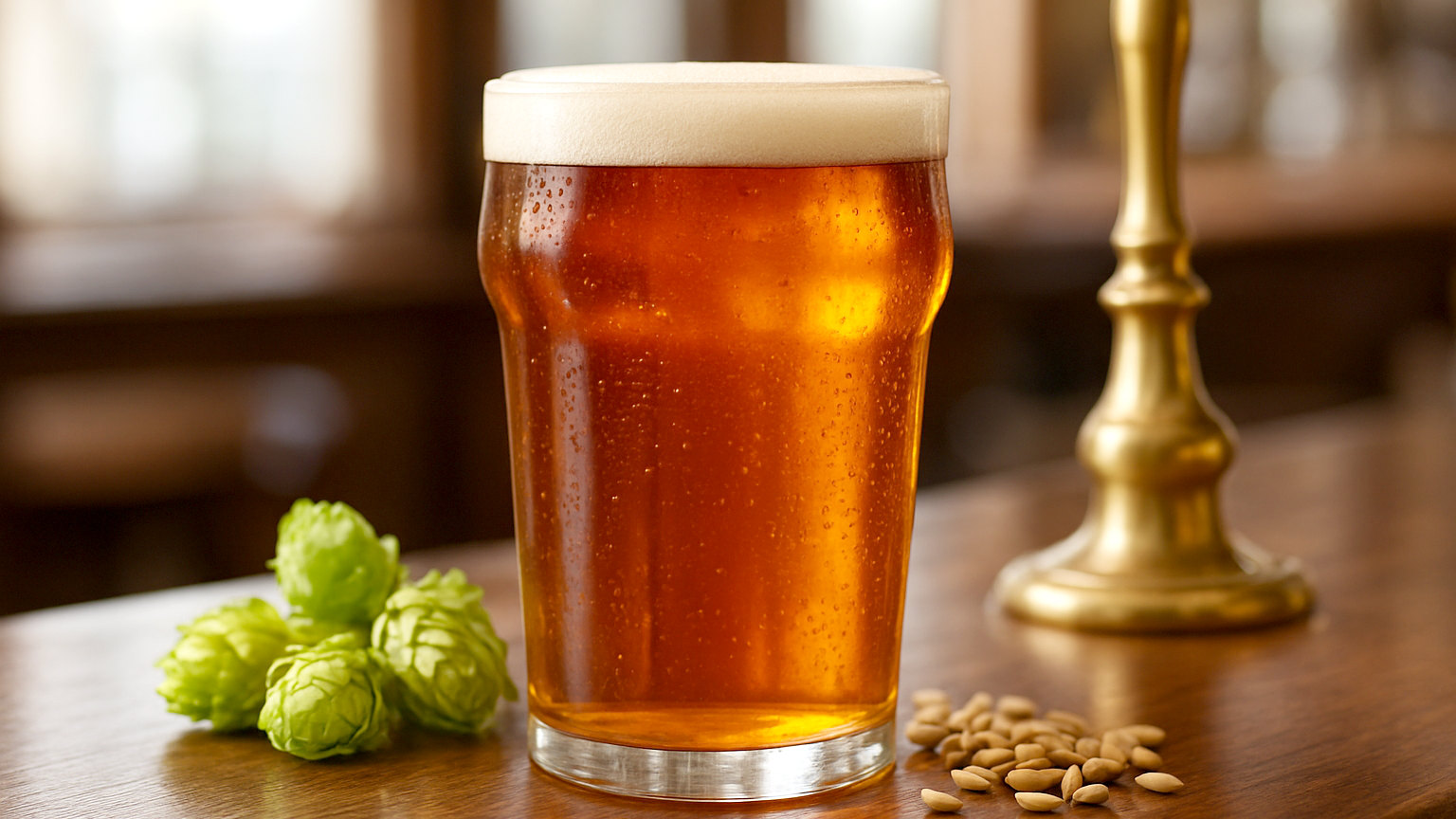
Pale ale is the most useful style on any bar and the hardest to describe, because it is defined by balance rather than by any single feature.
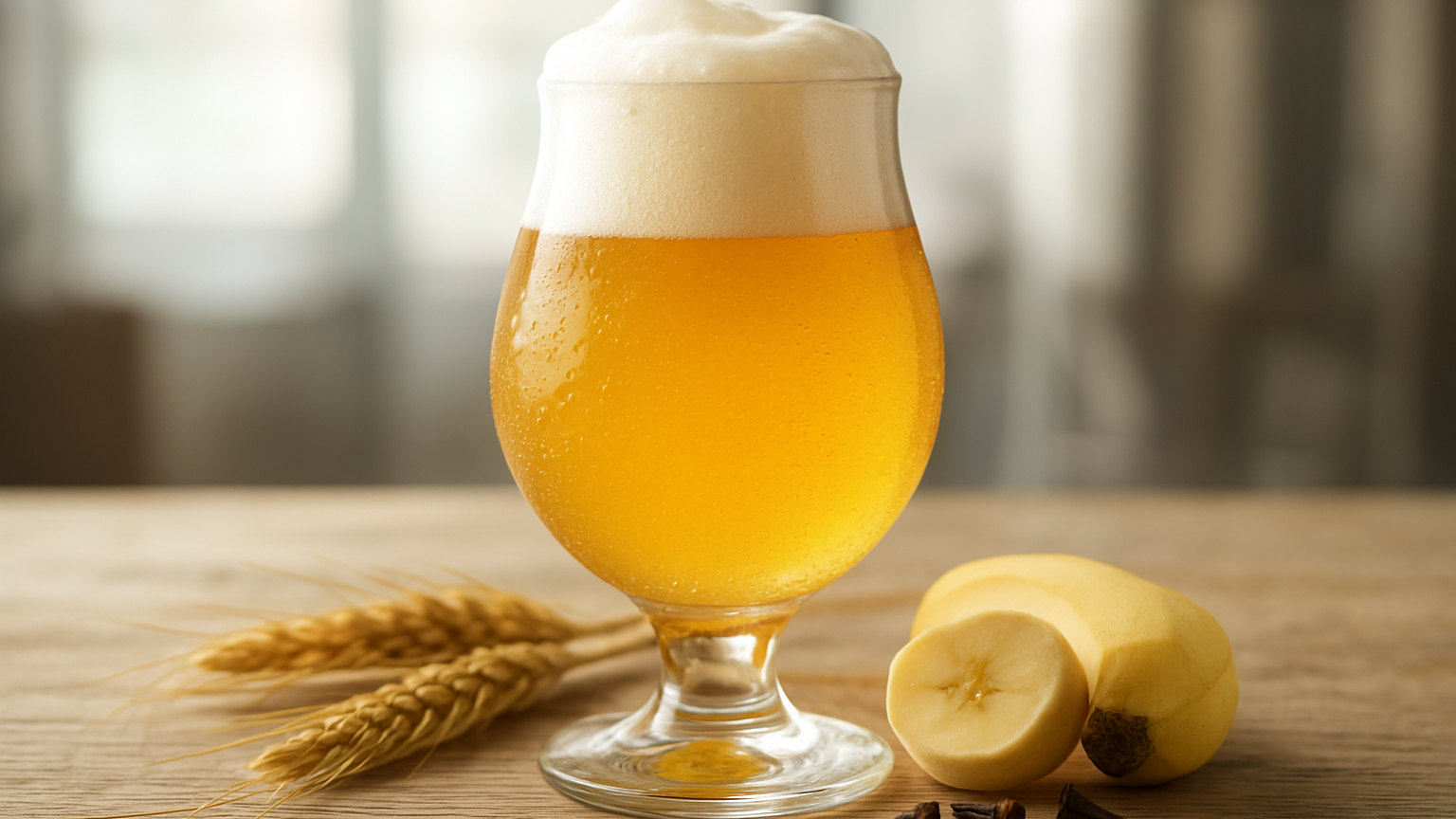
Wheat beer tastes of banana and clove, and neither comes from the wheat. The grain provides the texture and the yeast provides the flavour.
Bitter is one of the least bitter beers on any modern bar. The name is a historical accident and the style deserves better than it gets.
Bitterness is the acquired taste in beer, and starting with the styles built around it is why many people conclude they dislike it.
The honest answer is that the line has moved repeatedly and is partly arbitrary. There is still a useful distinction worth knowing.
IPA now covers at least three genuinely different beers. Knowing which one you are drinking makes the whole category easier to navigate.