Which Brewing Upgrades Are Worth Making First?
Most upgrades make brewing more pleasant. Two of them make the beer better, and they are not the ones most people buy first.
By Drink Recipes Team
1 Jul 2026

What you genuinely need to start, what can wait, and the sanitising routine that prevents most failed batches.
Most upgrades make brewing more pleasant. Two of them make the beer better, and they are not the ones most people buy first.
Home brewing does not save money against supermarket lager. It saves a great deal against craft beer, and the equipment pays back slowly.
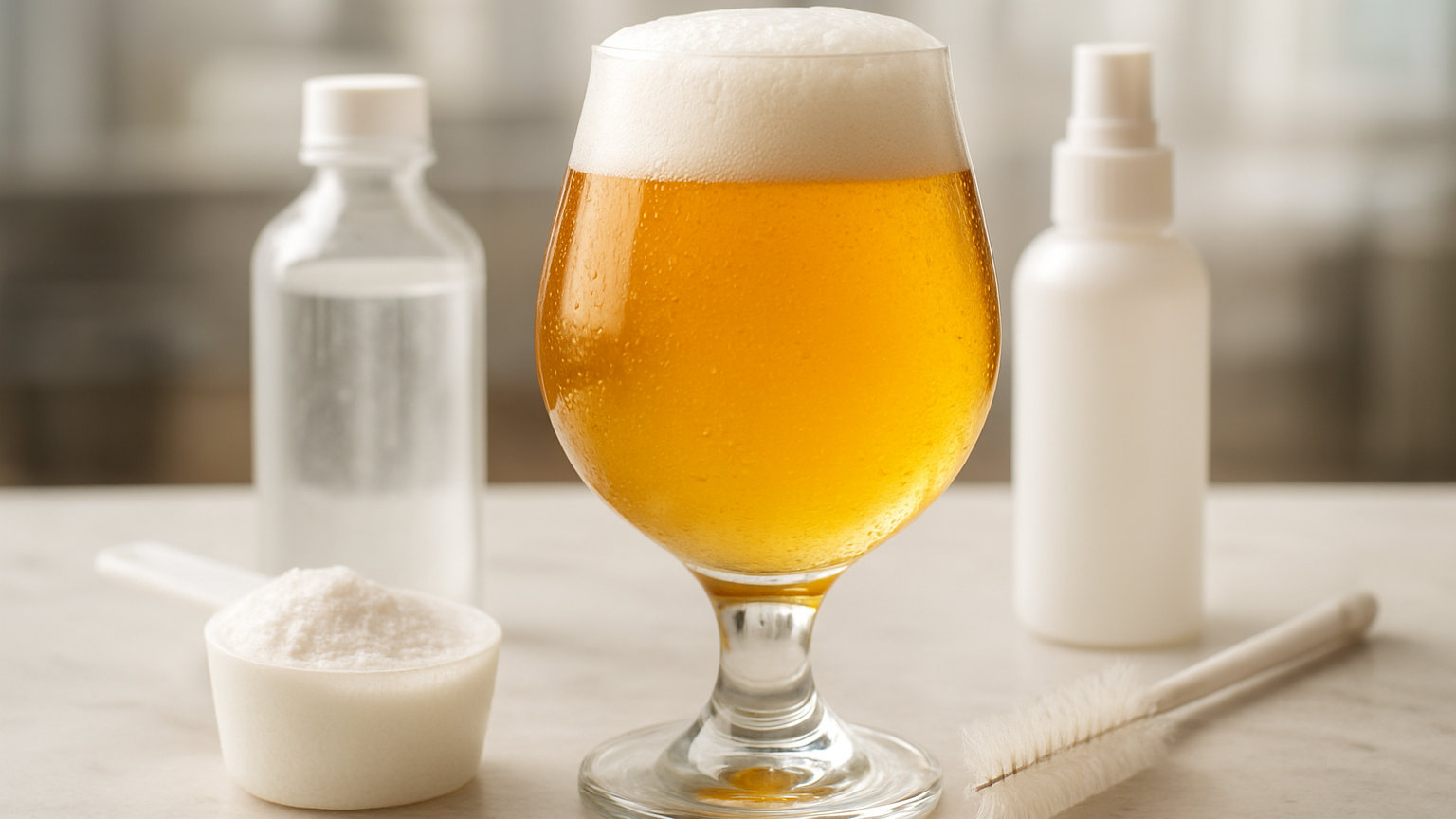
Two products cover every cleaning and sanitising job in home brewing. Using the wrong one is behind most spoiled batches.
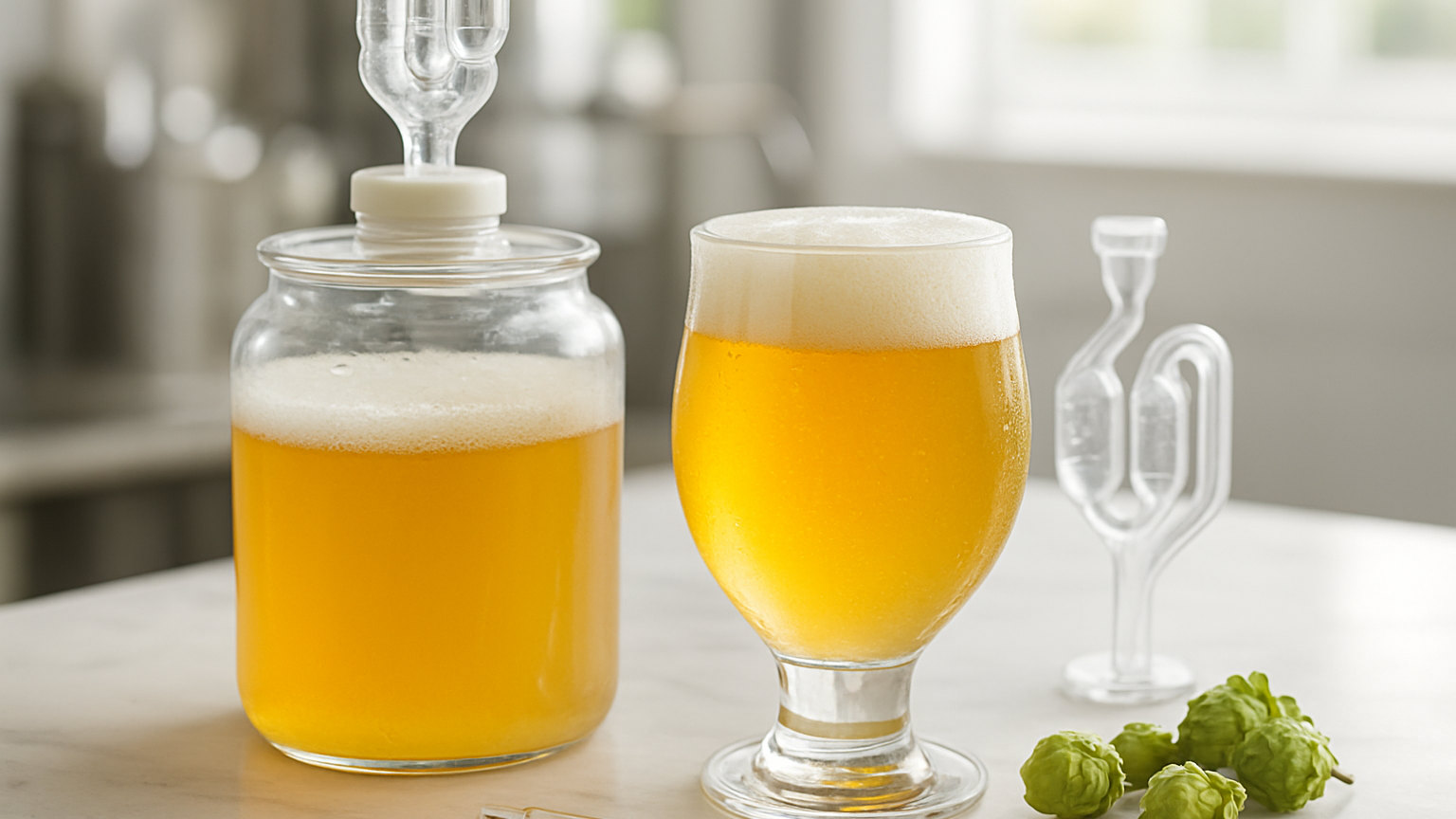
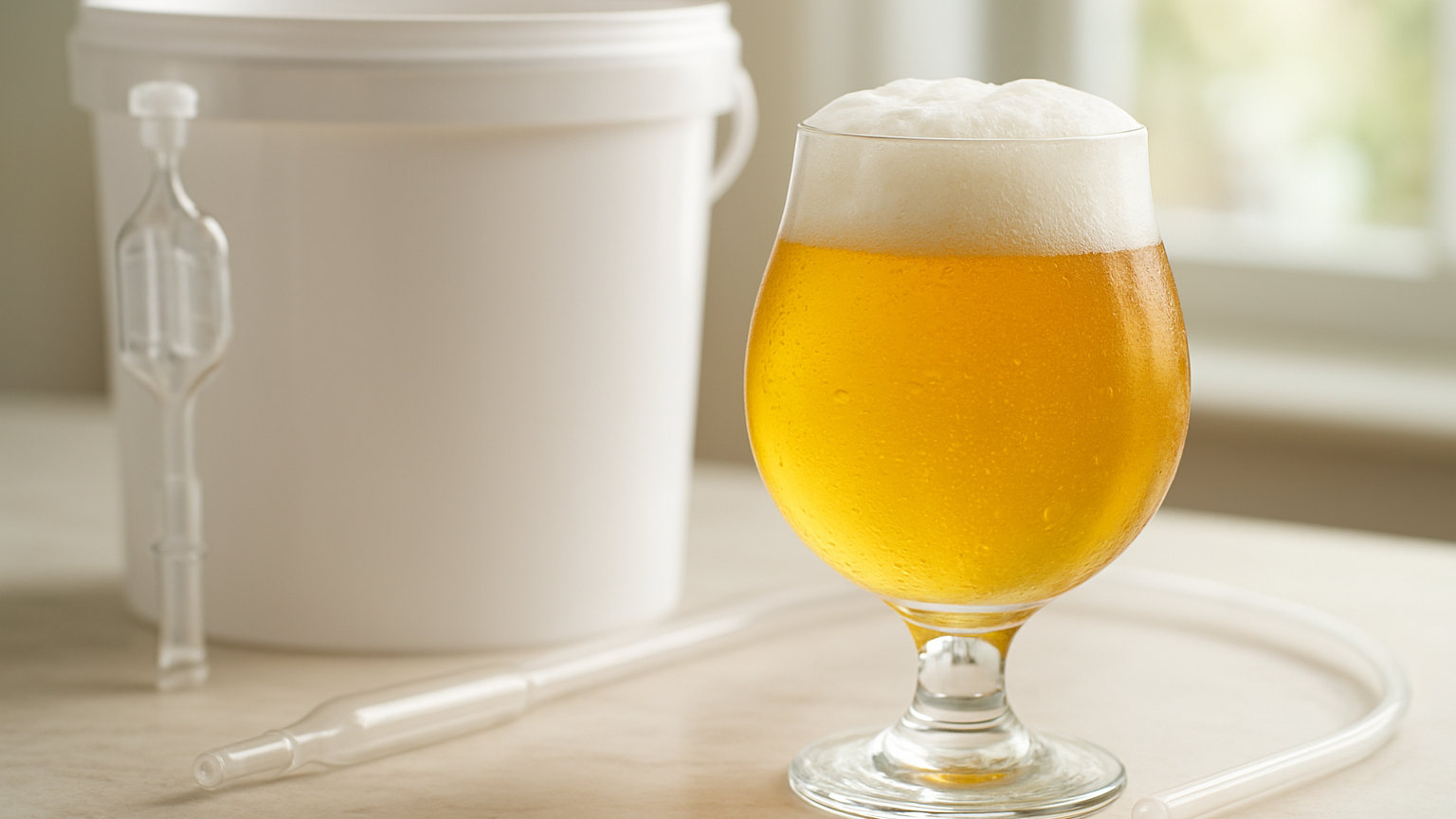
An airlock lets carbon dioxide out and keeps air out. It also tells you almost nothing useful, which is where people go wrong with it.
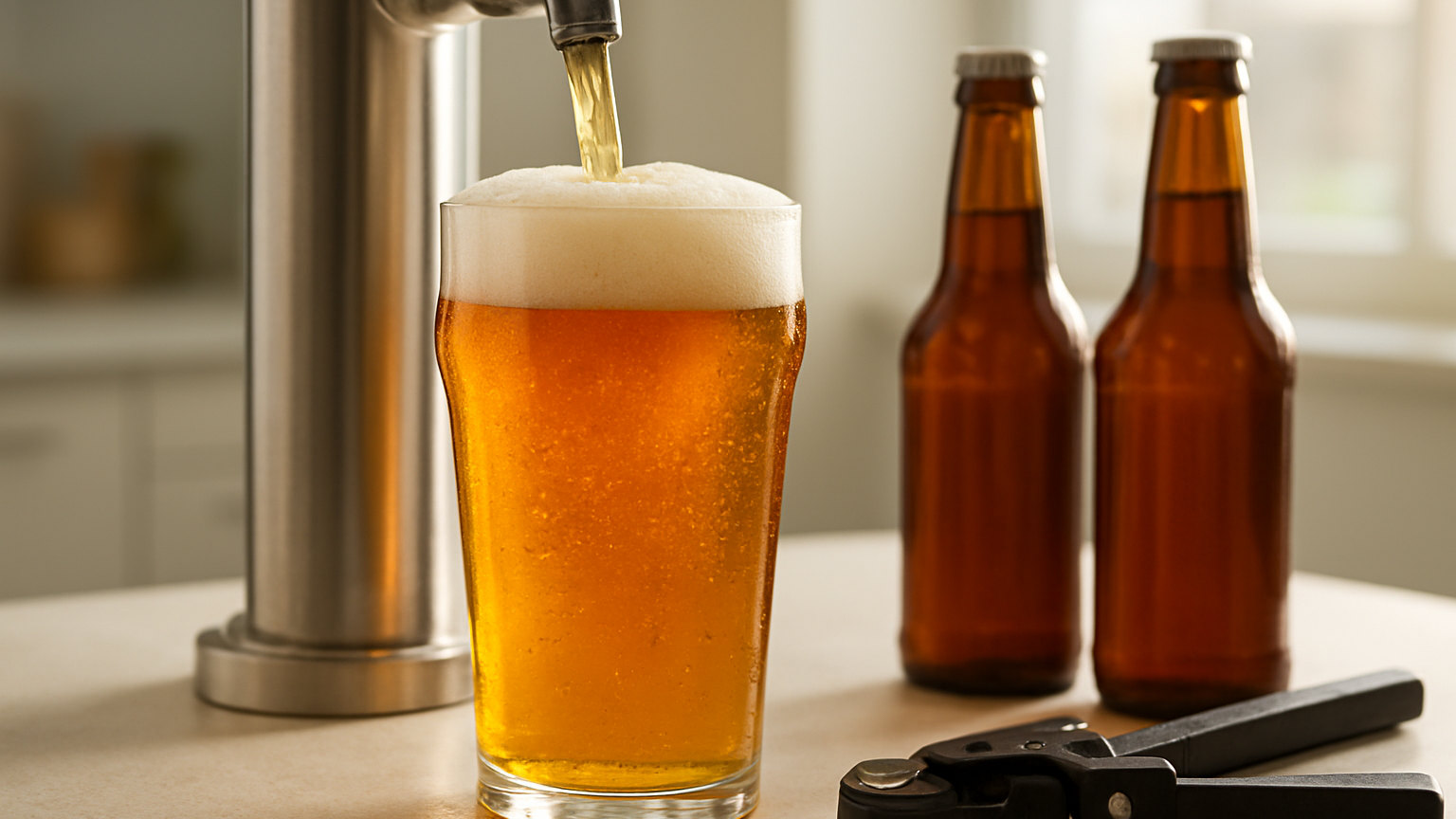
Bottling is cheap and slow. Kegging is quick and expensive. The right answer depends on how you actually drink beer.
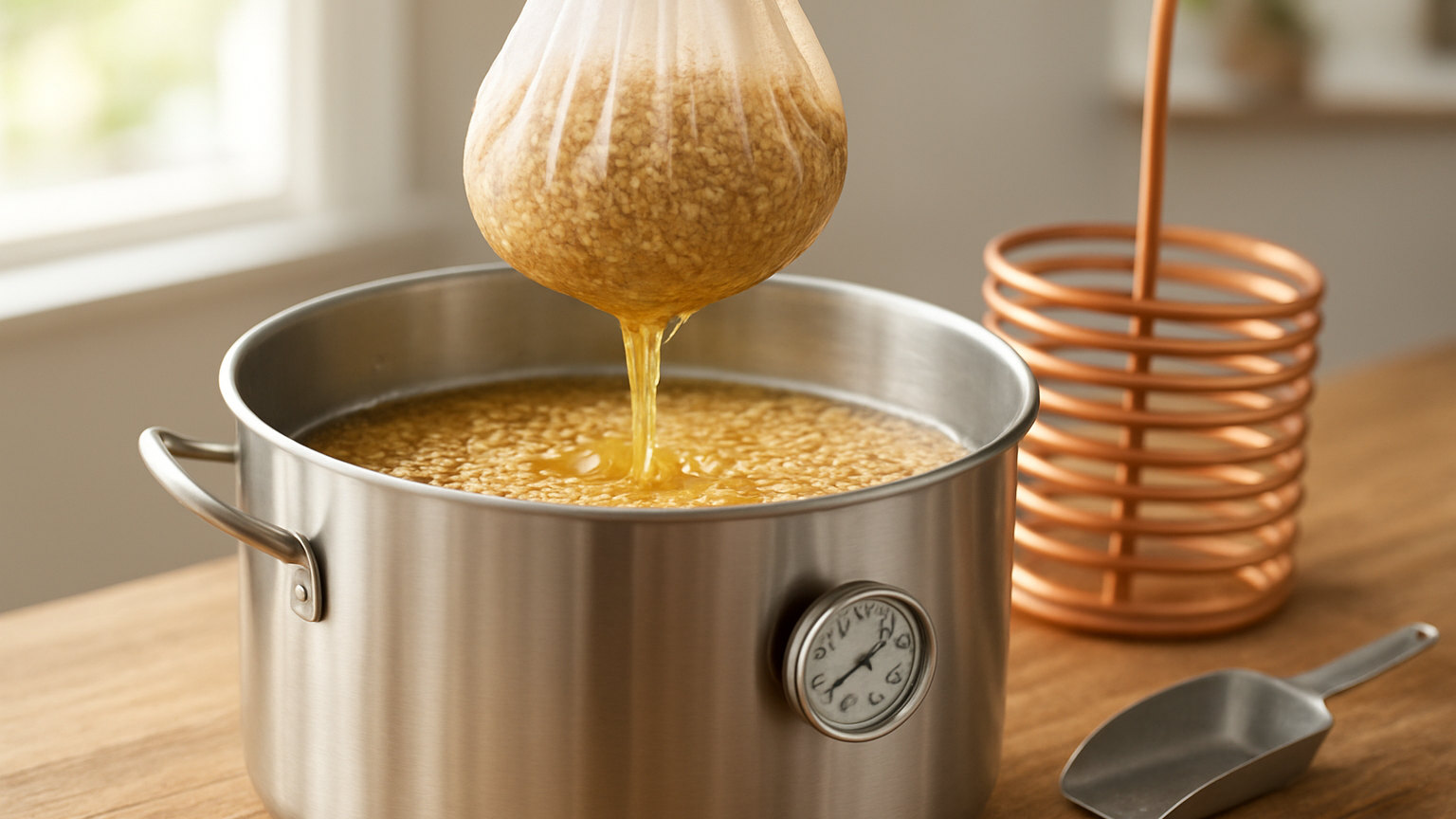
One vessel, one bag, no mash tun. It removes most of the equipment barrier to all grain brewing and has two genuine limitations.
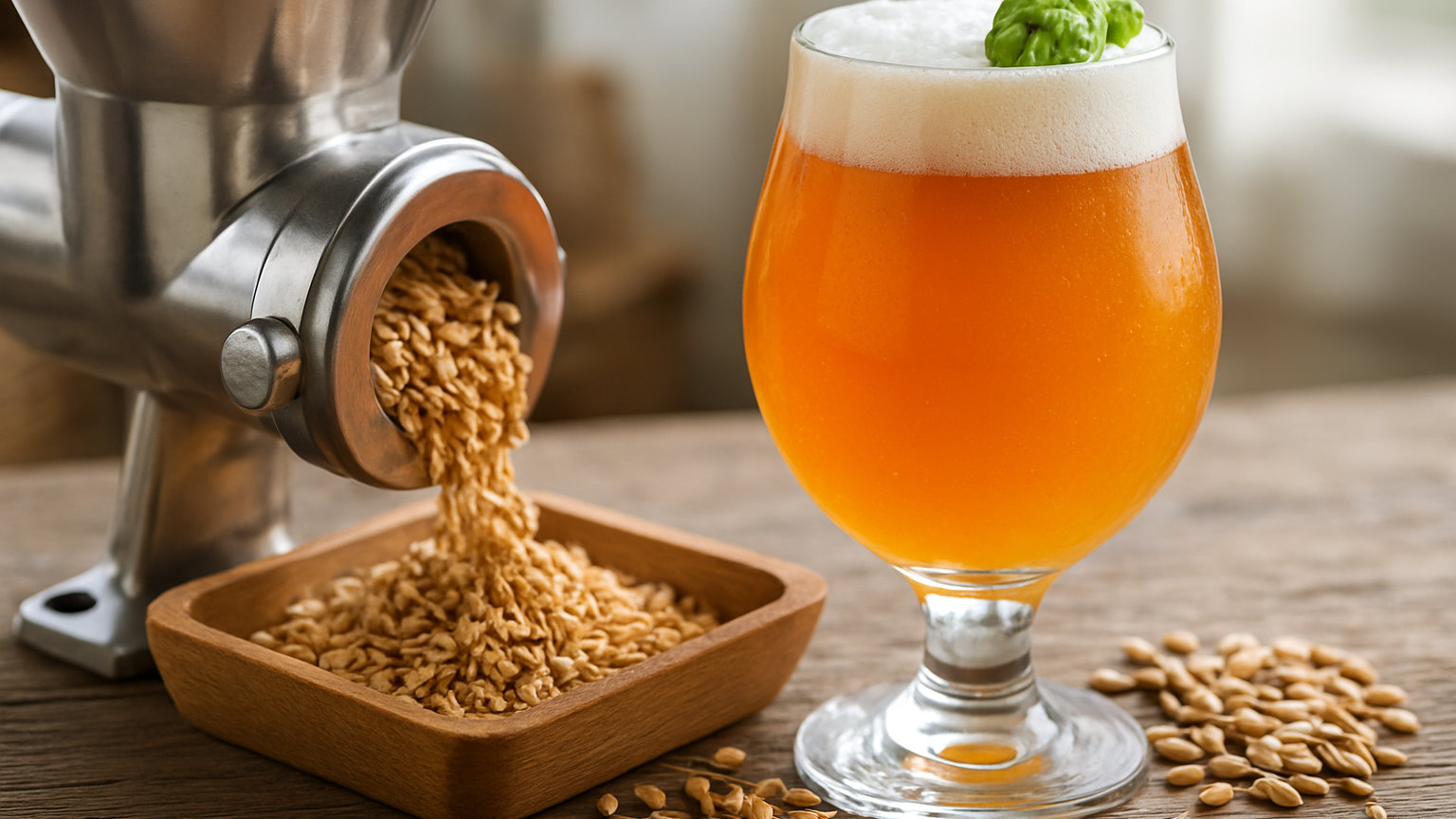
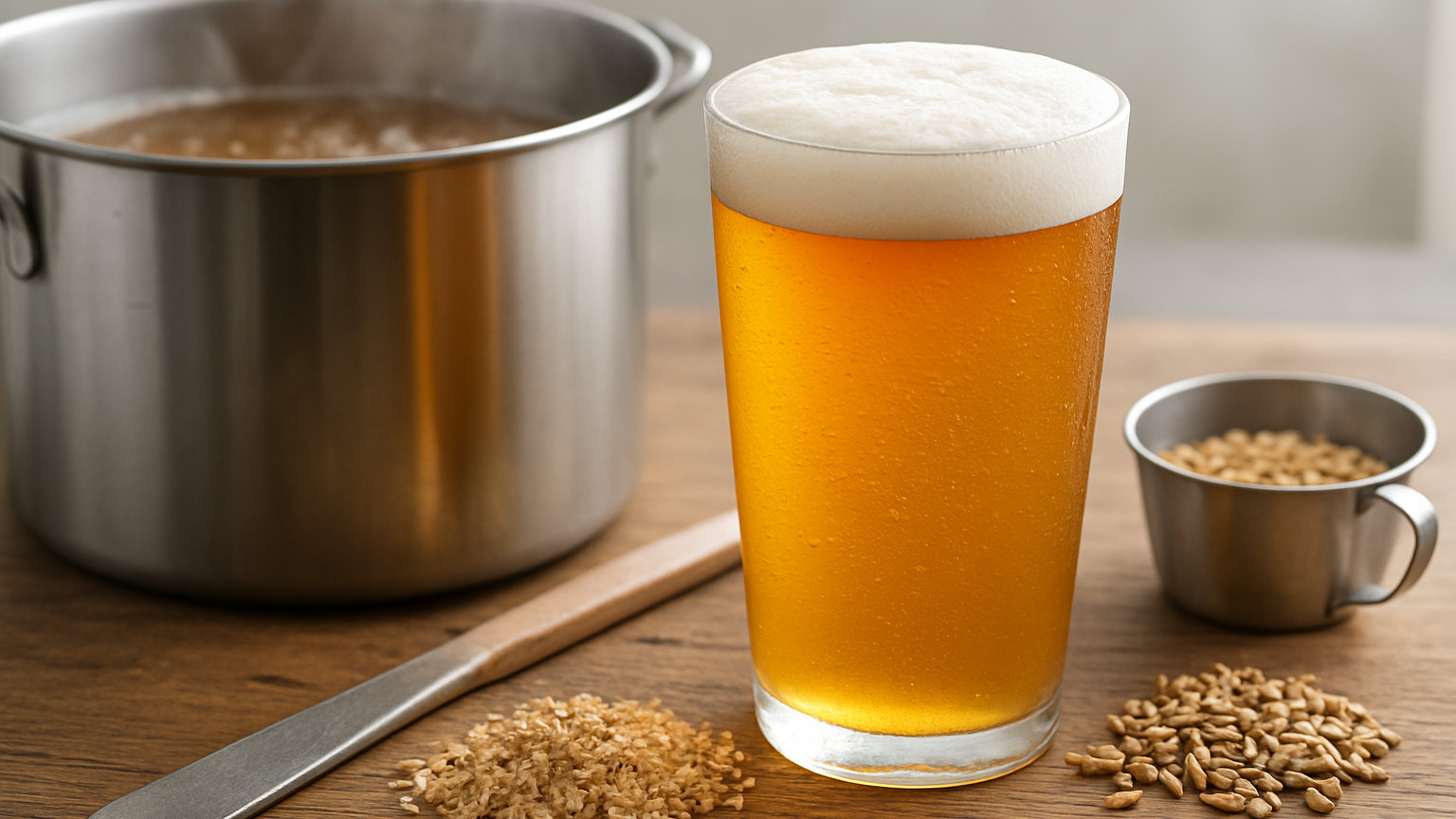
Pre-crushed grain works perfectly well for most brewers. A mill matters if you buy in bulk or your efficiency is inconsistent.
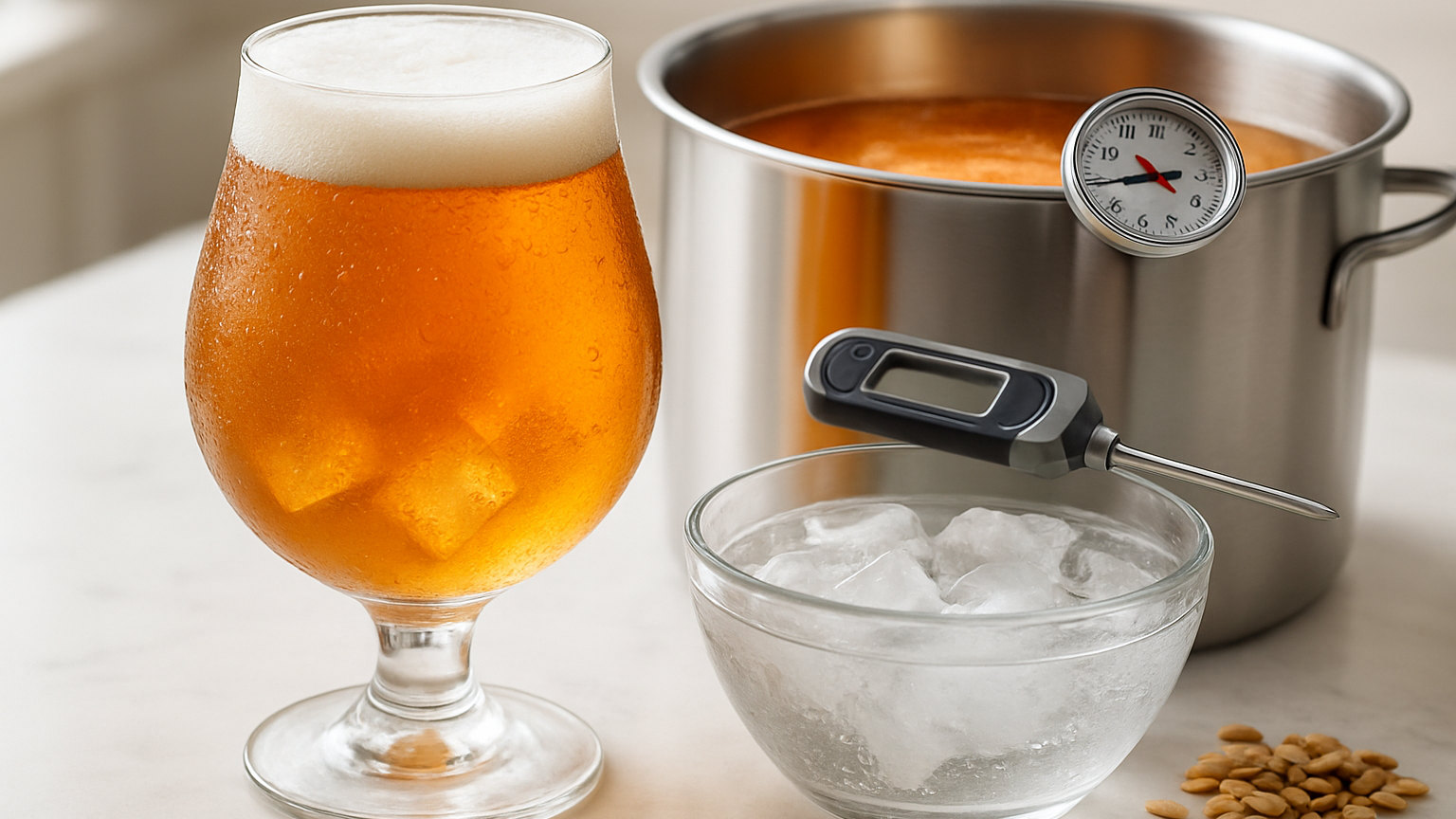
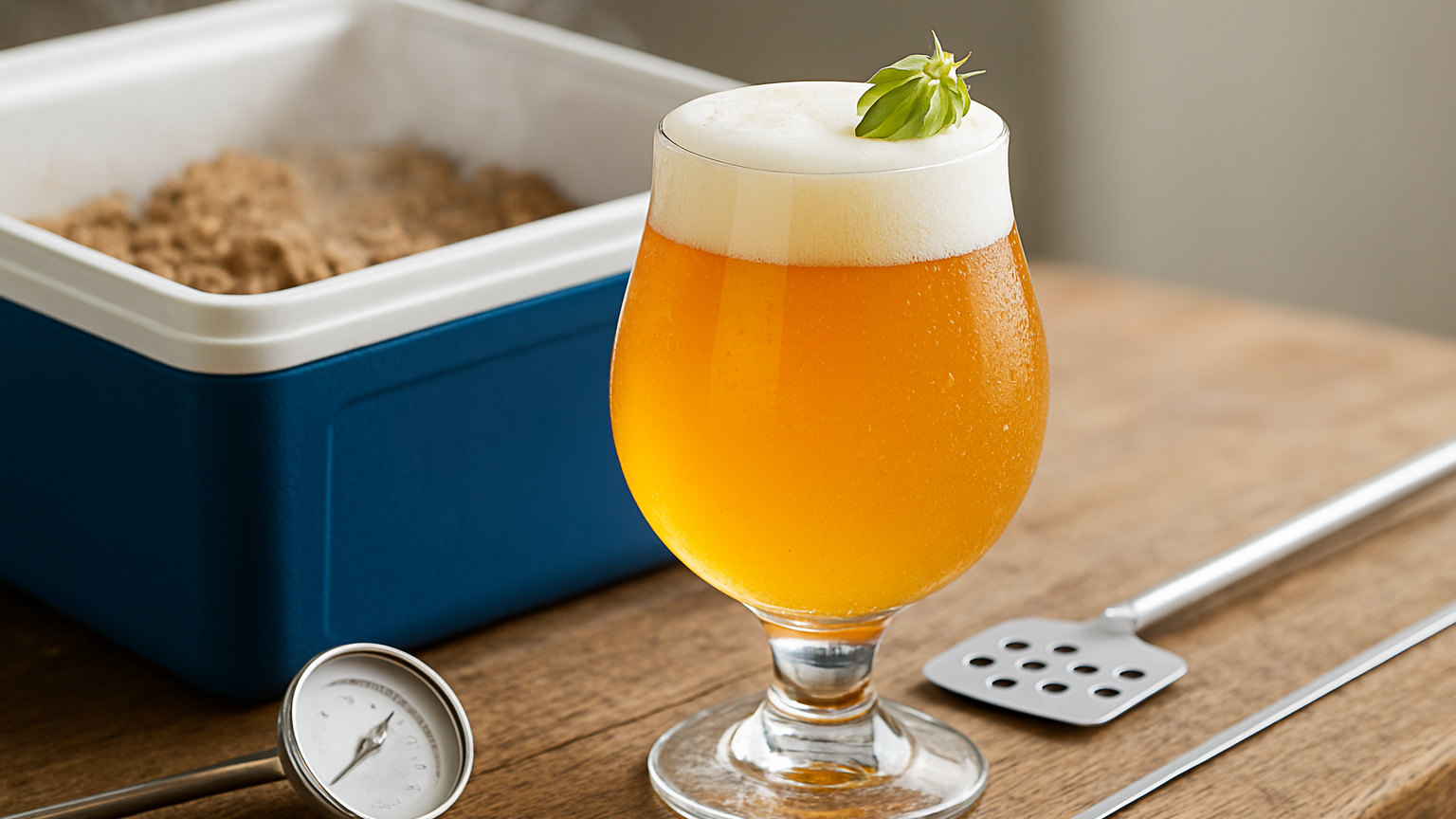
Two thermometers cover brewing, and they do different jobs. One costs almost nothing and the other needs checking for accuracy.
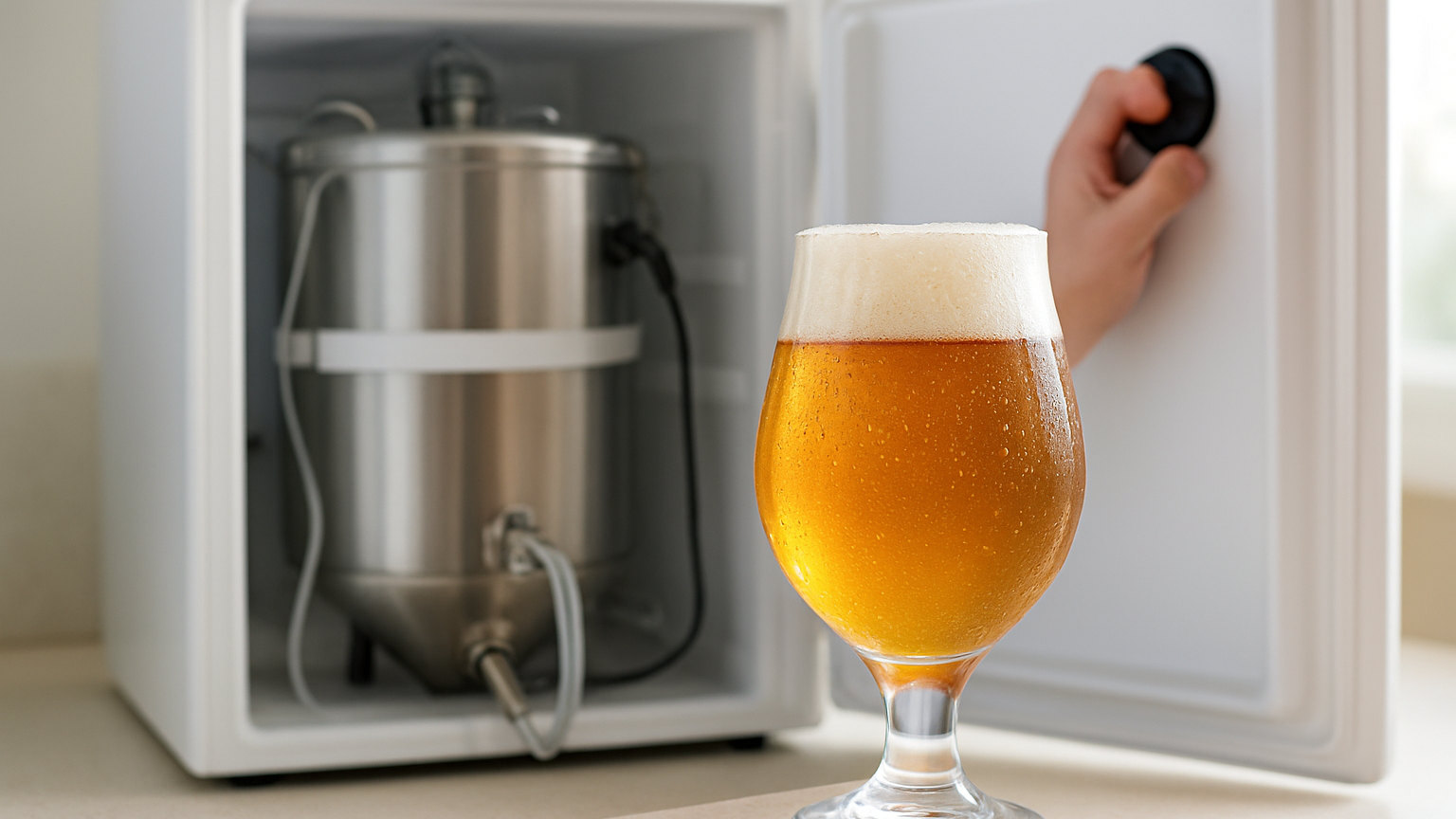
A fridge and a controller hold a fermenter within half a degree. It is the single largest quality improvement available to a home brewer.
A mash tun is an insulated box that holds grain and water at a steady temperature for an hour. A cool box does it for a fraction of the price.
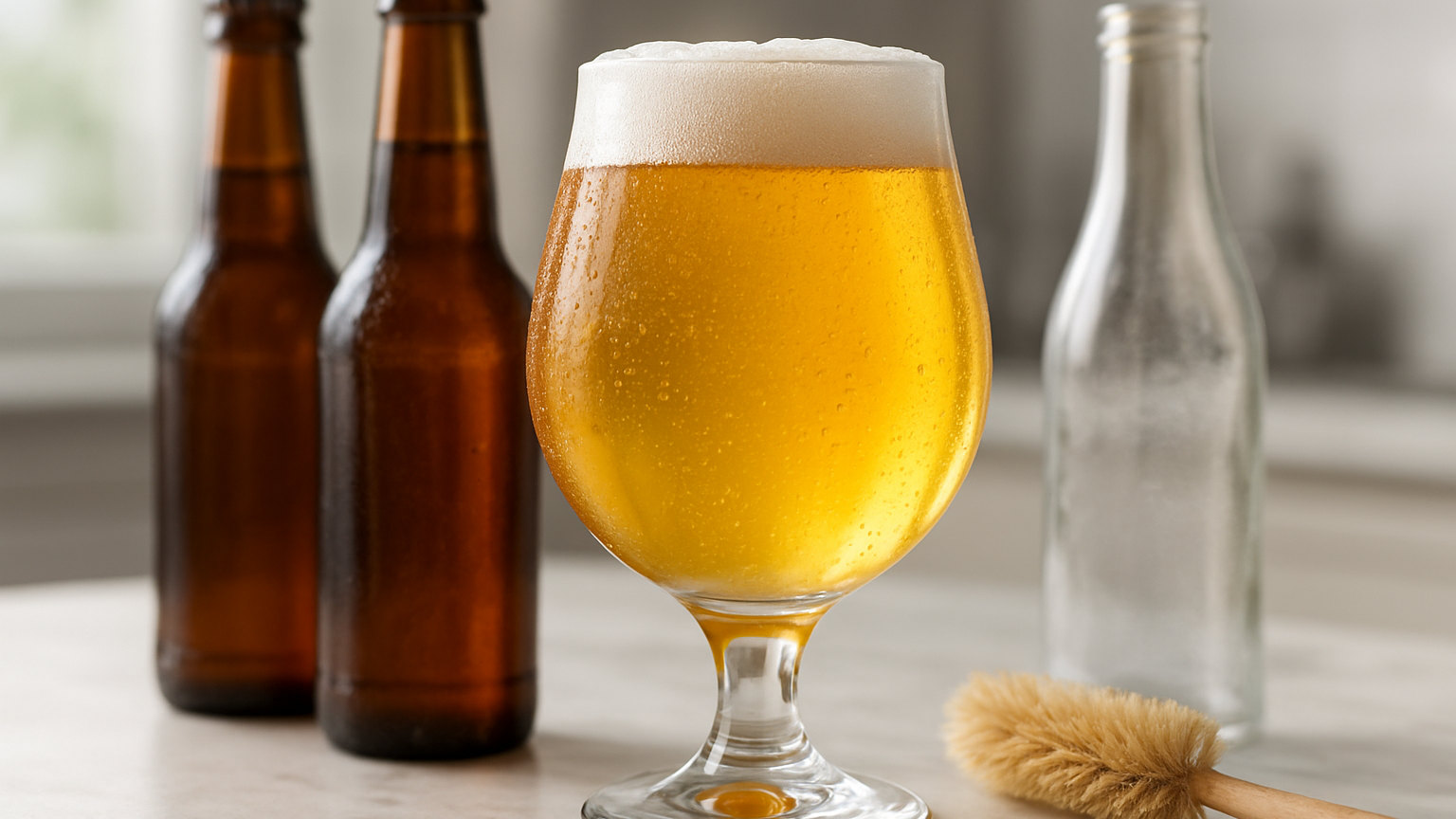
Beer bottles are built to hold pressure and most other bottles are not. Using the wrong ones is the clearest avoidable hazard in home brewing.
Fast cooling improves clarity and reduces contamination risk. Whether that justifies buying a chiller depends on how you brew.
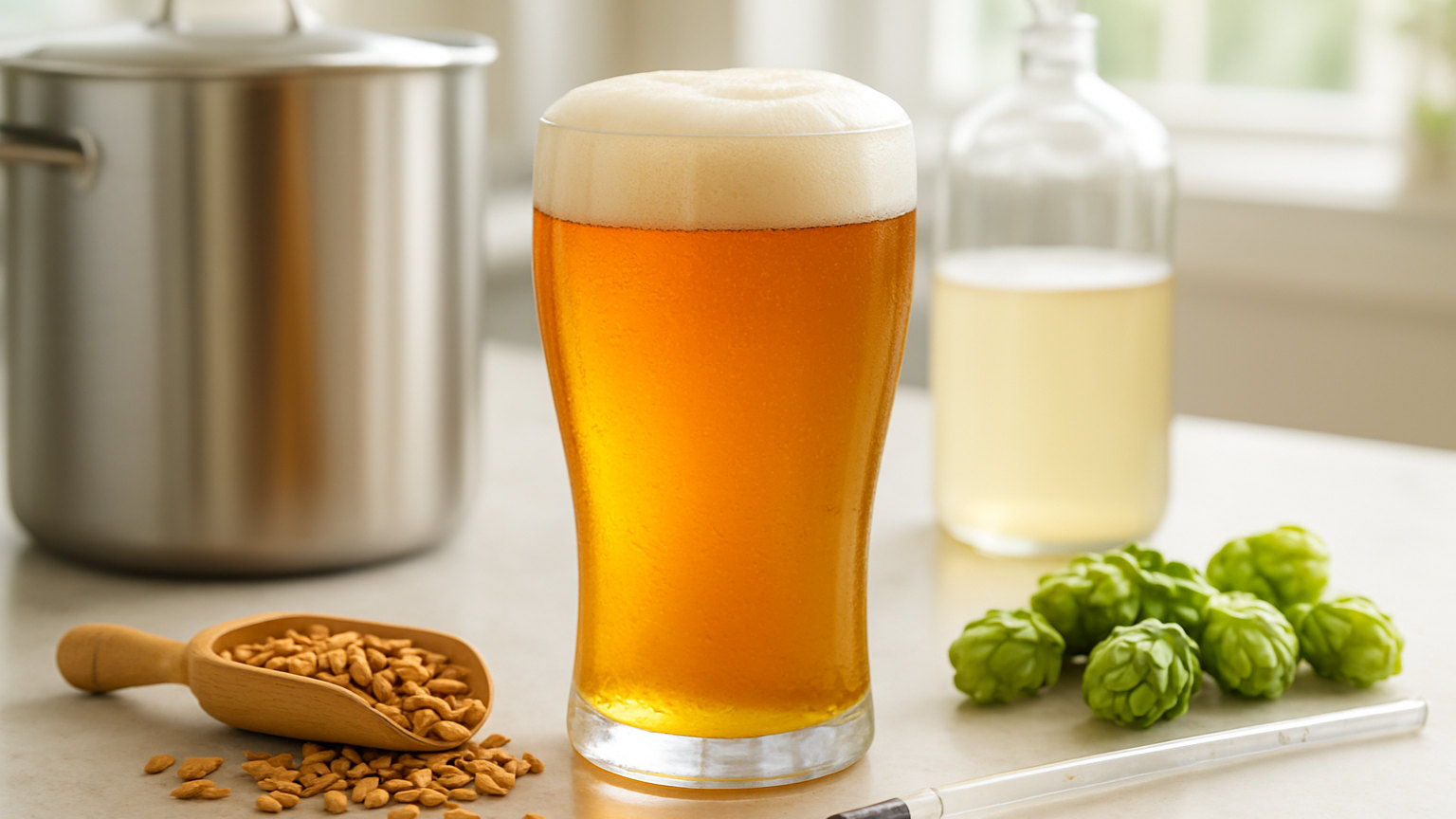
A 23 litre batch needs a boil of around 28 litres, which is why the pan that handled extract brewing will not manage all grain.
The plastic bucket is unglamorous and the right answer for most people. The alternatives each solve a problem you probably do not have.