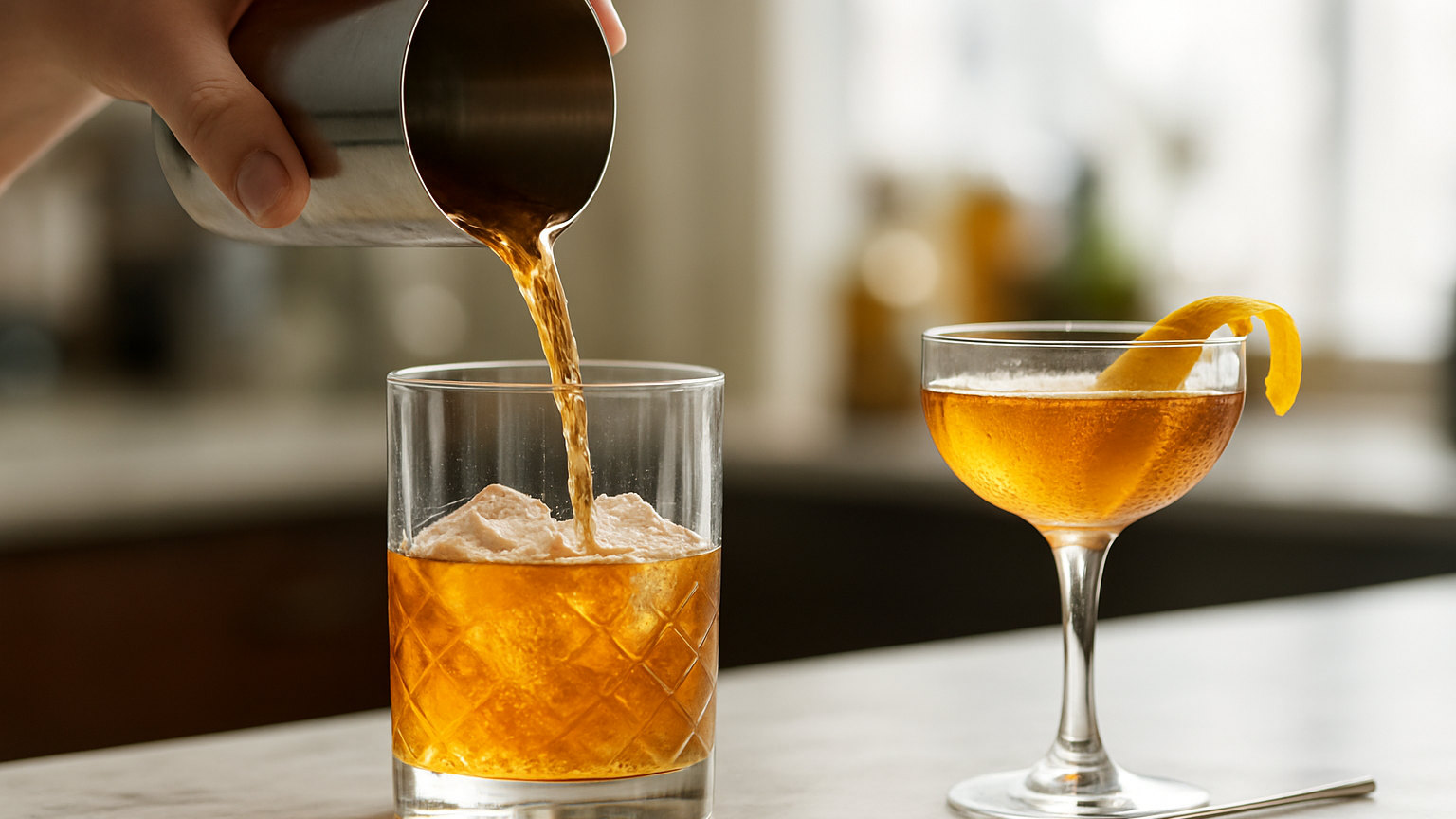
How Do You Shake Two Drinks at Once?
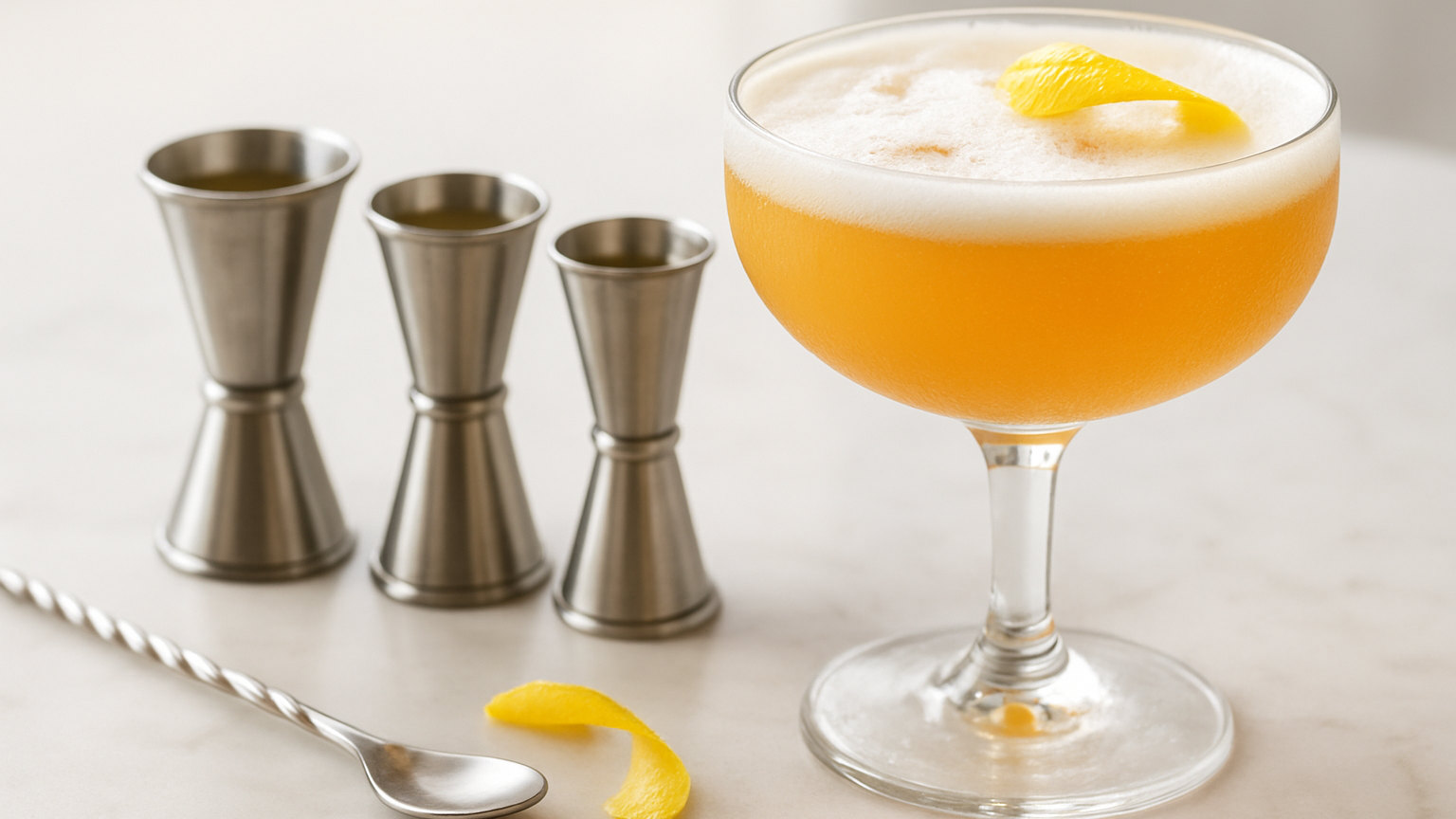
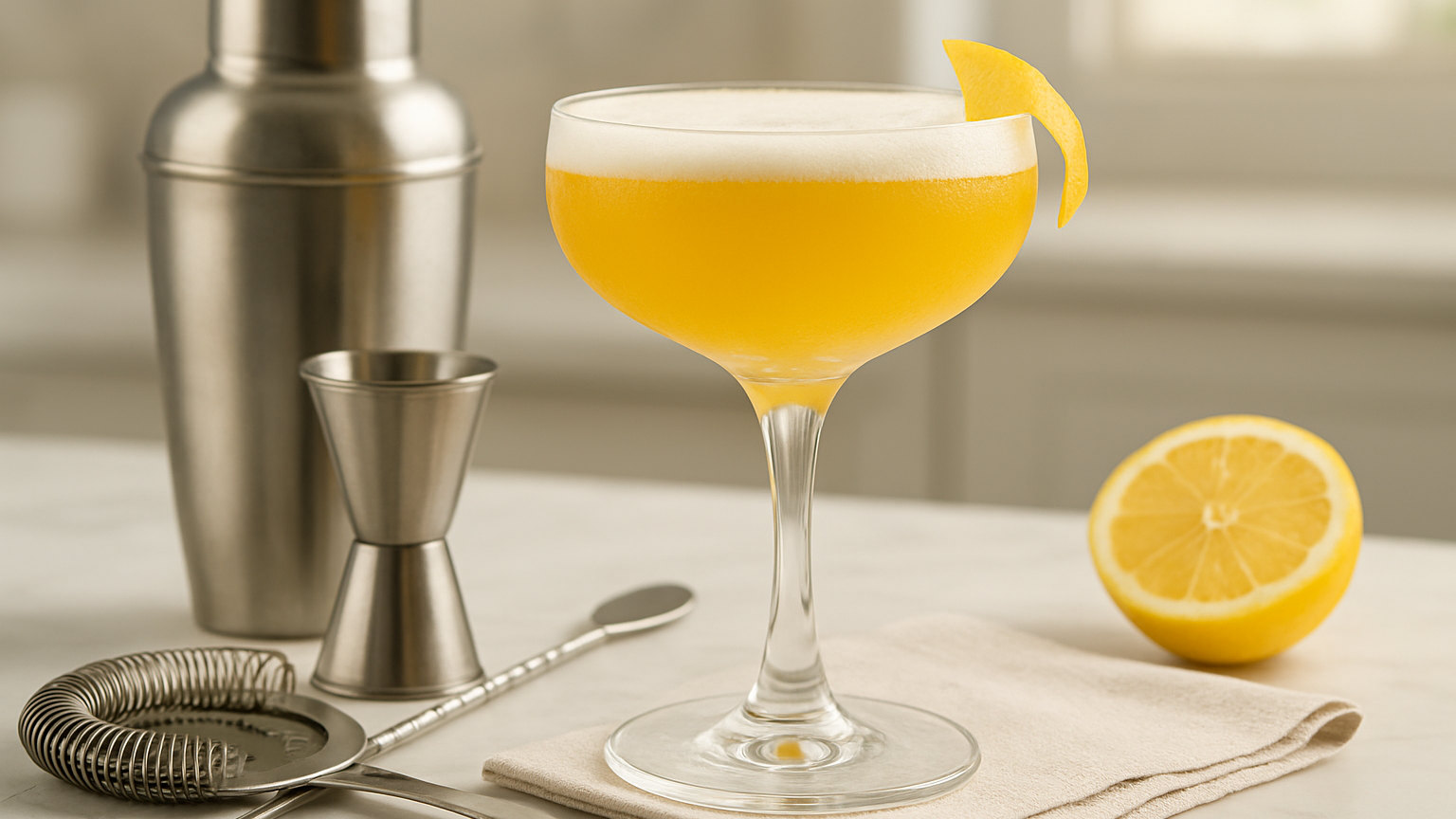
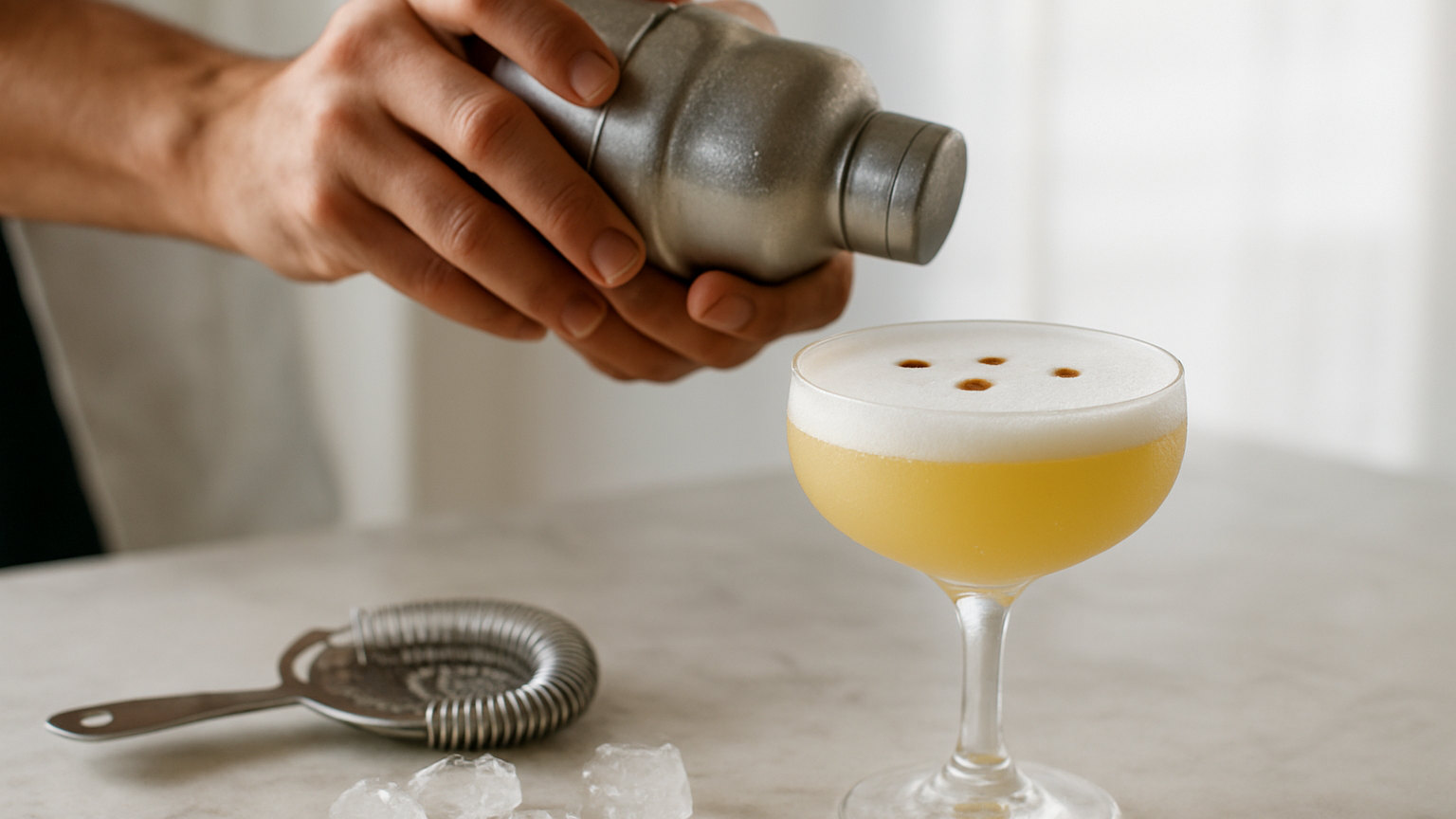
Doubling a recipe in one shaker works up to a point, and past that point you get two under-chilled drinks instead of one good one.
By Drink Recipes Team
5 Aug 2026

A short list of cocktails made properly beats a long list made approximately, so this section starts with the classics and the ratios worth committing to memory, then explains the technique underneath them. Every recipe gives measures in both millilitres and ounces, says whether to shake or stir and why it matters, and tells you what to do when you have not got the exact bottle. Dilution, ice and the order things go into the glass change a drink more than most people expect, so they are covered as their own subjects rather than buried in a method step.
Doubling a recipe in one shaker works up to a point, and past that point you get two under-chilled drinks instead of one good one.
Published measures are a starting point rather than an instruction. Adjusting properly means moving one thing at a time in steps you can taste.
Shaking a martini changes four measurable things. Bruising the gin is not one of them, whatever the phrase suggests.
The same word means different volumes in different places. Four differences account for most of the confusion in international recipes.
Building means assembling in the glass you drink from. It is the right method for more drinks than shaking is, and it needs no equipment.
Kitchen equipment covers most cocktail measures with a little arithmetic. It is slower and less accurate than a jigger, and far better than guessing.
Four tools bought individually beat any fourteen-piece set. Here is what they are, which to buy first and what the kitchen covers meanwhile.
Throwing means pouring a drink between two vessels from a height. It aerates without the violence of a shake, which suits a few drinks particularly well.
A cocktail served up should come to around 110ml. If yours fill a 250ml glass, something has gone wrong before the ice went in.
The differences between a good shaker and a poor one are size, wall thickness and how the rim is finished. All three are checkable in a shop.
There is a reliable physical test and it needs no thermometer. Frost on the outside of the vessel means the inside has arrived.
A cocktail in a small glass can carry as much alcohol as a strong pint. The calculation takes ten seconds and is worth knowing.
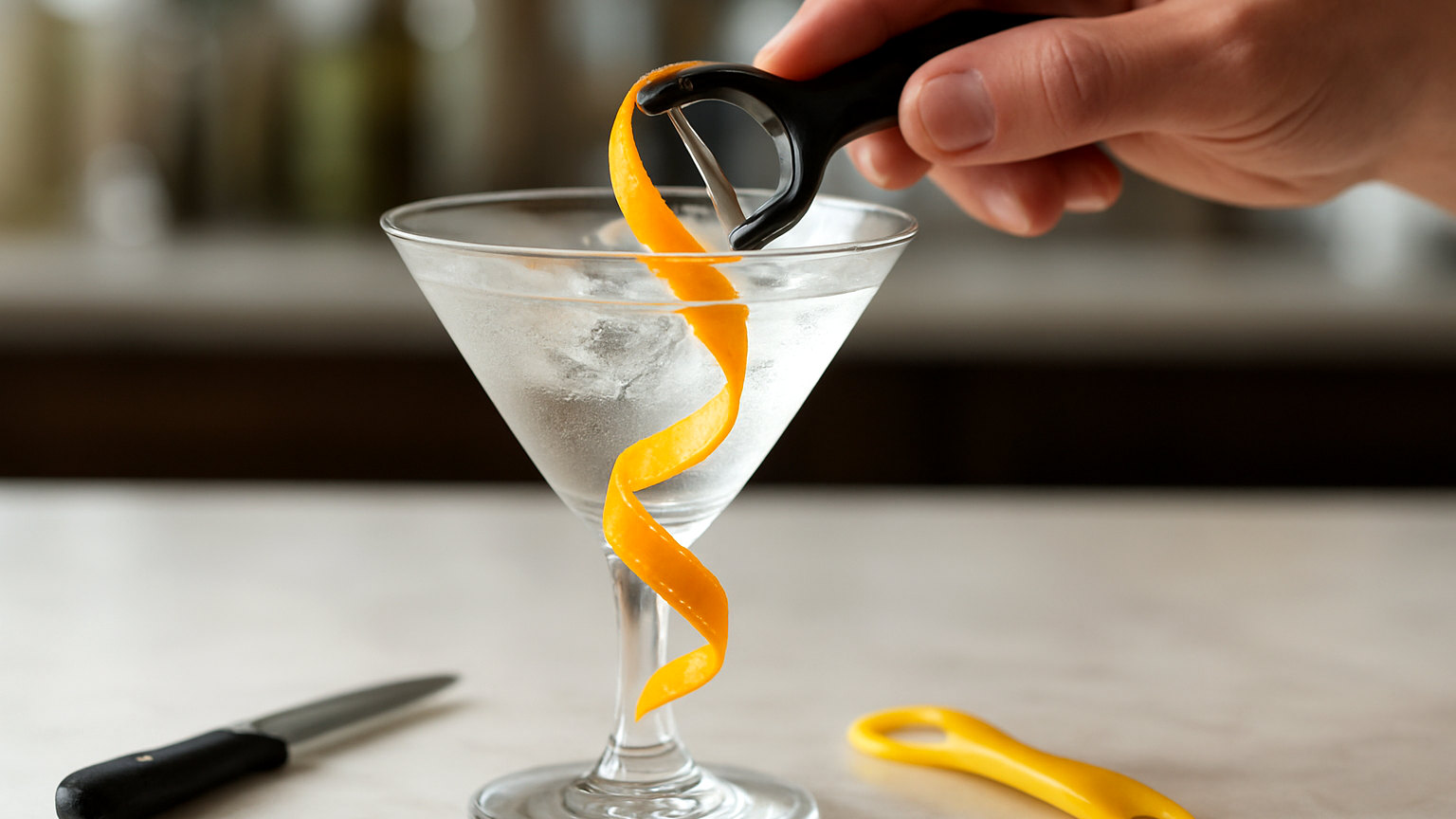
Two cheap kitchen items handle every garnish a bar needs, and one of them outperforms the specialist tool sold for the job.
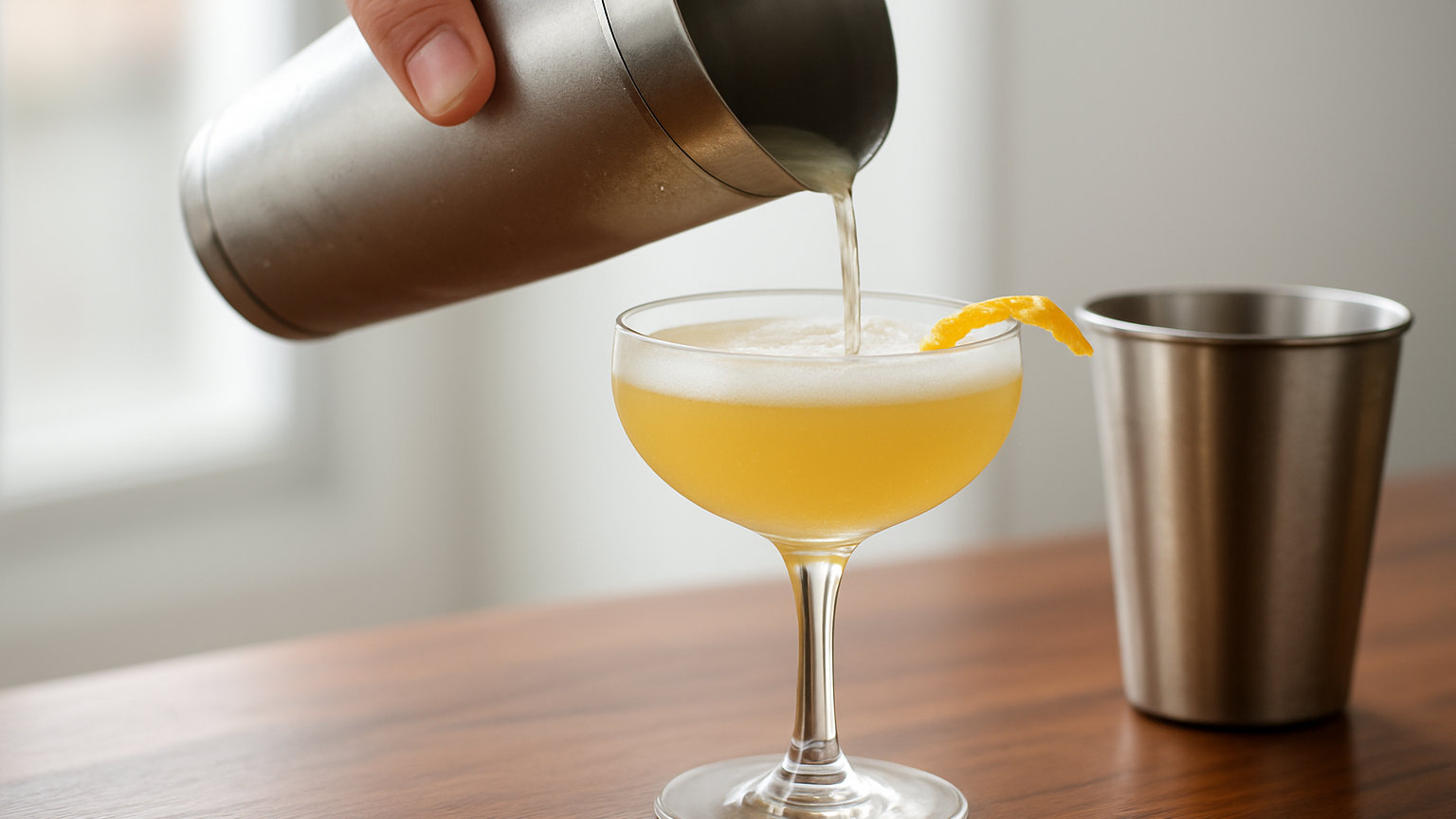
Shake with ice first, strain it out, then shake again. The foam is denser and it costs you an extra step and a second vessel.