Should You Spit at a Wine Tasting?
Spitting is standard practice for a practical reason: judgement deteriorates long before anyone feels drunk.
By Drink Recipes Team
30 Oct 2025

How to taste usefully, what the vocabulary is actually describing, and how to run a tasting at home.
Spitting is standard practice for a practical reason: judgement deteriorates long before anyone feels drunk.
Palate training is mostly memory and attention. Almost nobody is born with a better nose than everyone else.
A score compresses a complex judgement into a number, and the number is more useful for what it excludes than what it includes.
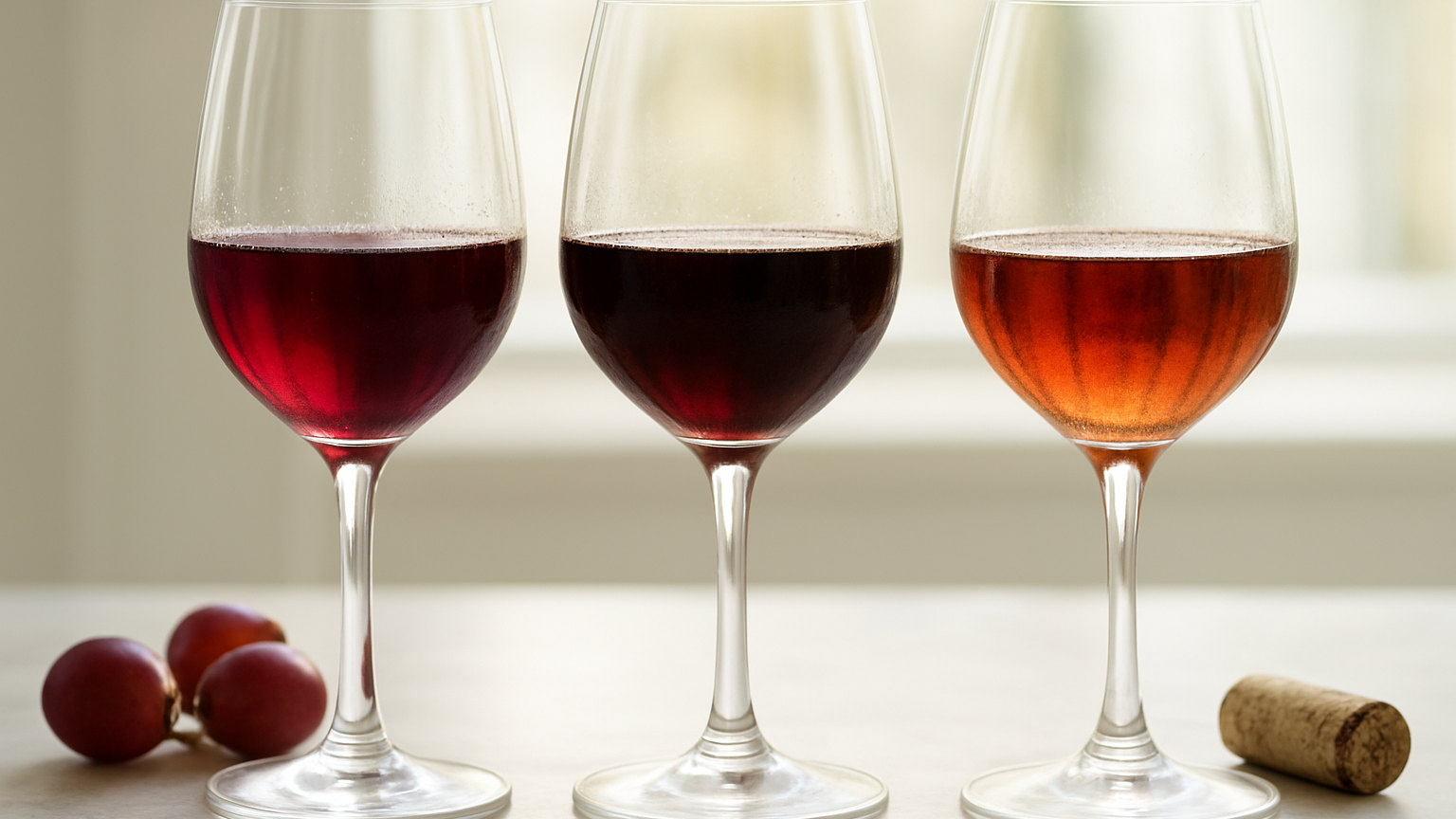
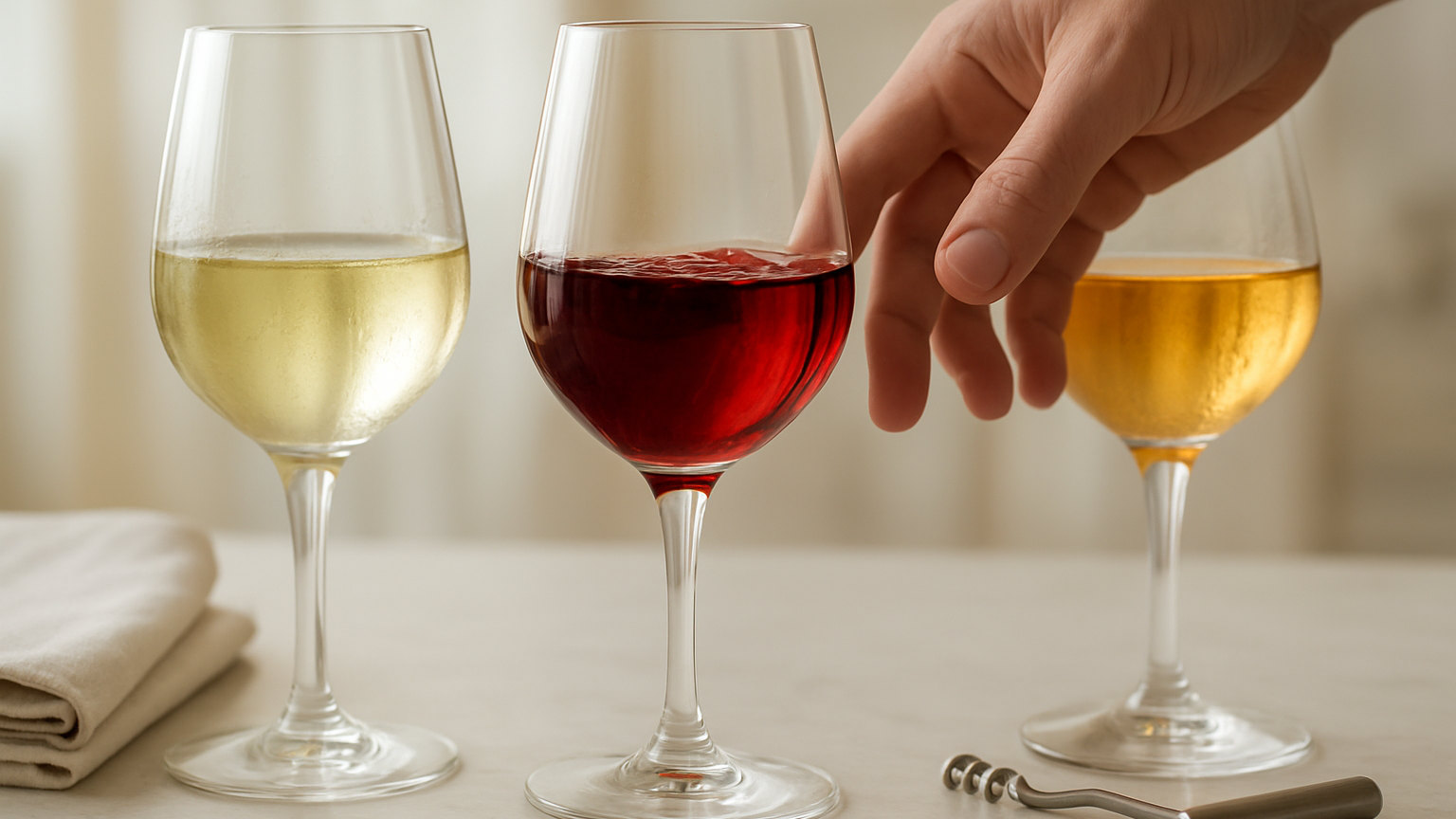
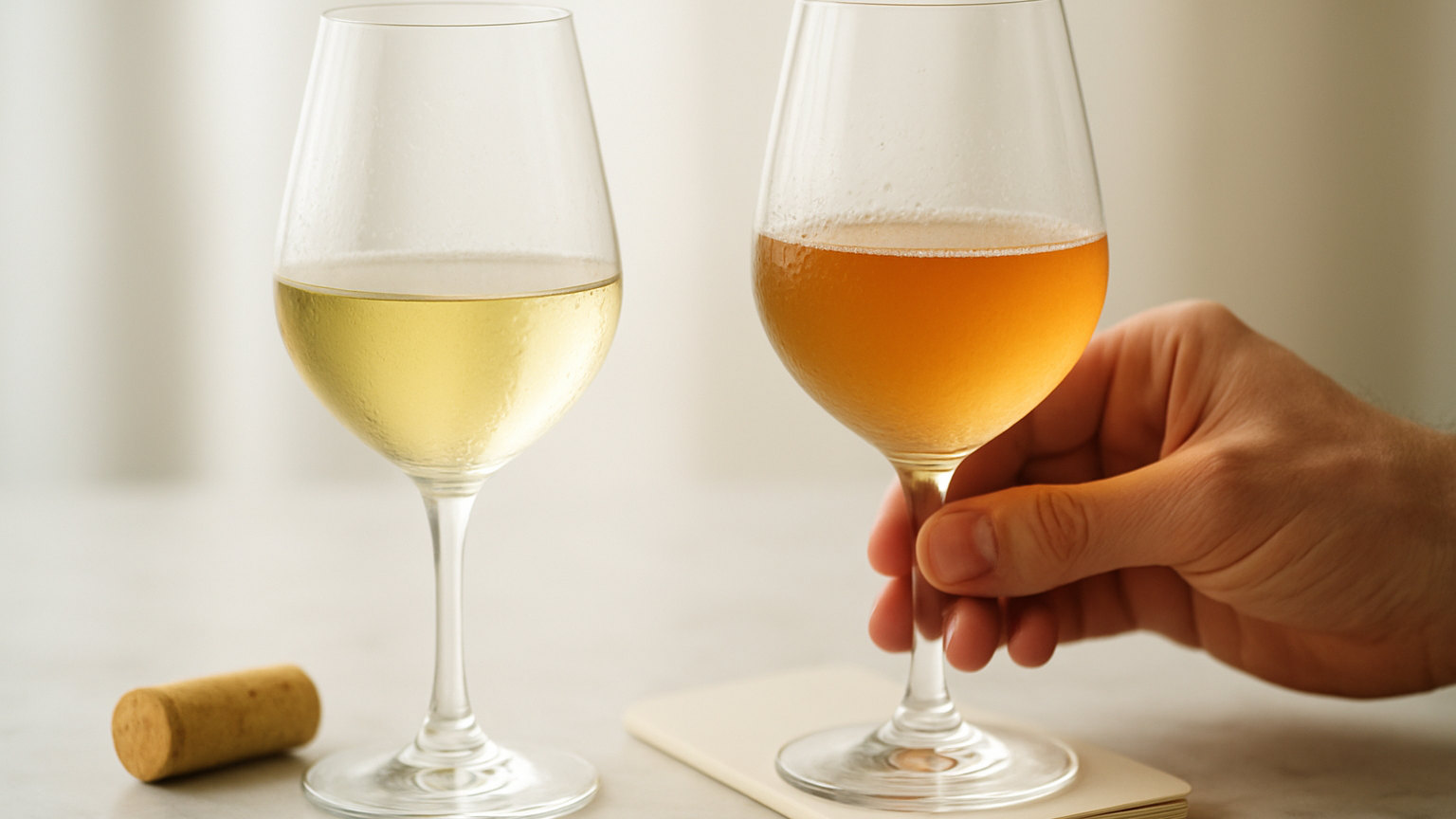
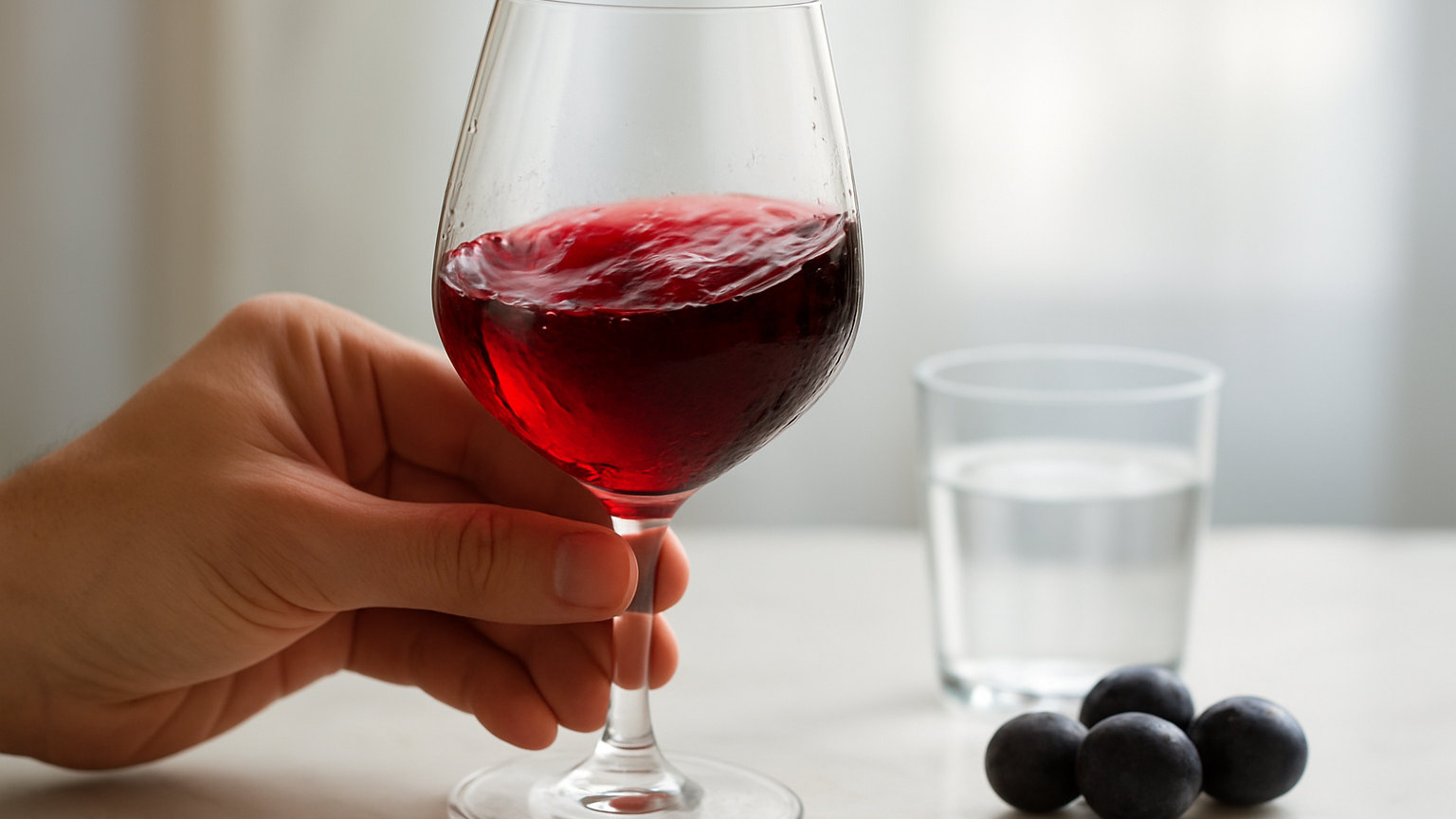
Colour is the first thing you see and the least reliable thing you assess. It does indicate age fairly well.
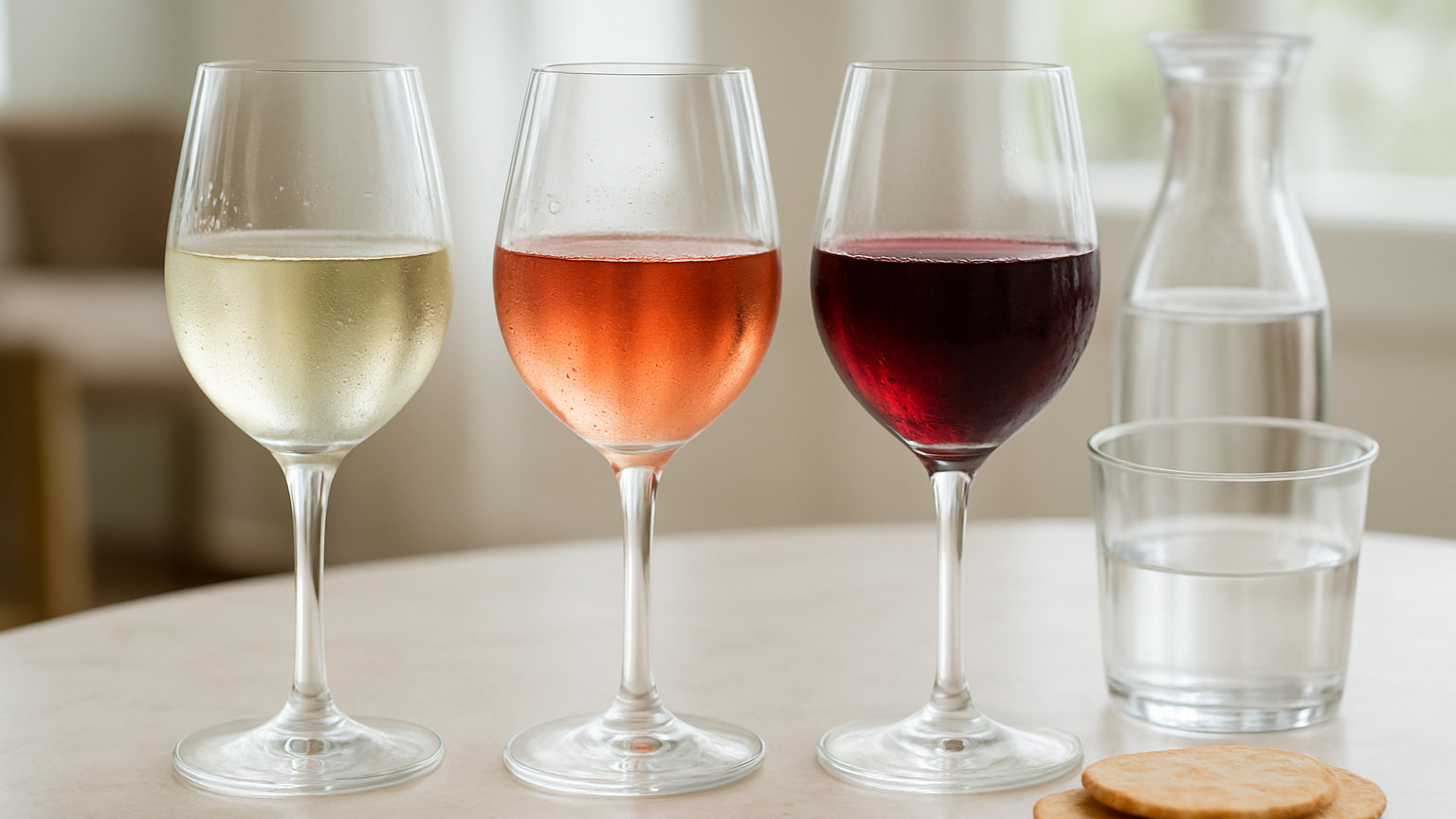
A home tasting needs fewer wines and smaller pours than people plan for. Palate fatigue arrives before the bottles run out.
Knowing what you are drinking changes what you taste. Blind tasting removes that, and the results are frequently humbling.
A handful of faults account for nearly every bad bottle, and the commonest one is unmistakable once you know it.
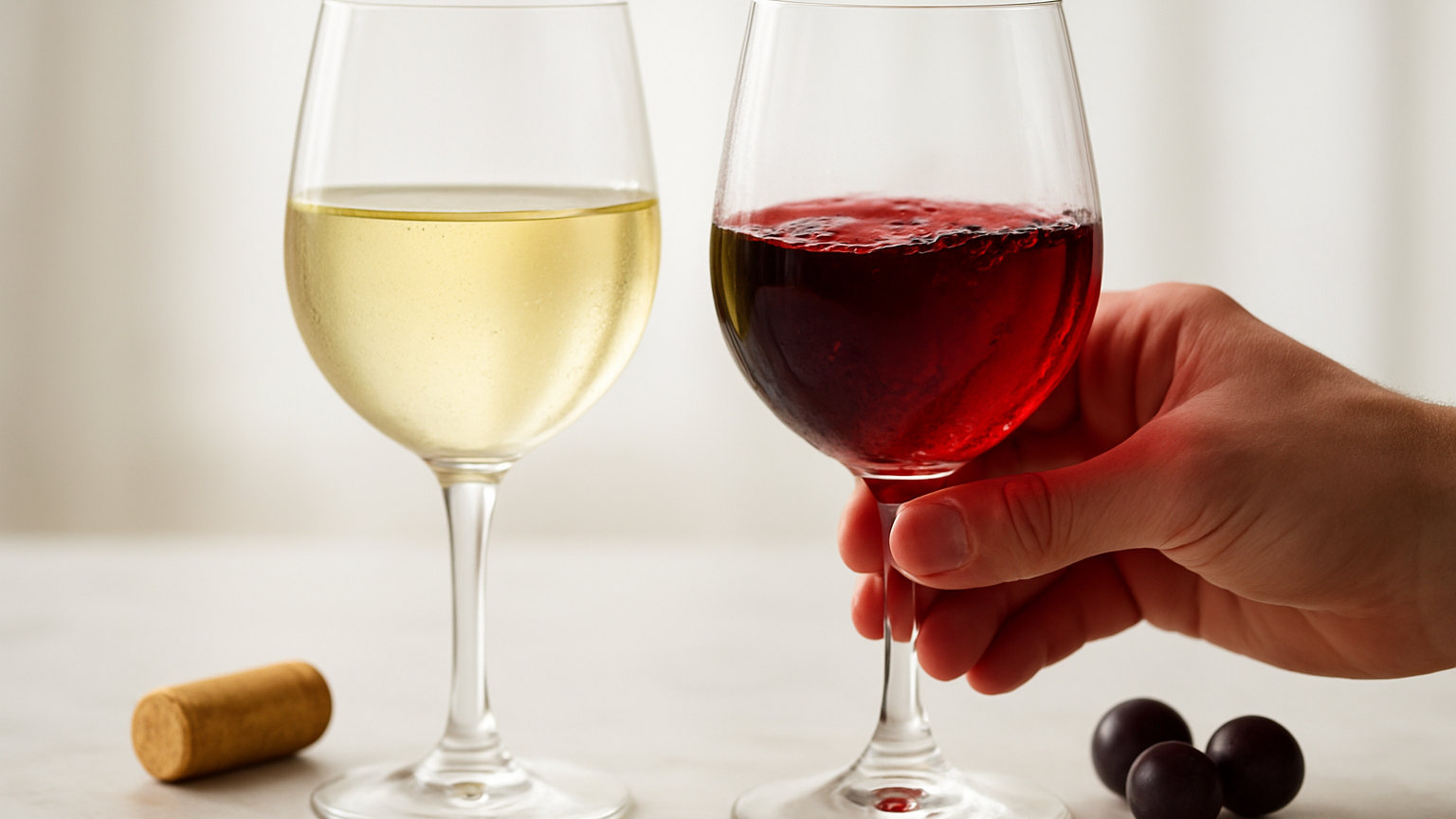
Glass shape genuinely changes what you perceive, and one good all-purpose glass covers almost everything.
Length is one of the few tasting terms that reliably tracks quality, and it is measured in seconds.
Body is how heavy a wine feels in the mouth, and alcohol is the biggest single contributor to it.
Naming a smell is far harder than recognising one, and that gap is the whole difficulty of describing wine.
Most wine vocabulary describes structure rather than flavour, and knowing which is which makes the language far less mysterious.
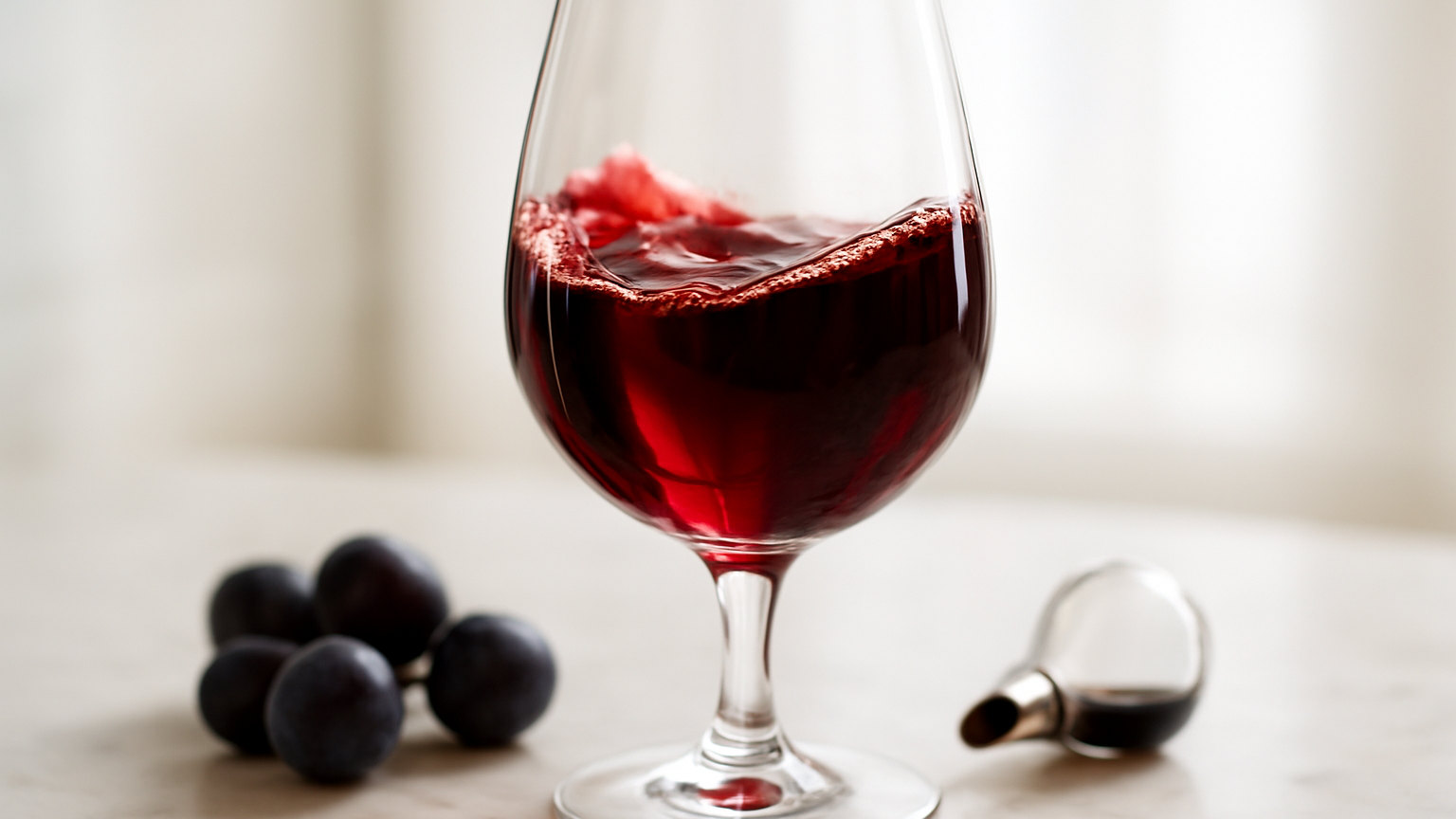
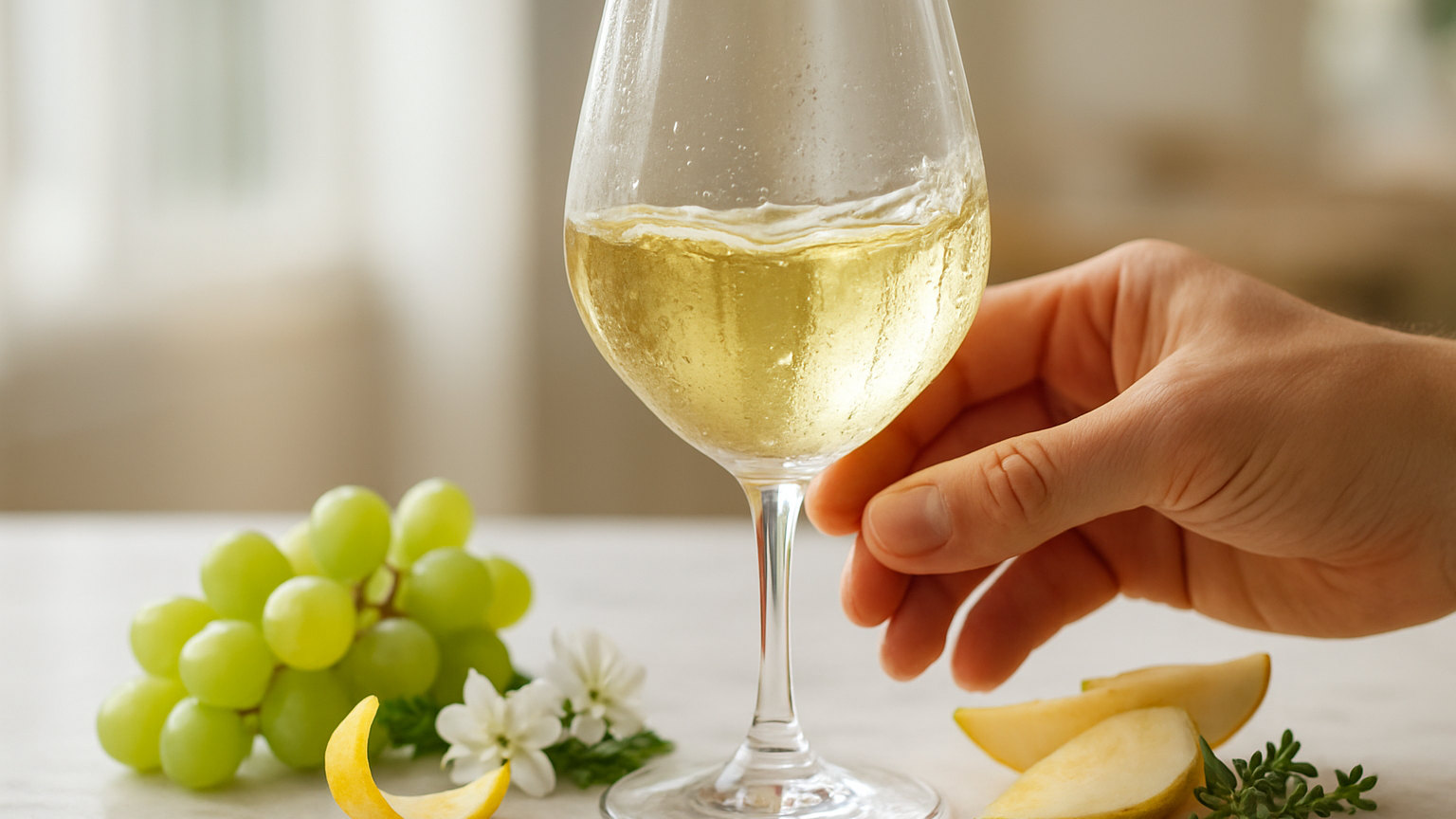
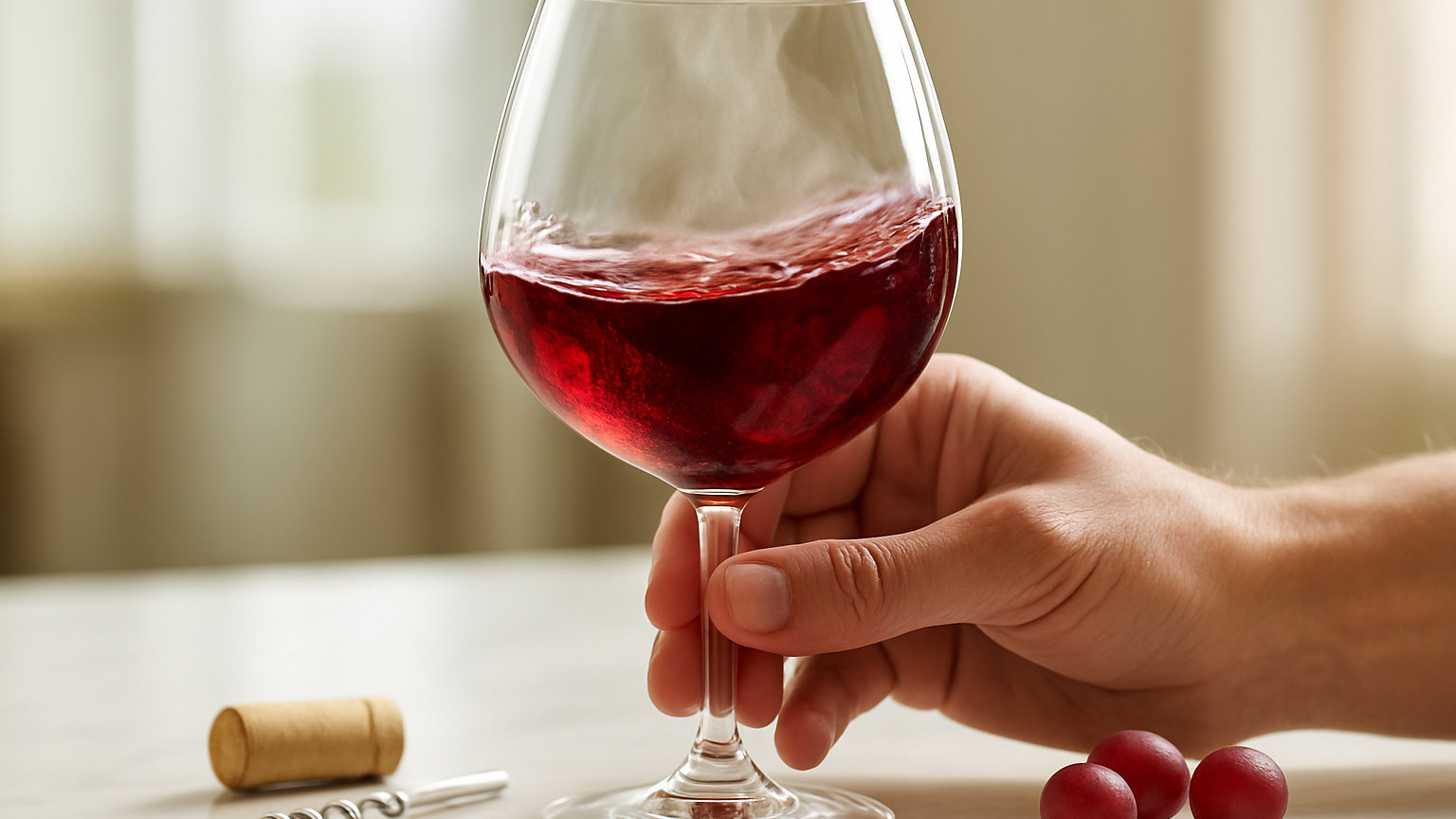
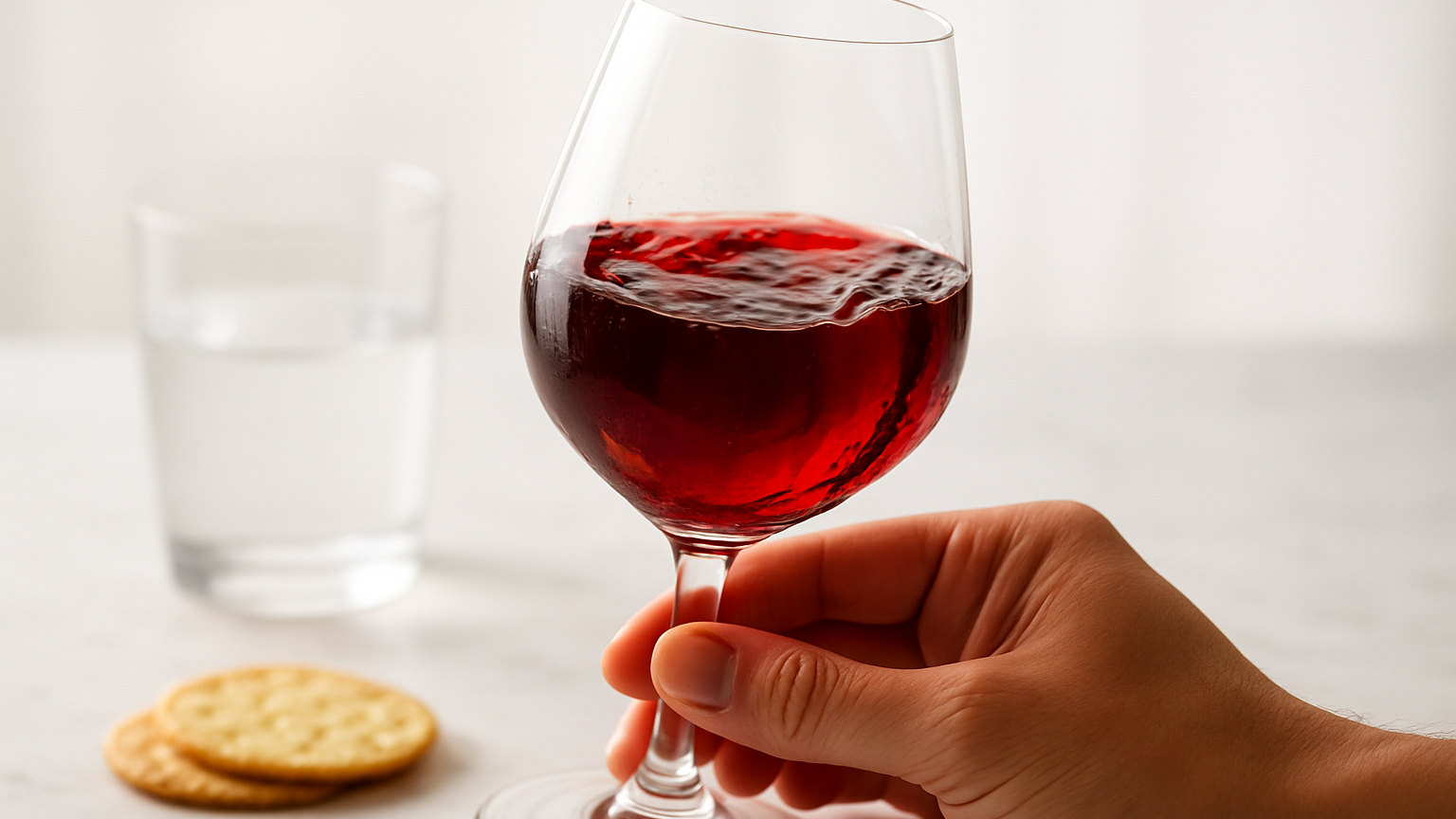
Swirling releases aroma compounds into the air above the wine. The legs it leaves behind mean less than people assume.
Tasting is drinking with attention. The ritual around it exists for reasons, and most of it takes about thirty seconds.