How Do You Control Temperature Without a Fridge?
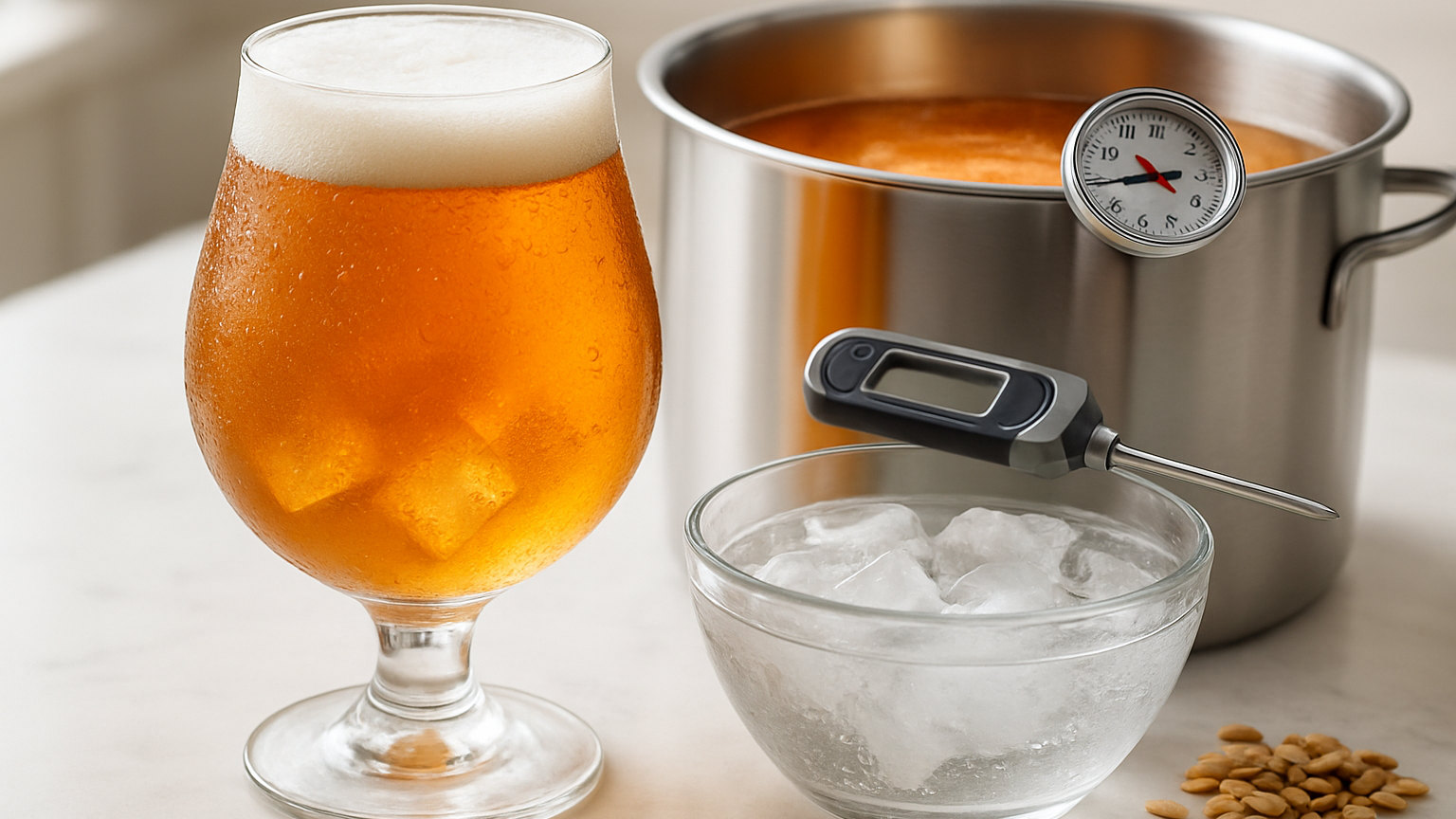
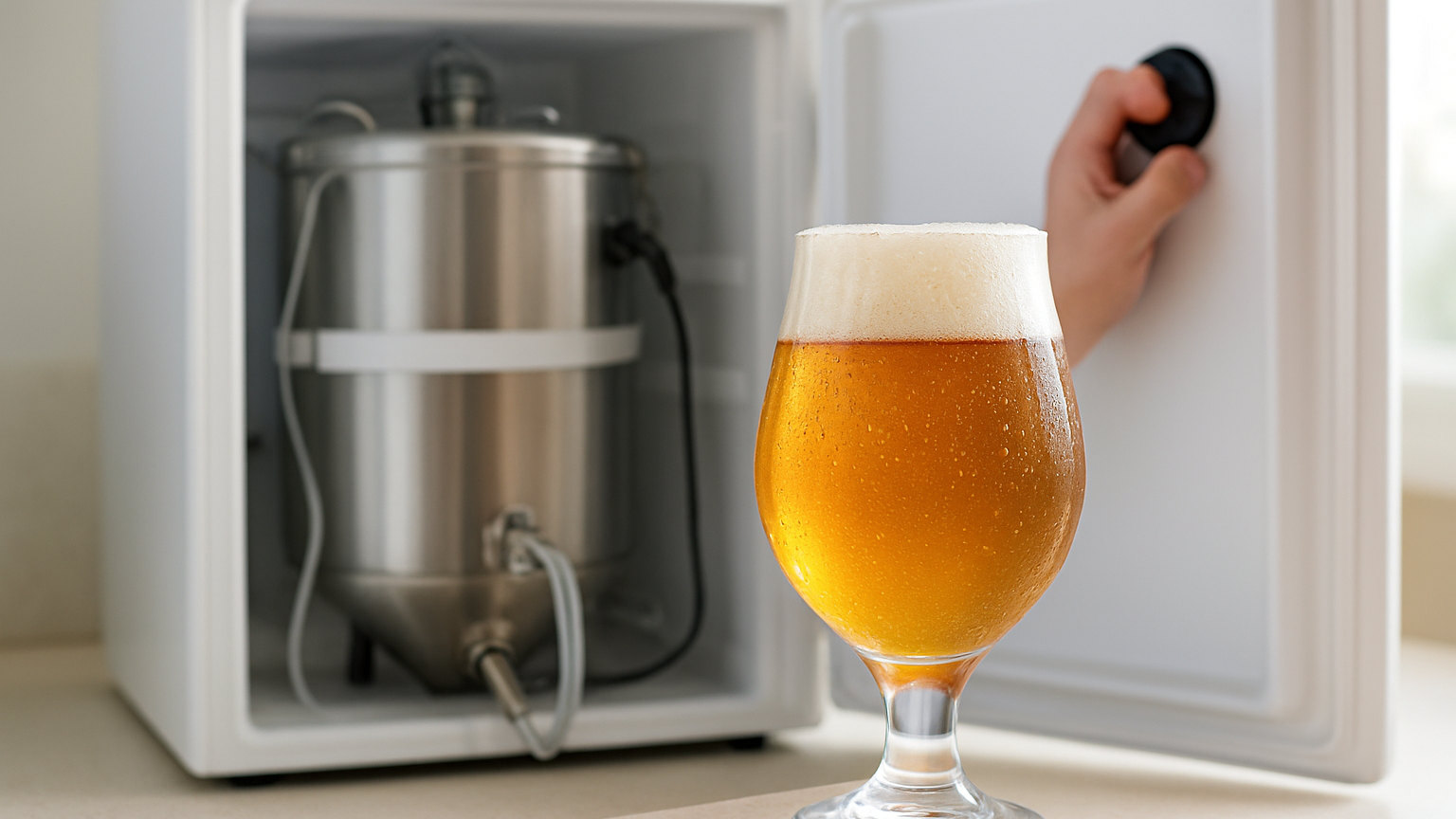
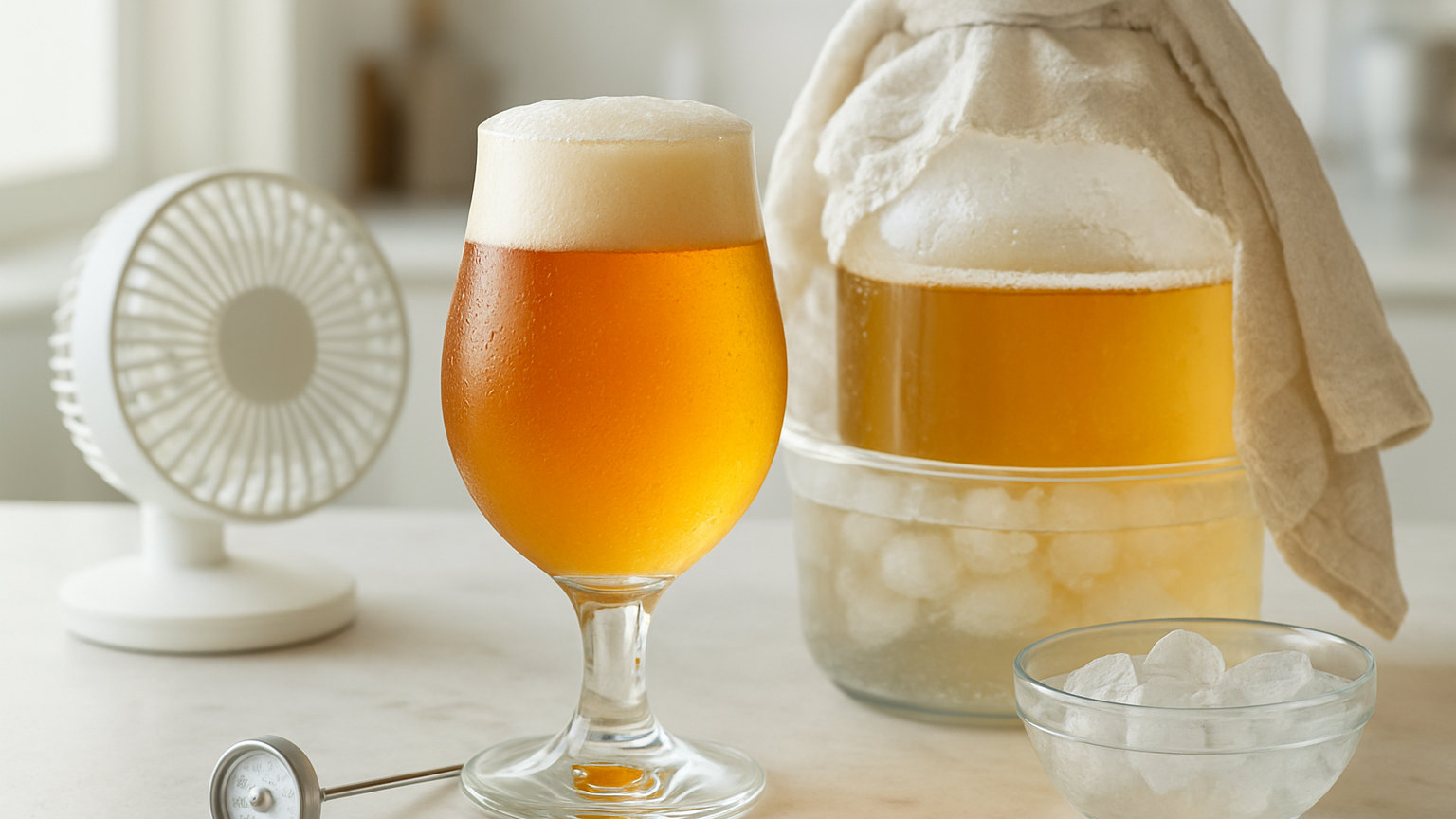
A dedicated fermentation fridge is the reliable answer and not the only one. Three free methods hold a beer within range in most UK homes.
By Drink Recipes Team
5 Apr 2026

Home brewing is mostly cleaning, patience and temperature control; the recipe is the easy part. These guides start with a first brew that works rather than a first brew that impresses, explain the styles well enough that you can judge what you have made against what you meant to make, and are honest about which equipment earns its shelf space. Cider and ginger beer sit here too, because both are the sensible starting point for anyone without a full kit. The safety notes - bottle pressure, sanitation, and when to pour a batch away - are written into the guides where you will read them.
A dedicated fermentation fridge is the reliable answer and not the only one. Three free methods hold a beer within range in most UK homes.
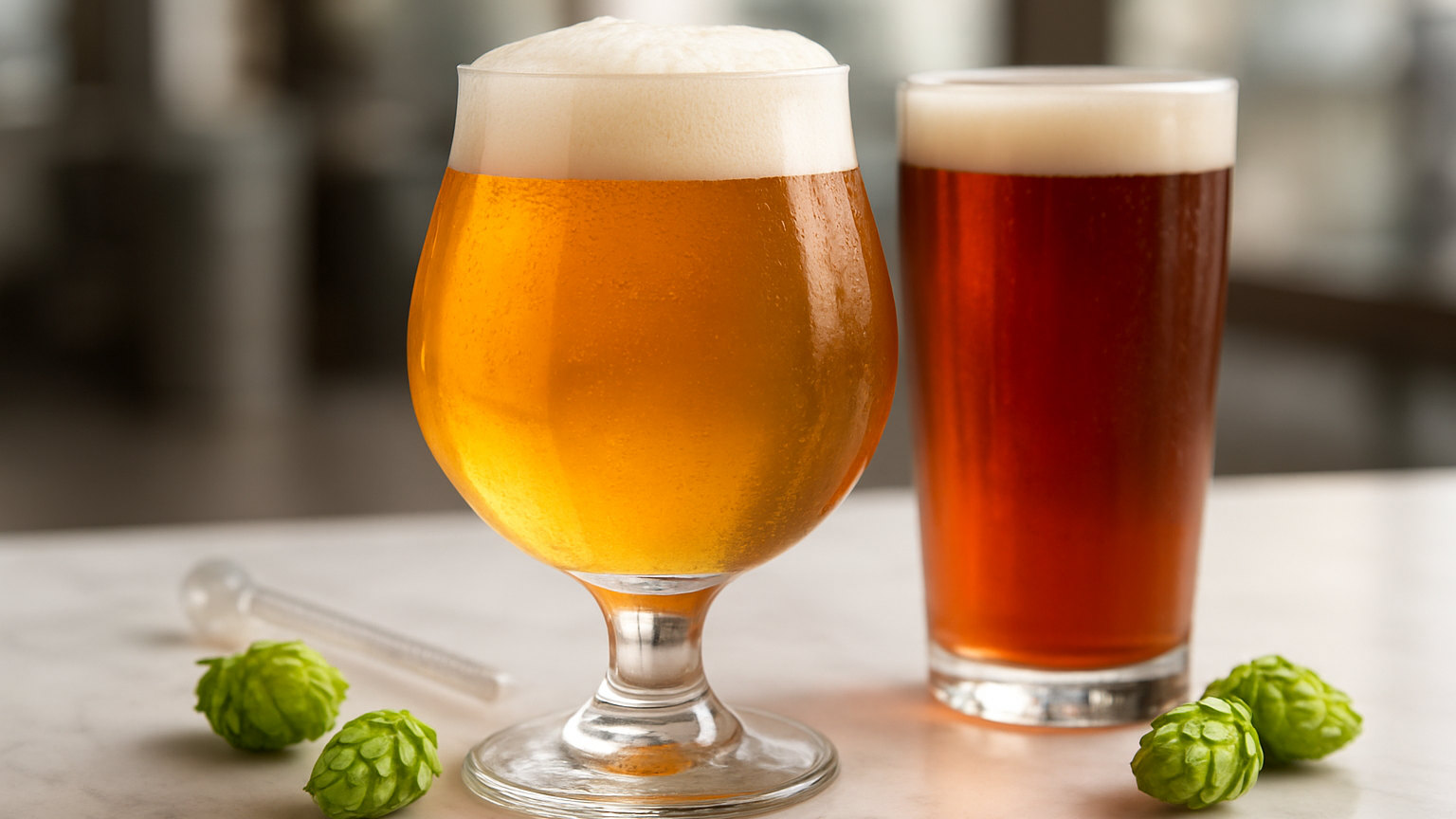
Two numbers appear on most beer these days. One is precise and legally required, the other is a laboratory figure that only half describes what you taste.
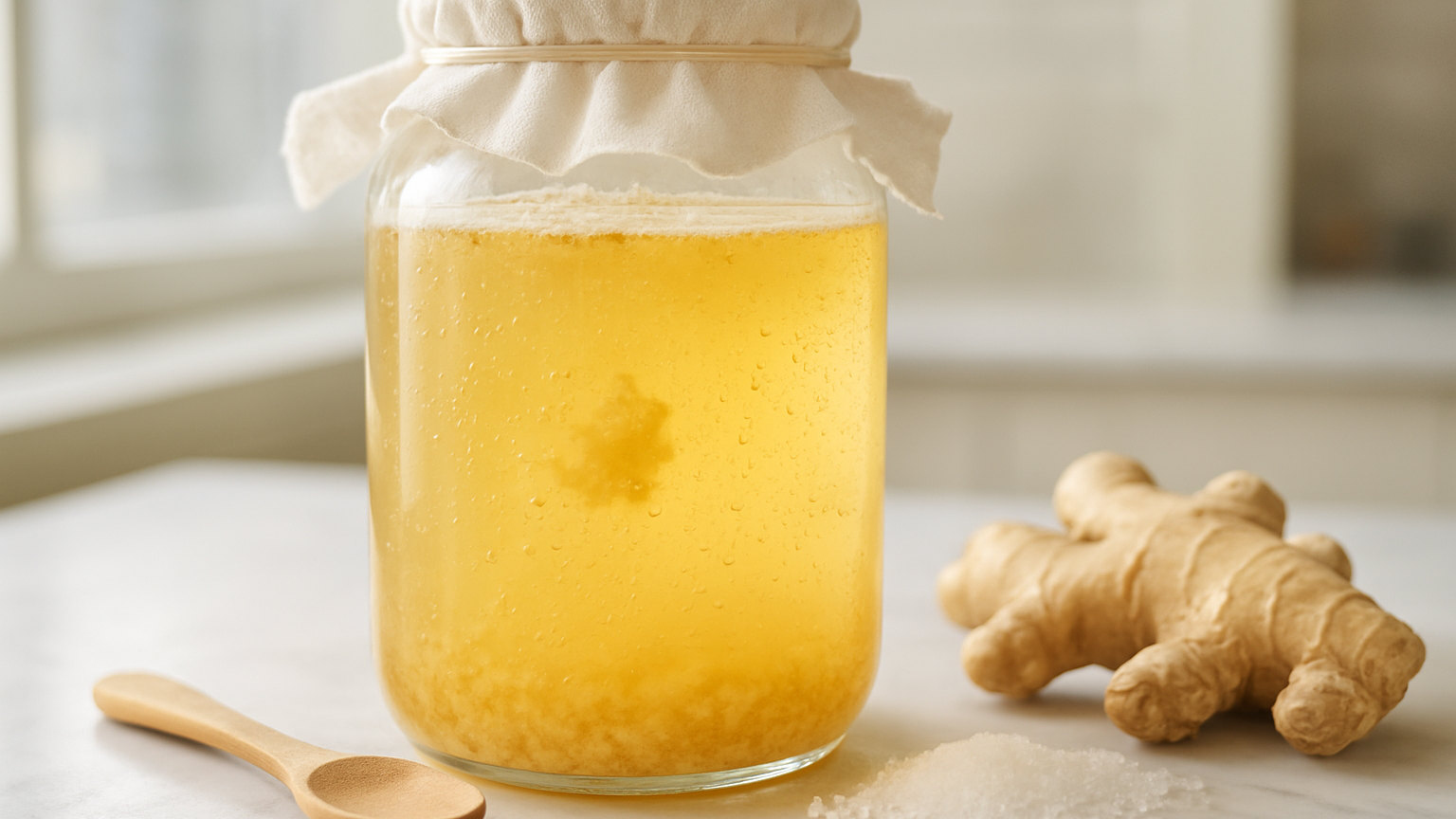
A ginger bug is a wild yeast culture grown from the skin of fresh ginger. It takes a week of daily feeding and lasts indefinitely.
Two thermometers cover brewing, and they do different jobs. One costs almost nothing and the other needs checking for accuracy.
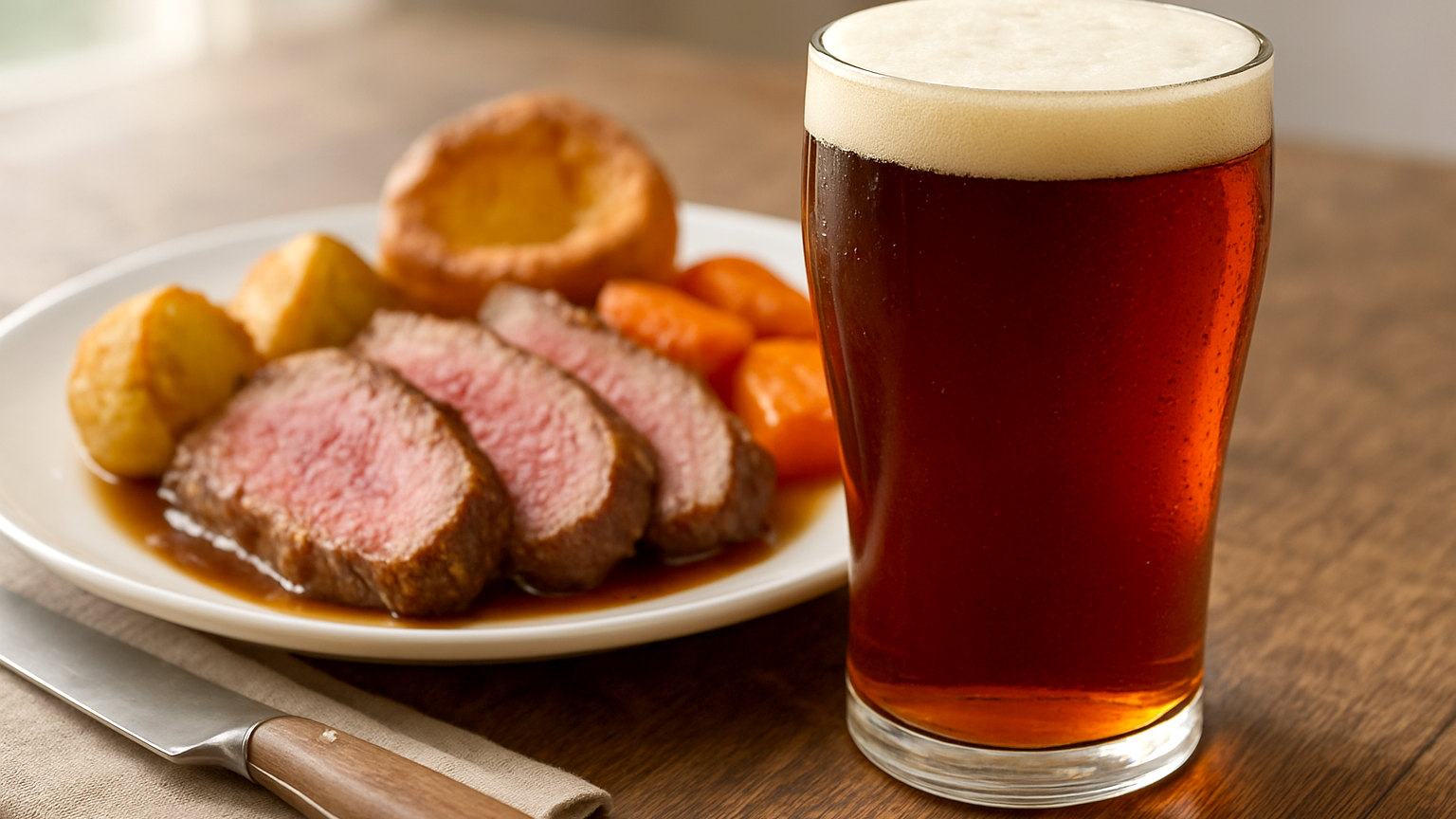
A roast is several dishes on one plate, which makes it harder to pair than it looks. Matching the meat is the practical shortcut.
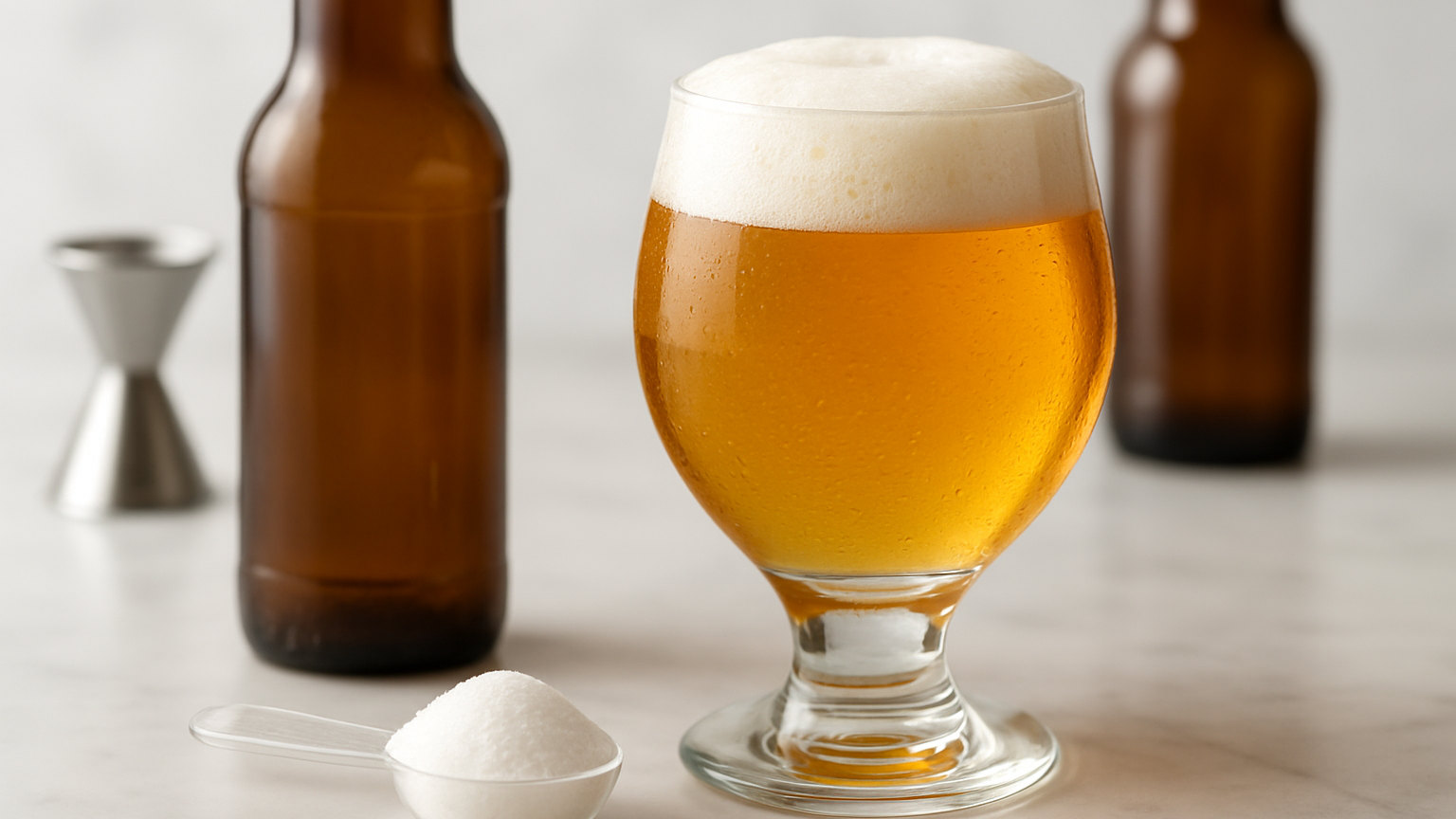
Priming sugar is a measured dose of fuel for a second small fermentation inside the bottle. Measured is the operative word.
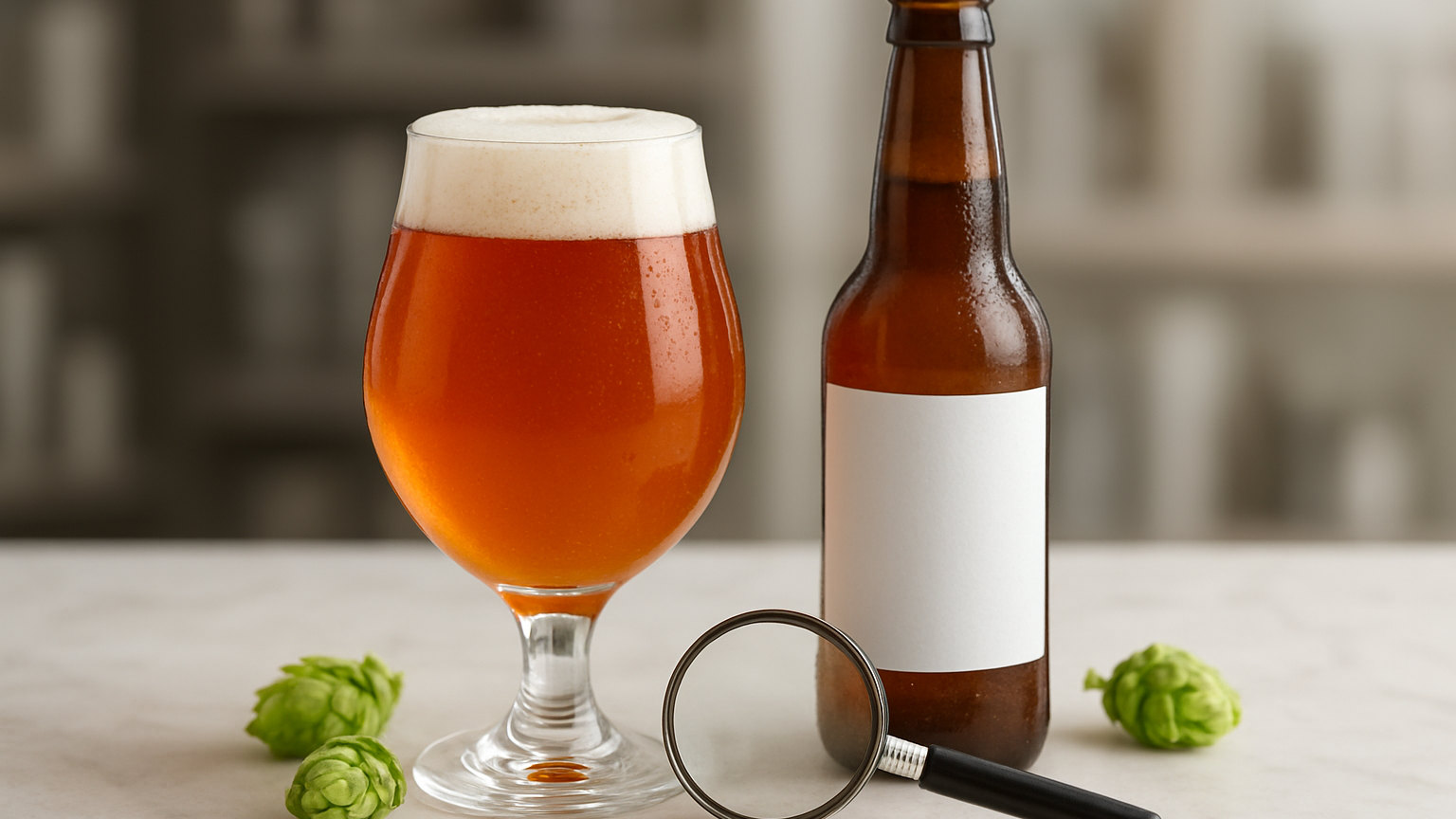
A beer label carries four genuinely useful pieces of information and a great deal of marketing. Knowing which is which saves money.
A quiet airlock does not mean a finished cider. Telling the difference takes three days and matters more than anything else you will do.
A fridge and a controller hold a fermenter within half a degree. It is the single largest quality improvement available to a home brewer.
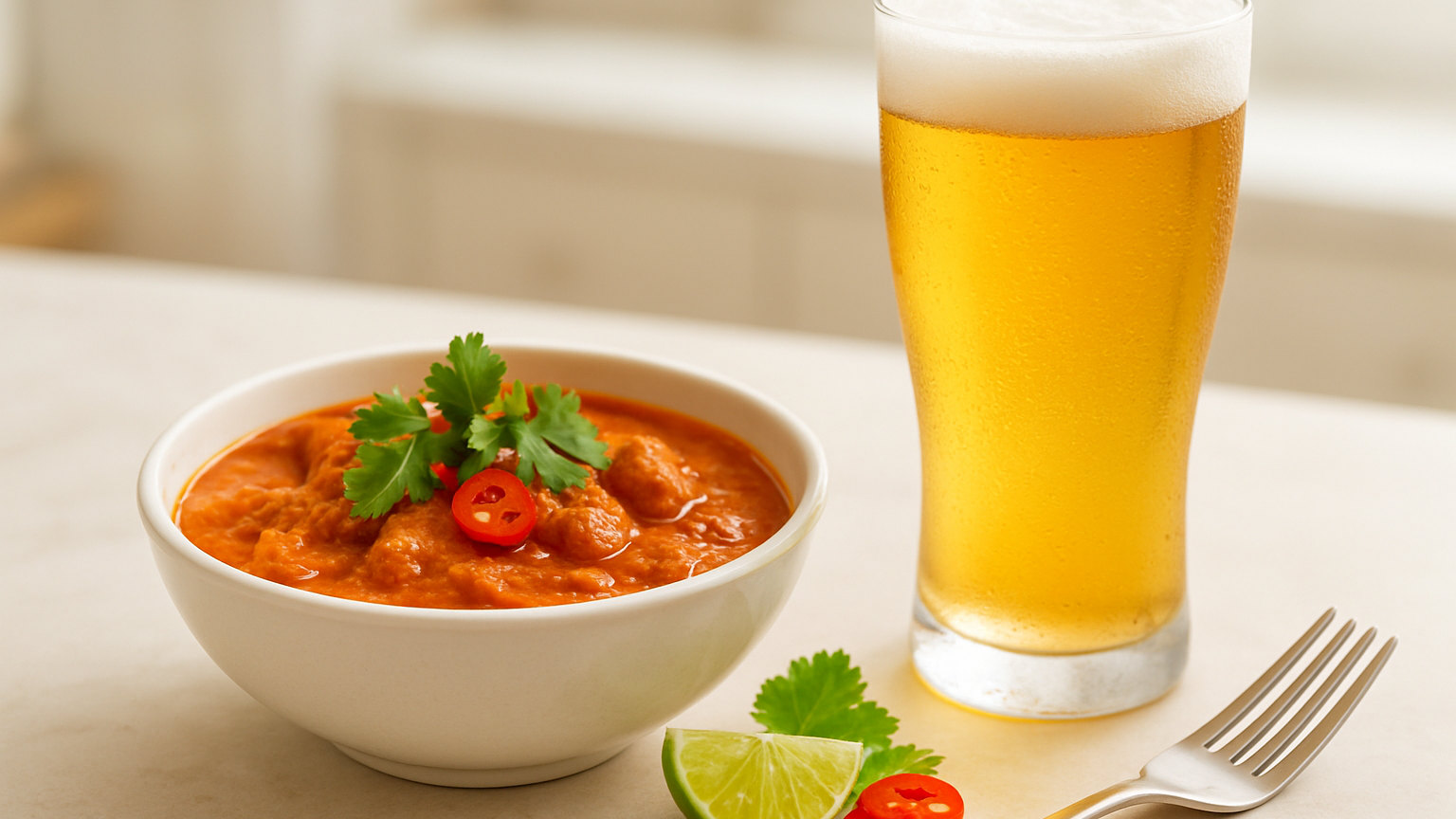
The instinctive choice with a hot curry is the wrong one, and the reason is a genuine interaction between bitterness and chilli heat.
Two weeks carbonates a beer and does not finish it. The difference between drinkable and good is usually another fortnight of patience.
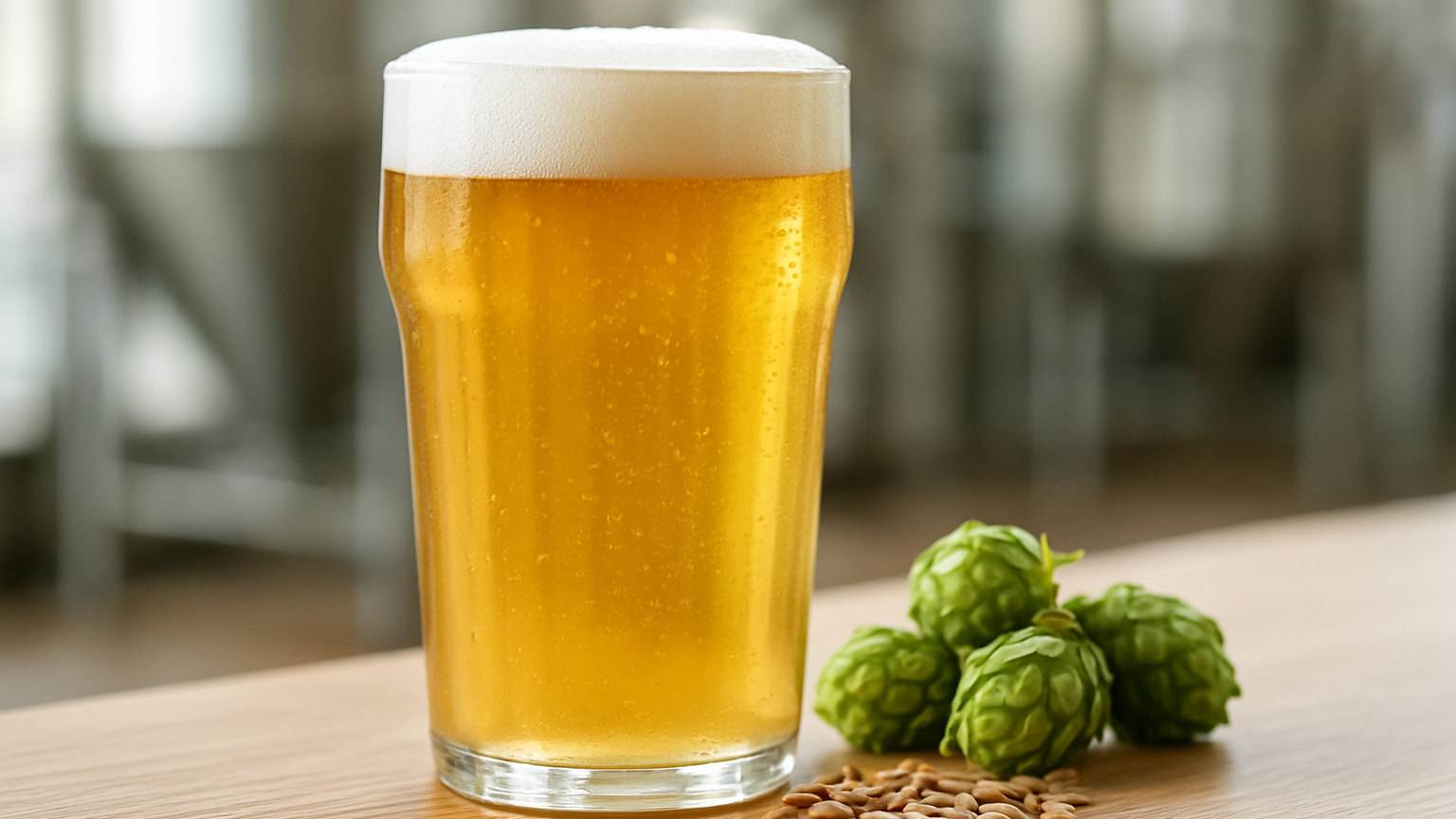
A session beer is one you can have two or three of, which sounds simple and is genuinely harder to brew than a strong one.
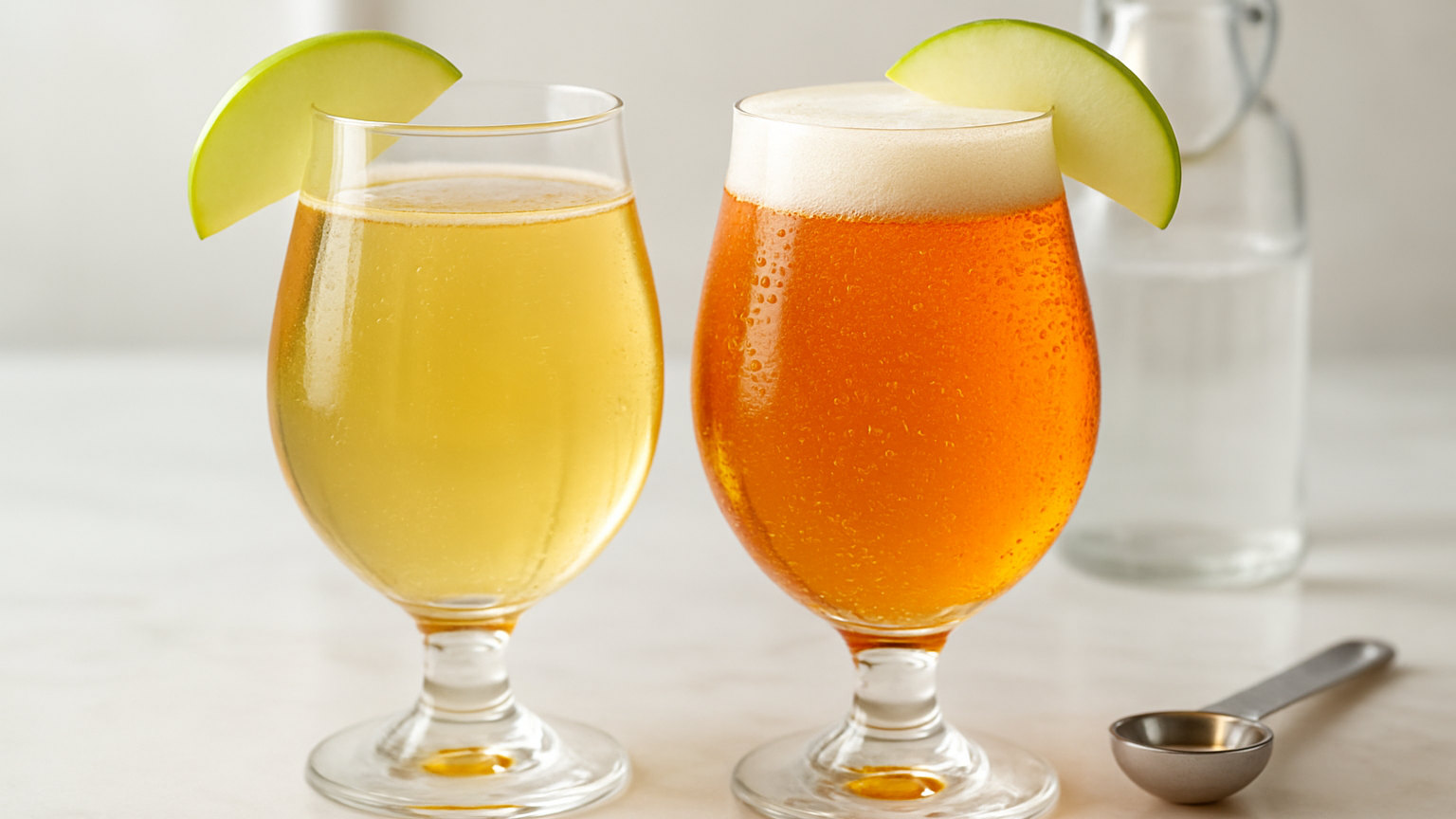
Still cider is the safe default and sparkling needs a measured second fermentation in the bottle. Getting that measurement wrong is hazardous.
A mash tun is an insulated box that holds grain and water at a steady temperature for an hour. A cool box does it for a fraction of the price.