
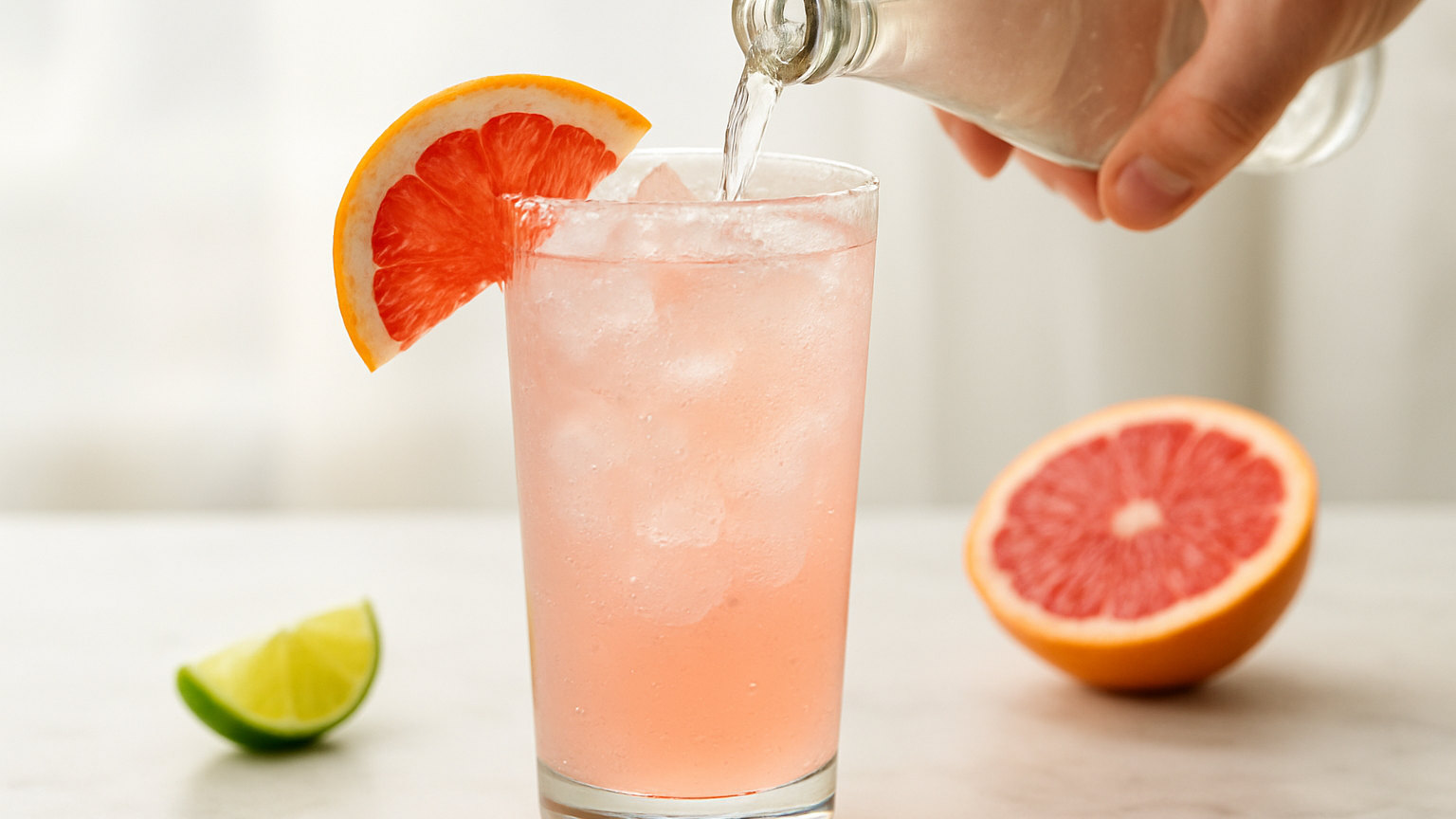
There is a third method alongside shaking and stirring, and it accounts for a large share of what people actually drink. Building means assembling the drink directly in its serving glass, and it is the correct approach whenever carbonation is involved.
When is building right?
When the drink is long, contains a carbonated mixer, or has nothing that needs emulsifying. The test is simple: if there is no citrus juice, egg, cream or thick syrup requiring vigorous combining, and if there is fizz to protect, build it.
- Build: gin and tonic, highball, mojito, dark and stormy, negroni, spritz, americano, cuba libre.
- Stir separately: martini, Manhattan, anything clear served up.
- Shake: anything with citrus juice, egg white, cream or purée.
Why does carbonation force the method?
Because carbon dioxide escapes with agitation, and both shaking and vigorous stirring destroy it. Shaking a carbonated ingredient in a sealed vessel is also genuinely unwise, since pressure builds and the seal can release without warning.
Carbonation is not only texture. Bubbles carry aroma to your nose, so a flat drink smells of less as well as feeling duller. Protecting it is protecting the flavour.
What order should things go in?
Ice first, then the non-carbonated ingredients, then the fizzy element last.
Ice first means everything that follows is chilled as it arrives rather than the ice having to work backwards. The mixer last means it is disturbed as little as possible, since anything poured on top of it drives gas out.
How full should the glass be with ice?
Completely, so the ice sits proud of the rim before the liquid goes in. It looks excessive and it is correct: a larger mass of ice warms more slowly and dilutes less than three cubes.
How much should you stir a built drink?
Once, gently, lifting from the bottom with a bar spoon. The aim is to raise the heavier ingredients that have settled, not to mix vigorously.
Stirring hard is the standard mistake. In anything carbonated it knocks the bubbles out immediately, and a hard-stirred gin and tonic smells of noticeably less than a gently lifted one.
How should you pour the mixer?
Down the inside of a tilted glass rather than into the middle. Pouring into the centre of a glass of ice releases a large proportion of the gas in a single burst of foam.
Make sure it is properly cold. Carbon dioxide stays dissolved in cold liquid and escapes rapidly from warm, so room temperature tonic will fizz away no matter how carefully you pour.
Which classics are built?
More than most people realise. The negroni is built directly in the glass with no separate stirring at all, which makes it one of the easiest classics to make well. The americano, mojito, dark and stormy, spritz and every highball are built.
The old fashioned can be built or stirred separately, and stirring separately gives better control over dilution. Both are legitimate.
Does building limit what you can make?
Only in one direction. You cannot properly combine citrus, syrup and spirit by building, and you cannot create the aeration a shake provides.
Everything else is available. With a tall glass, a bar spoon and a measure you can make most of what people order in a bar without owning a shaker at all.
Should you chill the glass first?
If there is time. A room temperature glass costs several ice cubes worth of cooling before the drink has started. A minute filled with ice and water, then poured off, is enough and takes no planning.
What is the test of a well-built drink?
Bubbles still visibly rising two minutes after pouring. If the fizz has gone by then, the mixer was warm, poured badly, or the drink was stirred rather than lifted.
What can you use instead of a bar spoon?
A chopstick or the handle of a long wooden spoon. Both lift adequately, which is all a built drink needs, since you are not trying to achieve the rotating action a stirred drink depends on.


