What Should Be in a Bar Tool Kit for a Beginner?
Four tools bought individually beat any fourteen-piece set. Here is what they are, which to buy first and what the kitchen covers meanwhile.
By Drink Recipes Team
6 Jul 2026

Shakers, strainers, jiggers and spoons - what each is for, and which ones a kitchen drawer already replaces.
Four tools bought individually beat any fourteen-piece set. Here is what they are, which to buy first and what the kitchen covers meanwhile.
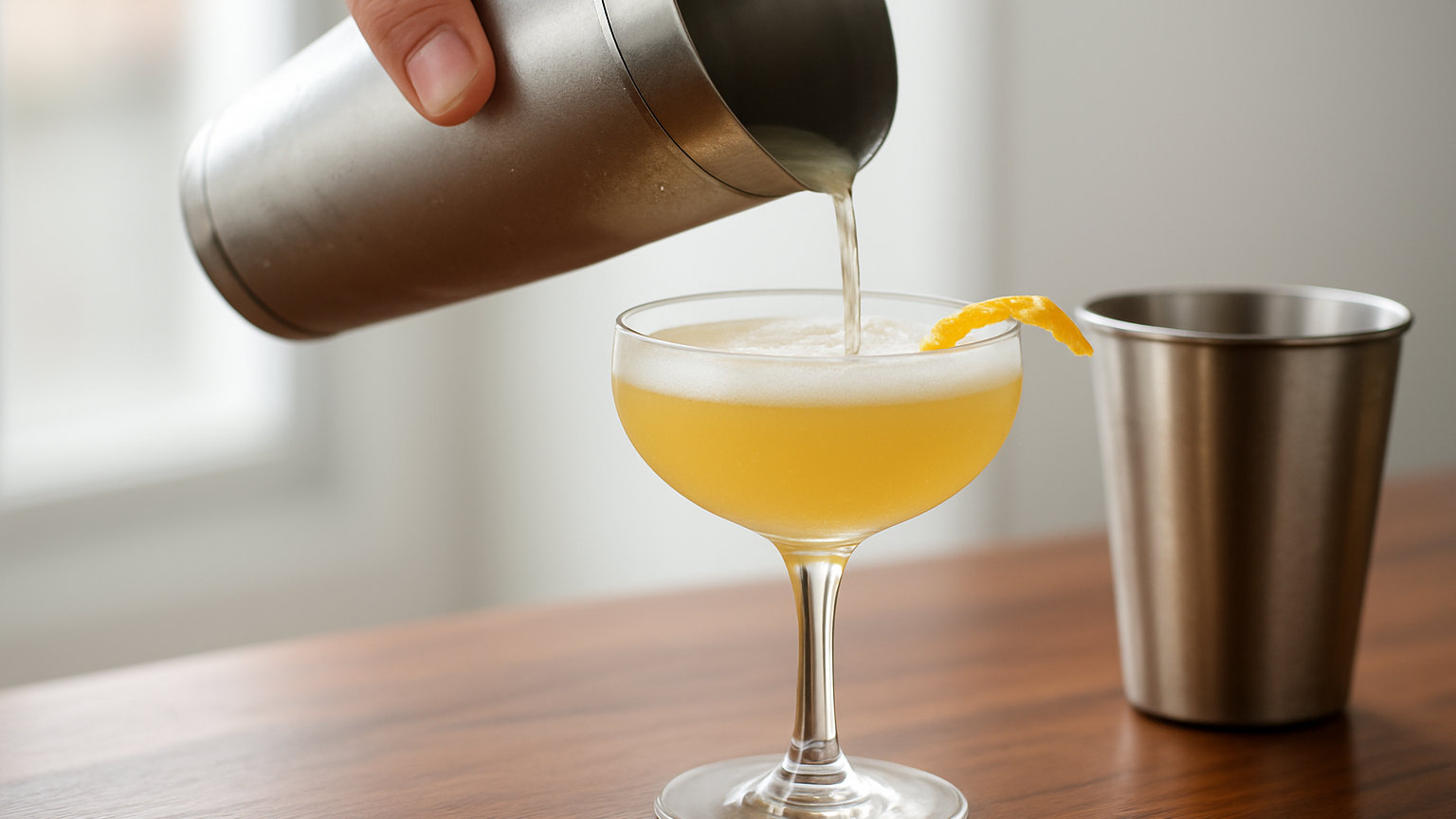
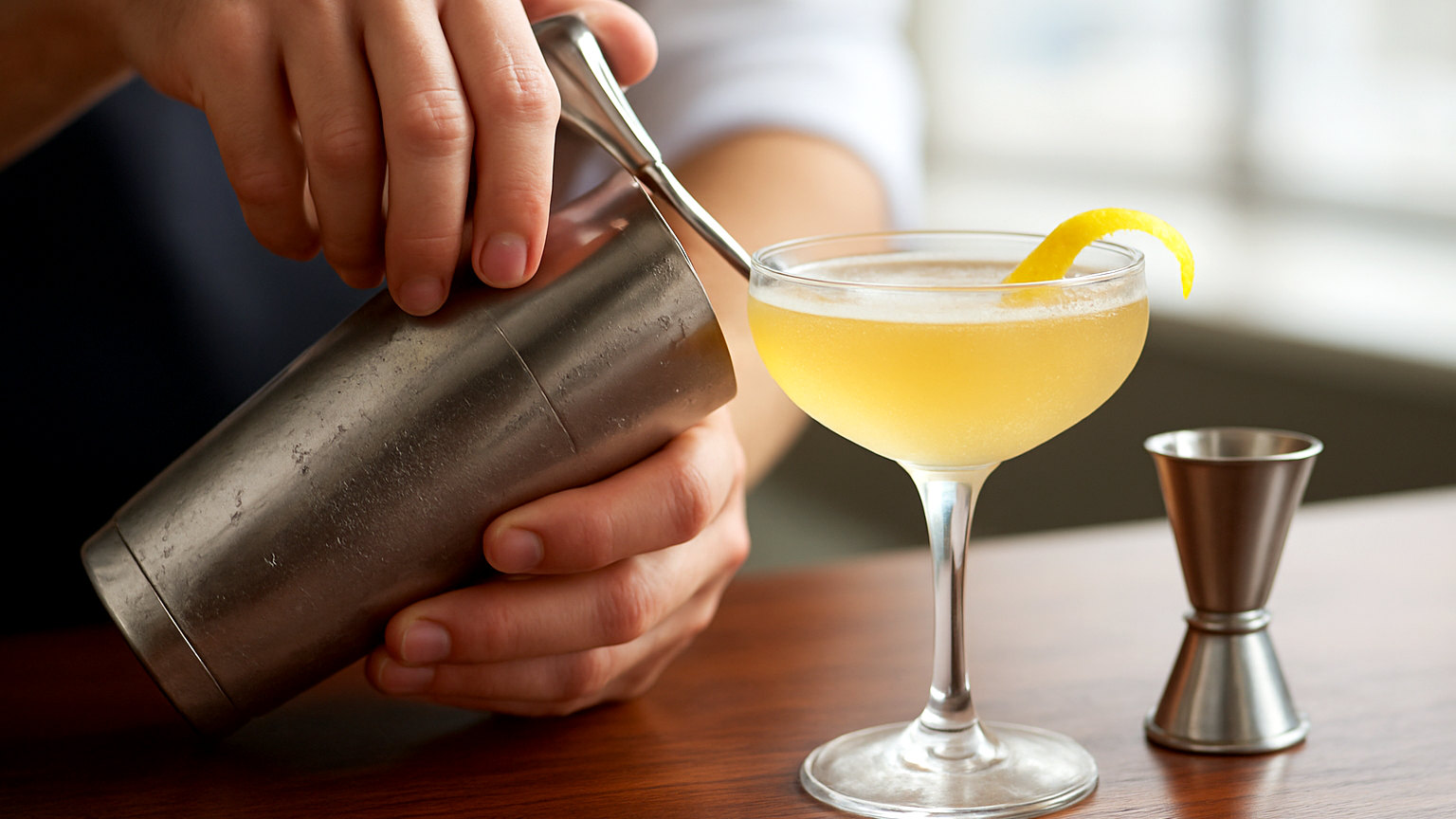
The differences between a good shaker and a poor one are size, wall thickness and how the rim is finished. All three are checkable in a shop.
Two cheap kitchen items handle every garnish a bar needs, and one of them outperforms the specialist tool sold for the job.
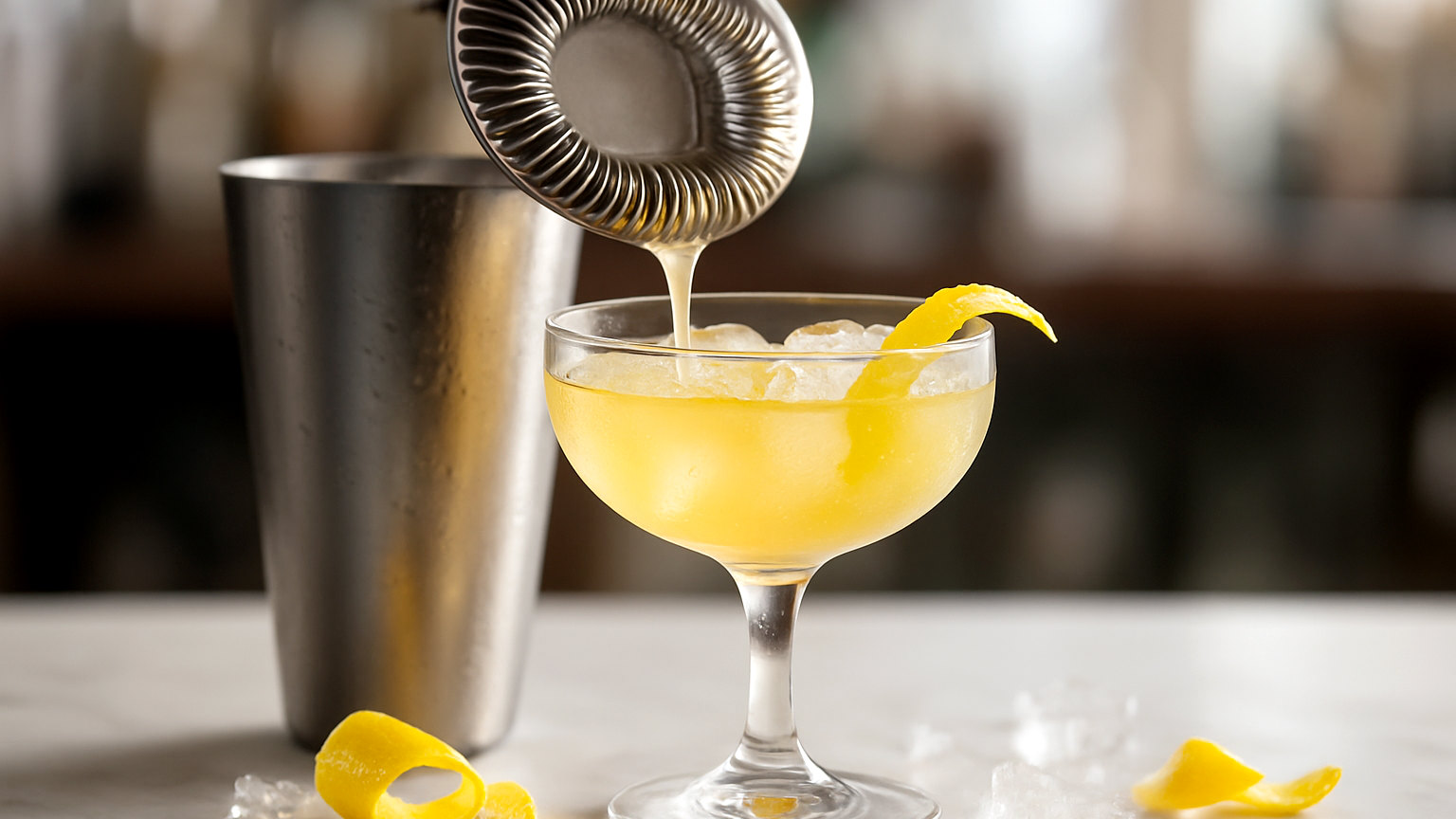
The spring is the whole tool. It seals against the inside of the tin and catches everything, and how tightly it is coiled decides how good the strainer is.
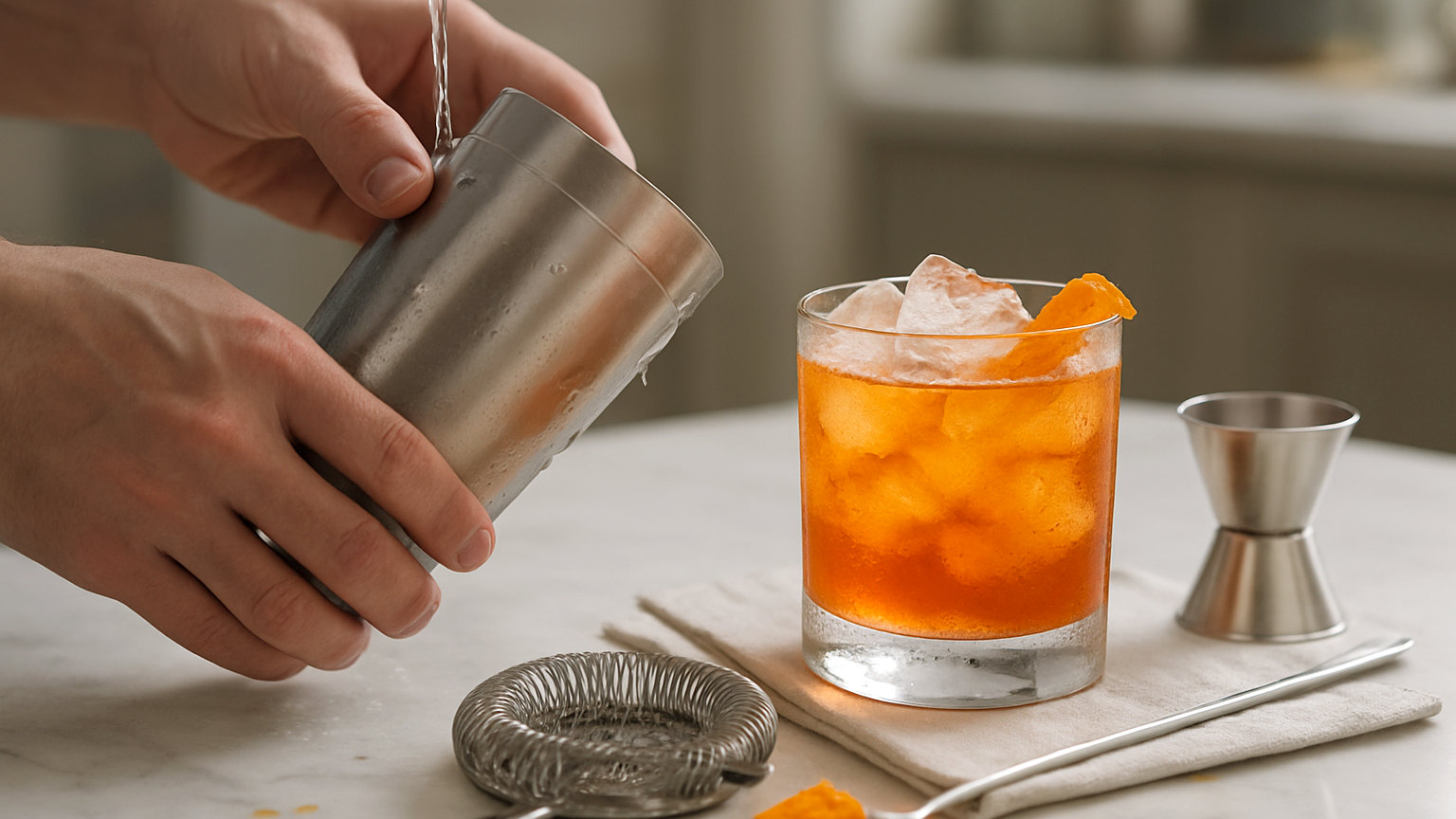
Citrus and syrup dry hard, and a shaker left overnight is far harder to clean than one rinsed immediately. Everything else follows from that.
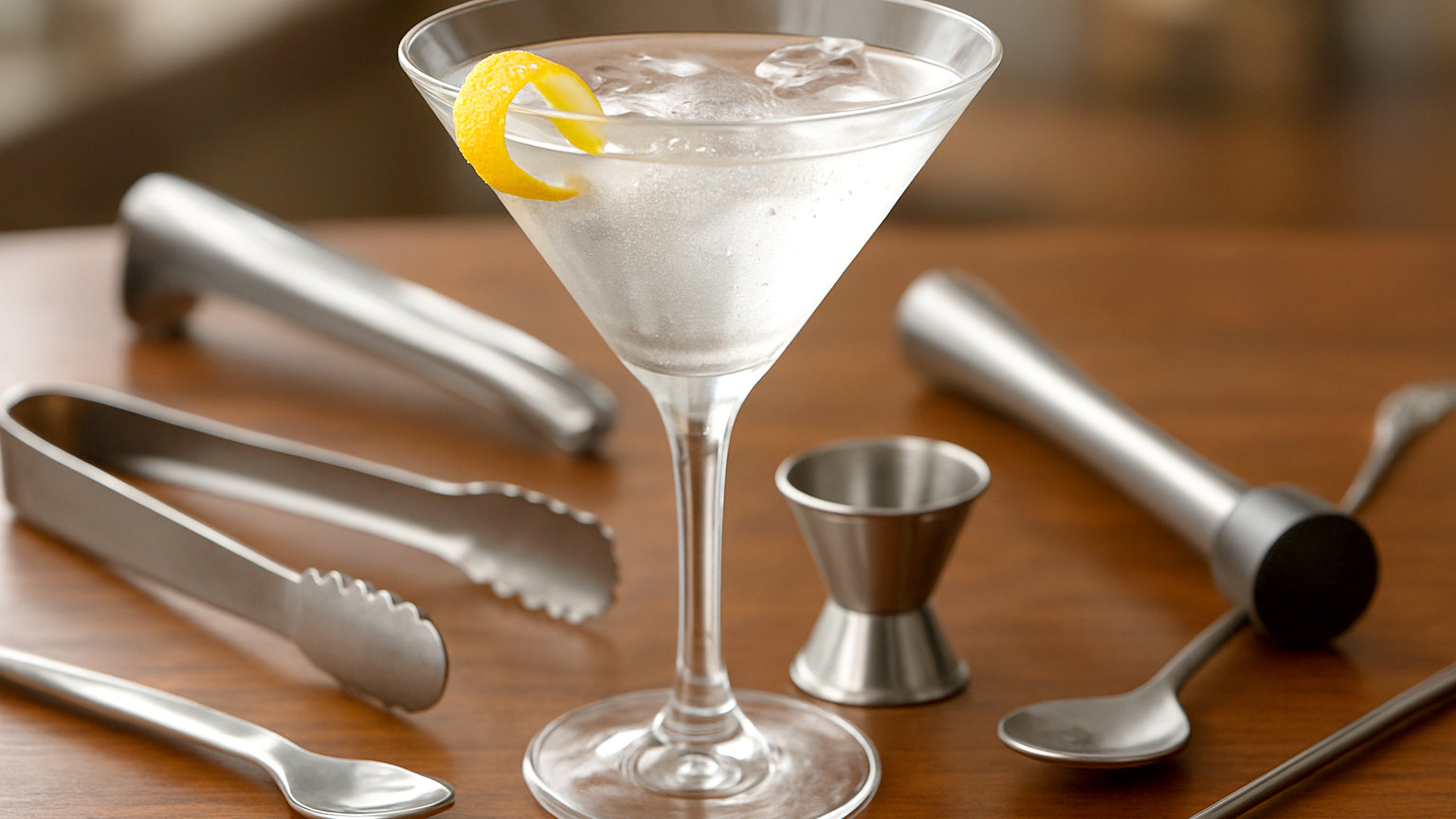
Gift sets pad the item count with things nobody uses. A few are merely useless and one or two actively make drinks worse.
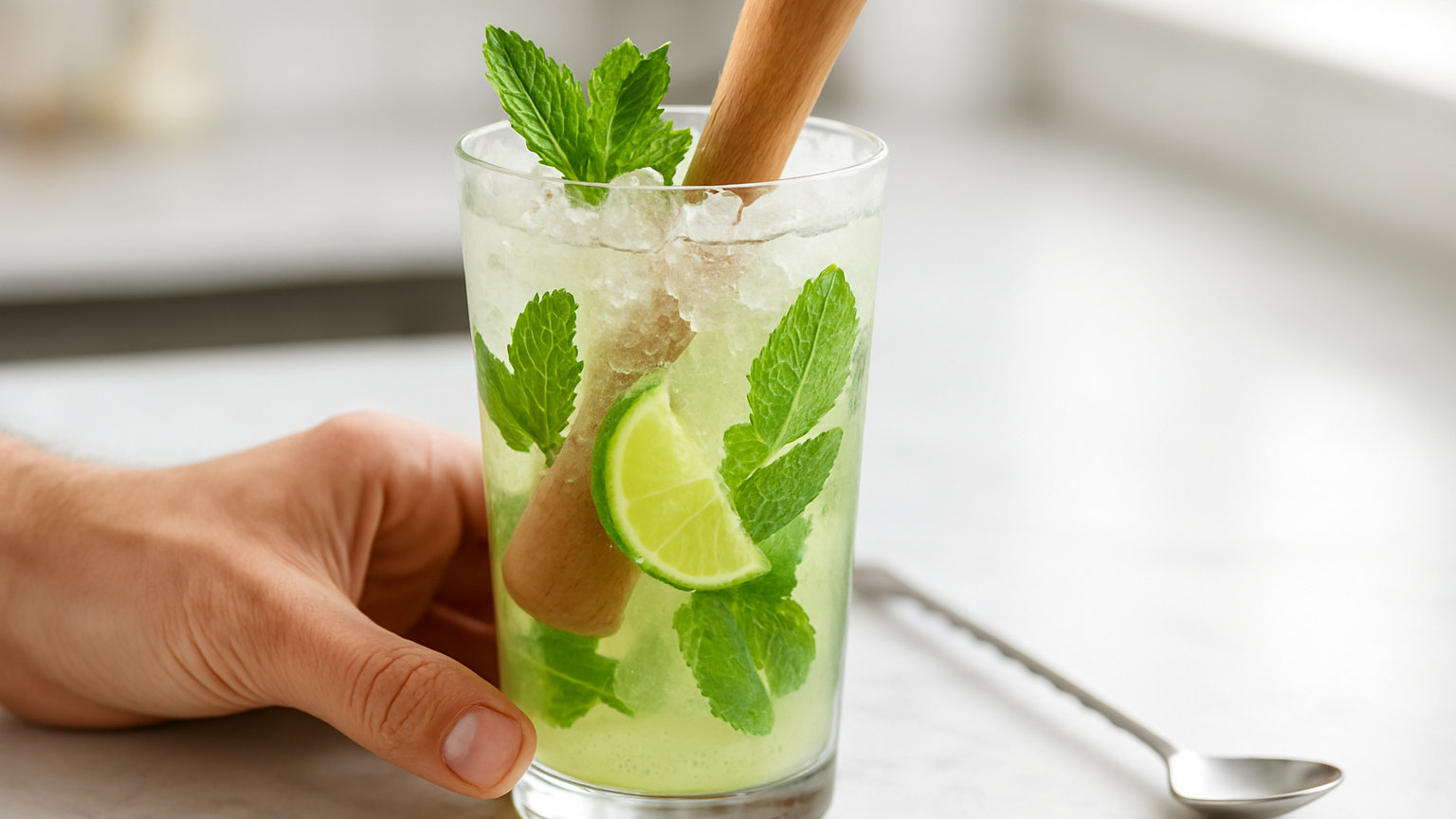
Muddling is pressing rather than grinding, and confusing the two is why so many home mojitos taste bitter and look brown.
A stuck shaker is physics rather than bad luck. One tap in the right place opens it, and knowing where that place is takes ten seconds to learn.
Most bar tools have a kitchen equivalent that works nearly as well. Two do not, and they are the two worth spending money on.
A mixing glass exists for one reason: stirred drinks need room for the ice to rotate, and a shaker tin is the wrong shape for it.
The twisted handle on a bar spoon is not decoration. It makes the spoon rotate in your fingers, which is the whole point of the design.
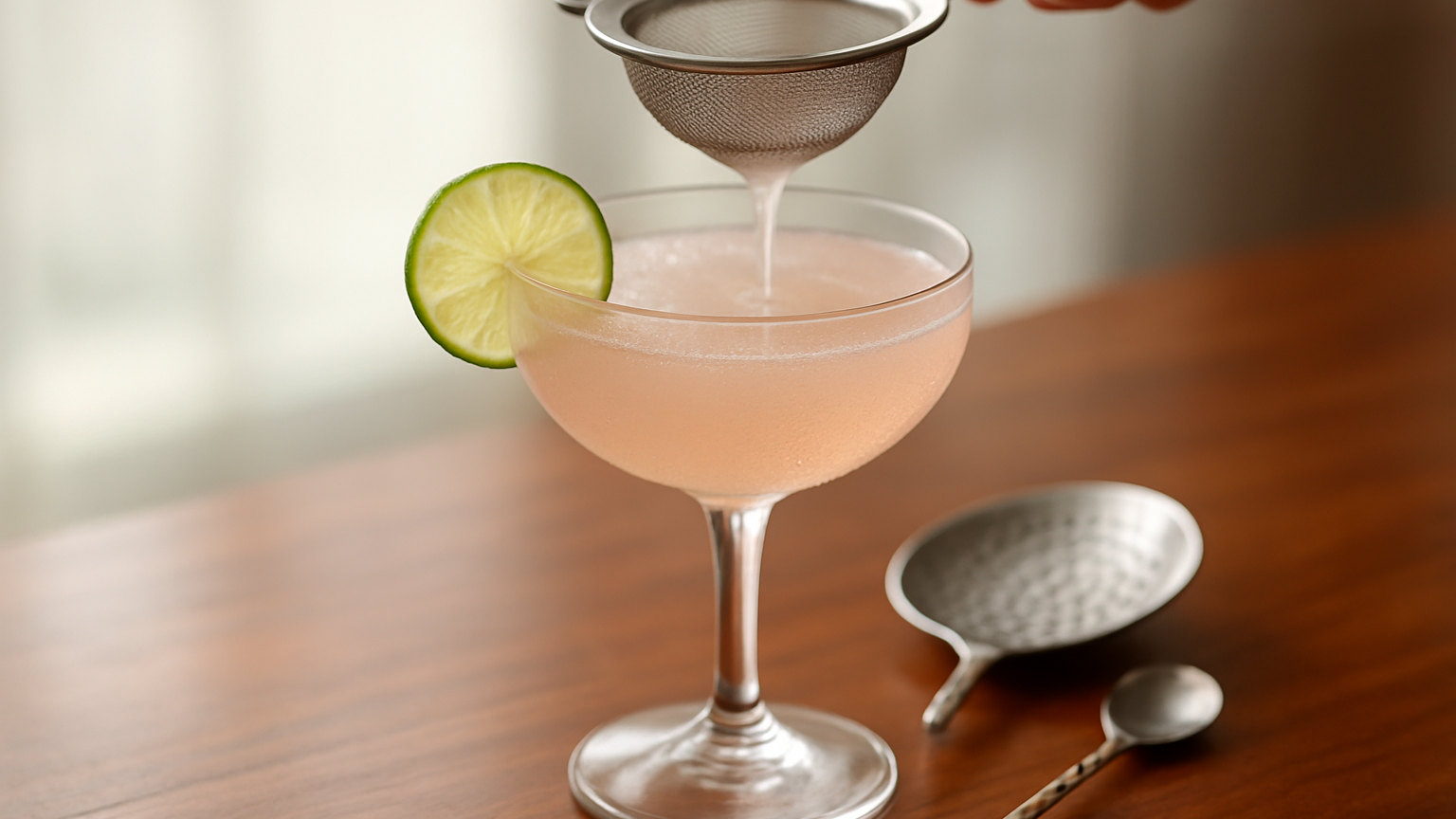
Three strainers exist and they do different jobs. Two are worth owning, and one of those is already in your kitchen drawer.
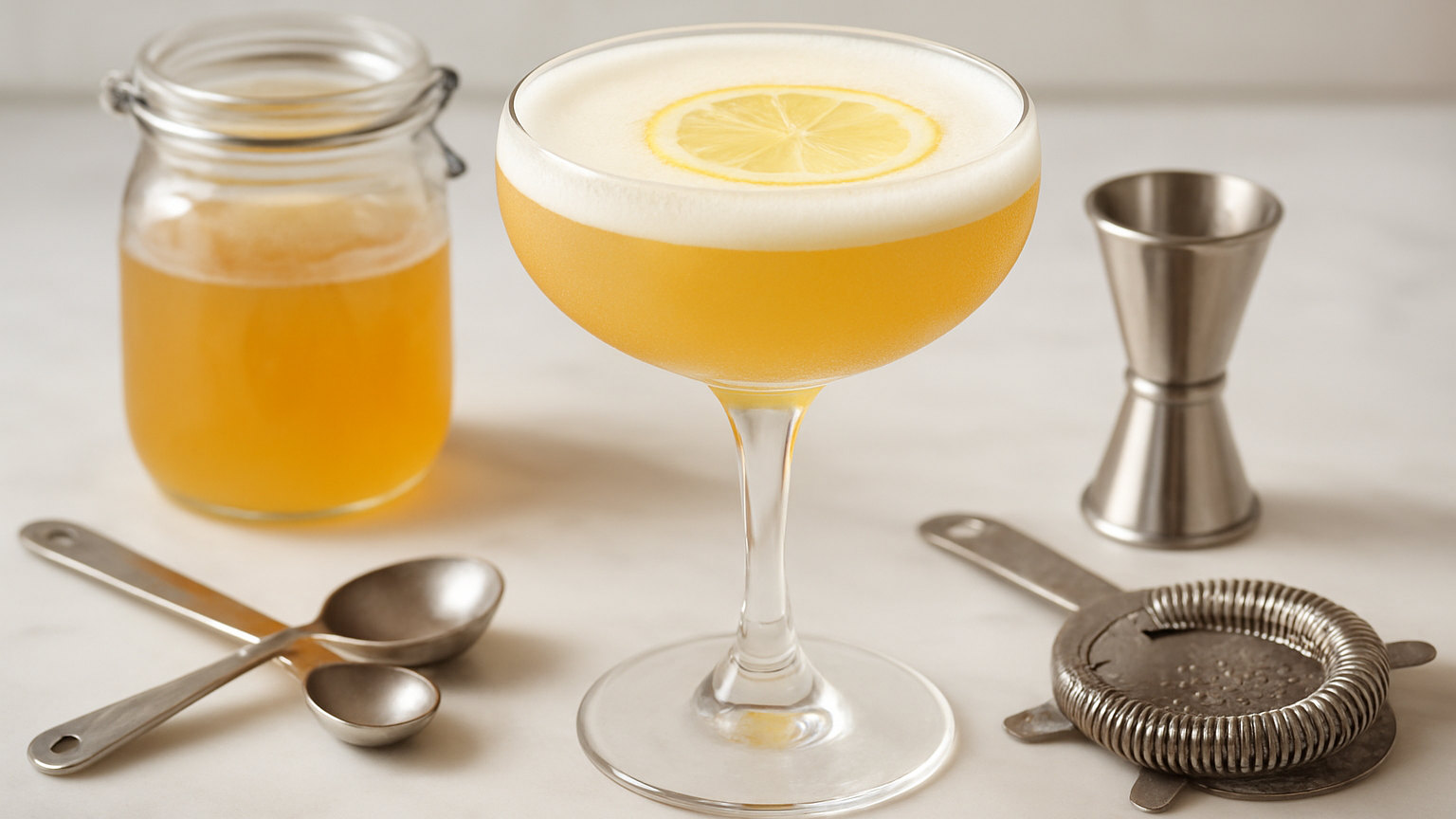
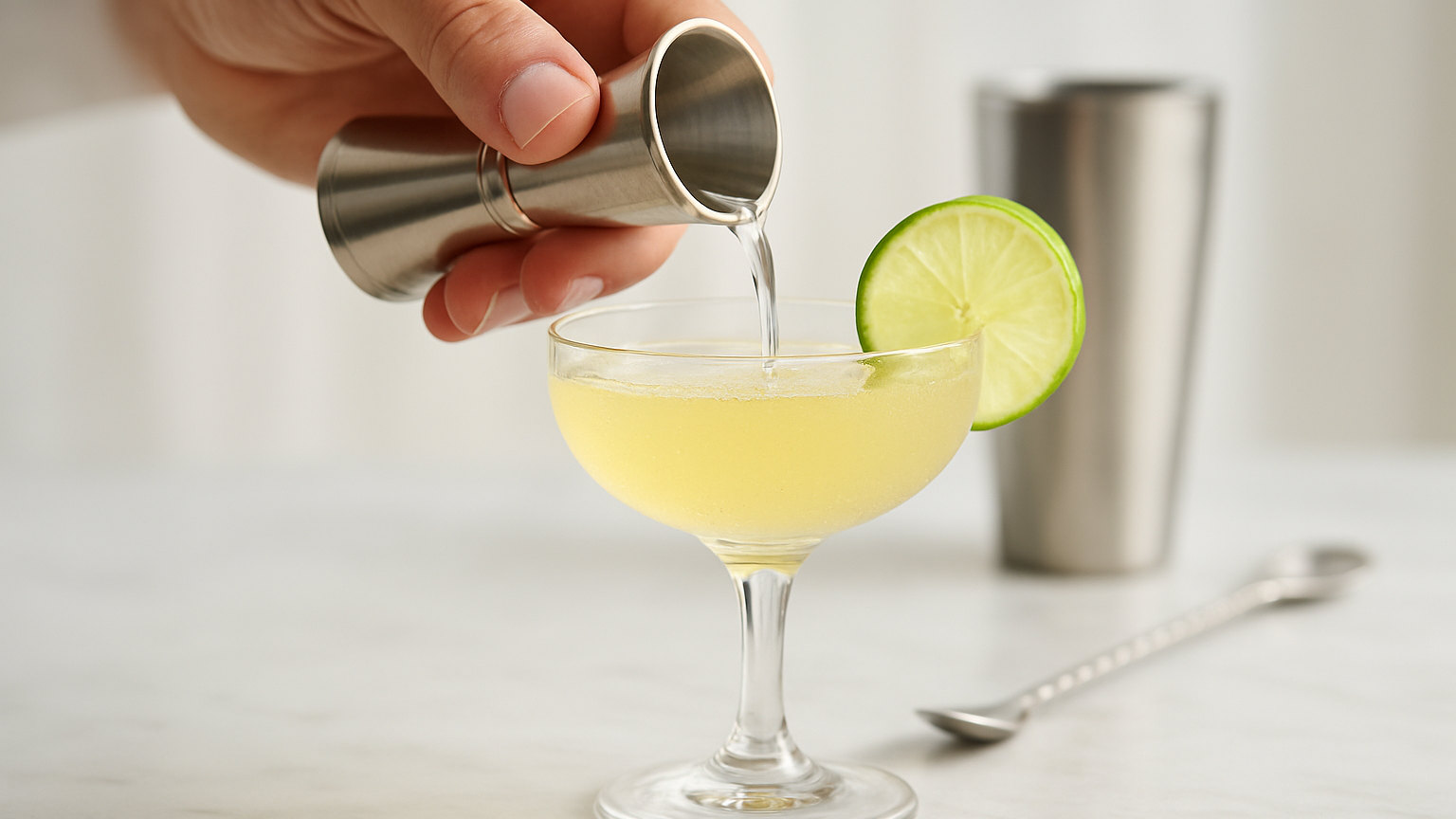
A jigger is the cheapest tool in a bar and the one that changes results most. Using it well takes about thirty seconds to learn.
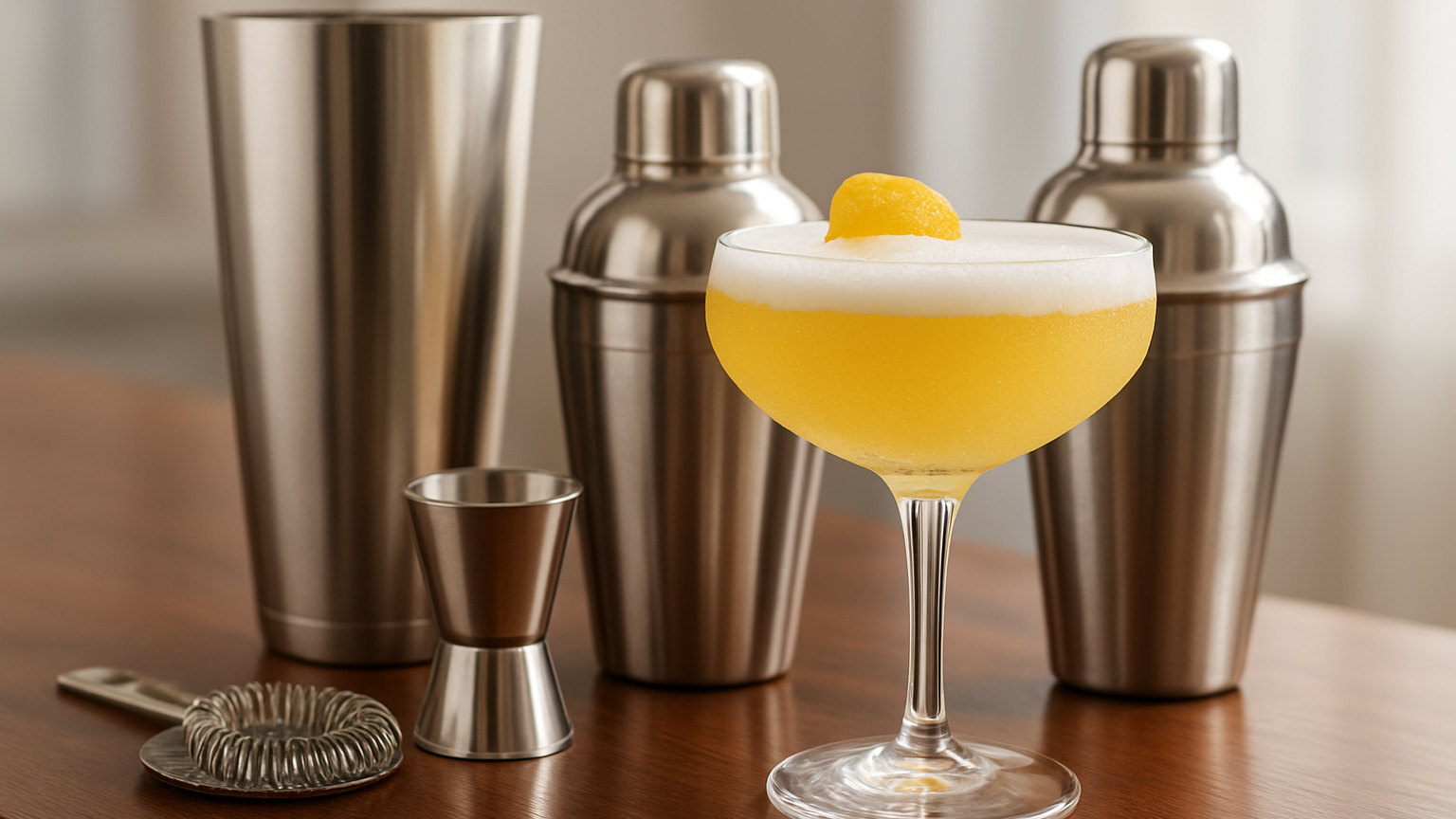
Three shaker designs, and the one most people own is the one professionals avoid. The reasons are practical rather than snobbery.