Which Beers Go With Cheese?
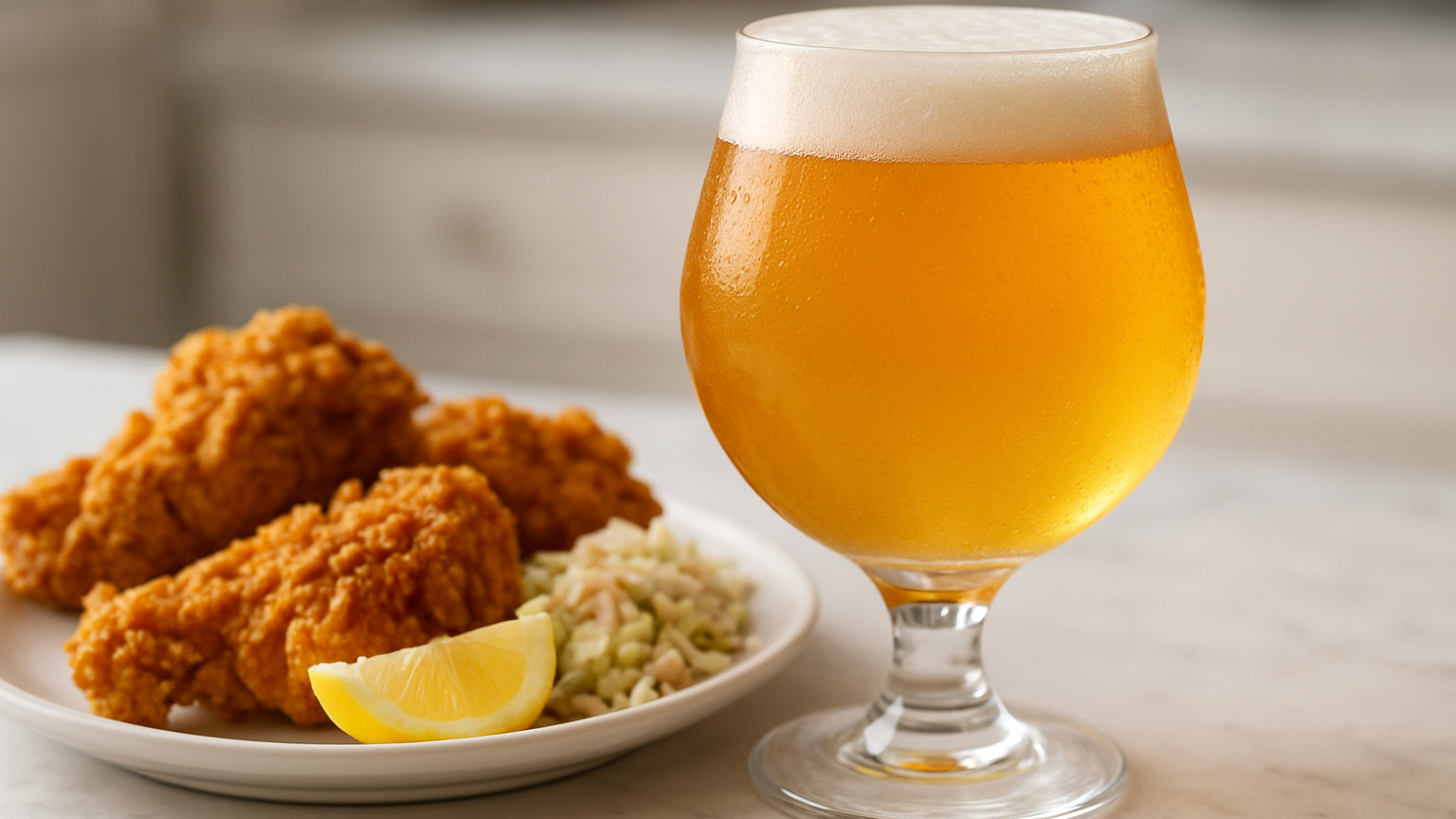
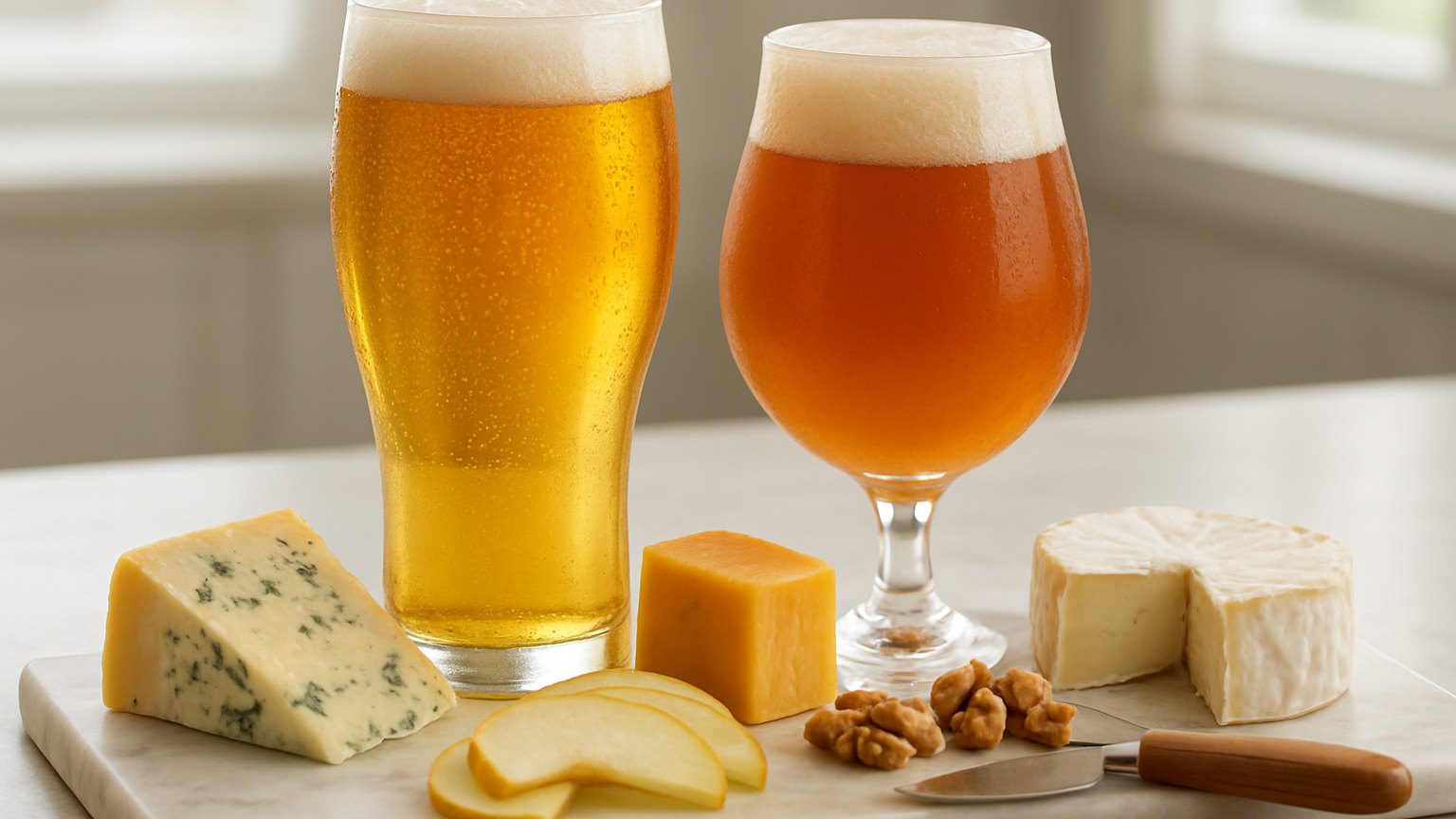
Cheese and beer is a better match than cheese and wine more often than the wine trade admits, and the reasons are chemical rather than sentimental.
By Drink Recipes Team
24 Feb 2026

Home brewing is mostly cleaning, patience and temperature control; the recipe is the easy part. These guides start with a first brew that works rather than a first brew that impresses, explain the styles well enough that you can judge what you have made against what you meant to make, and are honest about which equipment earns its shelf space. Cider and ginger beer sit here too, because both are the sensible starting point for anyone without a full kit. The safety notes - bottle pressure, sanitation, and when to pour a batch away - are written into the guides where you will read them.
Cheese and beer is a better match than cheese and wine more often than the wine trade admits, and the reasons are chemical rather than sentimental.
Most off-flavours have one likely cause and a recognisable character. Identifying which you have tells you what to change next time.
Belgian brewing follows different rules to British and German traditions, and the yeast is doing far more of the work than the recipe.
Yeast choice decides how dry the cider finishes and how much apple character survives. Wild fermentation is traditional and unpredictable.
Beer bottles are built to hold pressure and most other bottles are not. Using the wrong ones is the clearest avoidable hazard in home brewing.
Three principles cover almost every pairing worth making. Learning them beats memorising a list, because they work with food you have never met.
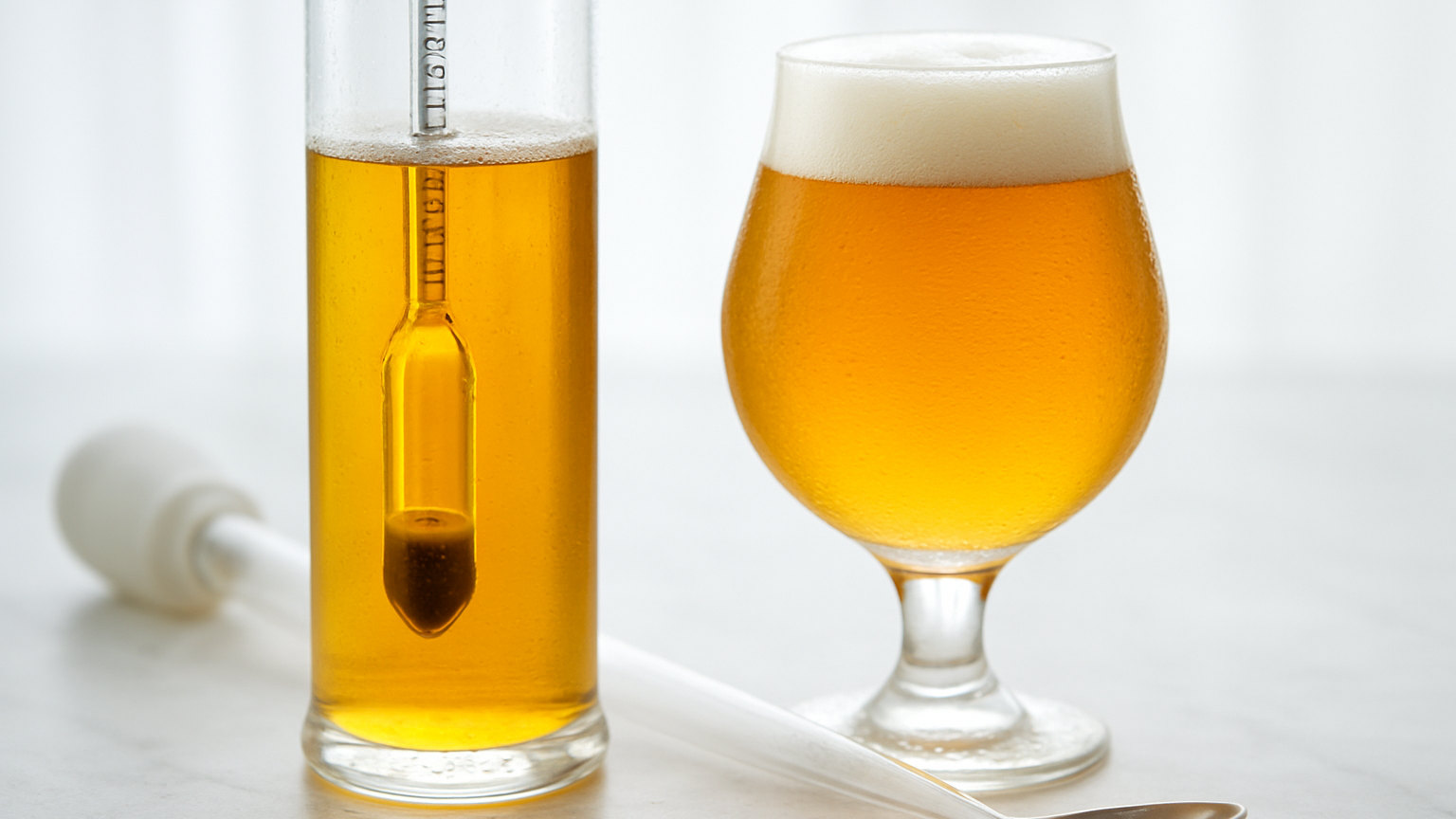
One instrument answers two questions nothing else can: how strong the beer will be, and whether it is safe to bottle.
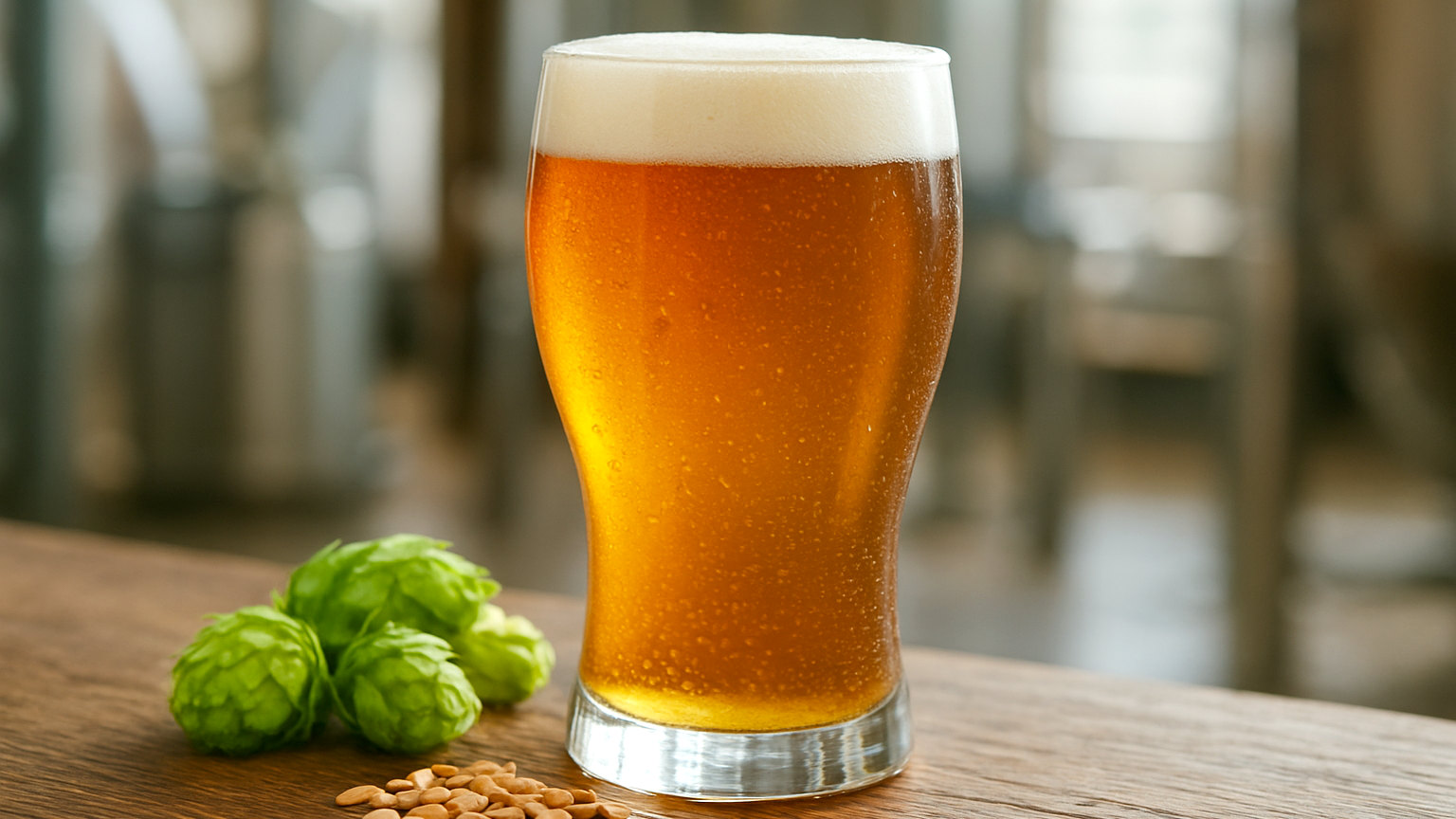
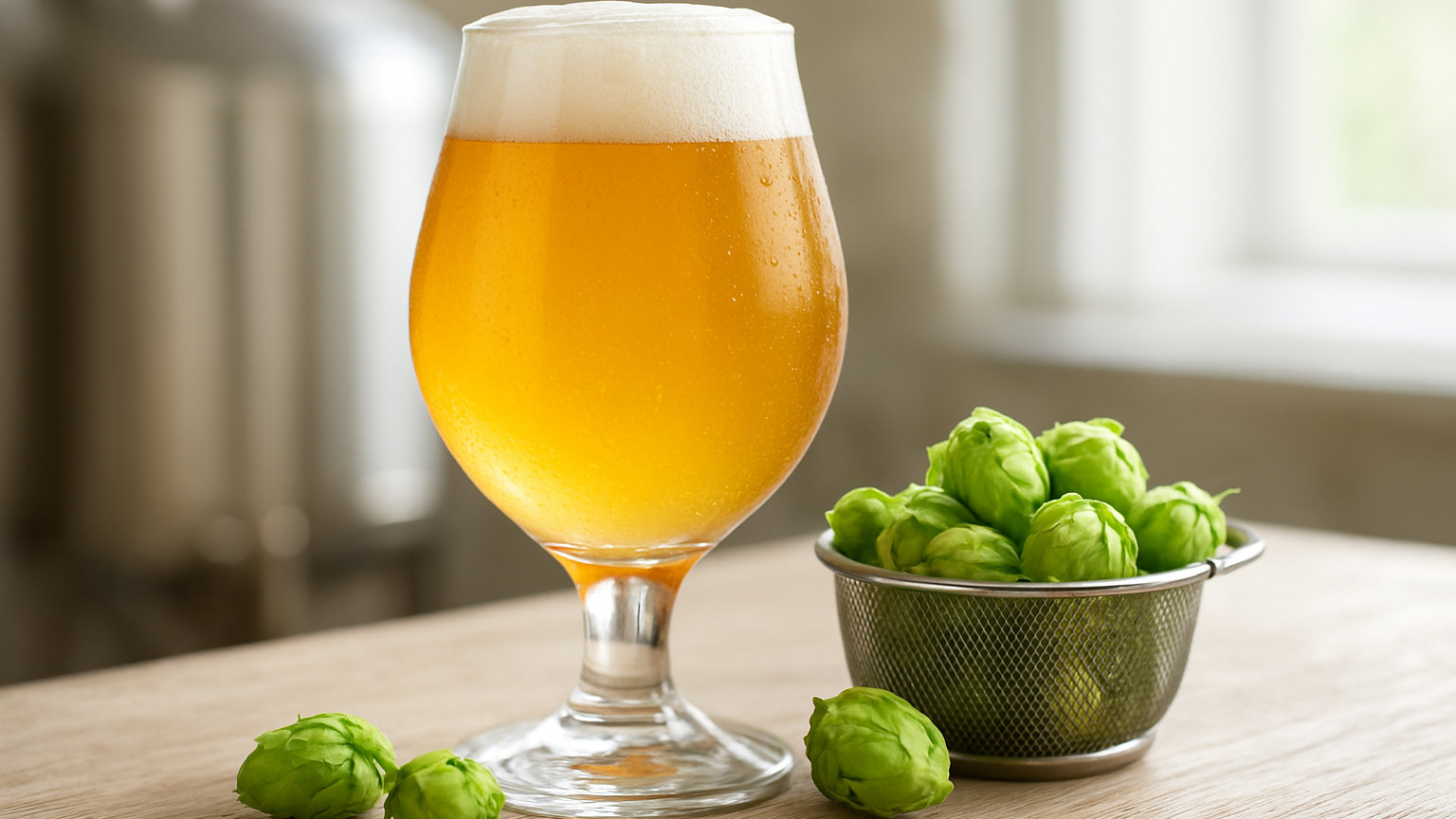
Pale ale is the most useful style on any bar and the hardest to describe, because it is defined by balance rather than by any single feature.
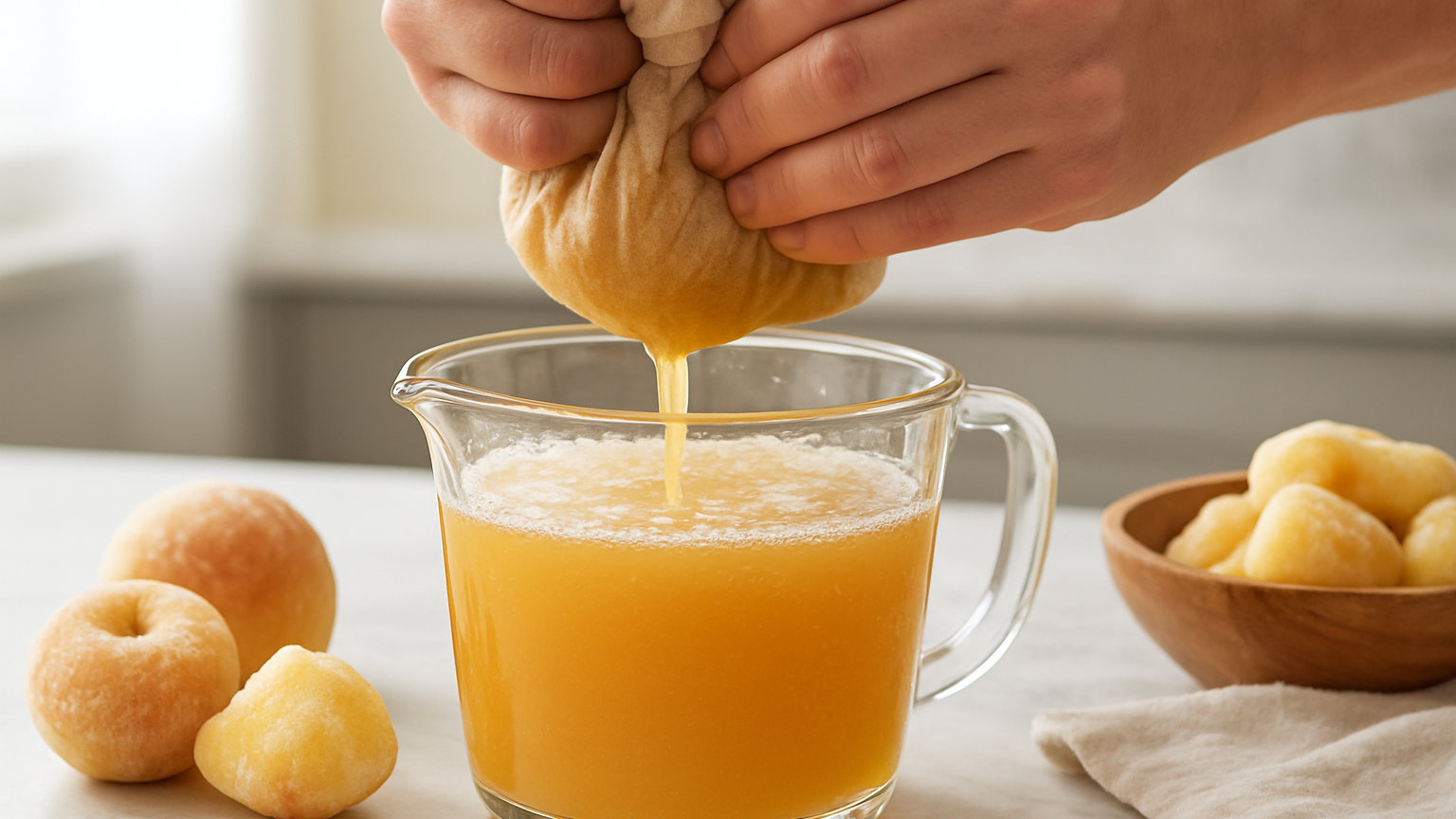
A cider press is the efficient answer and not the only one. Freezing the fruit first does most of the work a scratter would.
Dry hopping is simple to do and easy to get wrong. Timing, temperature and contact time all change the result more than quantity does.
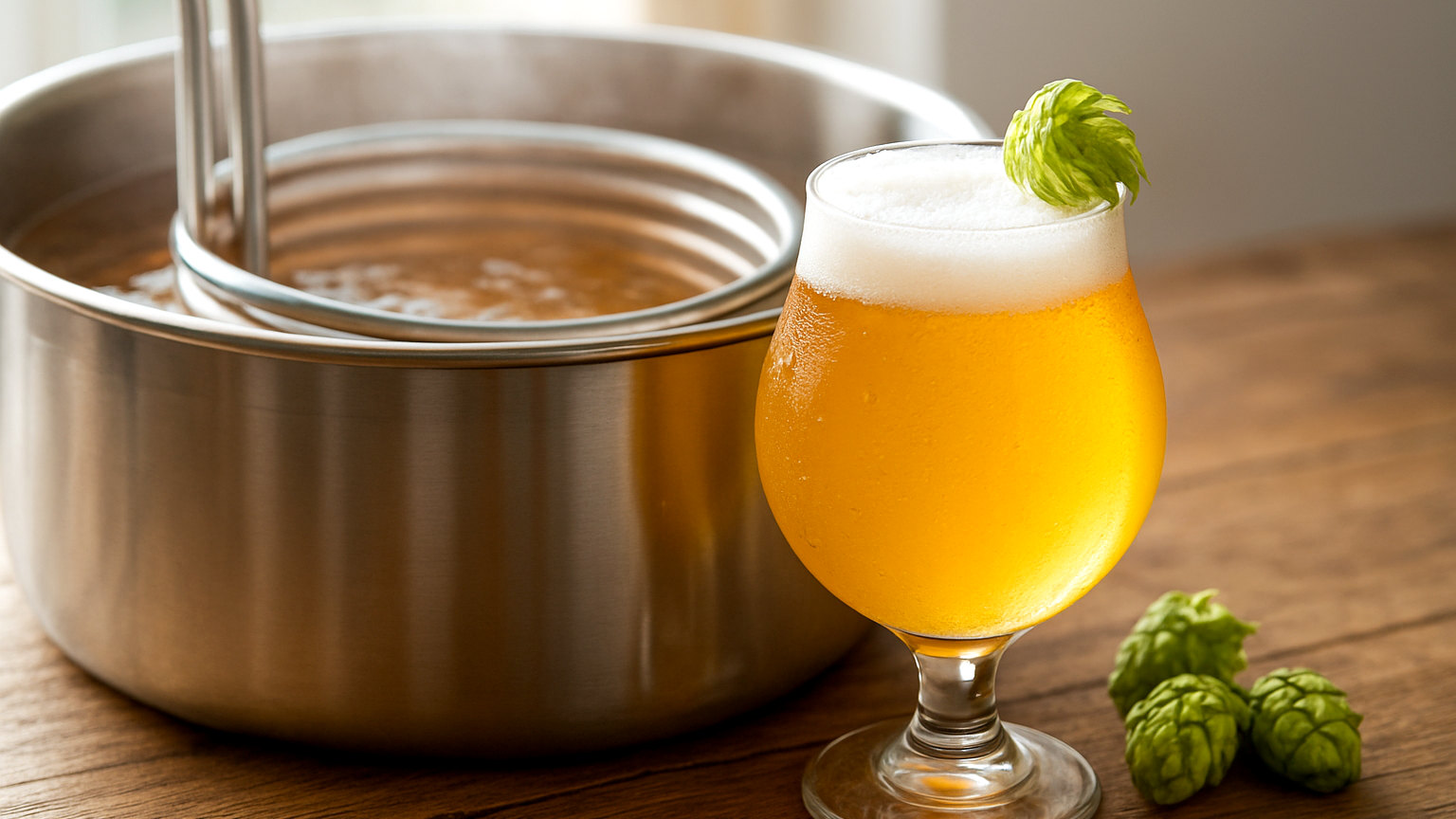
Fast cooling improves clarity and reduces contamination risk. Whether that justifies buying a chiller depends on how you brew.
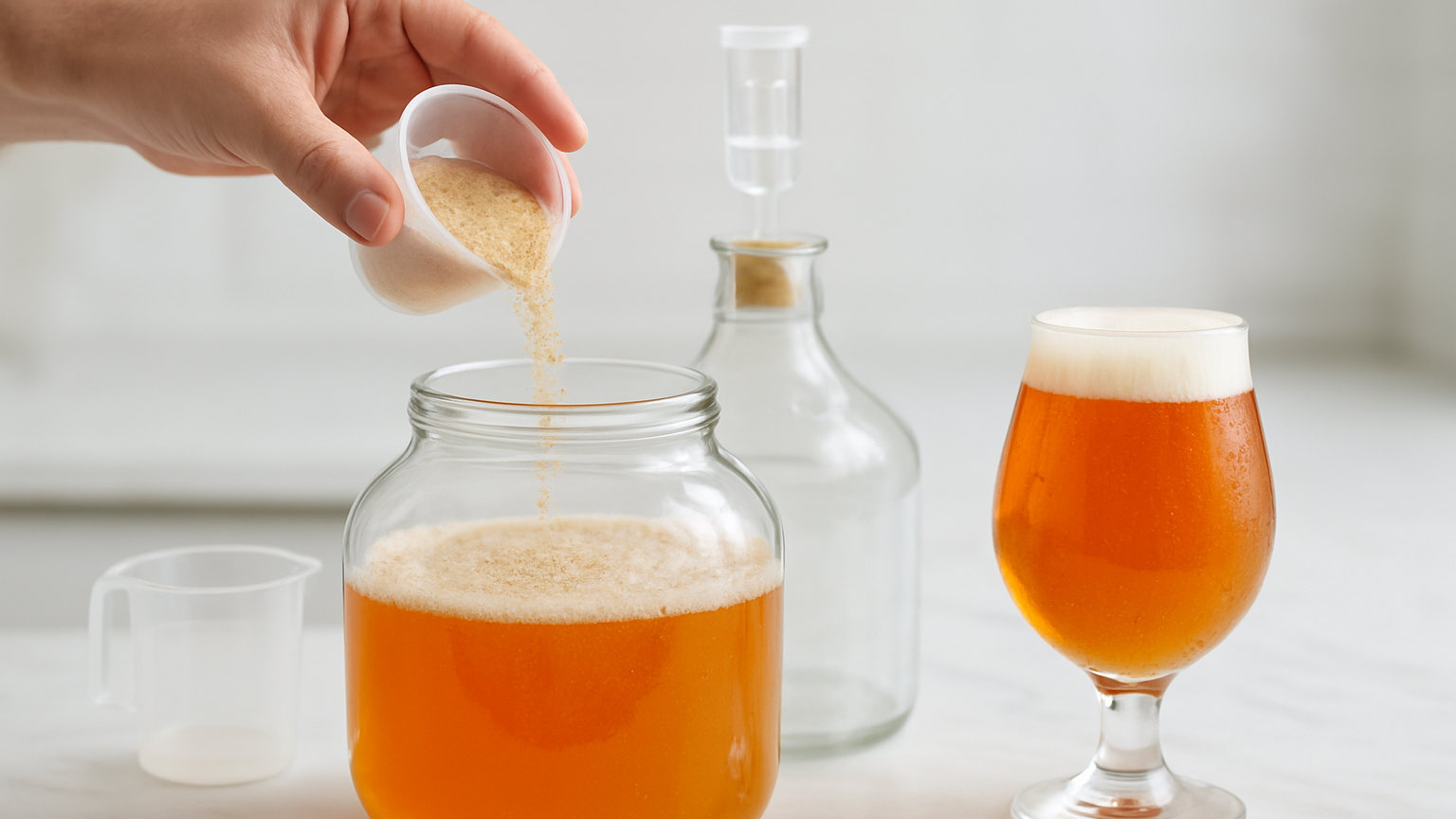
Yeast is the only living ingredient in beer, and how you introduce it decides how it behaves for the next fortnight.
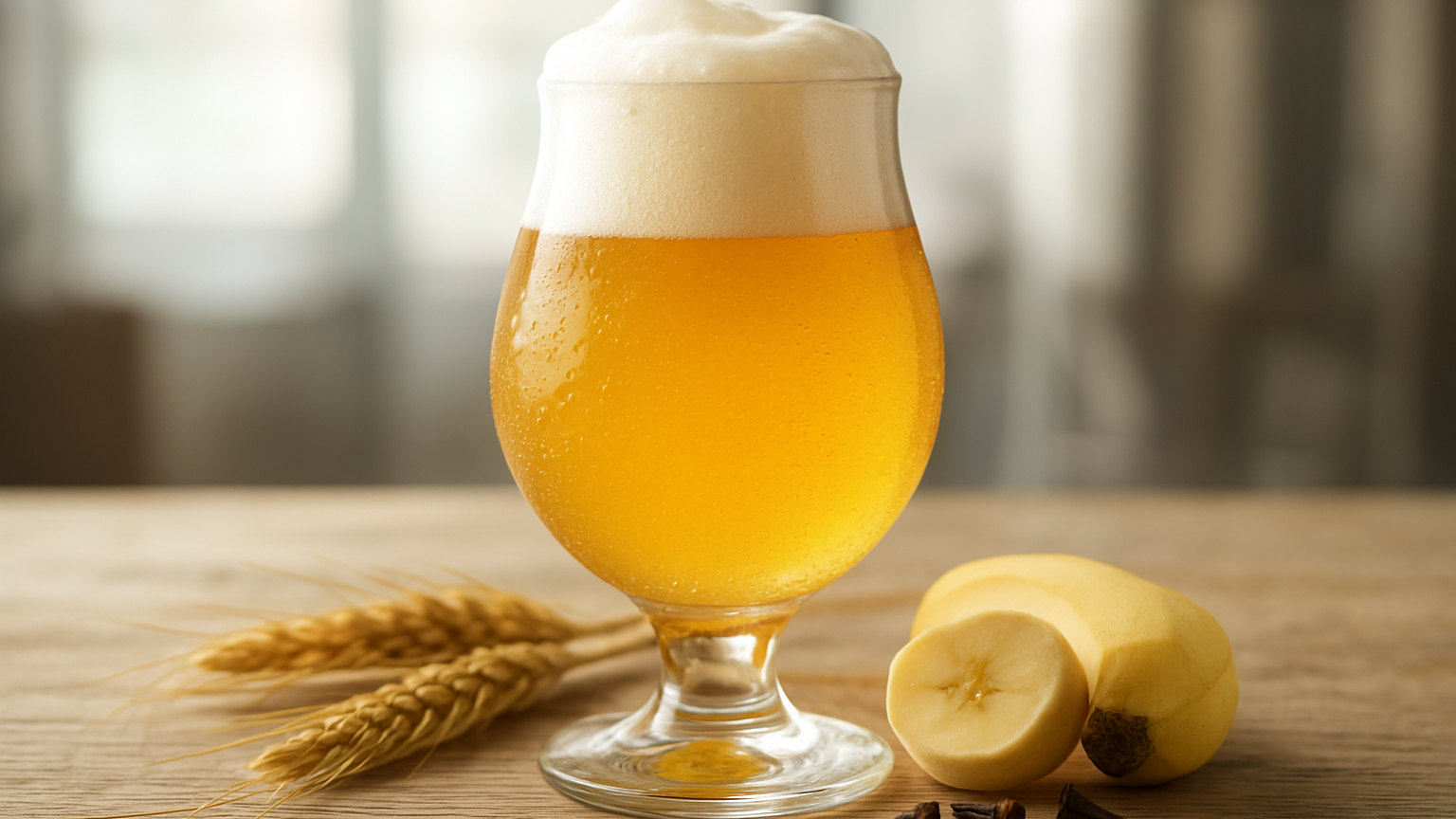
Wheat beer tastes of banana and clove, and neither comes from the wheat. The grain provides the texture and the yeast provides the flavour.
Cider apples are a different crop from eating apples, and the difference is tannin. Without it, cider tastes like fermented apple juice.