What Are Sloe Gin and Flavoured Gins?
Sloe gin is a liqueur rather than a gin, it is straightforward to make at home, and one detail about the stones is worth getting right.
By Drink Recipes Team
28 May 2026

What separates a London dry from a contemporary gin, whether vodka brand matters, and the tonic ratio question.
Sloe gin is a liqueur rather than a gin, it is straightforward to make at home, and one detail about the stones is worth getting right.
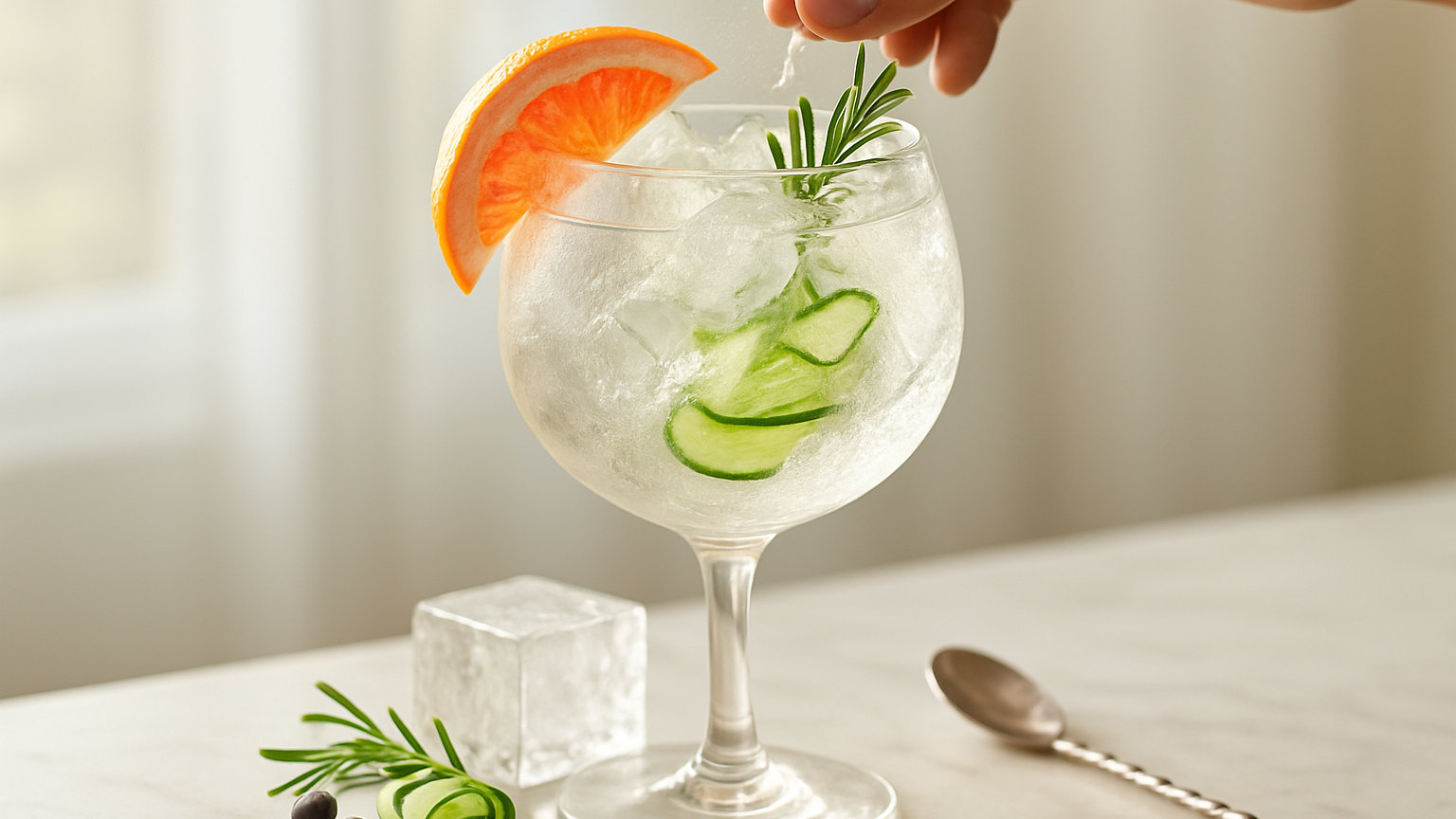
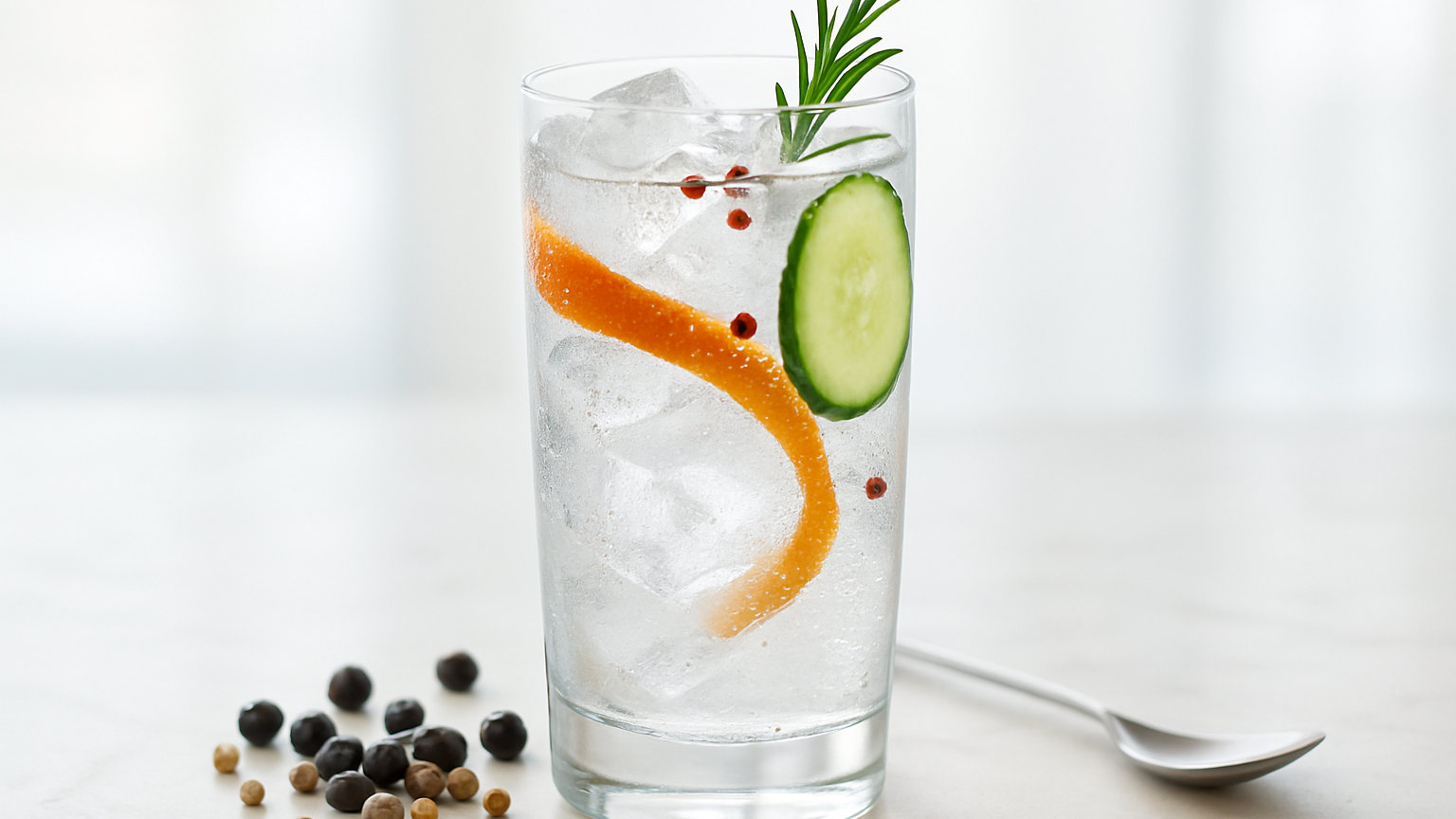
A garnish should extend what is already in the gin. Most of its effect is aroma, which is why how you add it matters as much as what you choose.
The old American definition said vodka should have no distinctive character. That wording was removed in 2020, and the reason is worth understanding.
Fifty-seven per cent, and a story about gunpowder that is roughly true. The practical case for it has nothing to do with the navy.
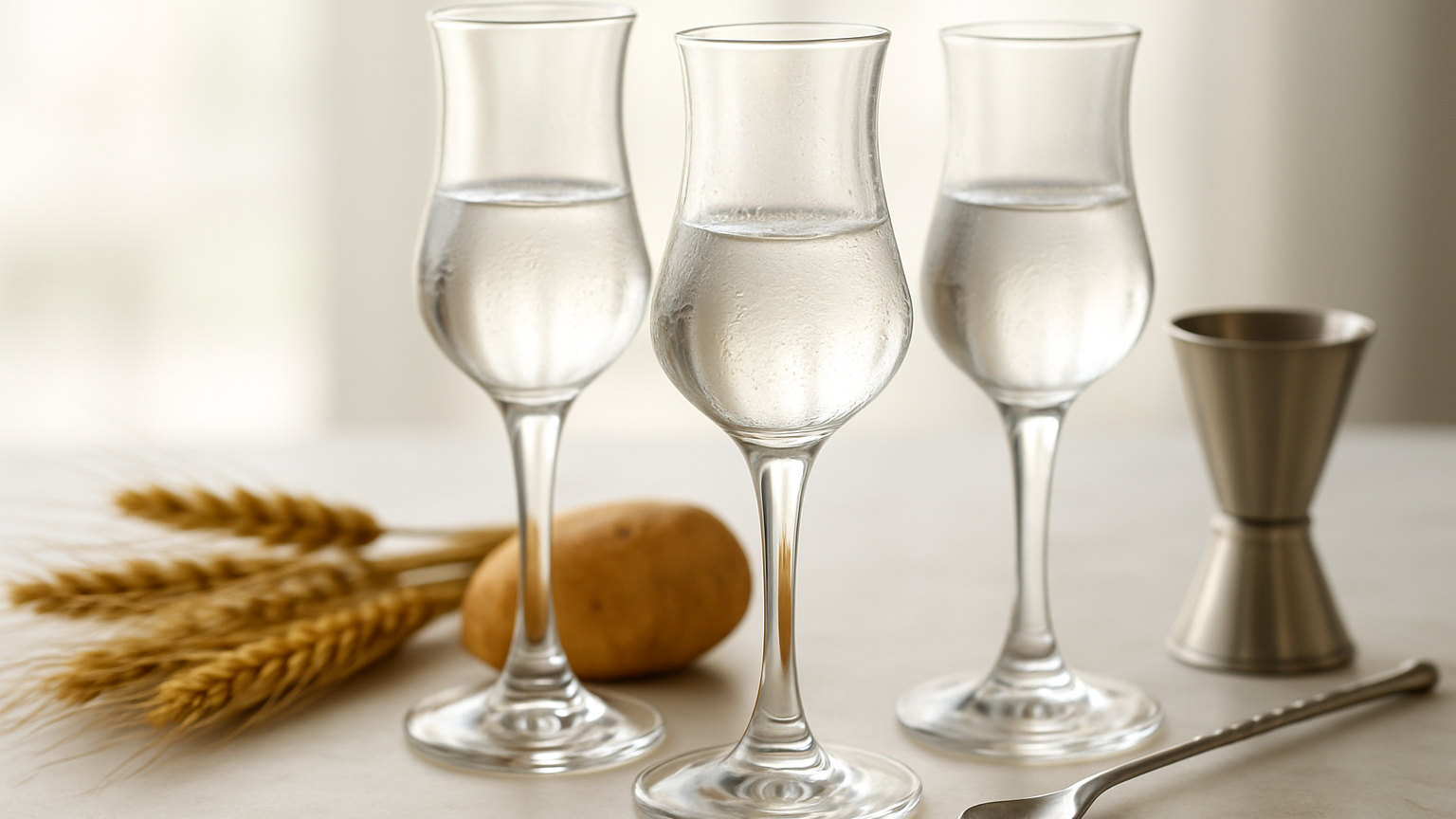
Vodka drinks are often dismissed as flavourless. The good ones use that neutrality deliberately, letting another ingredient lead.
Vodka production is an exercise in removal. Almost everything that makes a spirit taste of its origin is deliberately stripped out.
Two older gin styles that classic recipes assume and most home bars lack. Several famous cocktails were built for them rather than London dry.
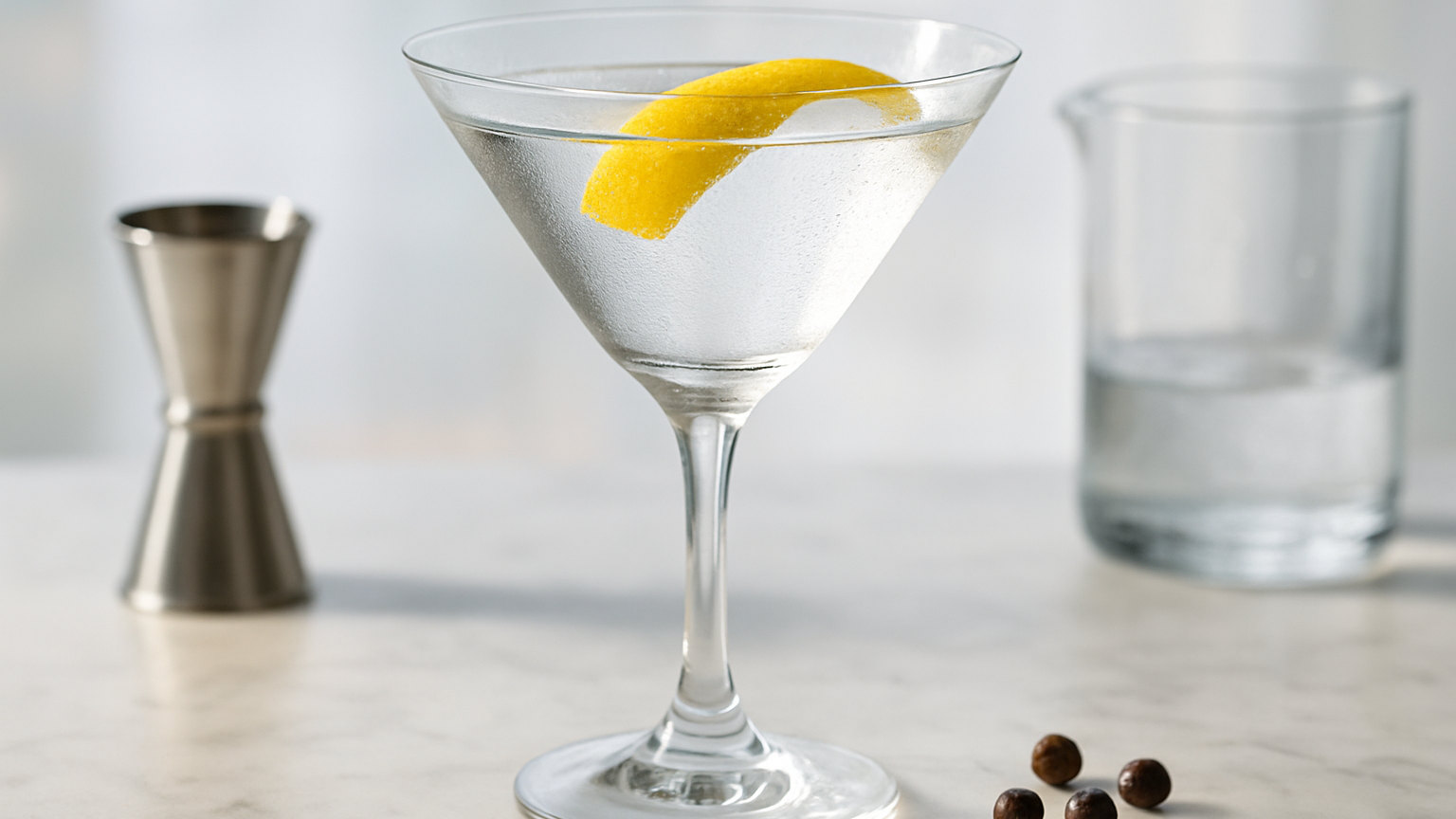
The martini is the least forgiving gin drink there is. Three ingredients, no sugar, no citrus, and nowhere for a weak gin to hide.
The ratio is a matter of preference within a fairly narrow band. What people get wrong is usually the ice and the pour, not the proportions.
Tonic is most of a gin and tonic by volume, which makes it the ingredient most worth getting right and the one people think least about.
Contemporary gin keeps juniper legally predominant and pushes it back in the balance. The result works beautifully in some drinks and badly in others.
Most gins share the same handful of core botanicals. What distinguishes them is proportion and the smaller additions layered on top.
London dry is a production method, not a place. Gin labelled that way can be made anywhere, and the rules it follows are genuinely strict.
Vodka is the spirit where marketing does the most work and the liquid does the least. Some differences are real; most claims are not.