
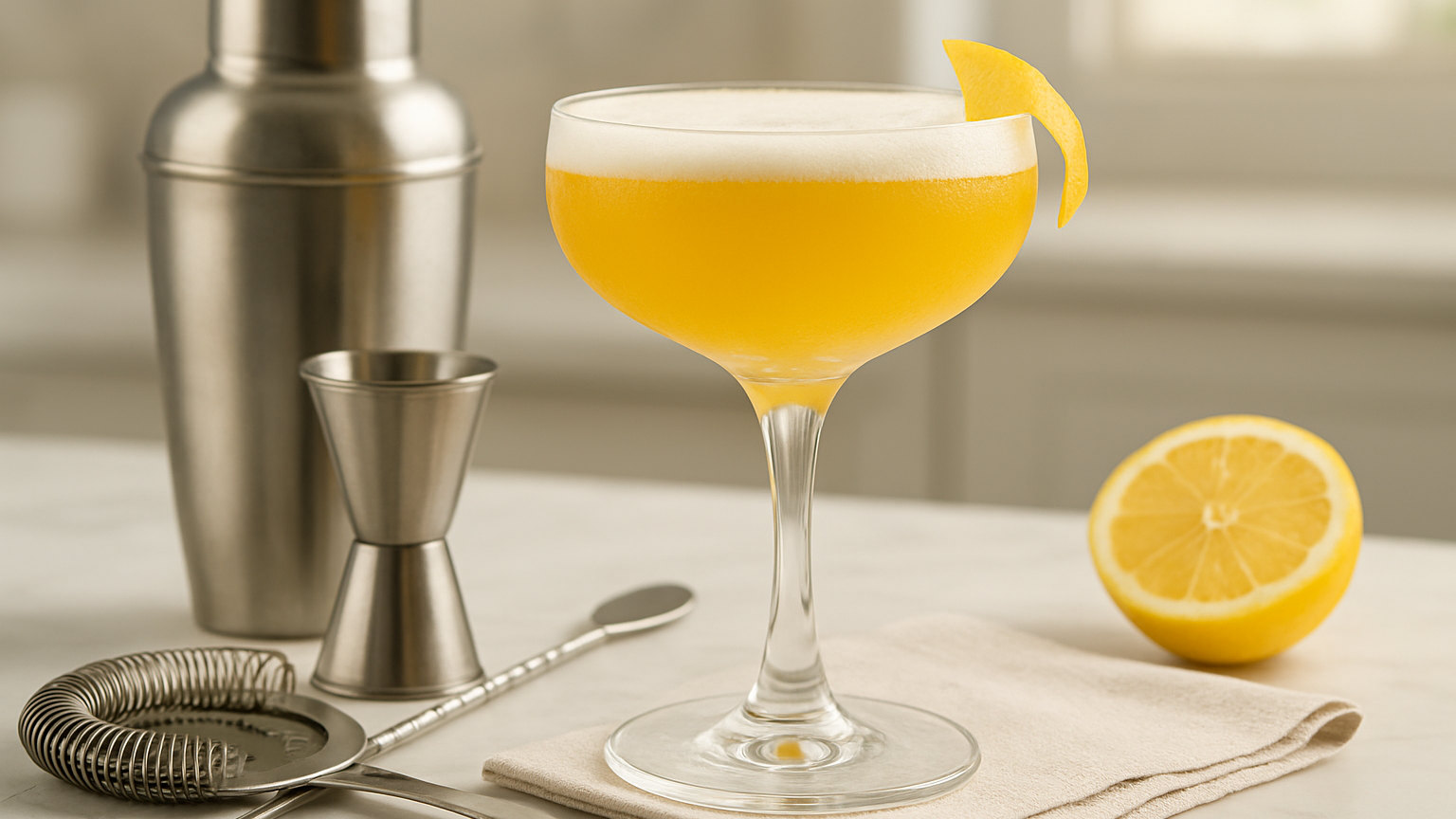
The temptation when starting is to buy a set, because it looks complete and arrives in one box. Buying four items separately produces a better kit for similar money, because the money goes into the tools that get used rather than into fruit forks.
What are the four?
- Jigger. Japanese style, double ended, with internal graduation lines.
- Boston shaker. Tin on tin, weighted, around 700ml and 500ml.
- Hawthorne strainer. Tightly coiled spring, ideally removable.
- Bar spoon. Around 30cm, with some weight to it.
Those four make every classic cocktail. Nothing else is required, and each of them is used in almost every drink.
What order should you buy them in?
The jigger first, and it is not close. It costs less than a bottle of tonic and it improves every drink you already make, including the ones you make in a jam jar.
Then the strainer, since nothing in a kitchen replaces it. Then the shaker, once you know you shake often enough to be annoyed by the jar. The bar spoon last, unless you mostly drink stirred cocktails, in which case bring it forward.
Why not the shaker first?
Because a jam jar with a tight lid genuinely works. It leaks slightly, chills more slowly and cannot be opened one-handed, and it makes a good daiquiri. The jigger has no adequate substitute, so it solves the bigger problem.
What can the kitchen cover meanwhile?
- Shaker: a large jam jar.
- Mixing glass: a pint glass.
- Muddler: the handle of a wooden spoon.
- Fine strainer: a tea strainer or small sieve.
- Peeler and paring knife: already there.
- Ice crusher: tea towel and rolling pin.
The fine sieve remains part of the permanent kit rather than a stopgap, since a Hawthorne alone lets small ice shards through and double straining needs both.
What else should be in the kit?
Two things that never appear in a set: a small chopping board kept with the bar, and a cloth. Both remove friction, which is what determines whether drinks get made on a weeknight rather than at weekends only.
What should you expect to spend?
The four tools bought individually from a catering supplier cost roughly what a mid-range boxed set does. The difference is that all four are usable, whereas the set contains four usable items and ten fillers.
Buying unbranded steel from a catering supplier rather than a homeware shop is where the value is. The same tins are frequently sold at three times the price in a printed box.
What should you add later?
Only what you find yourself missing. For most people that turns out to be a second large tin, so two drinks can be shaken at once, and a small hand press if citrus drinks become a habit.
Resist buying anything for a single cocktail you have not made yet. It is the same trap as buying a bottle for one recipe.
How do you know when the kit is right?
When you can make an old fashioned in ninety seconds without moving anything or fetching anything. If a step involves going to another room, that step is why the bar goes unused.
Does any of this make better drinks?
The jigger does, directly and immediately, because accurate ratios are most of what makes a cocktail work. The rest make the process faster and more pleasant, which matters mainly because it means you actually do it.
What about glassware?
Not part of the tool kit, and worth mentioning because it is where budgets tend to disappear. Two shapes, a rocks glass and a highball, cover most drinks, and a wine glass stands in for a coupe perfectly well.
What about ice?
Not a tool and the thing most likely to hold a beginner back. A silicone tray of four large cubes costs very little and does more for a spirit-forward drink than any tool on the list, since large ice melts slowly and keeps the drink from turning to water.


