
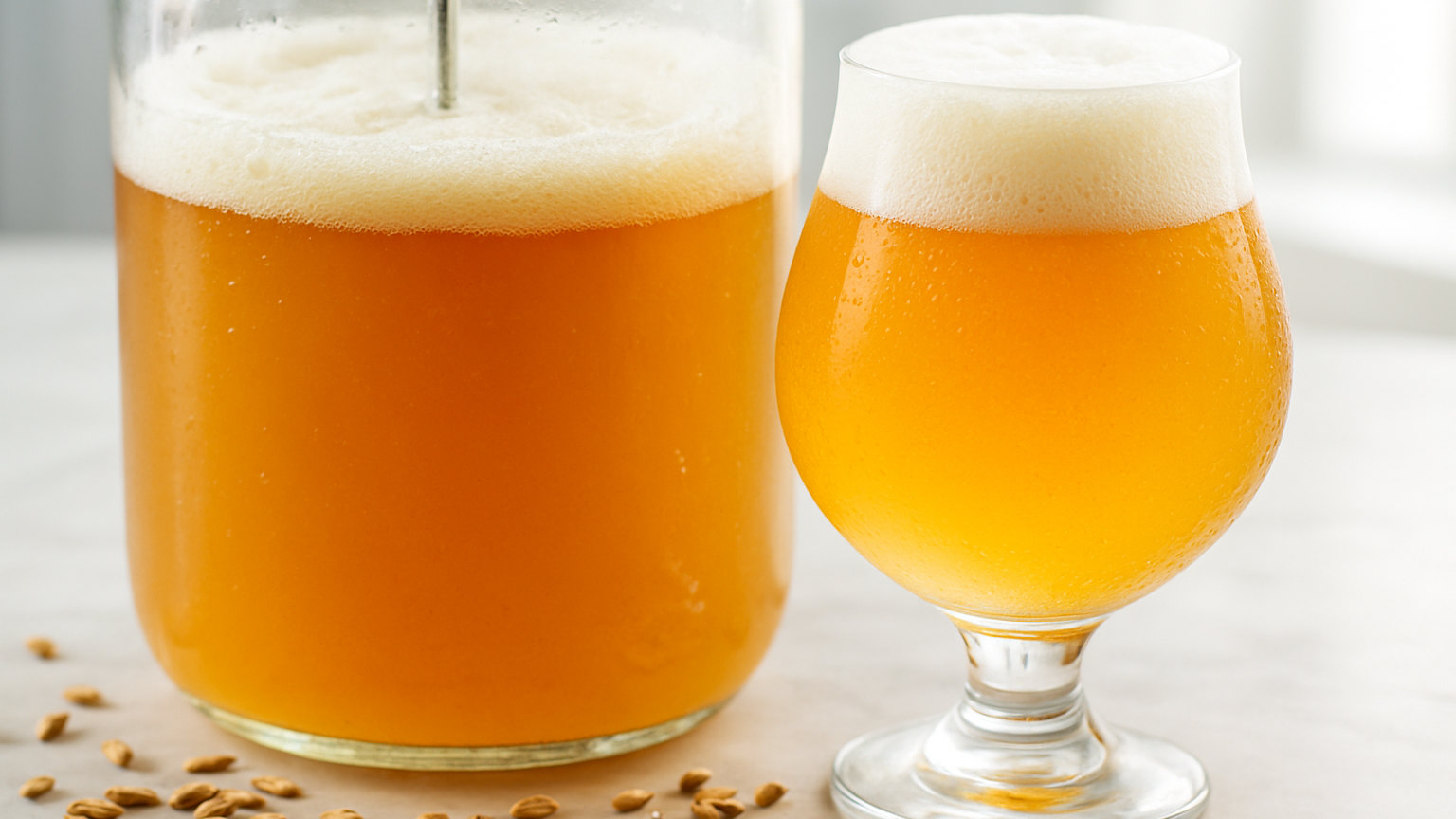
If you could control only one variable in home brewing, it should be fermentation temperature. It has a larger effect on the finished beer than the grain bill, the hops or the water, and it is the difference between a clean beer and one that tastes of solvent and banana.
What happens when it runs too warm?
Yeast under heat stress produces two groups of unwanted compounds:
- Fusel alcohols. Higher alcohols that taste hot and solvent-like and give a headache out of proportion to the amount drunk.
- Esters. Fruity compounds, chiefly banana and pear. Desirable in a wheat beer and a fault in almost everything else.
Neither fades with conditioning. A beer fermented at 27 degrees will still taste of them a year later, which is why this is the fault worth preventing rather than fixing.
What happens when it runs too cold?
Fermentation slows and can stall entirely. Below about 15 degrees most ale yeasts become sluggish and may drop out of suspension before finishing, leaving the beer sweet and under-attenuated.
A stalled fermentation is also a bottling hazard, since the sugar is still there and the yeast may restart later in a sealed bottle.
Which is worse?
Too warm, comfortably. A cold fermentation is slow and recoverable by warming it up. A hot one produces permanent off-flavours within the first two or three days.
What is the right range?
- Standard ale yeast: 18 to 20 degrees.
- Wheat beer yeast: 17 to 24, depending on whether you want clove or banana.
- Belgian and saison strains: 24 to 30, deliberately warm.
- Lager yeast: 9 to 13, which needs a fridge.
Check what the packet says rather than assuming. Strains within the same category vary, and some are far more heat-tolerant than others.
Why does the beer run warmer than the room?
Because fermentation is exothermic. Yeast converting sugar to alcohol releases heat, and in the first 48 hours of a vigorous fermentation the beer can sit two to four degrees above the surrounding air.
That is the most commonly missed point in home brewing. A room at 22 degrees, which feels perfectly reasonable, means a beer at 25 or 26 during the period when off-flavours are being produced.
When does it matter most?
The first three days. That is when the yeast is multiplying fastest and producing the most heat, and when nearly all the ester and fusel production happens.
Temperature control after day four is far less critical. If you can only manage it for part of the fermentation, manage it at the start.
How do you measure it?
A stick-on liquid crystal strip on the side of the fermenter, which reads the beer rather than the room. It costs very little and it is more useful than a room thermometer.
Position it on the side rather than near the top, since the temperature is highest in the middle of the liquid.
What does a well-controlled fermentation taste like?
Clean. The malt and hops you put in, without a warming solvent note and without unexpected fruit. If your beers have consistently tasted harsh and you have blamed the ingredients, this is the first place to look.
How do you tell it happened?
Taste the beer at four weeks and again at eight. Fusel alcohols and banana esters persist, so a beer that tasted hot and fruity at four weeks and identical at eight was fermented too warm.
If it improves markedly over that period, the harshness was youth rather than temperature, and the beer simply needed longer.
What is the cheapest fix?
A stick-on temperature strip and a different room. Between them they cost almost nothing and solve the problem for most UK houses outside of high summer.
Does it matter for kit brewing too?
Just as much. The tin has already handled the mashing and hopping, so fermentation is the only stage you control, and it is where nearly all the flavour difference between a good kit beer and a poor one comes from.


