How Should You Store Tea?
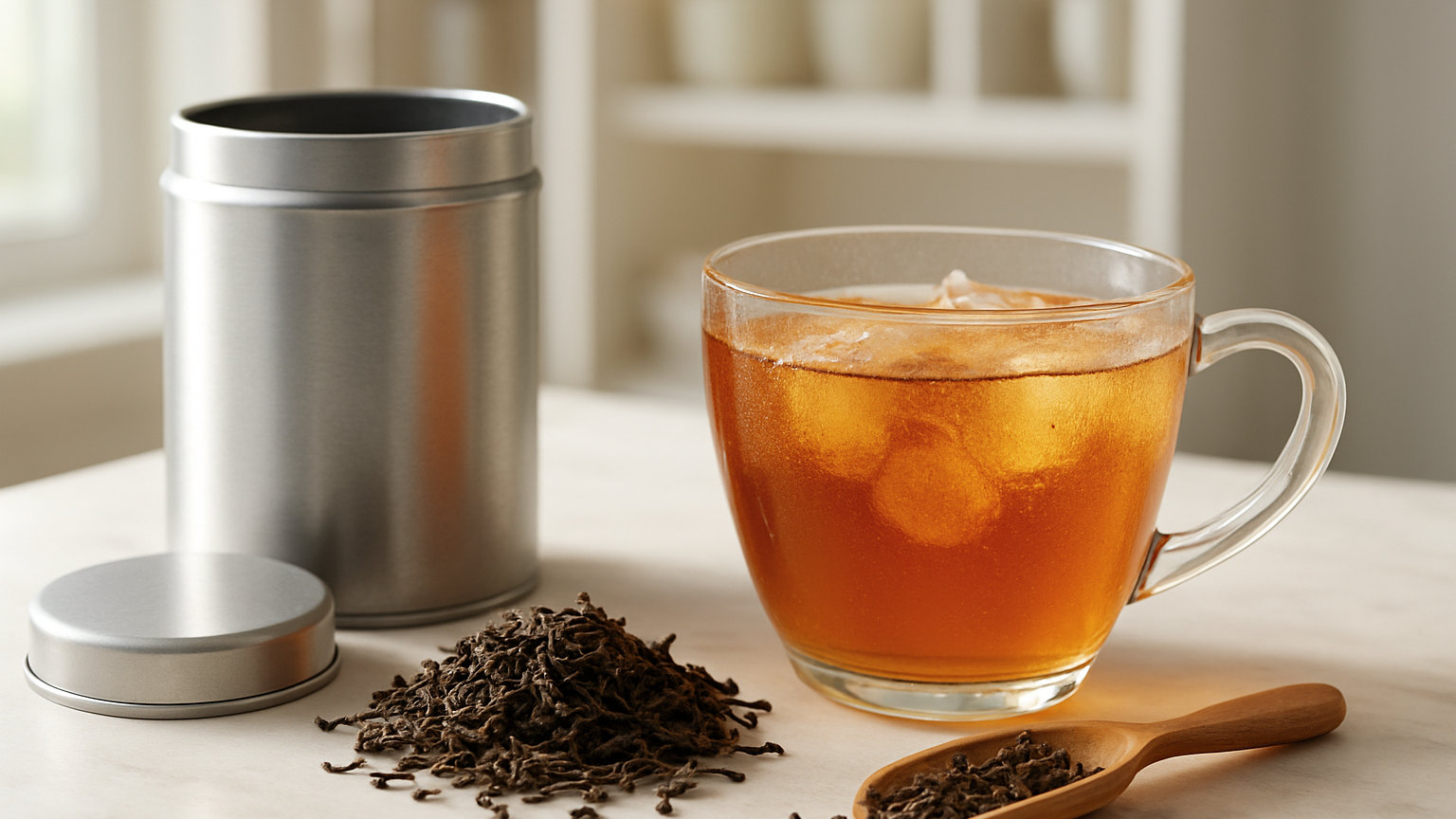
Tea absorbs smells readily and stales through air and light. A tin in a cupboard solves nearly all of it.
By Drink Recipes Team
28 Aug 2025

Times and temperatures by type, then chai, iced tea, matcha and bubble tea built on top of them.
Tea absorbs smells readily and stales through air and light. A tin in a cupboard solves nearly all of it.
Brewing strength affects caffeine in tea more than the type does, which upends most of the usual advice.
The difference is leaf size and room to expand, not quality in the abstract. Both facts explain most of the gap.
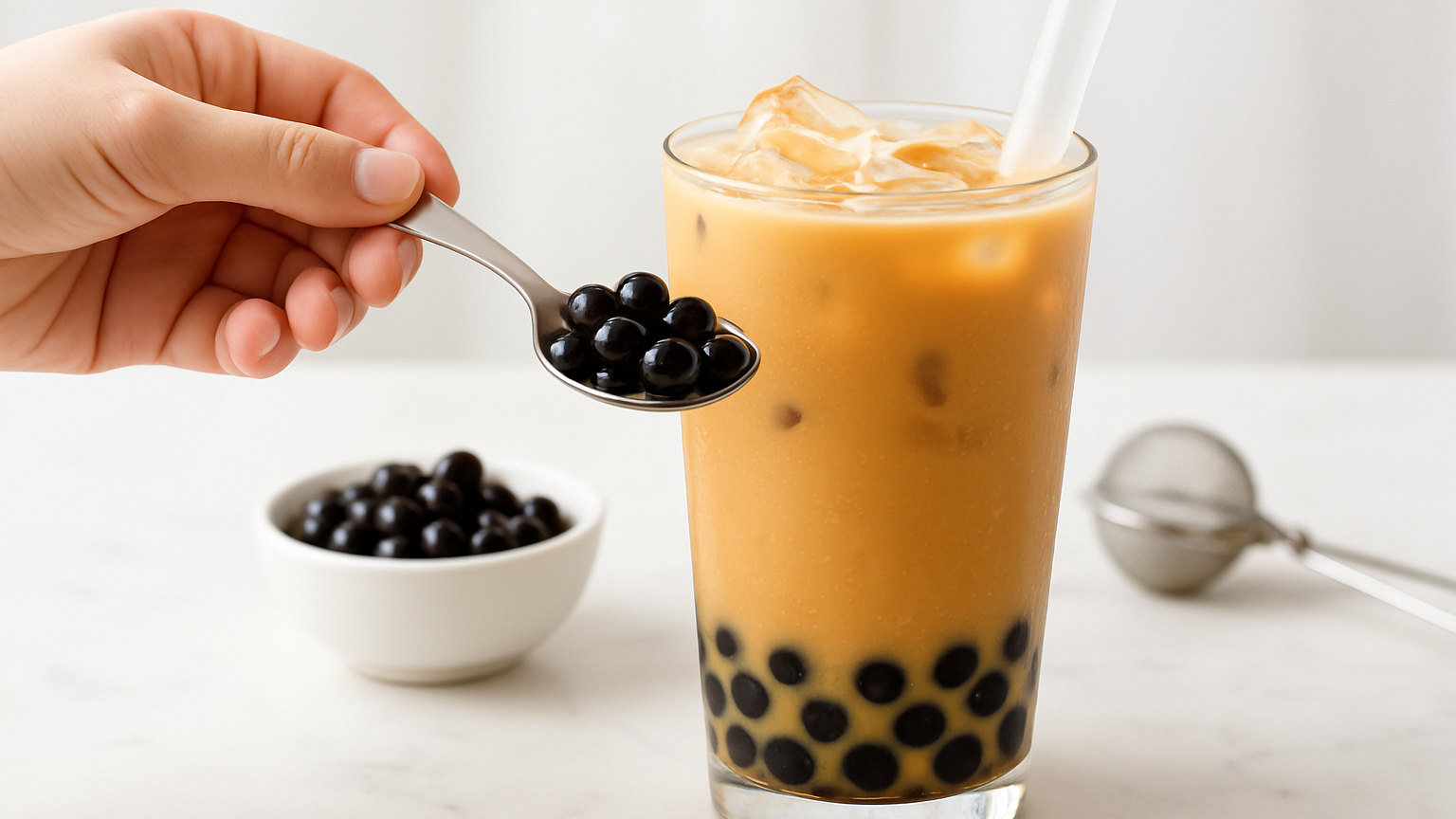
Bubble tea is milk tea with cooked tapioca pearls. Cooking the pearls correctly is the whole difficulty.
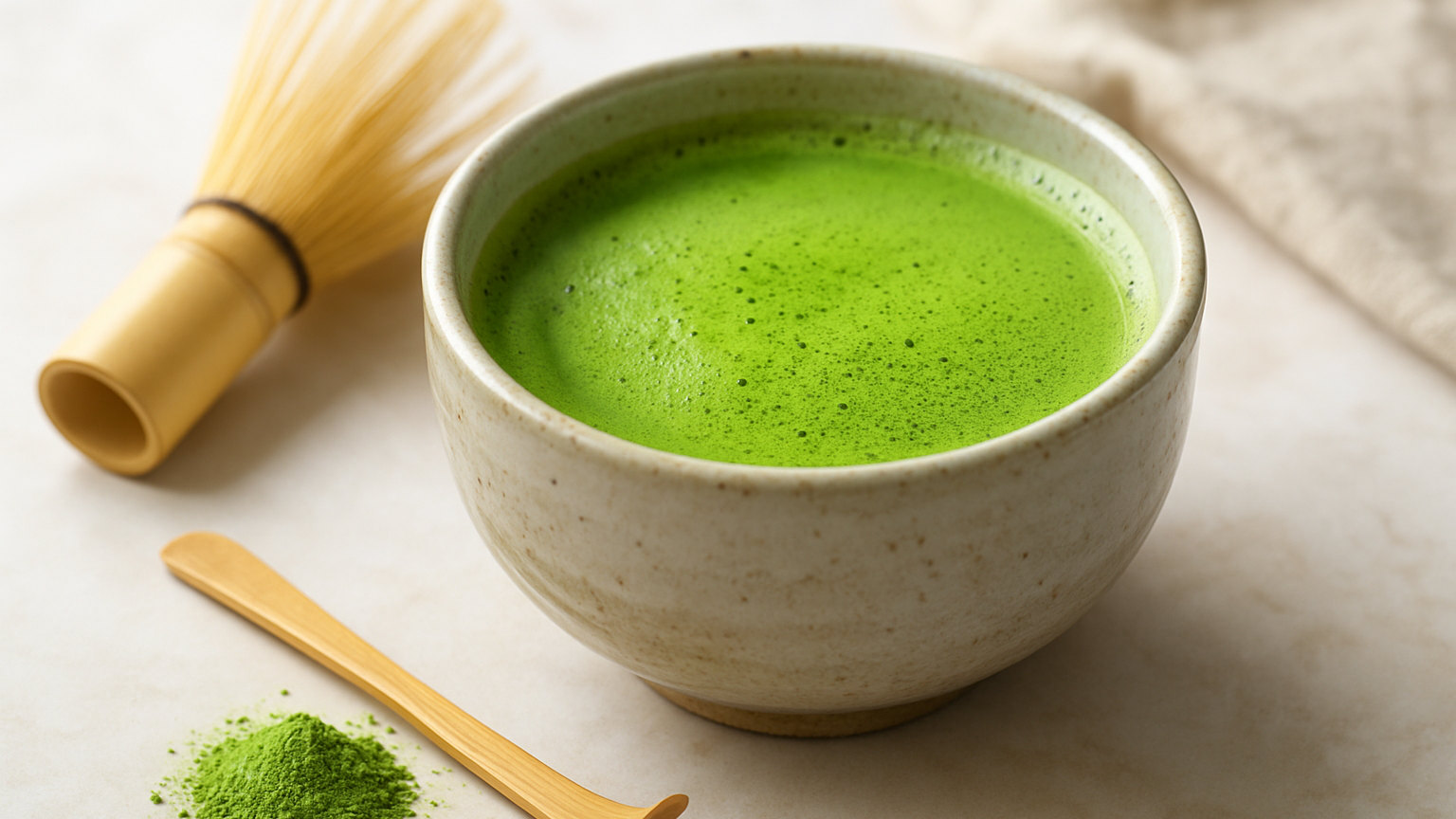
Matcha is the whole leaf rather than an infusion of it, which changes the caffeine, the method and the price.
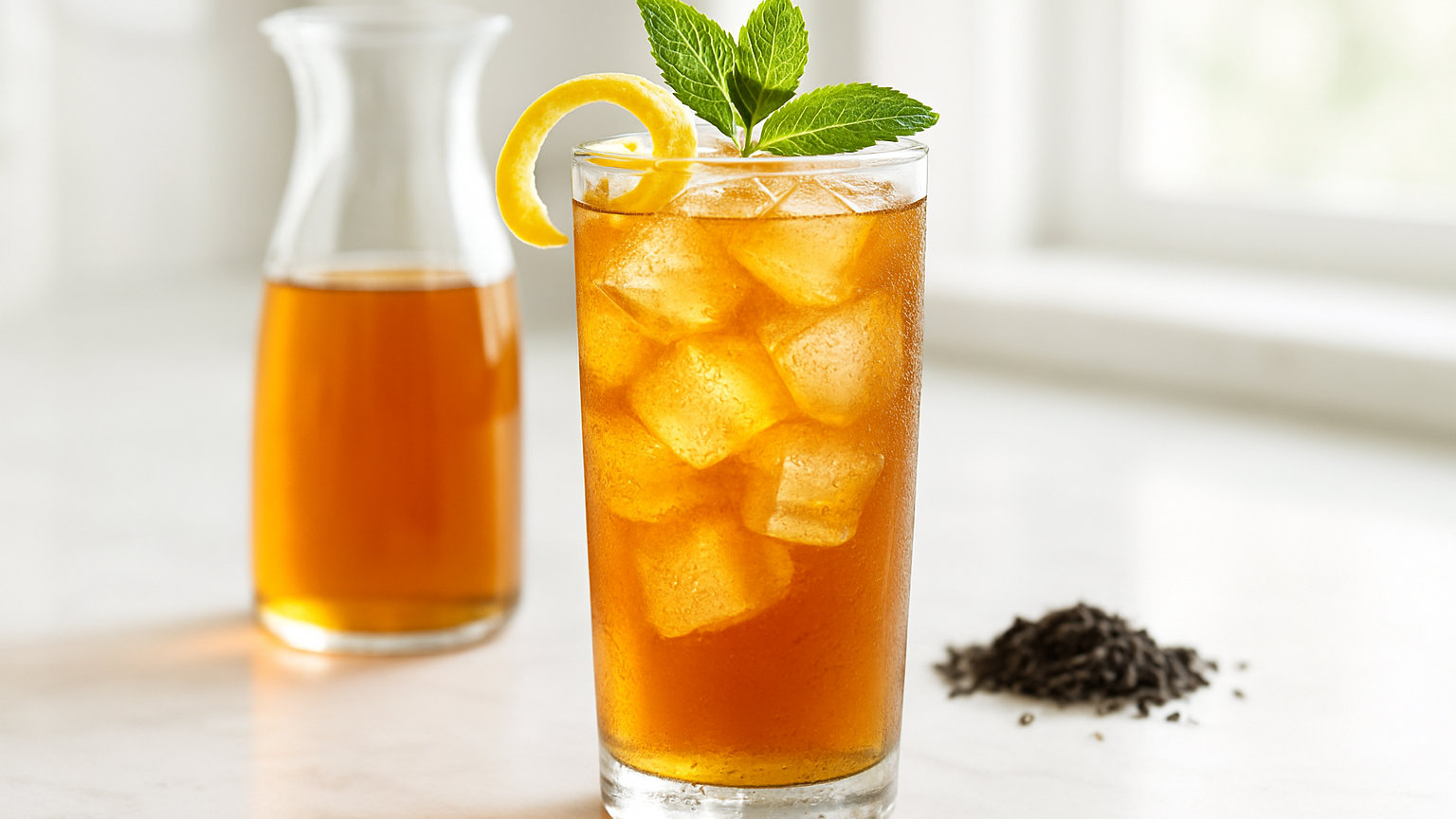
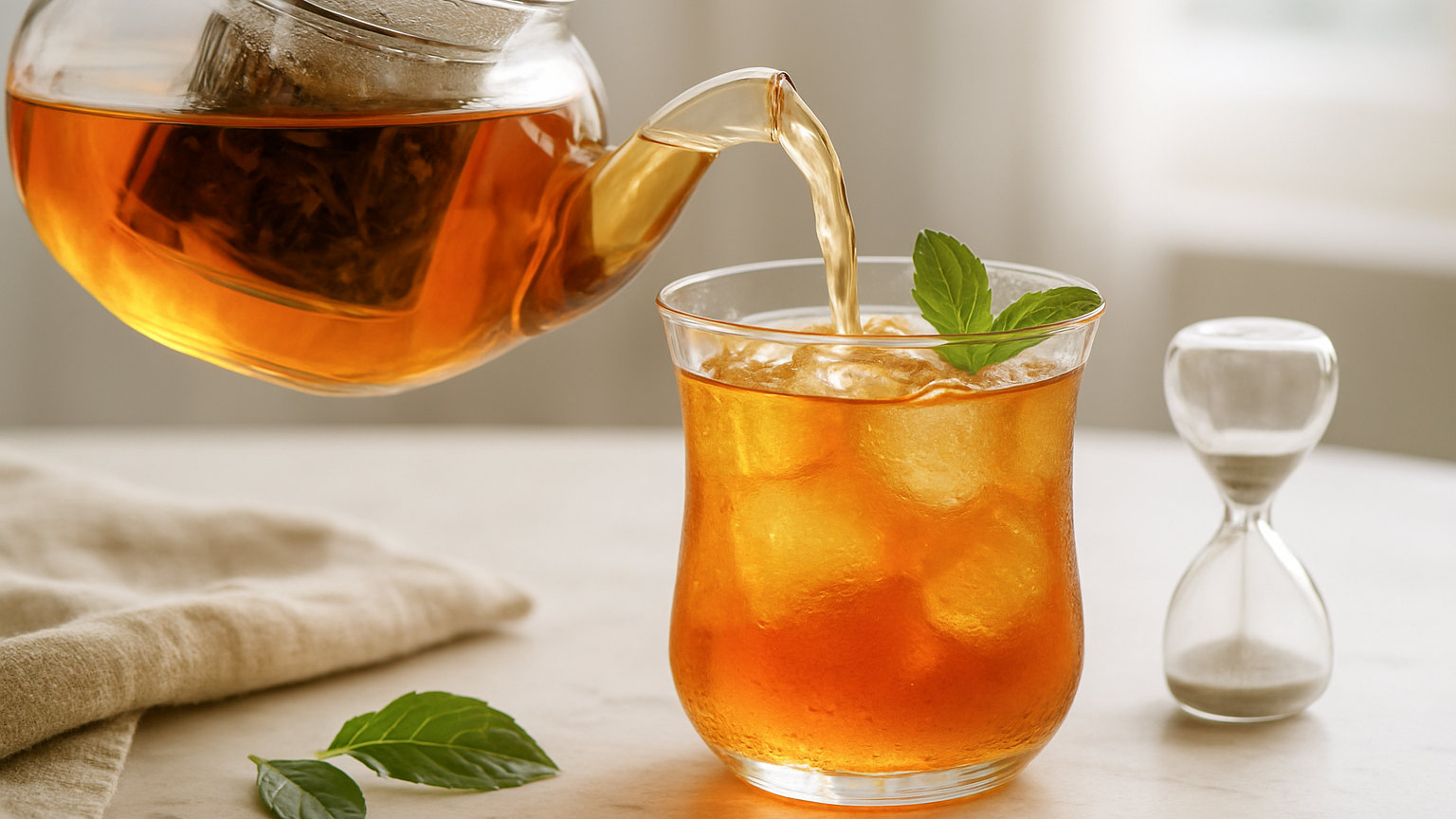
Iced tea made by cooling hot tea turns bitter and cloudy. Cold brewing avoids both problems entirely.
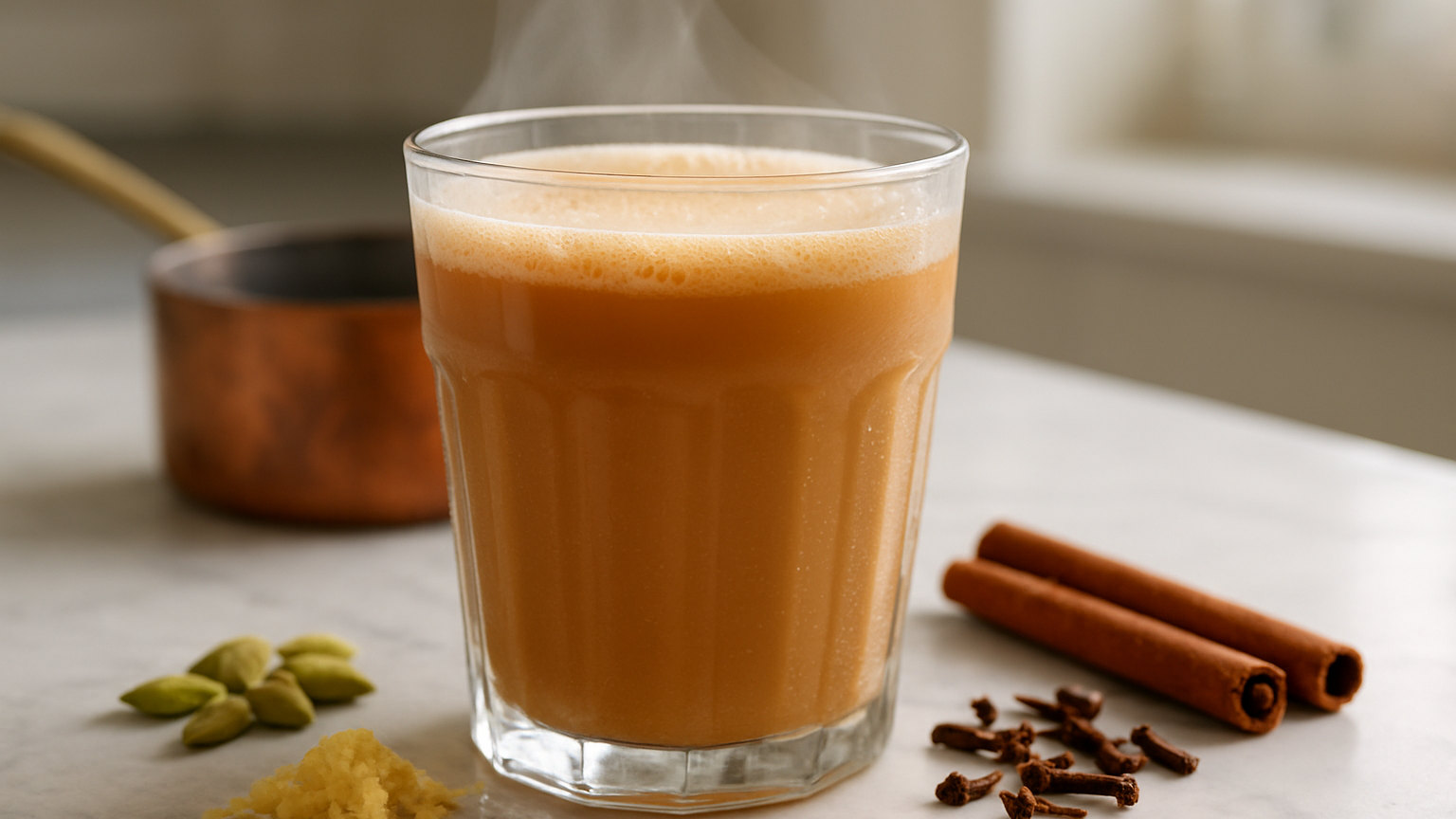
Chai is simmered rather than brewed, which is the difference between the real thing and hot spiced milk.
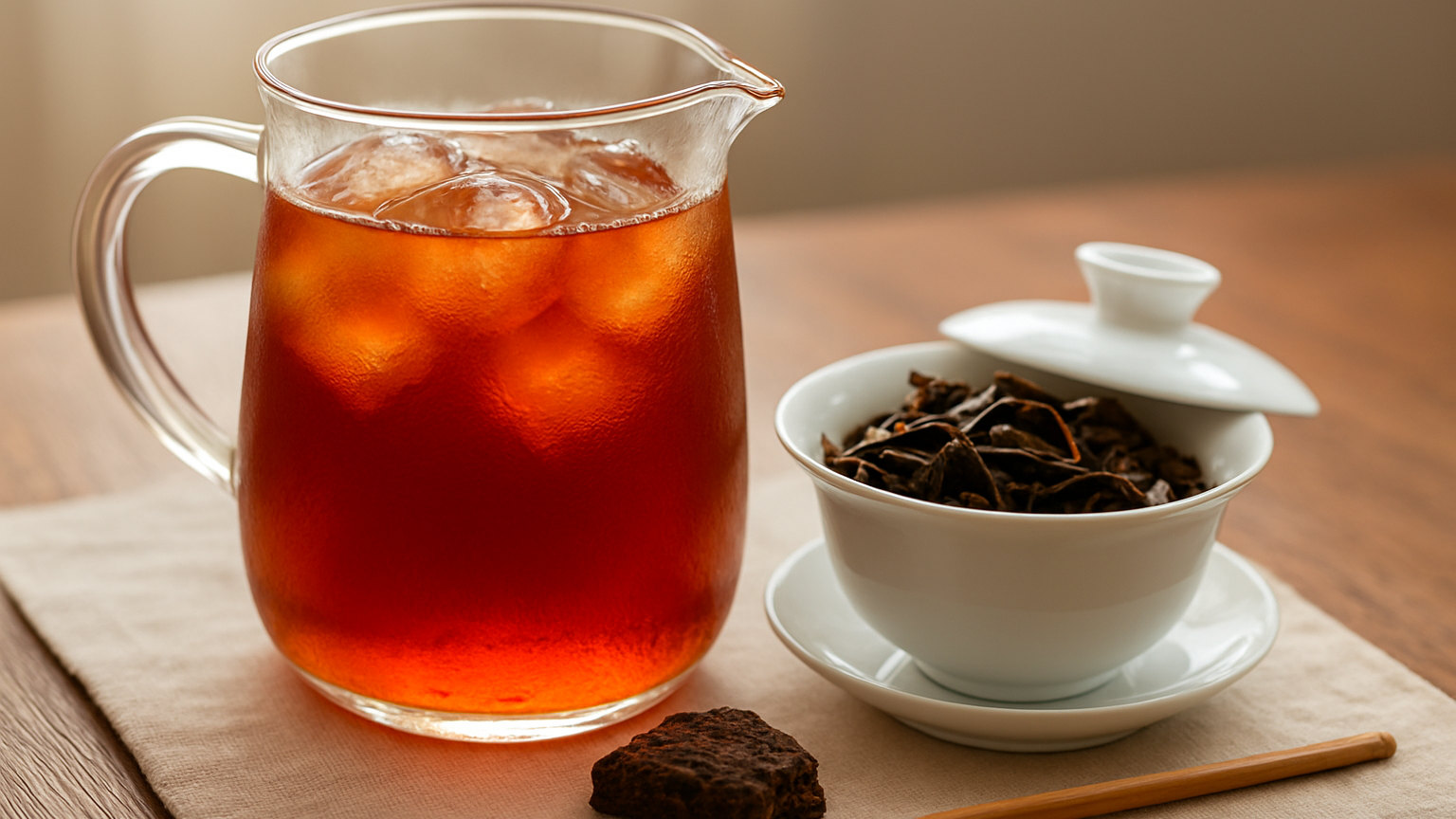
Pu-erh is the only tea that is genuinely fermented, and the only one that is deliberately aged for decades.
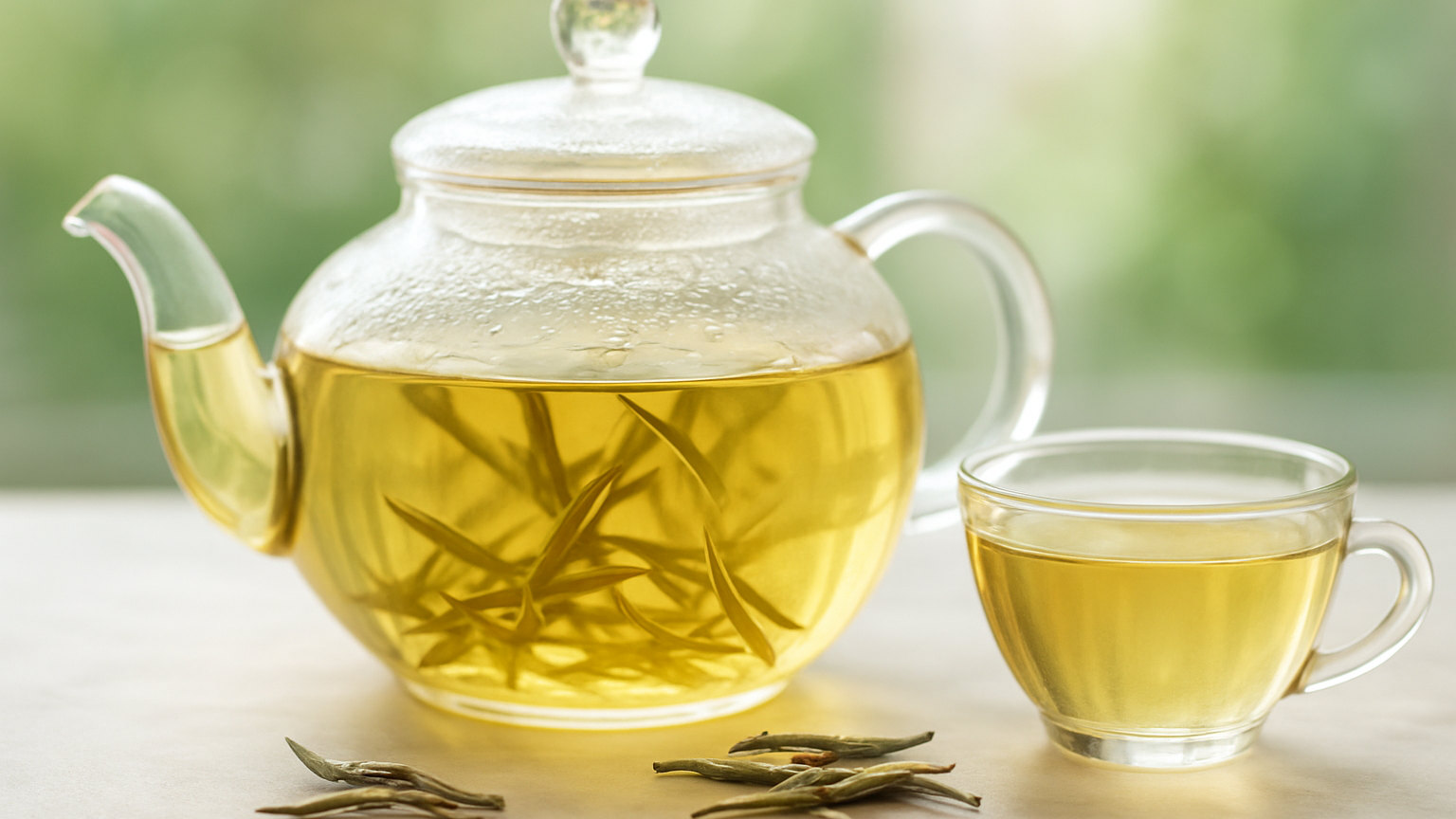
White tea is the least processed of all teas, which makes it both the most delicate and the most misunderstood.
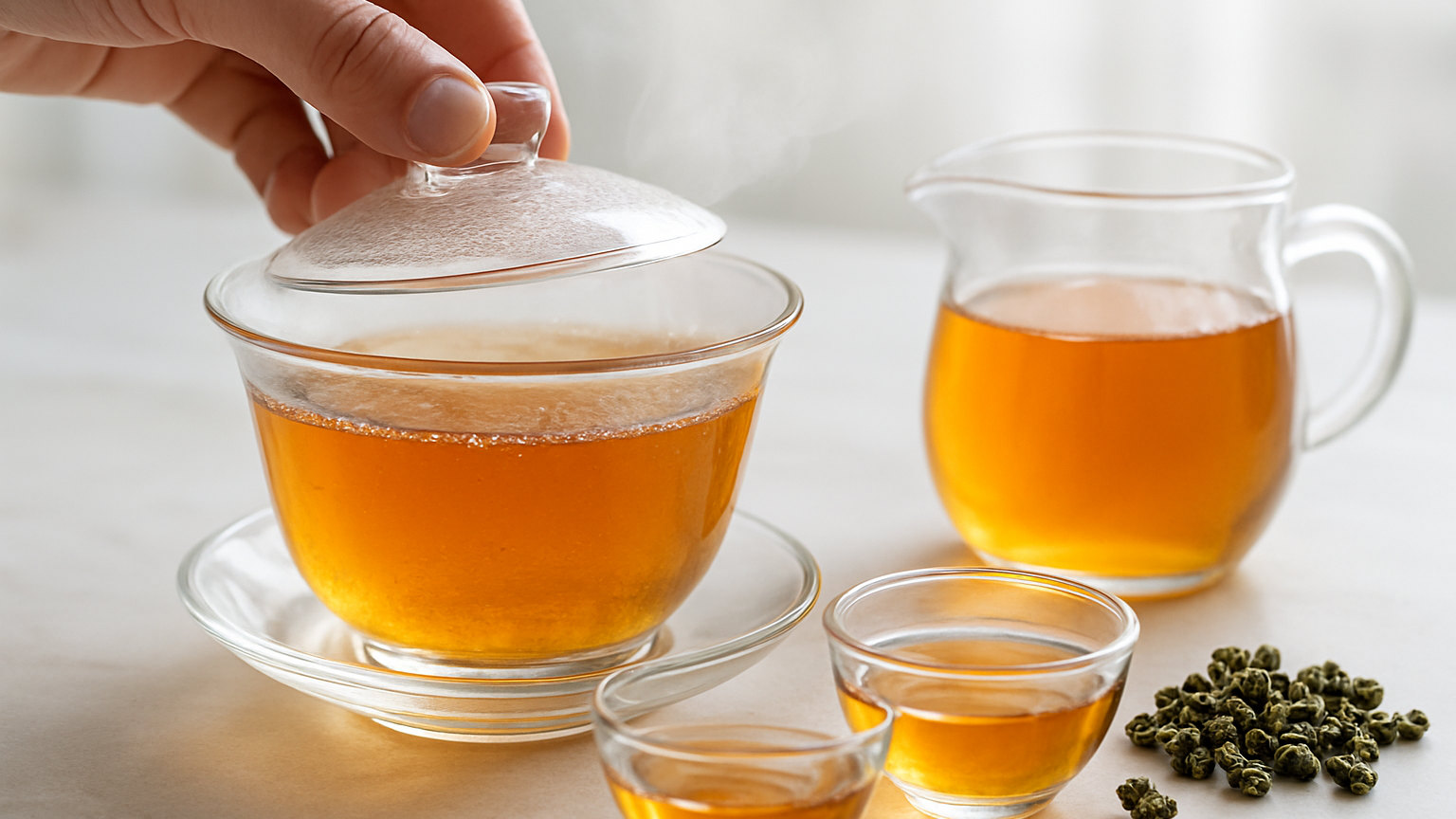
Oolong covers the whole middle of the tea spectrum, which makes it the most varied category and the most rewarding to explore.
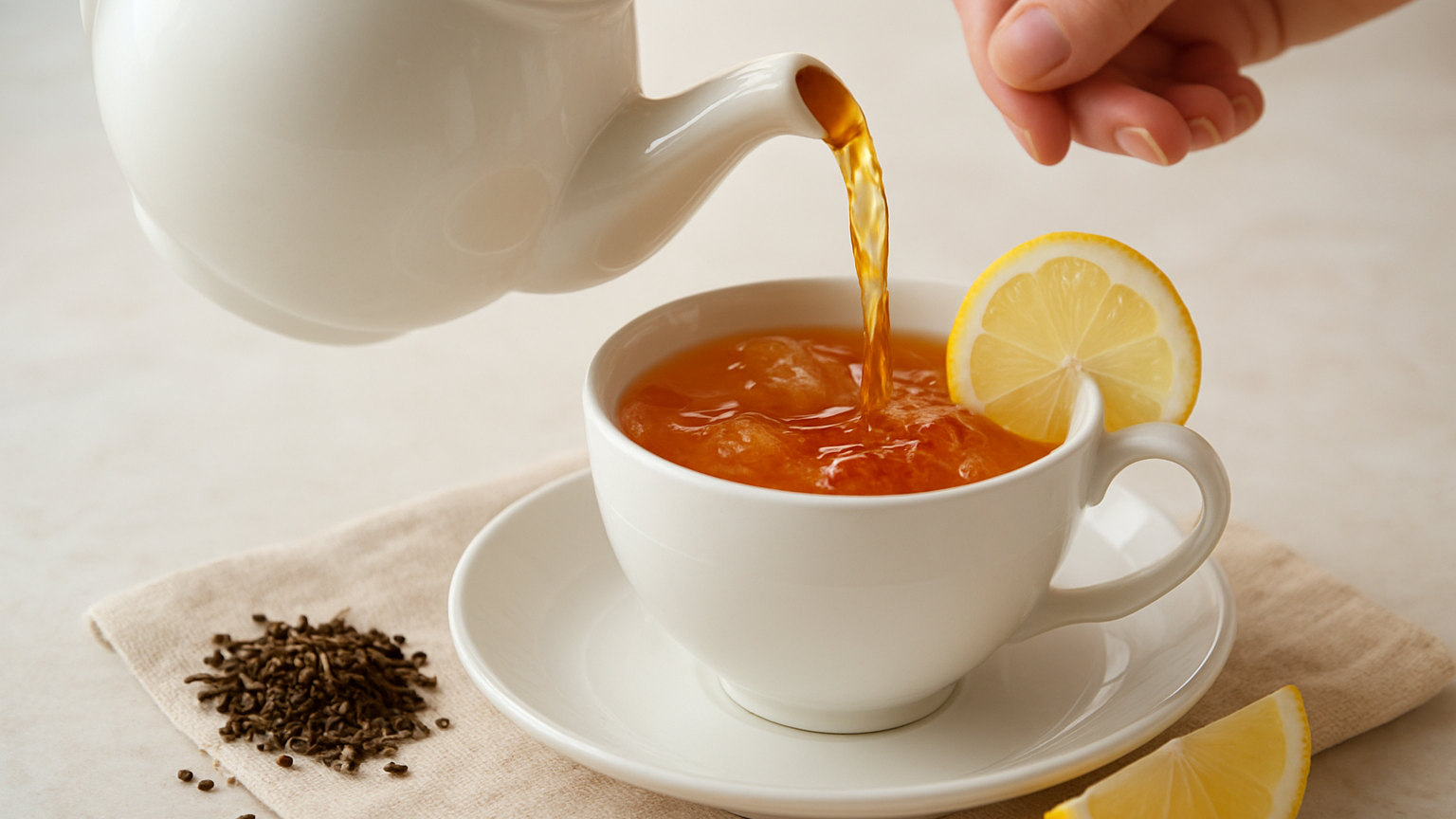
Black tea is the most forgiving tea there is, and a warmed pot and boiling water still make a noticeable difference.
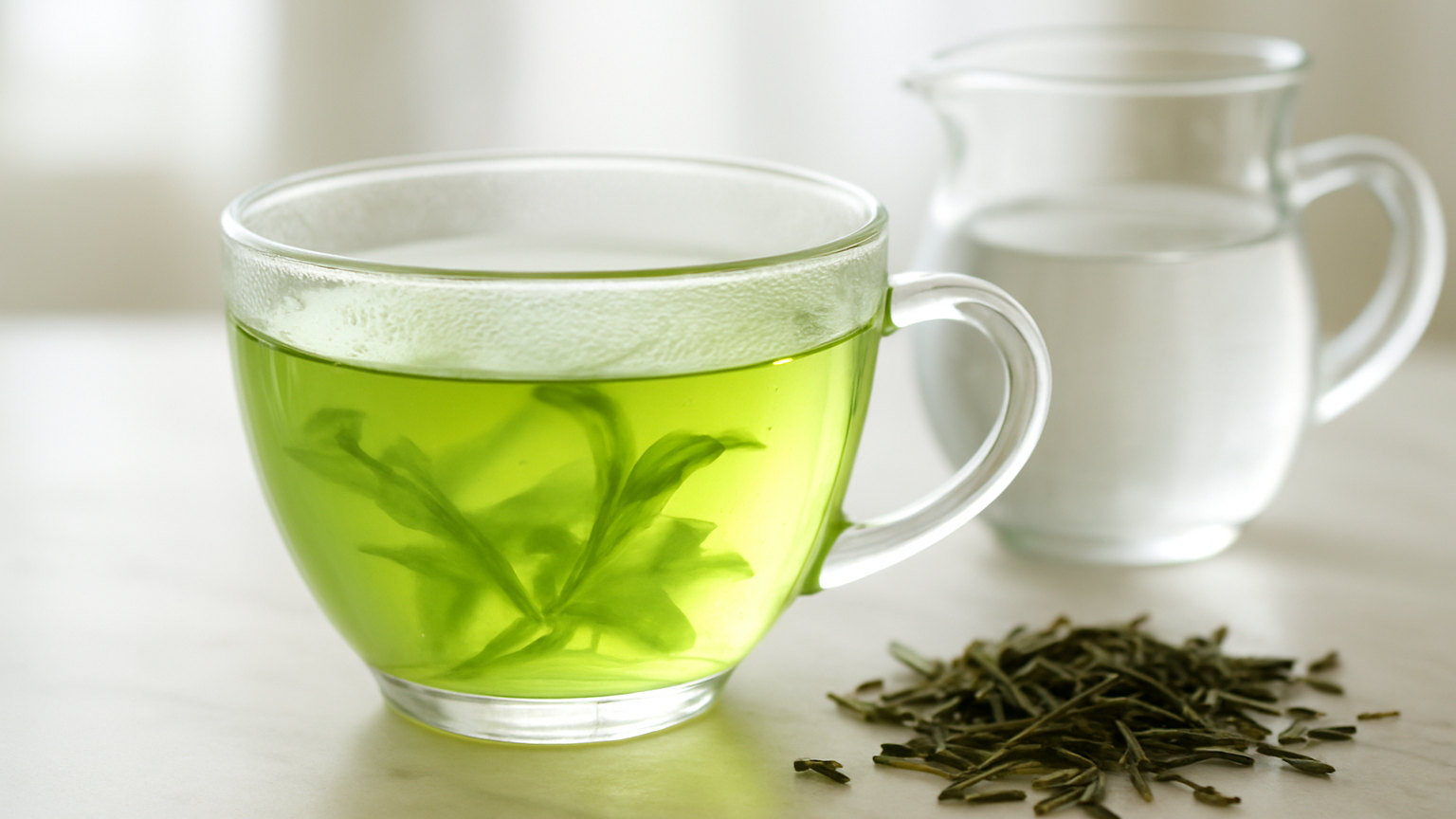
Green tea is the least forgiving tea there is. Two adjustments fix almost every bitter cup.
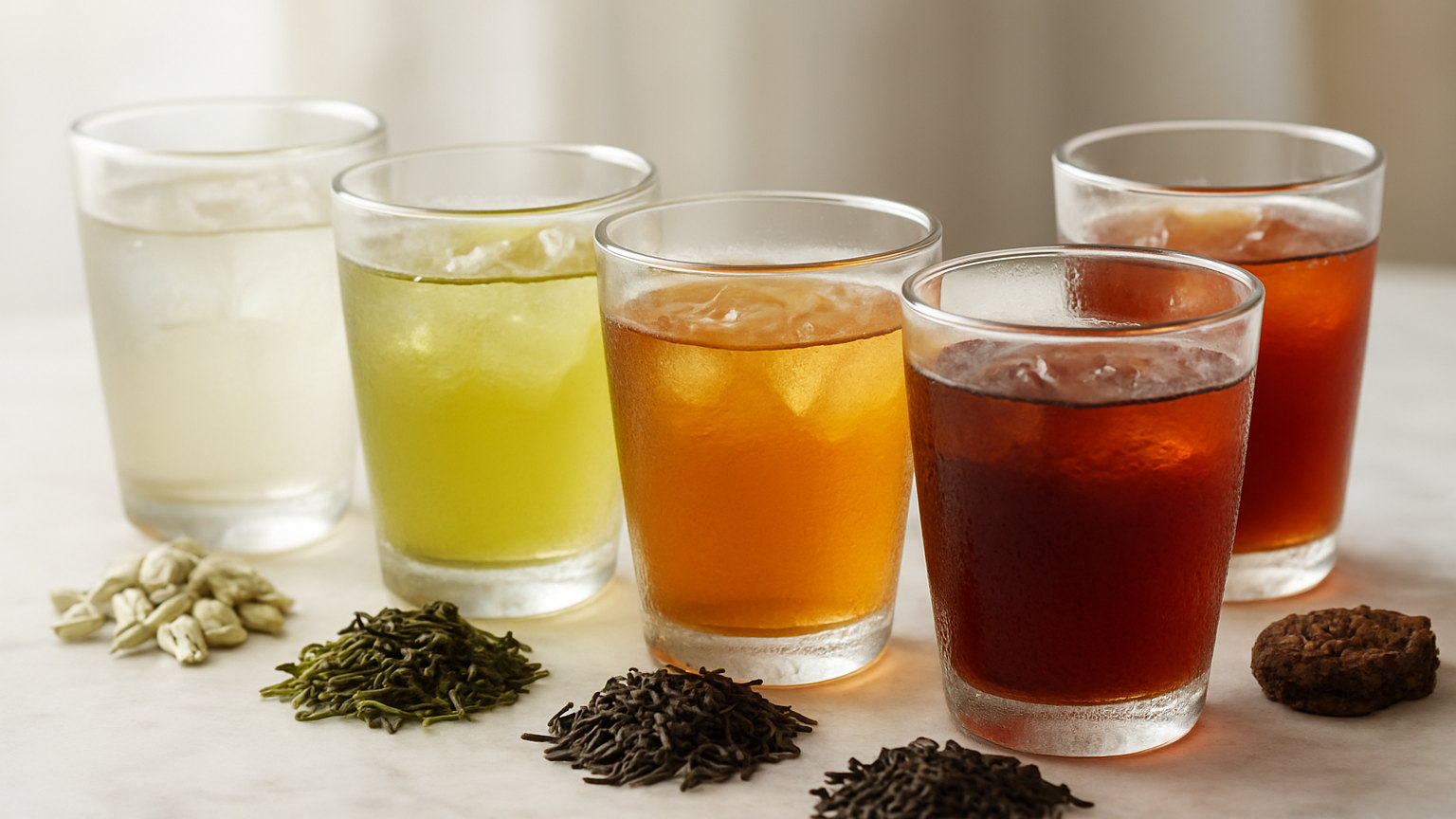
White, green, oolong, black and pu-erh all come from the same plant. What separates them is how far oxidation was allowed to go.
Leaving tea longer makes it more bitter rather than simply stronger, and the two are commonly confused.