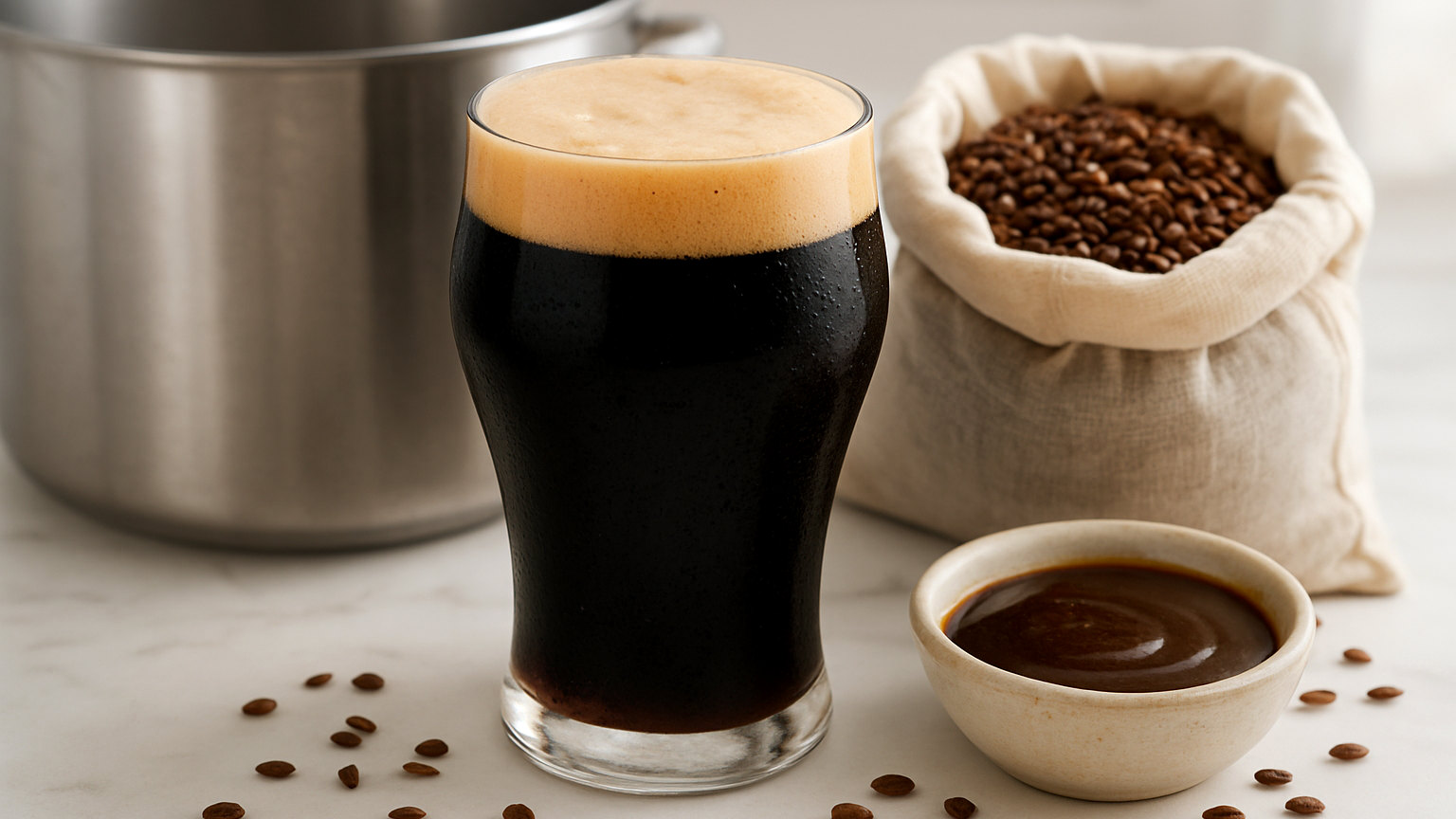
How Do You Brew a Stout Without a Mash Tun?
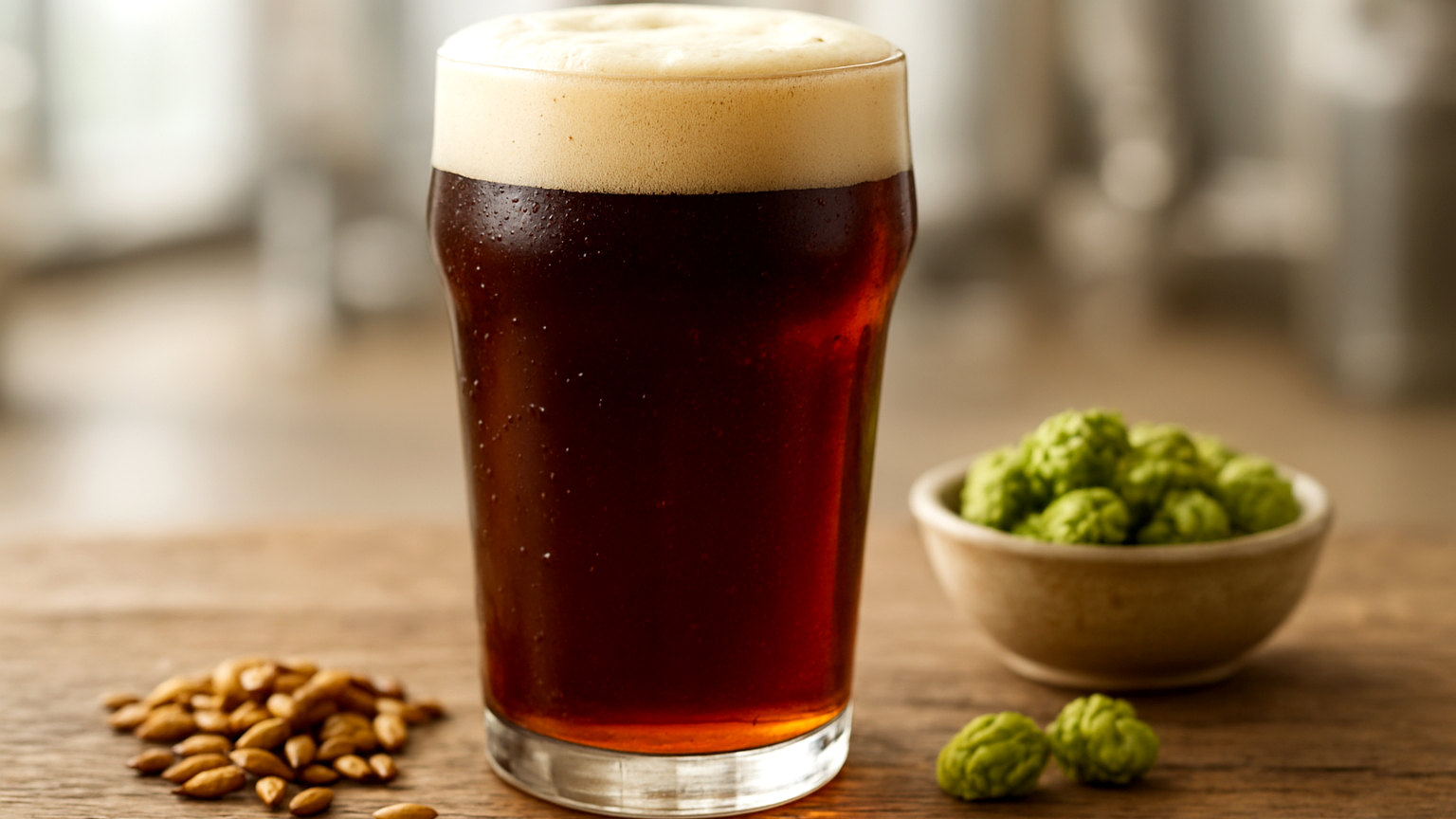
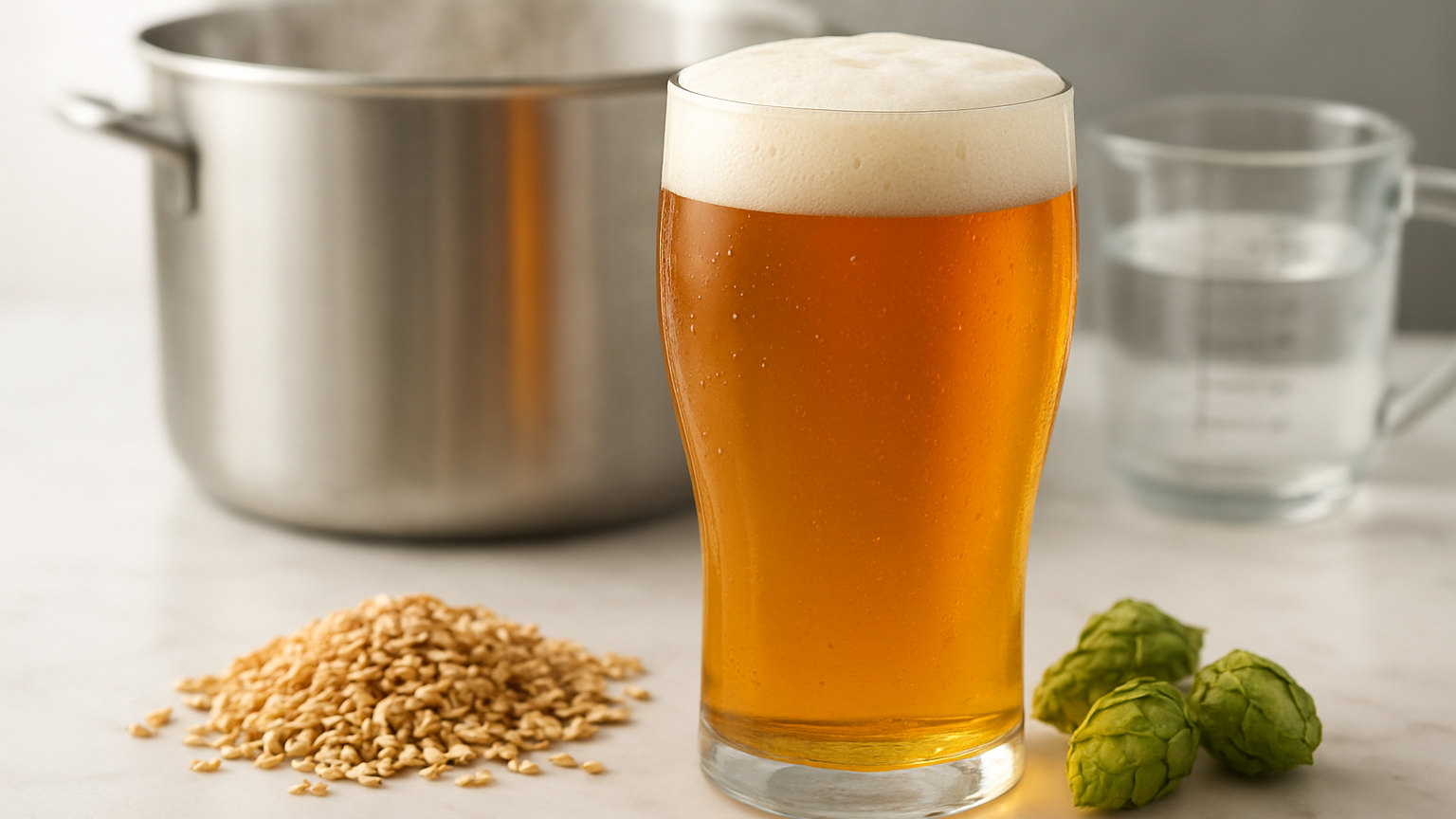
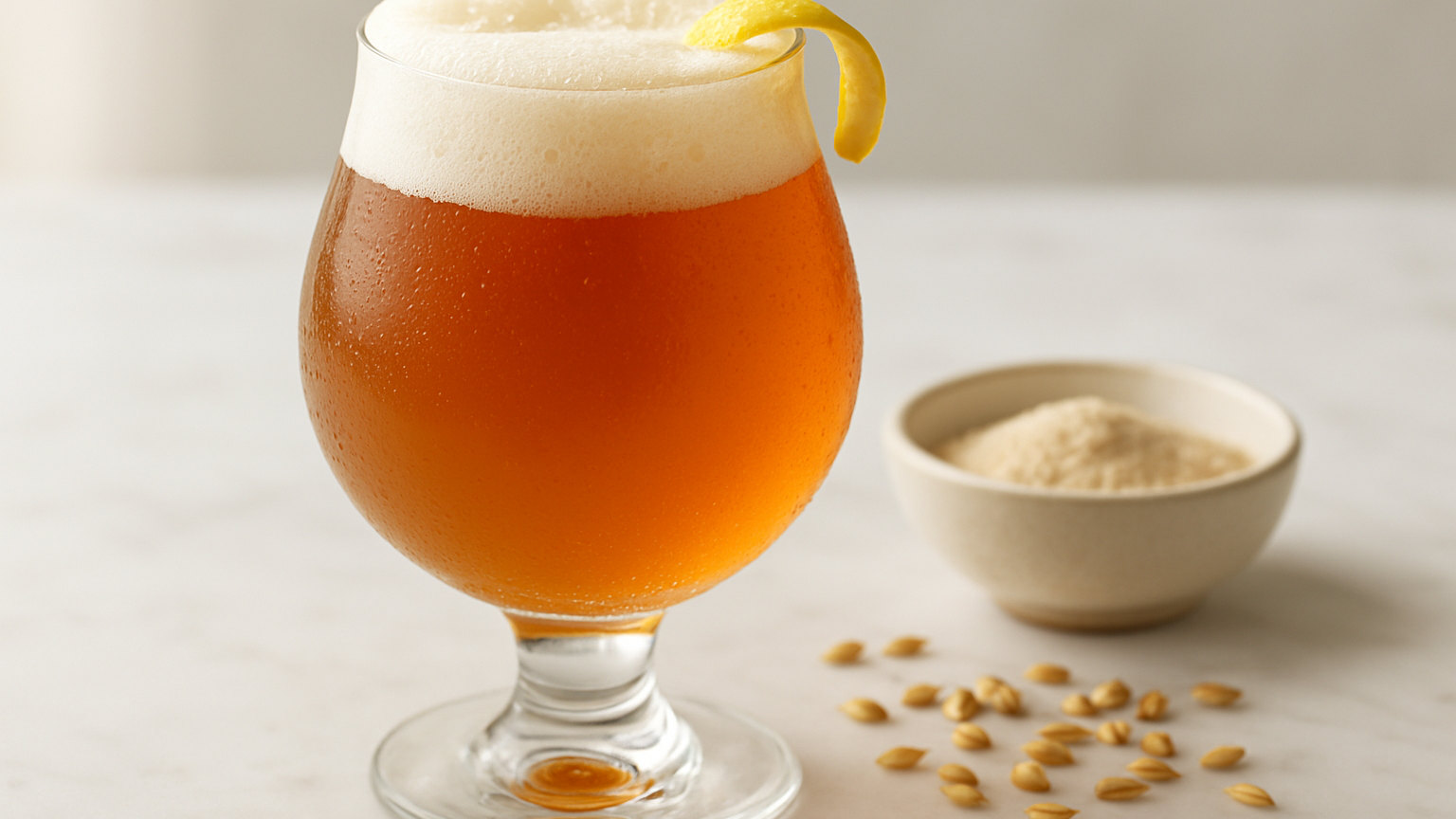
Dark beers are the best possible extract recipes, because the steeped grains do most of the flavour work a mash would have done.
By Drink Recipes Team
19 Jan 2026

Home brewing is mostly cleaning, patience and temperature control; the recipe is the easy part. These guides start with a first brew that works rather than a first brew that impresses, explain the styles well enough that you can judge what you have made against what you meant to make, and are honest about which equipment earns its shelf space. Cider and ginger beer sit here too, because both are the sensible starting point for anyone without a full kit. The safety notes - bottle pressure, sanitation, and when to pour a batch away - are written into the guides where you will read them.
Dark beers are the best possible extract recipes, because the steeped grains do most of the flavour work a mash would have done.
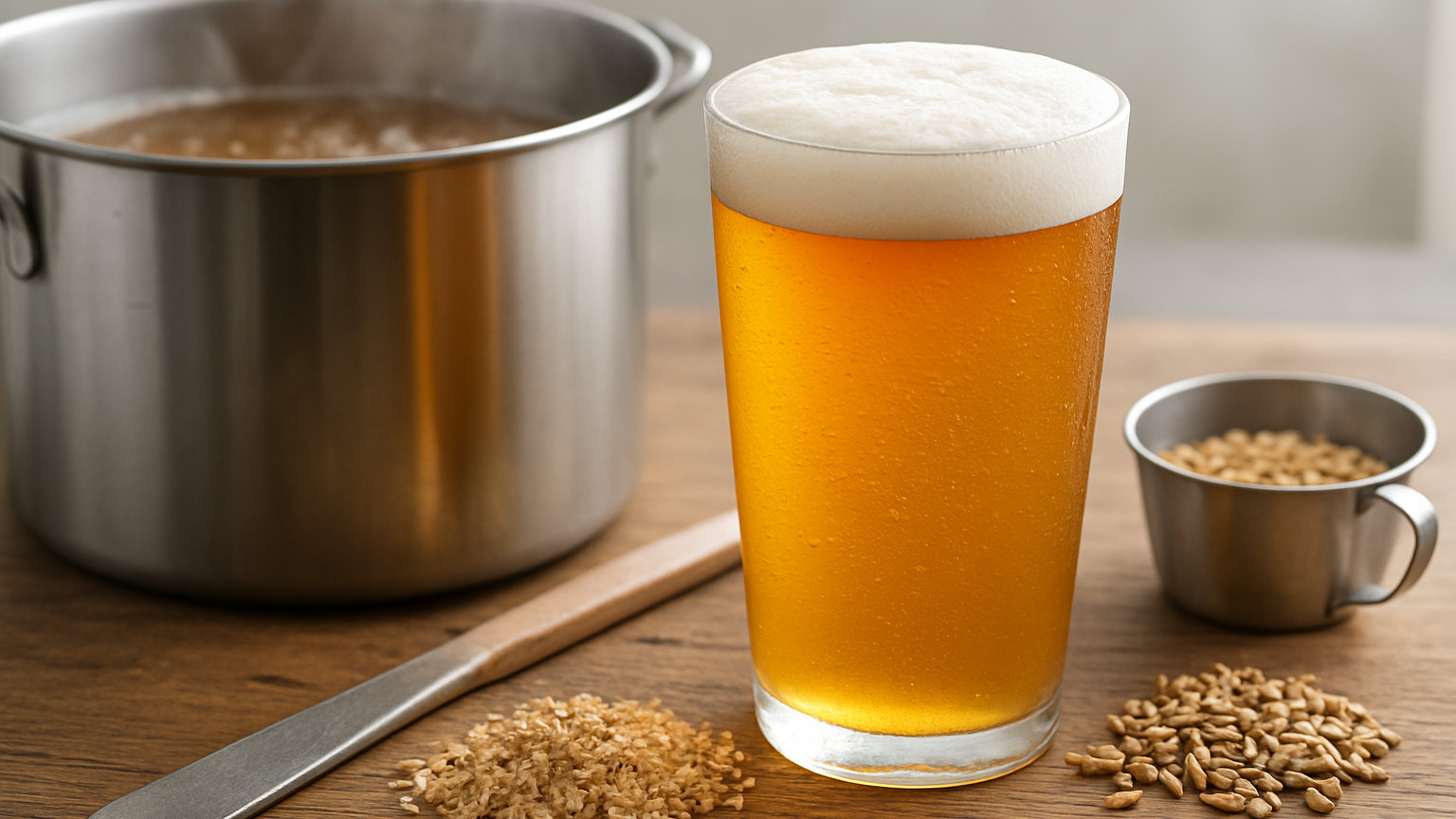
A 23 litre batch needs a boil of around 28 litres, which is why the pan that handled extract brewing will not manage all grain.
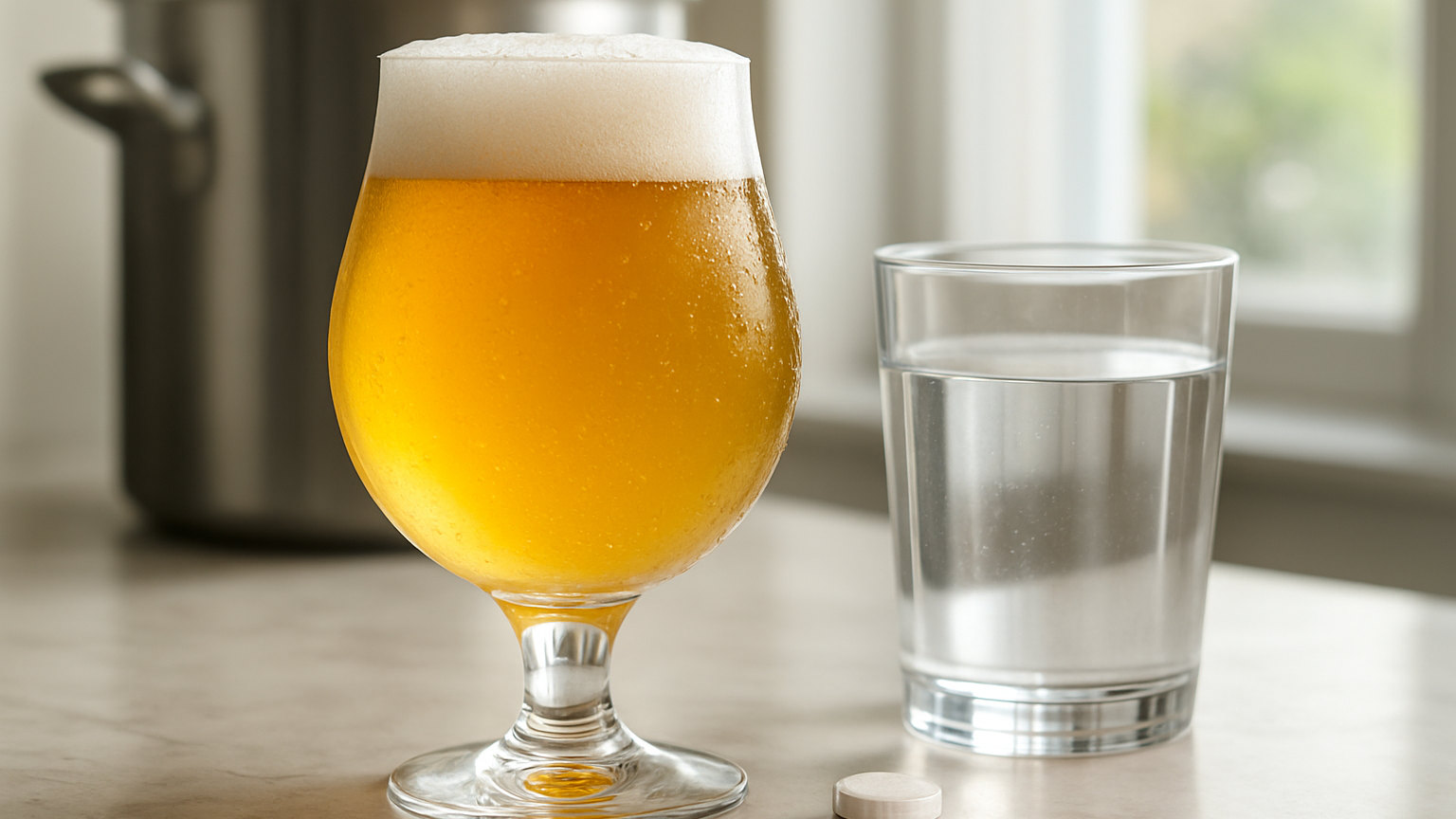
Tap water makes good beer in most of the country once one thing has been dealt with, and that thing costs almost nothing to fix.
Brown ale is a malt showcase with very little hop character to hide behind, which makes the balance between nutty and sweet the whole job.
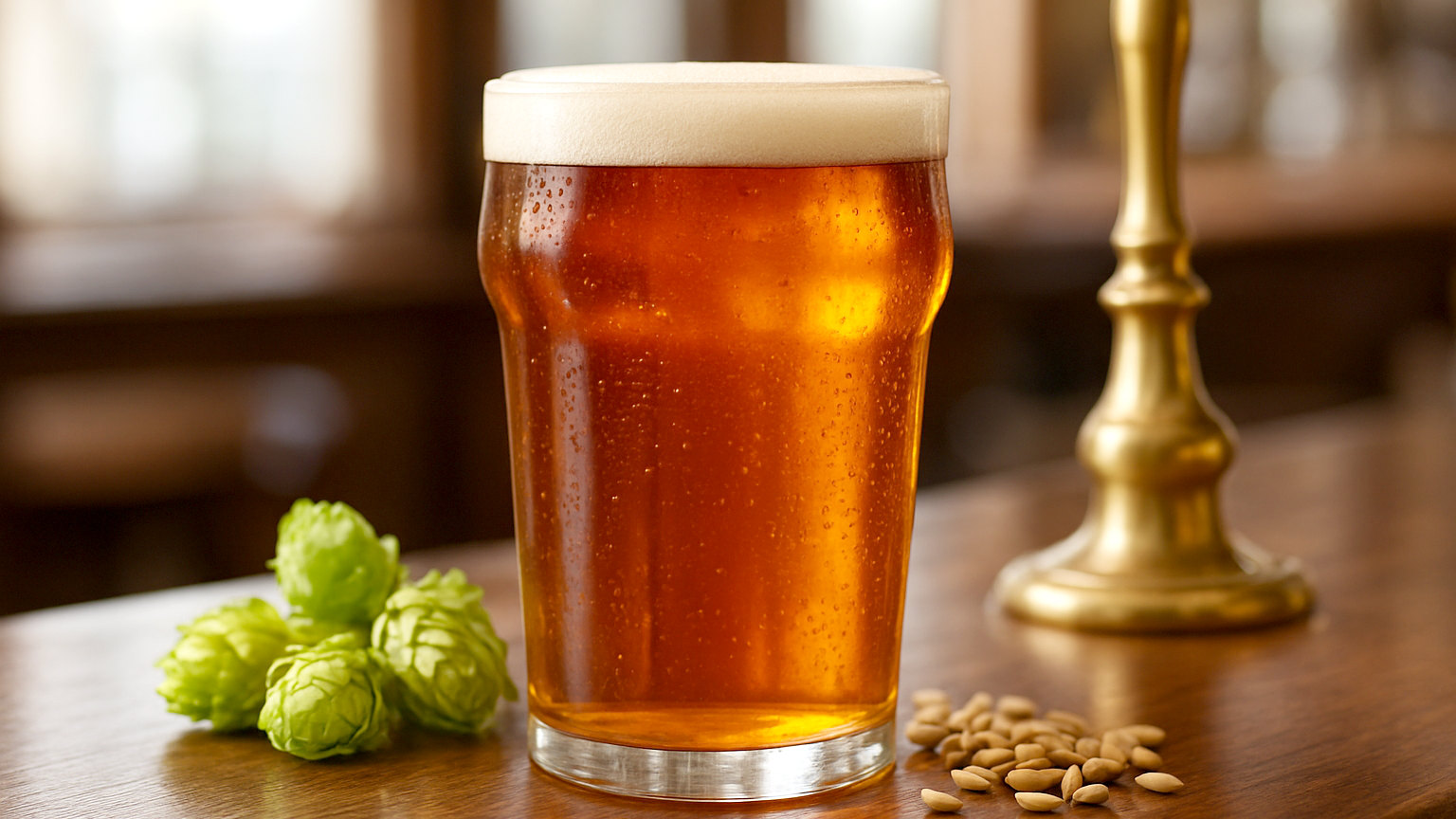
Bitter is one of the least bitter beers on any modern bar. The name is a historical accident and the style deserves better than it gets.
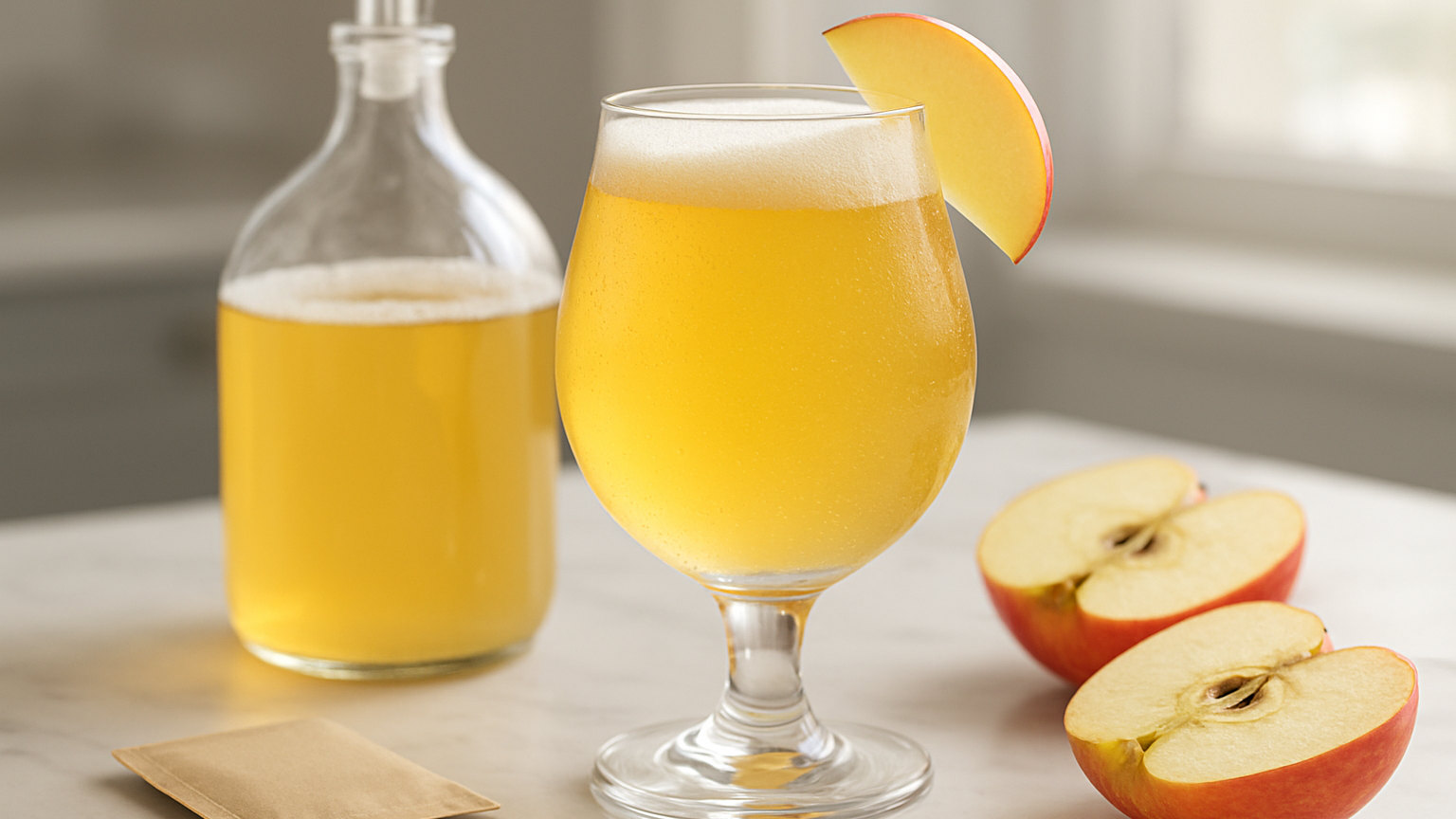
The easiest fermentation there is. Five litres of apple juice, a sachet of yeast and an airlock produces genuinely good cider in a month.
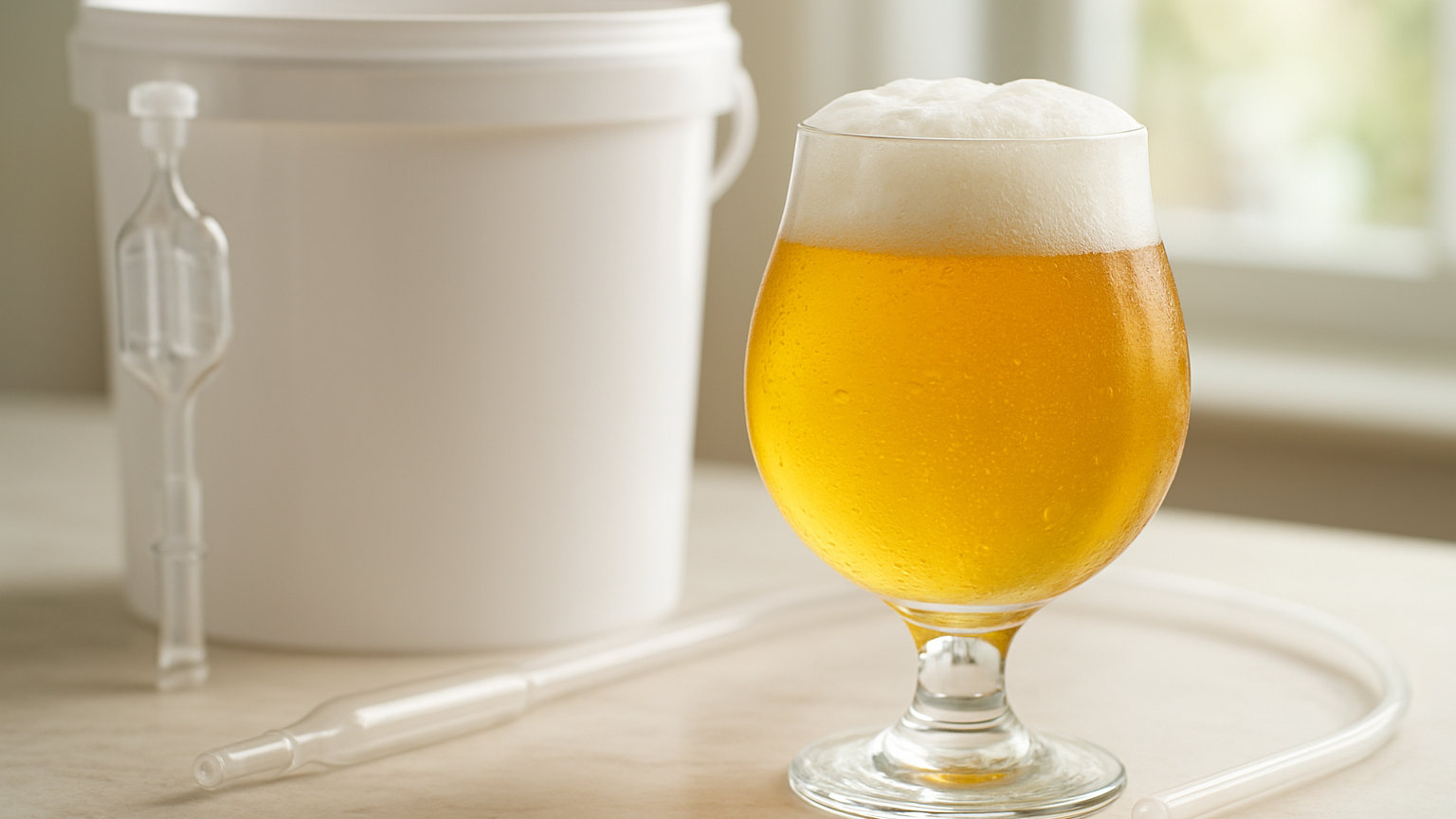
The plastic bucket is unglamorous and the right answer for most people. The alternatives each solve a problem you probably do not have.
The grain conversion is arithmetic. The parts that catch people out are efficiency, hop utilisation and how much more water you suddenly need.
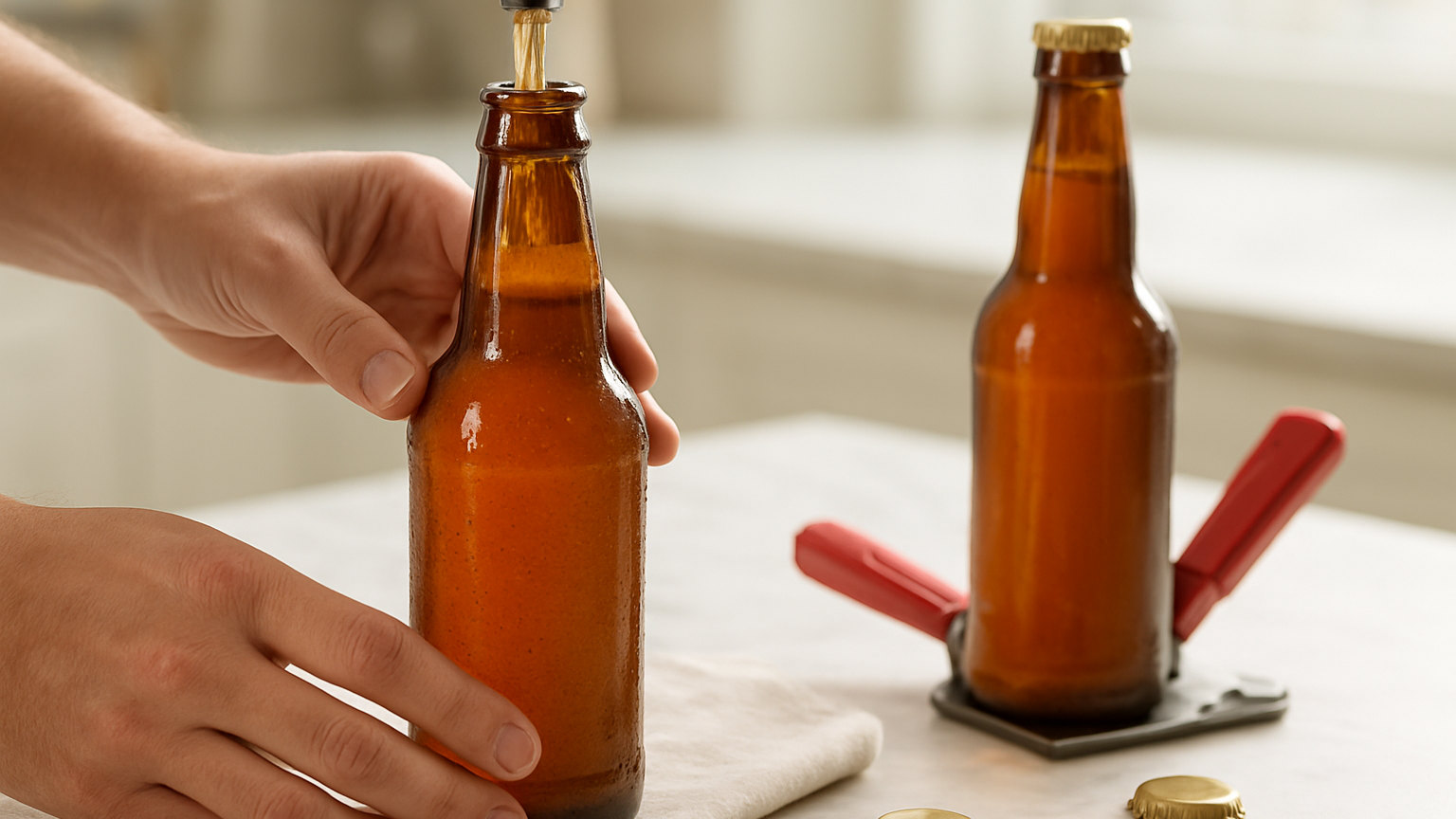
Bottling is where home brewing carries real risk. Three checks and the right bottles remove almost all of it.
Bitterness is the acquired taste in beer, and starting with the styles built around it is why many people conclude they dislike it.
In Belgian styles the yeast is the main ingredient. Which strain you pick and how warm you let it run decides most of the flavour.
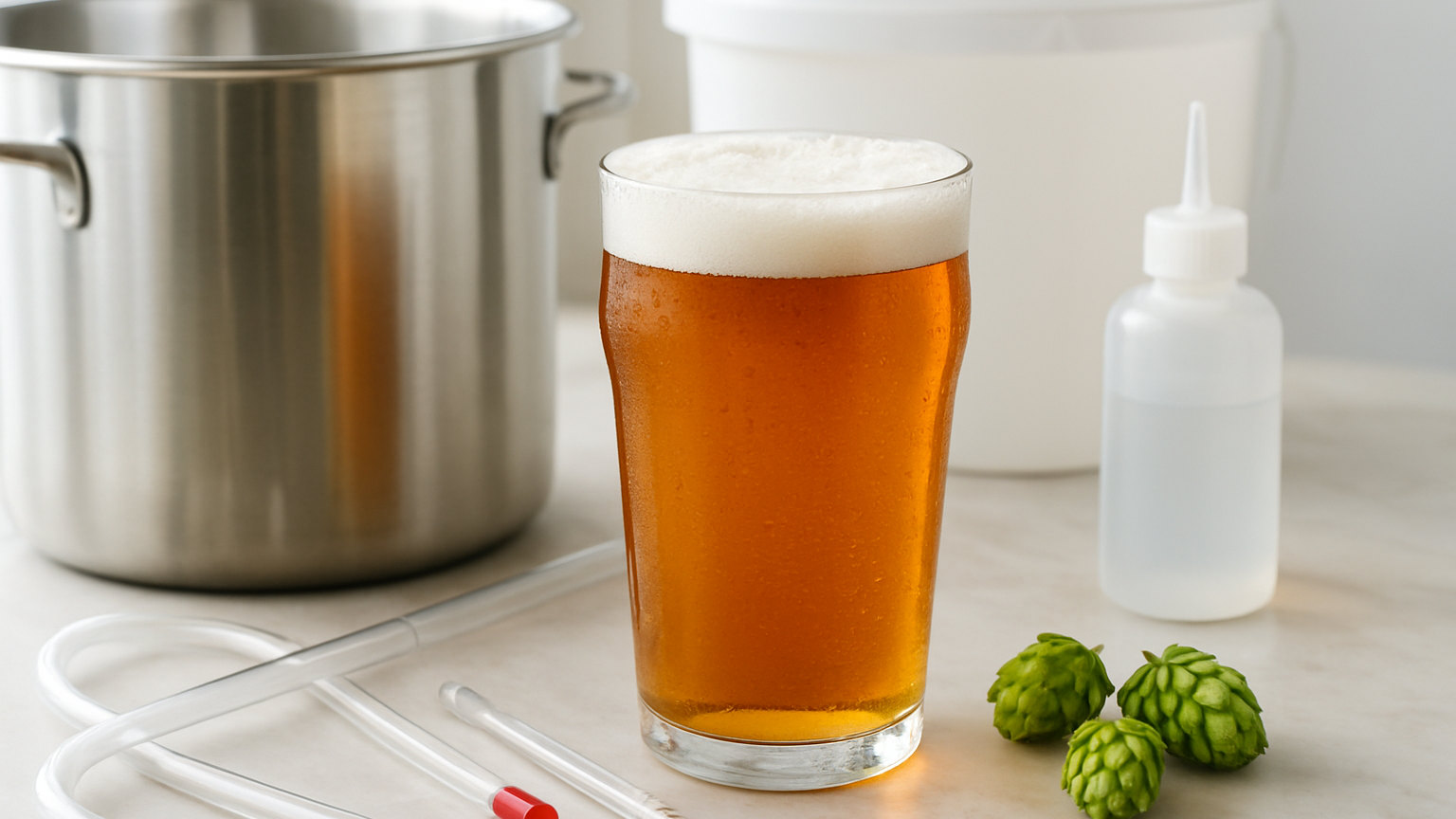
Six items cover a first batch and three of them cost almost nothing. Everything beyond that list makes brewing easier rather than possible.
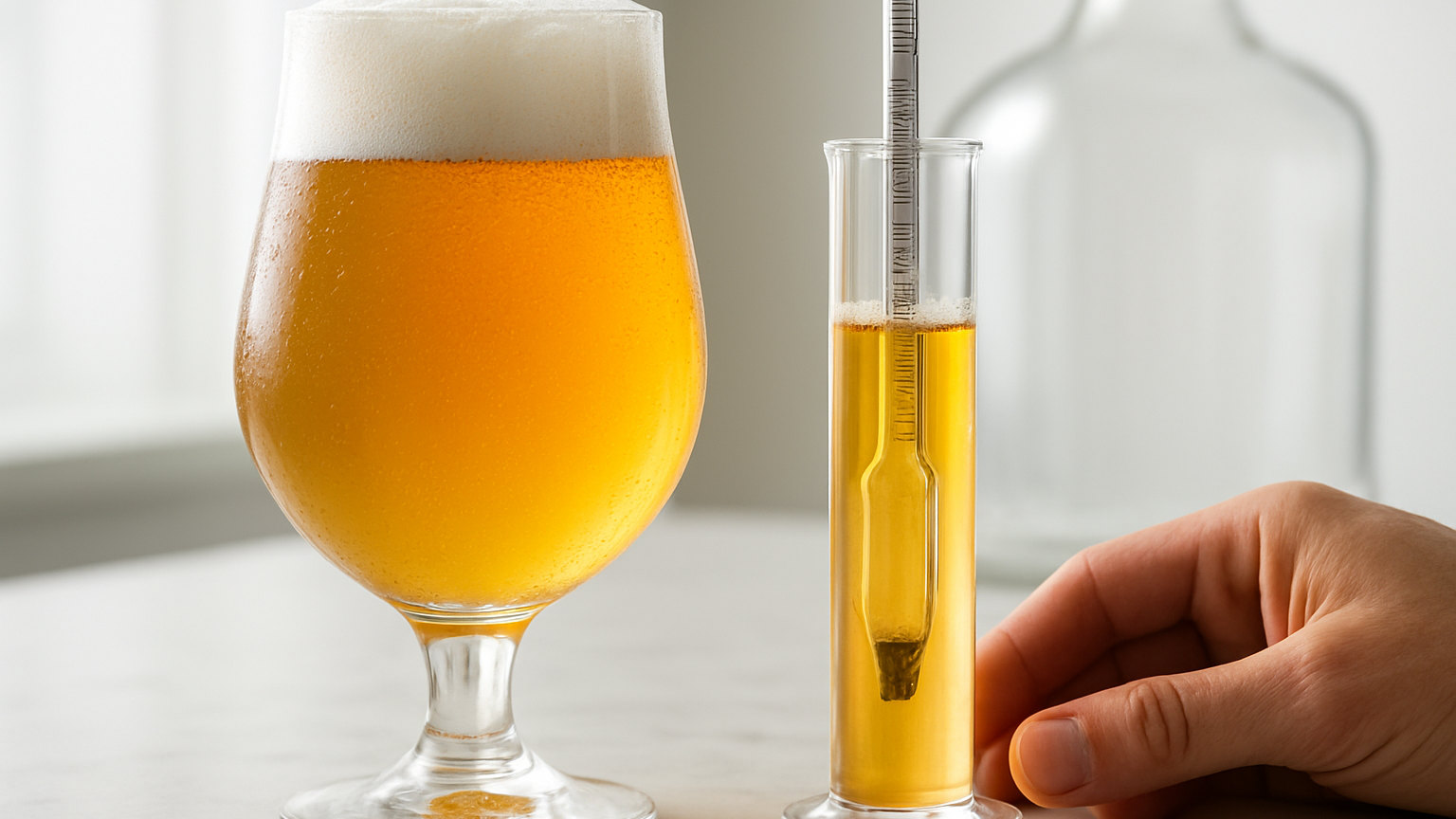
The airlock going quiet proves nothing. There is one reliable test, it takes three days, and skipping it is how bottles burst.
Below three per cent, dilution gives you water with a hint of beer. These are the four levers that put flavour and body back.