How Do You Use Infused Spirits in Cocktails?
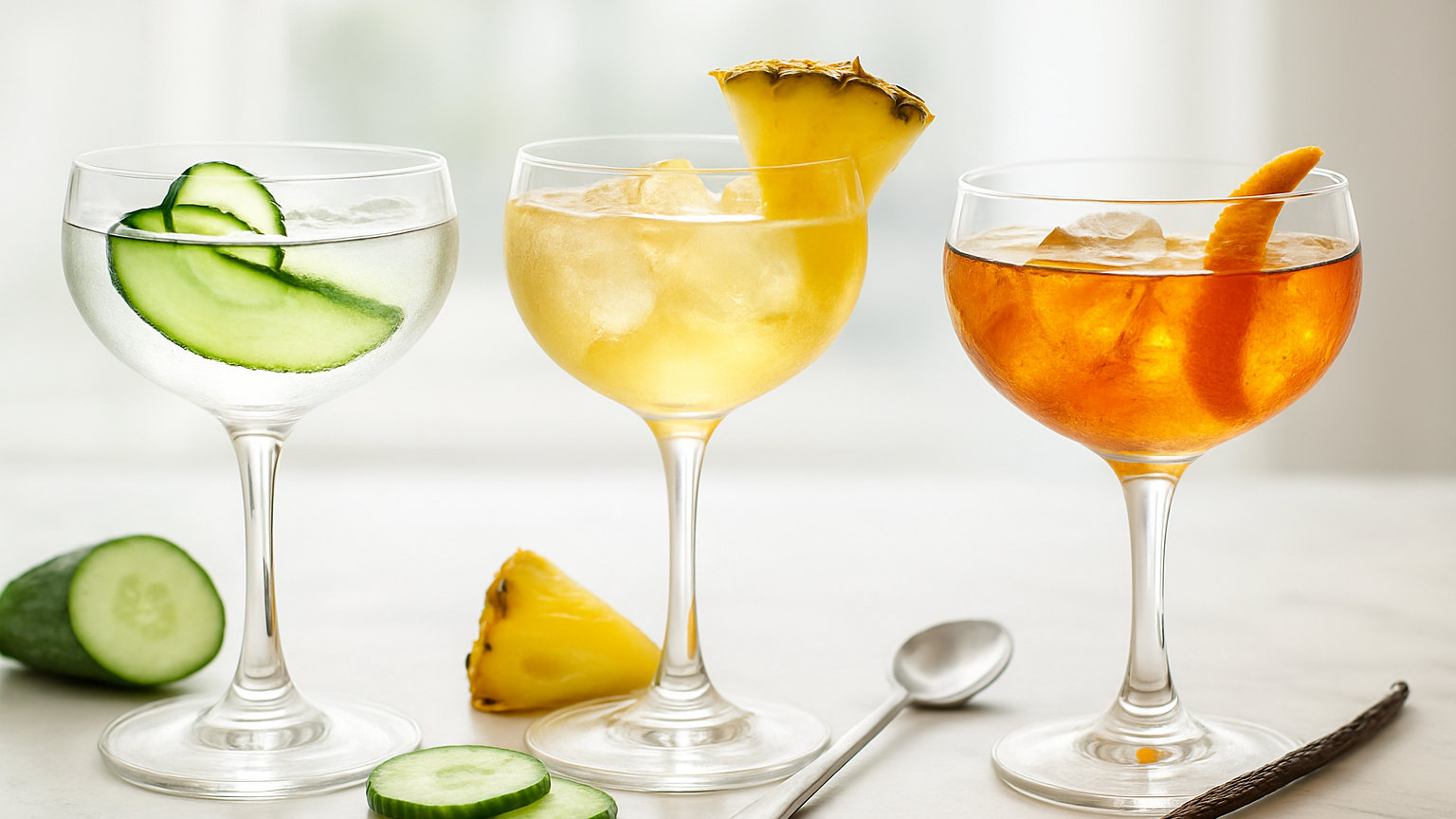
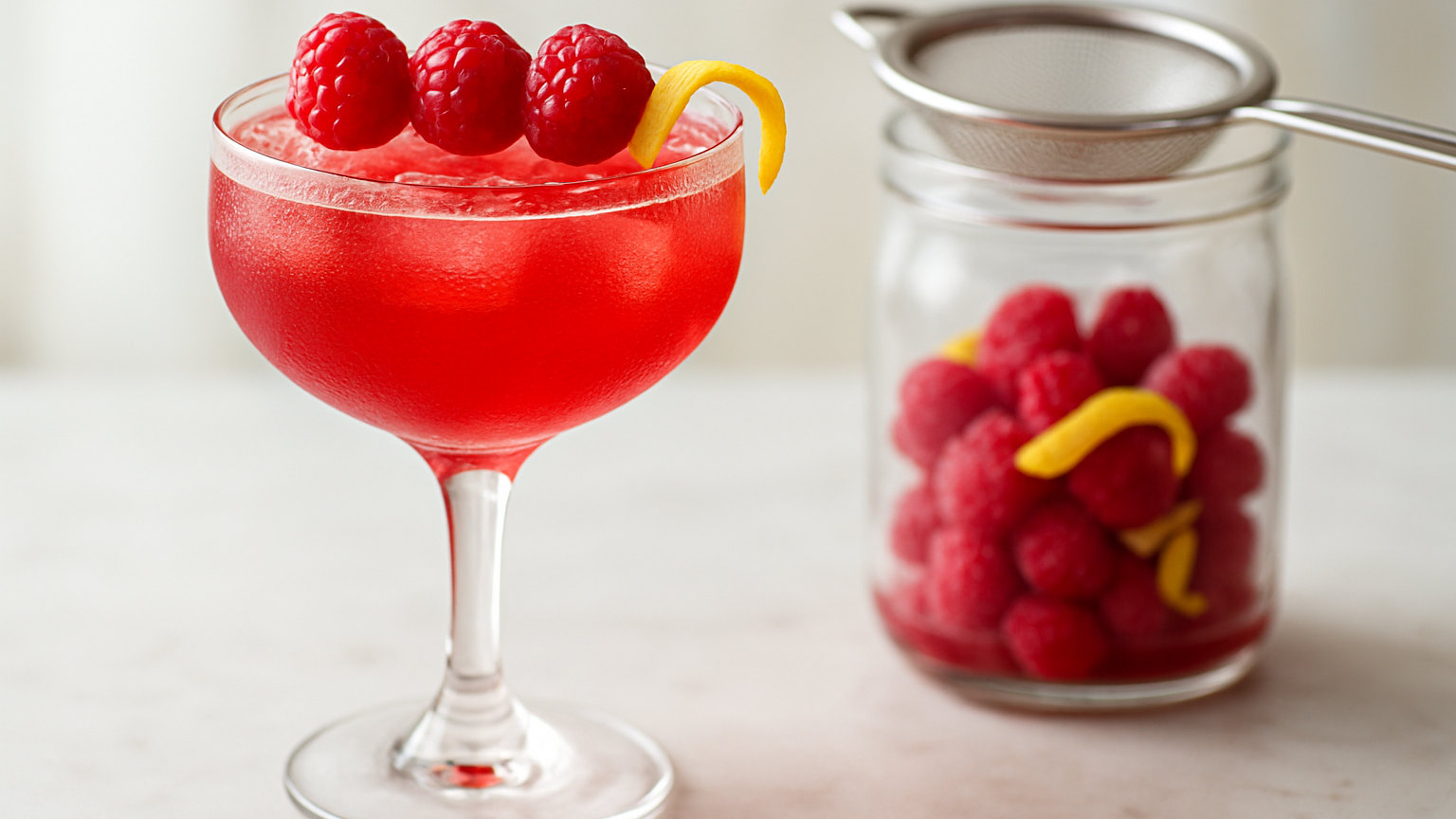
An unsweetened infusion drops straight into a recipe as the base spirit. Splitting the measure is usually the better idea.
By Drink Recipes Team
2 Feb 2026

Fruit, herb and spice infusions with steeping times, plus fat-washing and the quick methods that work.
An unsweetened infusion drops straight into a recipe as the base spirit. Splitting the measure is usually the better idea.
Some infusions save money, some produce something you cannot buy, and a few are simply not worth the jar.
Most infusion failures come from four causes, and only one of them can be corrected after the fact.
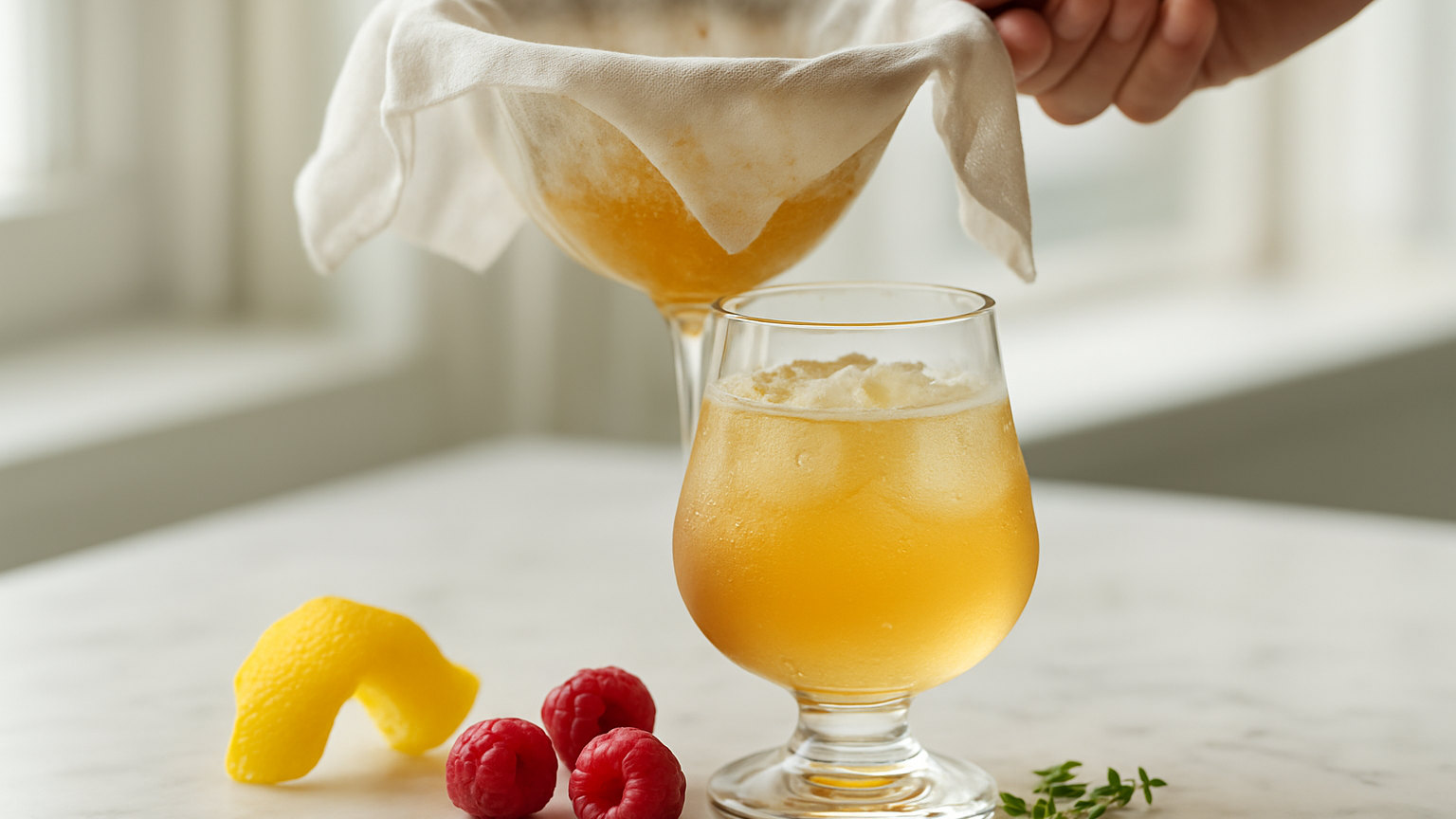
Filtering badly undoes good work. The rule that matters most is never to squeeze the cloth.
Neutral is the default and not always the right answer. Sometimes the base should be contributing as much as the ingredient.
Two techniques compress weeks into minutes or hours. Neither is a perfect substitute for time, and both have their uses.
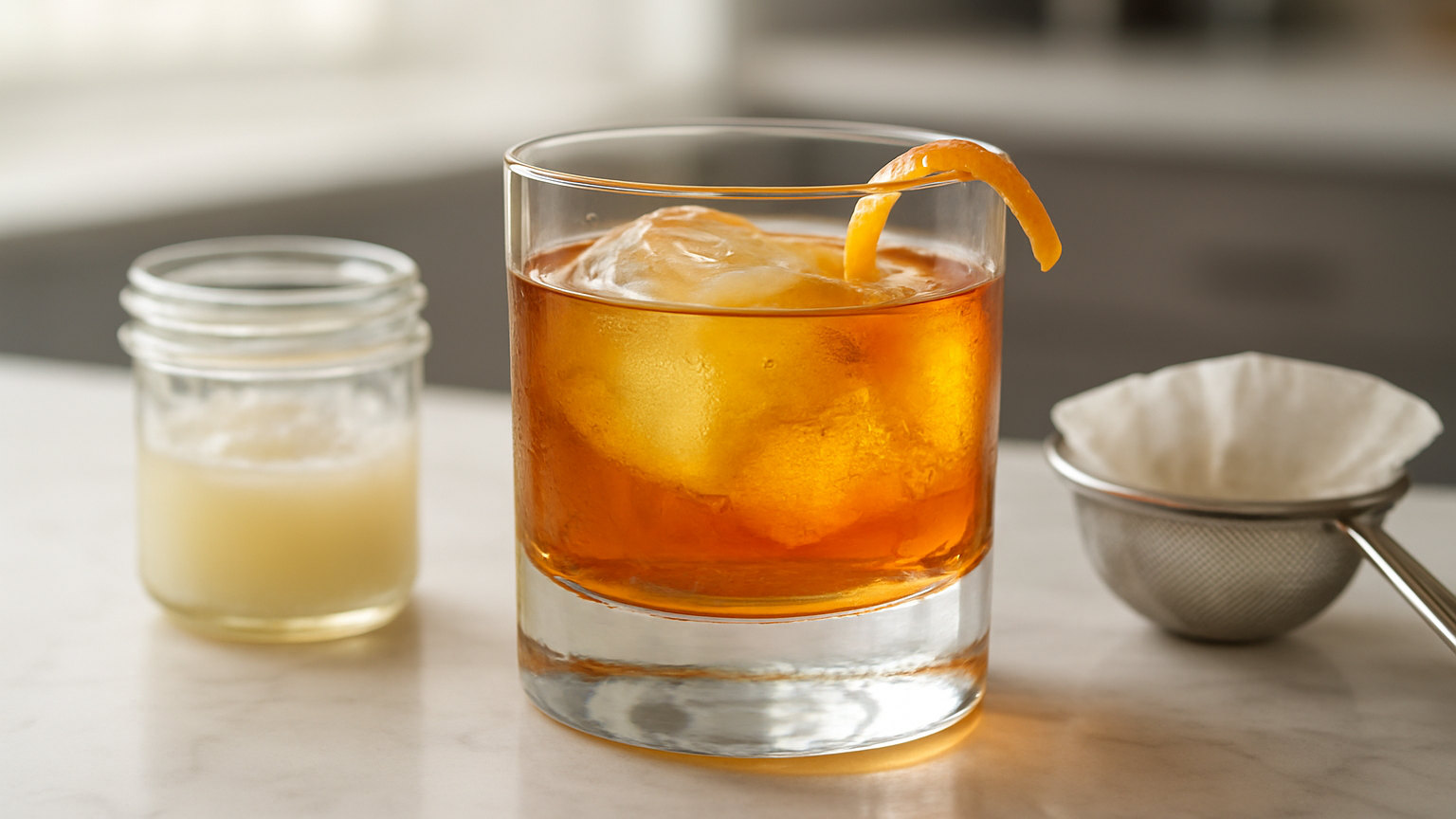
Fat-washing puts savoury flavour into a spirit and then removes the fat by freezing it out. It is easier than it sounds.
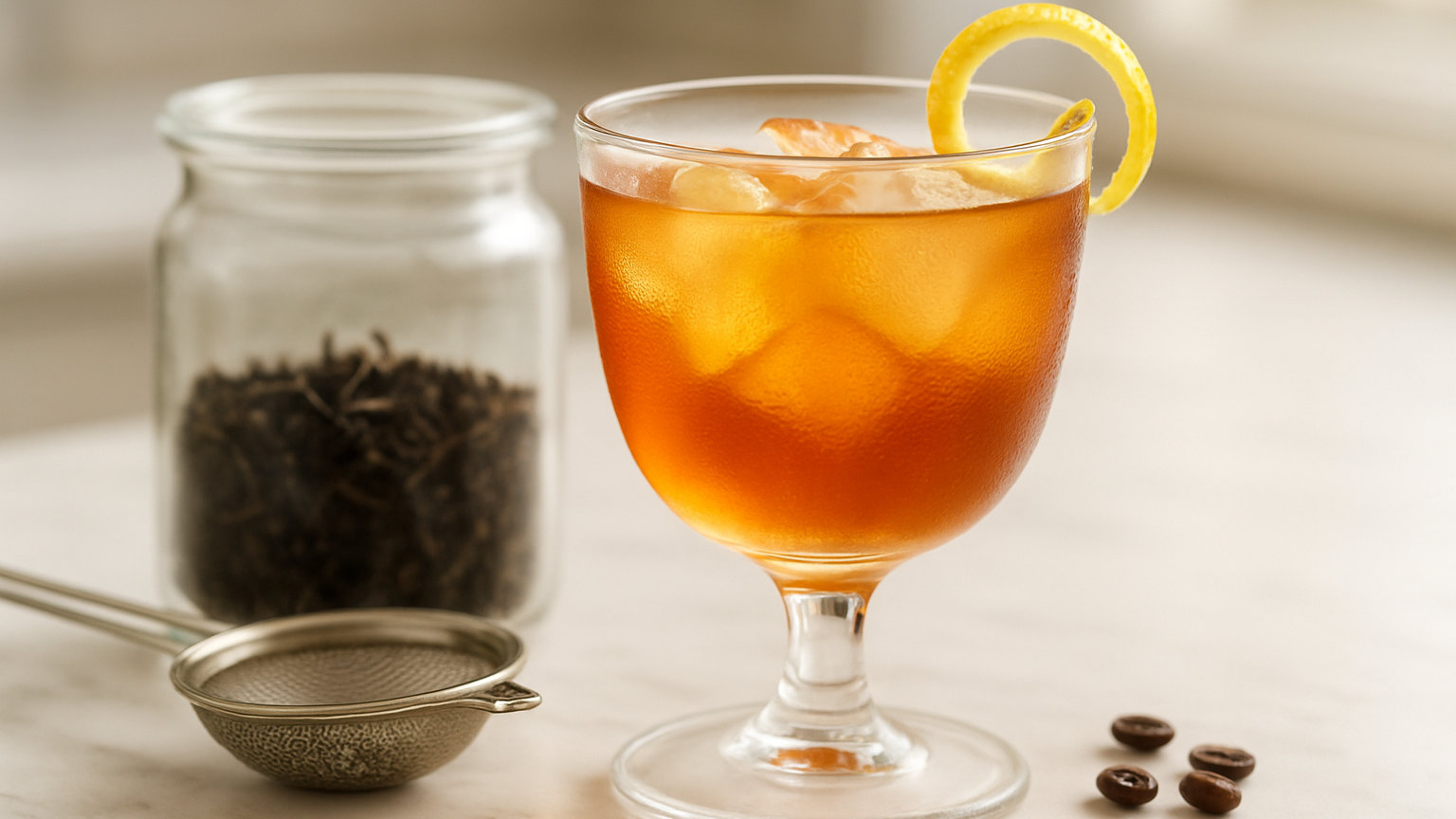
Tea infusions are measured in hours because tannin follows the flavour out, and it does not stop when the pleasant part is done.
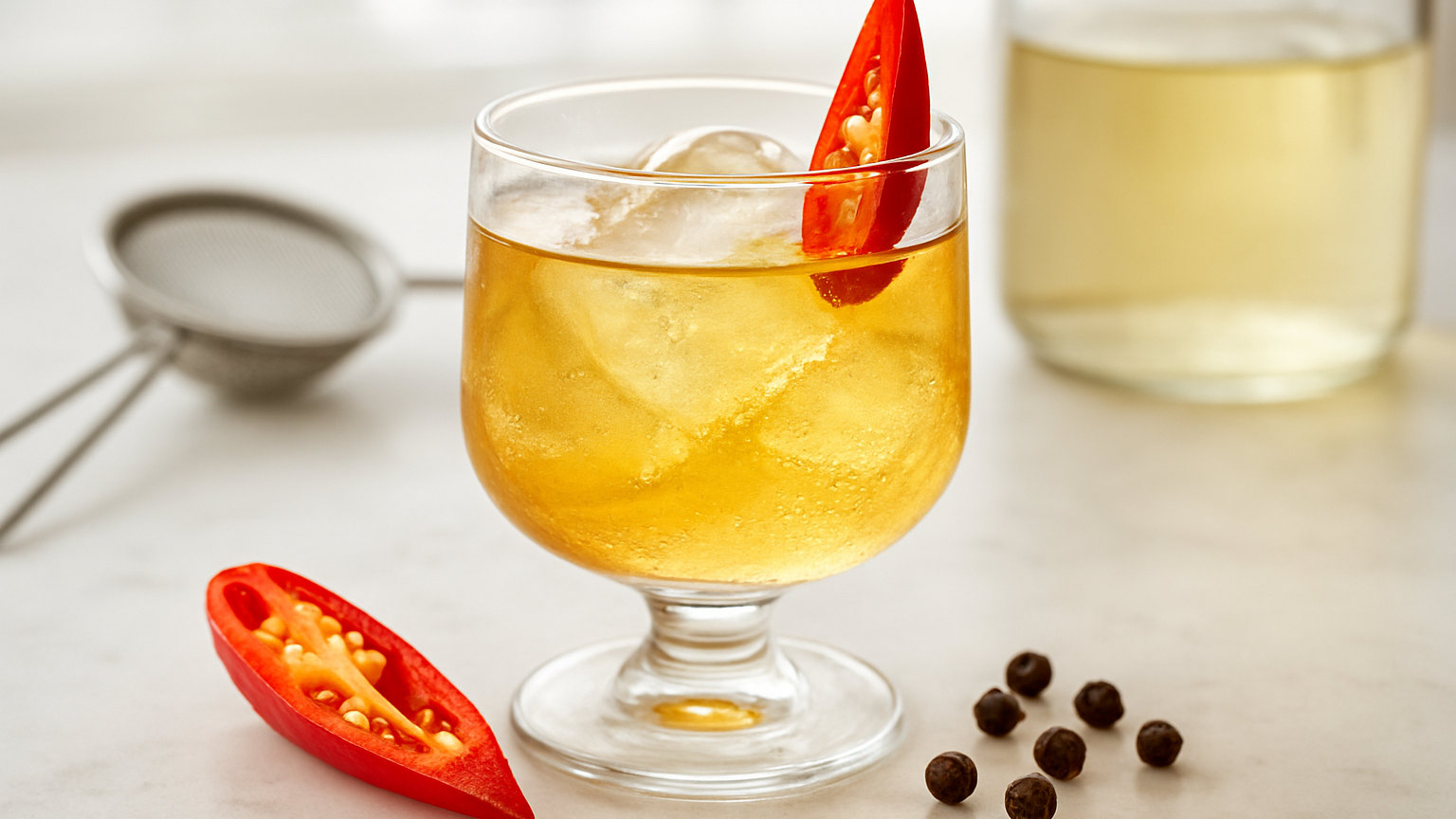
Chilli is the fastest infusion there is, and the one where an hour makes a visible difference. It also needs handling with a little care.
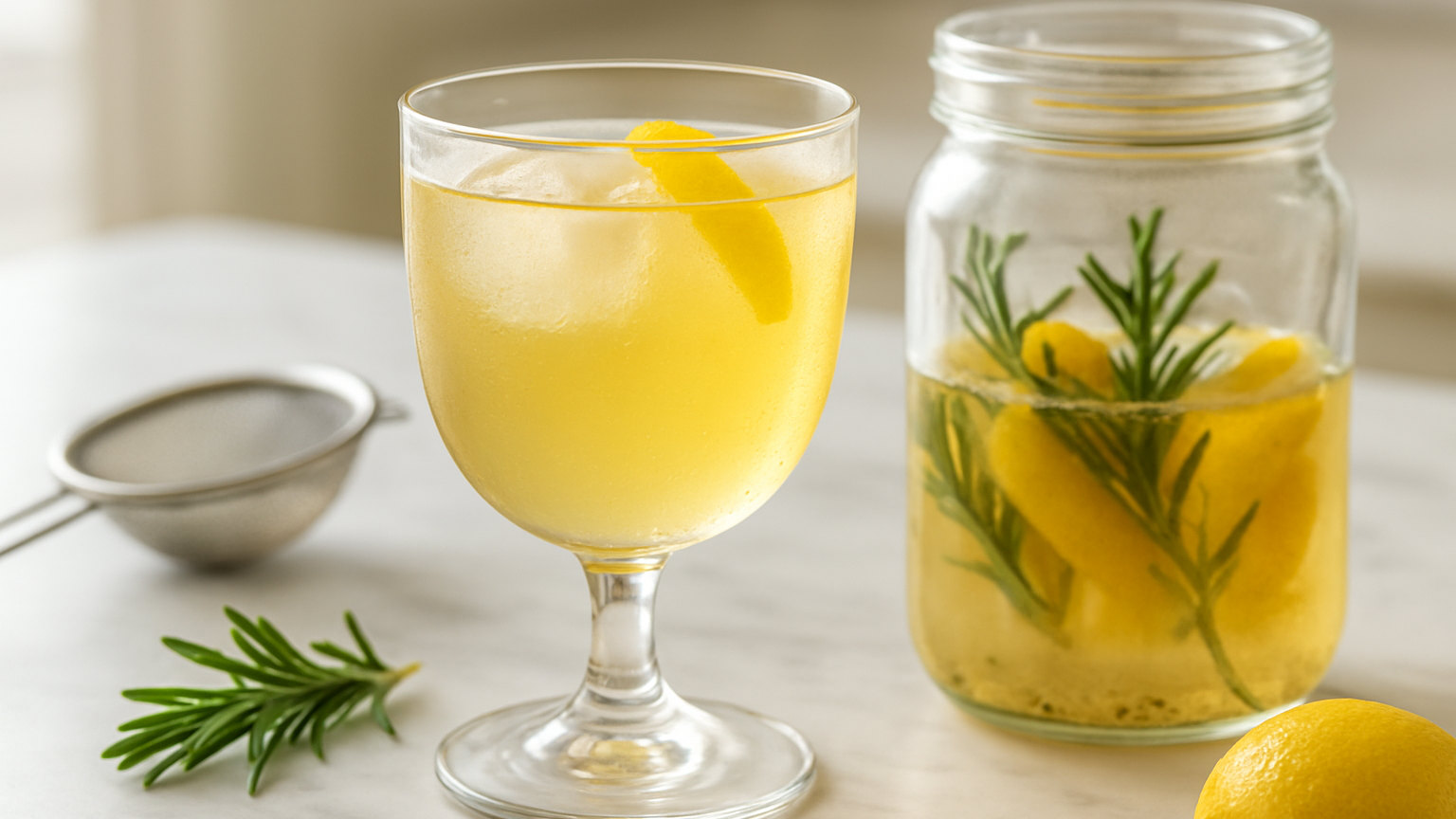
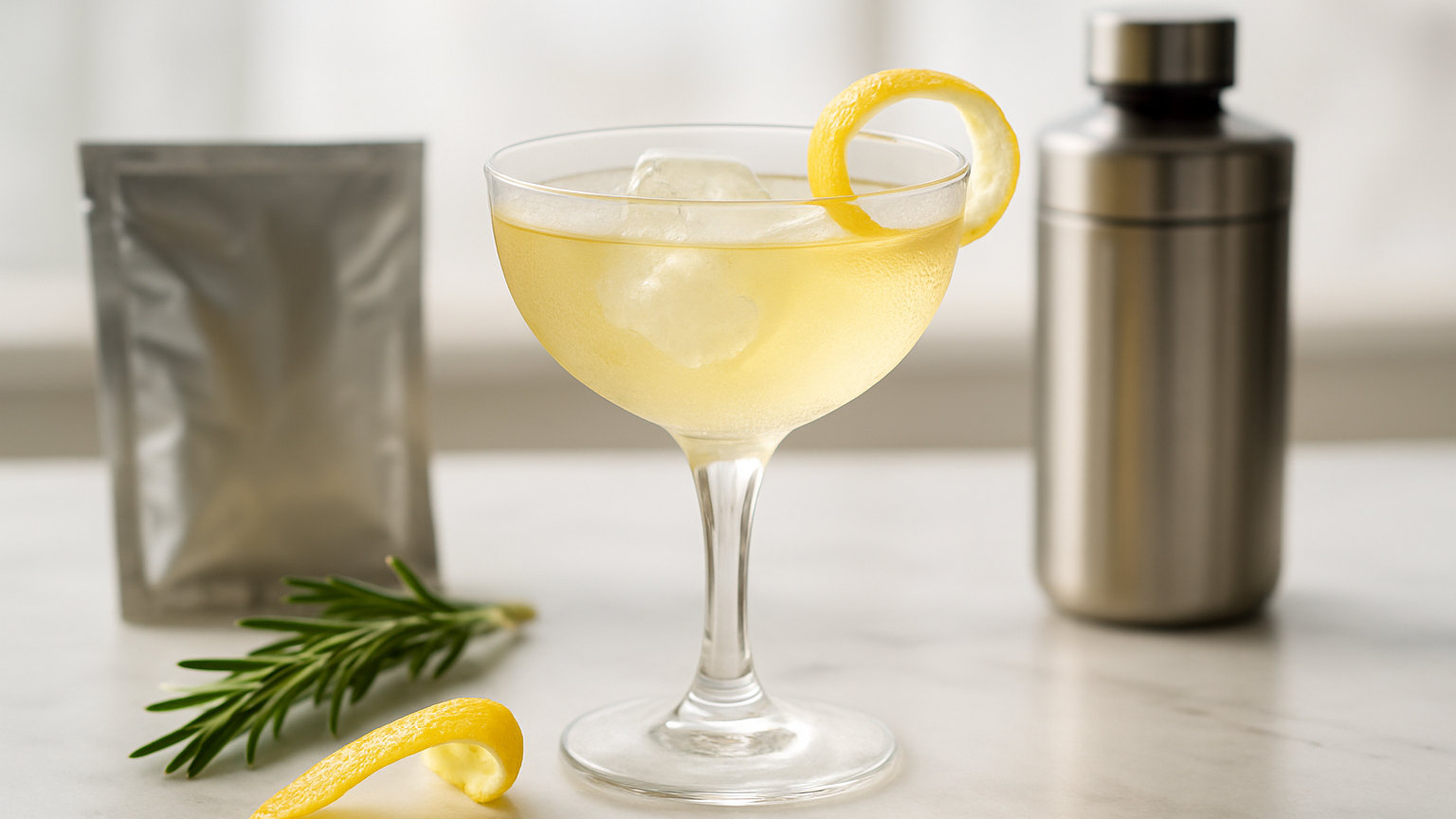
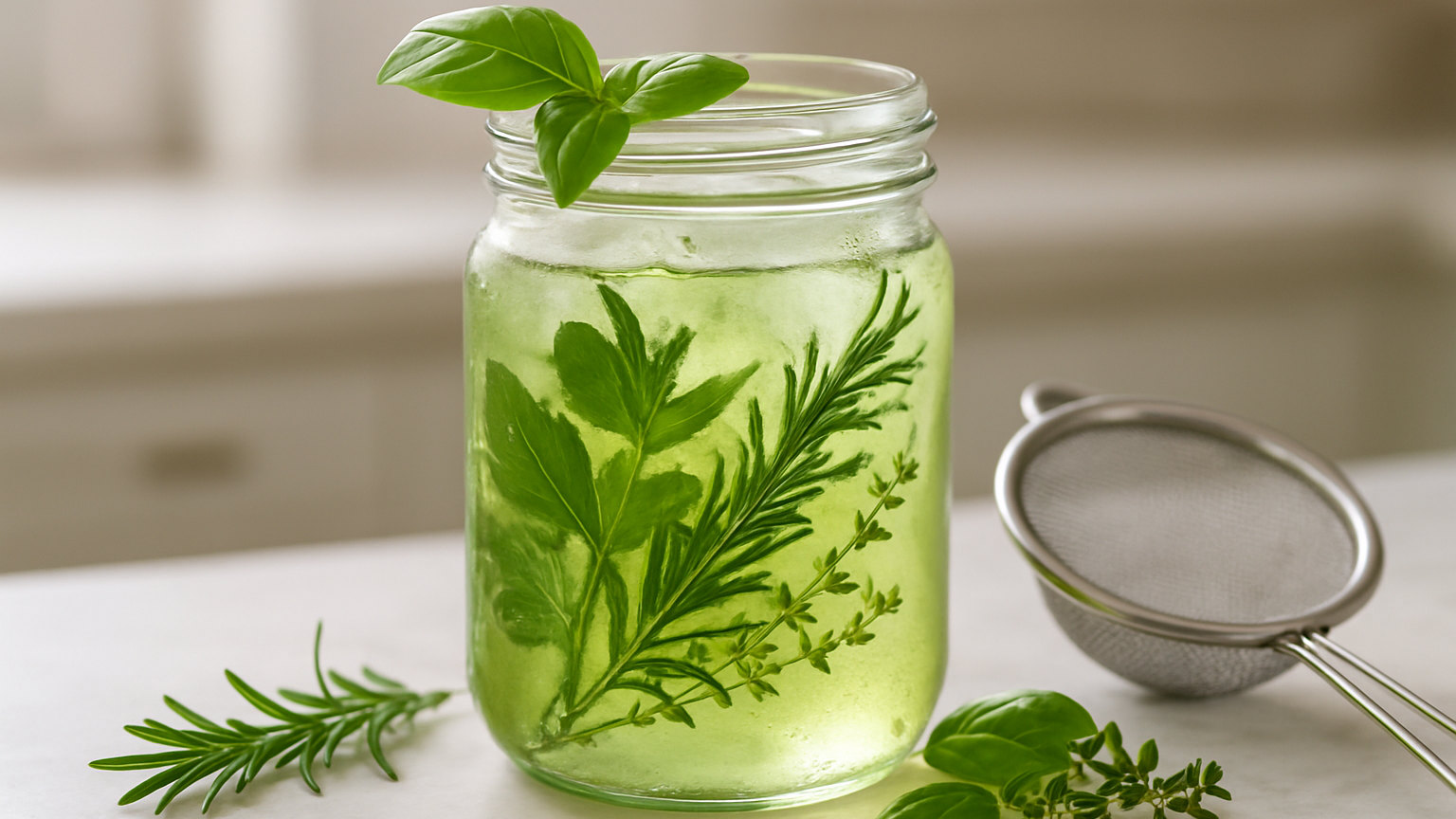
Herb infusions are measured in hours rather than weeks, and the commonest fault is treating them like fruit.
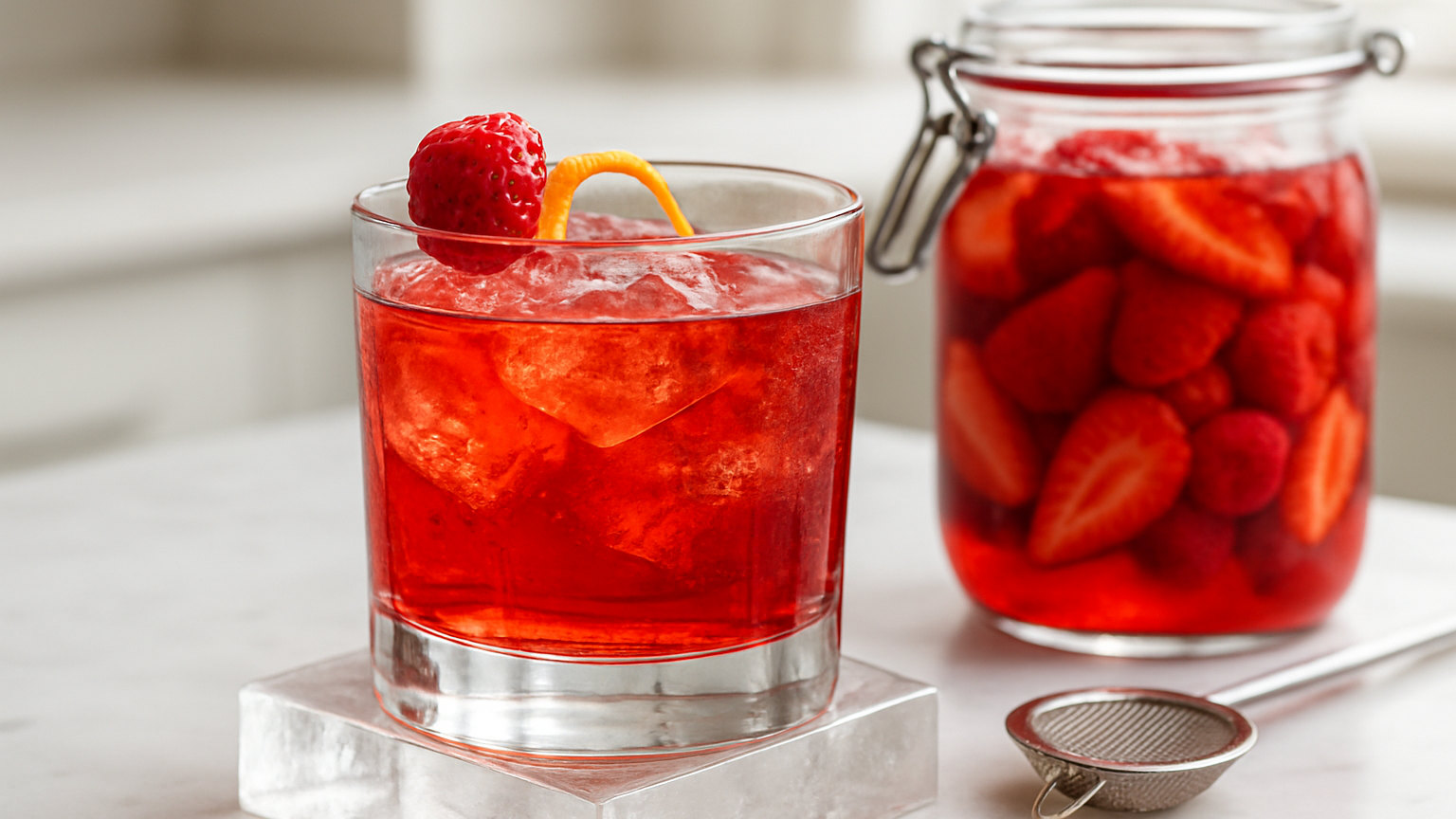
Fruit brings water as well as flavour, which is the difference between an infusion that keeps for a year and one that does not.
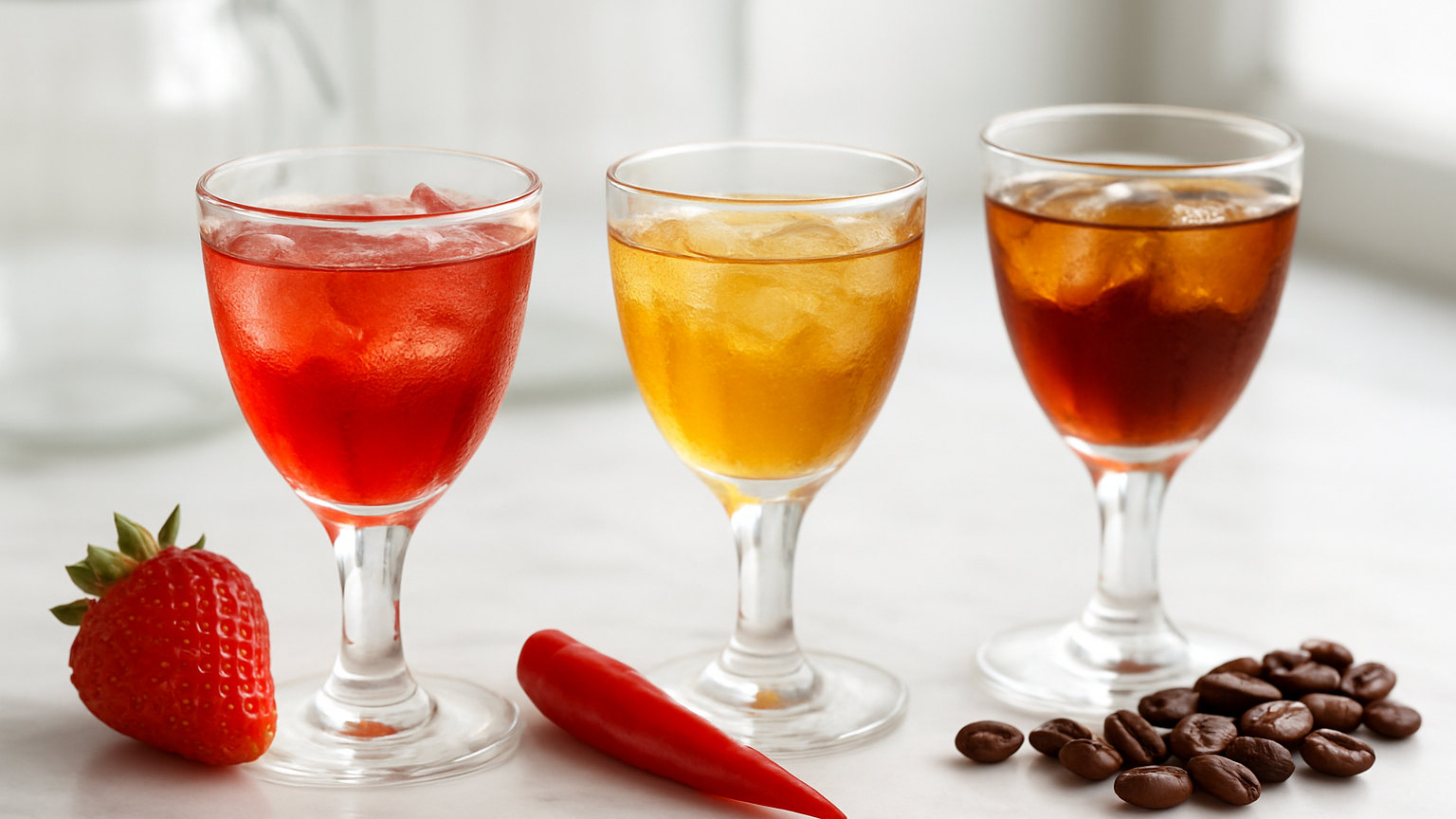
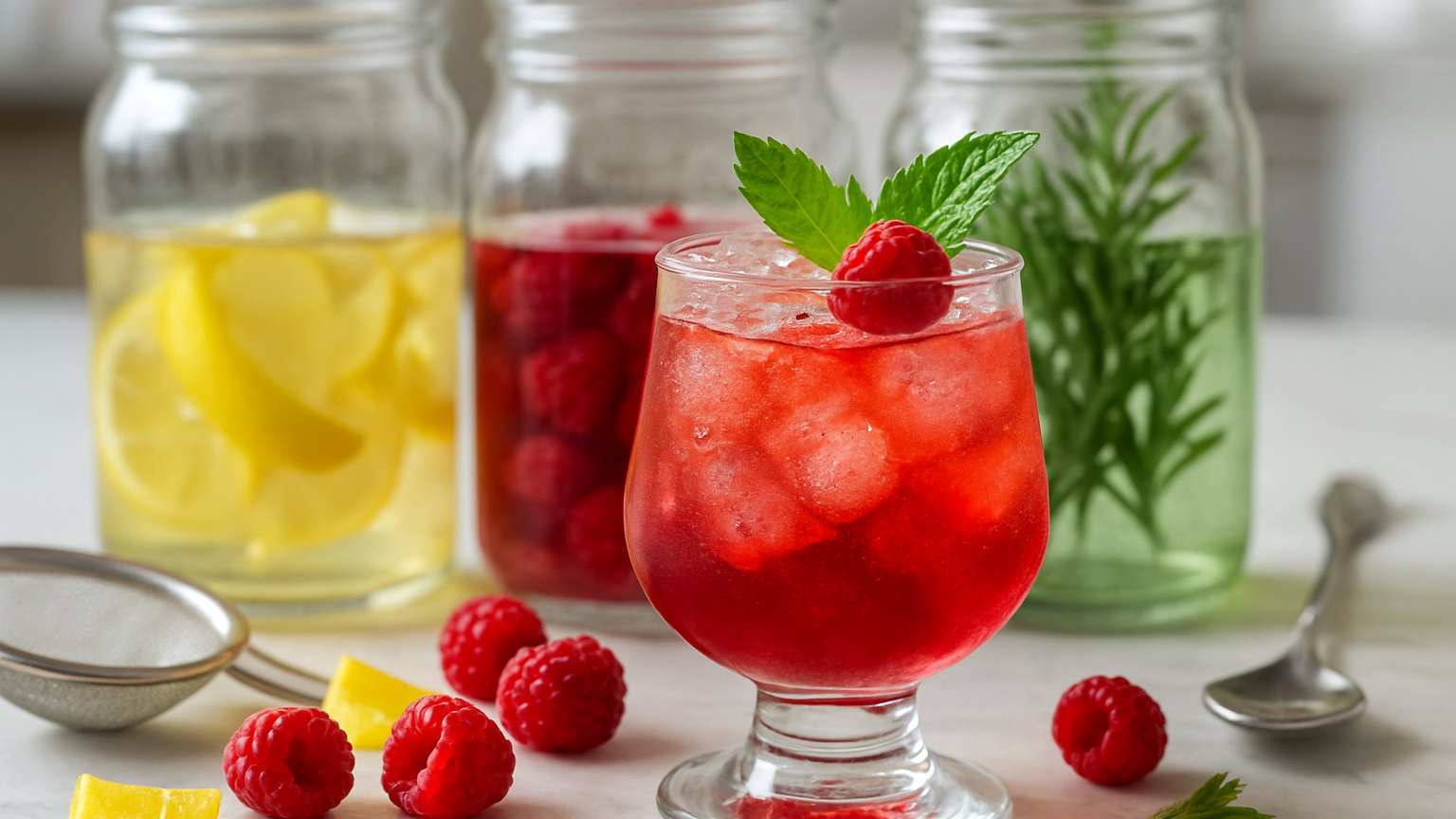
Steeping times range from two hours to six months depending on the ingredient. The ranges are wide because the material varies.
Alcohol dissolves things water cannot, which is the whole basis of infusing. Everything else is a question of time and surface area.