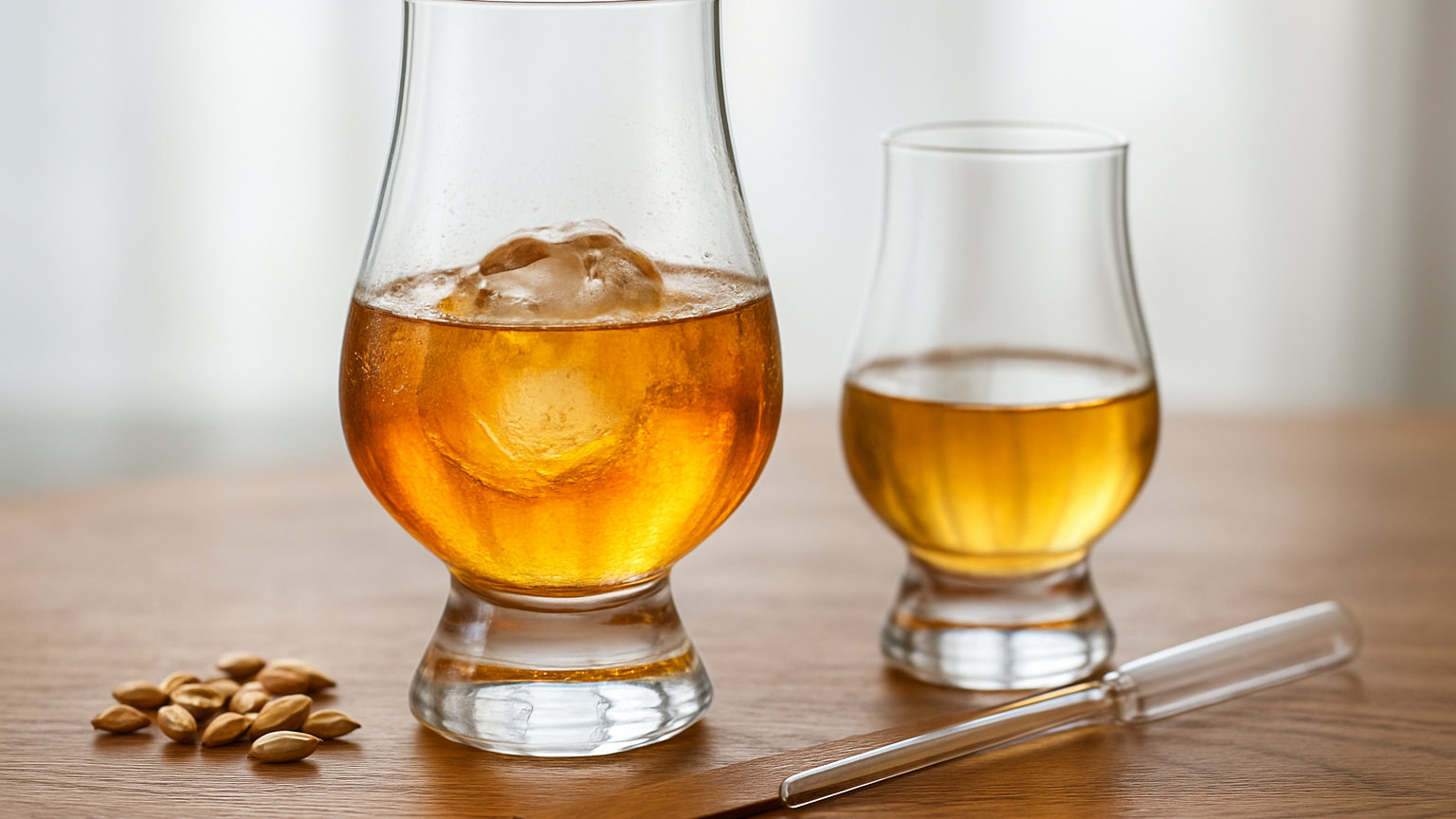
Which Japanese and World Whiskies Are Worth Knowing?
Whisky is now made well in a dozen countries, and Japan spent years with labelling rules loose enough to cause genuine confusion.
By Drink Recipes Team
19 Jun 2026

Spirits are where most home bars overspend, because the bottle that tastes best neat is rarely the bottle that makes the best drink. These guides go category by category, explain what actually distinguishes a style rather than repeating the marketing, and say which price bracket is worth reaching for and which is not. The recipes are built around one spirit at a time, so you can get value from a single bottle. Infusions, liqueurs and bitters are covered as things to make rather than buy, since most cost a fraction of the shop version.
Whisky is now made well in a dozen countries, and Japan spent years with labelling rules loose enough to cause genuine confusion.
Age tells you how long a whisky sat in wood and nothing about whether that was the right length of time.
Sloe gin is a liqueur rather than a gin, it is straightforward to make at home, and one detail about the stones is worth getting right.
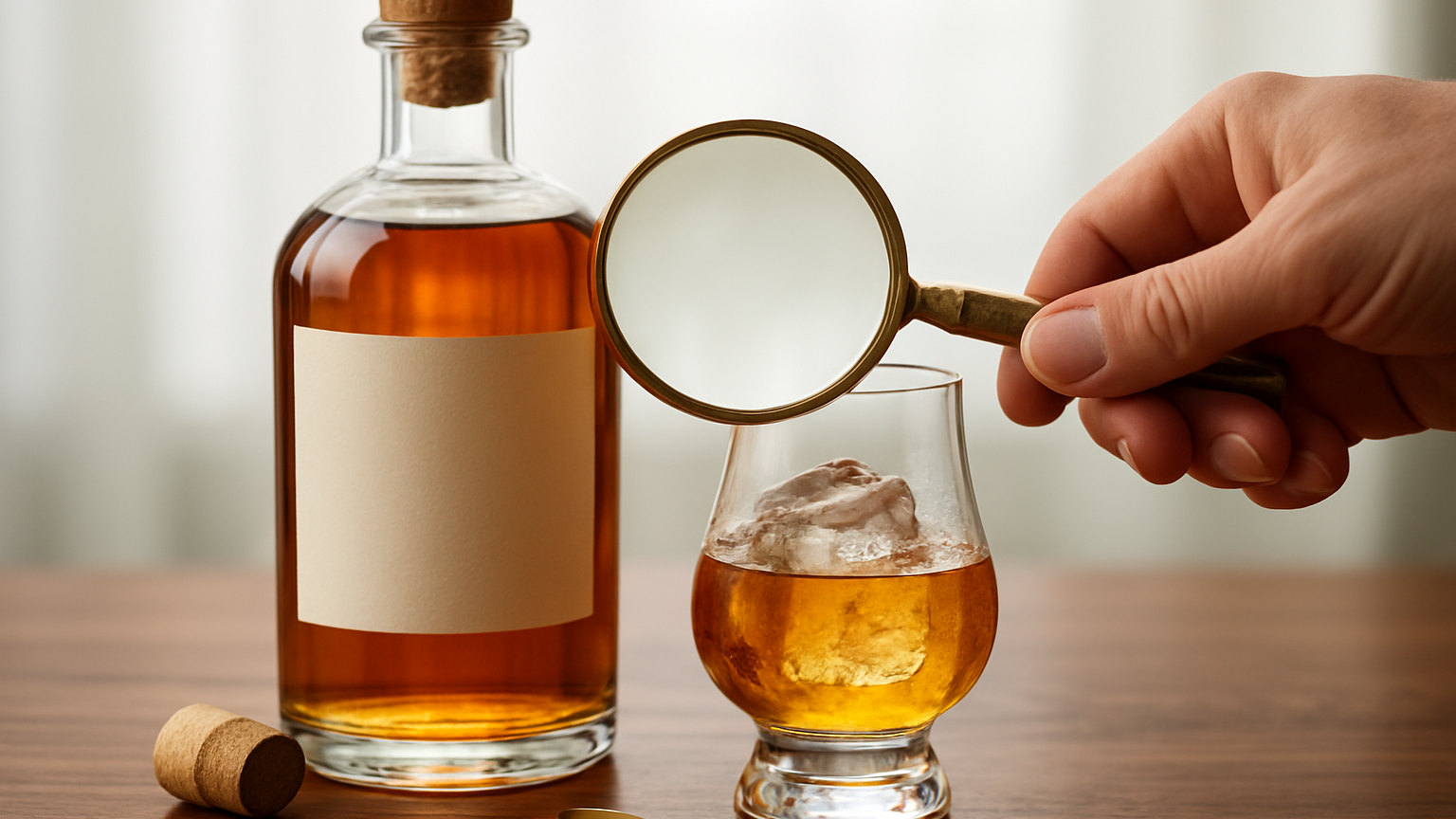
A whisky label carries four genuinely useful facts and a great deal of scenery. Knowing which is which saves money.
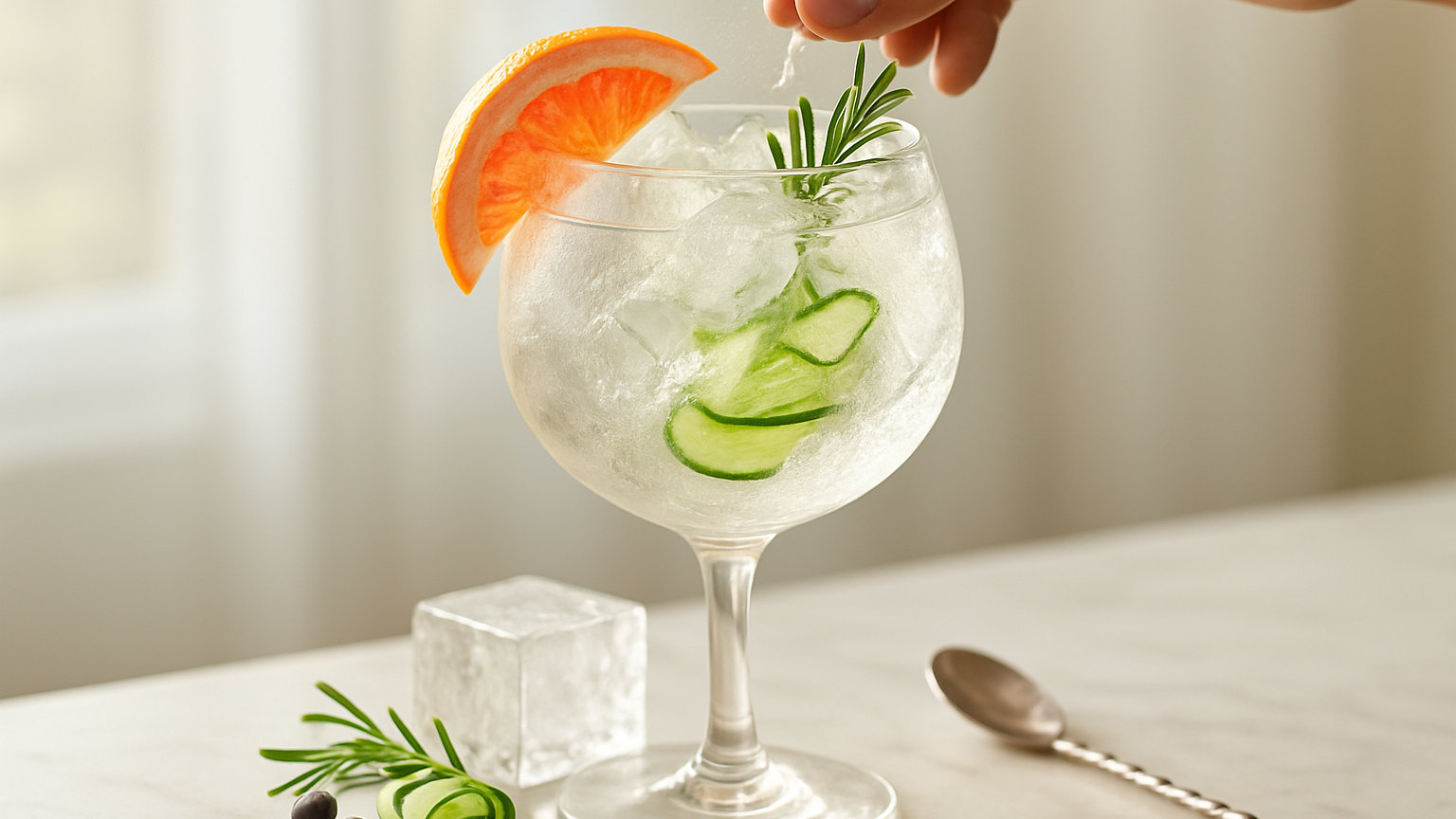
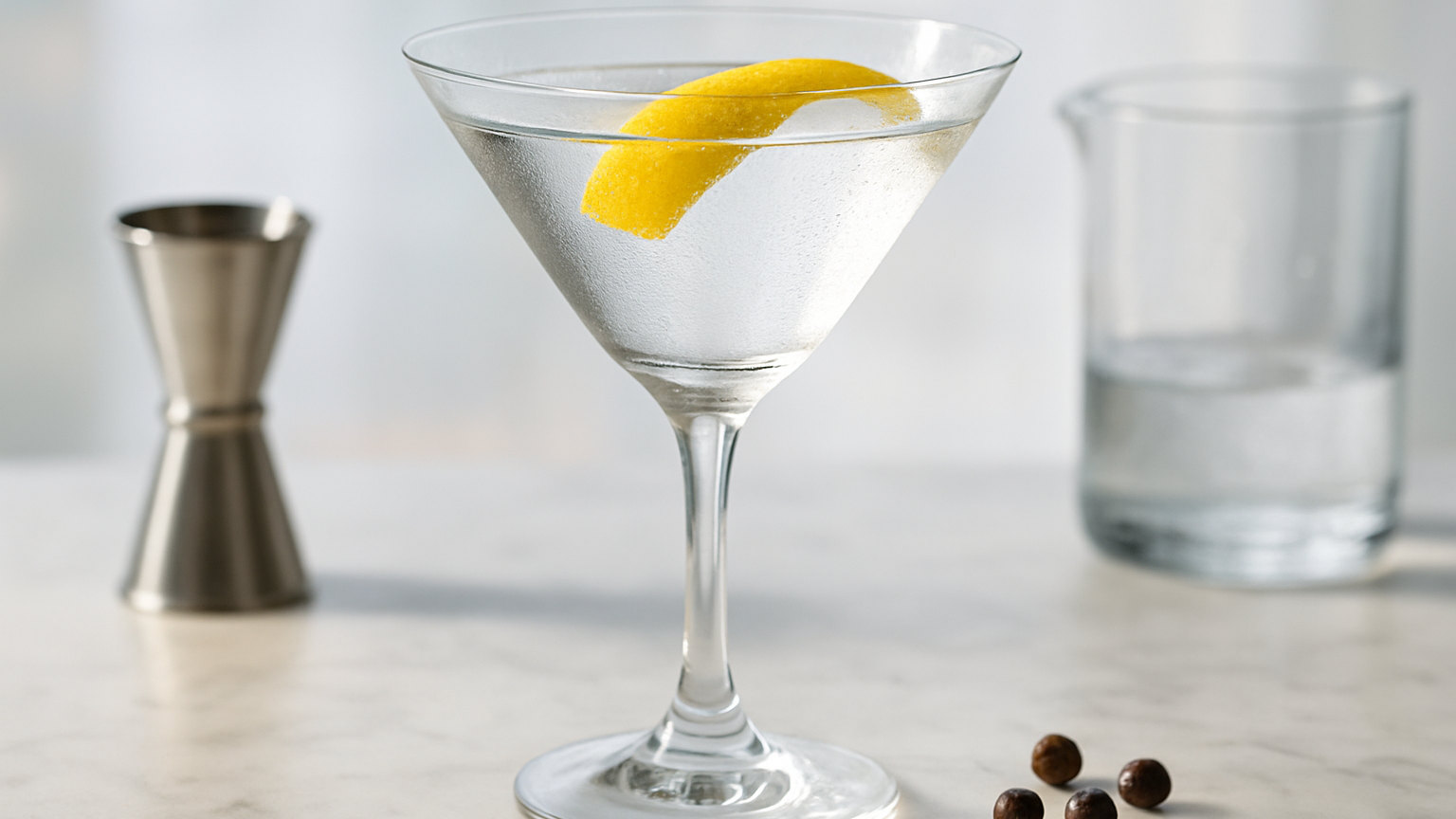
A garnish should extend what is already in the gin. Most of its effect is aroma, which is why how you add it matters as much as what you choose.
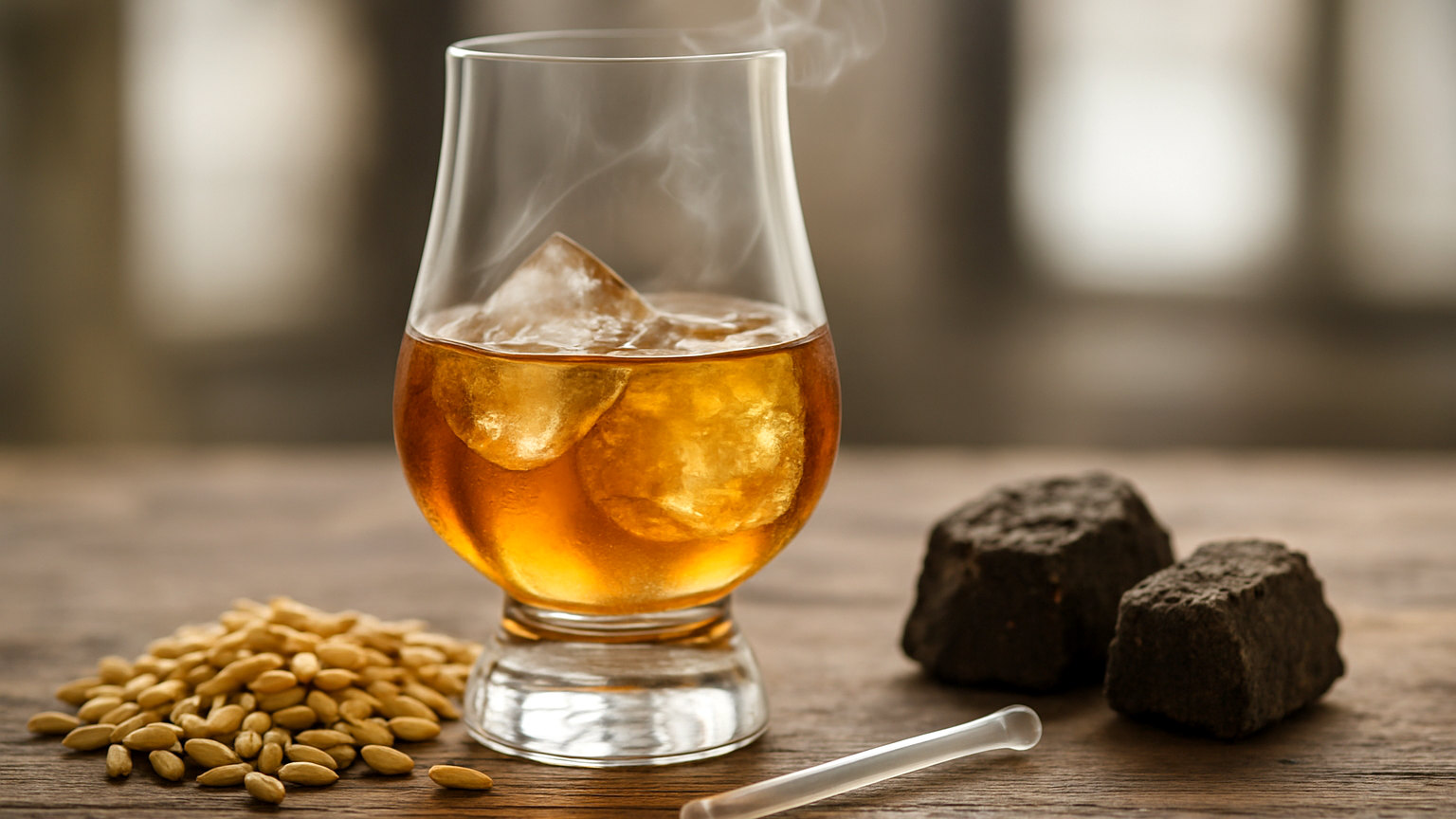
Peat smoke reaches the whisky during malting, before fermentation has even started. The measurement on the label describes the barley, not the bottle.
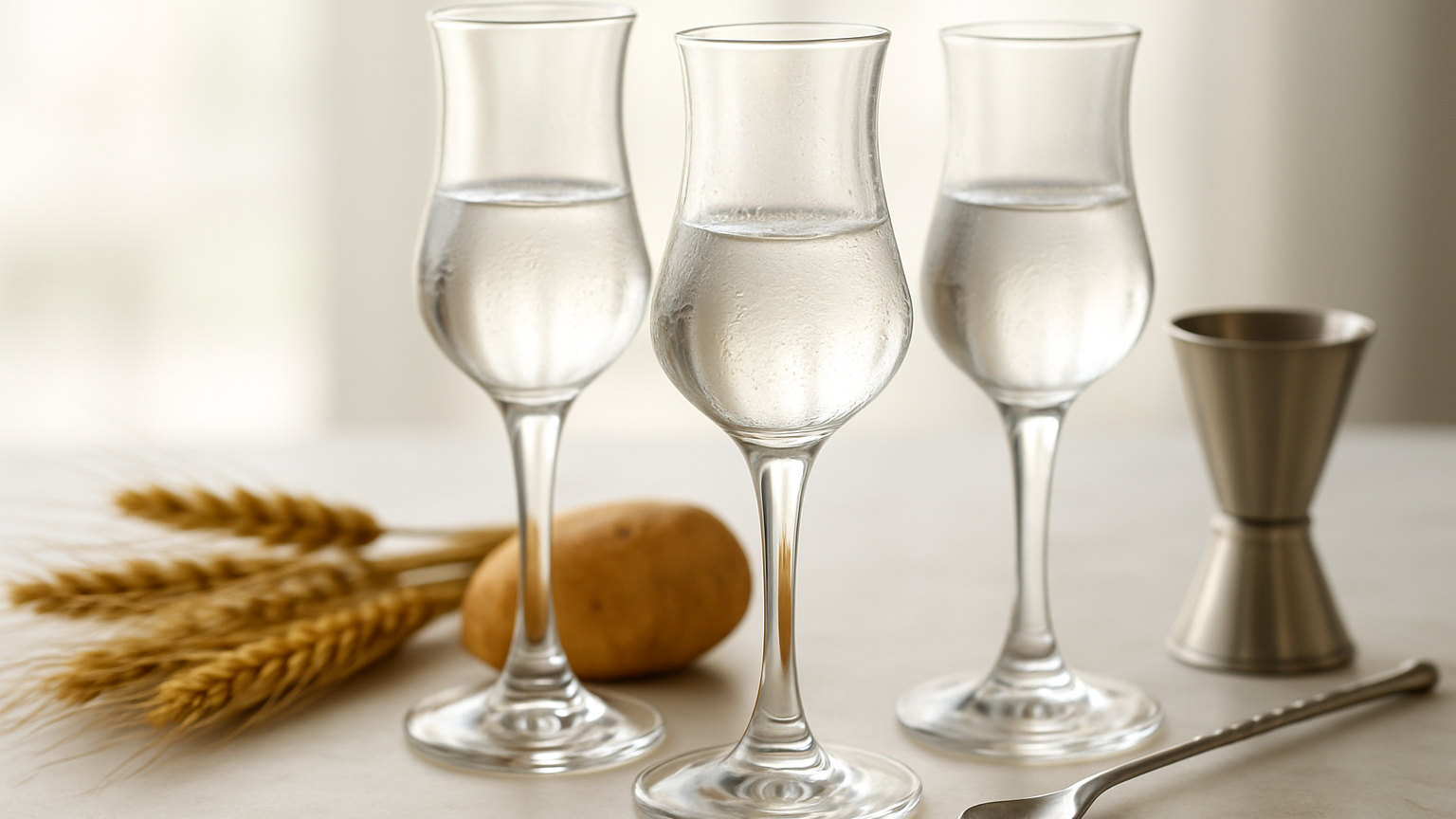
The old American definition said vodka should have no distinctive character. That wording was removed in 2020, and the reason is worth understanding.
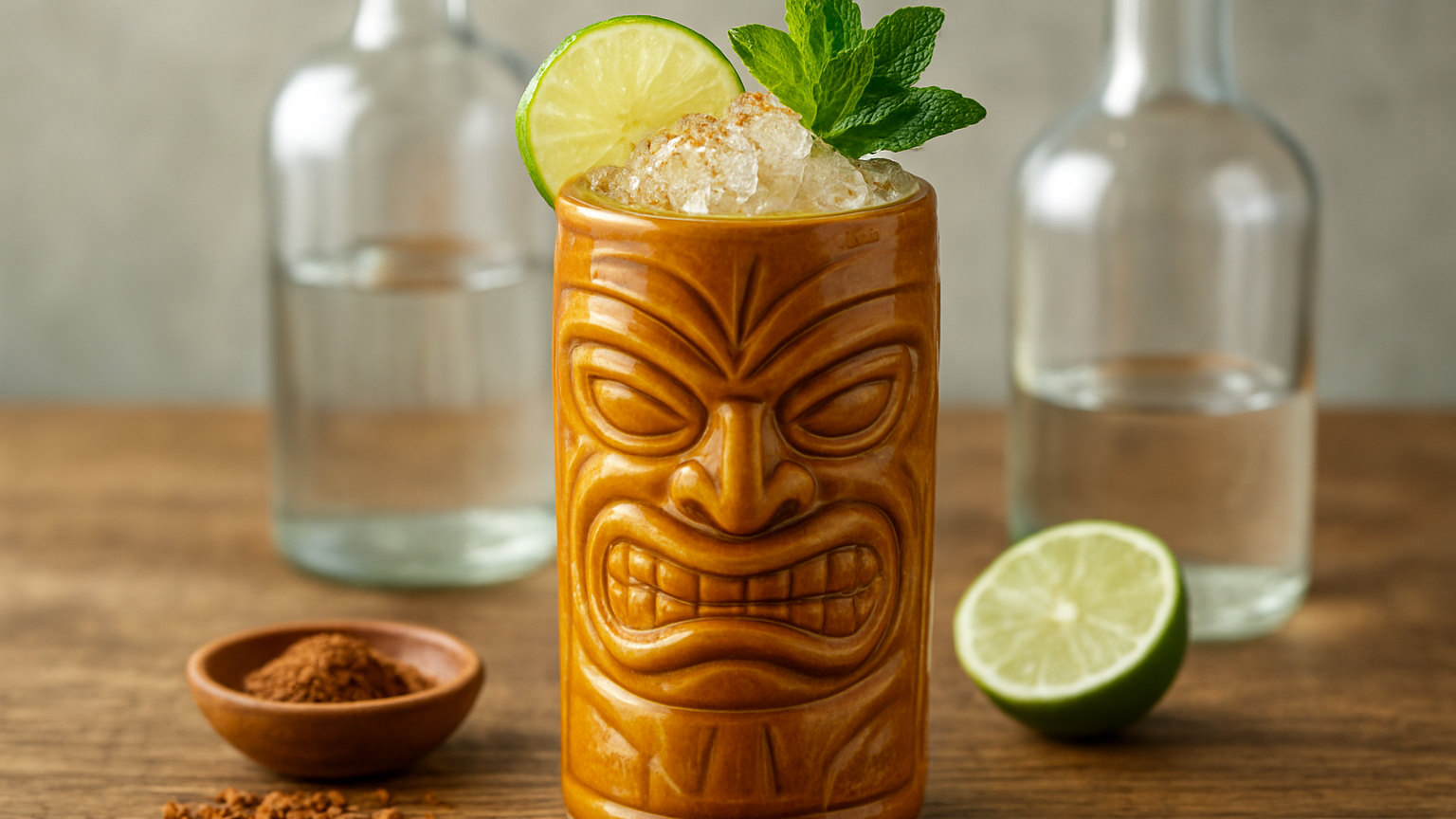
Tiki drinks look elaborate and follow a consistent logic: several rums, citrus, a spiced or nutty syrup, and a great deal of crushed ice.
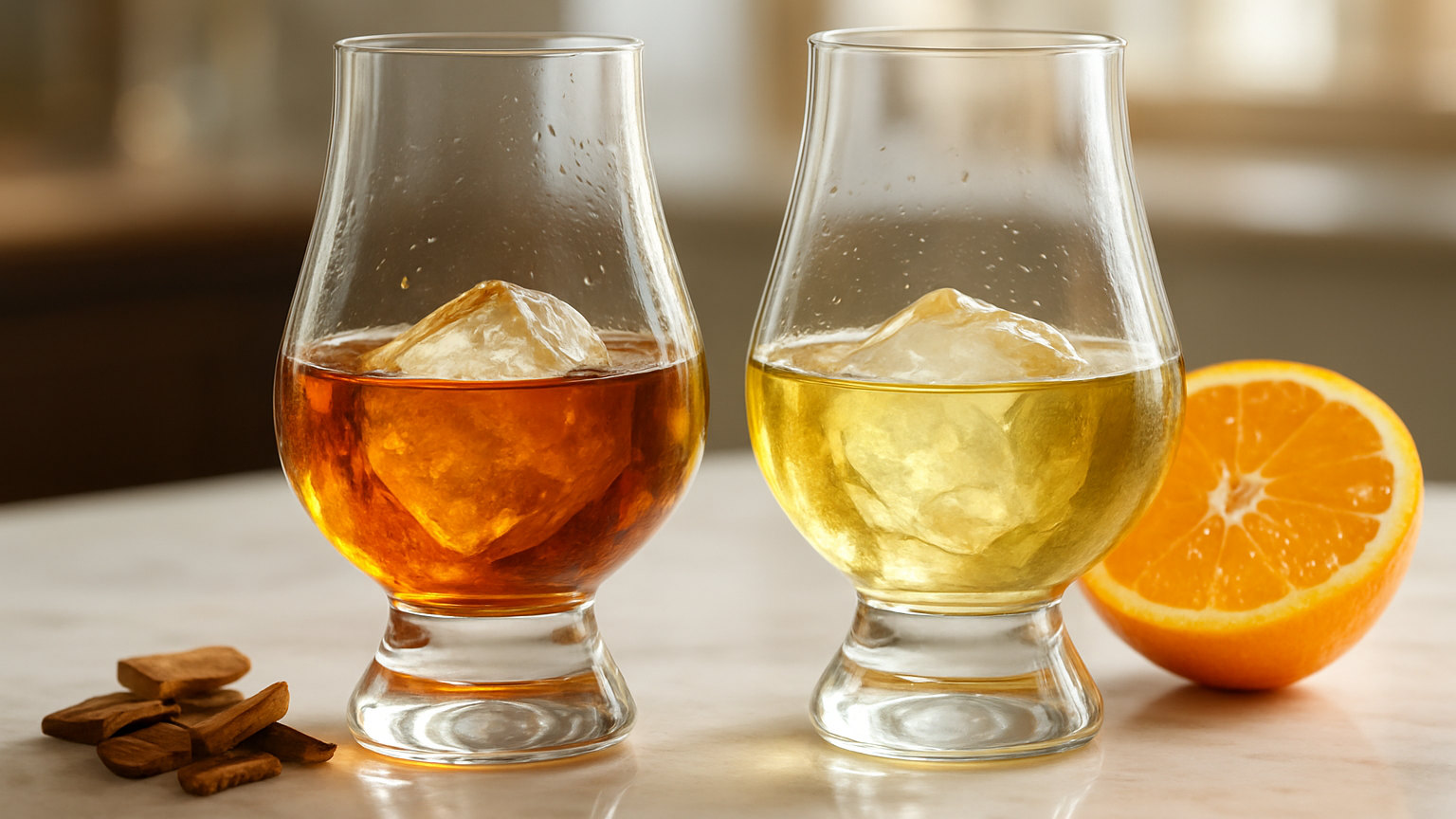
The most common way to decide you dislike whisky is to start with the wrong bottle. Two categories are far more forgiving than the rest.
Fifty-seven per cent, and a story about gunpowder that is roughly true. The practical case for it has nothing to do with the navy.
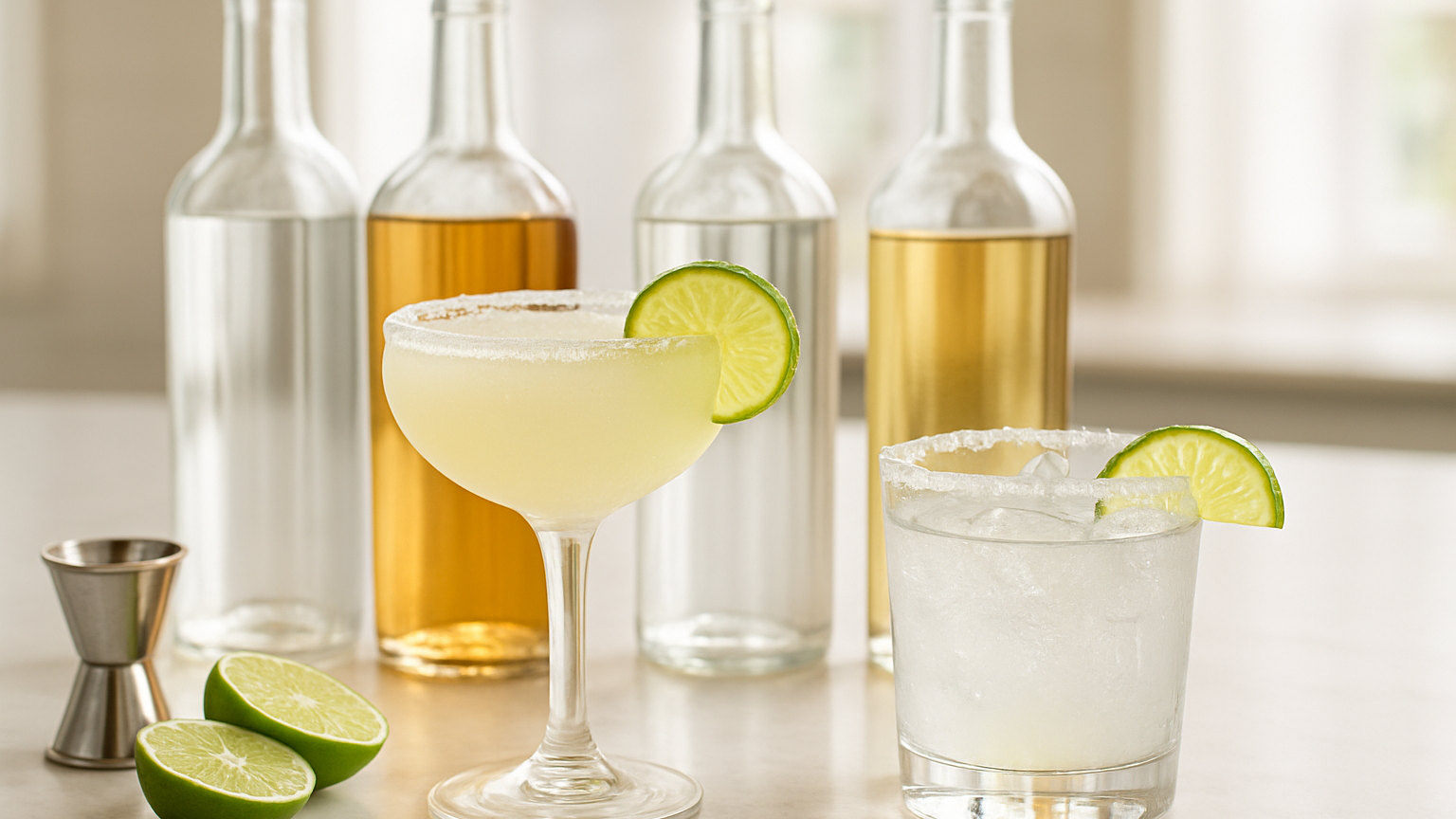
Four bottles cover almost every classic rum and tequila drink. Buying them in the right order means each one earns its place immediately.
Single malt means one distillery, not one cask and not one barrel. Whether it is better than a blend is a separate question with an uncomfortable answer.
Vodka drinks are often dismissed as flavourless. The good ones use that neutrality deliberately, letting another ingredient lead.
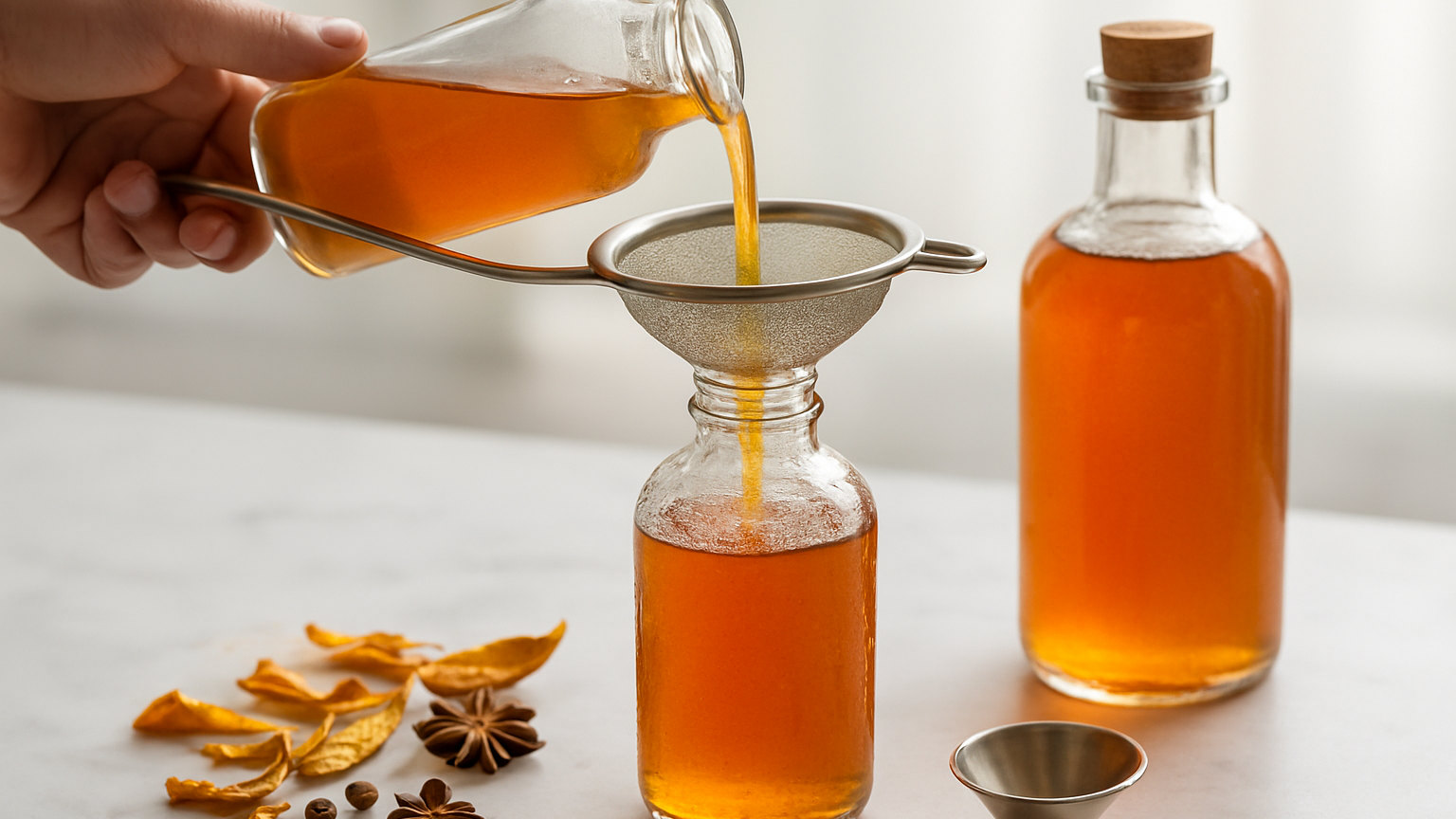
The making is the easy part. Filtering, labelling and storing properly is what separates a bottle worth giving from one that disappoints in a month.