How Did Beer Styles Come to Be Defined?
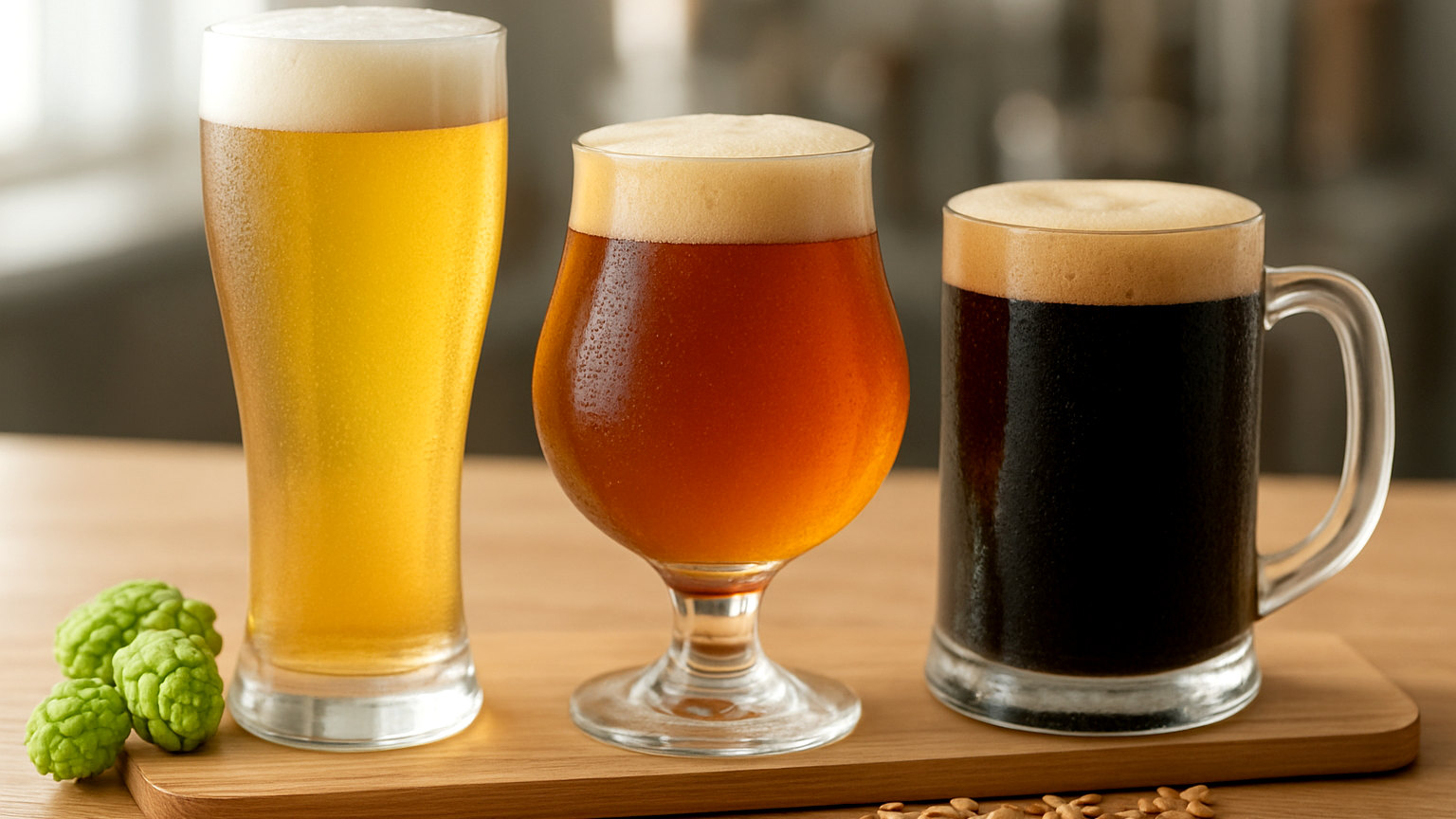
Beer styles feel ancient and most of the definitions date from the 1970s. Understanding where they came from explains why the edges are so blurred.
By Drink Recipes Team
13 May 2026

Home brewing is mostly cleaning, patience and temperature control; the recipe is the easy part. These guides start with a first brew that works rather than a first brew that impresses, explain the styles well enough that you can judge what you have made against what you meant to make, and are honest about which equipment earns its shelf space. Cider and ginger beer sit here too, because both are the sensible starting point for anyone without a full kit. The safety notes - bottle pressure, sanitation, and when to pour a batch away - are written into the guides where you will read them.
Beer styles feel ancient and most of the definitions date from the 1970s. Understanding where they came from explains why the edges are so blurred.
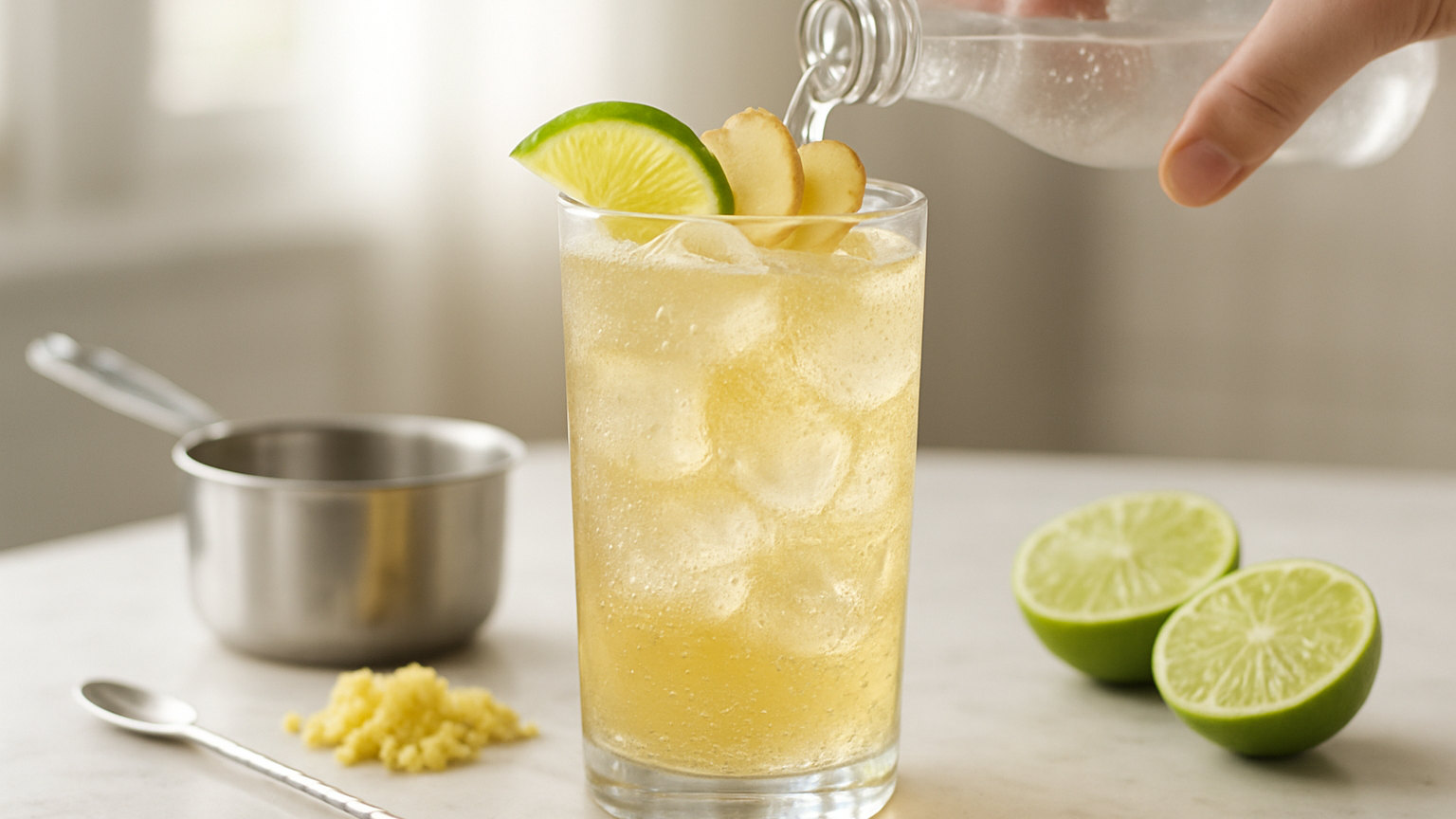
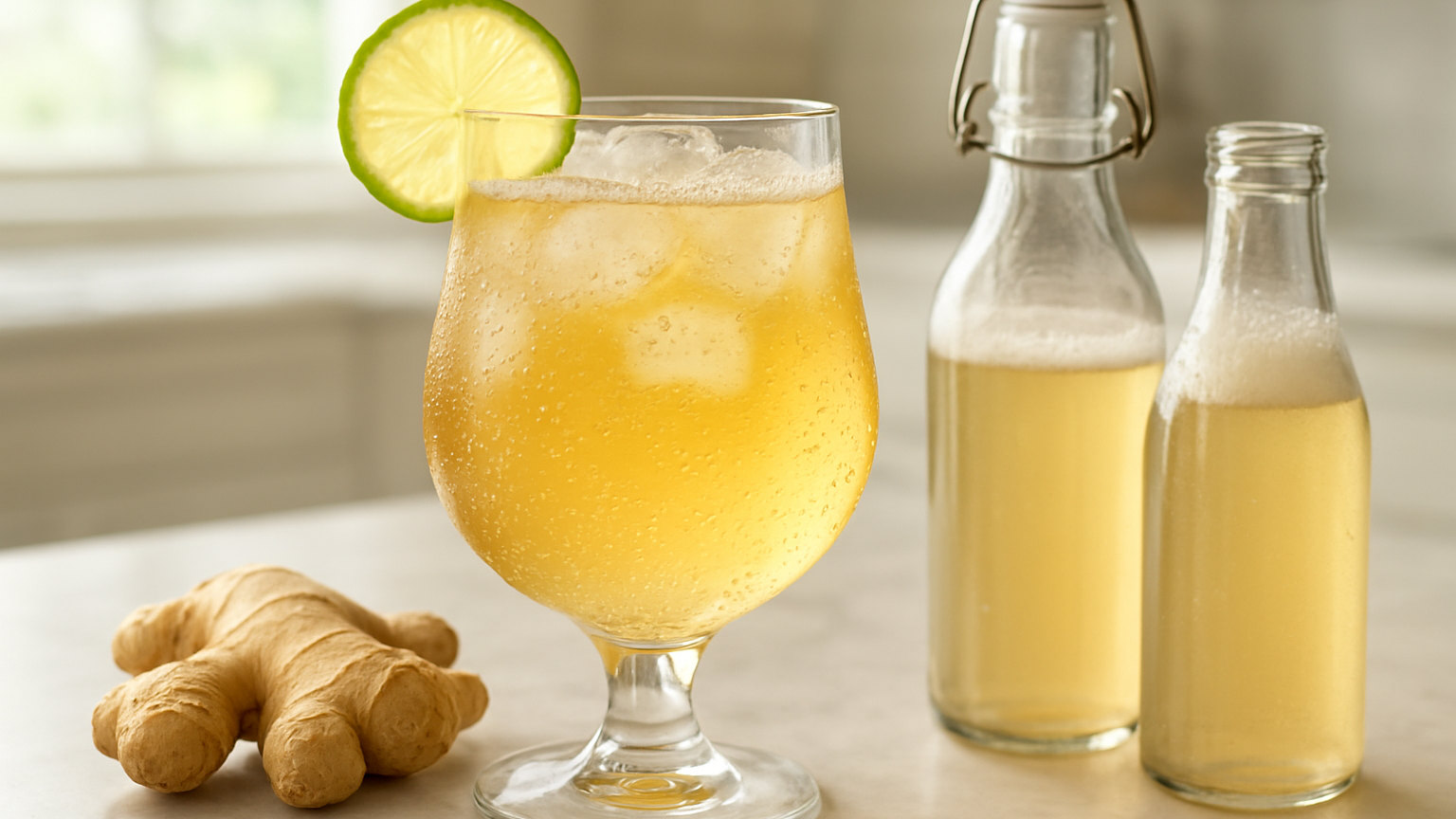
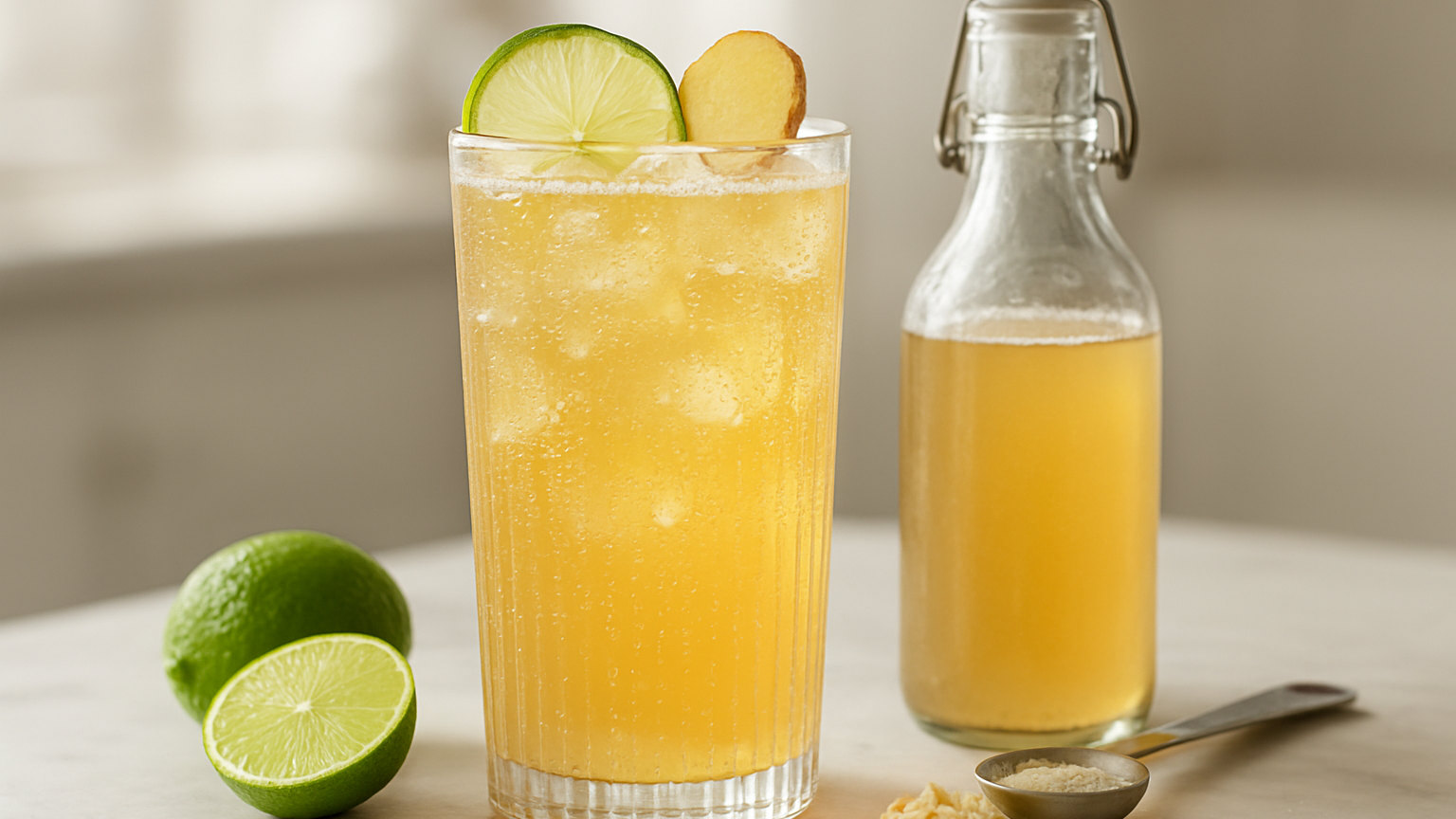
Fermented ginger beer always contains some alcohol. The syrup and soda method contains none and takes fifteen minutes.
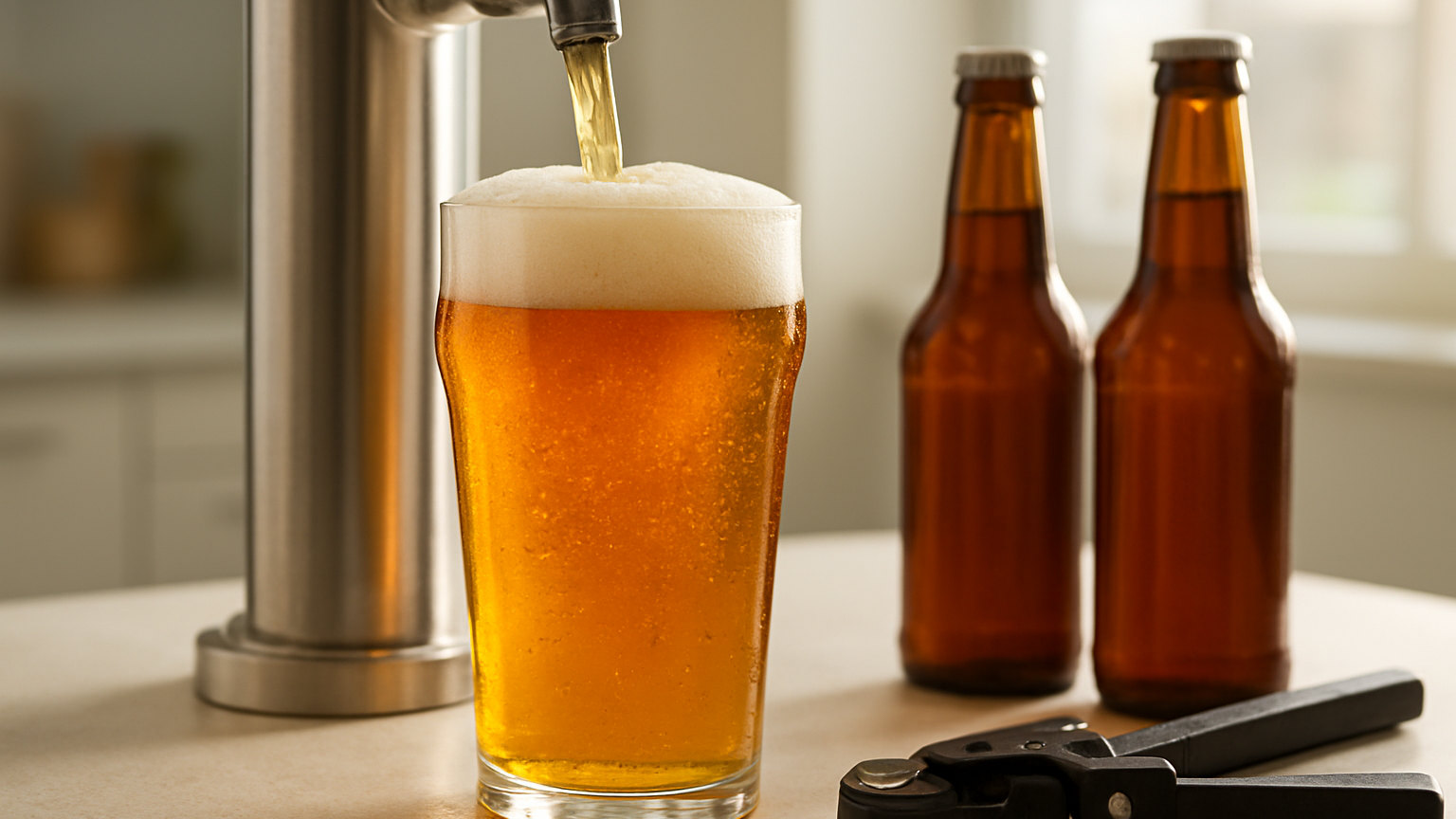
Bottling is cheap and slow. Kegging is quick and expensive. The right answer depends on how you actually drink beer.
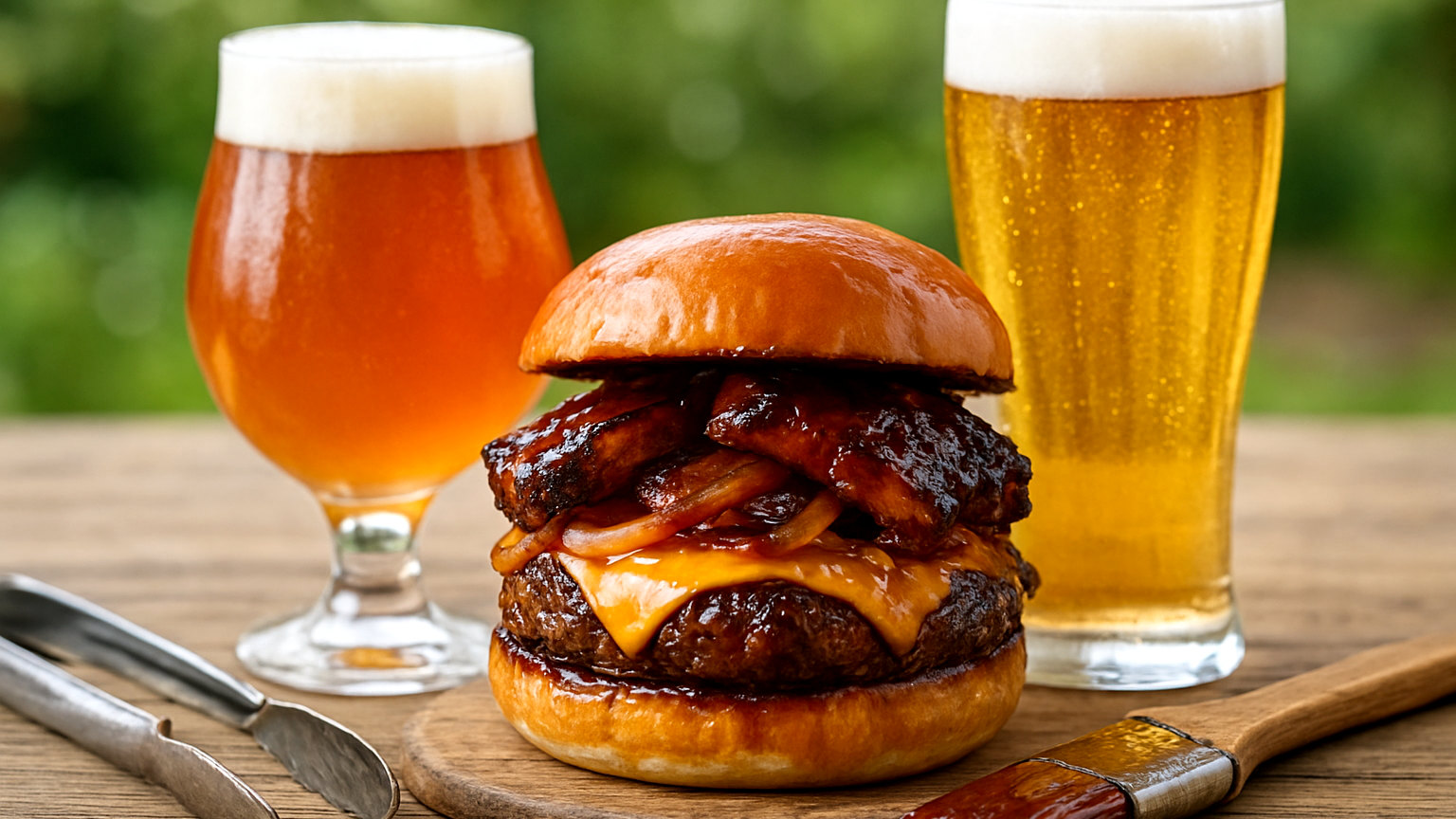
Barbecue is char, fat, salt and often sugar, which is a great deal for a beer to handle. Two styles do it better than the rest.
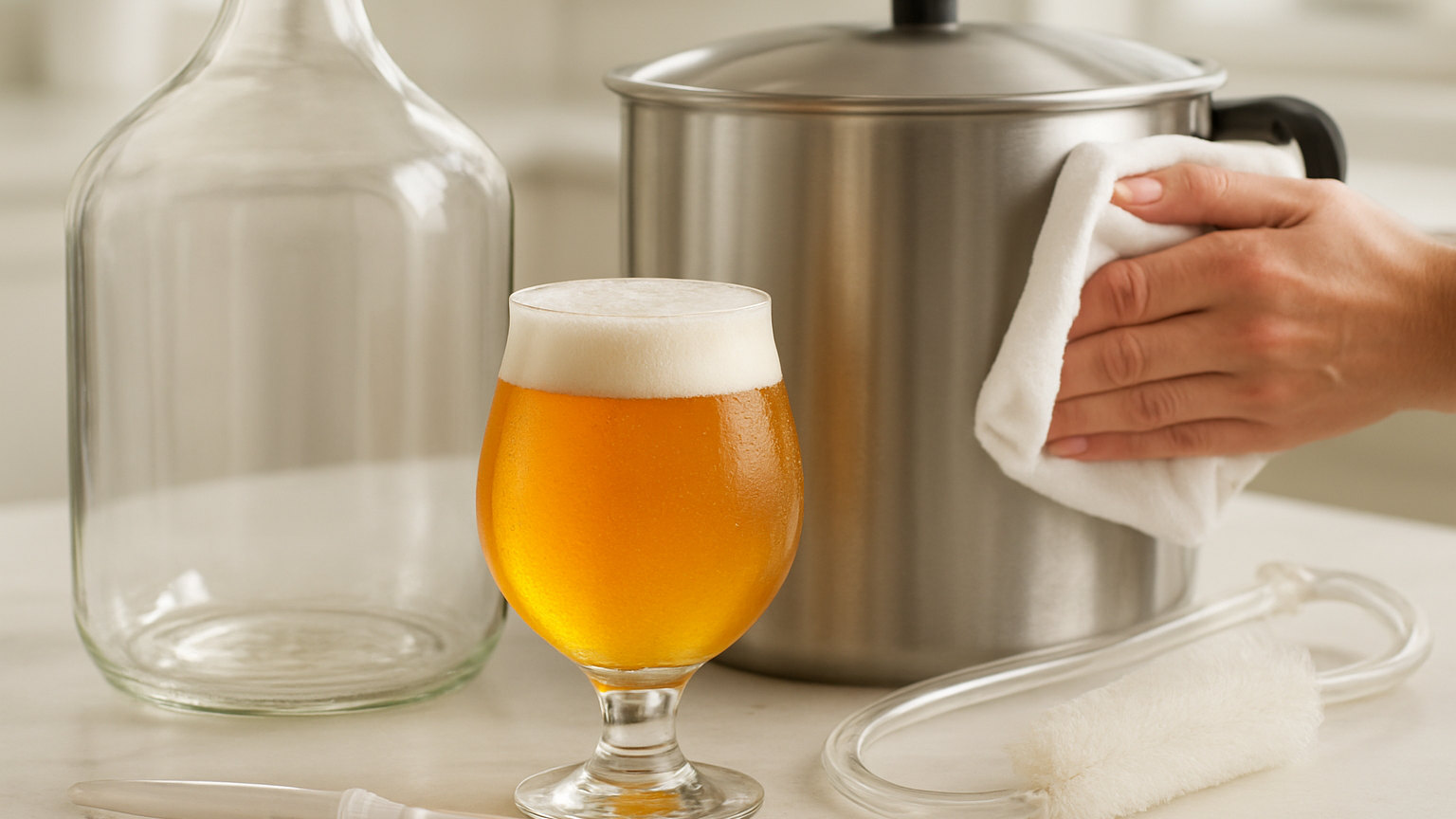
Cleaning immediately is the whole trick. Dried yeast and hop residue are genuinely difficult to remove and easy to prevent.
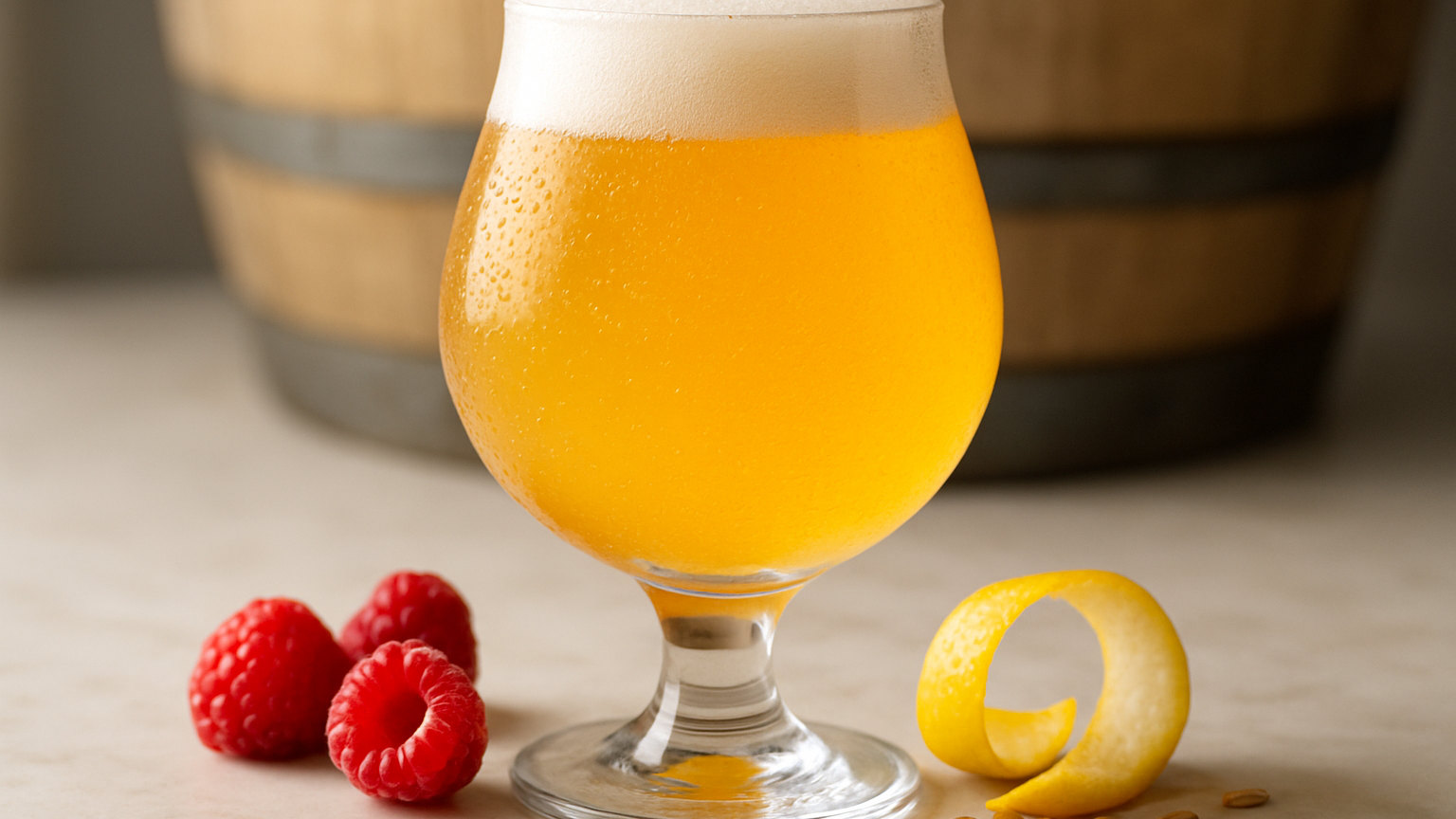
Sour beer is made by deliberately introducing bacteria that most brewing tries to eliminate. The results range from lightly tart to genuinely challenging.
Ginger beer bursts bottles more than any other home ferment. Every case comes from the same cause and all of them are preventable.
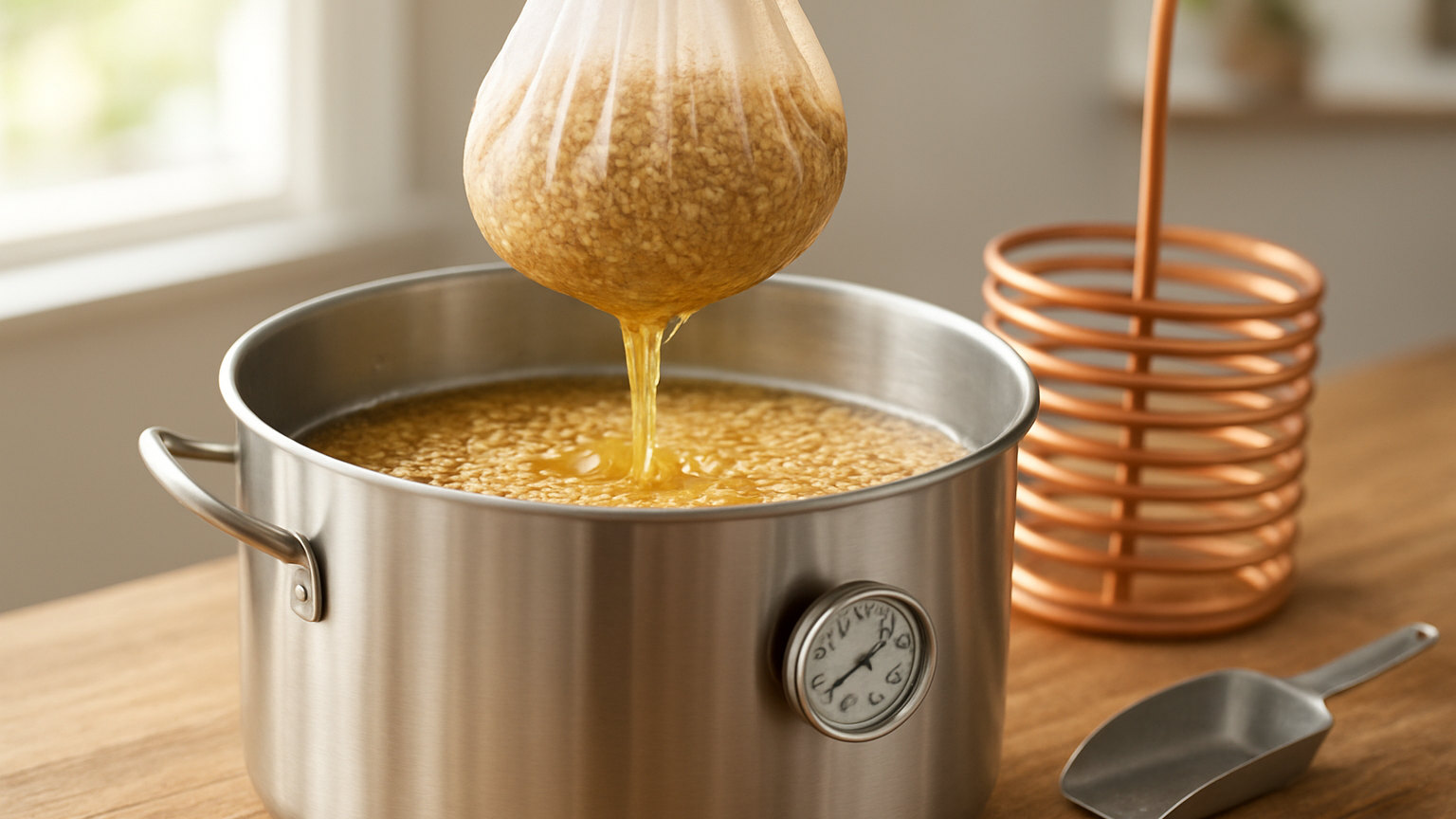
One vessel, one bag, no mash tun. It removes most of the equipment barrier to all grain brewing and has two genuine limitations.
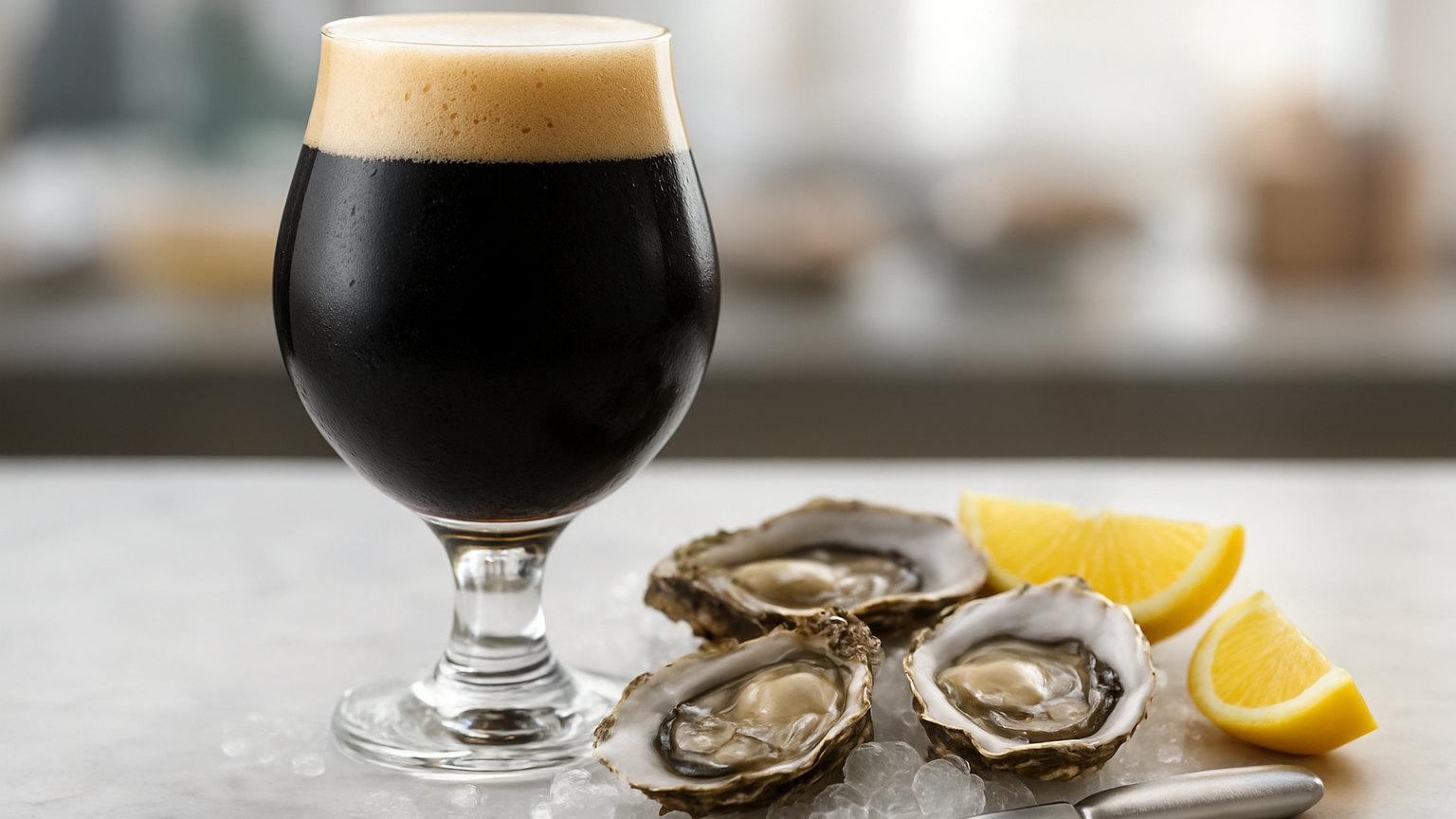
Fish is where most pairings fail through excess. The beer needs to be lighter than instinct suggests, with one famous exception.
Most first brew day errors are harmless and two of them will ruin the batch. Knowing which is which saves a lot of anxiety.
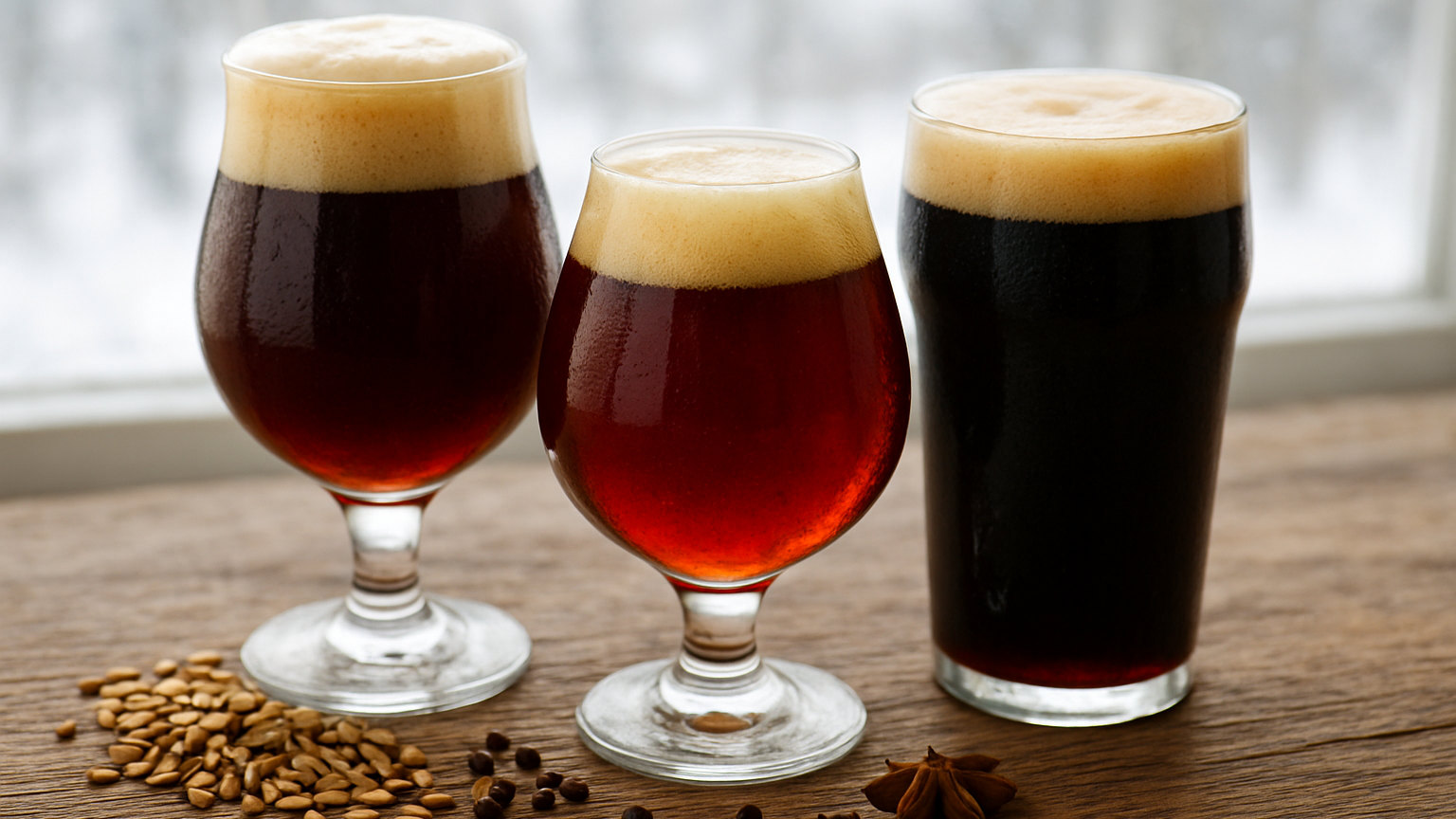
Cold weather rewards malt over hops and warmth over crispness. Several styles exist specifically for it and are only around for a few months.
Ginger beer is the fastest home ferment there is and the one most likely to burst a bottle. Both facts come from the same cause.
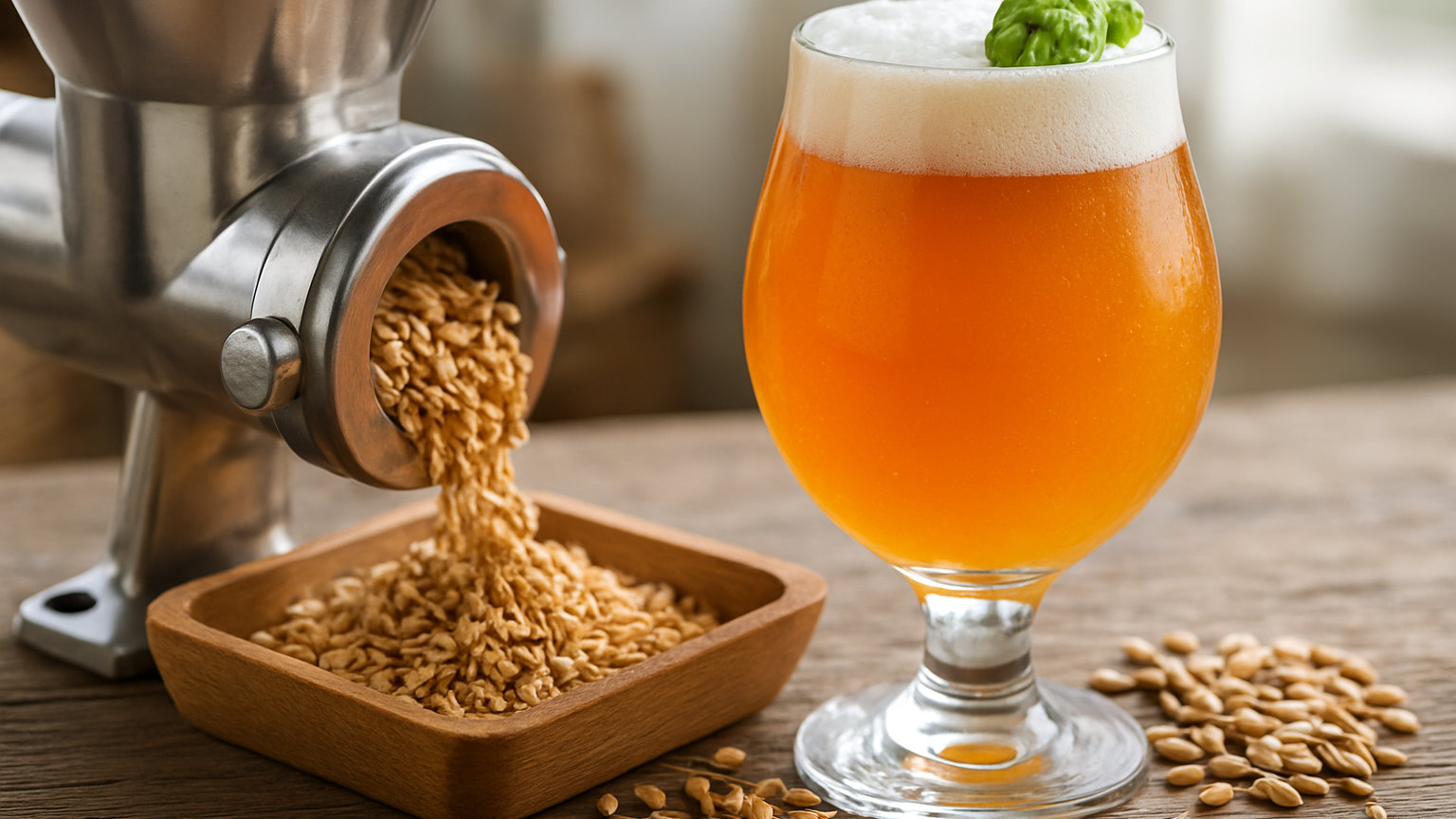
Pre-crushed grain works perfectly well for most brewers. A mill matters if you buy in bulk or your efficiency is inconsistent.
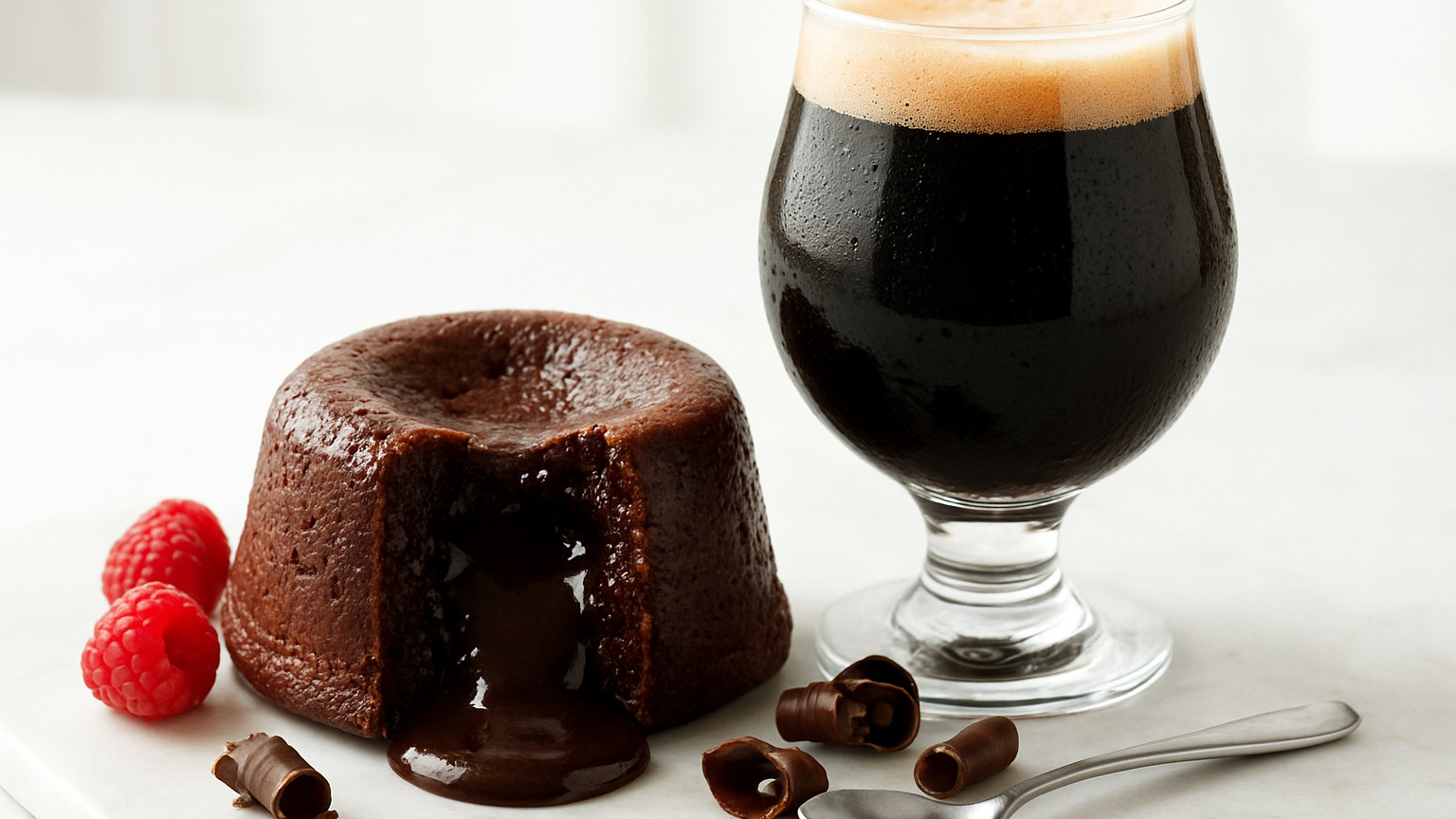
One rule governs every dessert pairing: the drink must be at least as sweet as the dish. Break it and the beer tastes thin and sour.