
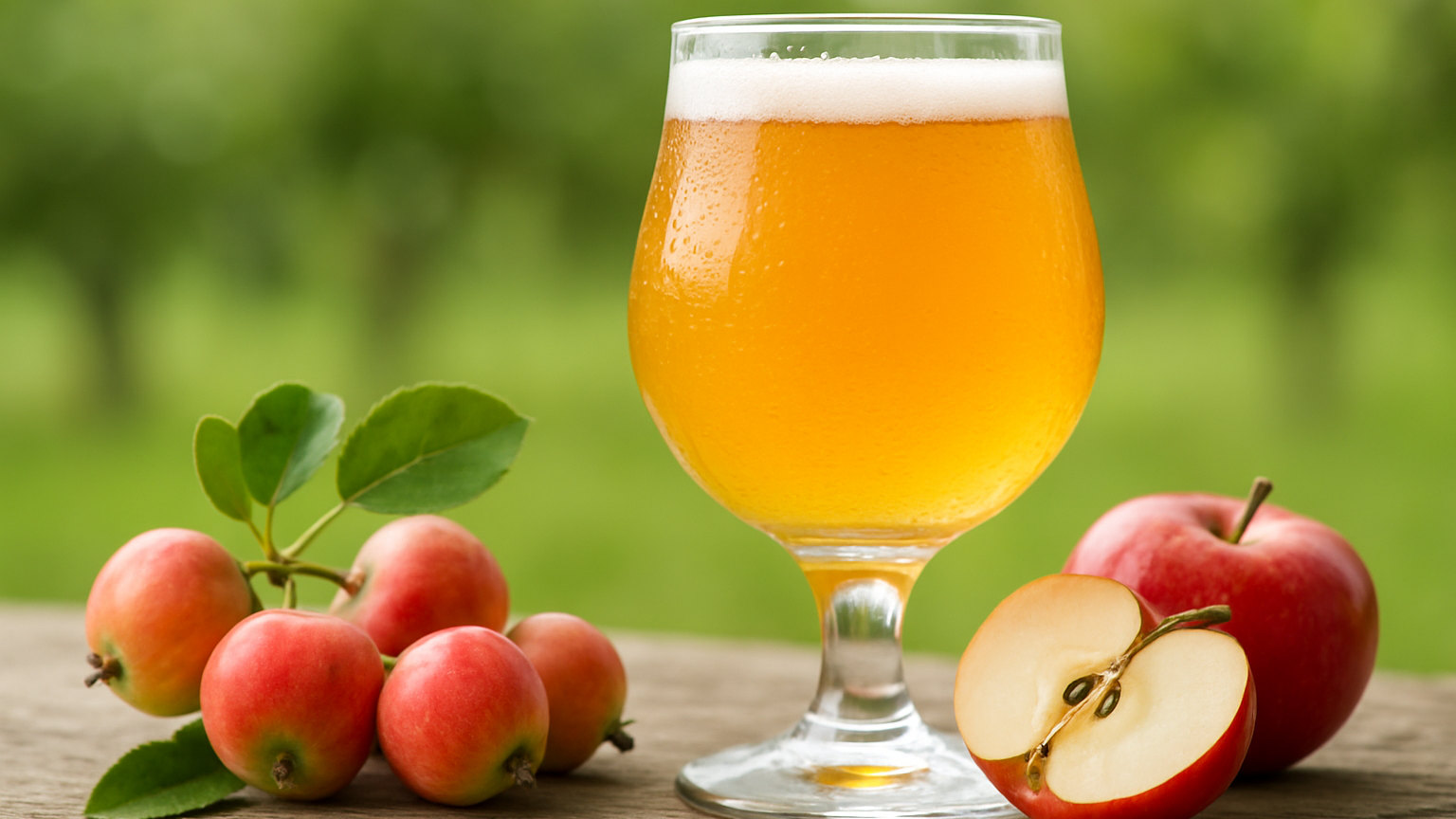
Cider made entirely from eating apples tastes thin and one-dimensional, and the missing ingredient is tannin. Traditional cider apples are bred for it, which is why they are almost inedible raw and why good cider tastes of considerably more than apples.
What are the four categories?
Cider apples are classified by two qualities, tannin and acid:
- Bittersweet. High tannin, low acid. Body and structure. Dabinett, Yarlington Mill.
- Bittersharp. High tannin, high acid. Kingston Black, Foxwhelp.
- Sweet. Low tannin, low acid. Sweet Coppin, Sweet Alford.
- Sharp. Low tannin, high acid. Cooking apples such as Bramley.
A traditional West Country cider is built mostly from bittersweets. A traditional eastern English cider uses more sharps and tastes brighter and more acidic.
What does tannin actually do?
It gives a drying, gripping sensation on the gums, much like strong tea or red wine. In cider it provides body, length and the impression of substance.
Without it a cider is simply acidic and alcoholic. That is why supermarket eating apples, bred for sweetness and crispness with tannin deliberately minimised, make poor cider on their own.
Can you add tannin?
Yes. Powdered grape tannin sold for winemaking works, at around half a teaspoon per gallon. A cup of strong cold black tea per gallon does much the same job and costs nothing.
Neither replicates a proper bittersweet apple, and both improve a cider made from dessert fruit considerably.
What blend should you aim for?
A common working guide for a balanced cider from mixed fruit:
- 60 to 70 per cent bittersweet or sweet apples for body and sugar.
- 20 to 30 per cent sharp apples for acidity.
- 10 per cent bittersharp or crab apples for tannin.
Working only with garden and supermarket fruit, roughly three parts dessert apples to one part cooking apples, plus tea or tannin powder, gets close.
Are crab apples useful?
Very. They are high in both tannin and acid, and a handful in a batch adds structure that dessert apples cannot. They are also common in hedgerows and gardens and usually free.
Use them as a proportion rather than a base, since a cider made entirely from crab apples is punishingly astringent.
Does windfall fruit work?
Yes, and it is traditional. Apples for cider are often left to mature on the ground for a week or two after picking, which softens them and raises the sugar.
Discard anything with mould, brown rot or visible fungal growth. One badly rotten apple introduces flavours that persist through fermentation and no amount of ageing removes them. Bruising is fine; rot is not.
How much fruit do you need?
Roughly 7 to 9kg of apples per gallon of juice, depending on the variety and how efficiently you press. That is a substantial quantity, which is why most people making a single gallon start from bought juice instead.
Does the variety need to be a single one?
Rarely. Single variety ciders exist and are prized, and most traditional cider is blended precisely because no one apple provides sugar, acid and tannin in the right proportions.
Blending also smooths out the variation between seasons and between trees, which is why cider makers keep several varieties rather than planting one.
When should you pick?
When the fruit falls readily and the pips have turned brown, which is later than for eating apples. Cider apples are picked ripe or slightly over-ripe rather than crisp.
Many makers then leave the fruit in heaps for a week or two to mature further, which raises the sugar and softens the flesh so it presses more readily. Watch it closely, since the window between mature and rotten is short.
What about supermarket apples?
They make a perfectly drinkable cider that will be thin without help. A mix of three parts dessert apples to one part Bramley, plus strong tea for tannin, produces something genuinely good.
Bramleys are worth including specifically. They are a sharp variety with high acidity, which is one of the three qualities dessert fruit lacks.


