
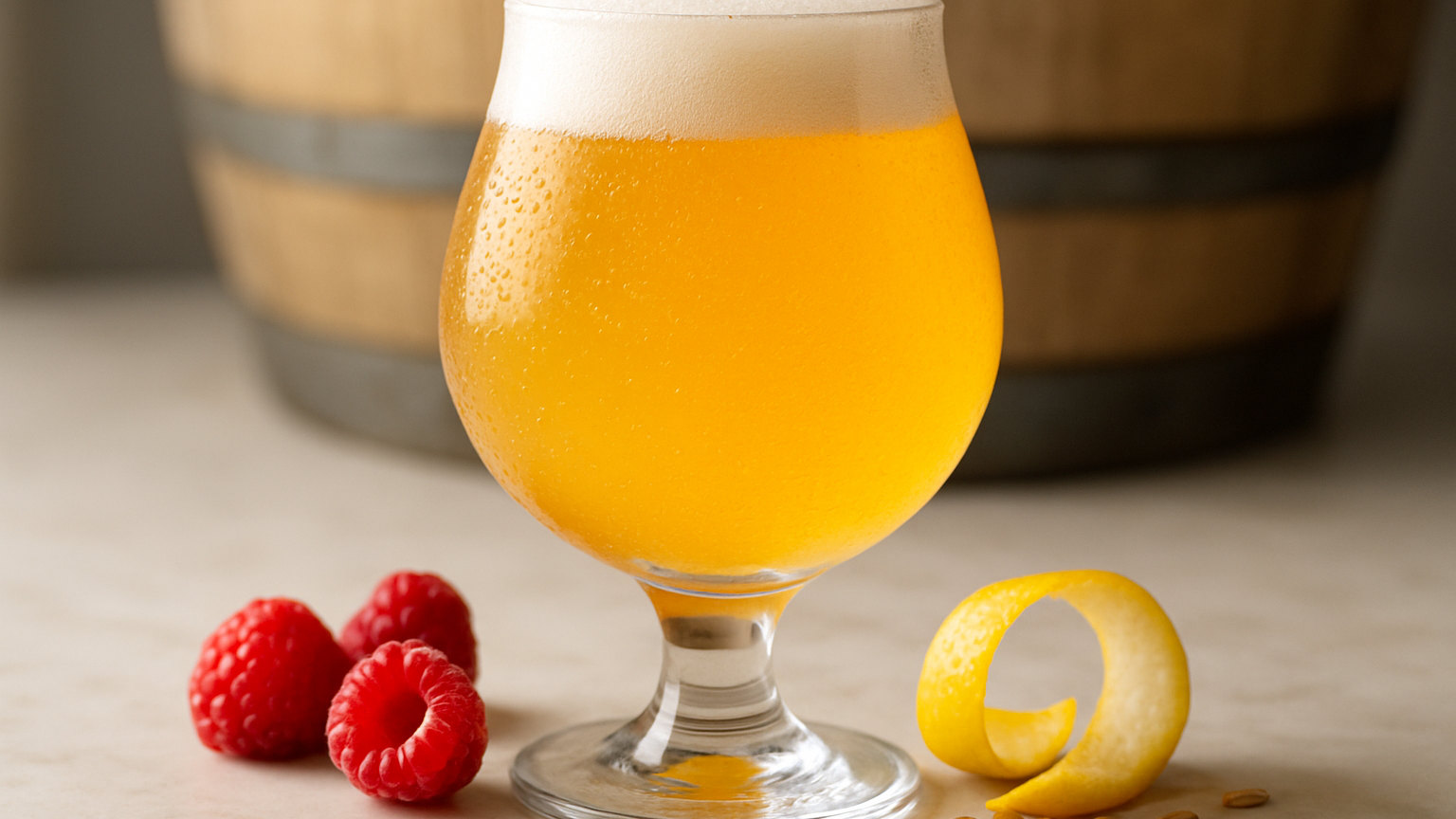
Every other beer style is defined partly by keeping bacteria out. Sour beer is made by deliberately letting particular organisms in, under controlled conditions, and the results range from a mildly tart refresher to something that tastes closer to cider or wine than to beer.
What makes it sour?
Organisms that produce acid rather than only alcohol:
- Lactobacillus. Produces lactic acid. Clean, sharp sourness, like yoghurt.
- Pediococcus. Also lactic, slower, and produces more complex flavours.
- Acetobacter. Produces acetic acid, so vinegar. Usually unwanted in quantity.
- Brettanomyces. A wild yeast rather than a bacterium. Not sour itself, but produces the earthy, farmyard character often called funk.
What is kettle souring?
The fast modern method. The wort is soured with lactobacillus for one to three days before the boil, then boiled to kill the bacteria, then fermented normally with brewing yeast.
It produces a clean, bright, controllable sourness in a few weeks. Most fruited sours and Berliner weisse-style beers on the market are made this way, and it is the only approach that is practical at home without dedicated equipment.
Why boil afterwards?
To stop the souring at the level you want and to kill the bacteria before they get anywhere near the rest of the brewery. Lactobacillus loose in a normal brewery is a serious problem, which is why many breweries will not make sours at all.
What is barrel-aged or mixed fermentation?
The traditional method. Beer is fermented with a mixed culture of yeast and bacteria, then aged in wood for one to three years while the organisms slowly work through sugars the brewing yeast could not.
The result is far more complex and far less predictable. Flanders red, oud bruin and the Belgian lambic family all work this way.
What is lambic?
The most extreme version, fermented spontaneously with whatever wild organisms settle out of the air in a shallow open vessel overnight. No yeast is pitched at all.
It ages one to three years in barrel. Gueuze is a blend of young and old lambics, refermented in the bottle, which gives a dry, intensely sour, sparkling beer. Kriek and framboise are lambics aged on cherries or raspberries.
Which should you try first?
- Fruited kettle sour. Bright and approachable. The easiest entry point.
- Berliner weisse. Around 3 per cent, lightly tart, traditionally served with syrup.
- Gose. Salted and coriander-spiced, tart and savoury.
- Flanders red. Vinous and complex. A step up.
- Gueuze. Intensely sour and funky. Rewarding and demanding.
Work in that order. Starting at gueuze is how people conclude sour beer is not for them.
Is it safe?
Yes. The organisms involved are food-safe fermentation cultures of the kind used in yoghurt, sourdough and cheese, and beer is a hostile environment for pathogens owing to the alcohol, hops and low pH.
Sour beer is genuinely acidic, so anyone with reflux or dental sensitivity may find it uncomfortable, which is a personal consideration rather than a safety one.
Can you make one at home?
Kettle souring, yes. Souring the wort before the boil then boiling to kill the bacteria keeps everything contained, and the equipment is what you already have.
Mixed fermentation and barrel ageing need dedicated equipment that never touches a normal batch, since lactobacillus and brettanomyces in plastic or tubing will infect everything afterwards. Keep a separate set or do not start.
Why are they often expensive?
Time and space. A barrel-aged sour occupies a barrel for one to three years, which is capital sitting idle, and blending several vintages requires holding stock. Kettle sours are quick and cheap, which is why most of the market is now made that way.
How should you serve one?
Cool rather than cold, around 8 to 10 degrees, in a stemmed glass. Very cold flattens the fruit and leaves only the acidity, which makes an approachable sour taste harsher than it is.
They also pair unusually well with food, since the acidity does the job wine acidity normally would against rich or fatty dishes.


