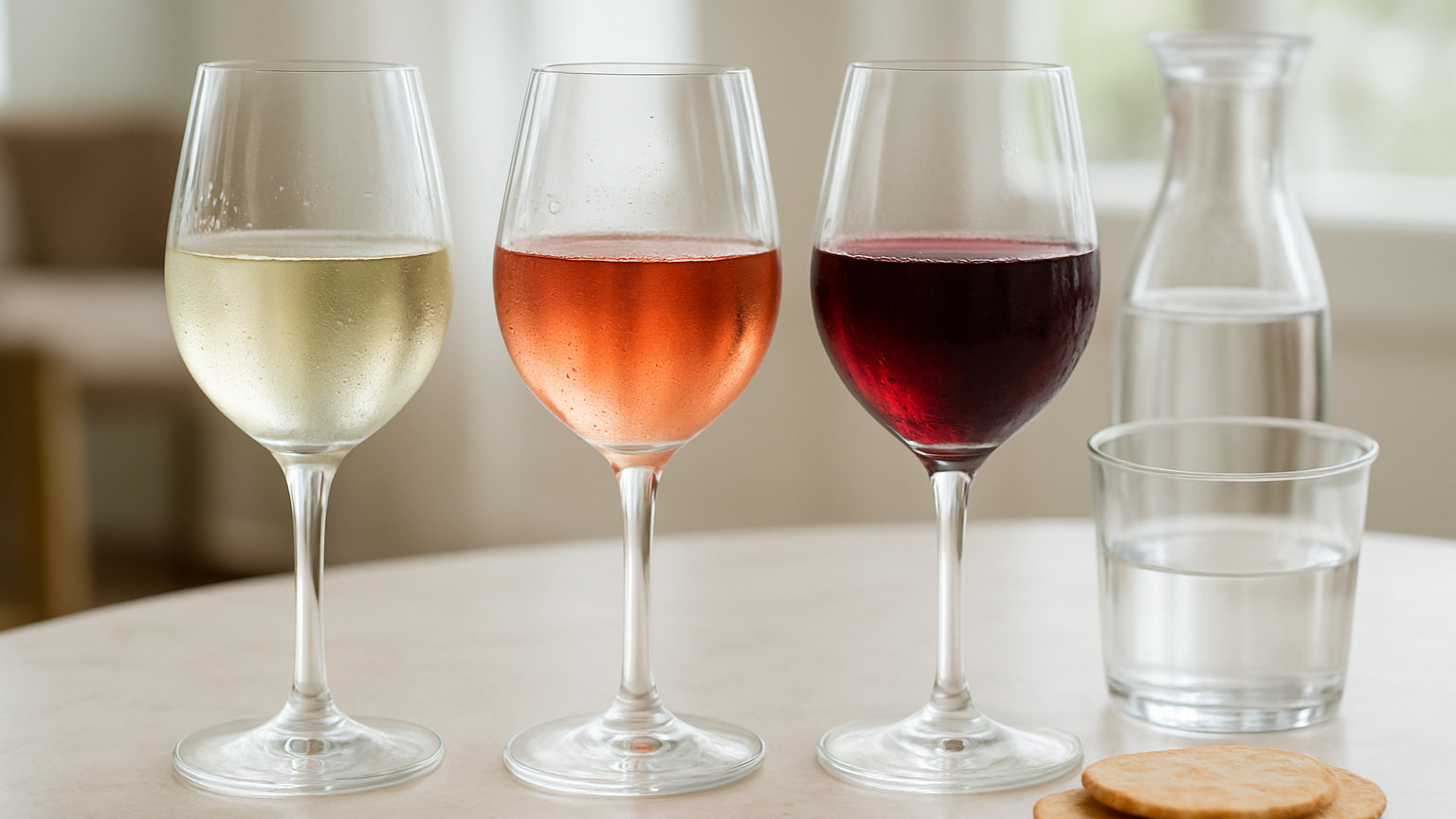
What Does the Colour of Wine Tell You?
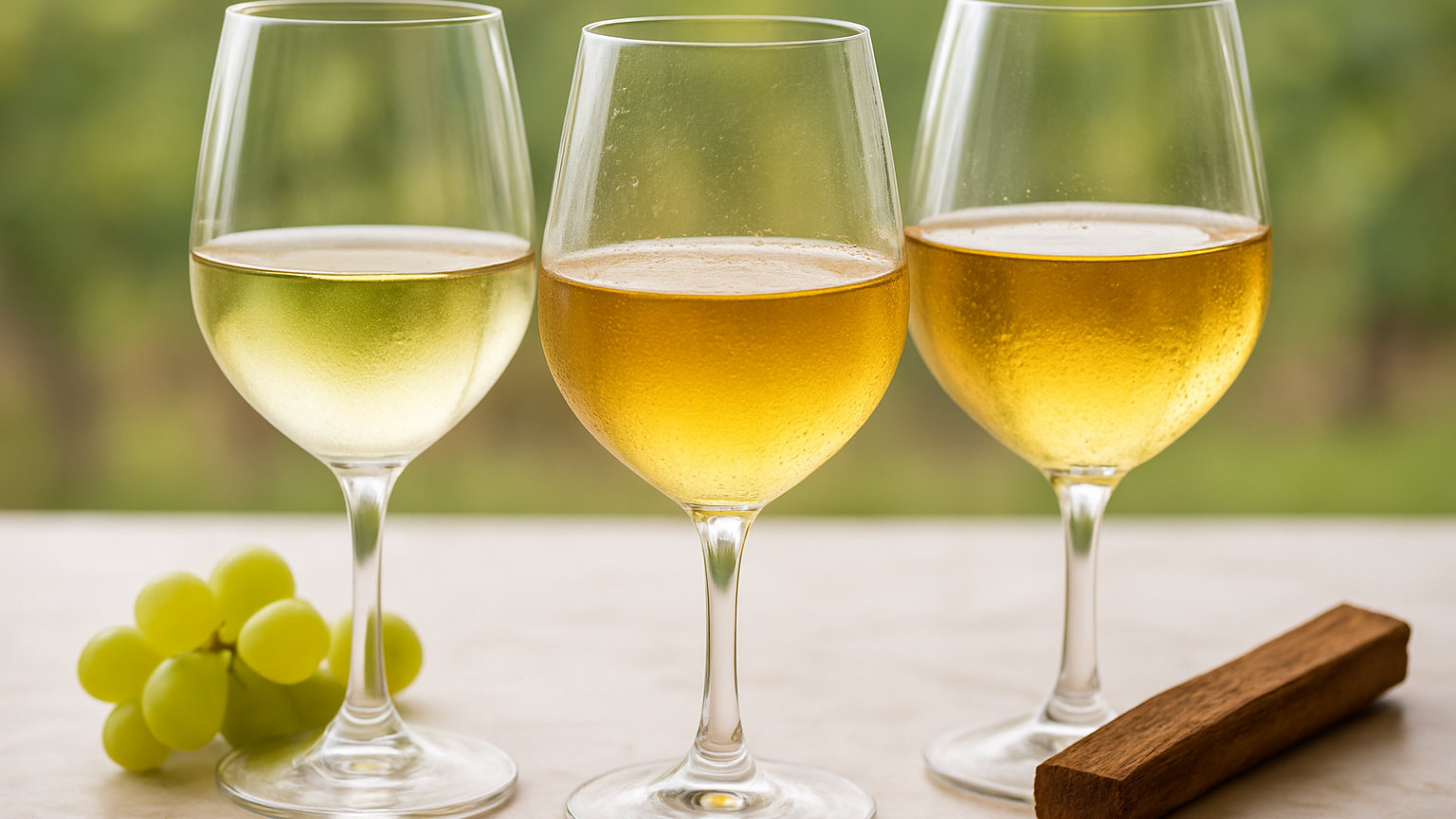
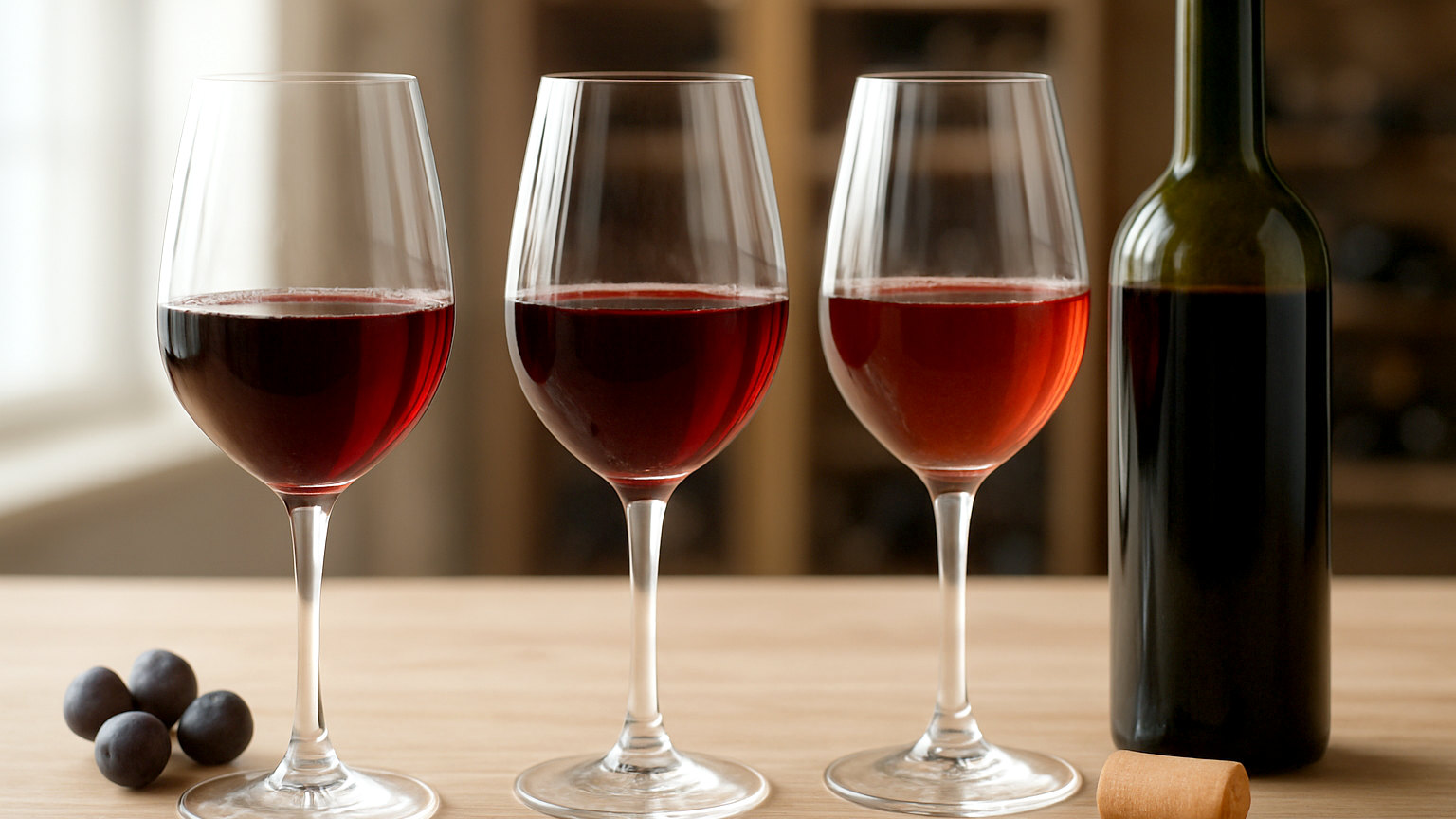
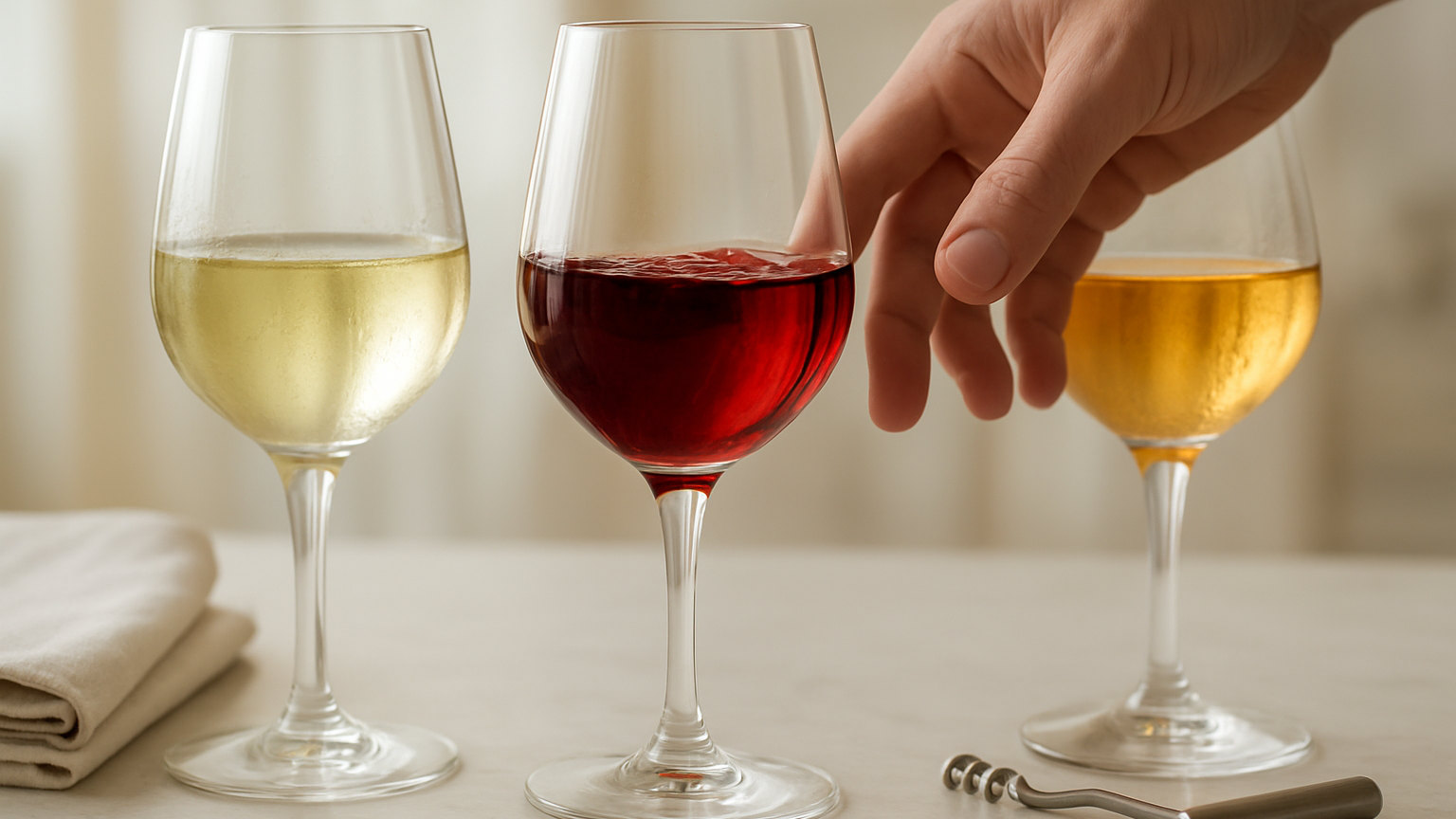
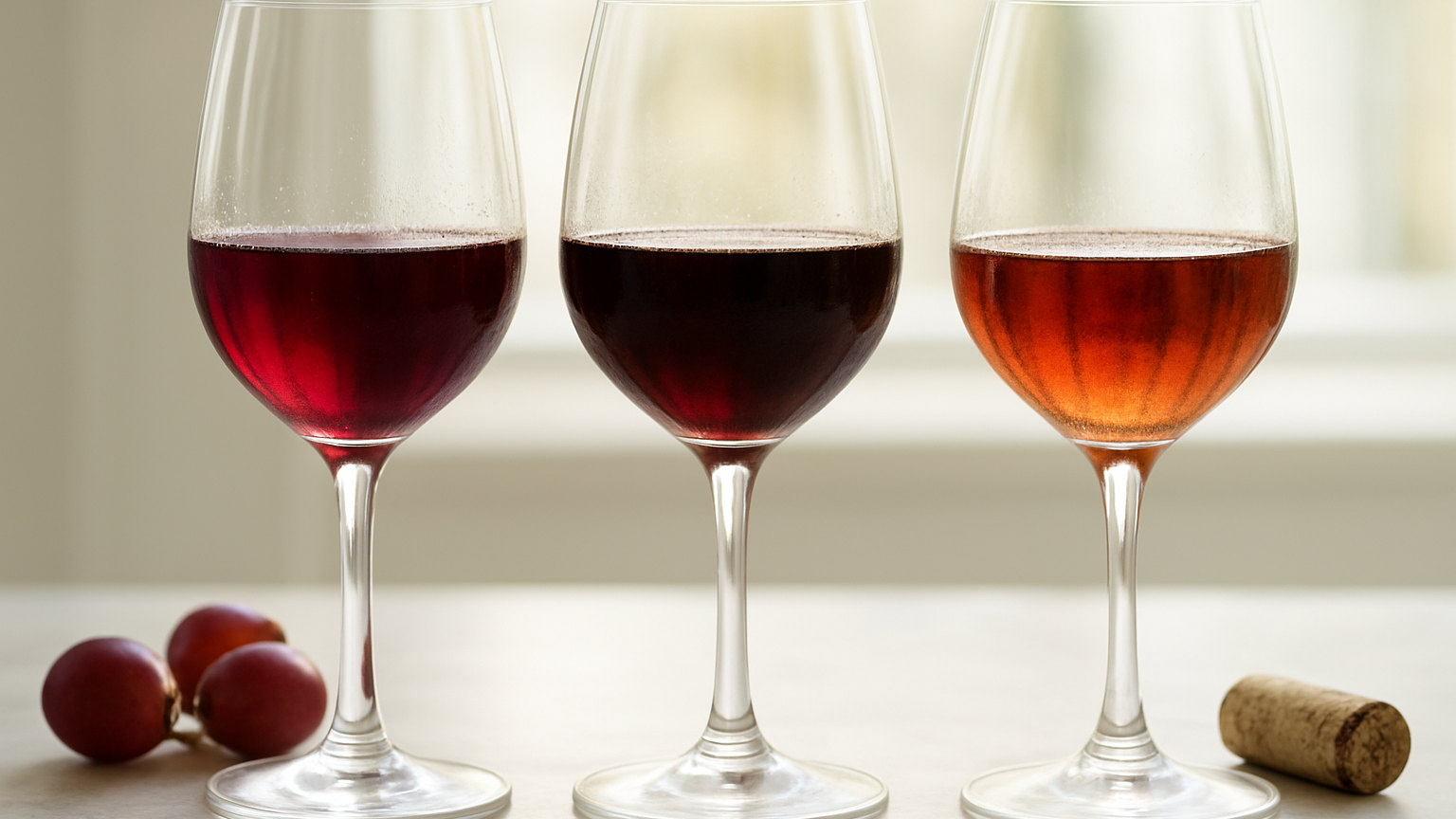
Colour is the first thing you see and the least reliable thing you assess. It does indicate age fairly well.
By Drink Recipes Team
16 Sep 2025

Wine is written about badly more often than any other drink, in a vocabulary that tells you what someone else tasted rather than what to buy. These guides do the practical part: what the main styles actually taste like, what goes with what at the table, and how long a bottle really lasts once opened. Country wine made from garden and hedgerow fruit sits in the same section, given for one gallon throughout because that is the batch size almost everyone actually makes. The cocktails - sangria, spritz, mulled wine - are here too, with measures rather than handfuls.
Colour is the first thing you see and the least reliable thing you assess. It does indicate age fairly well.
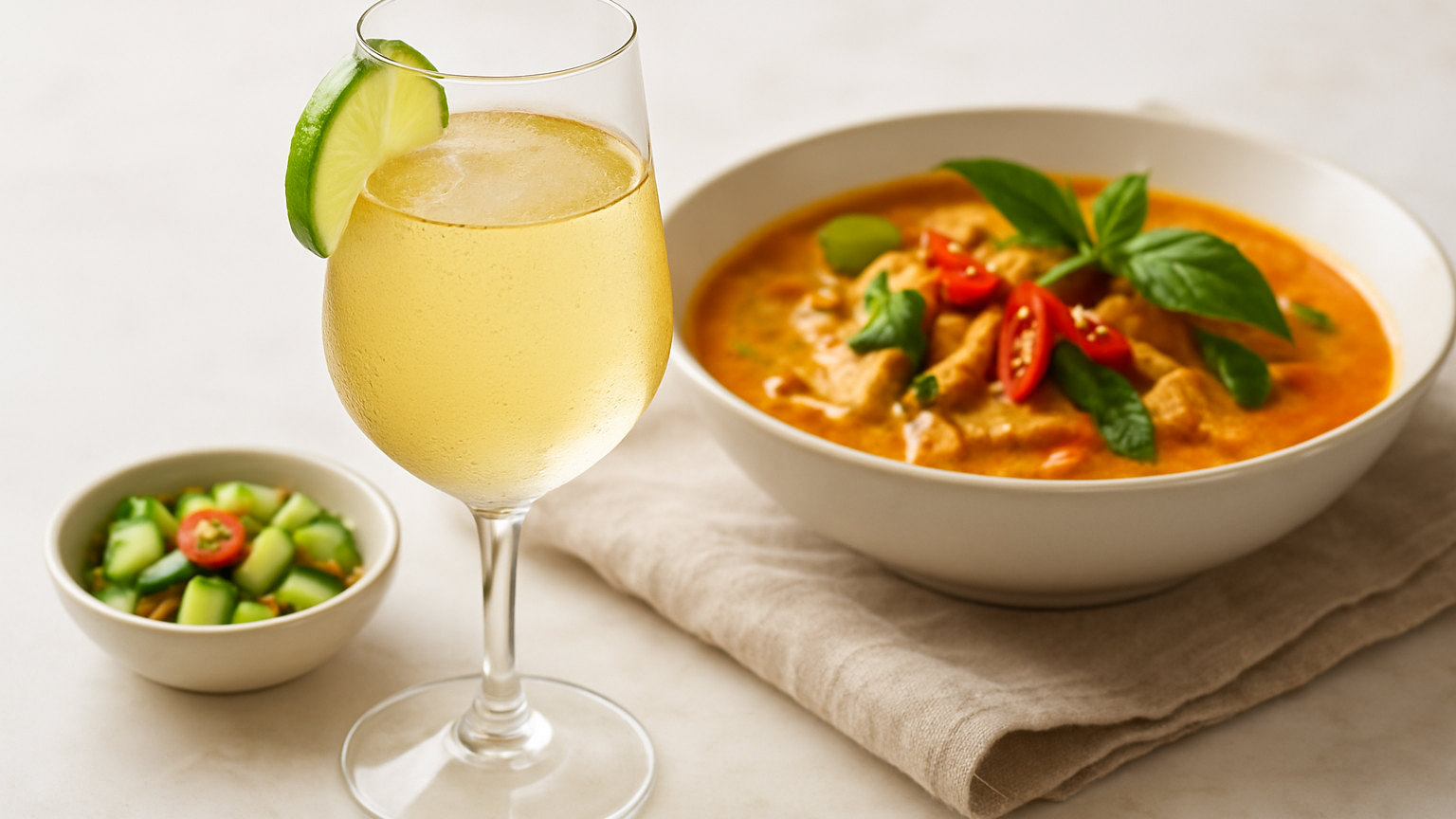
Alcohol amplifies chilli heat and tannin makes it worse. That rules out most of what people reach for.
Chardonnay tastes of wherever it was grown and however it was made, more than of itself. That is the whole point of it.
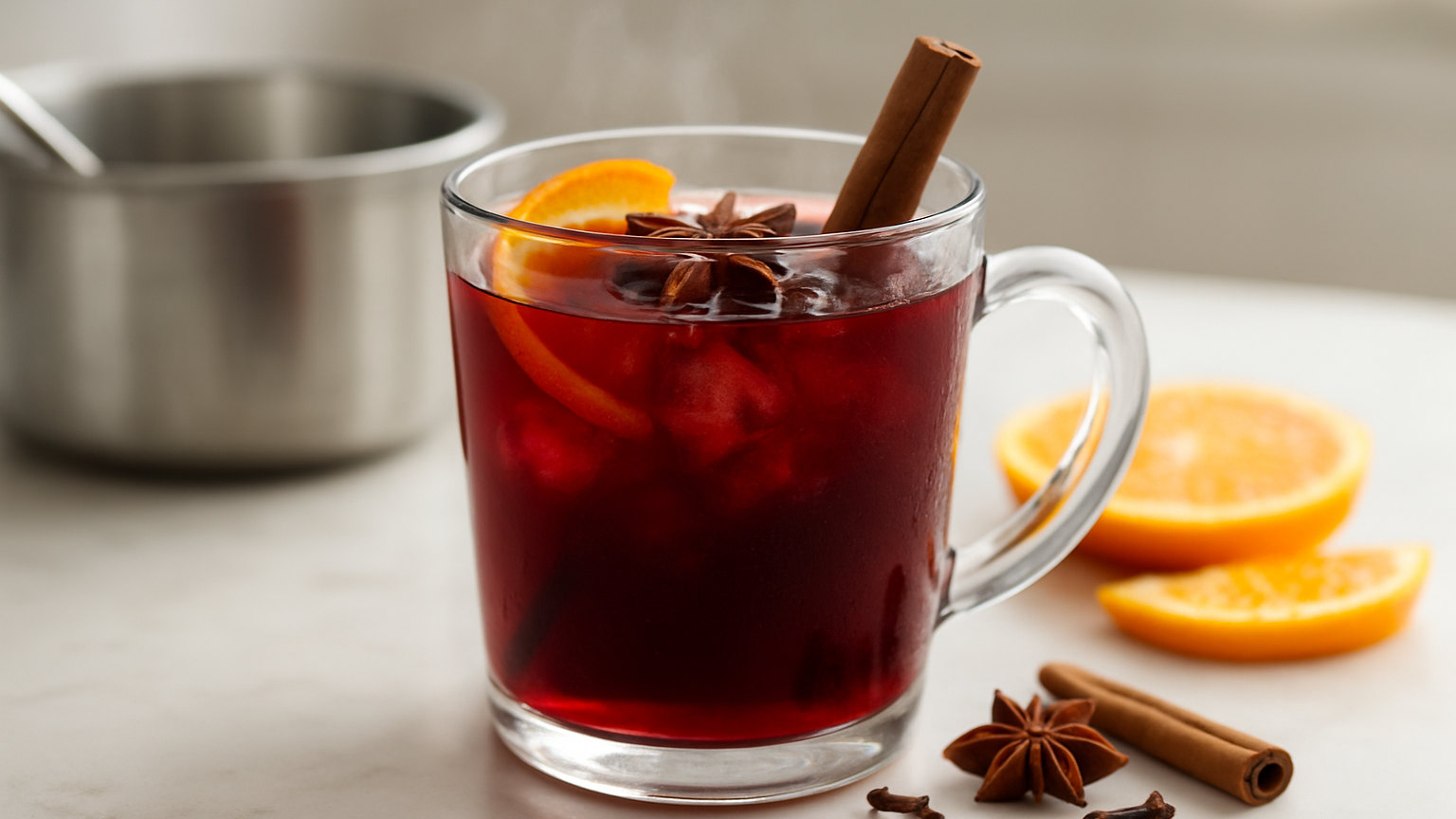
The one rule that matters is not to boil it. Everything else about mulled wine is preference and cheap to get right.
Every wine has a curve: improving, plateau, decline. The plateau is longer than people think and the decline is final.
A home tasting needs fewer wines and smaller pours than people plan for. Palate fatigue arrives before the bottles run out.
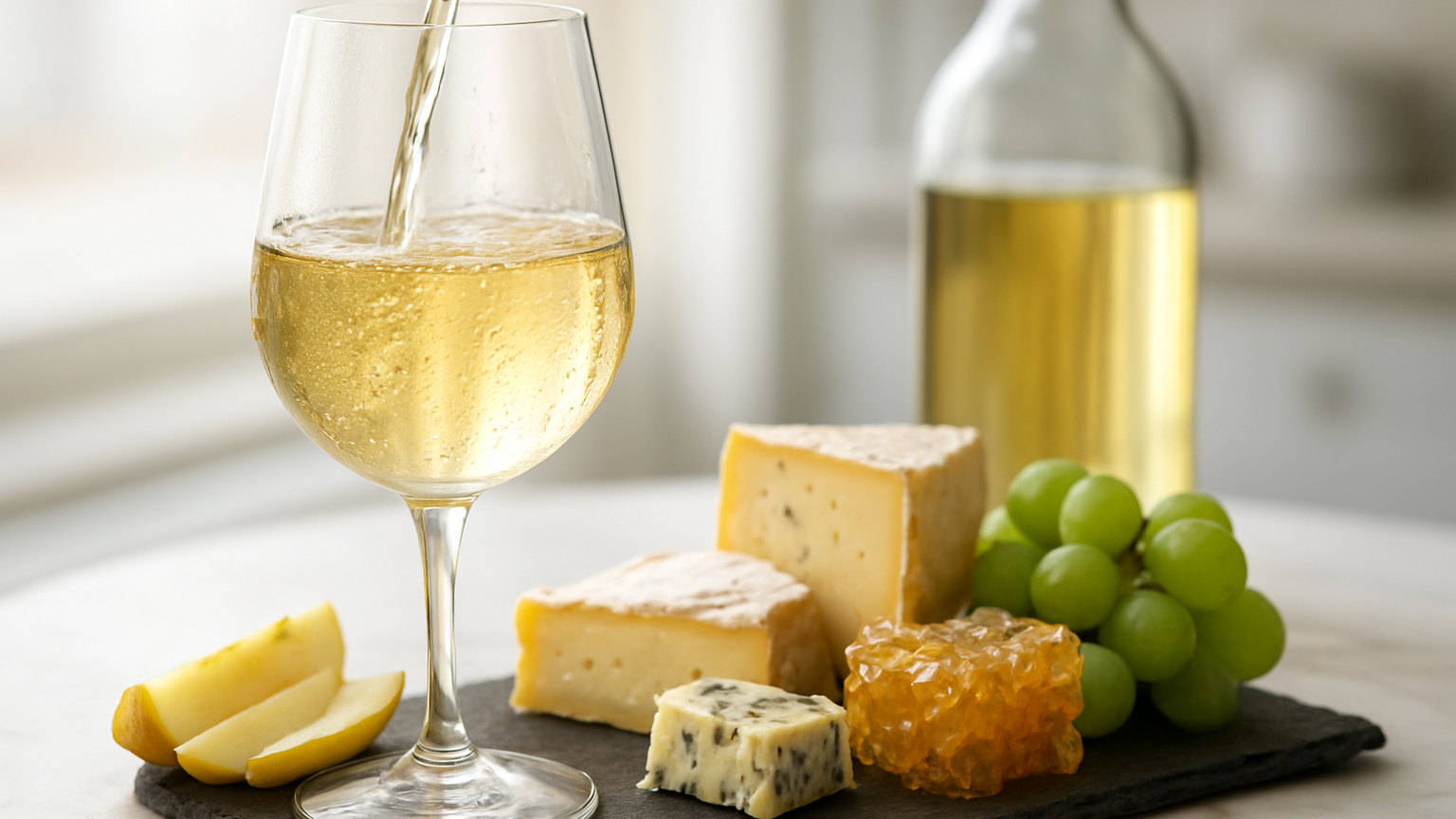
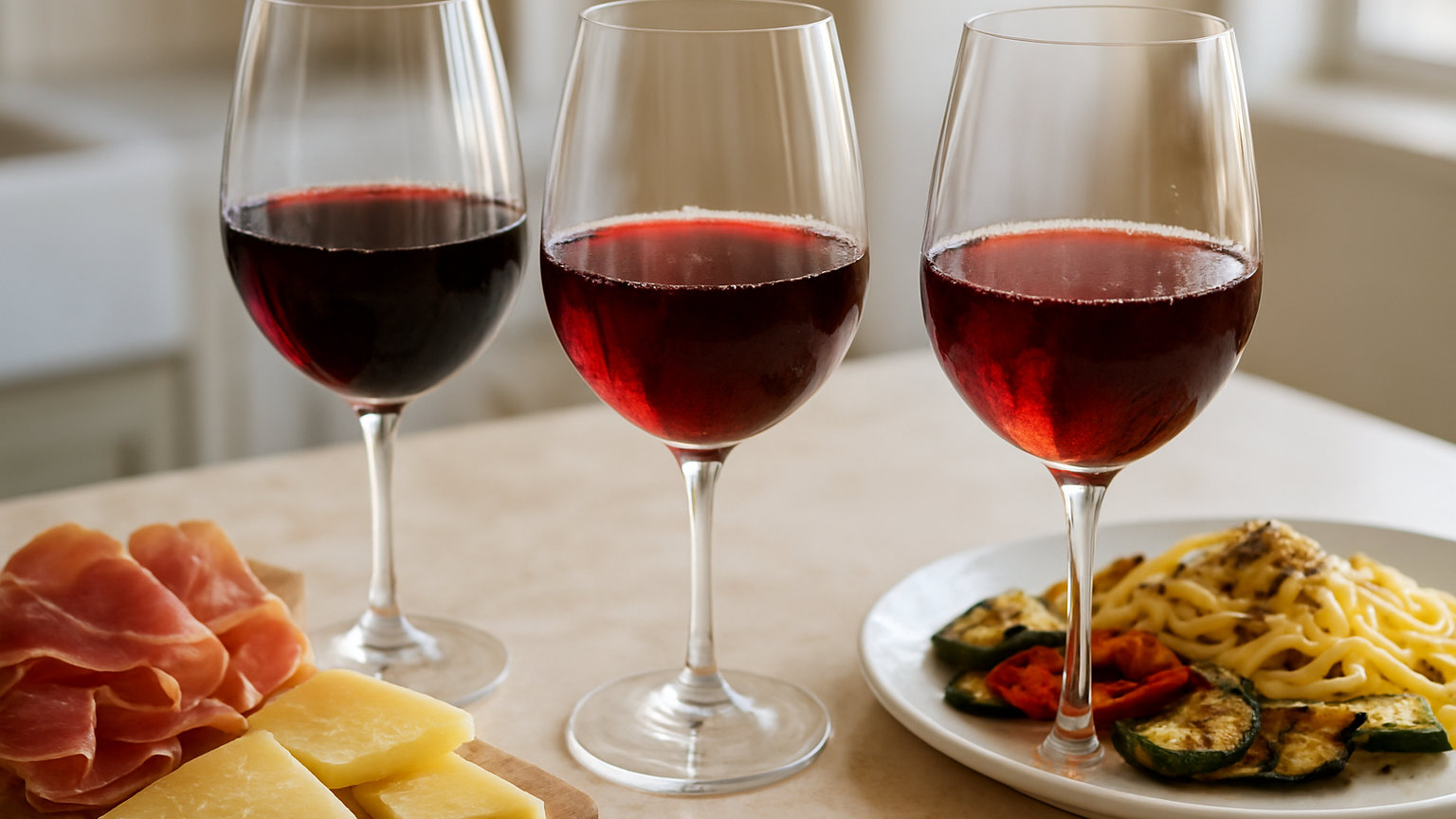
Red wine with cheese is a convention rather than a good match. White wine wins more often than the tradition admits.
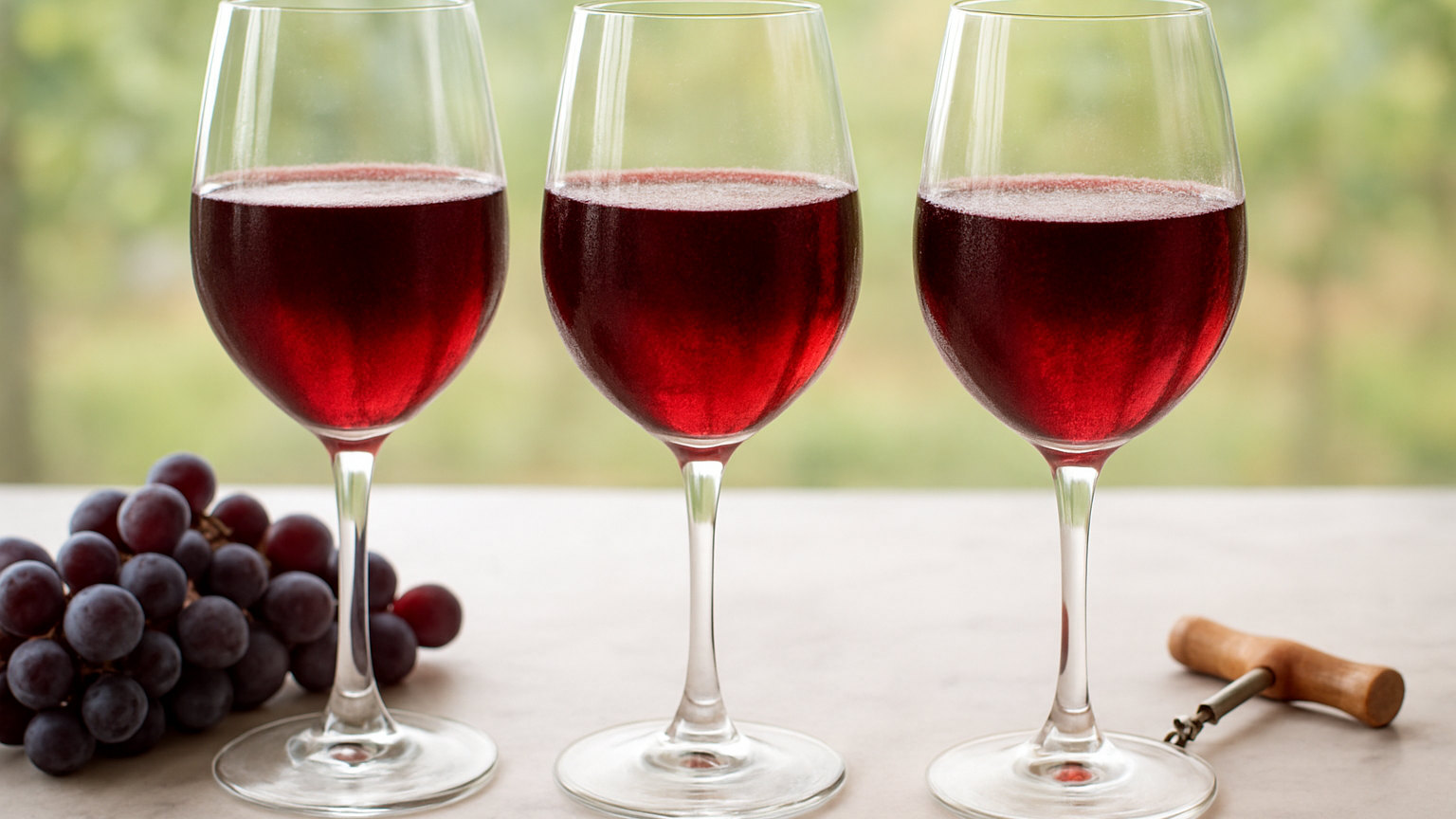
Three warm-climate reds that share generous fruit and high alcohol, and each has a second name worth knowing.
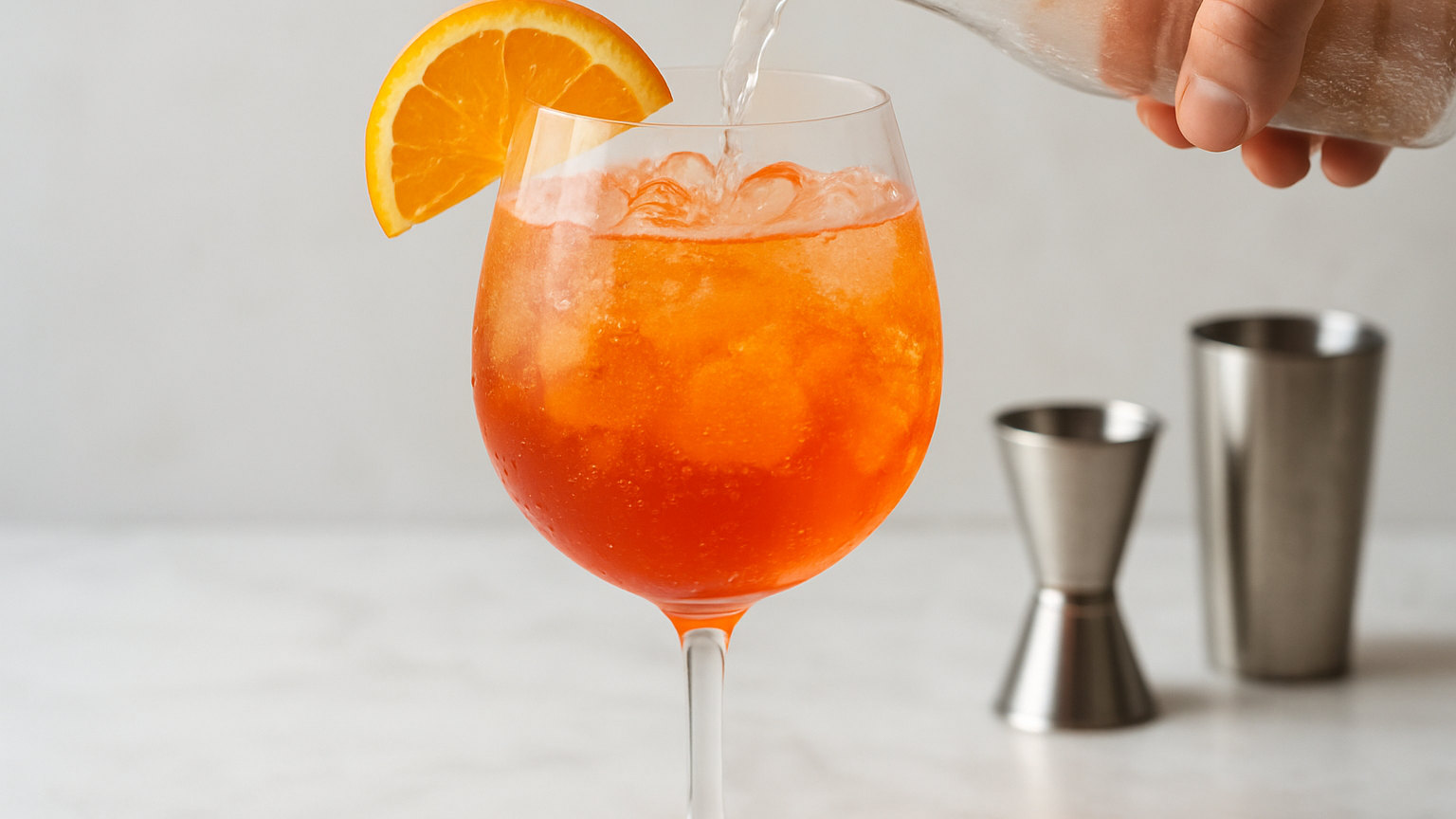
Three parts wine, two parts bitter, one part soda. The ratio is easy and the order of assembly is what people get wrong.
Screwcaps are not a sign of cheap wine. The choice is a technical trade with real arguments on both sides.
Knowing what you are drinking changes what you taste. Blind tasting removes that, and the results are frequently humbling.
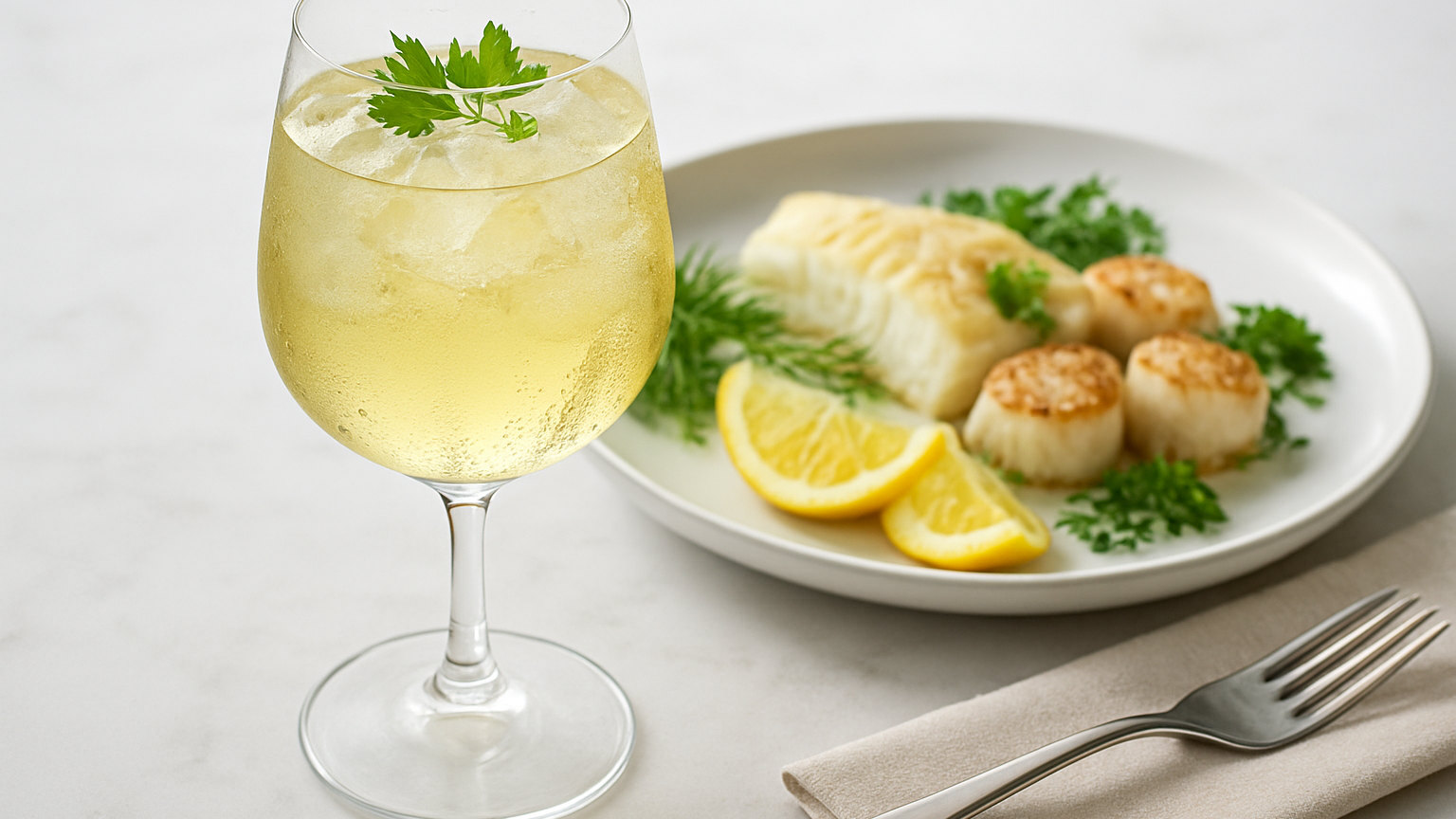
Fish is where the colour rule mostly holds, and the reason is a genuine chemical clash rather than tradition.
Three grapes behind most of the best-known reds of Spain and Italy, and all three are built around food rather than fruit.
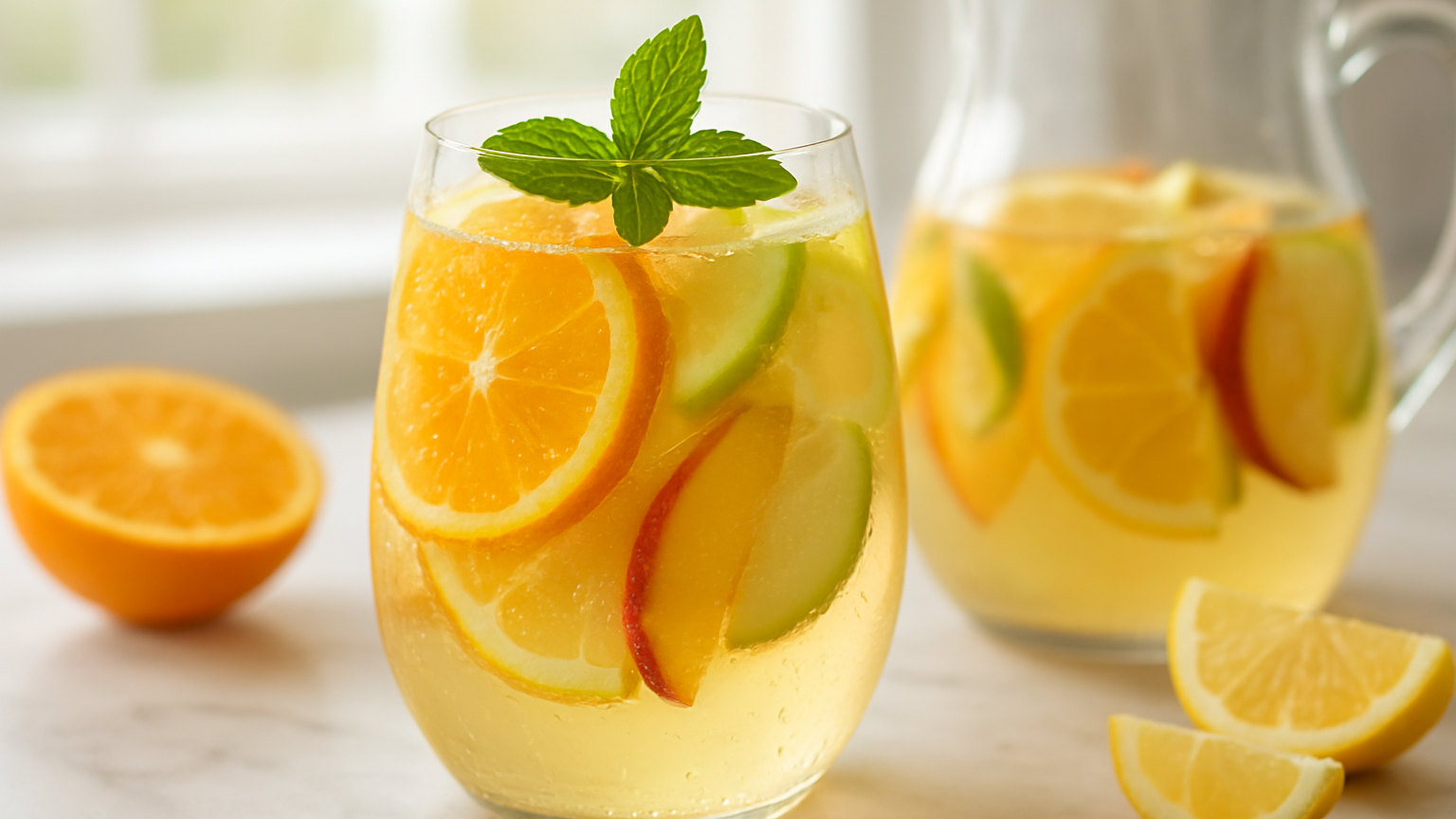
White sangria is lighter, faster to make and easier to get right than the red version, because there is no tannin to manage.