What Ruins Wine in Storage?
Heat is the main enemy and temperature swings are the second. Both leave signs you can spot before opening the bottle.
By Drink Recipes Team
22 Jun 2025

Wine is written about badly more often than any other drink, in a vocabulary that tells you what someone else tasted rather than what to buy. These guides do the practical part: what the main styles actually taste like, what goes with what at the table, and how long a bottle really lasts once opened. Country wine made from garden and hedgerow fruit sits in the same section, given for one gallon throughout because that is the batch size almost everyone actually makes. The cocktails - sangria, spritz, mulled wine - are here too, with measures rather than handfuls.
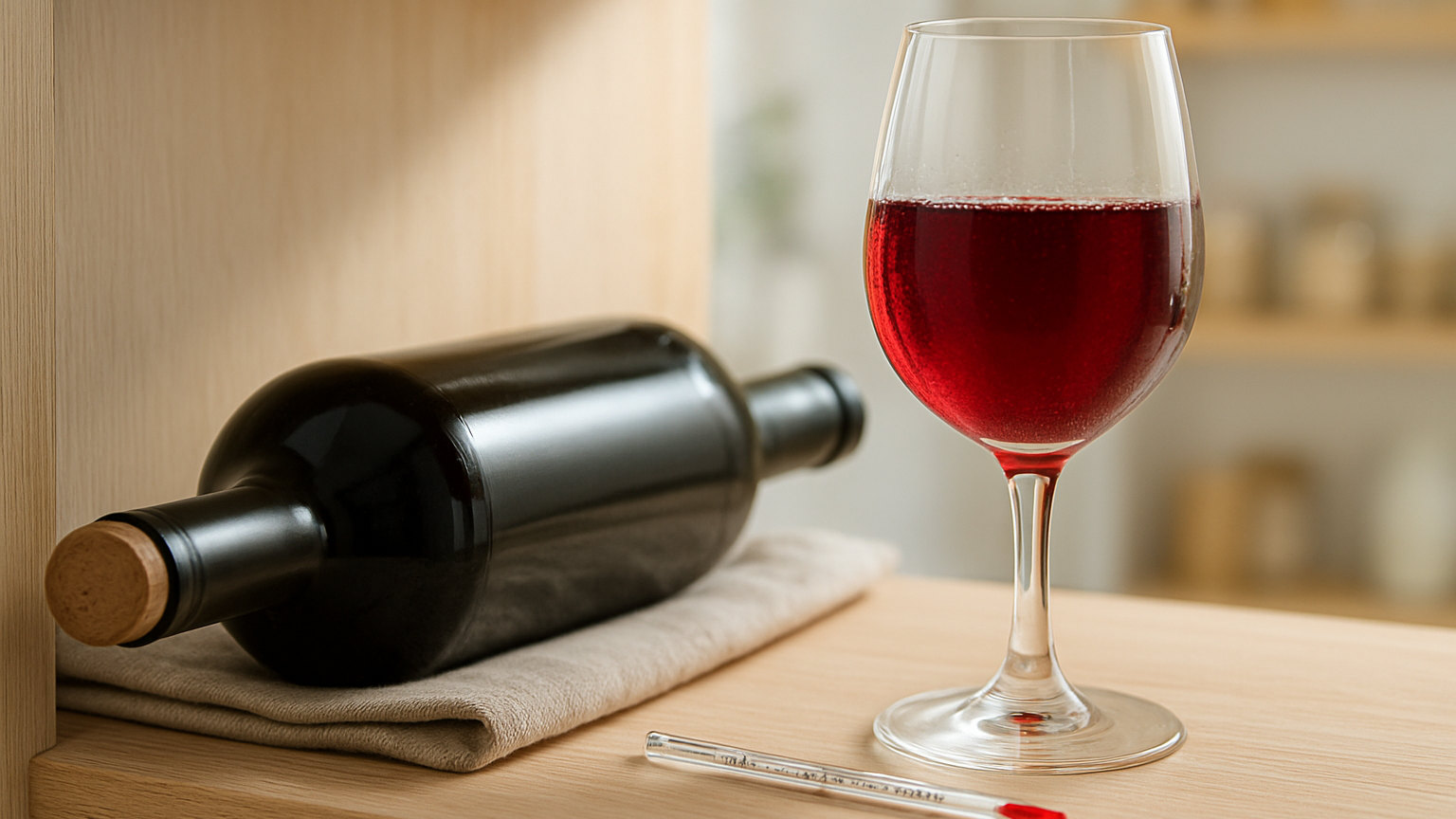
Heat is the main enemy and temperature swings are the second. Both leave signs you can spot before opening the bottle.
Body is how heavy a wine feels in the mouth, and alcohol is the biggest single contributor to it.
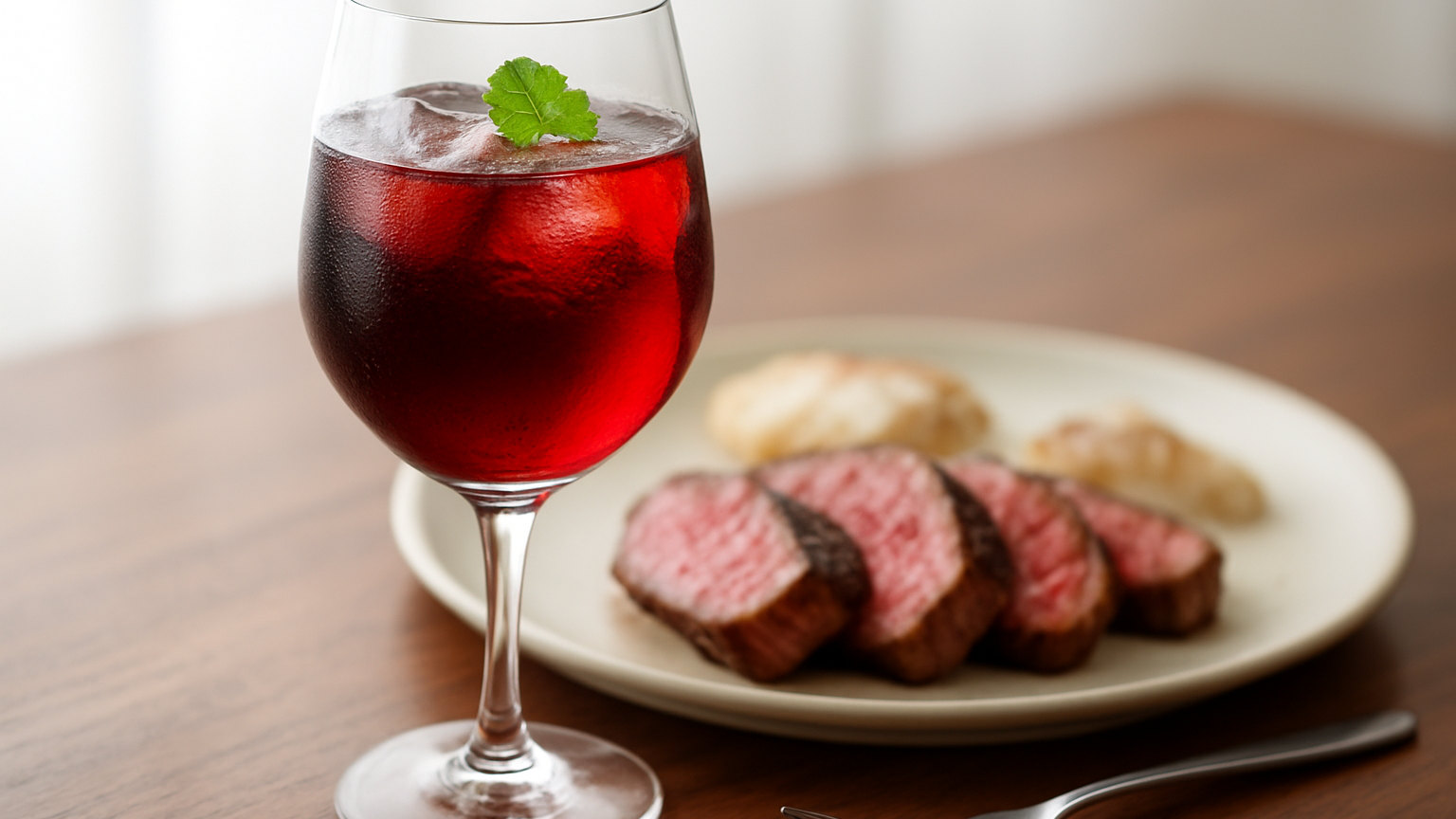
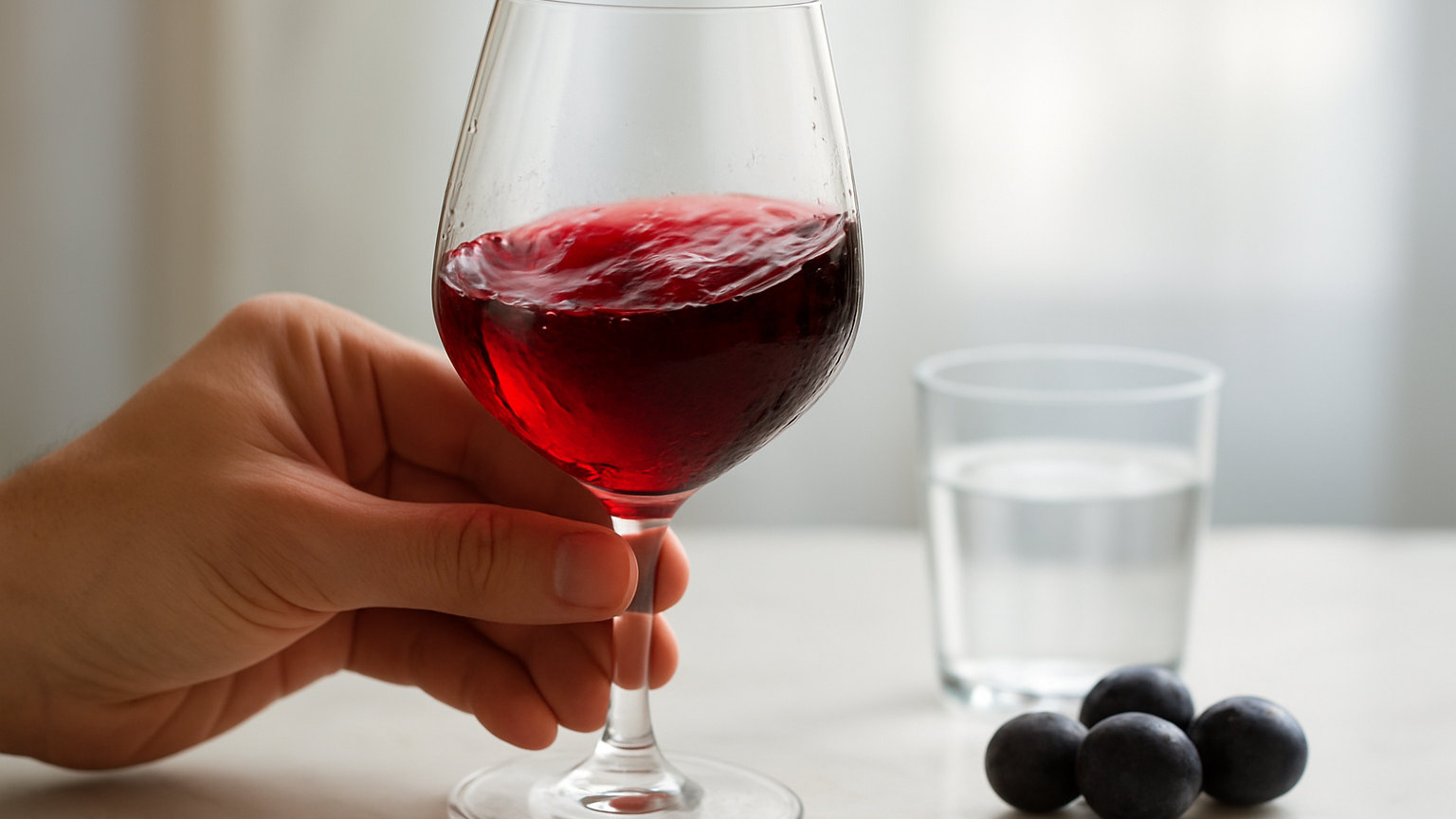
Tannin is why steak and cabernet works. It is also why the same wine turns metallic against fish.
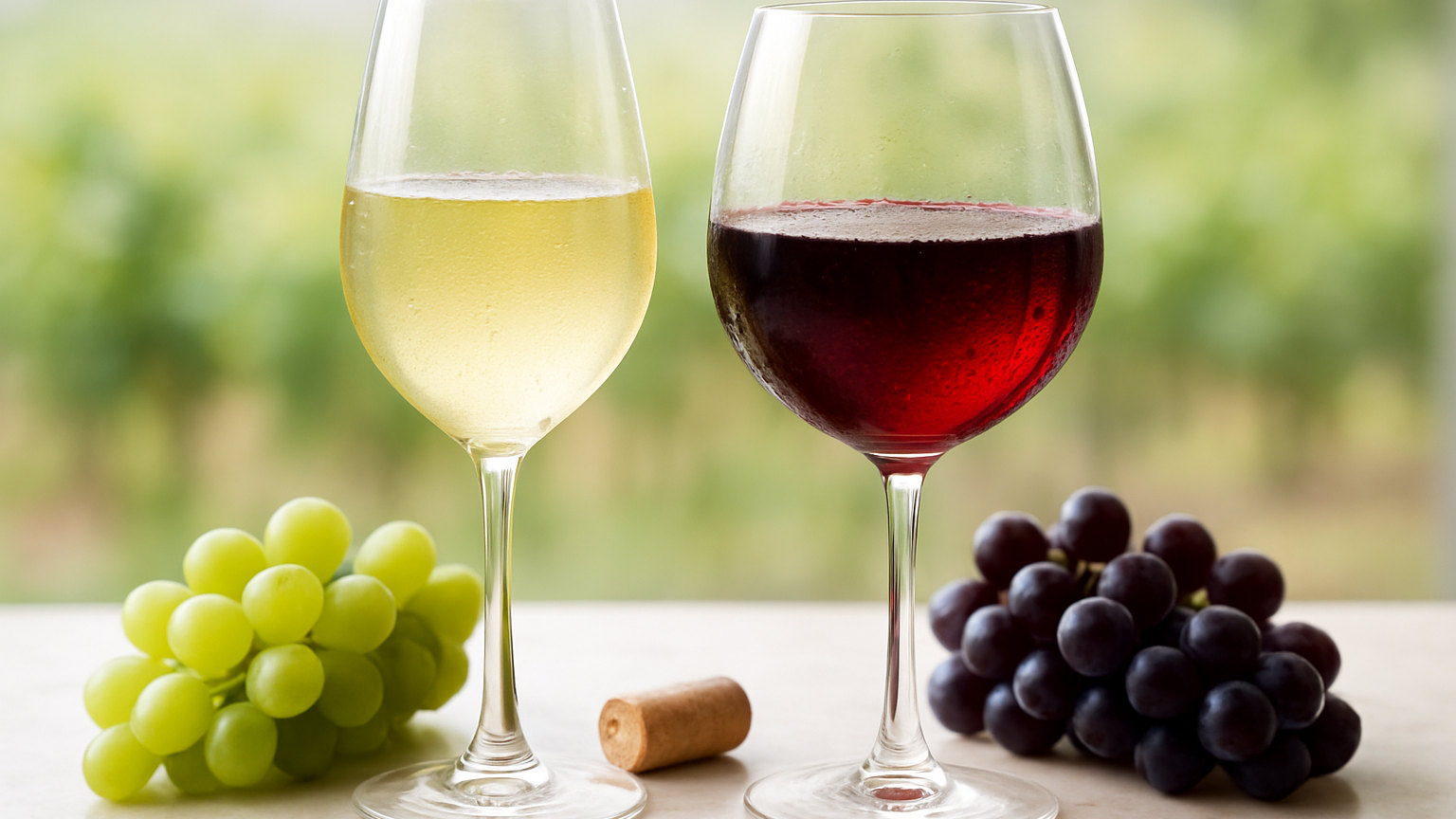
Half the wine world labels by grape and half by place. Knowing which you are looking at is the first step to reading any bottle.
Storing on the side keeps corks moist, which matters over years and not over weeks.
Naming a smell is far harder than recognising one, and that gap is the whole difficulty of describing wine.
Acidity is the single most useful property in a food wine, and the one most people never consciously consider.
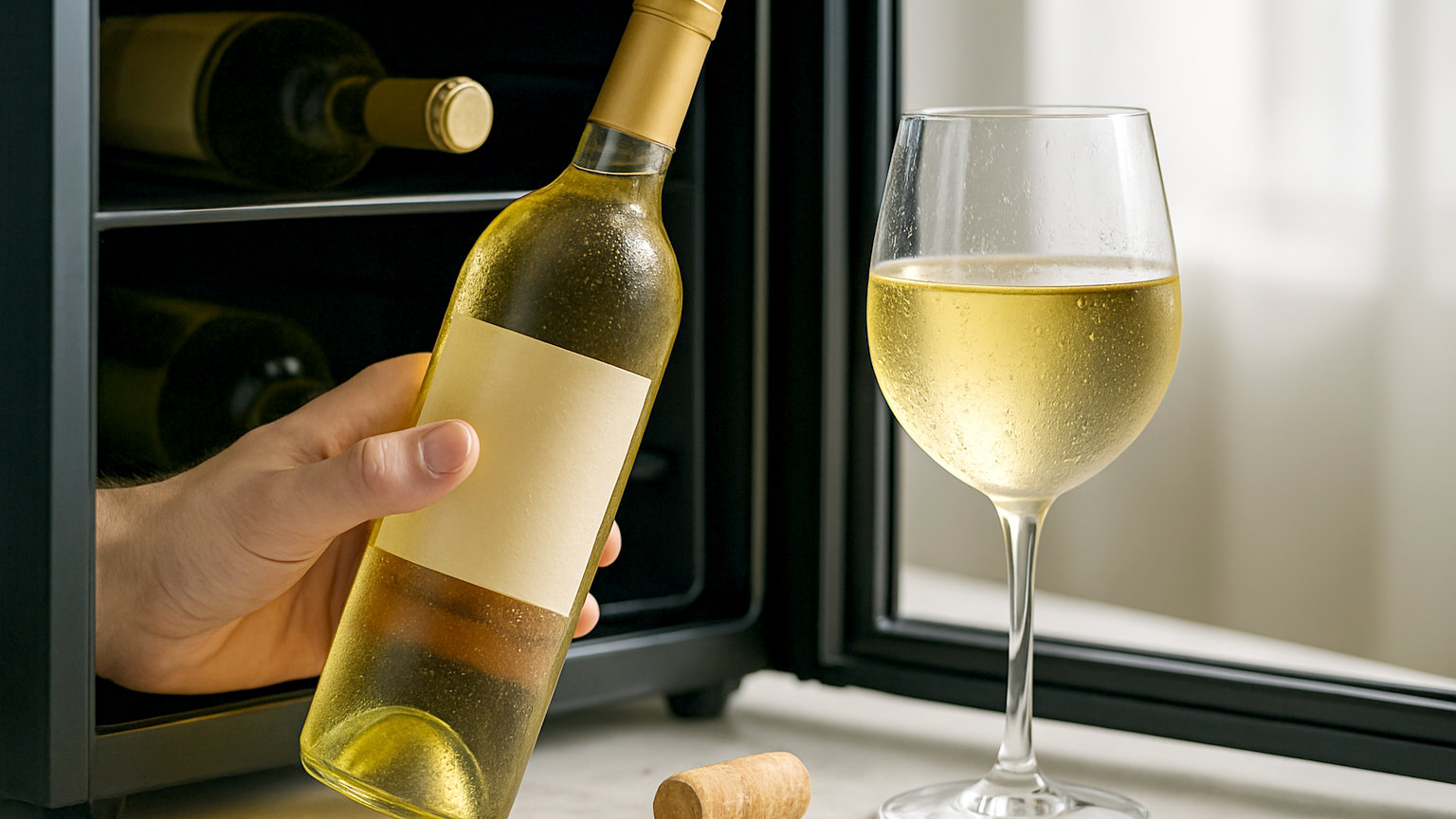
A wine fridge solves two different problems, and most people only have one of them.
Most wine vocabulary describes structure rather than flavour, and knowing which is which makes the language far less mysterious.
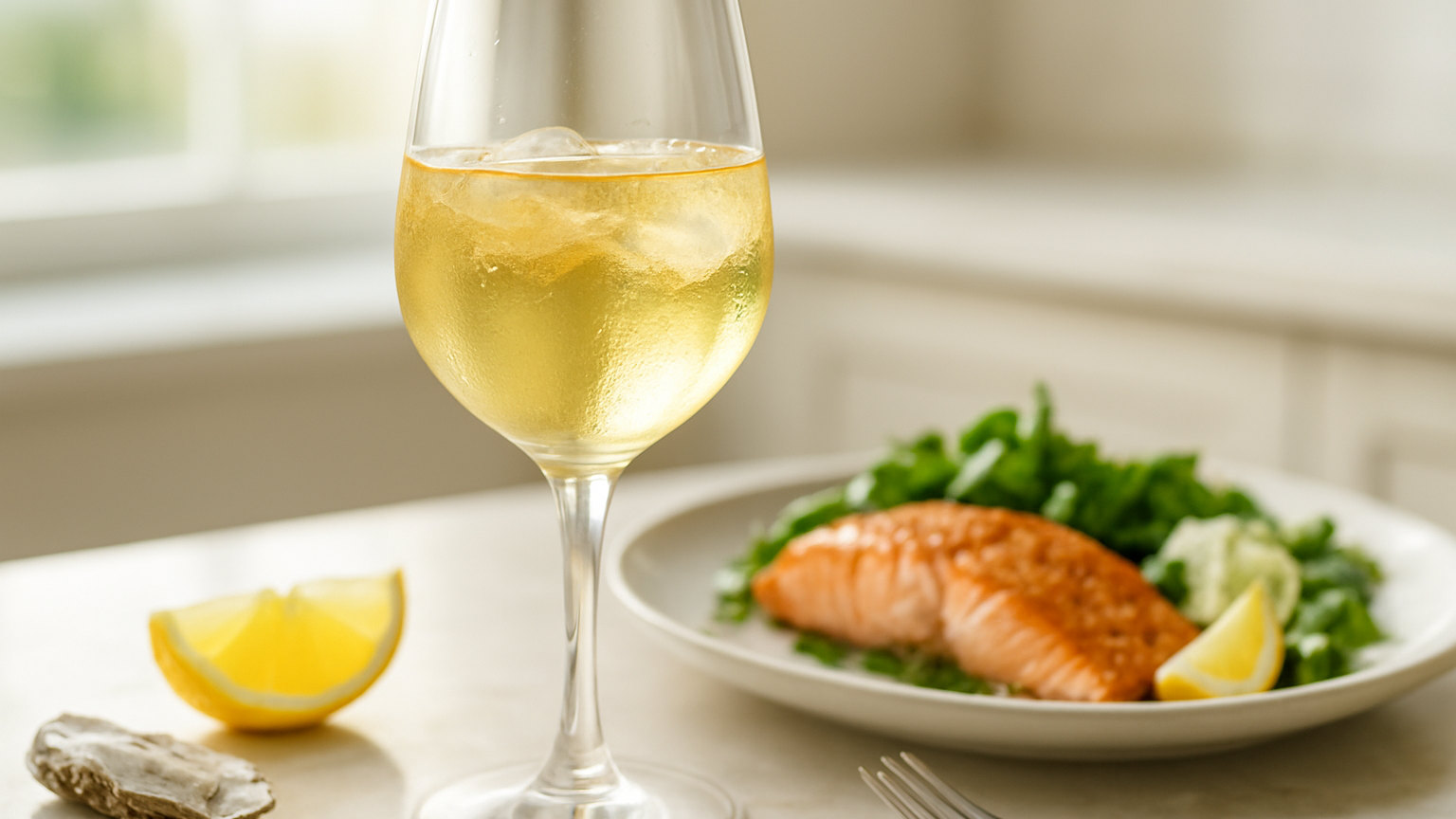
Three variables govern almost every pairing, and colour is not one of them. Weight, acidity and sweetness do the work.
Around nine in ten bottles sold are made to drink now. Keeping them does not improve them, it just delays them.
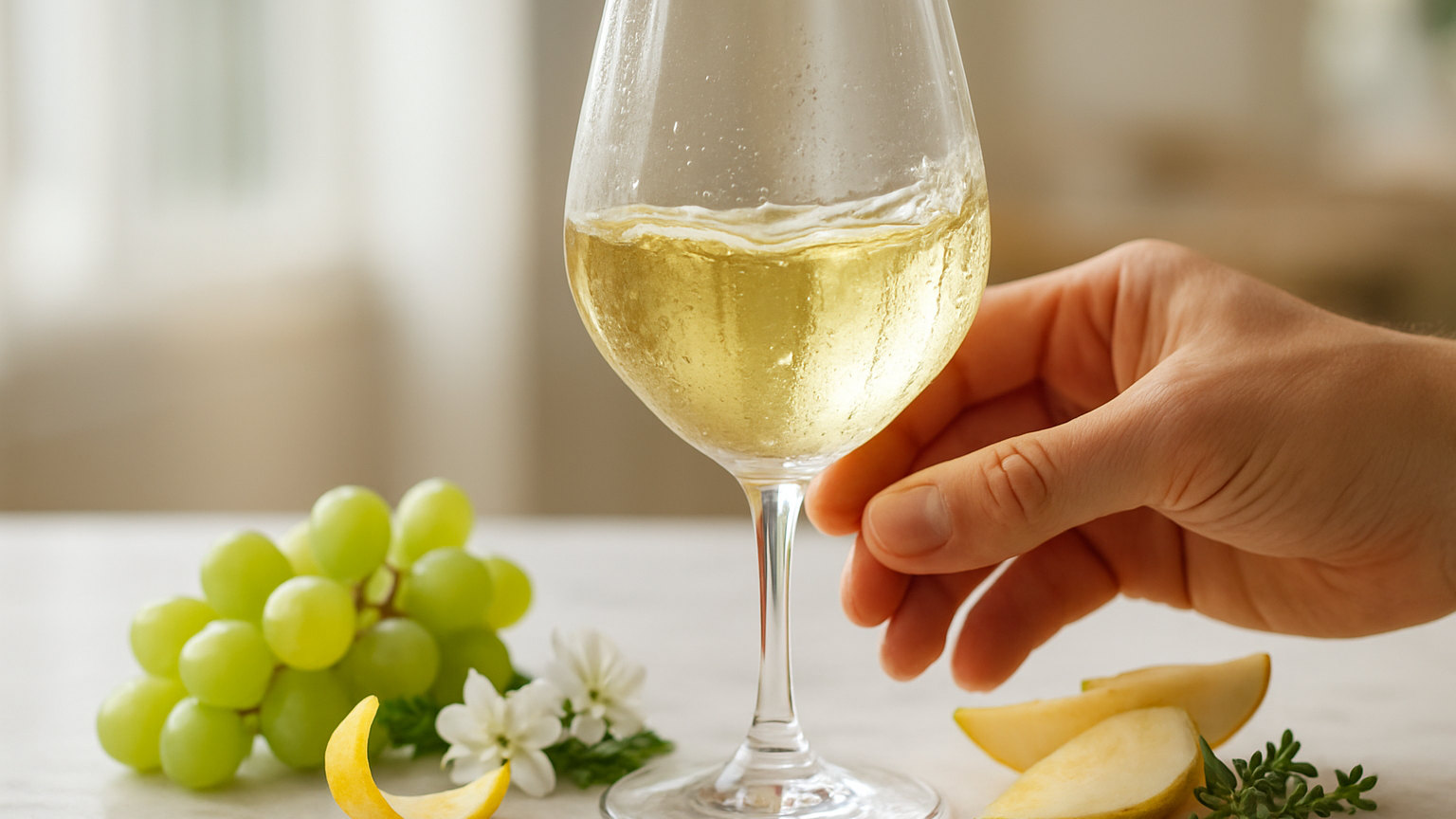
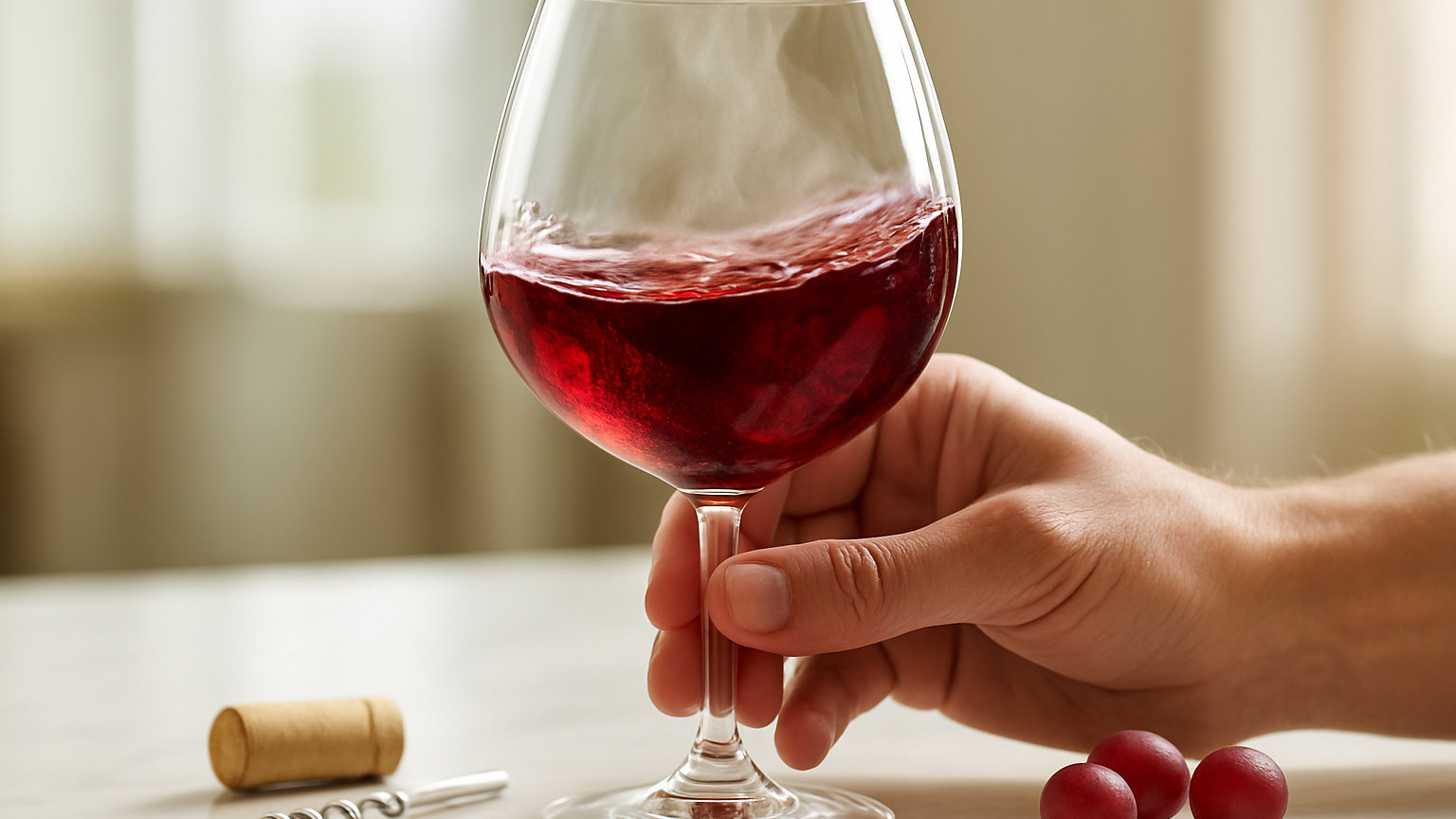
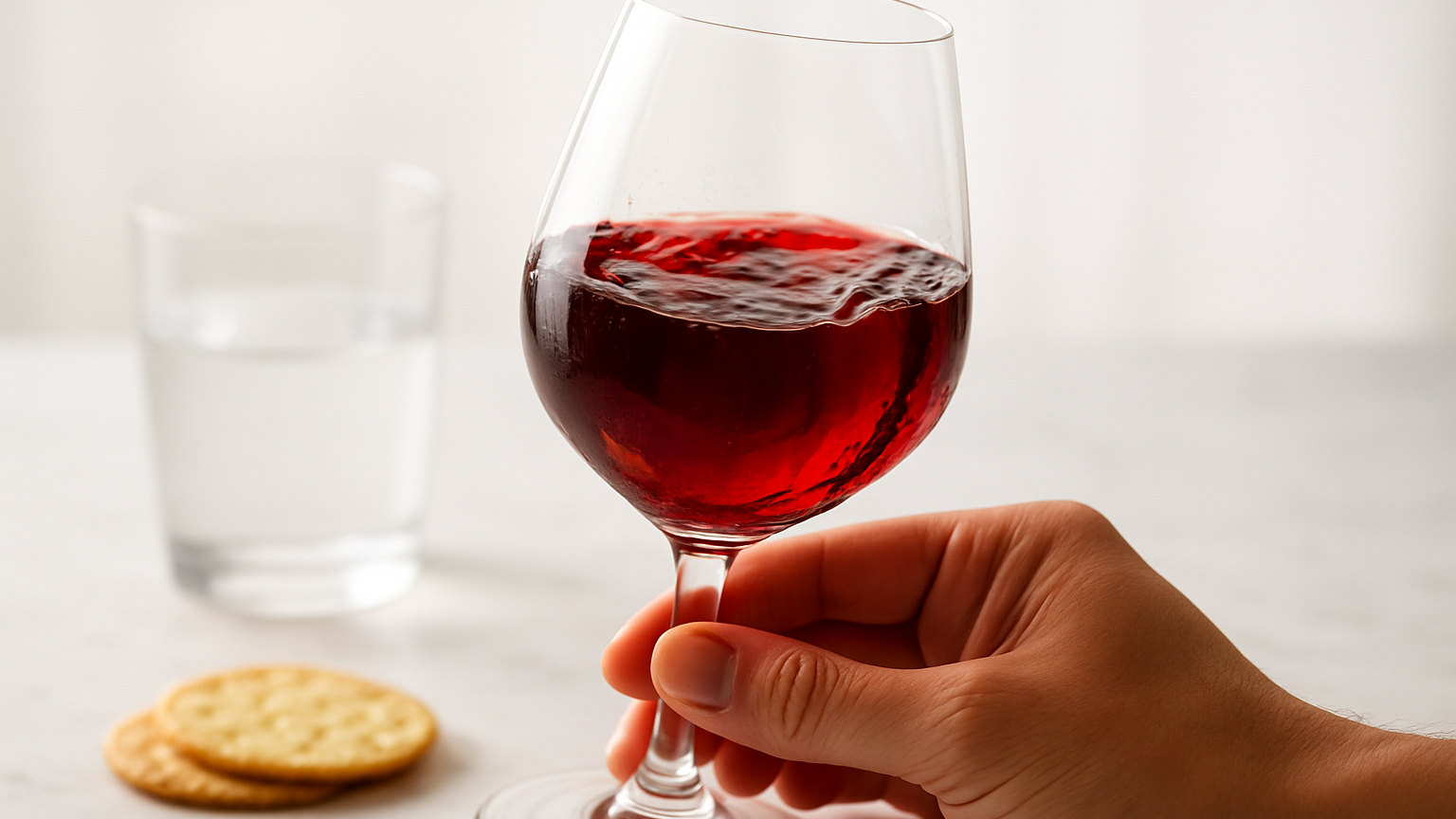
Swirling releases aroma compounds into the air above the wine. The legs it leaves behind mean less than people assume.
Most people have nowhere ideal to keep wine, and stability matters more than the exact temperature.
Tasting is drinking with attention. The ritual around it exists for reasons, and most of it takes about thirty seconds.