
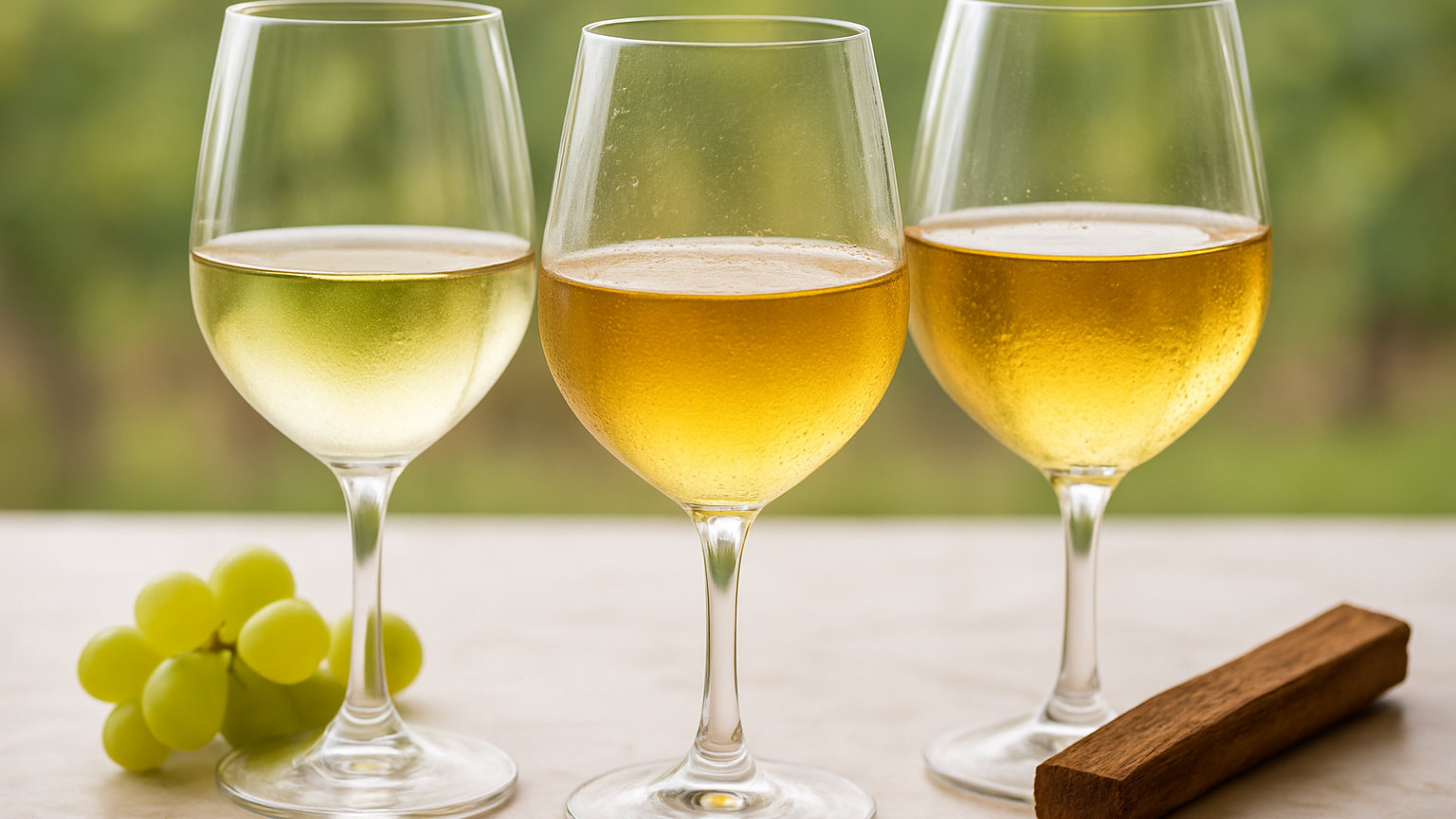
Chardonnay is the most planted white grape in the world and the most variable. Two bottles can taste so different that people who dislike one style happily drink the other without realising it is the same grape.
Why is it so variable?
Because the grape itself is relatively neutral. It carries whatever the climate, the soil and the winemaker give it, which makes it a canvas rather than a statement.
Two winemaking decisions account for most of the range: oak and malolactic fermentation.
What does oak do?
Adds vanilla, toast, coconut and spice, and gives a fuller, rounder texture. New oak contributes far more than used oak.
Heavily oaked chardonnay was extremely fashionable in the 1990s and produced a backlash that damaged the reputation of the grape for years. Modern styles generally use oak more restrainedly.
What is malolactic fermentation?
A secondary conversion of sharp malic acid into softer lactic acid. It lowers the acidity and produces diacetyl, the compound responsible for the buttery character.
That butter note comes from this rather than from oak, which is a common confusion. A wine can be oaked without being buttery, or buttery without oak.
What are the main styles?
- Steely and unoaked. Green apple, citrus, mineral. Chablis, cool-climate Australia.
- Lightly oaked. Stone fruit with a hint of vanilla. Mâconnais, Chile.
- Full and oaked. Butter, toast, tropical fruit. Côte de Beaune, California.
- Sparkling base. Picked early, high acid. Champagne and other traditional-method wines.
What is Chablis?
Unoaked or lightly oaked chardonnay from northern Burgundy, grown on limestone with fossilised marine deposits. It is lean, high in acidity and often described as mineral or flinty.
Anyone who says they dislike chardonnay but enjoys Chablis is describing a dislike of oak rather than of the grape.
What food does it suit?
Depends entirely on the style. Unoaked versions suit oysters, white fish and goat’s cheese. Oaked versions suit roast chicken, creamy sauces, lobster and smoked fish.
The general rule is to match the weight of the wine to the weight of the dish, which for chardonnay means checking the style first.
Where does the value sit?
- Mâconnais and Saint-Véran. Southern Burgundy at a fraction of Côte de Beaune prices.
- Chile and Argentina. Cool coastal and high-altitude sites.
- South Africa. Consistently good and underpriced.
- Limoux. Southern French chardonnay, often excellent.
- Petit Chablis. Cheaper than Chablis proper and similar in style.
White Burgundy at the top end is among the most expensive white wine in existence. The same grape from the Mâconnais or South Africa delivers a great deal more per pound.
How should you serve it?
Unoaked at 8 to 10 degrees, oaked at 10 to 12. Serving a full oaked chardonnay fridge cold suppresses everything that makes it interesting.
Take it out fifteen minutes before pouring if it has been in the fridge all day.
Does it age?
Good white Burgundy ages remarkably well, developing nutty, honeyed complexity over five to fifteen years. Everyday chardonnay does not and is best within two years.
Unoaked styles generally have a shorter window than oaked ones, since oak contributes structure that helps a wine keep.
How can you tell the style before buying?
Region first, then alcohol. Chablis and cool-climate examples run 12 to 13 per cent and are lean; Californian and warm-climate ones run 13.5 to 14.5 and are fuller.
Back labels frequently mention oak or barrel fermentation, which is the clearest signal available.
Why did it become unfashionable?
Because of a period in the 1990s when heavily oaked, buttery styles dominated and produced a backlash strong enough to become a slogan. The grape itself was never the problem.
Modern chardonnay covers an enormous range, and anyone who dislikes one end of it will very likely enjoy the other.
How much does the winemaker matter?
More than with almost any other grape, because chardonnay carries decisions rather than resisting them. Oak, malolactic fermentation, lees stirring and fermentation vessel all leave a clear mark.
That is why two wines from neighbouring vineyards can differ so widely, and why the producer name is a better guide here than the region alone.


