
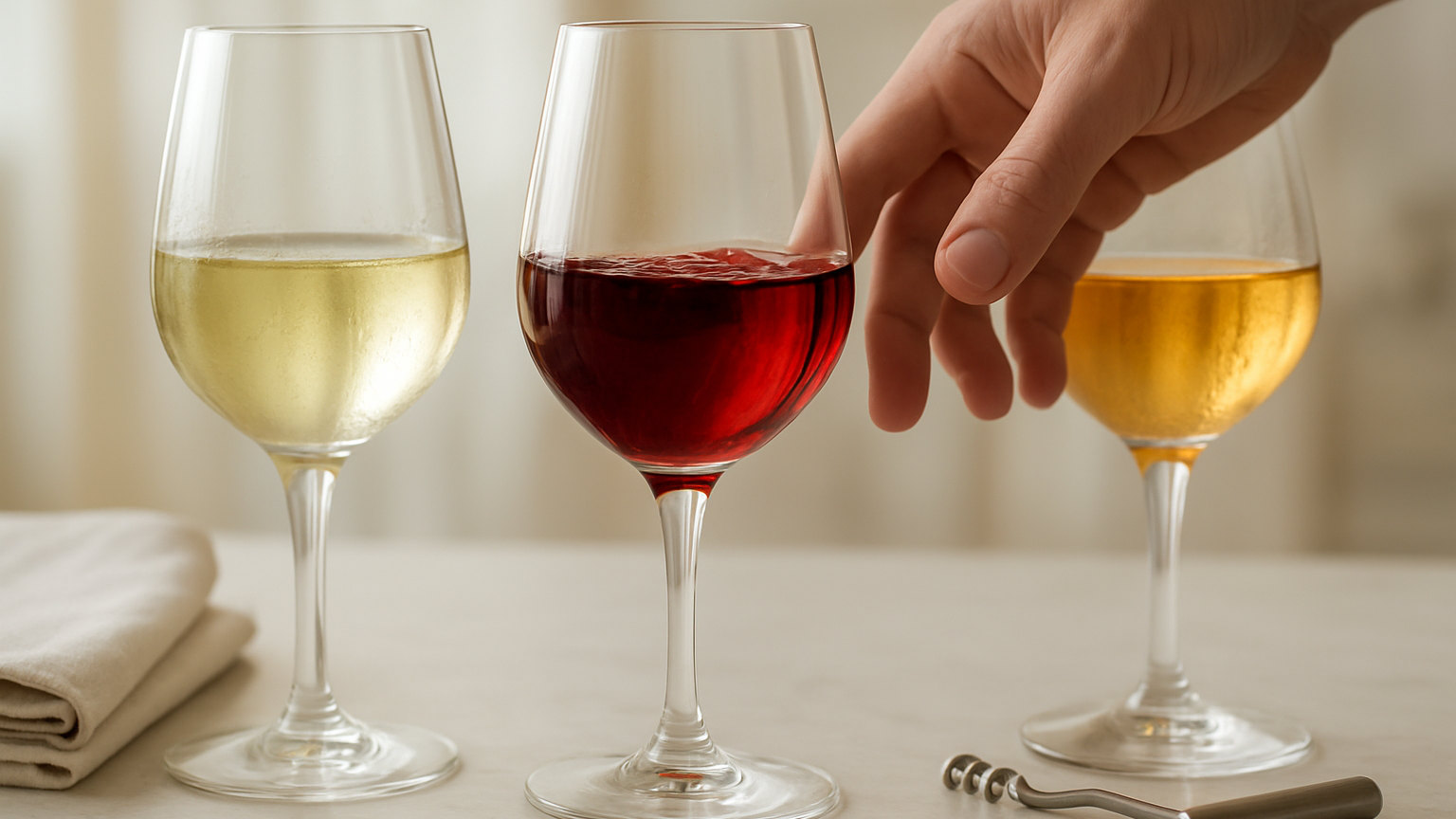
Blind tasting means assessing wine without knowing what it is. It sounds like a professional exercise and it is the single most useful thing an ordinary drinker can do to find out what they actually like.
Why does the label matter so much?
Because expectation shapes perception. Knowing a wine is expensive, or from a famous region, or highly rated, genuinely changes how it tastes to you.
This is not weakness or suggestibility. It is how perception works: the brain integrates context with sensory information, and it does so before anything reaches conscious judgement.
What has research shown?
Consistently, that price and packaging influence ratings substantially. Studies have found people rating the same wine higher when told it was more expensive, and brain imaging work has found that expected price affects activity in regions associated with pleasure.
Other studies have found that even experienced tasters can be misled by colouring a white wine red, describing it in red wine terms afterwards.
Blind tastings have also repeatedly placed inexpensive wines above expensive ones, which is a well-documented and slightly awkward pattern.
Does that mean expertise is fake?
No. Trained tasters are consistently better at identifying structure, faults and grape varieties. What the research shows is that everyone, expert included, is influenced by context when it is available.
How do you run one at home?
- Choose three or four wines with something in common: same grape, same region, or a price range.
- Cover the bottles in bags or foil and number them.
- Have someone else pour, or shuffle the order so nobody knows which is which.
- Taste in silence first, writing notes before discussing.
- Rank them before revealing anything.
Why taste in silence?
Because the first person to speak anchors everyone else. If someone says blackcurrant, most of the room will find blackcurrant.
Writing independently before discussing is the single change that makes a home tasting genuinely informative rather than a shared exercise in agreement.
What should you compare?
- Same grape, different regions. Shows what climate does.
- Same region, different prices. Shows what money buys.
- Same wine, different vintages. Shows what age does.
- Oaked against unoaked. Isolates a single variable.
Isolating one variable teaches far more than tasting four unrelated bottles.
What usually happens?
People discover their preferences do not track price closely, and that they like things they would not have bought. Both are useful.
It also tends to reduce anxiety about wine, since it demonstrates that confident opinions are less reliable than they sound.
How much should you pour?
Small measures, 50 to 75ml each. Four wines at 50ml is 200ml, roughly a large glass in total, which keeps the exercise sober enough to be useful.
Having a spittoon available is worth doing even informally, and nobody should feel odd using it.
Is it intimidating?
Less than people expect, because nobody is being tested. The point is to notice what you actually perceive rather than to identify anything.
Framing it as ranking preferences rather than guessing grapes removes most of the anxiety and keeps it useful.
Does it change what you buy?
Usually. People find their preferences track style rather than price, and often discover they prefer a lighter or fresher category than the one they habitually buy.
That is the practical payoff, and it tends to save money rather than cost it.
How often is worth doing?
Occasionally rather than constantly. Two or three times a year is enough to recalibrate, and doing it every time removes the pleasure of simply drinking something you already know you like.
What should you avoid?
Turning it into a quiz. Asking people to name grapes and regions makes the exercise stressful and teaches very little.
Ranking by preference and describing what you notice keeps it useful and keeps everyone involved.
What does it teach fastest?
That preference and price are only loosely connected, which most people suspect and few have tested. Discovering it directly changes buying habits in a way that reading about it does not.
It also builds confidence, since forming a view without a label to lean on turns out to be perfectly possible.


