
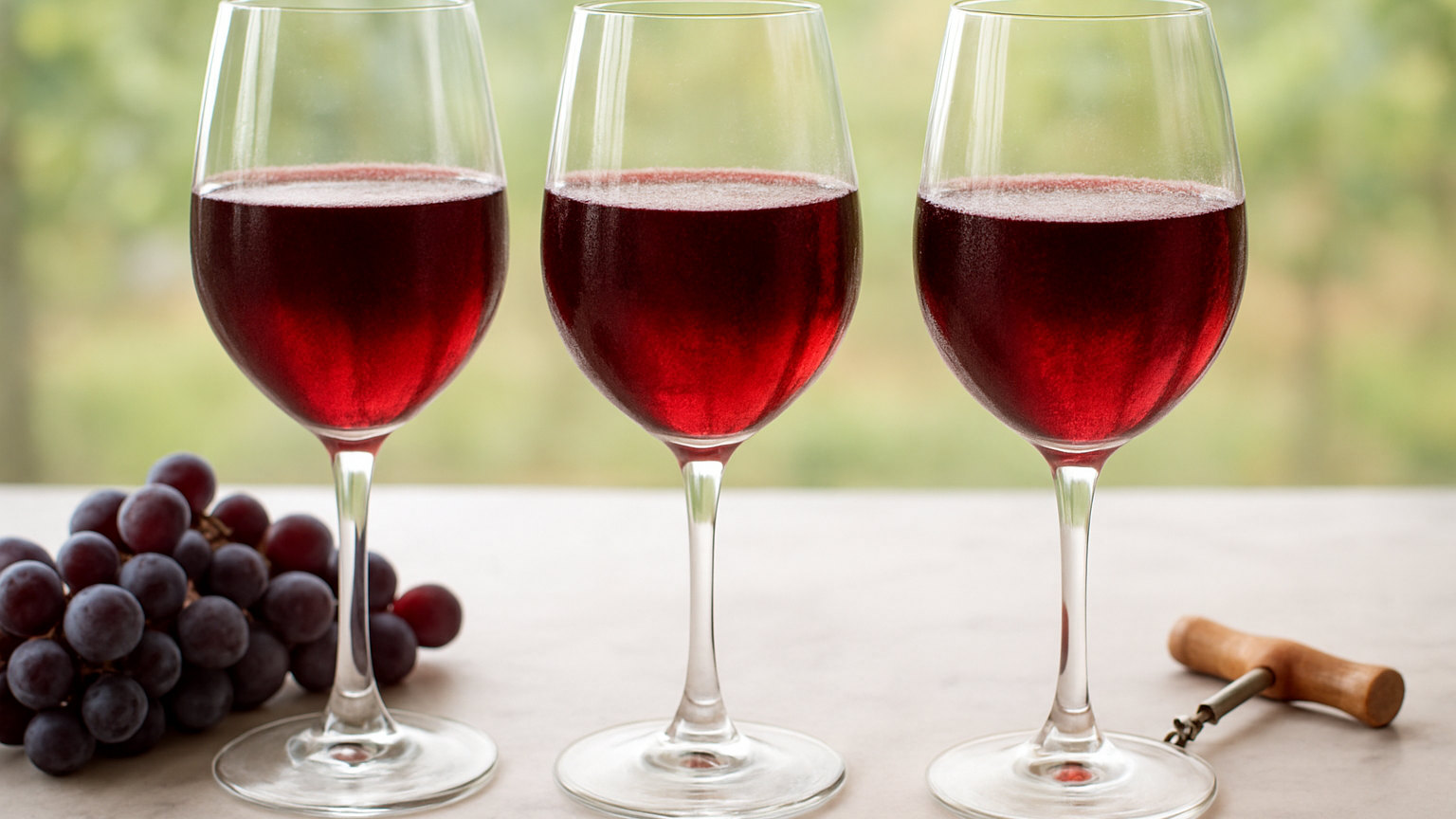
These three grapes produce the ripe, generous, fruit-forward reds that many people default to. All three run high in alcohol, all three suit warm climates, and each is known by more than one name.
What is malbec like?
Blackberry, plum and violet, with soft tannin and a velvety texture. Deep purple in colour and immediately approachable.
It originated in South West France, where it makes the dark, firm wines of Cahors. Argentina transformed it into something plusher and softer, and that is the style most people know.
Why does altitude matter in Argentina?
Because Mendoza sits at 900 to 1,500 metres, where days are hot and nights are cold. That swing lets the fruit ripen fully while retaining acidity, which is what stops the wine tasting flabby at 14 per cent.
Higher vineyards generally give fresher, more structured malbec. Producers state altitude when it flatters them.
What is grenache like?
Strawberry, red plum and white pepper, with soft tannin, low colour and high alcohol. Called garnacha in Spain, where it originated.
It ripens late and accumulates a great deal of sugar, so grenache wines routinely reach 14.5 to 15 per cent. It is often blended with syrah and mourvèdre to add structure it lacks on its own.
It is the dominant grape of Châteauneuf-du-Pape and much of the southern Rhône, and it makes some of the best rosé in the world.
What is zinfandel like?
Brambly black fruit, raisin, sweet spice and often a jammy character. High in alcohol, frequently 15 per cent or more.
It is genetically identical to Italian primitivo and to Croatian crljenak. Californian zinfandel tends to be riper and richer; Italian primitivo is usually more restrained and considerably cheaper.
What is white zinfandel?
A pale sweet rosé made from the same grape, and an entirely different product from red zinfandel. It was hugely popular in the 1980s and remains a large volume category.
It is worth knowing they are unrelated in style, since someone who dislikes one may well enjoy the other.
Why do these wines run so high in alcohol?
Because all three ripen late in warm climates, accumulating sugar which ferments into alcohol. Grenache and zinfandel in particular ripen unevenly, so growers wait for the last berries and the rest become very ripe.
That matters practically. A 175ml glass at 15 per cent is 2.6 units against 2.1 at 12 per cent, so a bottle shared between two is close to 8 units rather than 6.5.
What food do they suit?
Anything rich and robust. Barbecue, burgers, sausages, stews and hard cheeses all work, and the ripe fruit suits sweet and sticky sauces where a drier red would clash.
They overwhelm anything delicate, so fish, salads and light chicken dishes are a poor match.
Where does the value sit?
- Primitivo from Puglia. The same grape as zinfandel at a much lower price.
- Garnacha from Aragón and Navarra. Often outstanding value.
- Cahors. French malbec, firmer and cheaper than Argentine.
- Southern Rhône village wines. Grenache blends without the famous names.
Argentine malbec at the very cheapest level is frequently thin and sweetened in style. One step up is where it becomes genuinely good.
How should you serve them?
At 16 to 18 degrees, and cooler rather than warmer given the alcohol. A high-alcohol red served at room temperature in a warm house tastes hot and heavy.
Do they age?
The better examples do, though none is as long-lived as cabernet or nebbiolo. Most are made for drinking within three to five years, and their appeal is generous fruit that fades rather than develops.
Which offers most for the money?
Garnacha from Spain, comfortably. It is the same grape as the grenache in expensive southern Rhône blends, grown in regions with no name premium, and it is consistently underpriced.
Why is the alcohol worth watching?
Because these three routinely reach 14.5 or 15 per cent, and the difference from a 12.5 per cent wine is substantial across a bottle. A bottle shared between two at 15 per cent is close to 8 units rather than 6.5.
The ripe fruit also disguises the strength, which is a reason to check the label rather than judge by taste.


