Why Is Irish Whiskey Smoother?
The smoothness is real and it comes from a specific production choice. Irish whiskey is also home to a category that exists nowhere else.
By Drink Recipes Team
16 Jan 2026

Spirits are where most home bars overspend, because the bottle that tastes best neat is rarely the bottle that makes the best drink. These guides go category by category, explain what actually distinguishes a style rather than repeating the marketing, and say which price bracket is worth reaching for and which is not. The recipes are built around one spirit at a time, so you can get value from a single bottle. Infusions, liqueurs and bitters are covered as things to make rather than buy, since most cost a fraction of the shop version.
The smoothness is real and it comes from a specific production choice. Irish whiskey is also home to a category that exists nowhere else.
Brandy is the most overlooked bottle in most homes, usually bought for cooking and then ignored. It mixes better than its reputation.
Contemporary gin keeps juniper legally predominant and pushes it back in the balance. The result works beautifully in some drinks and badly in others.
Most infusion failures come from four causes, and only one of them can be corrected after the fact.
Orange liqueurs range from 15 to 40 per cent and from bone dry to syrupy, which is why the same cocktail recipe gives wildly different results.
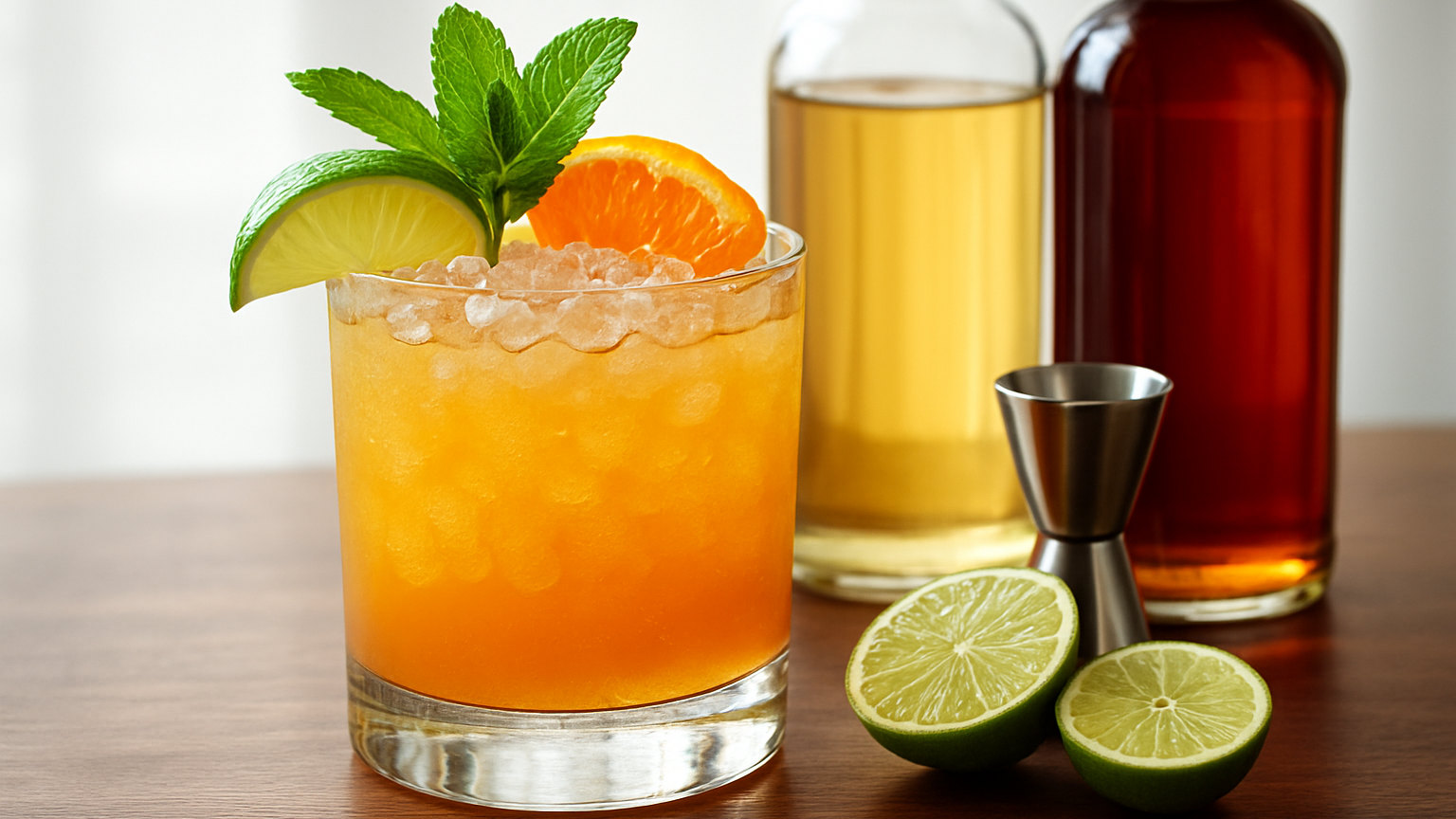
Rum is the spirit where blending two bottles in one drink is standard practice rather than a compromise.
Scotch is defined by geography, time and one crucial difference from bourbon: the barrels have been used before, and that changes everything.
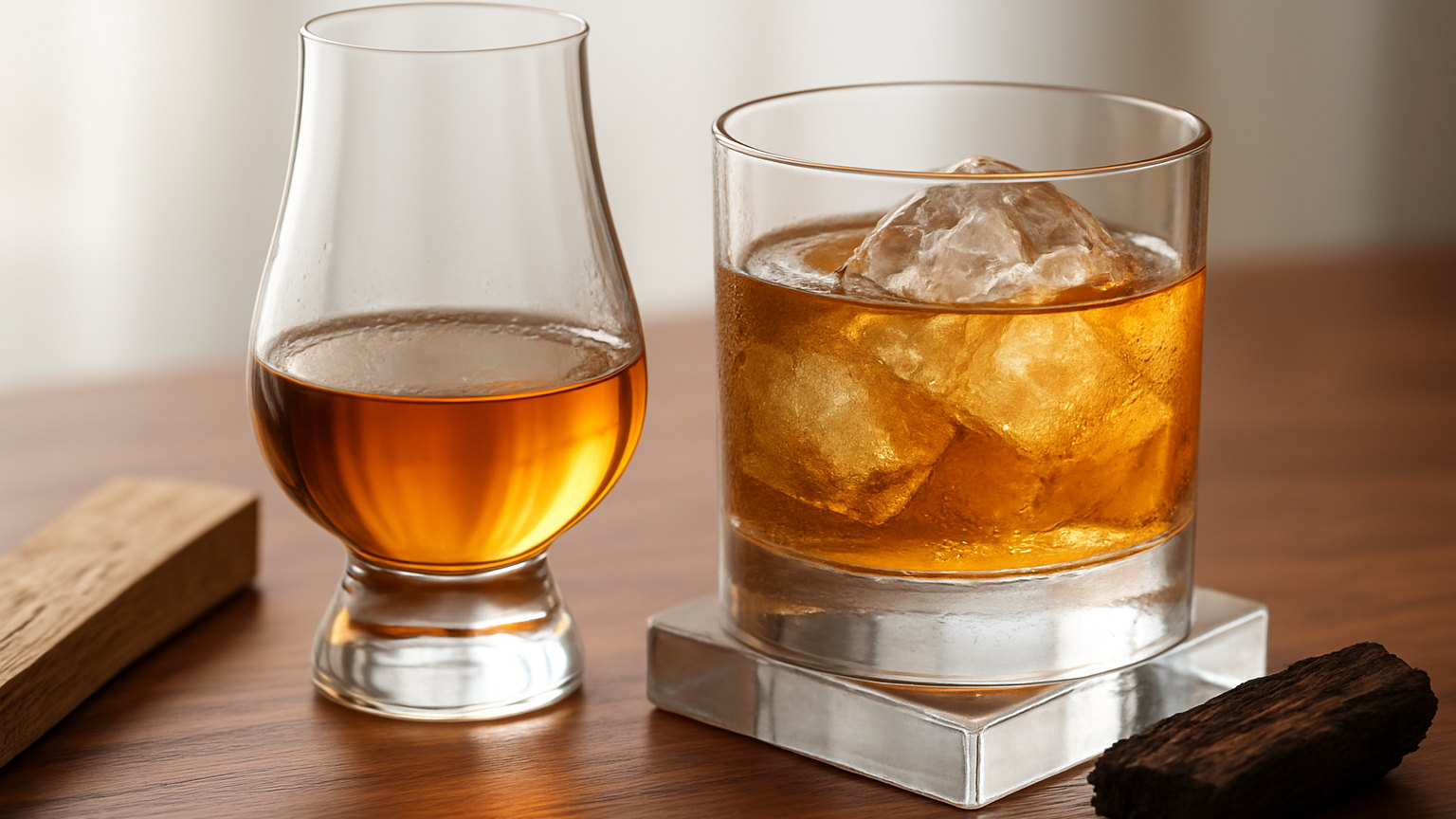
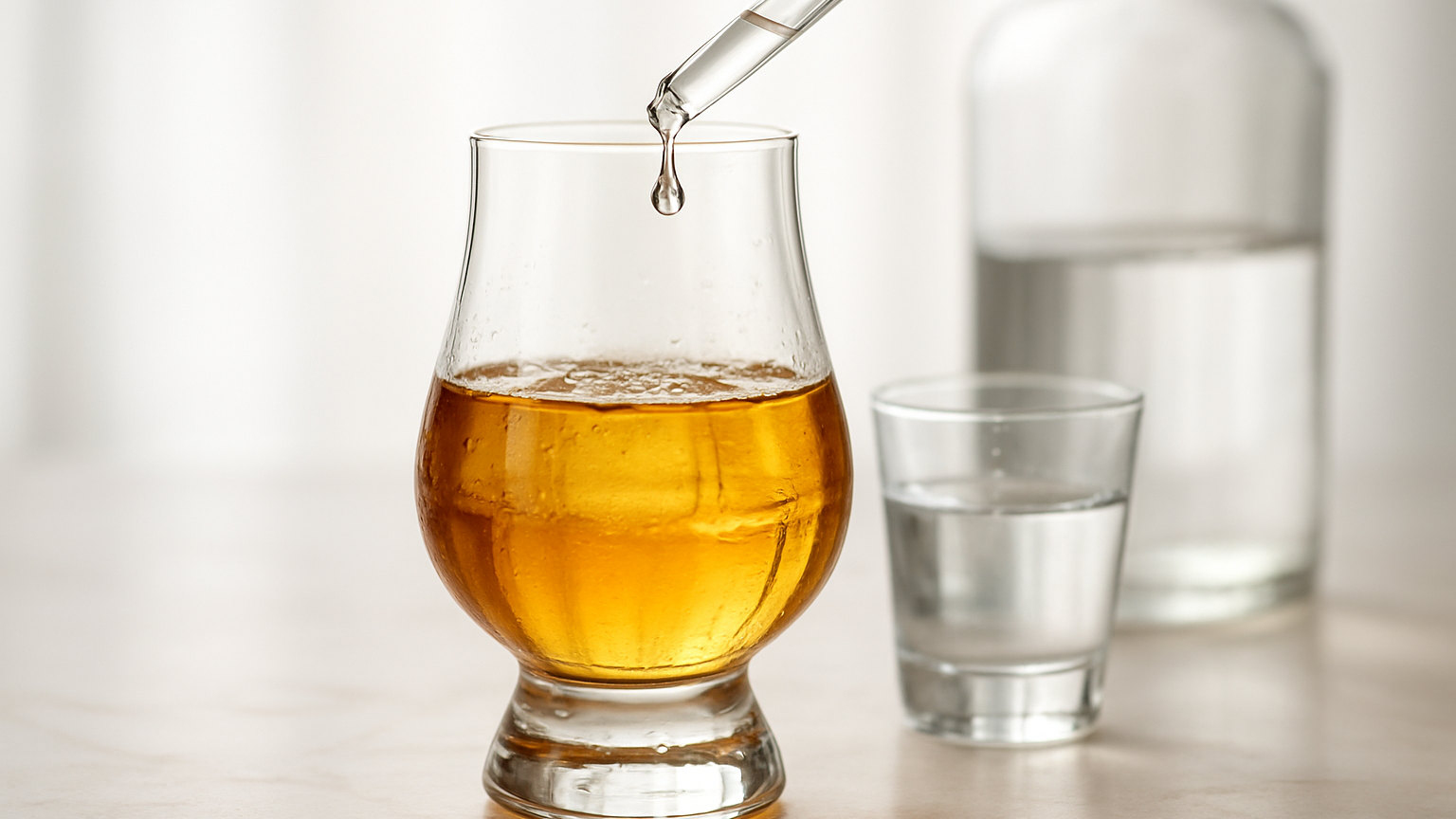
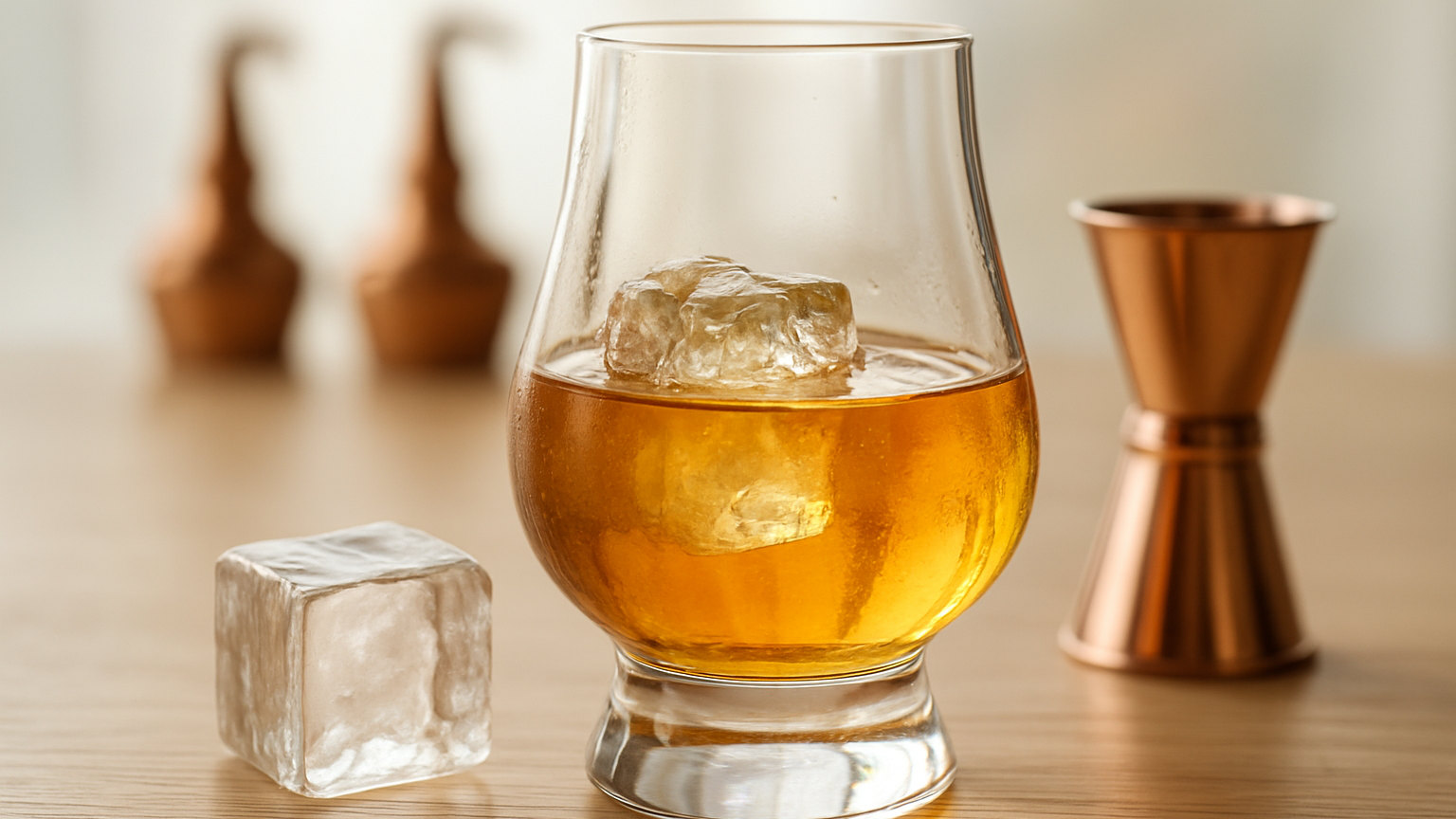
Drinking a spirit neat is a skill worth having, and the two things that help most are a different glass and a few drops of water.
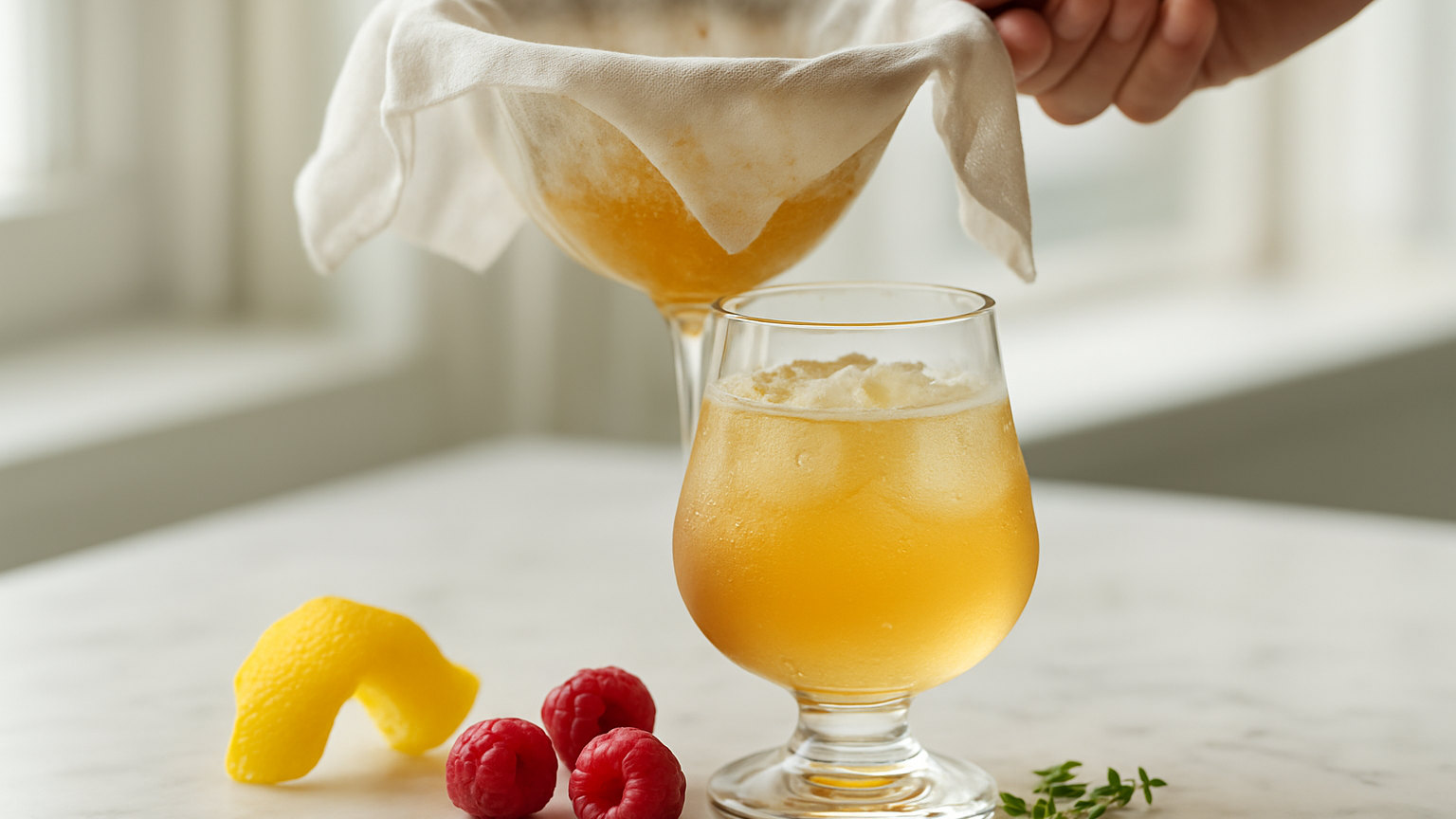
Filtering badly undoes good work. The rule that matters most is never to squeeze the cloth.
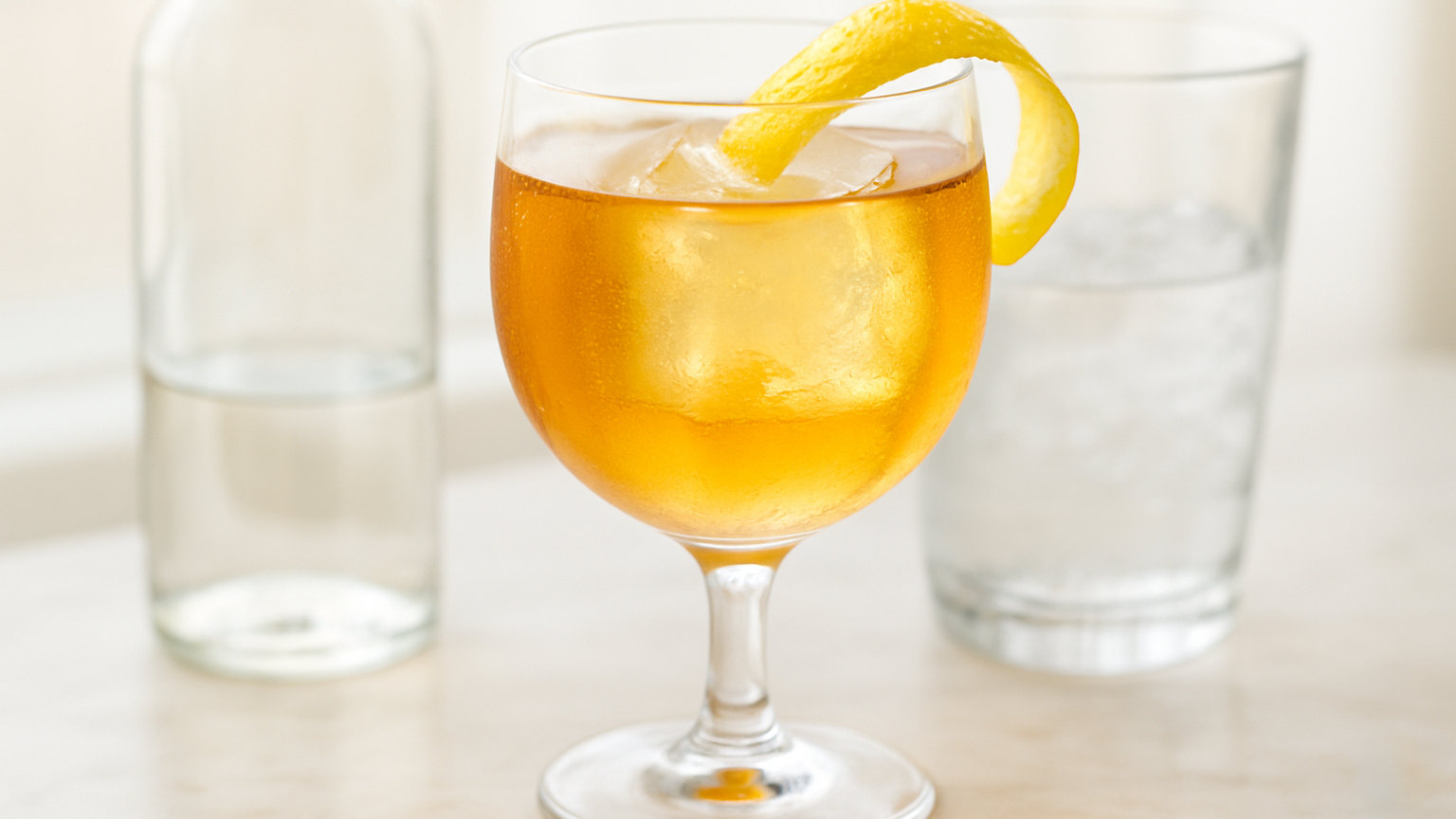
Vermouth is wine, which is why an opened bottle goes stale and why a tired one ruins more home cocktails than any other ingredient.
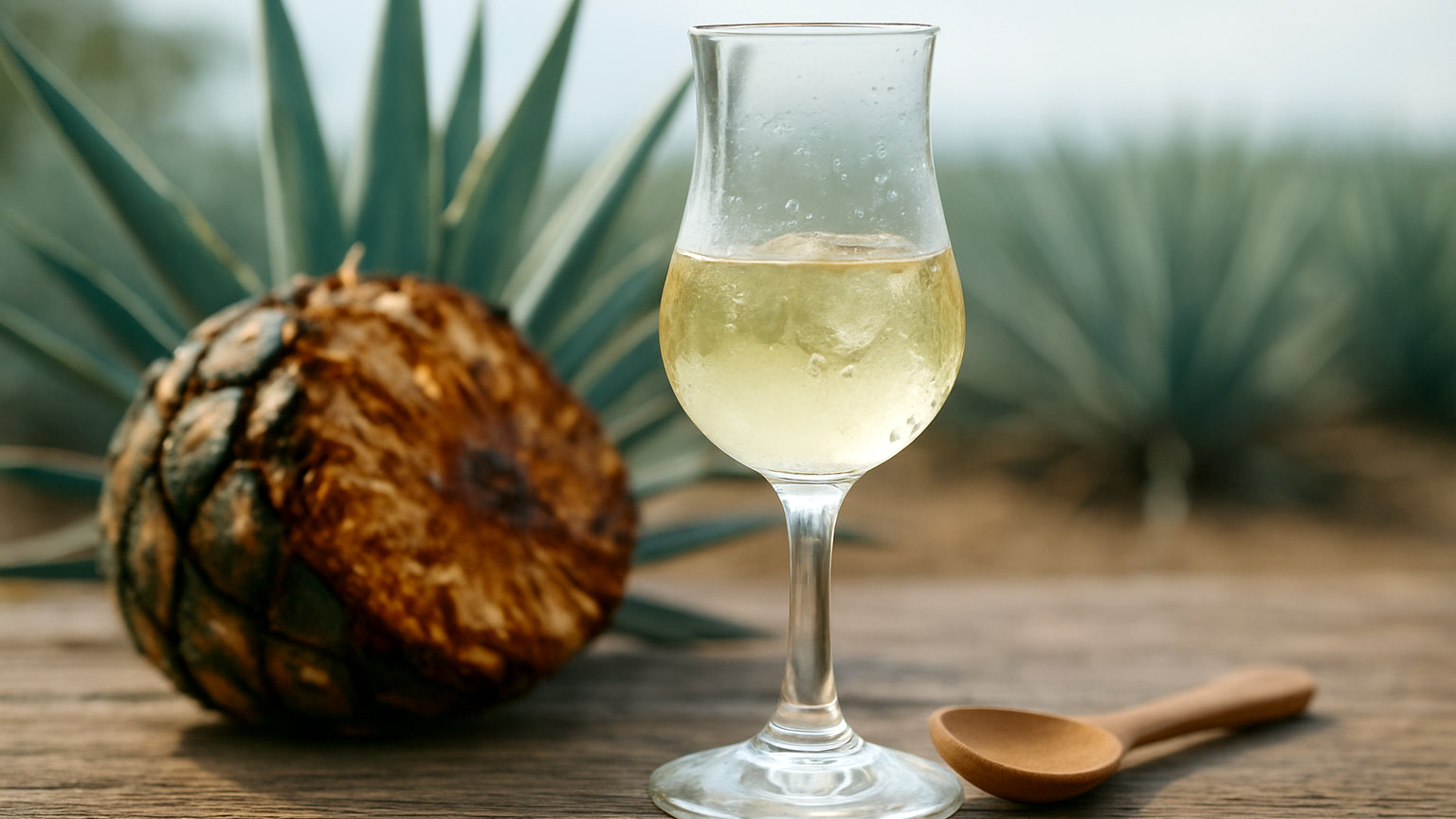
Agave takes six years or more before it can be harvested, which shapes the entire industry around it.
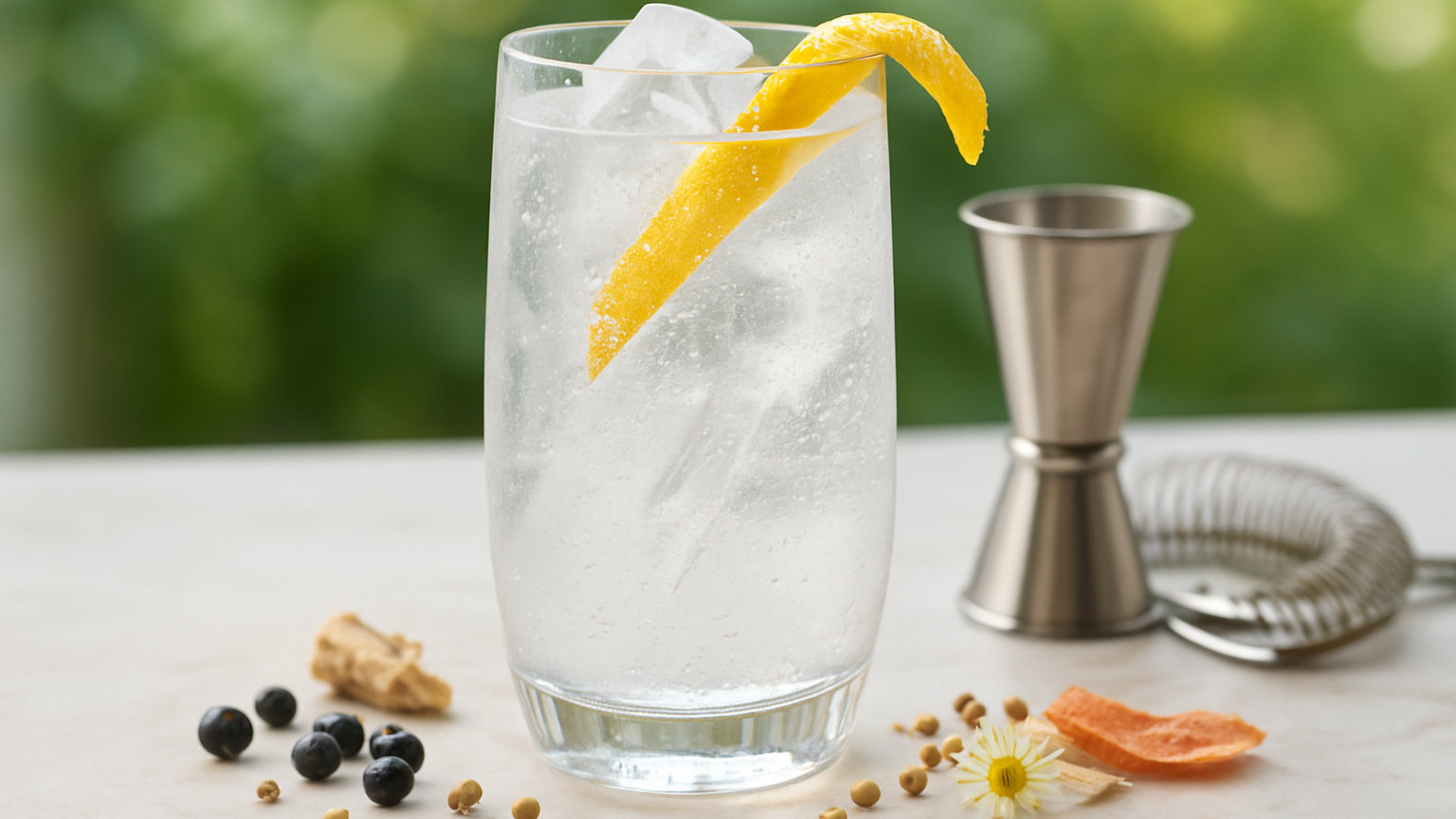
Most gins share the same handful of core botanicals. What distinguishes them is proportion and the smaller additions layered on top.
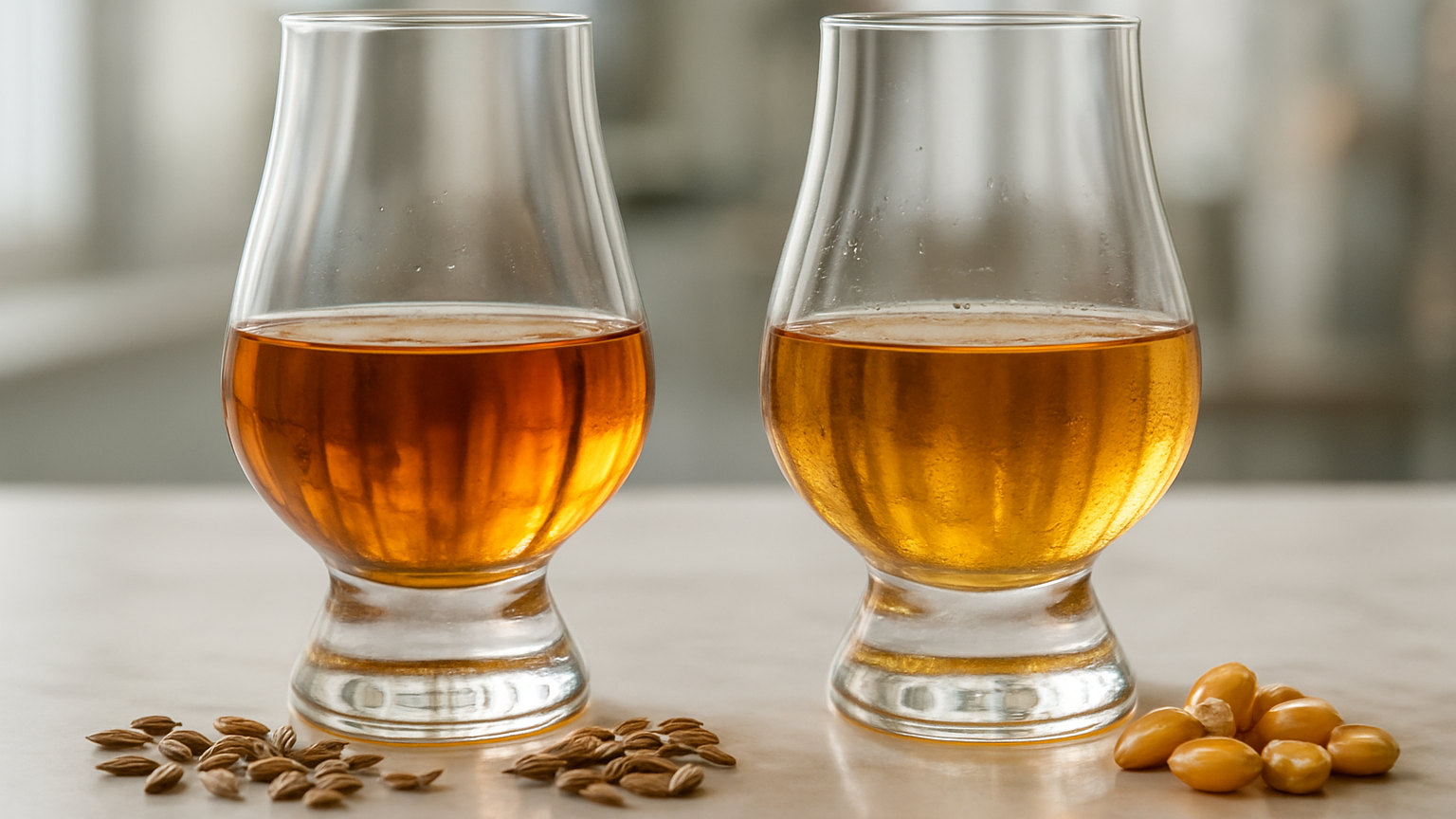
One grain, one legal threshold, and a completely different drink. Rye is drier and spicier where bourbon is sweet and round.
Fewer ingredients means fewer places for a fault to hide. These are the pairings that hold up when there is nothing else in the glass.