Cosmopolitan Recipe
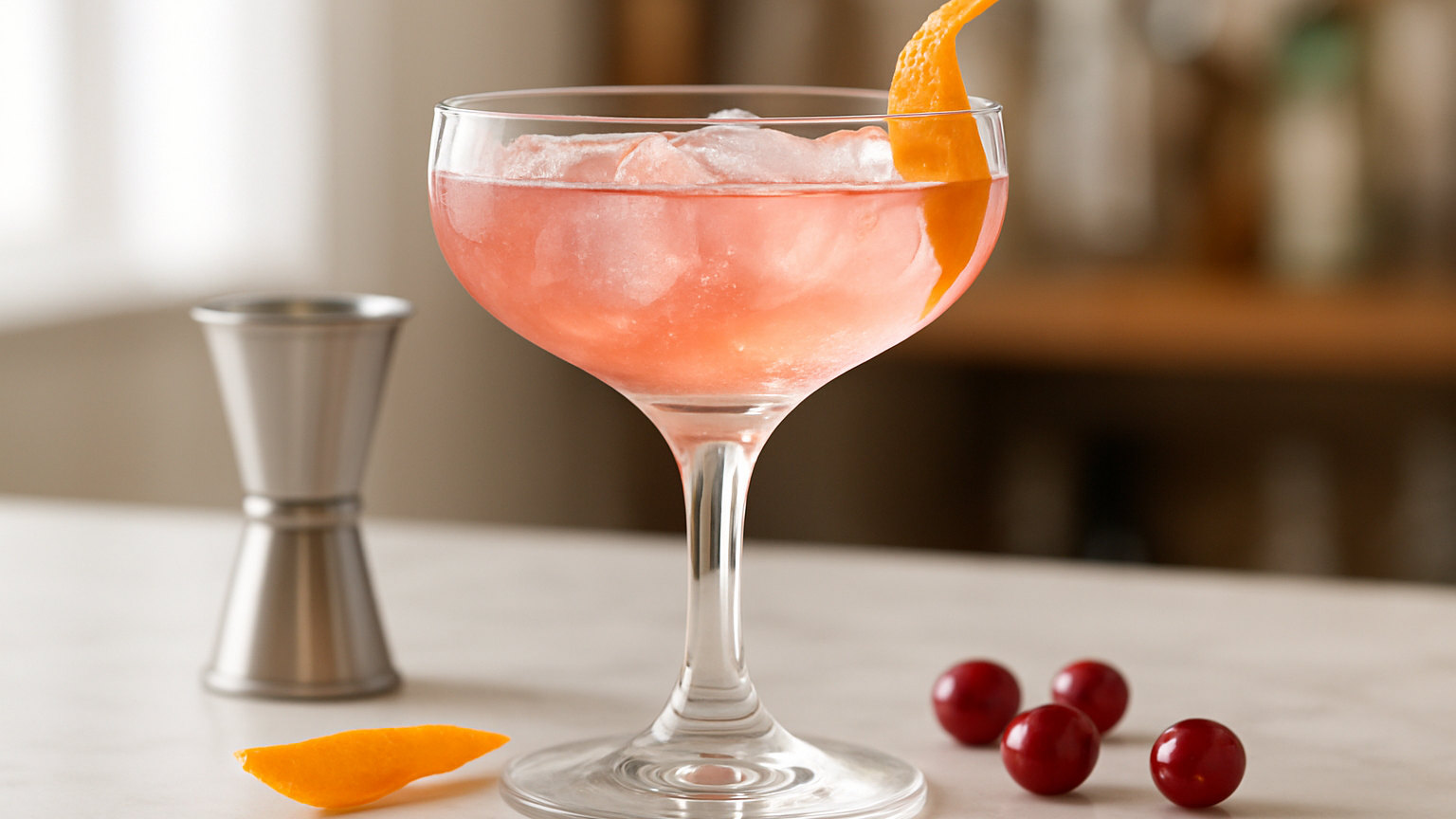
Made properly it is a sharp, dry drink. The sweet pink version most people have met is a different thing entirely.
By Drink Recipes Team
2 Mar 2025

Spirits are where most home bars overspend, because the bottle that tastes best neat is rarely the bottle that makes the best drink. These guides go category by category, explain what actually distinguishes a style rather than repeating the marketing, and say which price bracket is worth reaching for and which is not. The recipes are built around one spirit at a time, so you can get value from a single bottle. Infusions, liqueurs and bitters are covered as things to make rather than buy, since most cost a fraction of the shop version.
Made properly it is a sharp, dry drink. The sweet pink version most people have met is a different thing entirely.
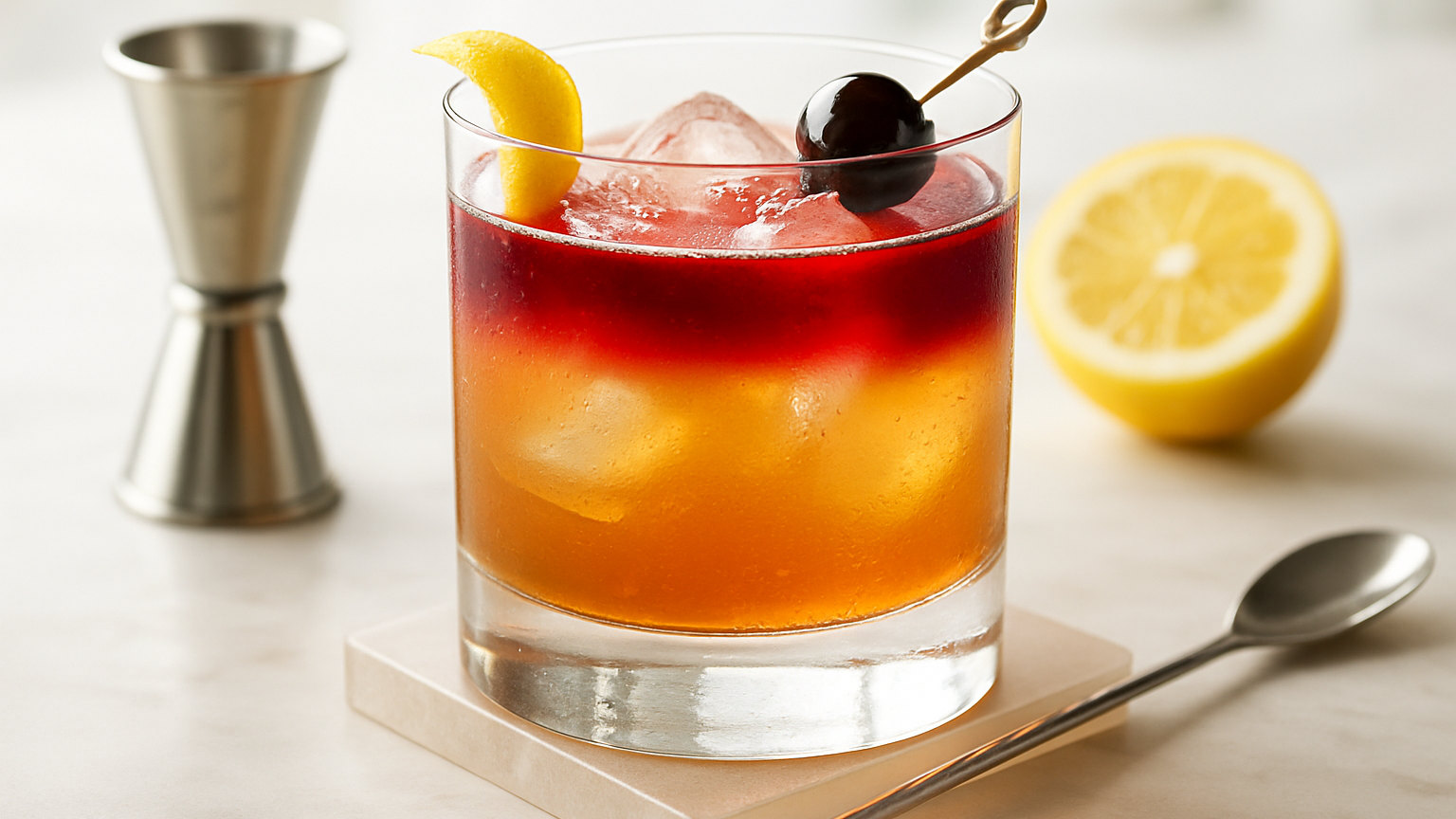
A whiskey sour with red wine floated over it. The tannin against the citrus is what makes it work.
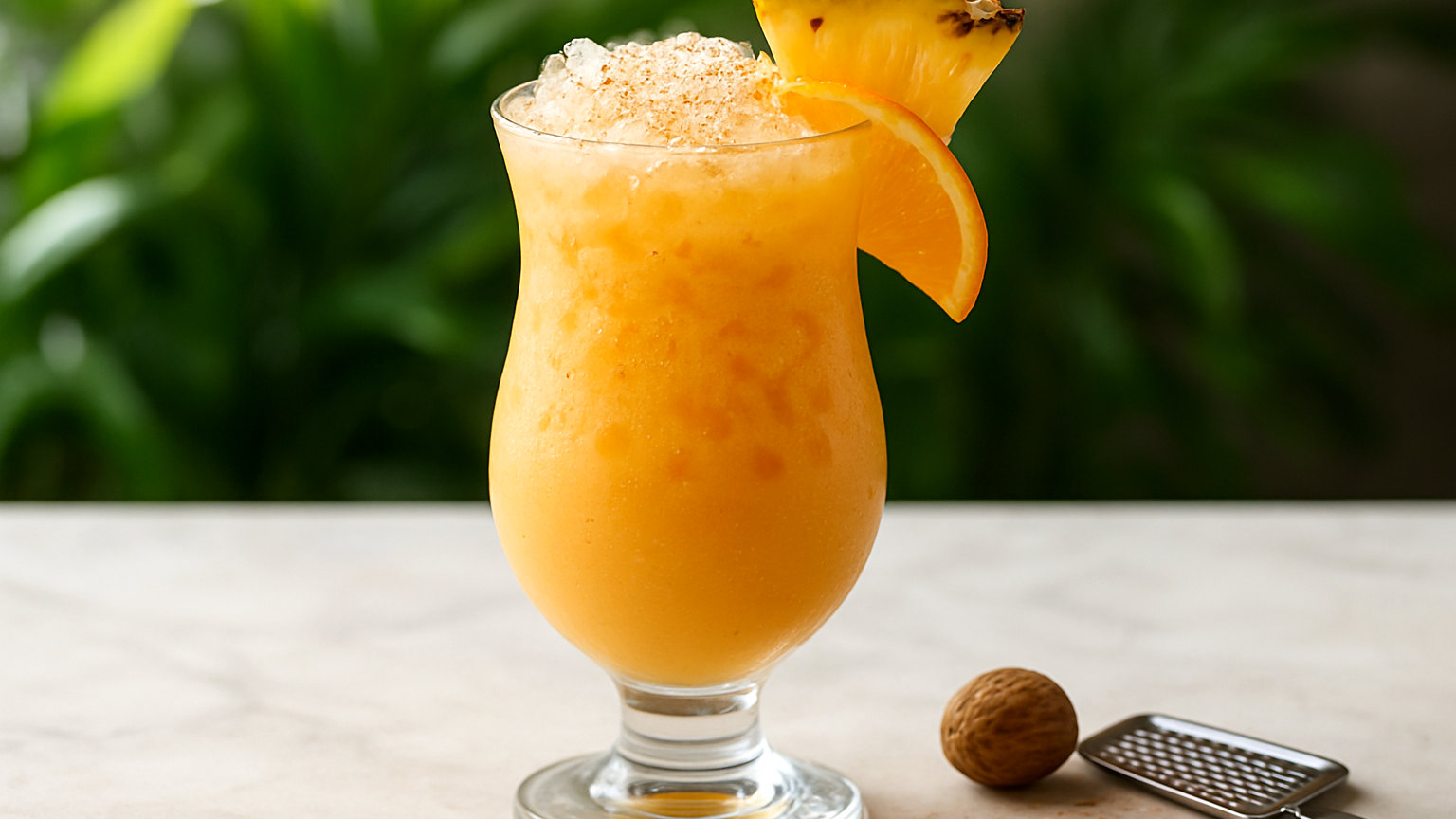
Rum, pineapple, orange and coconut cream, with nutmeg over the top. The nutmeg is not optional.
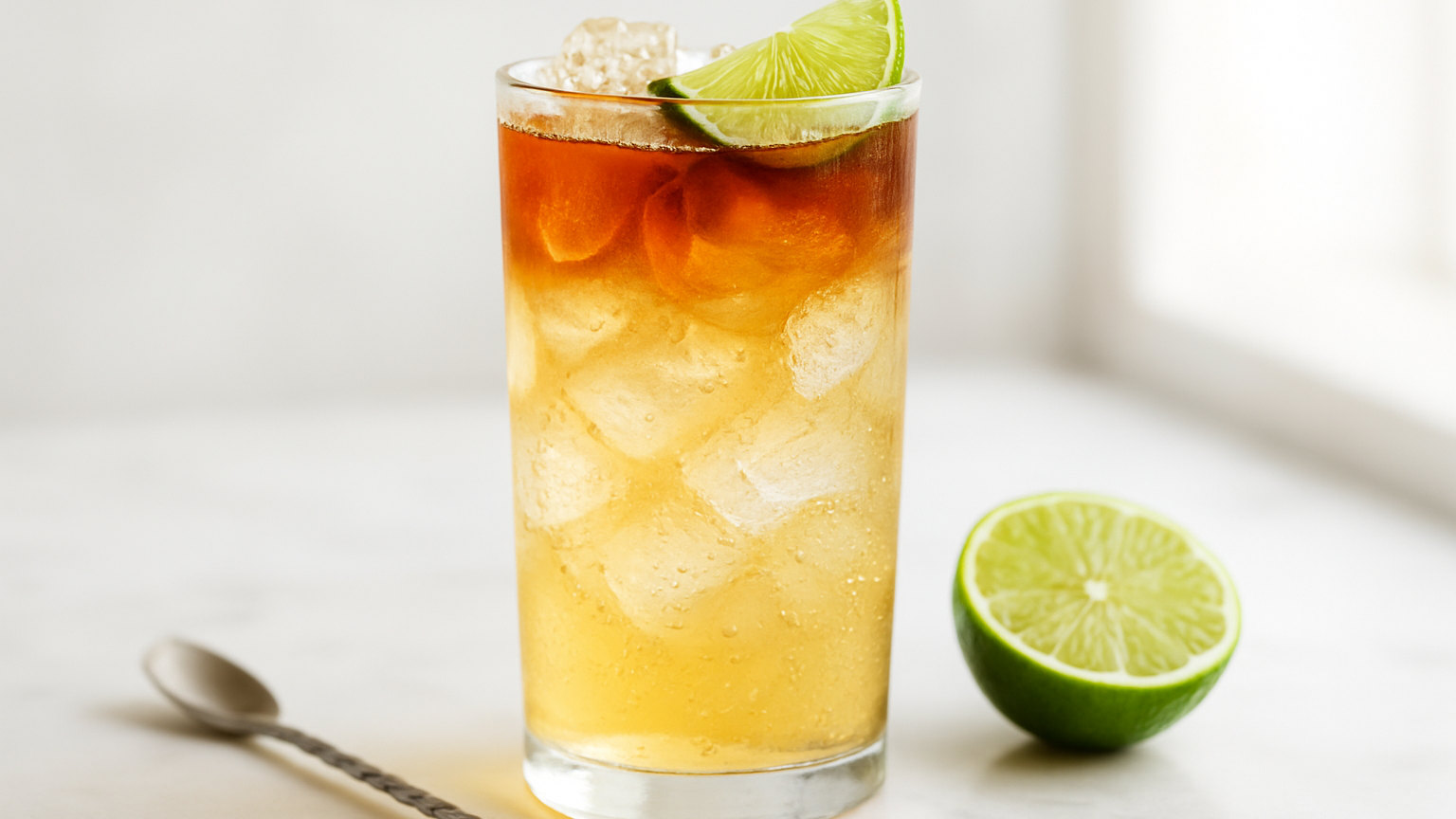
Dark rum floated over ginger beer, which is why it looks the way it does. The ginger beer is most of the drink.
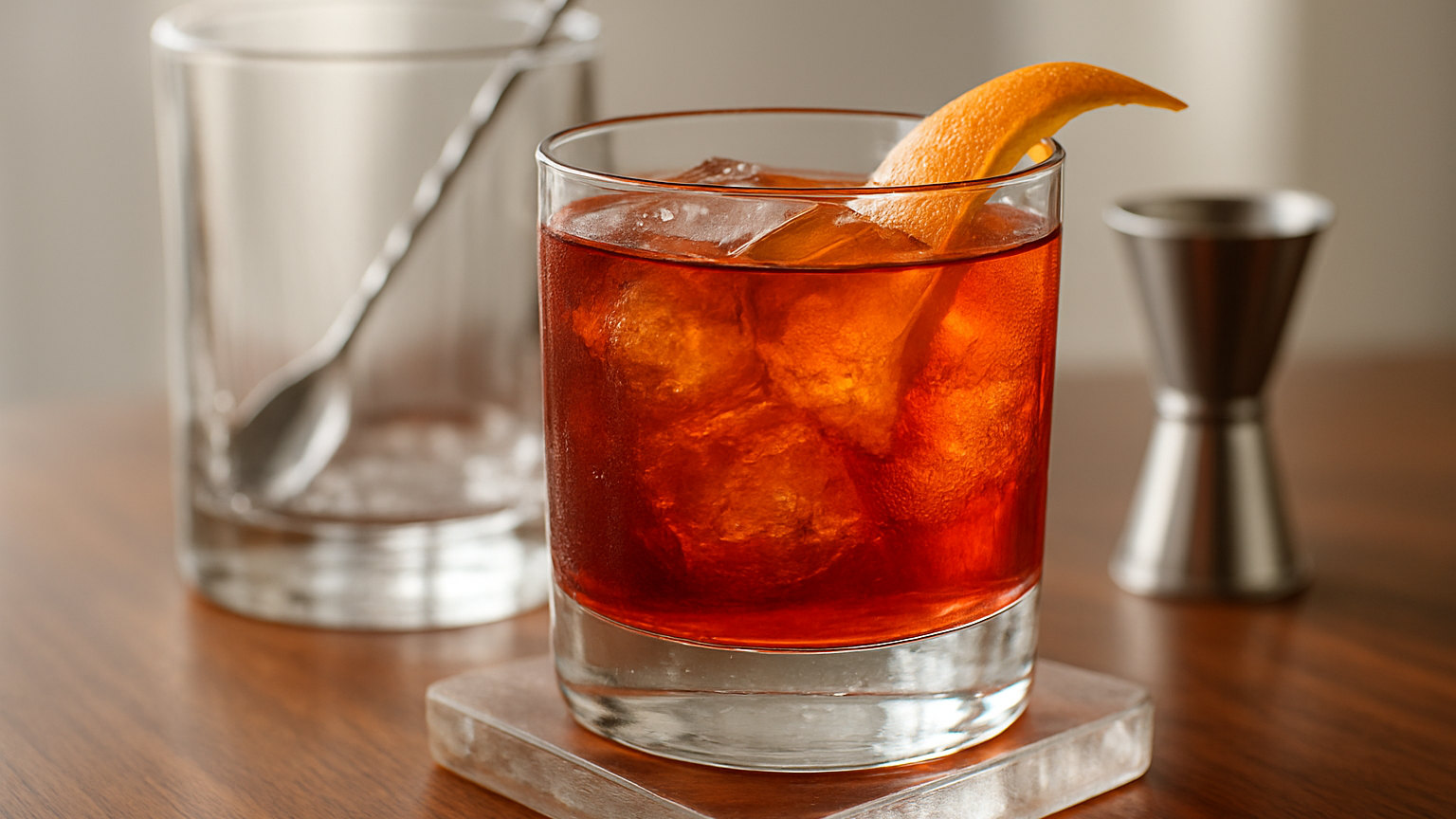
Three ingredients in equal parts, stirred not shaken. The simplicity is why the quality of each one shows.
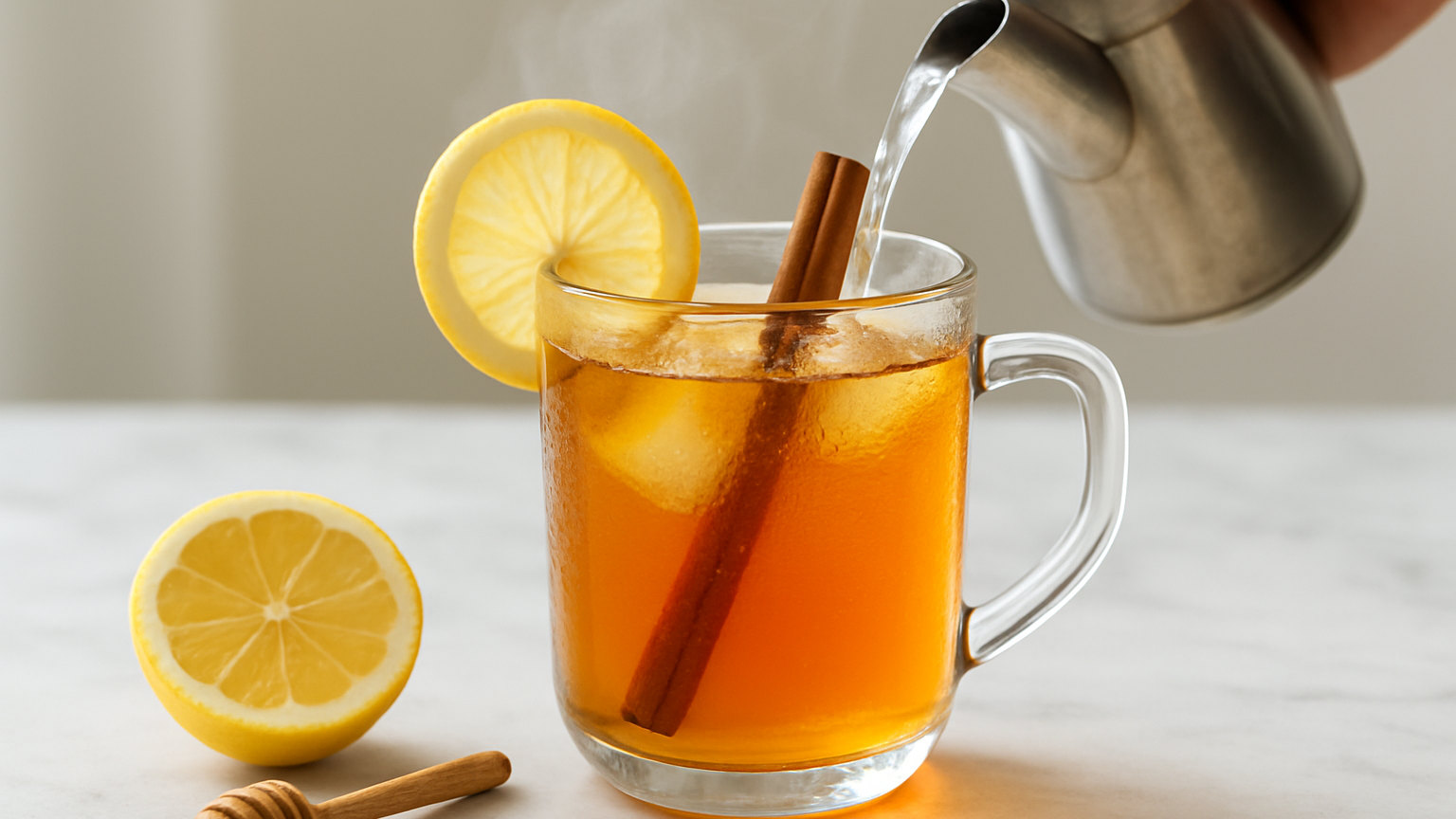
Whisky, honey, lemon and hot water. Using boiling water drives off the aroma and scorches the honey.
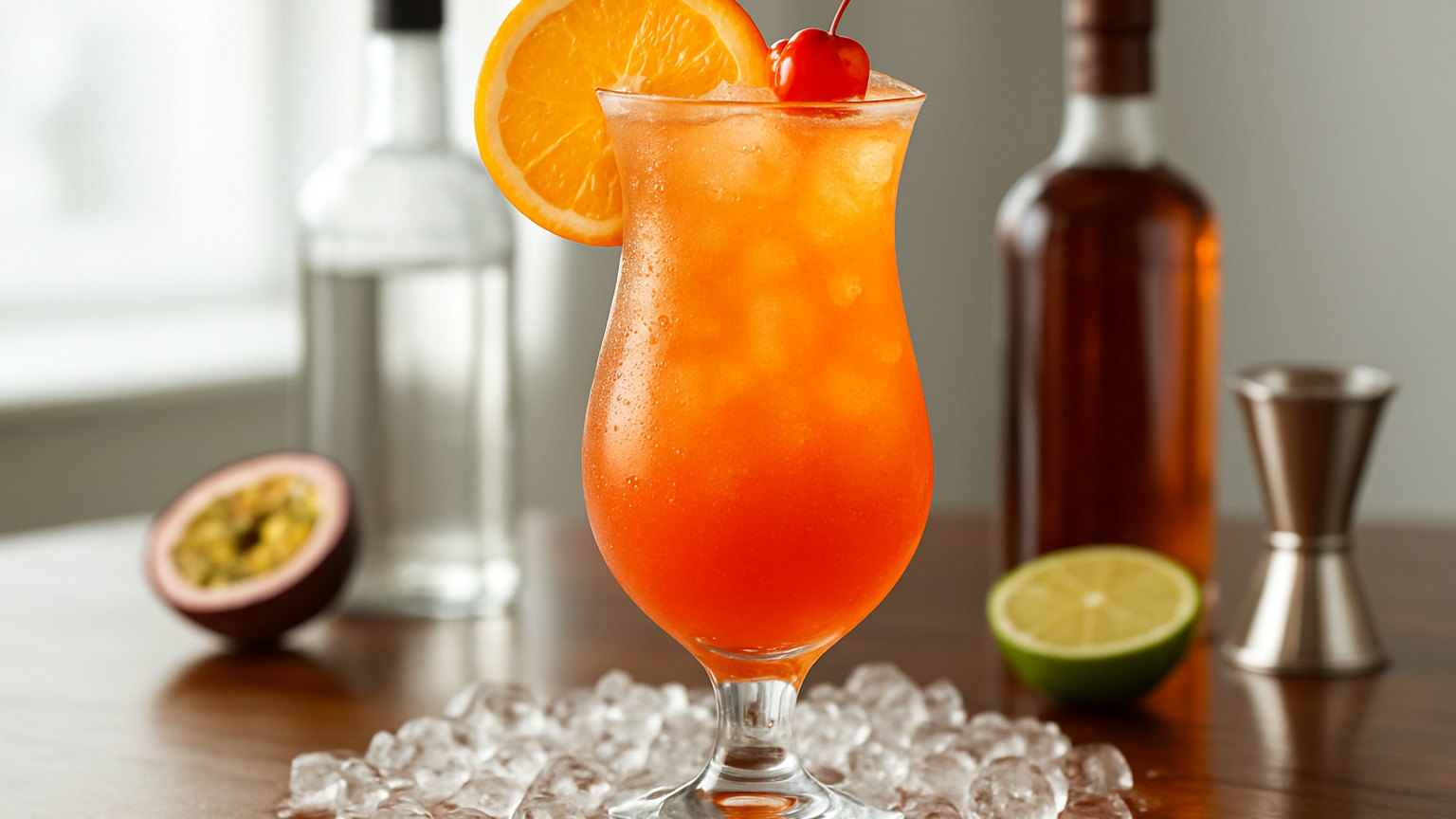
Two rums, passion fruit and citrus. The bright red version most bars serve has very little to do with the original.
Cognac and amaretto over ice. Two ingredients, no technique, and the ratio is the only decision.
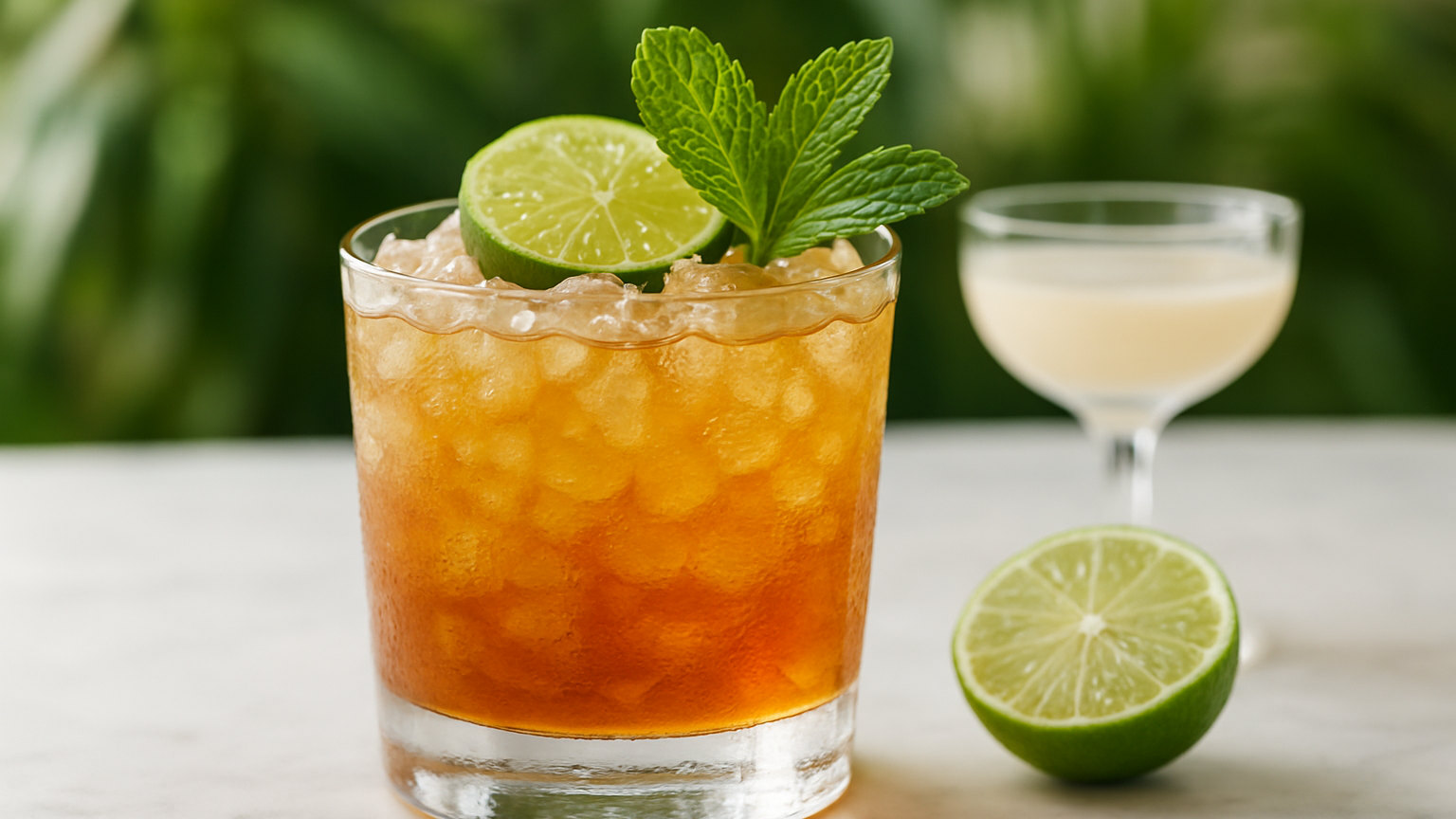
The original contains no pineapple juice and no grenadine. It is a rum sour with orgeat, and it tastes nothing like the version most people know.
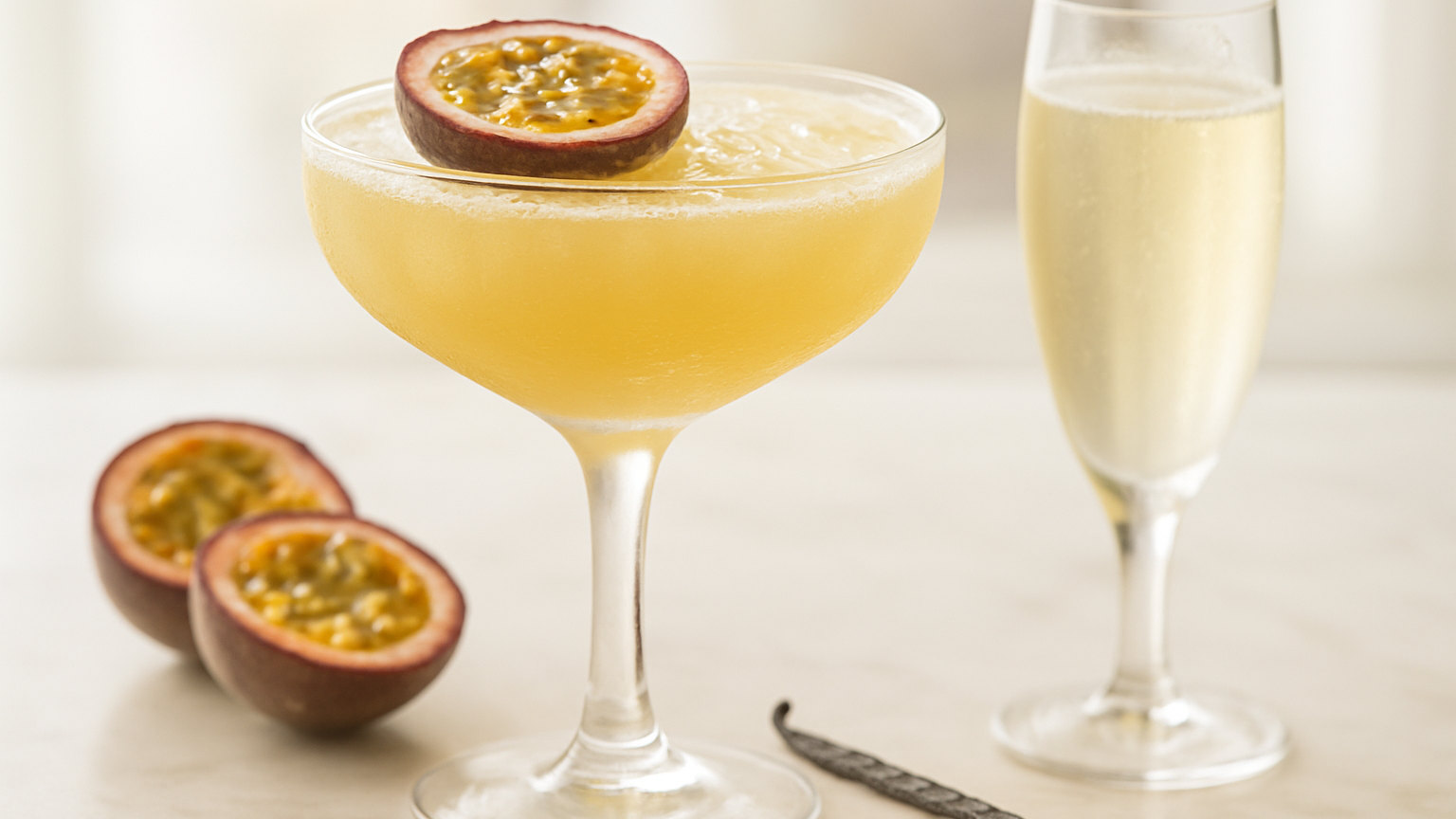
Passion fruit, vanilla and a shot of fizz on the side. The prosecco is meant to be drunk alongside rather than poured in.
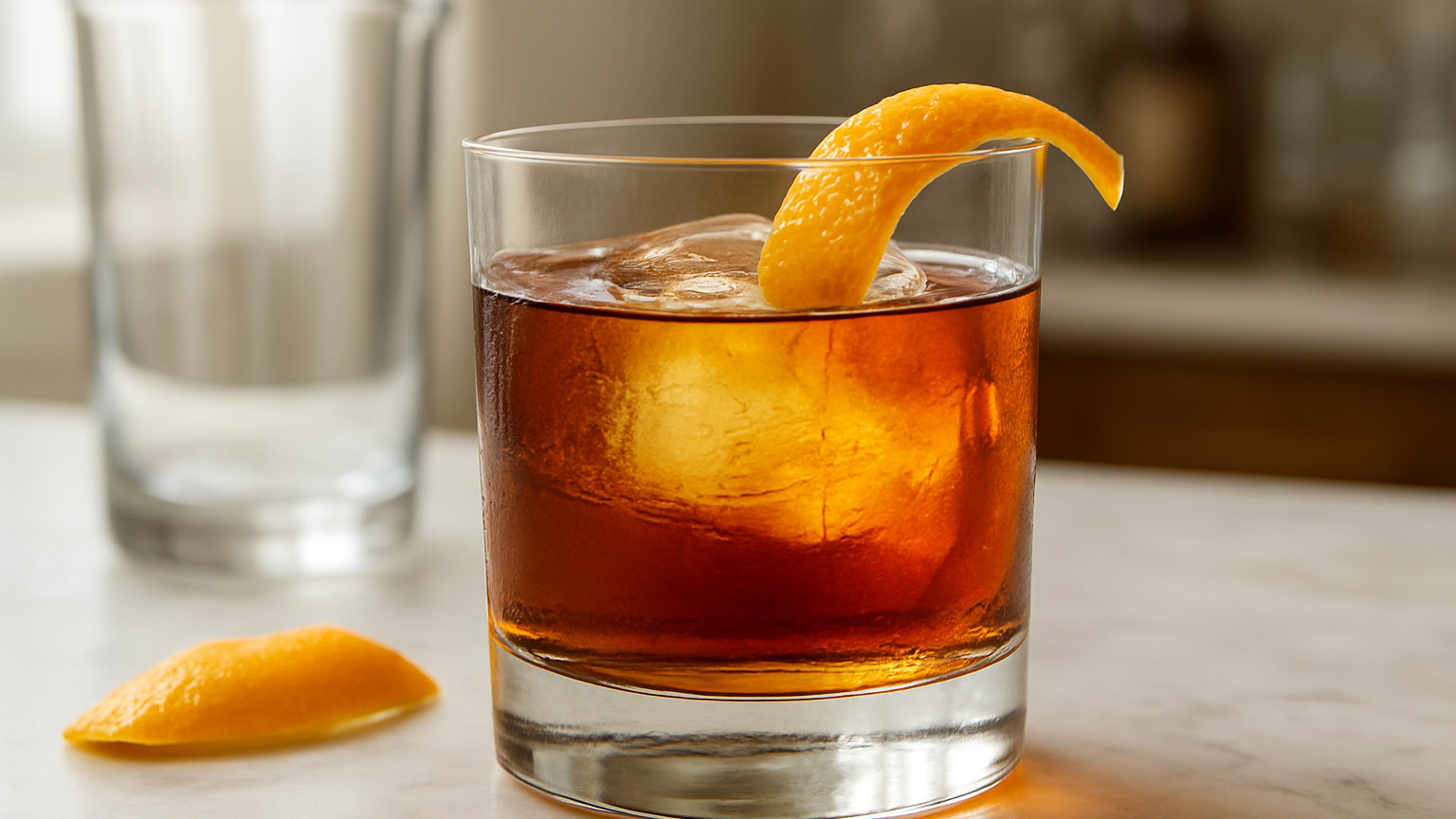
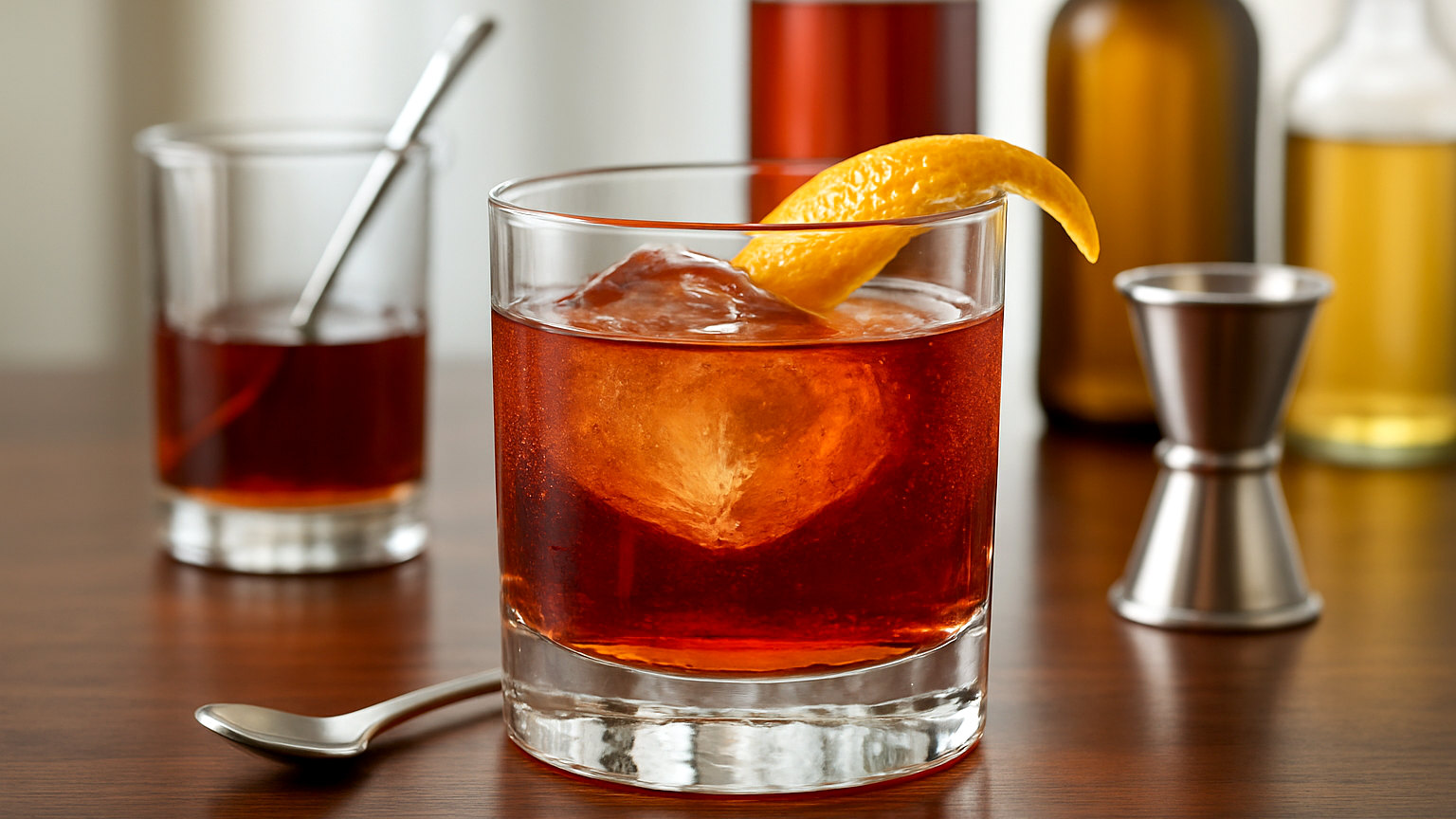
A negroni made with whiskey instead of gin. Richer, rounder and worth a different ratio to the original.
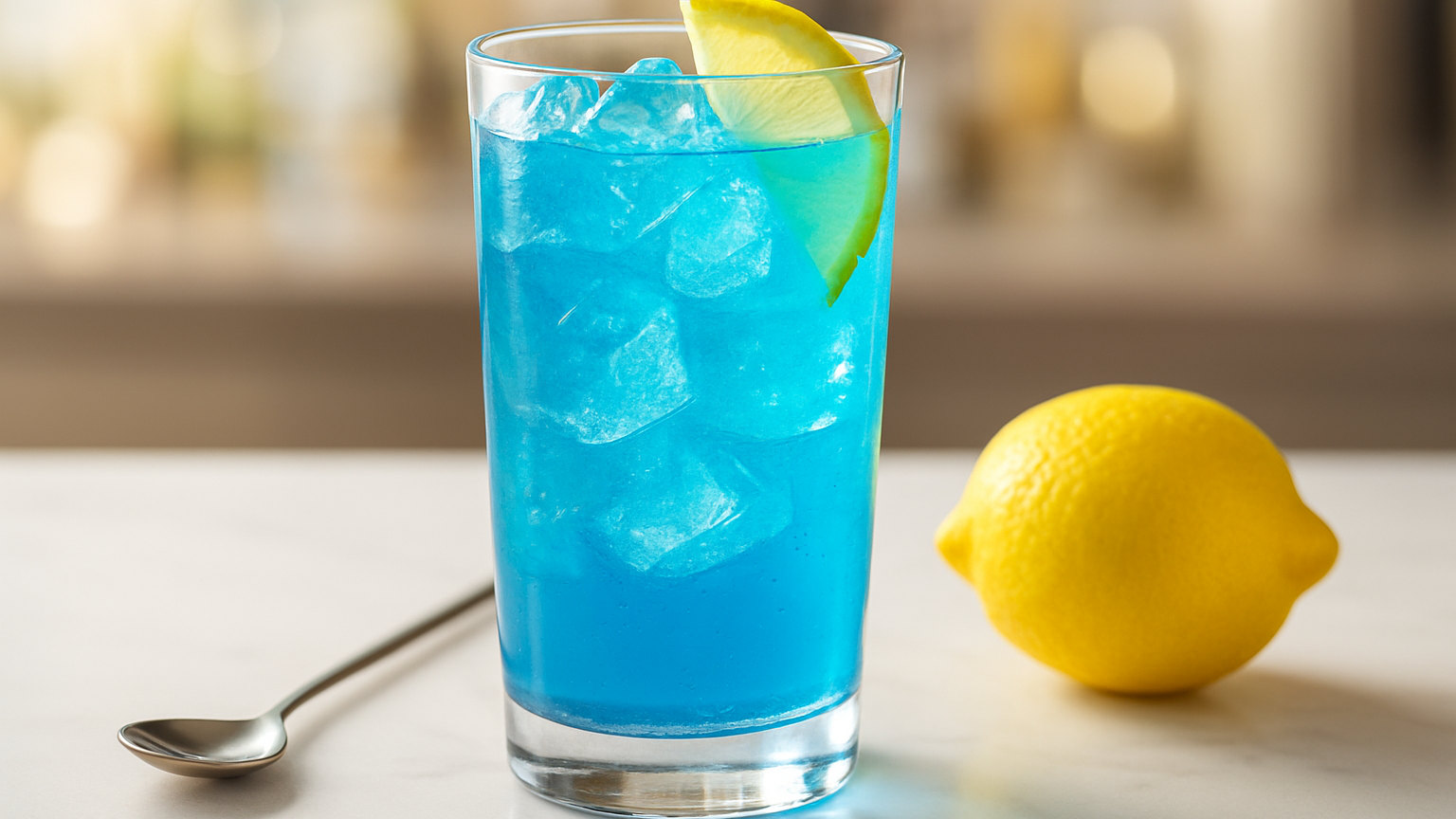
Vodka, blue curacao and lemonade. The blue liqueur is orange flavoured, which surprises most people.
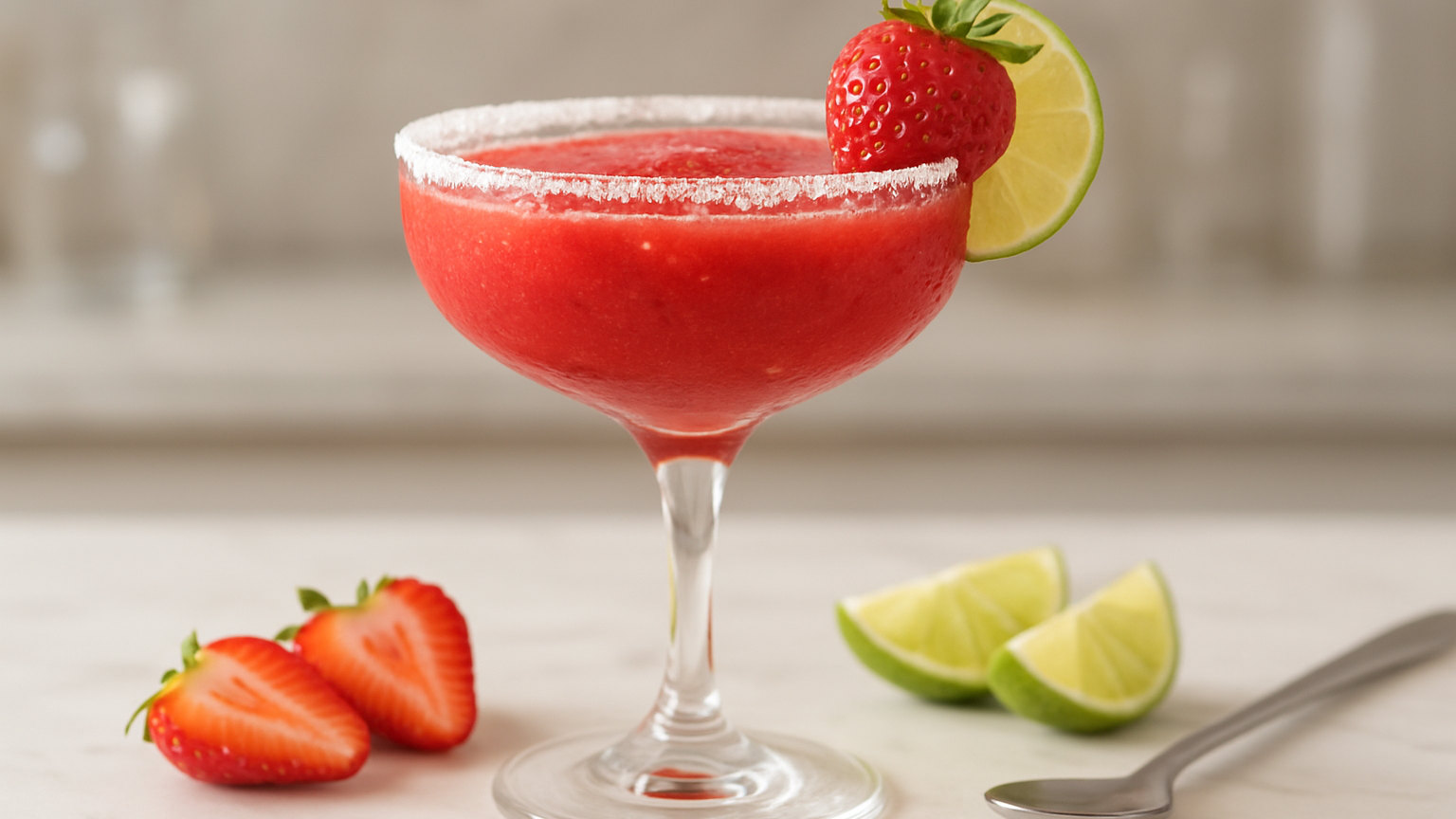
Cold suppresses both sweetness and acidity, which is why a frozen daiquiri needs more of each than the shaken version.
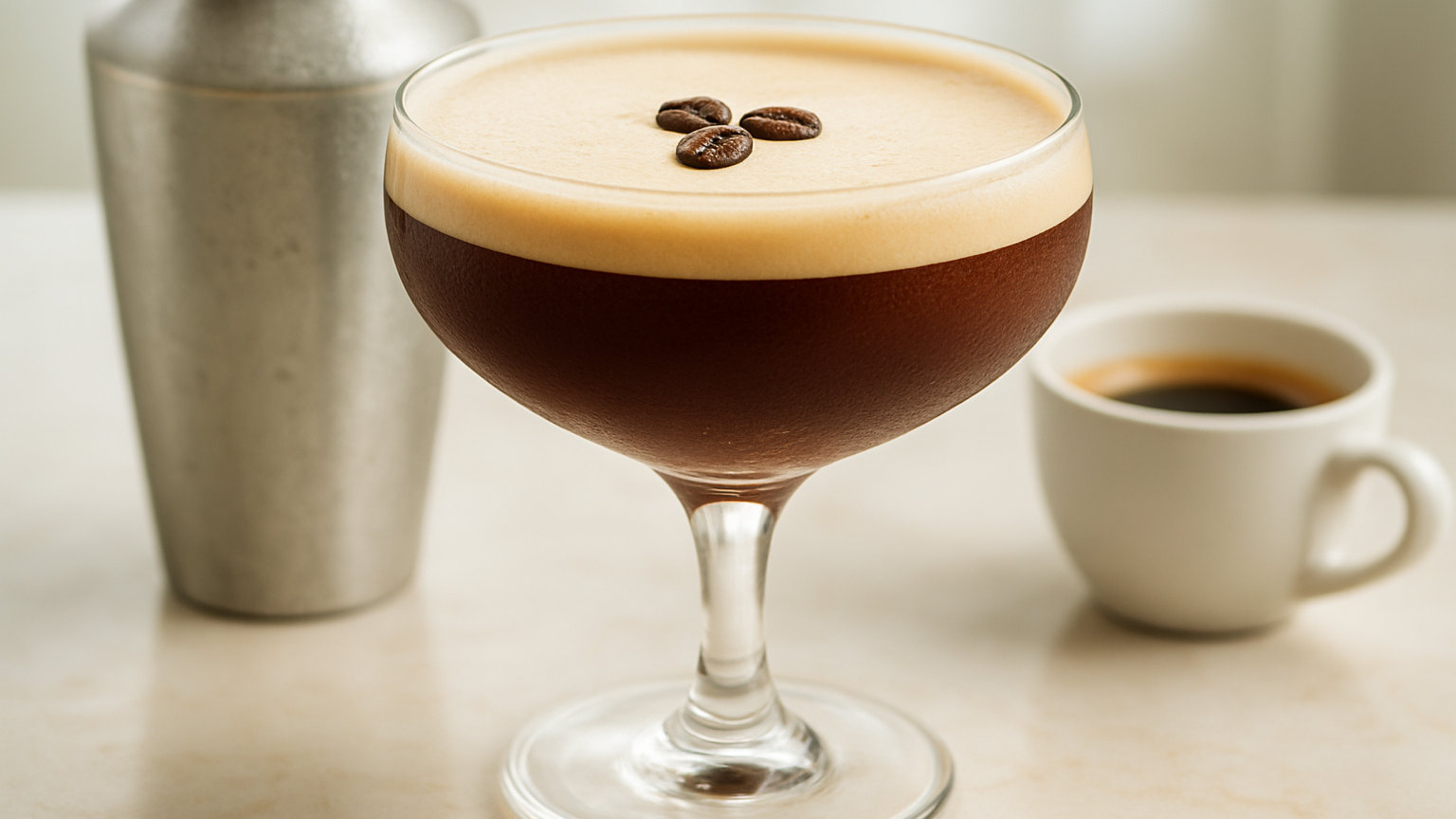
The foam comes from fresh espresso shaken hard, which is why bottled coffee never produces it.