How Do You Infuse Fruit into Spirits?
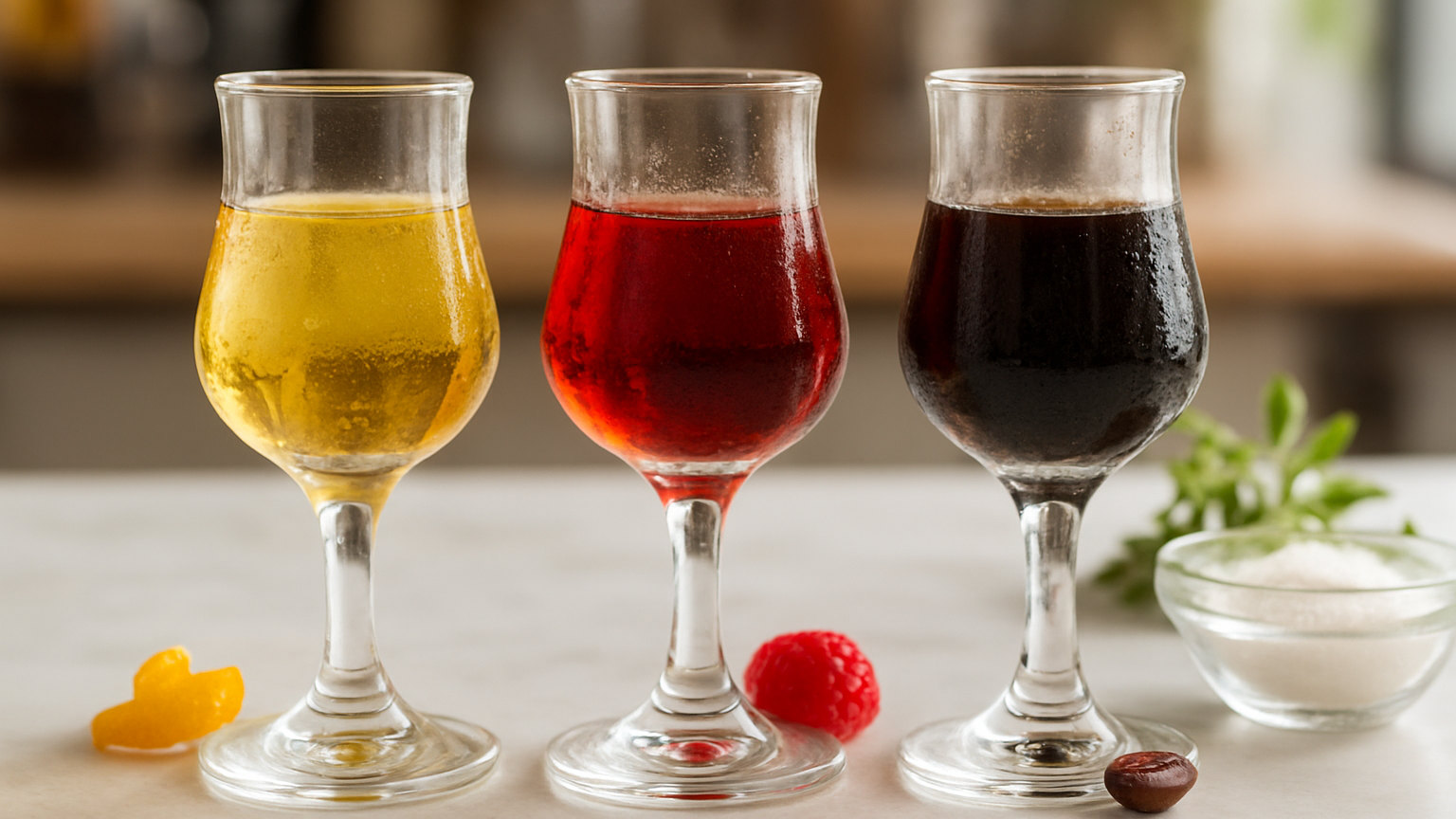
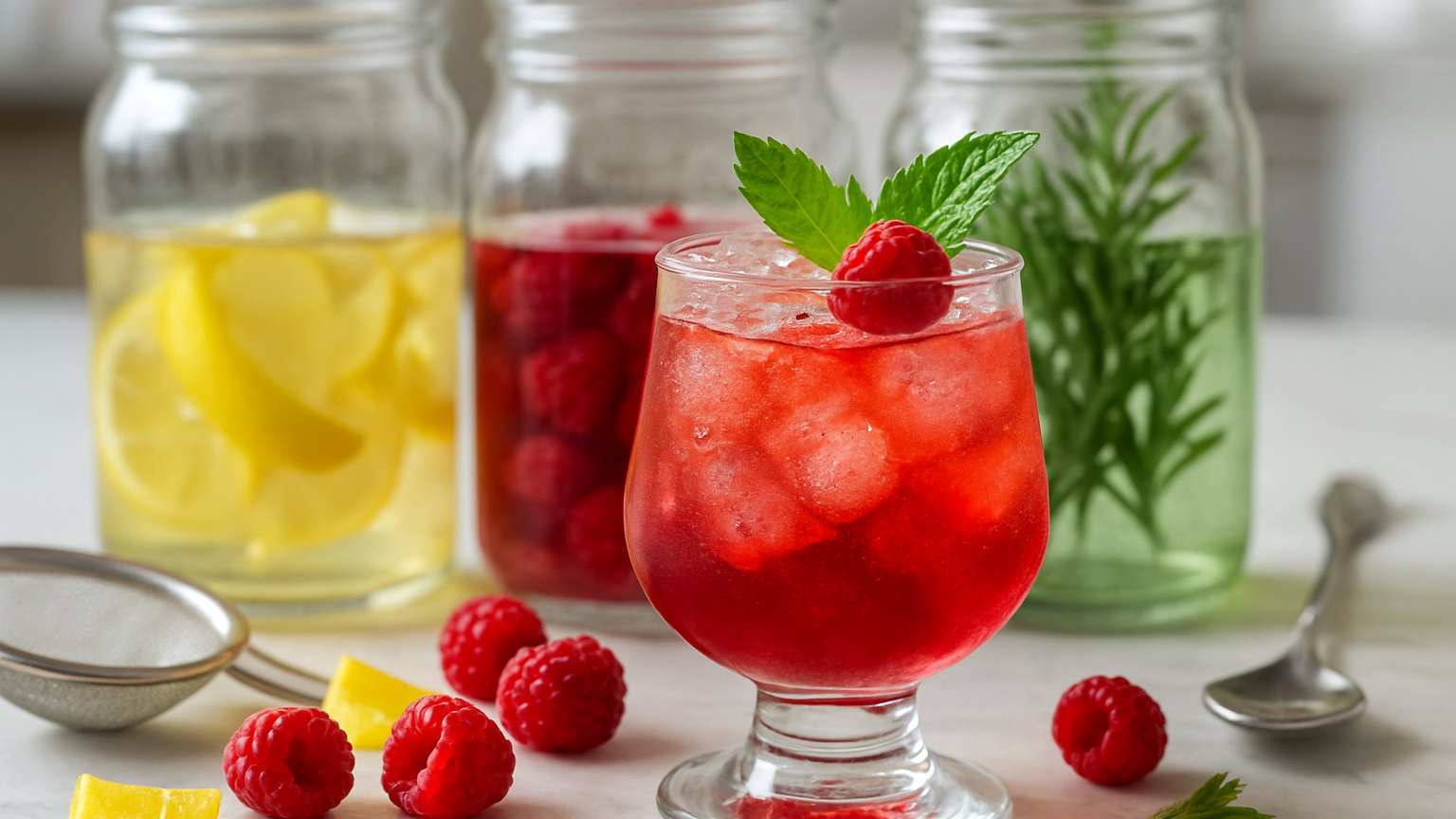
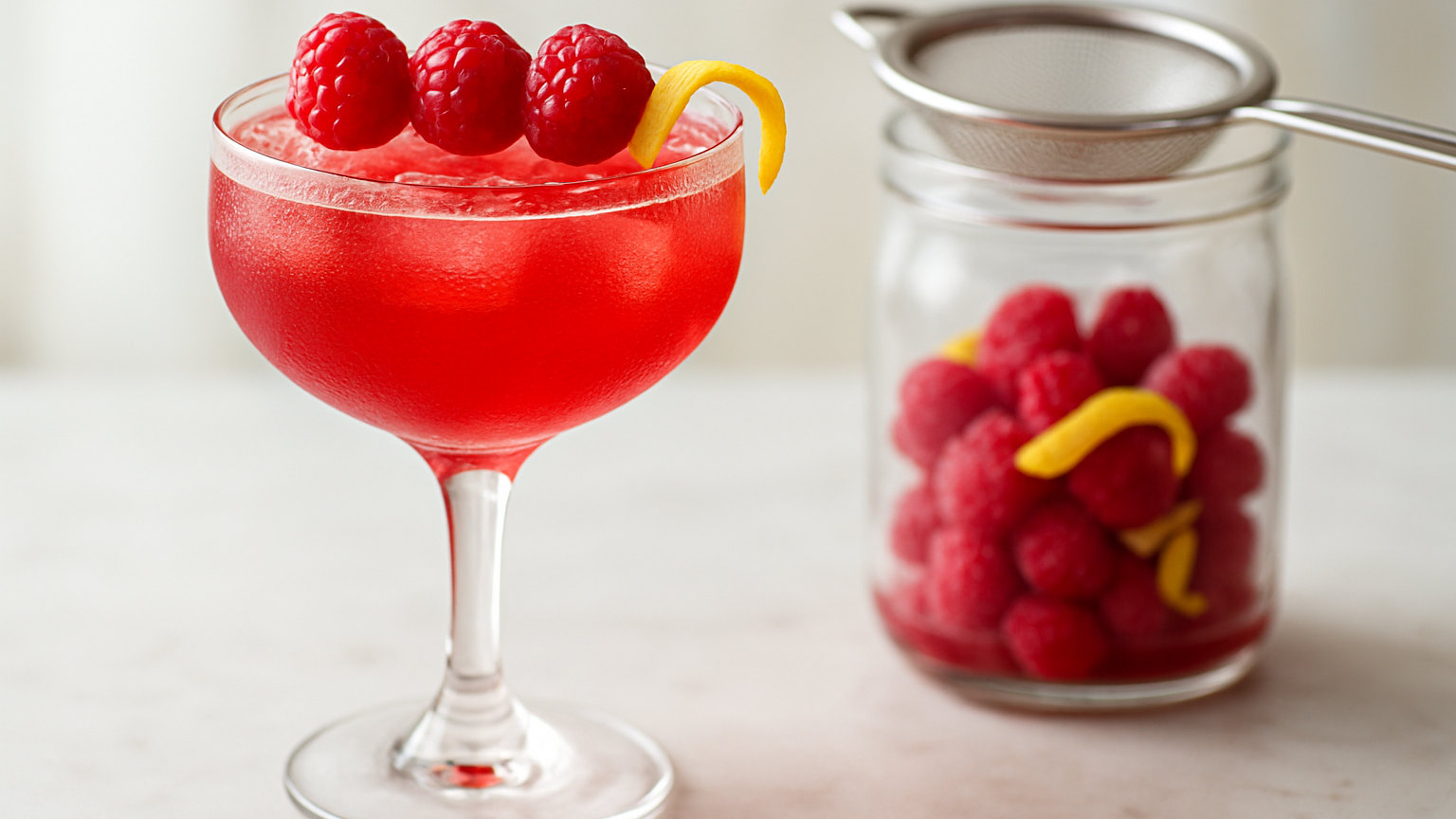
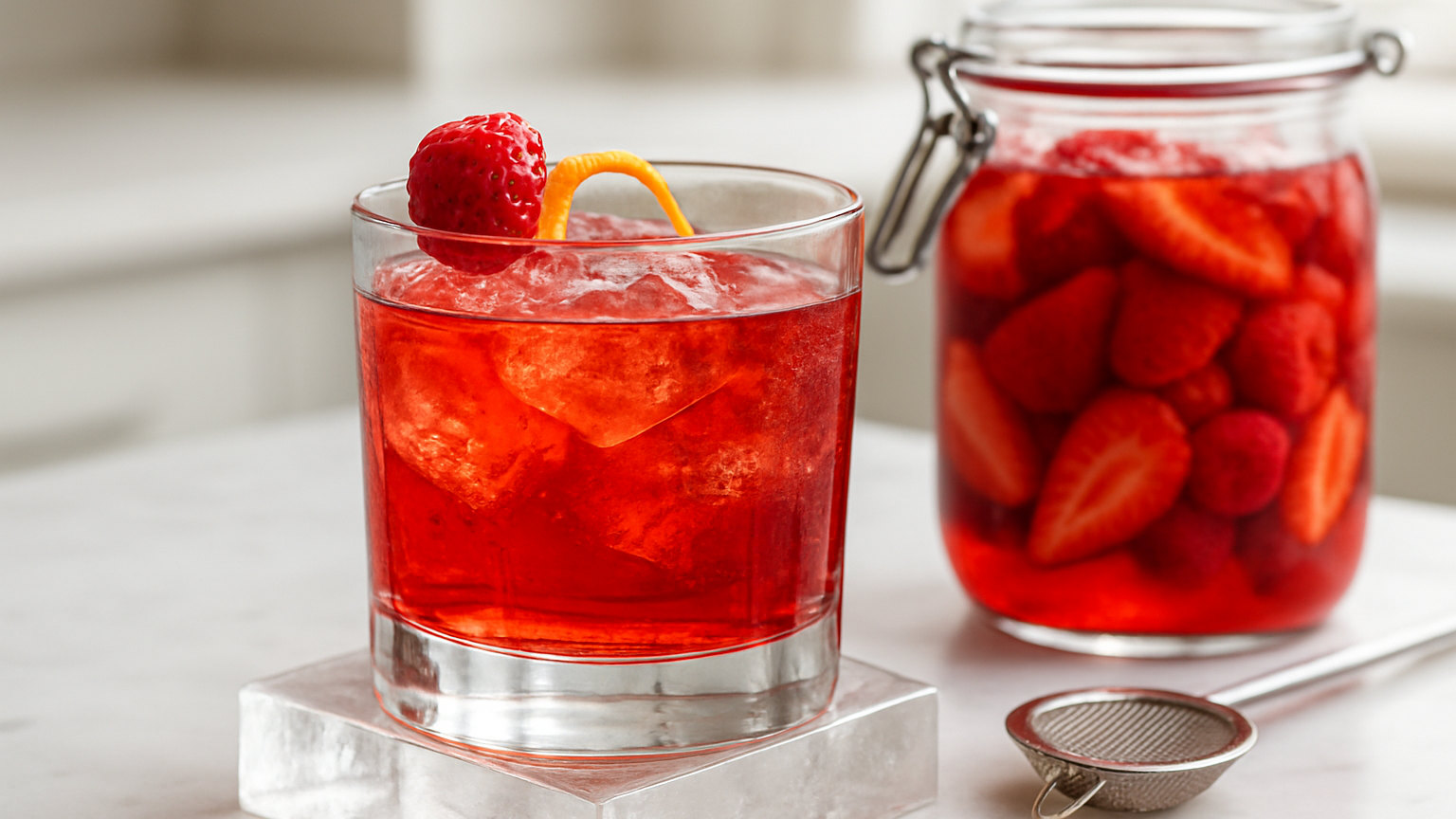
Fruit brings water as well as flavour, which is the difference between an infusion that keeps for a year and one that does not.
By Drink Recipes Team
12 Sep 2025

Spirits are where most home bars overspend, because the bottle that tastes best neat is rarely the bottle that makes the best drink. These guides go category by category, explain what actually distinguishes a style rather than repeating the marketing, and say which price bracket is worth reaching for and which is not. The recipes are built around one spirit at a time, so you can get value from a single bottle. Infusions, liqueurs and bitters are covered as things to make rather than buy, since most cost a fraction of the shop version.
Fruit brings water as well as flavour, which is the difference between an infusion that keeps for a year and one that does not.
A liqueur is a sweetened, flavoured spirit, and the legal definition rests almost entirely on how much sugar is in it.
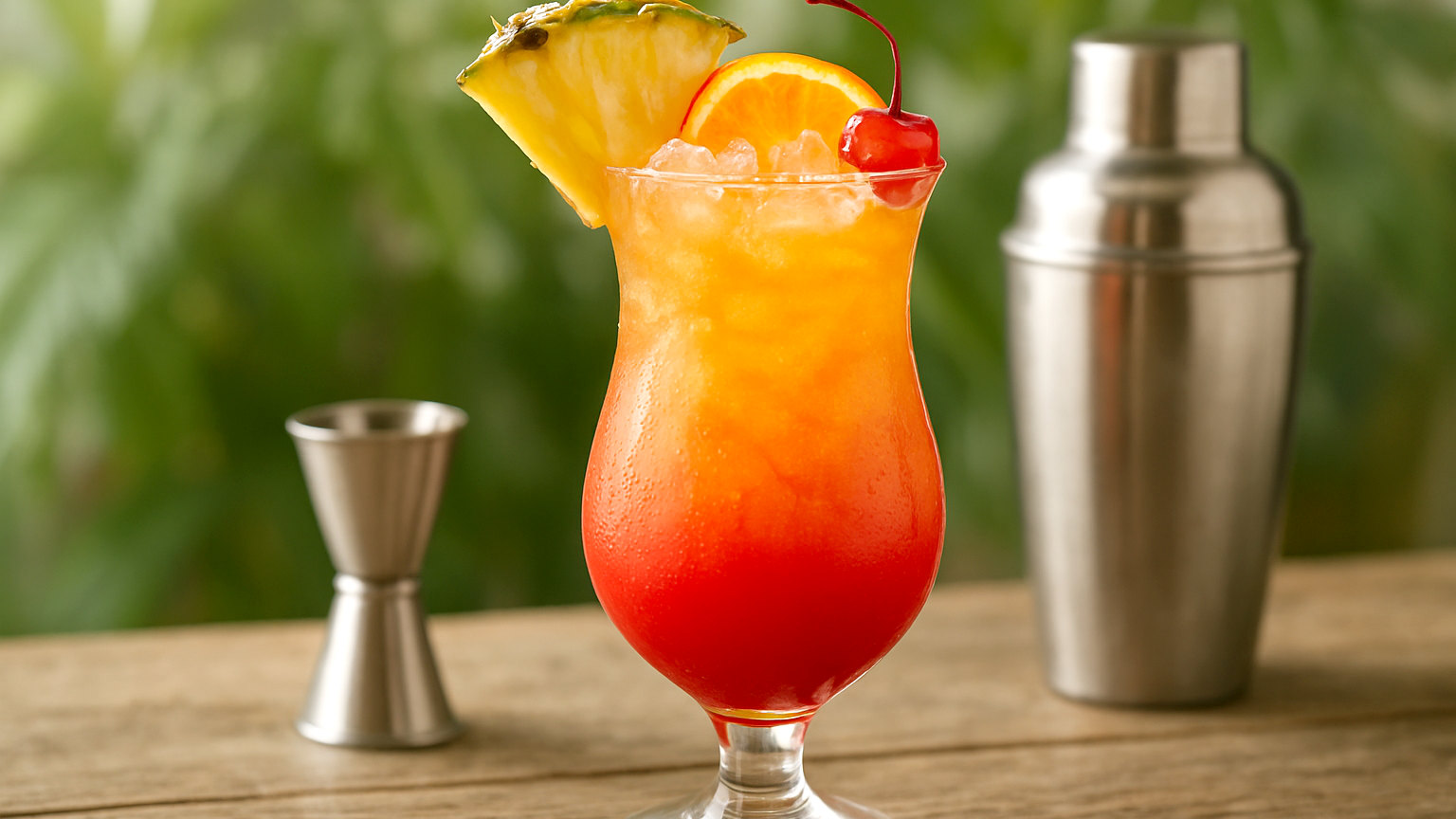
Two rums, banana and blackberry liqueurs, and fruit juice. A Florida Keys drink invented to empty a stockroom.
Steeping times range from two hours to six months depending on the ingredient. The ranges are wide because the material varies.
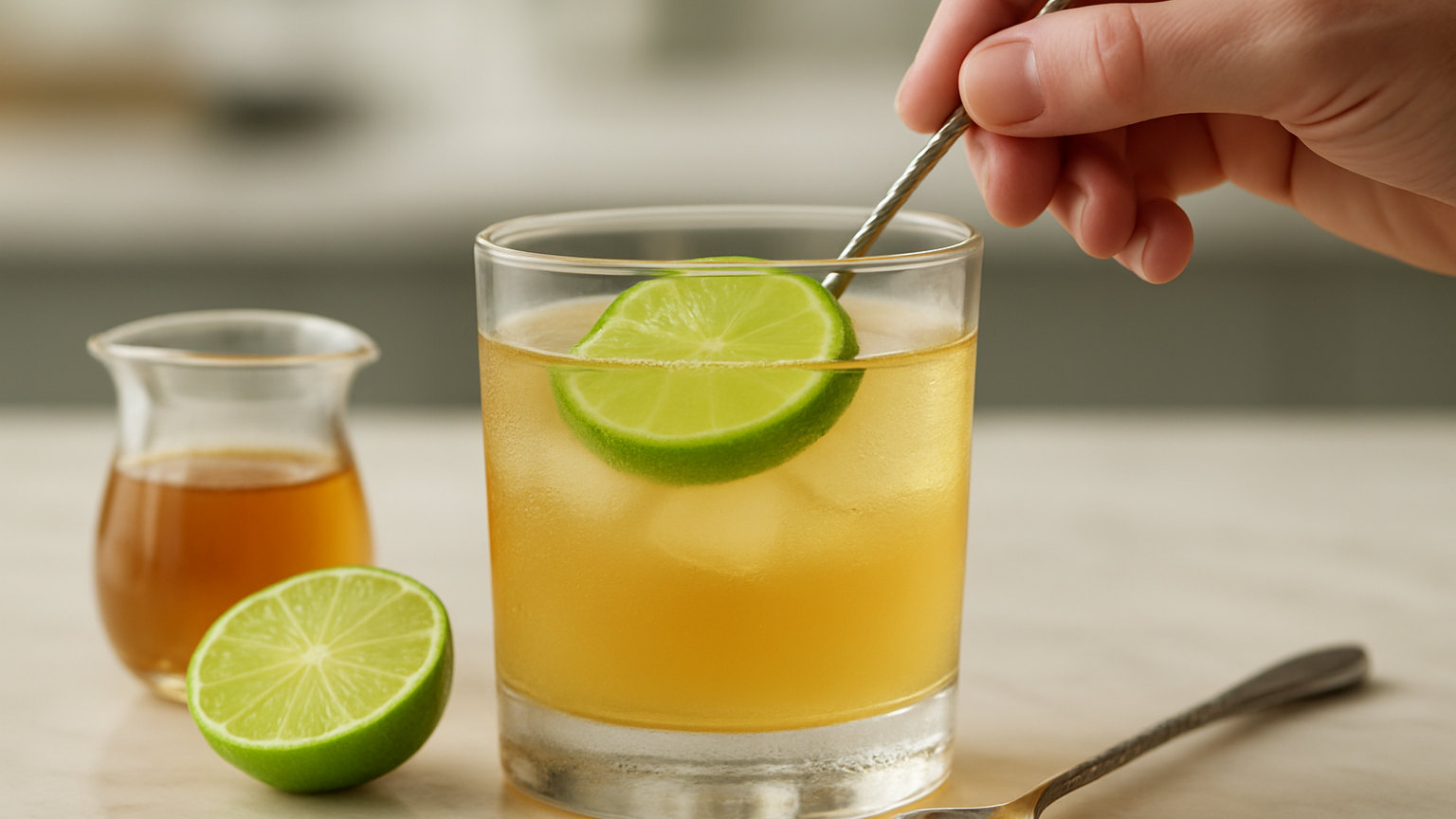
Rhum agricole, cane syrup and a disc of lime. Served without ice, and everyone makes their own.
Alcohol dissolves things water cannot, which is the whole basis of infusing. Everything else is a question of time and surface area.
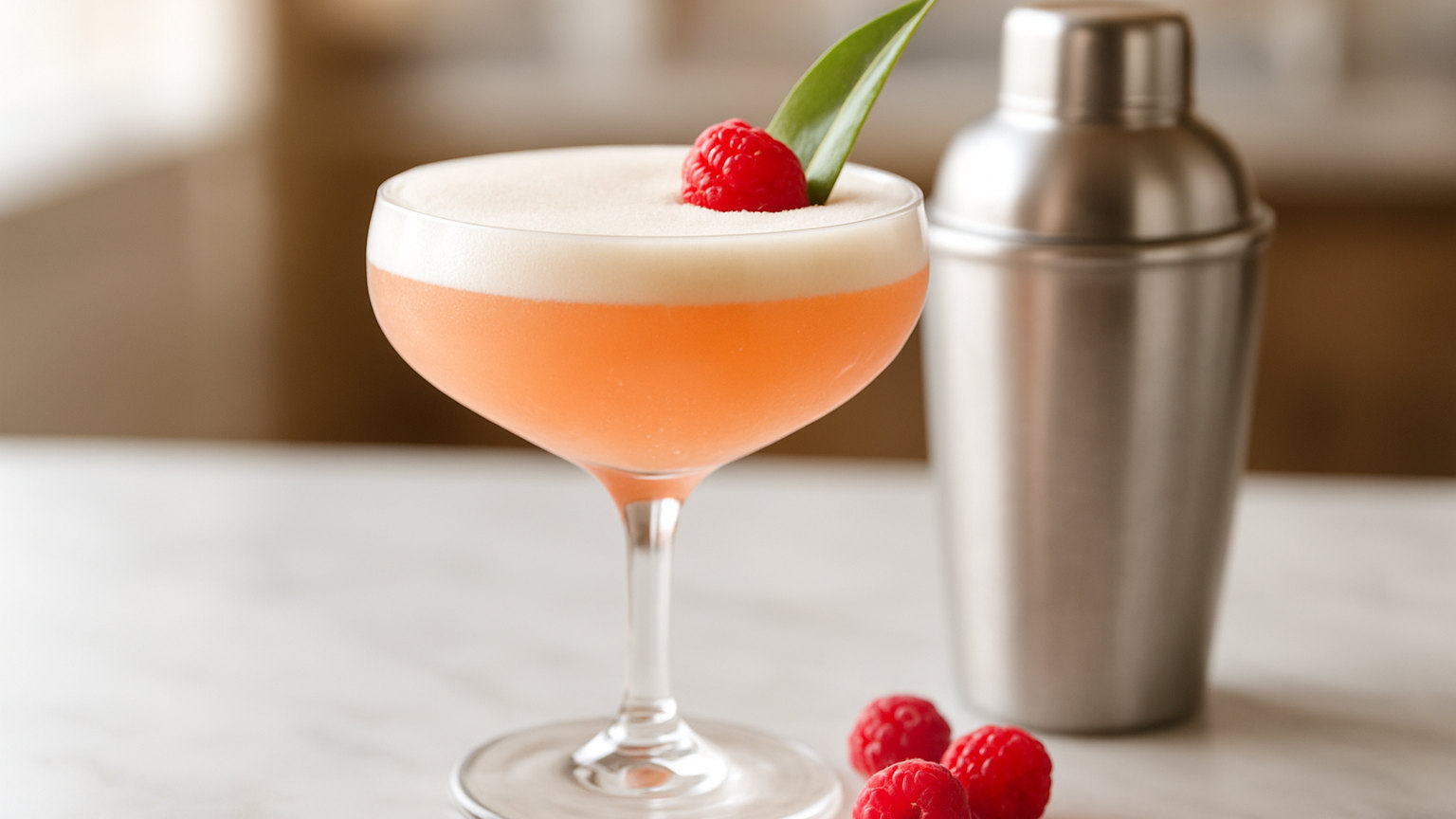
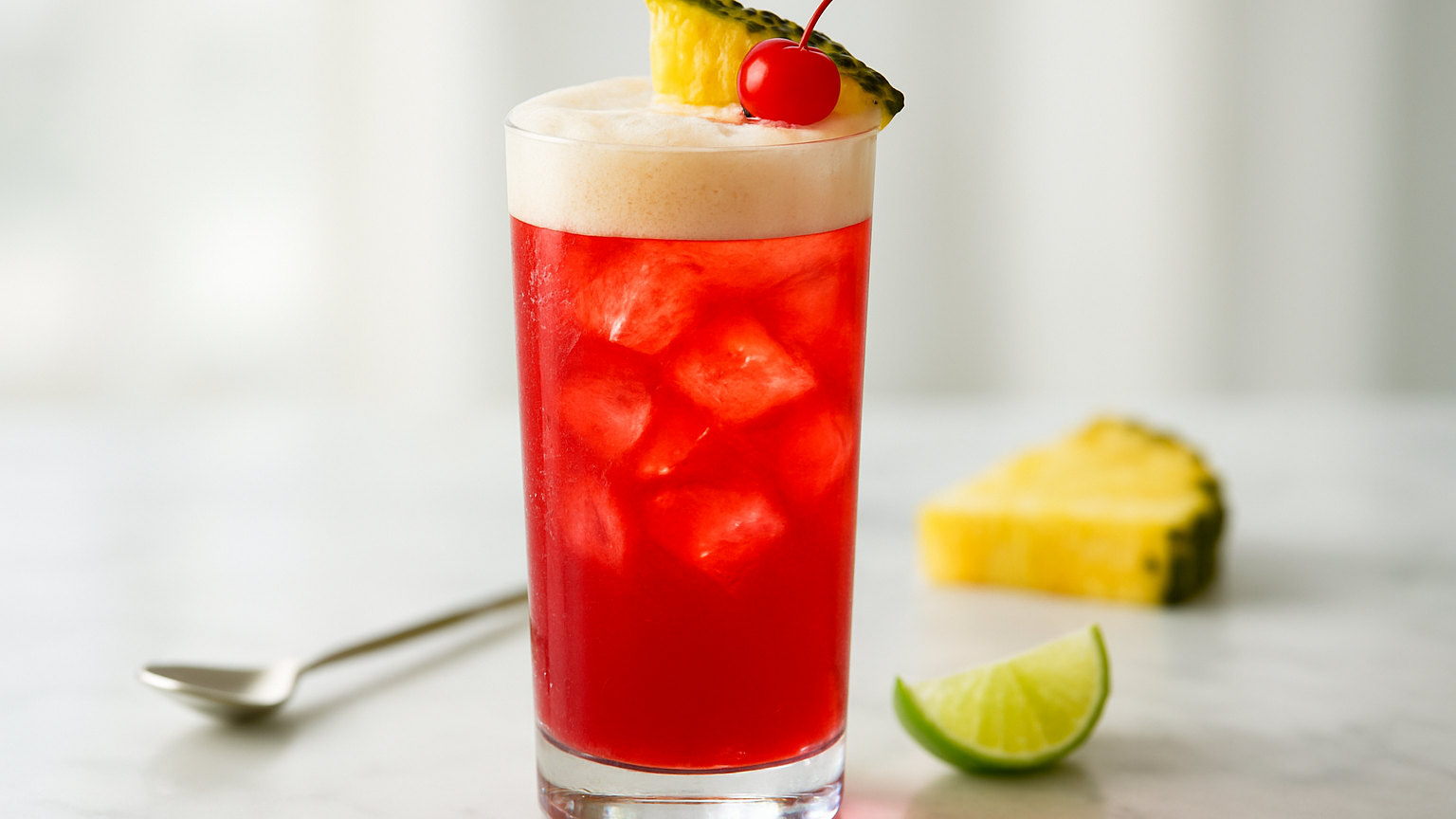
Vodka, raspberry liqueur and pineapple juice. The foam comes from the pineapple rather than anything added.
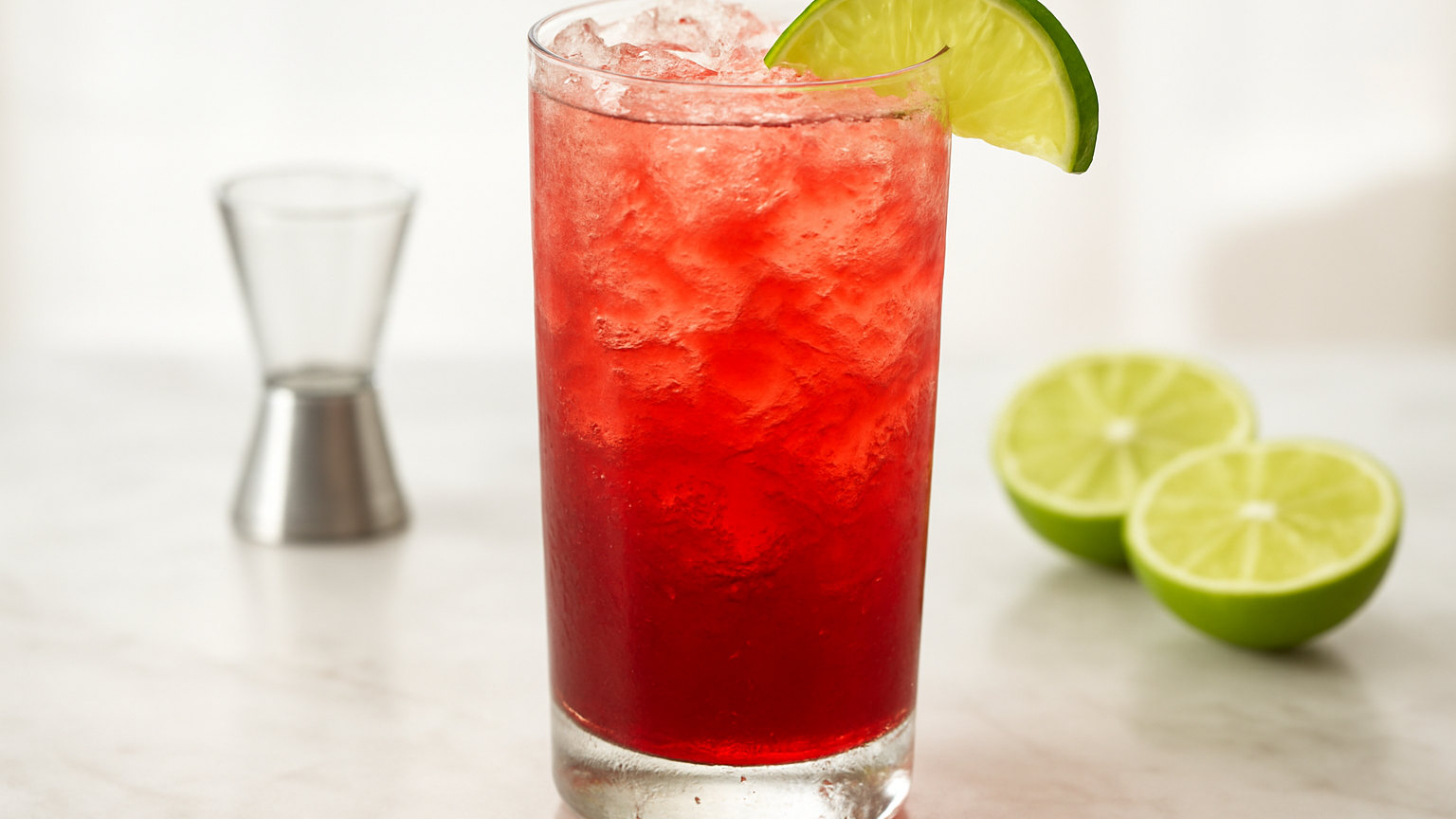
Tequila, blackcurrant liqueur, lime and ginger beer. An unlikely combination from the 1940s that holds up.
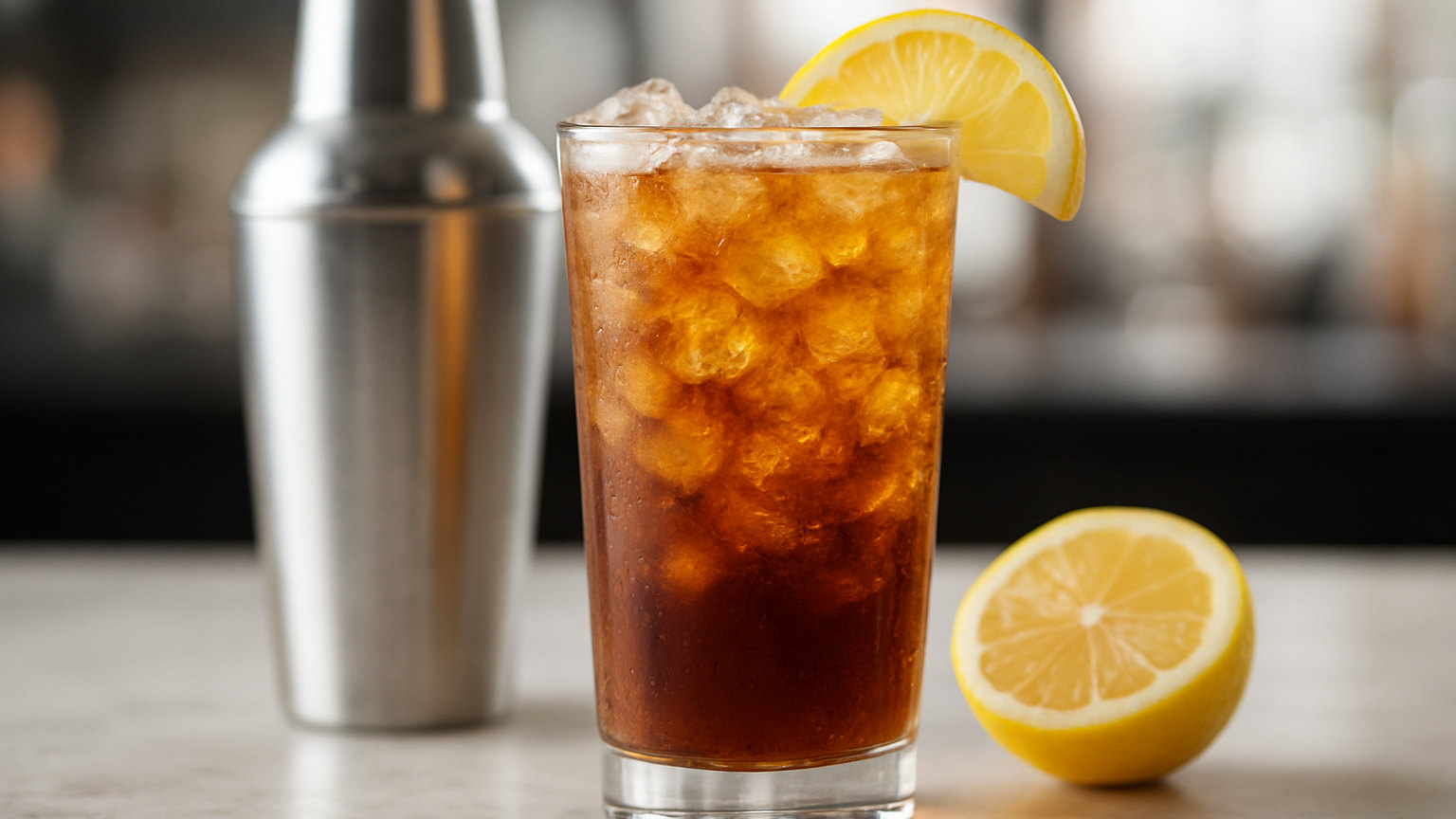
Five spirits, lemon, syrup and a splash of cola. It contains no tea and considerably more alcohol than it tastes of.
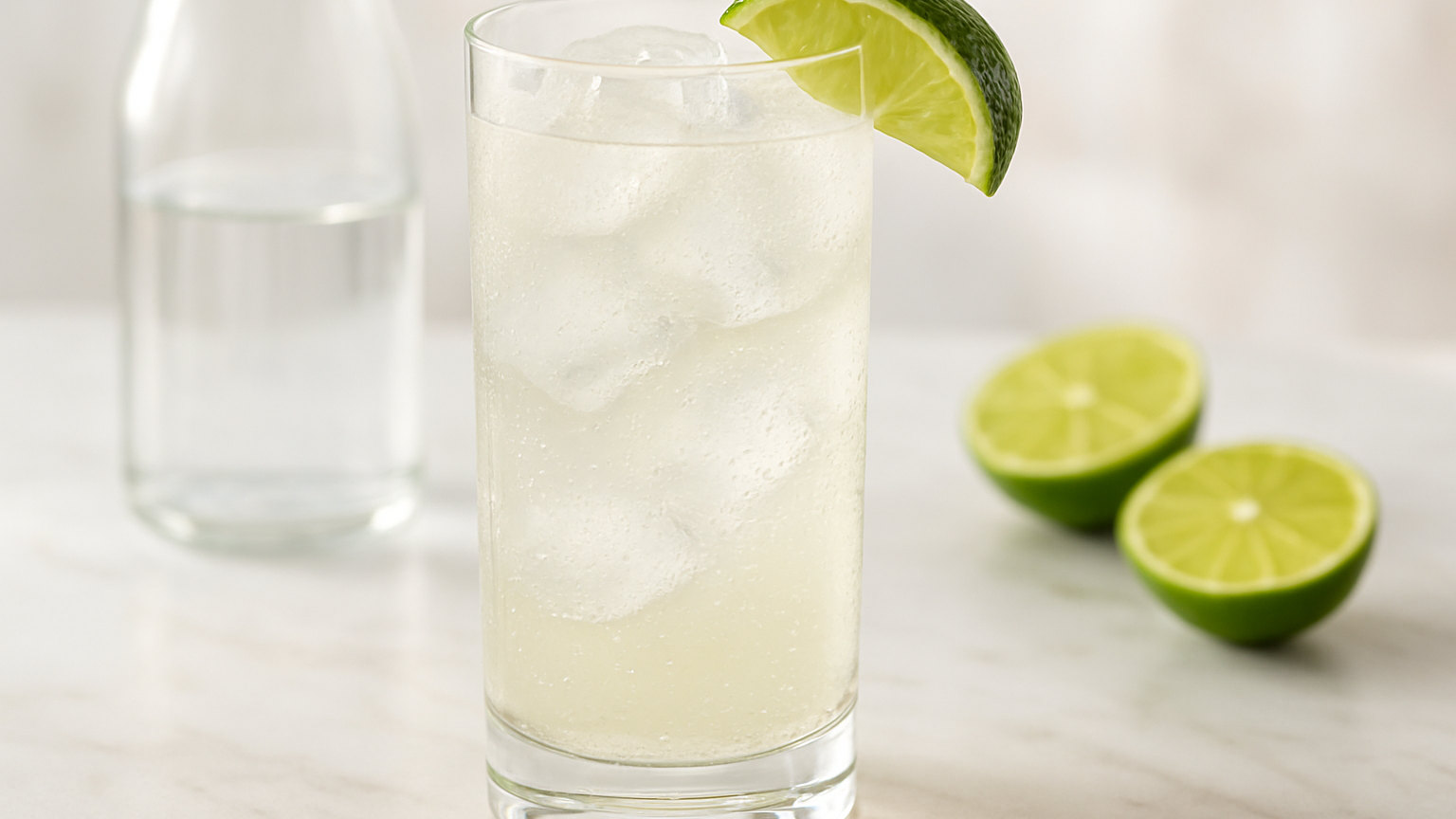
Tequila, lime and sparkling mineral water. Three ingredients, no sugar at all, and it has quietly taken over.
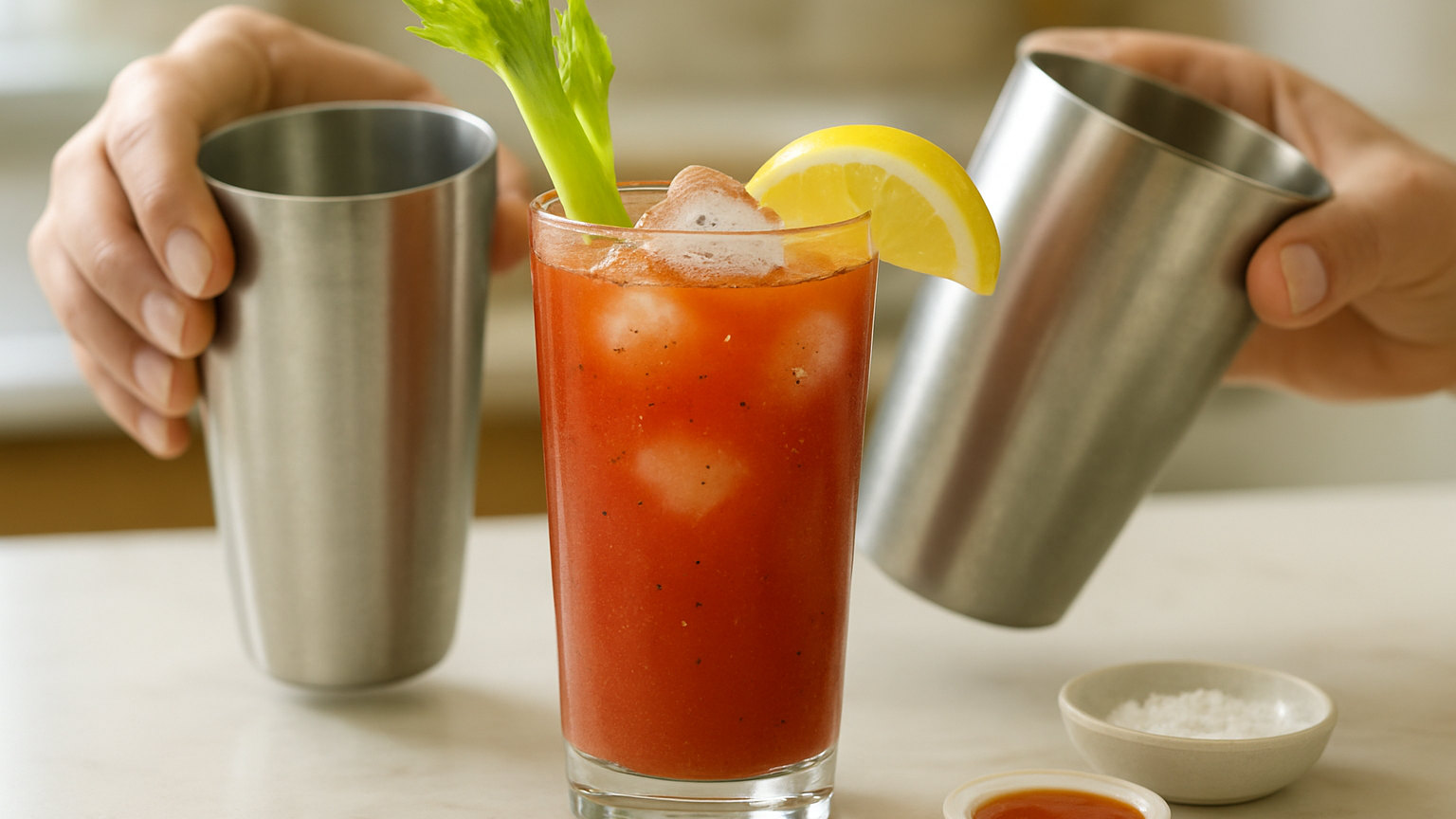
A bloody mary is seasoned like food rather than measured like a cocktail, and rolling it keeps the texture right.
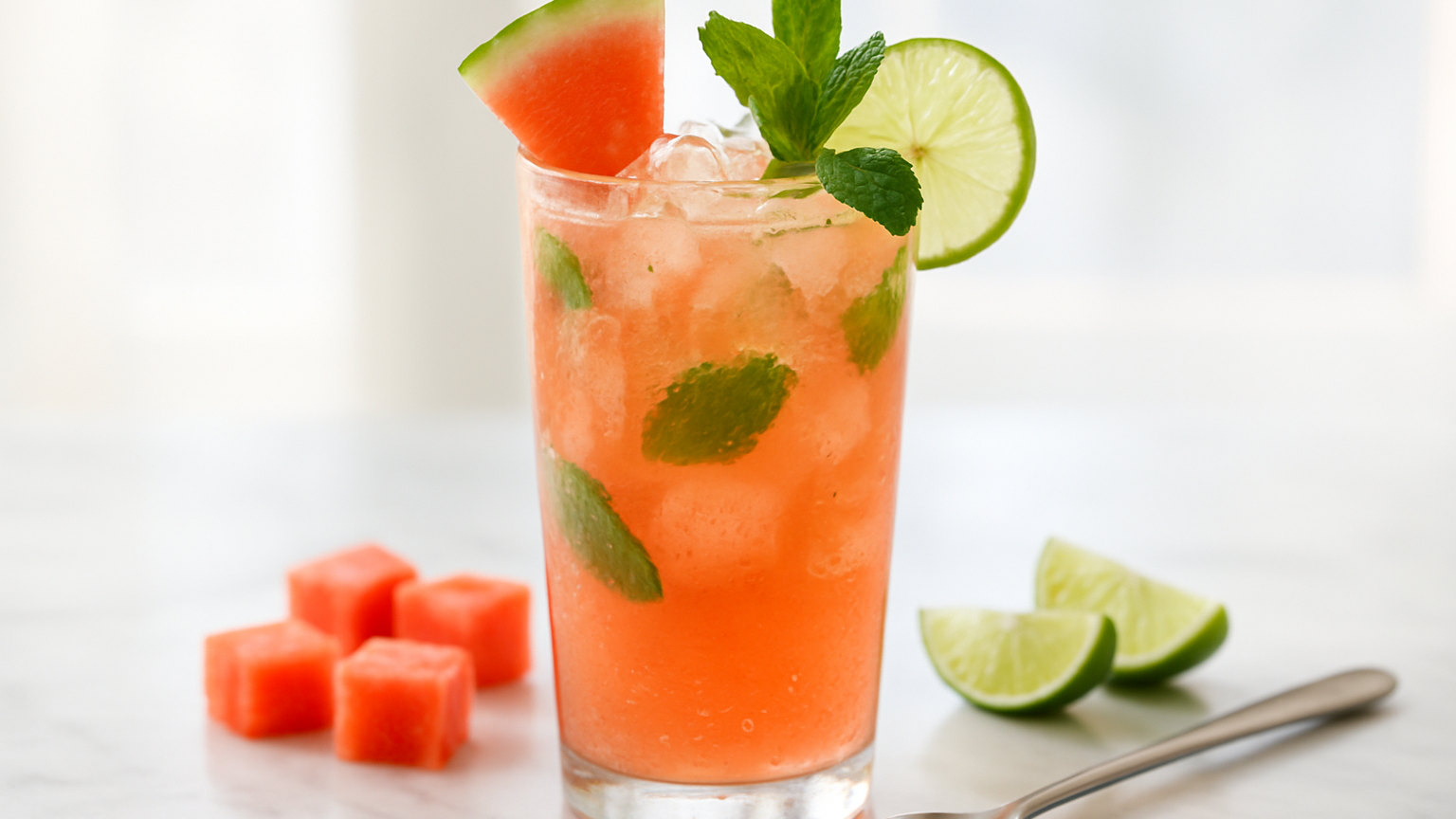
A mojito with watermelon. The fruit is watery and mild, so it needs handling differently from a berry.
One of sour, two of sweet, three of strong, four of weak. The rhyme is three centuries old and it still works.
A long gin drink with more ingredients than most, and versions vary wildly because the original was never written down clearly.