Which Base Spirit Should You Use for Infusions?
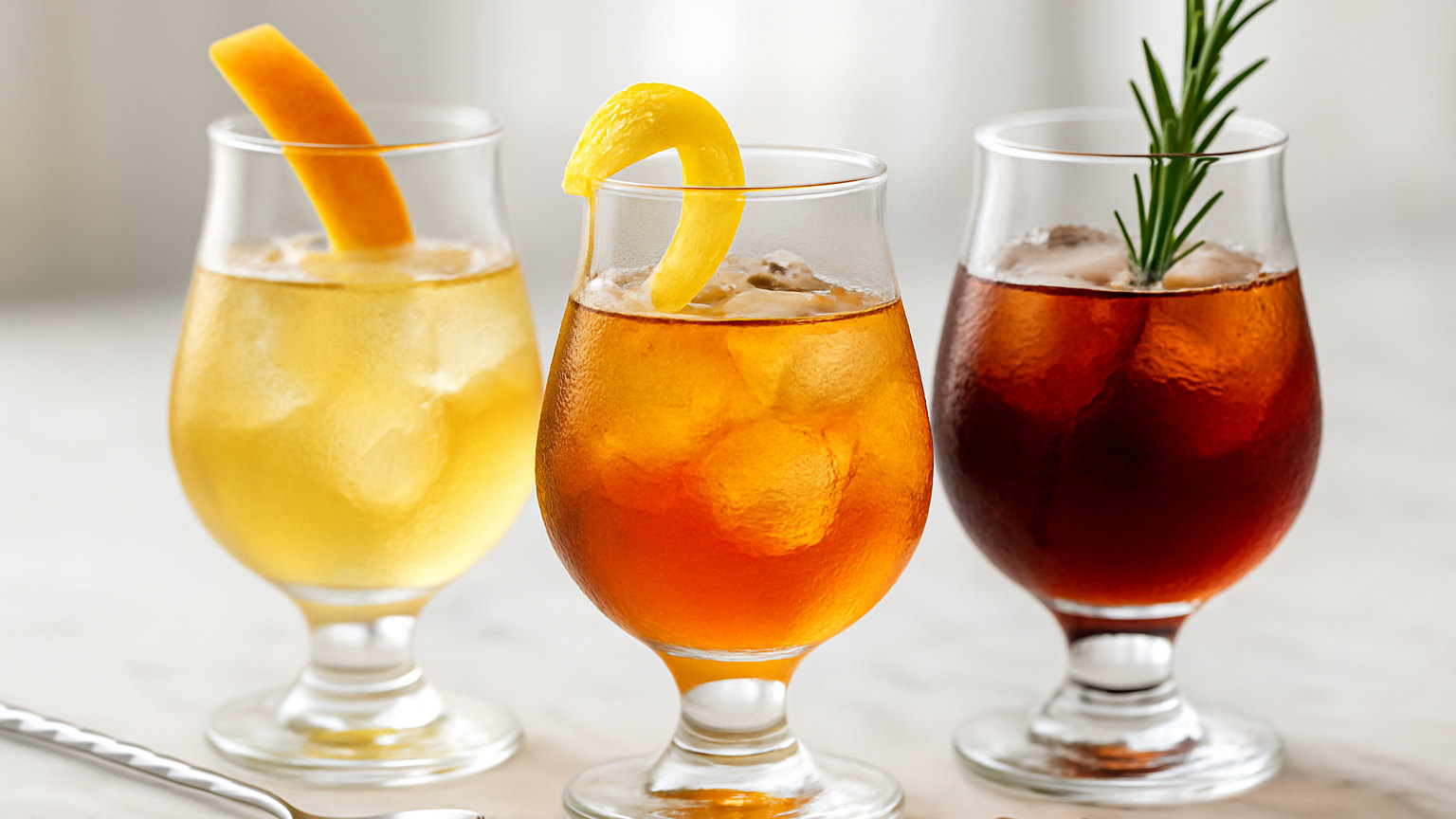
Neutral is the default and not always the right answer. Sometimes the base should be contributing as much as the ingredient.
By Drink Recipes Team
8 Dec 2025

Spirits are where most home bars overspend, because the bottle that tastes best neat is rarely the bottle that makes the best drink. These guides go category by category, explain what actually distinguishes a style rather than repeating the marketing, and say which price bracket is worth reaching for and which is not. The recipes are built around one spirit at a time, so you can get value from a single bottle. Infusions, liqueurs and bitters are covered as things to make rather than buy, since most cost a fraction of the shop version.
Neutral is the default and not always the right answer. Sometimes the base should be contributing as much as the ingredient.
Amaro is a family rather than a product, running from light and citrus to almost medicinal, with sweetness the main variable.
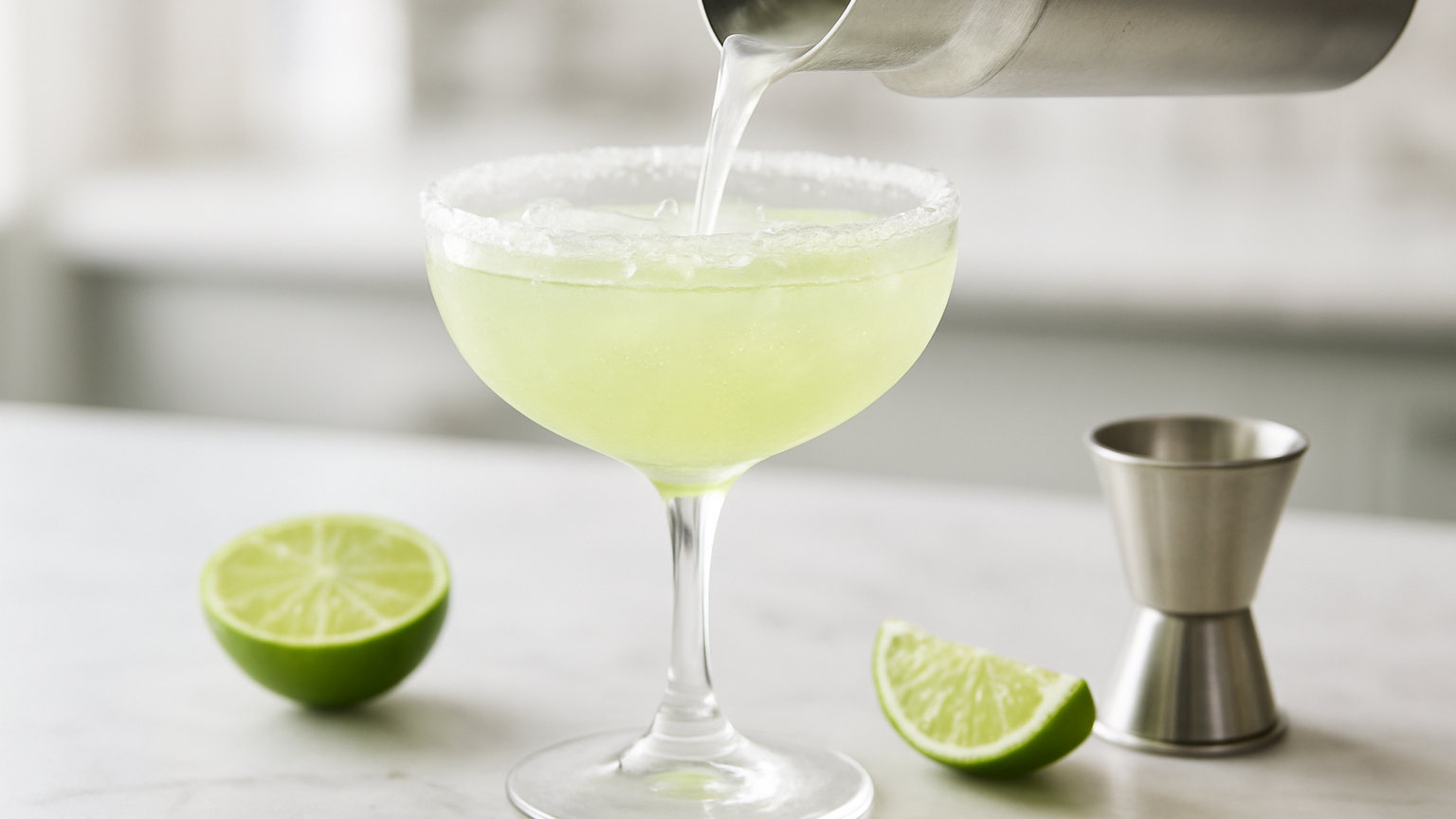
A margarita is a sour with tequila. Most bad ones come from a bottled mix, and the fix takes three ingredients and a shaker.
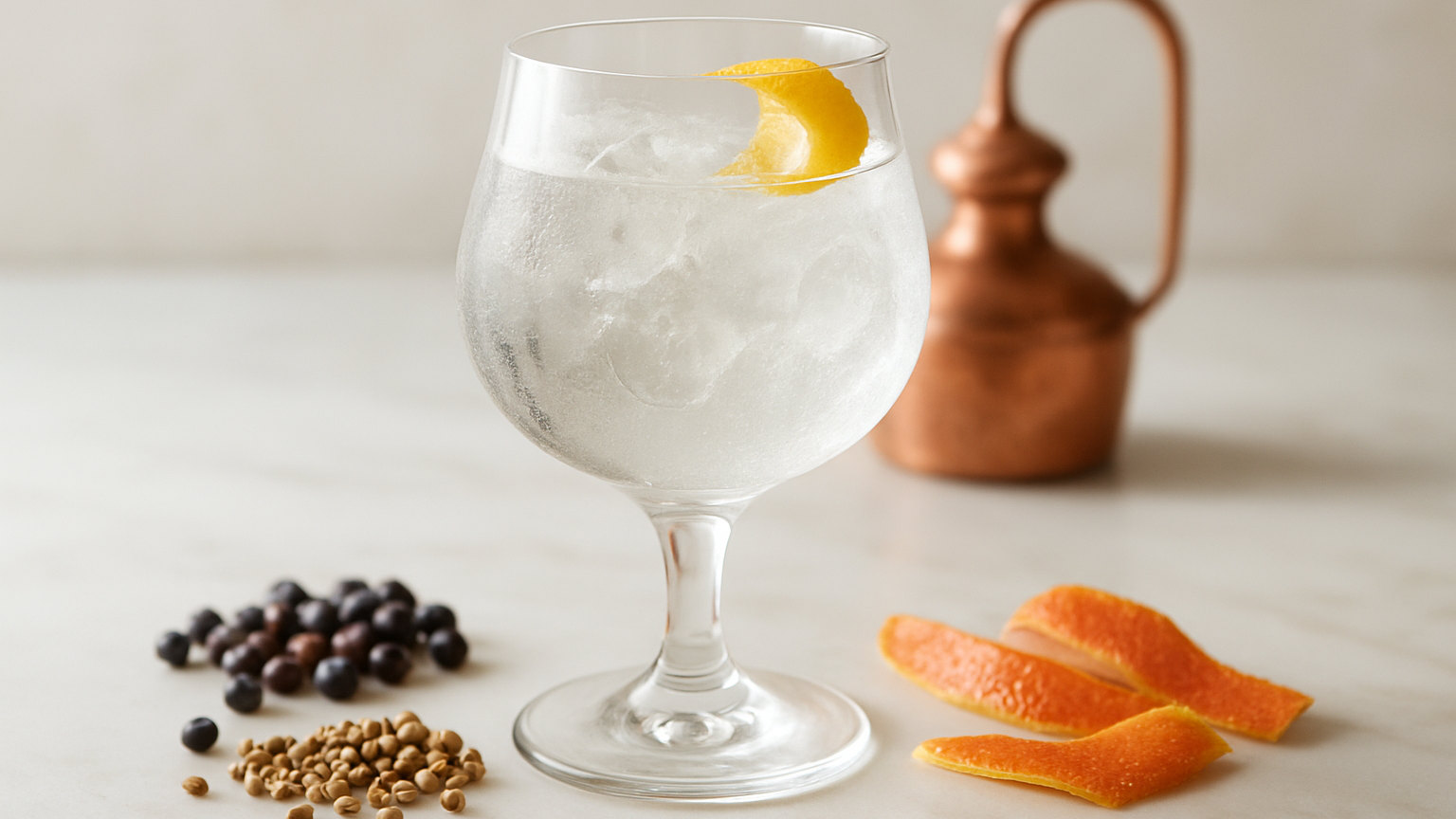
London dry is a production method, not a place. Gin labelled that way can be made anywhere, and the rules it follows are genuinely strict.
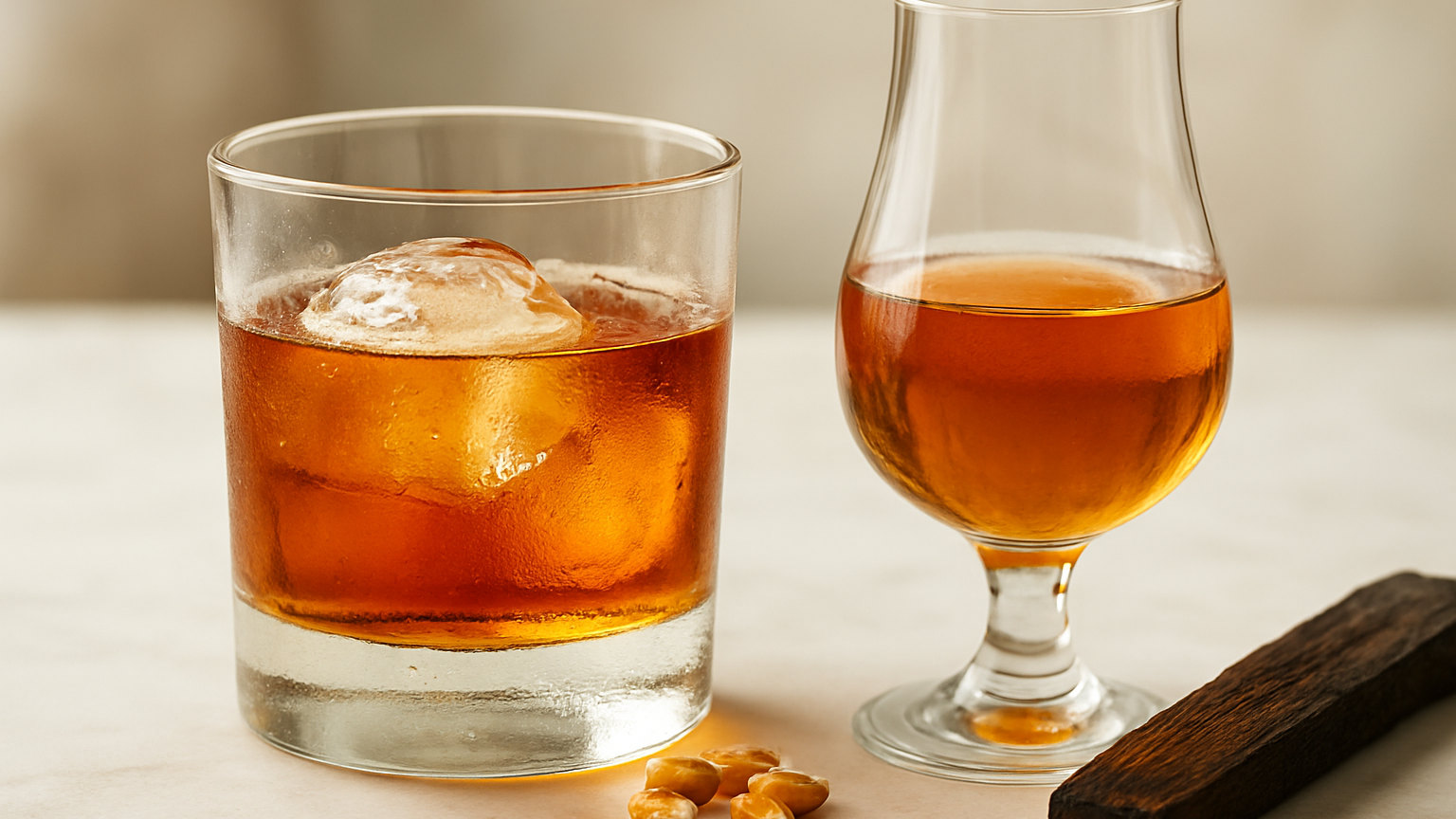
All bourbon is whiskey and most whiskey is not bourbon. The distinction is a set of legal requirements, and one of them shapes the flavour entirely.
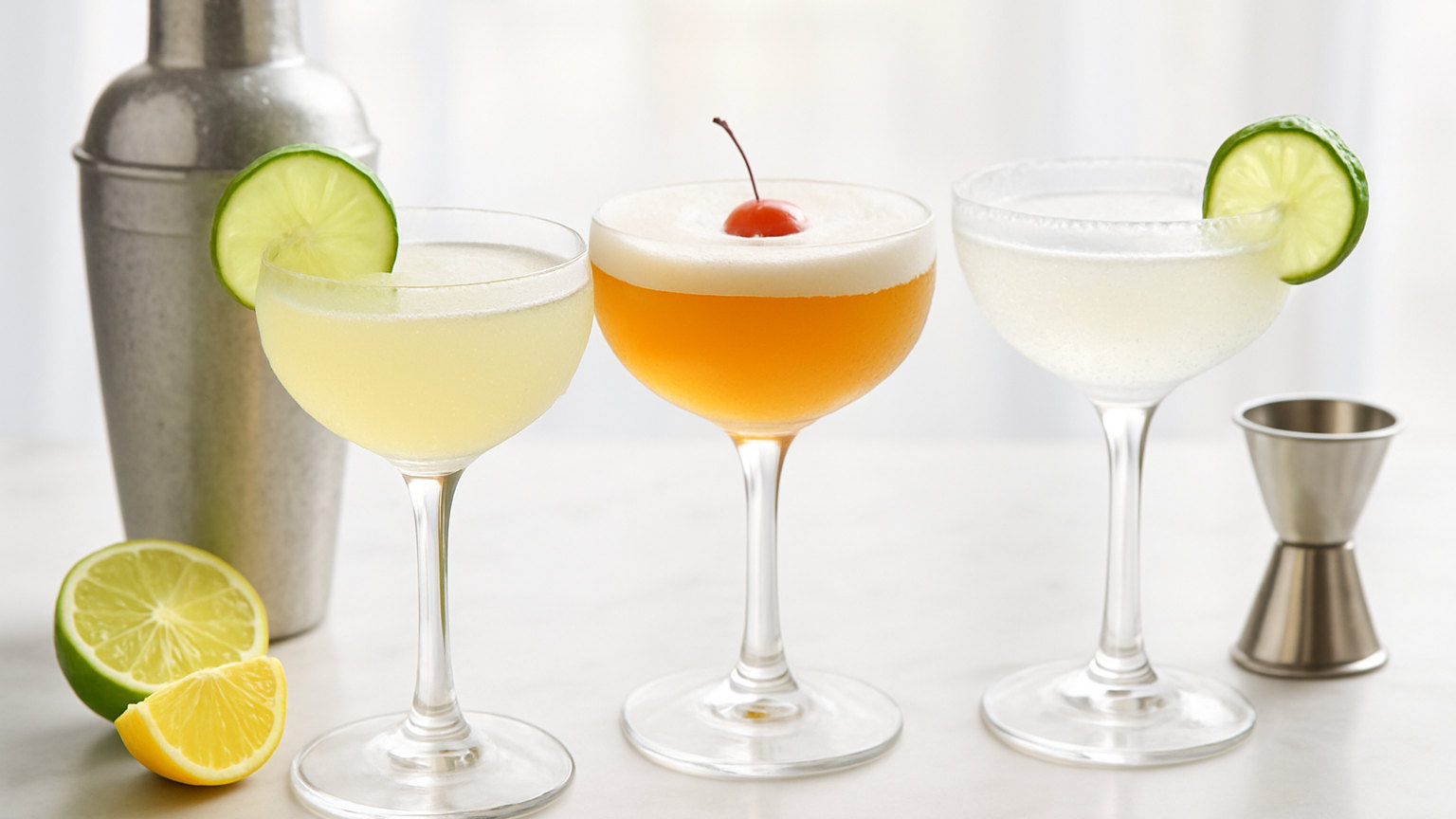
One ratio covers the daiquiri, whiskey sour, margarita, sidecar and gimlet. Learn it once and most of a cocktail list comes with it.
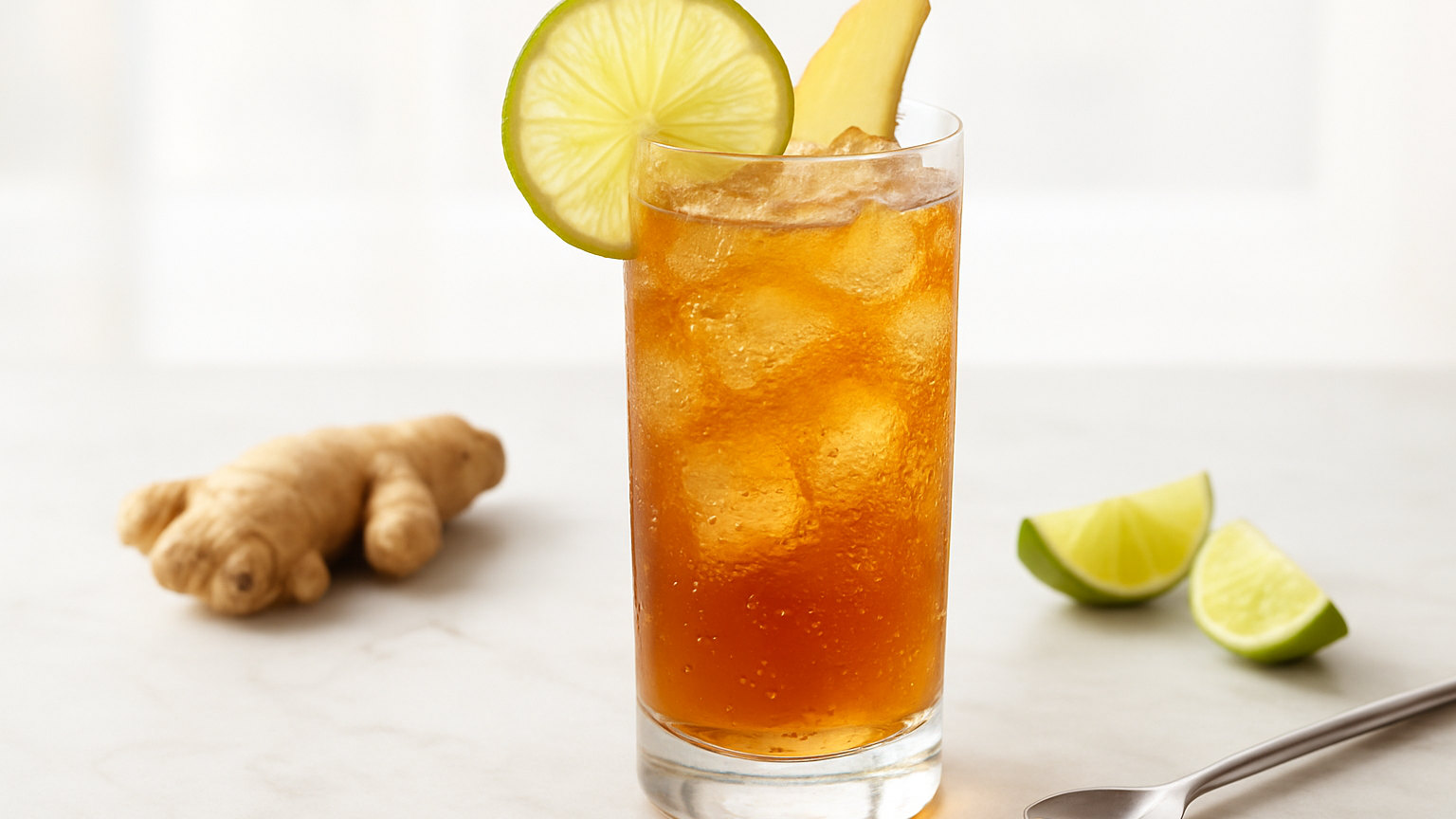
Dark rum carries molasses, dried fruit and spice already. Cola buries all three, and several better mixers do the opposite.
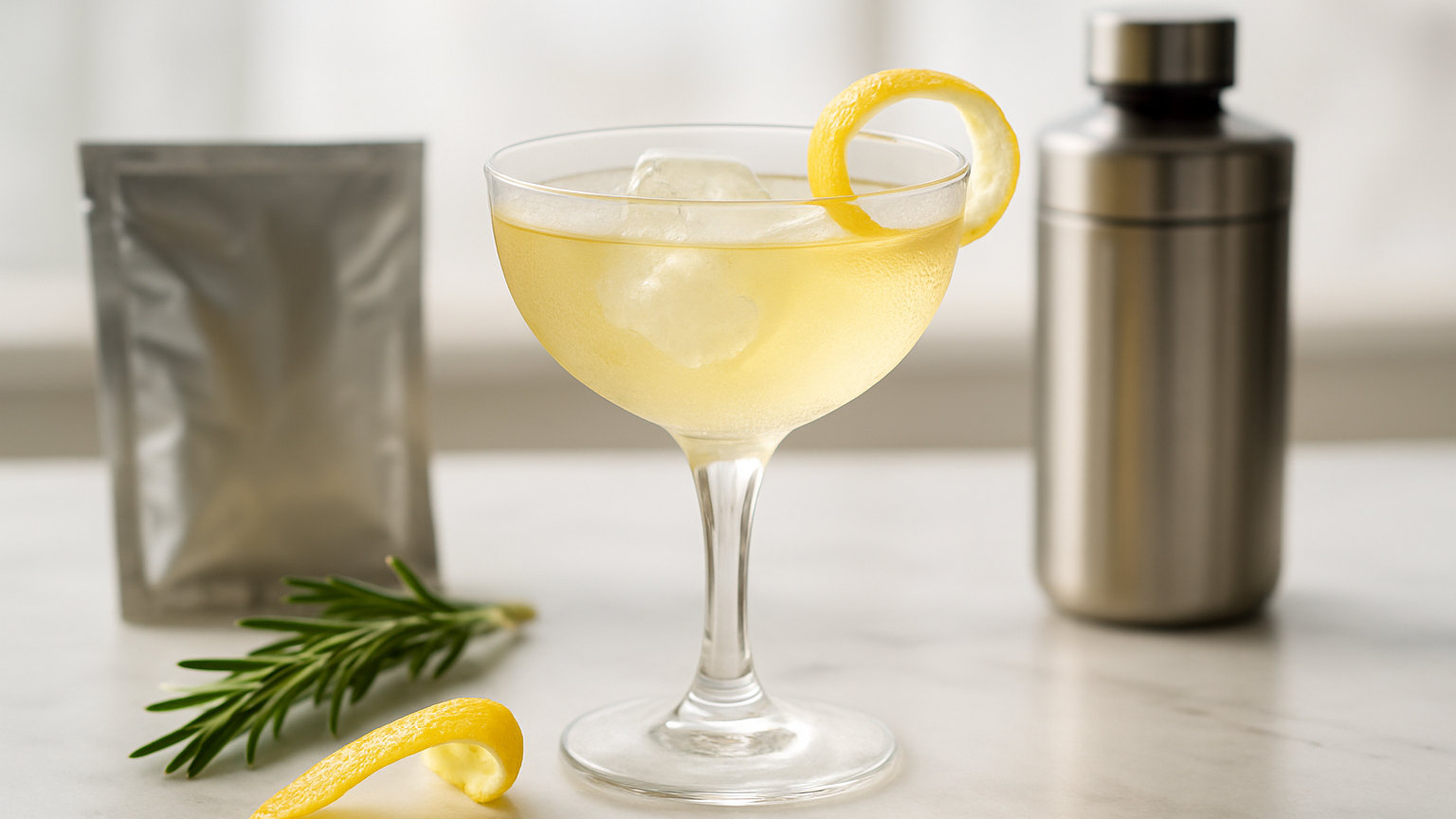
Two techniques compress weeks into minutes or hours. Neither is a perfect substitute for time, and both have their uses.
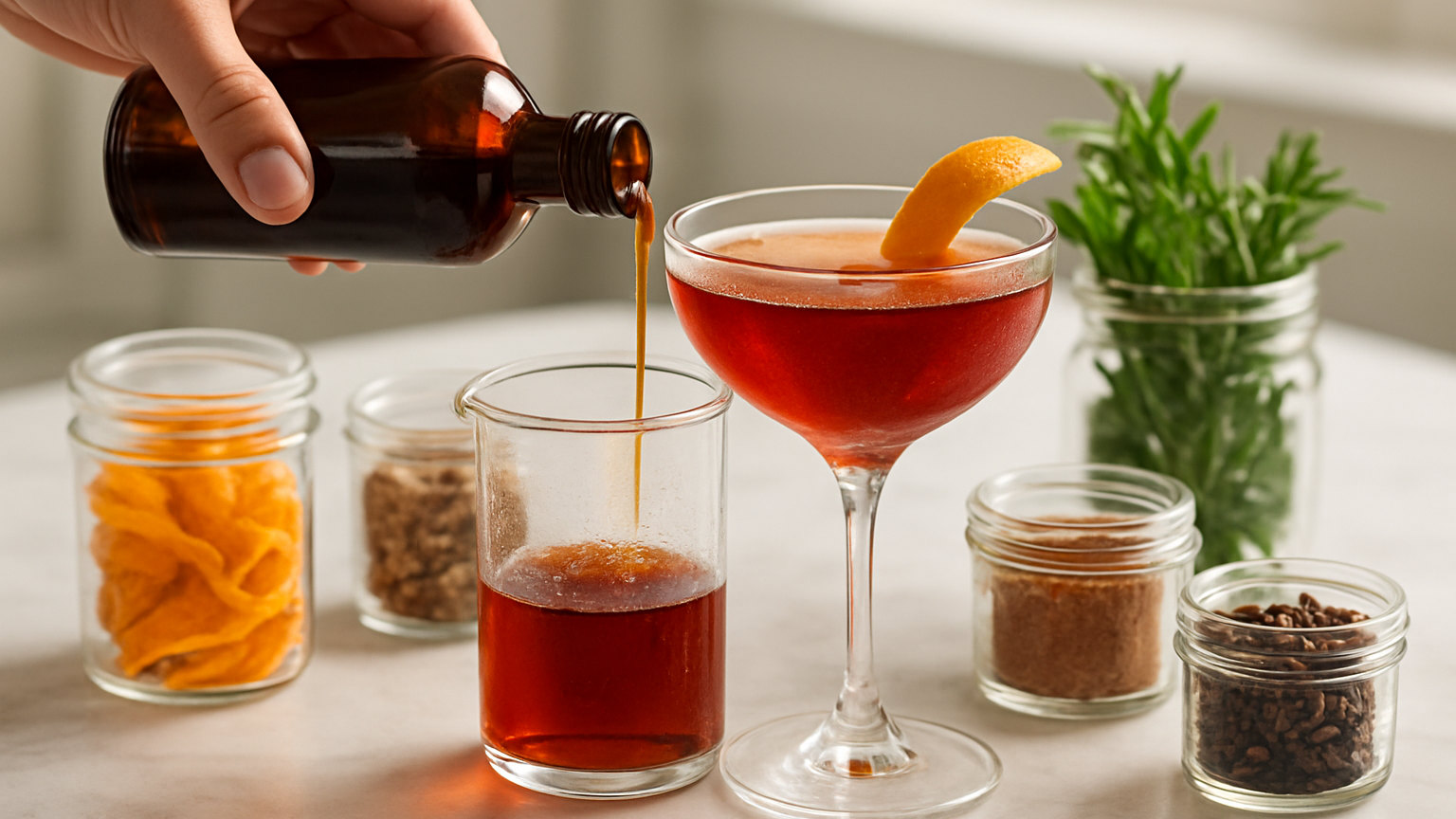
Home bitters are made by infusing each ingredient separately and blending at the end, which is more work and far more controllable.
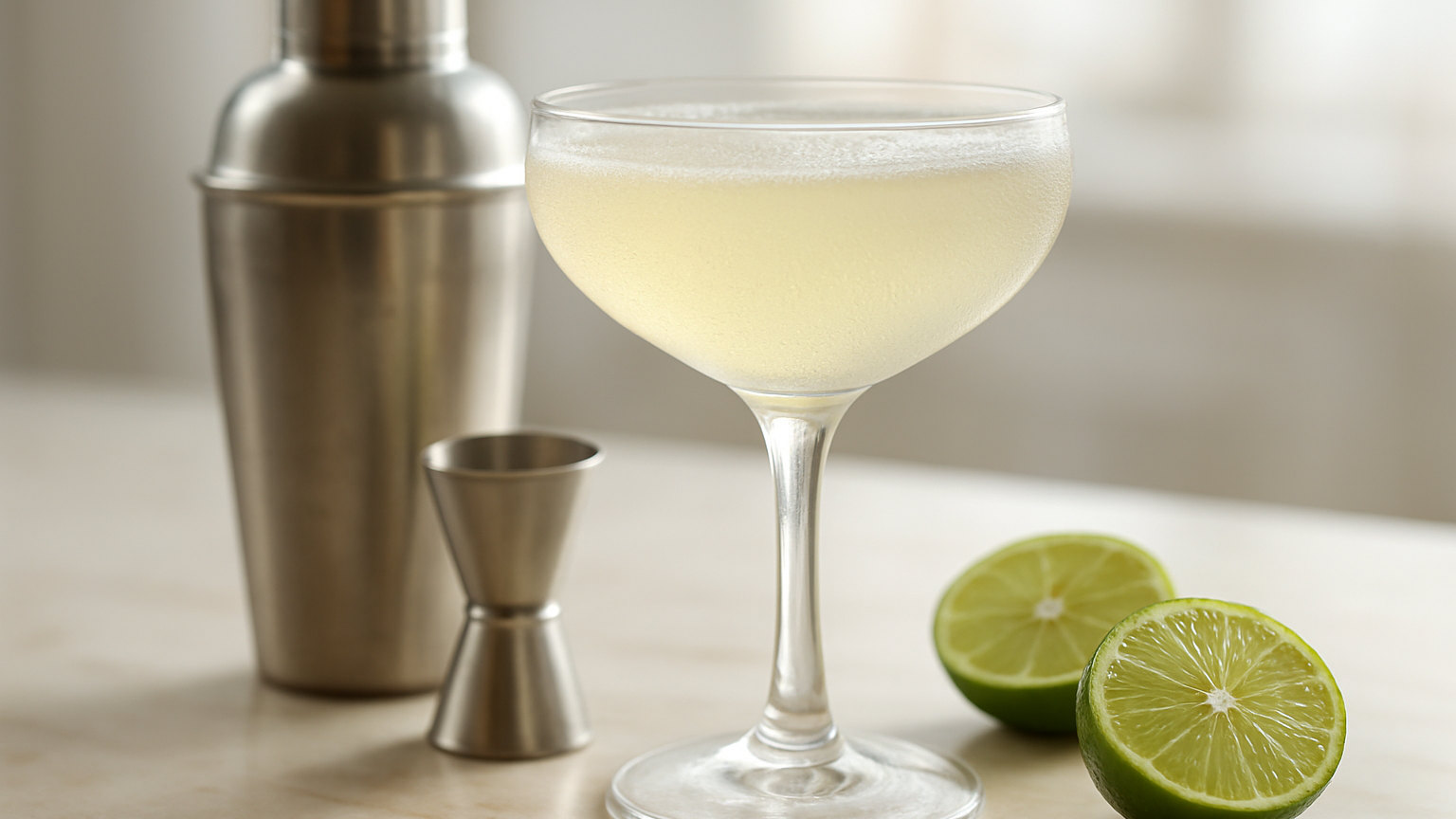
Three ingredients, no garnish required, and nothing to hide behind. The daiquiri is the test of whether a bar knows what it is doing.
Vodka is the spirit where marketing does the most work and the liquid does the least. Some differences are real; most claims are not.
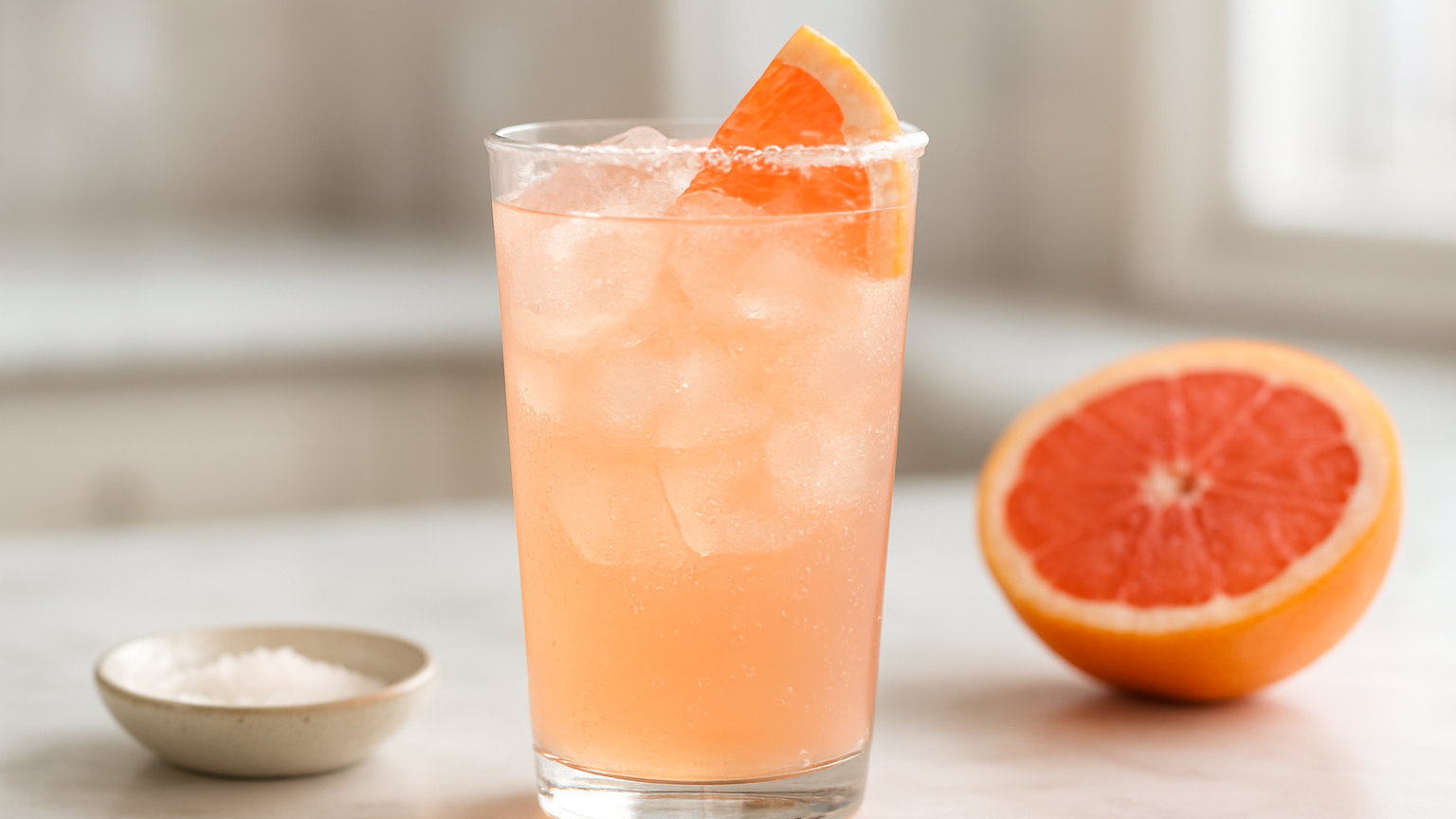
The paloma outsells the margarita in Mexico and needs less equipment. Two ingredients, a pinch of salt, and no shaker required.
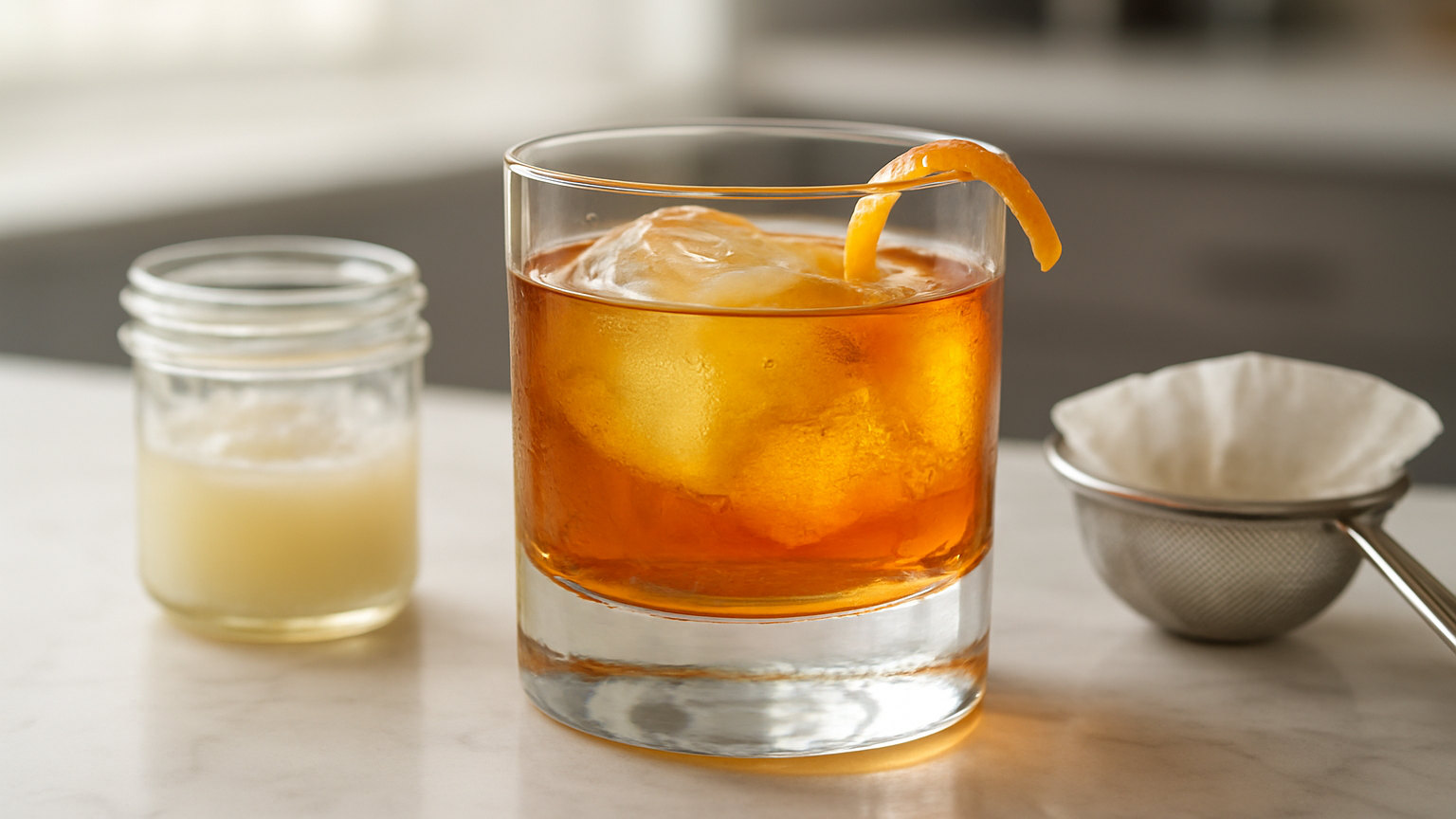
Fat-washing puts savoury flavour into a spirit and then removes the fat by freezing it out. It is easier than it sounds.
A few dashes of bitters is a fraction of a millilitre, and it changes a cocktail more than any other ingredient of that size.