
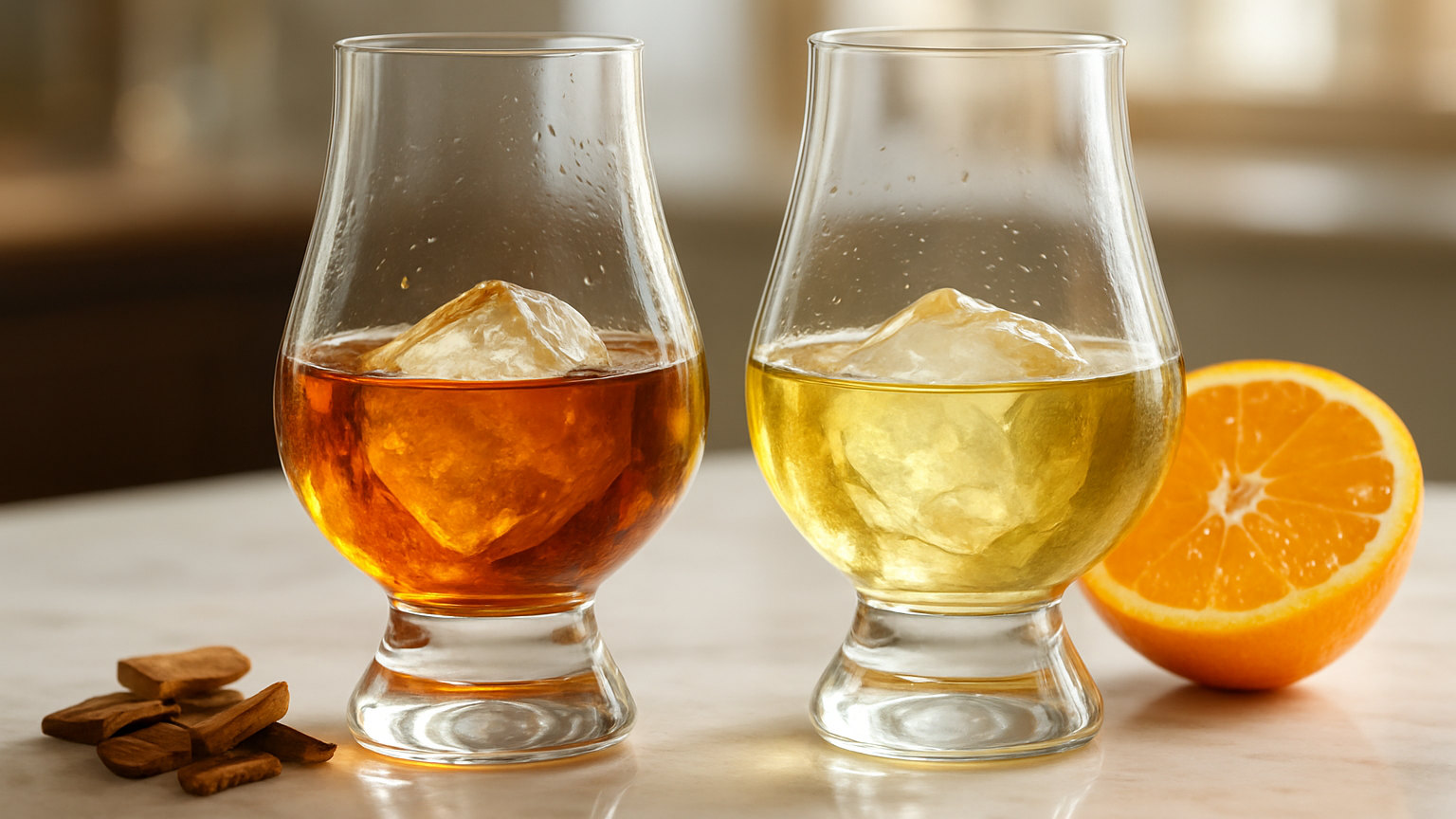
People who say they do not like whisky have often tried one, and there is a reasonable chance it was either heavily peated or unpleasantly cheap. Neither is representative of a category with enormous range.
What should you start with?
Two categories are consistently the easiest entry points:
- Bourbon. Sweet, vanilla, caramel, round. The most immediately likeable whiskey there is.
- Speyside single malt, unpeated. Fruity, honeyed, gentle.
Irish whiskey is a third option, being light and easy, though its restraint means some people find it forgettable rather than approachable.
What should you avoid at first?
- Heavily peated Islay whisky. Genuinely divisive and overwhelming if unexpected.
- Cask strength anything. Above 55 per cent it is hard work without practice.
- Very cheap blends. Often harsh, and they teach the wrong lesson.
- Expensive aged bottles. The subtlety is wasted before your palate has adjusted.
The peat point matters most. Encountering a heavily peated whisky first is the single commonest reason people write off the whole category.
What does peat taste like?
Smoke, iodine, tar, seaweed and sometimes something like a bonfire or a hospital. People who love it love it intensely. It is worth trying eventually and a poor place to begin.
What should you look for on the label?
- 43 to 46 per cent rather than 40. More body, more flavour, better value per unit of enjoyment.
- Ex-bourbon or ex-sherry cask stated, which tells you what to expect.
- Non-chill filtered and natural colour, if stated. Both suggest a producer confident in the whisky.
Age statements matter less than people assume, and a well-made five-year-old can outperform a mediocre twelve-year-old.
What is a sensible progression?
Roughly: bourbon, then unpeated Speyside, then rye, then a blended scotch, then a Highland or Campbeltown malt, then lightly peated, then Islay if you get there.
There is no obligation to finish the list. Plenty of people settle on bourbon and stay there happily, which is a legitimate destination rather than a failure of nerve.
How do you try several without buying bottles?
Miniatures and tasting sets, which are the cheapest way to cover ground. A set of five 30ml samples costs a fraction of five bottles and tells you where your preferences sit.
Bars with a decent range are the other route, and a 25ml measure of something expensive is far cheaper than discovering you dislike a whole bottle.
How much should a first bottle cost?
Mid-range rather than cheap or expensive. The bottom of the market is genuinely harsh, and the top is wasted on a palate still calibrating.
What should you keep in mind about strength?
Whisky is 40 per cent or more, which is several times the strength of beer. A 35ml measure at 43 per cent is 1.5 units, and it is easy to lose count when sipping slowly over an evening.
Pouring by measure rather than by eye is worth doing at home for the same reason it improves cocktails: a free pour is usually larger than intended.
How should you taste it at home?
In a glass that narrows at the top, at room temperature, with water available to add a few drops at a time. A tumbler disperses the aroma and a fridge-cold pour suppresses it, and both undermine the exercise.
How long does an opened bottle last?
Years, with slow change. Spirits do not spoil, and oxidation gradually flattens an opened bottle once it is past half empty.
Keep it upright, out of light, with the cap on properly. Decanting the last third into a smaller bottle reduces the air in contact and genuinely helps if a bottle is lasting you a long time.
What size bottle should you buy?
A standard 700ml, or a 350ml half bottle if you are unsure. Half bottles cost proportionally more and are far cheaper than discovering you dislike something after buying a full one.
What if you have tried whisky and disliked it?
Worth establishing which one, since the category spans smoky, sweet, spicy and delicate. Disliking a peated Islay says nothing about whether you would enjoy a Speyside malt or a bourbon.
Trying it in a cocktail is another route. An old fashioned or a whiskey sour introduces the spirit with sugar and citrus alongside, which is a gentler first meeting than a neat pour.


