
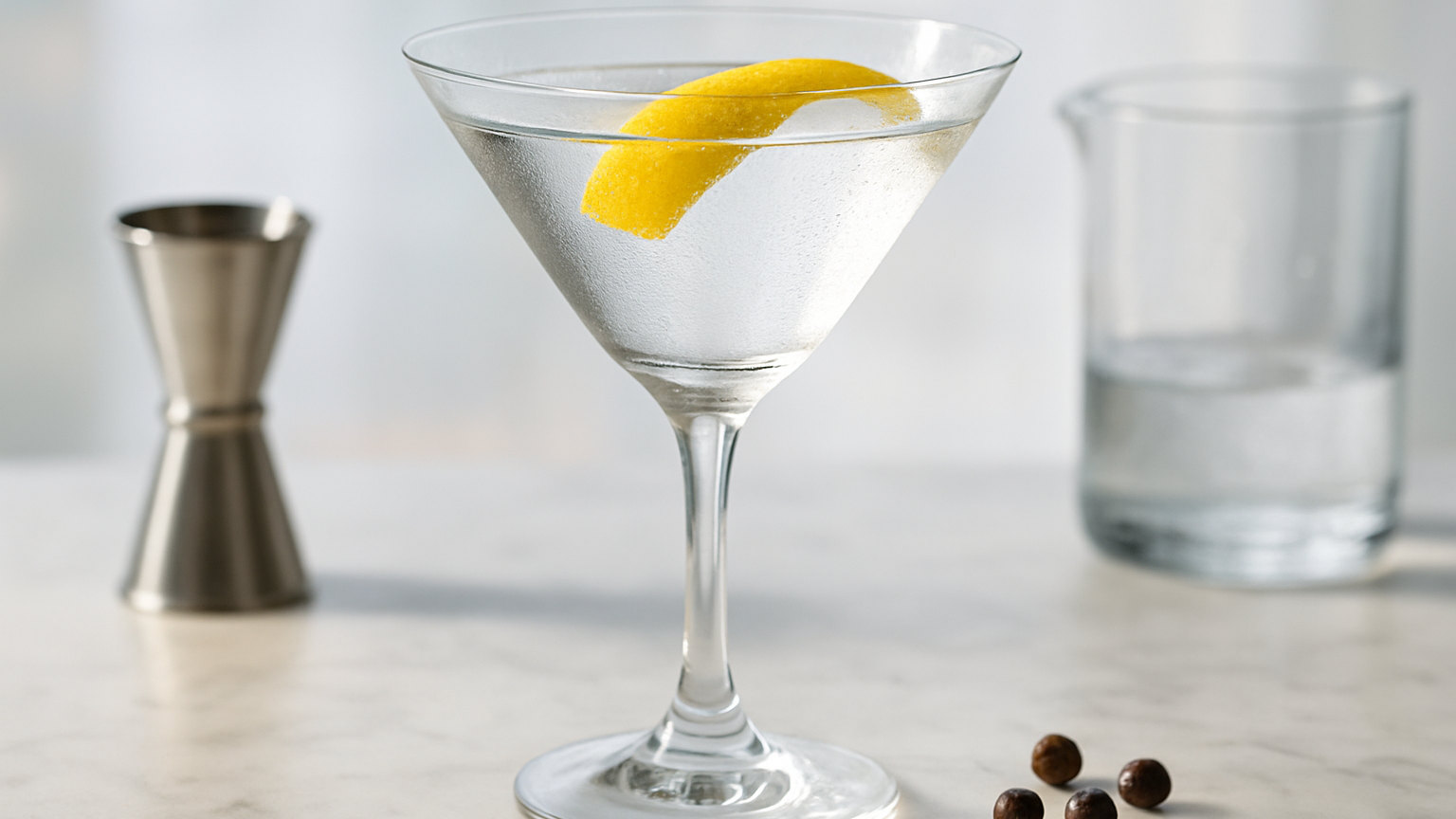
Navy strength gin is bottled at 57 per cent alcohol, against the 37.5 to 47 per cent typical of standard gin. The name comes with a story that is broadly accurate, and the reason to buy a bottle has nothing to do with it.
Where does the figure come from?
From the historical British definition of proof. Spirit was tested by mixing it with gunpowder and attempting to ignite it. If the powder still burned, the spirit was above proof; if it failed, it was too weak.
The threshold at which this happens is around 57 per cent alcohol by volume, which became 100 degrees proof under the British system. Naval supplies were specified at that strength so that spirit spilled in the magazine would not render the powder useless.
Is the story true?
In outline, yes. The gunpowder test was a genuine method of assessing strength before hydrometers became standard, and the naval association is real. The details vary between tellings and the underlying chemistry holds up.
Why does it matter in a drink?
Because dilution is unavoidable. A shaken cocktail picks up around 25 to 30 per cent water by volume from the ice, and a stirred one around 20 to 25.
A gin at 37.5 per cent arrives in the glass around 28. A navy strength gin at 57 arrives nearer 42, with the botanicals still clearly present rather than washed out.
That is the practical case. In any drink with substantial dilution, citrus or a strong modifier, higher strength keeps the gin audible.
Which drinks benefit?
- Negroni. Stands up to Campari and vermouth rather than disappearing.
- Gimlet and gin sour. Holds against sharp citrus.
- Martini. Excellent, provided you account for the strength.
- Long gin and tonic. Takes a 1:4 ratio and still tastes of gin.
Does it just taste stronger?
No, and this is the useful part. Higher alcohol carries more of the oils extracted from botanicals, so navy strength gins are usually more aromatic and more intense as well as more alcoholic.
Many are made with a heavier botanical load to match, which compounds the effect.
How should you adjust for it?
Reduce the measure or increase the dilution rather than pouring as usual. A 50ml measure at 57 per cent is 2.9 units against 2 at 40 per cent.
In a gin and tonic, moving from 1:3 to 1:4 restores the balance. In a martini, using 45ml instead of 60ml keeps the drink from becoming punishing.
Two navy strength martinis is close to 6 units, which is most of a day’s sensible drinking in two small glasses. It is easy to underestimate.
Is overproof the same thing?
Loosely. Overproof simply means above 57.15 per cent under the old British system, and it is used across spirits categories, particularly rum, where strengths run considerably higher.
Navy strength specifically denotes 57 per cent in gin, and a few producers bottle marginally above.
Is it worth buying?
As a second gin, yes, particularly if you make negronis or sours. As a first and only gin it is workable but demands more care with measures.
It is also better value than it looks, since you can use less of it for the same effect.
Does it burn more neat?
Yes, and adding a few drops of water helps considerably. Alcohol binds aromatic compounds and holds them in solution, so reducing the strength slightly releases them and softens the attack at the same time.
Most navy strength gins open up noticeably somewhere below 50 per cent, which is worth exploring before deciding a bottle is too aggressive.
How should you store it?
Upright, out of light, at room temperature, like any spirit. Higher strength makes it if anything more stable in an opened bottle than a standard gin.
It also lasts longer in practice, since you use less of it per drink.
Which should you buy first?
A standard London dry, then navy strength as a second bottle once you know which drinks you make. It is a specialist tool rather than a starting point.


