
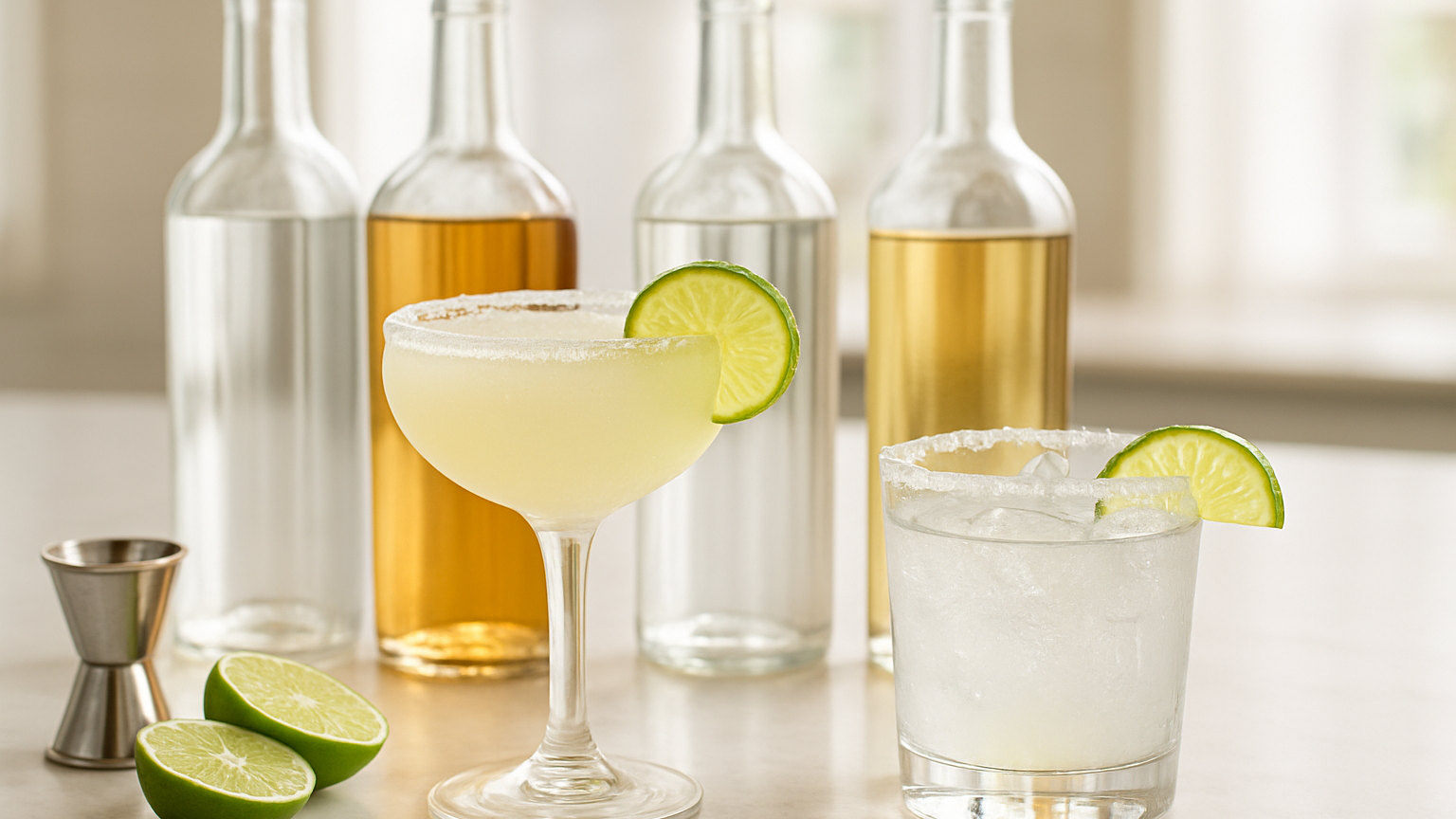
Rum and tequila between them account for a large share of the classic cocktail canon, and it is easy to accumulate bottles that make one drink each. A deliberate order avoids that.
What is the first bottle?
A clean white rum at 40 per cent or above. It makes daiquiris, mojitos, cuba libres and a great many punches, and it is the most used bottle in most rum-drinking households.
Spanish style whites from Cuba, Puerto Rico or the Dominican Republic are the safe choice, since they let citrus lead rather than competing with it.
What is the second?
A blanco tequila, 100 per cent agave. That unlocks margaritas, palomas and tommy’s margaritas, and it is drinkable neat in a way most people do not expect.
The 100 per cent agave check matters more than the price bracket. An entry-level bottle meeting it beats a more expensive mixto comfortably.
What is the third?
An aged rum, from Barbados, Jamaica or Guyana. It handles rum old fashioneds, rum sours, tiki drinks and sipping neat.
Jamaican brings esters and funk, Barbadian is more balanced, Guyanese is richer and heavier. Any of the three works, and they are noticeably different from each other.
What is the fourth?
An overproof rum, used a few millilitres at a time. It provides floats, adds intensity to tiki drinks, and lasts an extremely long time.
At 57 to 75 per cent, measures need reducing. A 25ml pour of a 75 per cent rum is 1.9 units, roughly what 50ml of a standard spirit gives.
What comes after that?
Rhum agricole, mezcal, reposado tequila and cachaça, in whatever order matches what you actually drink. Each unlocks a smaller set of drinks and none is essential.
What else does the shelf need?
More than another bottle of spirit, in most cases:
- Fresh limes. The single most important ingredient in this whole category.
- Sugar syrup. Made at home in two minutes.
- An orange liqueur. For margaritas and sidecars.
- Good ginger beer. Carries mules and dark and stormies.
- A jigger. Free pouring adds a third to most measures without anyone noticing.
A bar with four spirits and fresh citrus outperforms one with fifteen spirits and a bottle of lime cordial.
Where should the money go?
Into the aged rum and the tequila, since both are drunk neat and there is nowhere to hide. White rum for mixing can be mid range without any loss.
Overproof is cheap per drink given how little you use, so paying more there costs very little in practice.
What should you skip?
Sweetened spiced rum, unless you specifically like it in cola. It is easy and cheap to make a better version at home, and it works poorly in anything requiring balance.
How long will these last?
Years, sealed or opened. Spirits do not spoil, and an opened bottle changes slowly through oxidation once past half empty.
Overproof lasts longest in practice, since a bottle used 15ml at a time takes a very long time to finish.
What is the single biggest upgrade?
Fresh limes and a jigger, together costing almost nothing. They improve every drink in this category more than any bottle upgrade would.
Does an expensive bottle improve a mixed drink?
Rarely enough to justify it. Once a spirit is shaken with citrus and syrup and diluted by a third, most of what you paid extra for has gone.
Keep the good bottle for sipping and mix with something well made and unremarkable.
What glassware do you need?
Coupes for daiquiris and margaritas, highballs for long drinks, and rocks glasses for anything over ice. Tiki mugs are optional and a rocks glass with crushed ice works identically.
What order should you buy in?
White rum, blanco tequila, aged rum, overproof. Each of the first three earns its place from the day it arrives, and the fourth lasts almost indefinitely.
How should you store the bottles?
Upright, out of direct light, at normal room temperature. Laying spirit bottles down lets high-strength alcohol sit against the cork, which degrades it and can taint the contents.
A cupboard away from the cooker is ideal. Heat cycling next to an oven accelerates change in an opened bottle more than anything else in a domestic kitchen.


