
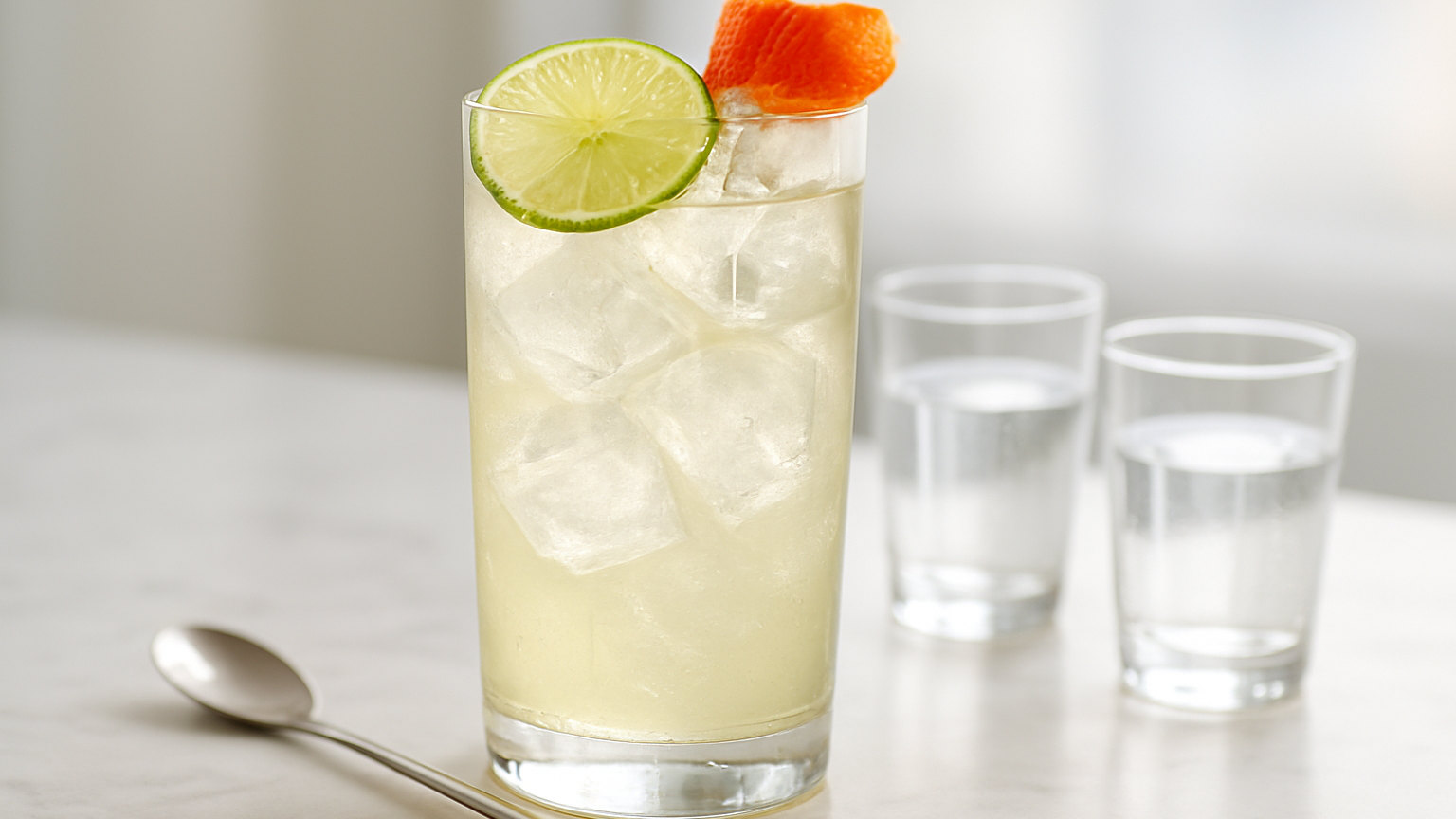
A gin and tonic is roughly one part gin to two or three parts tonic. That makes tonic the majority of what you are drinking, and it receives a fraction of the attention the gin does.
What is quinine?
A compound from cinchona bark, and the source of tonic water’s bitterness. It was originally used as an antimalarial, and tonic was a way of making a daily dose palatable.
Modern tonic contains far too little to have any medical effect. The UK limit is 83 milligrams per litre, which is a small fraction of a therapeutic dose.
Why does tonic glow under ultraviolet light?
Quinine fluoresces, absorbing ultraviolet and re-emitting it as visible blue. It is a genuine property of the compound rather than an additive, and it is a reasonable way to confirm a tonic actually contains quinine.
What varies between tonics?
- Quinine level. Determines how bitter and structured the drink is.
- Sugar. Full sugar tonics run around 8 grams per 100ml. Light versions are considerably lower.
- Carbonation. Fine, hard bubbles hold better than coarse ones.
- Citrus and botanical additions. Some tonics carry their own flavourings.
Sweetness is the variable most people notice first. A heavily sweetened tonic buries a delicate gin entirely.
Does an expensive tonic make a difference?
More than an expensive gin does, in this particular drink. Since tonic is the majority of the liquid, its quality dominates the result.
The gap is largest at the bottom. A very cheap tonic is often aggressively sweet and weakly carbonated, and moving up one tier is the single most effective improvement to a home gin and tonic.
Why does bottle size matter?
Because carbonation is lost the moment a bottle is opened, and a large bottle goes flat before it is finished.
Small 150 or 200ml bottles or cans are worth the extra cost for exactly this reason. A flat tonic makes a poor drink regardless of what else is in the glass.
Should you use light tonic?
It is a reasonable choice and it changes the drink. Less sugar means the quinine bitterness and the gin botanicals both come forward, which suits a juniper-forward gin and can leave a delicate one exposed.
It also reduces the calories substantially, since sugar rather than alcohol accounts for a large part of a gin and tonic. The alcohol content is unchanged: a 50ml measure at 40 per cent is 2 units either way.
What about flavoured tonics?
Useful when matched deliberately and counterproductive when not. Elderflower, cucumber, Mediterranean and aromatic tonics all bring their own character, which can either extend the gin or fight it.
The safest approach is to pair a flavoured tonic with a simple gin, or a complex gin with a plain tonic. Two assertive components produce a muddled drink.
How should you serve it?
Cold tonic into a glass already full of ice, poured down the side rather than into the middle. Warm tonic hitting ice loses carbonation immediately.
Fill the glass with ice rather than adding a few cubes. More ice melts more slowly, which sounds wrong and is correct.
What is the practical summary?
Buy small bottles, keep them cold, spend a little more on tonic than instinct suggests, and match the sweetness level to the gin rather than choosing by habit.
What about making your own?
Possible and more involved than it sounds. Tonic syrup is made by simmering cinchona bark with citrus, sugar and spices, then diluting with soda.
Cinchona should be used carefully and in small quantities, since quinine in quantity is genuinely toxic and the commercial limit exists for good reason. Buying a ready-made tonic syrup avoids the issue entirely and is the sensible route for most people.
What is the cheapest improvement?
Small bottles kept cold, and more ice in the glass. Neither costs anything meaningful and together they fix most disappointing gin and tonics without touching the gin.


