
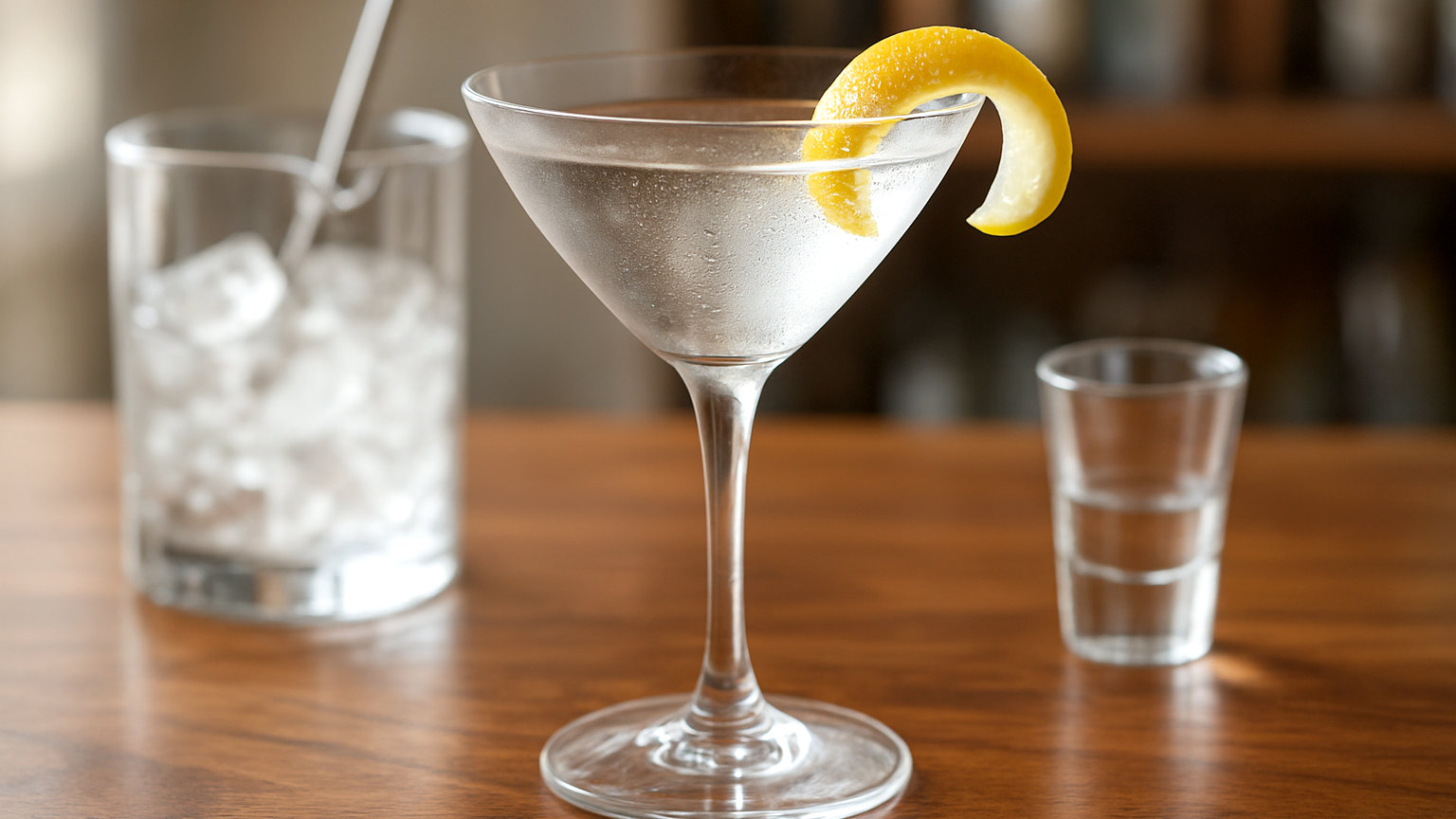
A martini is gin, vermouth and dilution. There is no sugar, no citrus and no mixer, so every flaw in the gin is on display. It is the drink that most rewards choosing the bottle carefully.
What gin should you use?
A juniper-forward London dry at 45 per cent or above. Strength matters more here than in any other gin drink.
A stirred martini picks up roughly 20 to 25 per cent water by volume from the ice. A gin at 37.5 per cent arrives in the glass around 30 per cent and tastes thin and watery. At 47 per cent it lands nearer 38 and still has structure.
Do contemporary gins work?
Sometimes, and unpredictably. A citrus-led gin can make an interesting martini and a heavily floral one often makes a vague, perfumed drink.
If you want a classic martini, choose classic gin. If you want to experiment, do it knowingly rather than being surprised.
How much vermouth?
- Wet, around 3:1. Closer to the original. Softer, more aromatic, arguably better.
- Standard, around 5:1. The usual modern balance.
- Dry, 10:1 or a rinse. Essentially cold gin.
The drift towards extreme dryness happened over the twentieth century and it is worth trying a wetter version, which many people prefer once they have had one properly made.
Why does the vermouth need to be fresh?
Because it is wine based and oxidises after opening, going flat and stale within weeks at room temperature.
Keep it in the fridge and buy small bottles. A tired vermouth is the commonest reason a home martini disappoints, and people usually blame the gin.
Should you stir or shake?
Stir. Shaking aerates and clouds the drink, chips the ice and dilutes faster and less evenly.
Stir with plenty of ice for around 30 seconds, until the outside of the mixing glass is properly cold. The dilution is part of the recipe rather than an accident, which is why stirring without ice and adding water is not the same thing.
Does a shaken martini taste worse?
Different rather than objectively worse. It is colder, more diluted, cloudier and has a lighter texture from the aeration. Plenty of people prefer it, and it is worth knowing what the trade is rather than following either rule blindly.
Lemon or olive?
Lemon peel expressed over the surface adds bright citrus oil and suits a lighter, more floral gin. An olive adds salt and savoury depth and suits a robust juniper-forward one.
A dash of olive brine, making a dirty martini, softens the drink and mutes the botanicals. It is a legitimate variation rather than a corruption.
How strong is it?
Considerably stronger than it looks. Sixty millilitres of 47 per cent gin with 15ml of vermouth, after dilution, is around 3 units in a small glass.
That is comparable to a large glass of wine, drunk in a fraction of the time. Two martinis is a substantial evening, which is worth knowing before ordering a third.
What temperature should everything be?
The glass frozen, the vermouth from the fridge, the gin cold or room temperature. A cold glass keeps the drink at its best for longer, and a martini that warms up loses most of what makes it good.
Which vermouth should you use?
A dry French style, chilled and recently opened. There is real variation between producers, and switching vermouth changes a martini more noticeably than switching between two similar gins.
Buy the smallest bottle available, keep it in the fridge and replace it every month or two if you drink martinis rarely.
How much ice should you stir with?
A mixing glass at least two thirds full. Too little ice melts fast and over-dilutes while under-chilling, which is the opposite of what you want.
Large solid cubes work better than small hollow ones from a domestic tray, for the same reason.
What ruins a home martini most often?
Old vermouth, followed by weak gin and too little ice. All three are cheap to fix and none of them is the fault of the recipe.
Replacing an opened vermouth that has sat at room temperature for six months usually transforms the drink on its own.


