
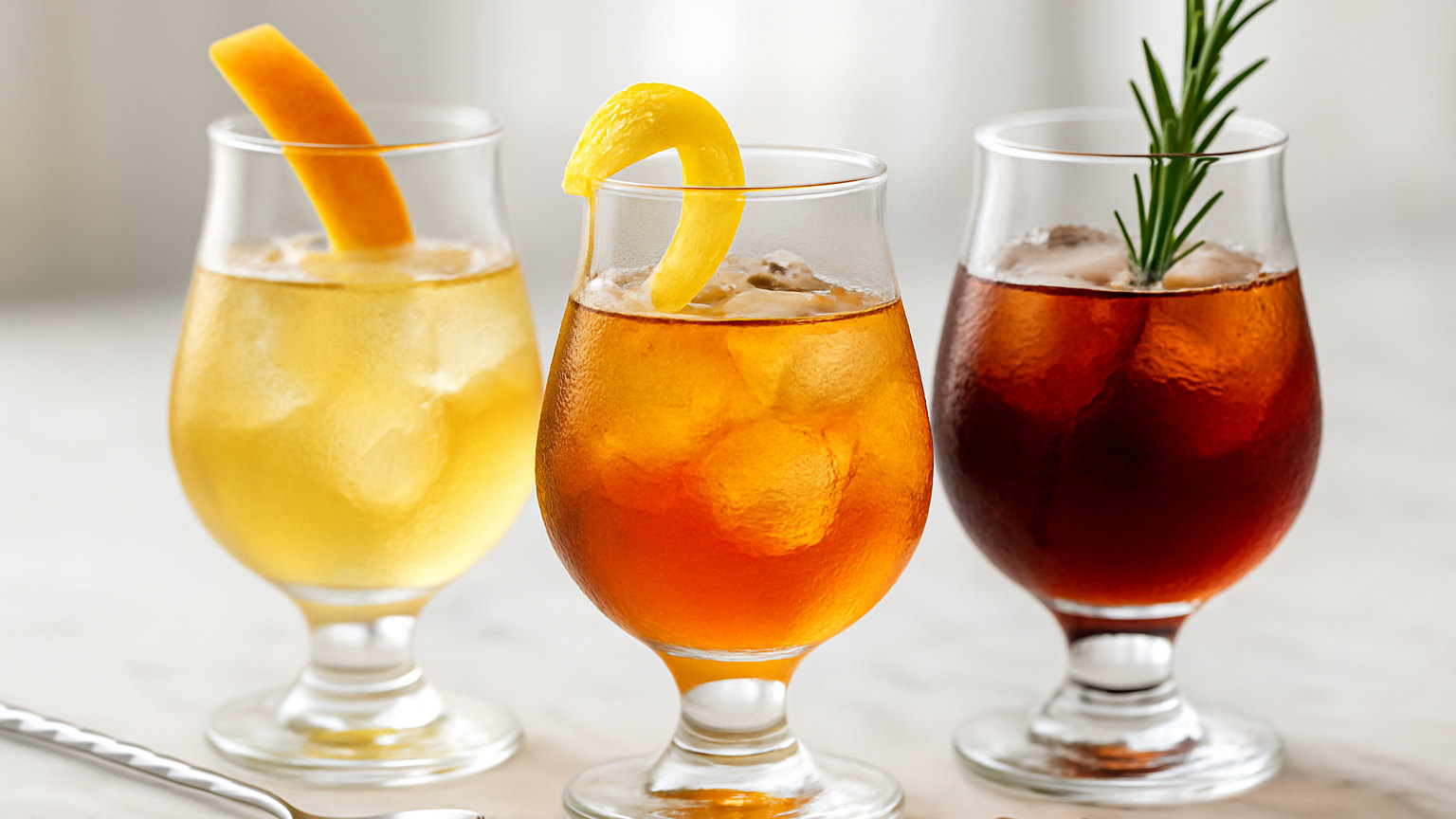
Amaro simply means bitter in Italian, and it covers an enormous family of herbal liqueurs with very little in common besides a bittering agent and sugar. Approaching it as one product leads to confusion, since two bottles labelled amaro can be entirely different drinks.
How is it made?
A neutral or wine-based spirit infused with herbs, roots, barks, citrus peel and spices, then sweetened and usually rested. Recipes are typically closely held and frequently involve dozens of botanicals.
The bittering agents are the same family used in cocktail bitters: gentian, cinchona, wormwood, rhubarb root, bitter orange.
What are the styles?
- Light and citrus. Low bitterness, aperitivo style, often bright red or orange.
- Medium herbal. The largest group. Balanced, gently bitter, good after food.
- Alpine. Pine, mountain herbs, often drier and more mentholated.
- Rabarbaro. Rhubarb root led. Smoky, earthy, distinctive.
- Fernet. The extreme end. Intensely bitter, mentholated, medicinal.
- Carciofo. Artichoke based, savoury and vegetal.
Strength ranges from around 16 per cent for the lightest aperitivo styles to 40 per cent or more for fernet.
Is Campari an amaro?
Loosely, and it is usually classed as a bitter aperitivo rather than an amaro proper. The distinction is one of convention rather than regulation, and the categories overlap considerably.
When is it drunk?
Traditionally at either end of a meal. Lighter bitter liqueurs are aperitivo, served before eating to stimulate appetite. Heavier ones are digestivo, served after.
The digestive claim is traditional rather than demonstrated. Bitter compounds do stimulate saliva and gastric secretion, and whether that meaningfully aids digestion is not established.
How should you serve it?
Neat at room temperature or lightly chilled, in a small glass, around 40 to 50ml. Some suit ice and a strip of orange peel.
Lighter styles work with soda as a long aperitivo. A 50ml measure at 25 per cent is 1.25 units; fernet at 39 per cent is closer to 2.
Which cocktails use amaro?
- Negroni. Gin, sweet vermouth and bitter aperitivo in equal parts.
- Americano. The same without gin, topped with soda.
- Boulevardier. Bourbon in place of gin.
- Paper plane. Bourbon, amaro, aperol and lemon.
- Black manhattan. Rye with amaro replacing the vermouth.
Which should you buy first?
A red bitter aperitivo for negronis, which is the single most useful bottle. A medium herbal amaro second, for sipping and for stirred drinks.
Fernet is a specialist purchase and genuinely divisive. Try it somewhere before committing to a bottle.
Can you make one?
Yes, and it is essentially homemade bitters with far more sugar and a lower final strength. Infuse botanicals separately, blend, sweeten heavily and rest for a month or two.
The results are unlikely to match a commercial recipe developed over a century, and they can be very good in their own right.
How long does an open bottle last?
A year or more. Sugar and alcohol preserve it well, and the lower-strength aperitivo styles fade faster than the stronger ones.
How should you approach the category?
Start light and work towards bitter. A red aperitivo and a medium herbal amaro cover most drinking, and fernet is best encountered once you have decided you like the style.
Trying several in small measures at a bar is far cheaper than buying bottles, since these vary enormously and preferences are strong.
Does it vary by region?
Considerably. Alpine styles lean on mountain herbs and mint, southern Italian ones on citrus and warm spice, and each region developed around what grew locally.
That regional character is a large part of why the family is so varied despite sharing a method.
What strength should you expect?
Anywhere from 16 to 40 per cent, which is a wider spread than most spirit categories. Check the bottle, since a 50ml pour ranges from 0.8 to 2 units depending which style you have.
Is it a modern trend?
The category is centuries old and its visibility outside Italy is recent. Several of the best-known bottlings date from the nineteenth century.


