
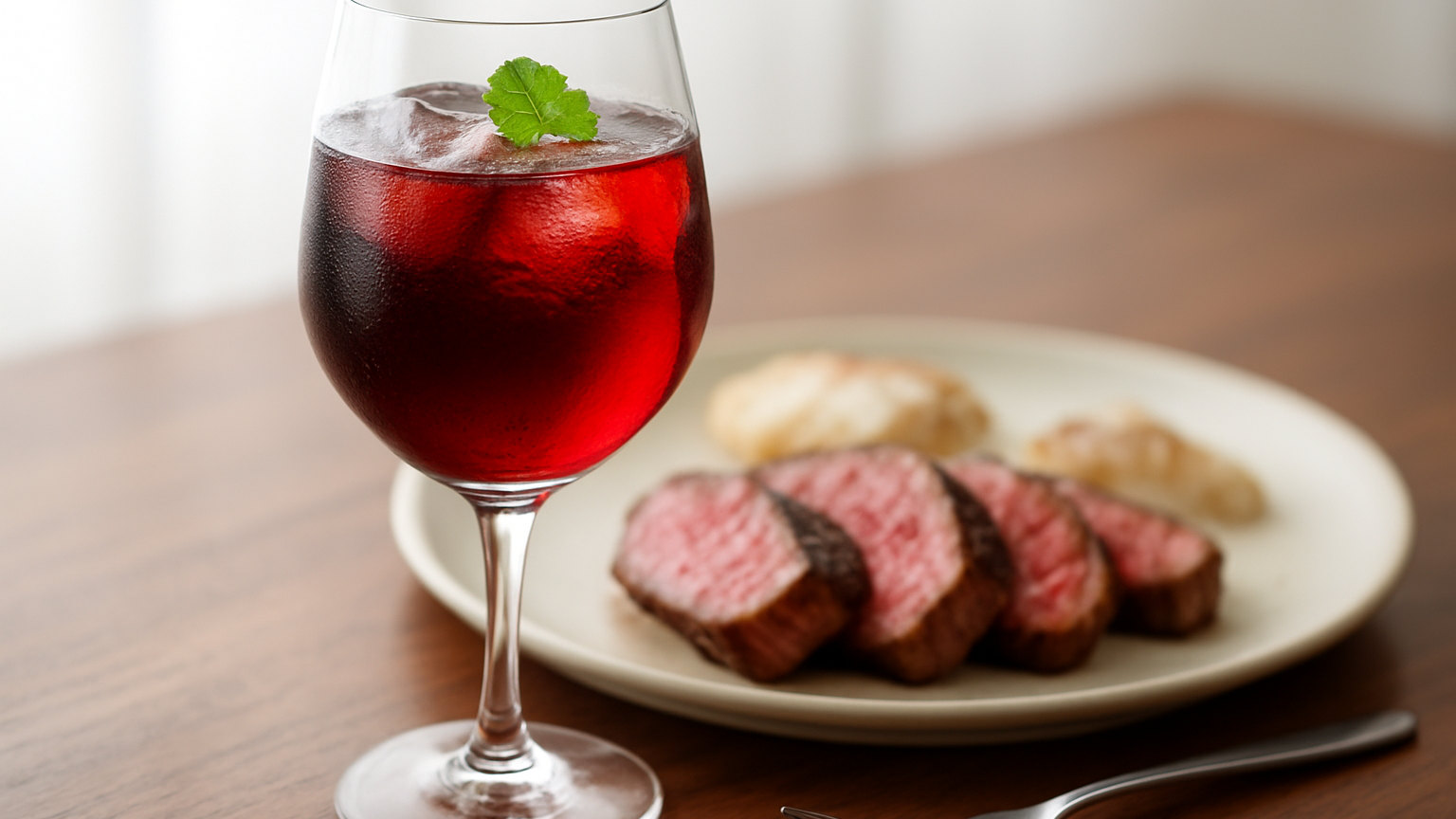
Tannin is the most misunderstood component in wine. It is not a flavour, it is a physical sensation, and understanding what causes it explains several pairings that otherwise look arbitrary.
What is tannin?
A group of compounds found in grape skins, seeds and stems, and in oak barrels. They are extracted during fermentation when the juice sits with the skins, which is why red wines have tannin and most whites do not.
In the mouth, tannin binds to proteins in your saliva and precipitates them, which removes the lubricating layer and produces the drying, gripping sensation called astringency.
Is it bitterness?
No, though the two often occur together. Bitterness is a taste; astringency is a tactile sensation. Strong tea produces the same drying grip, and for the same reason.
Why does it work with red meat?
Because protein and fat in the food give the tannin something else to bind with. Instead of stripping your saliva, it binds to the meat, which softens the wine and cuts the richness at the same time.
Both sides improve. The wine tastes rounder and less astringent; the meat tastes cleaner and less fatty. That is a genuine chemical interaction rather than tradition.
Why does it clash with fish?
Because there is no fat or protein of the right kind to occupy it, and because tannin interacts with fish oils to produce a distinctly metallic taste.
Iron content in the wine appears to be involved, and the effect is unmistakable once encountered. A tannic red with oily fish makes both unpleasant.
What about salt?
Salt accentuates tannin, making it taste harsher and more drying. That is why a heavily tannic red struggles with very salty food, and why it turns metallic against cured meats and hard salty cheeses.
Softer, lower-tannin reds handle salt far better.
Which wines are high in tannin?
- Very high. Nebbiolo, cabernet sauvignon, tannat, syrah, sangiovese.
- Moderate. Merlot, tempranillo, malbec, grenache.
- Low. Pinot noir, gamay, barbera, dolcetto.
Oak adds tannin too, so a heavily oaked wine of any grape will have more grip than an unoaked one.
What softens tannin?
- Protein and fat in the food. The main mechanism.
- Age. Tannins polymerise over years and become smoother.
- Decanting. Air softens young tannin noticeably.
- Serving temperature. Warmer softens; cold accentuates.
That last point catches people out. Chilling a tannic red makes it taste harder and more astringent, which is why lighter, low-tannin reds are the ones that suit being served cool.
How should you use it?
Match high tannin to fat and protein. Steak, lamb, hard aged cheese and rich stews all work.
Avoid it with fish, delicate dishes, very salty food and anything sweet, where tannin turns harsh and drying.
What if a wine is too tannic?
Serve it slightly warmer, decant it, and eat something fatty with it. All three genuinely help, and the food does more than the other two together.
Where else does tannin come from?
Oak, which contributes its own tannins during ageing. That is why a heavily oaked wine of any grape has more grip than an unoaked one, and why some white wines have a trace of tannin.
Stems also contribute, and producers choose whether to include them during fermentation.
Does it soften with age?
Considerably. Tannin molecules link together over years into larger chains that feel smoother, and eventually precipitate out as sediment.
That is the main reason a young Barolo is difficult and a mature one is not, and why decanting an old wine off its sediment matters.
Does decanting help?
For young tannic wine, noticeably. Exposure to air accelerates the softening that would otherwise take years, and an hour in a decanter can make a young Barolo or cabernet considerably more approachable.
For old wine, decanting is about separating it from sediment rather than softening it, and long exposure can flatten a delicate mature wine.
Can you taste tannin separately from flavour?
With practice, yes, and it is a useful habit. Swallow, then notice what the mouth feels like rather than what it tastes like. A drying, gripping sensation across the gums and tongue is tannin working.
Strong black tea brewed too long gives the same feeling and is a good reference point for anyone unsure what to look for.


