
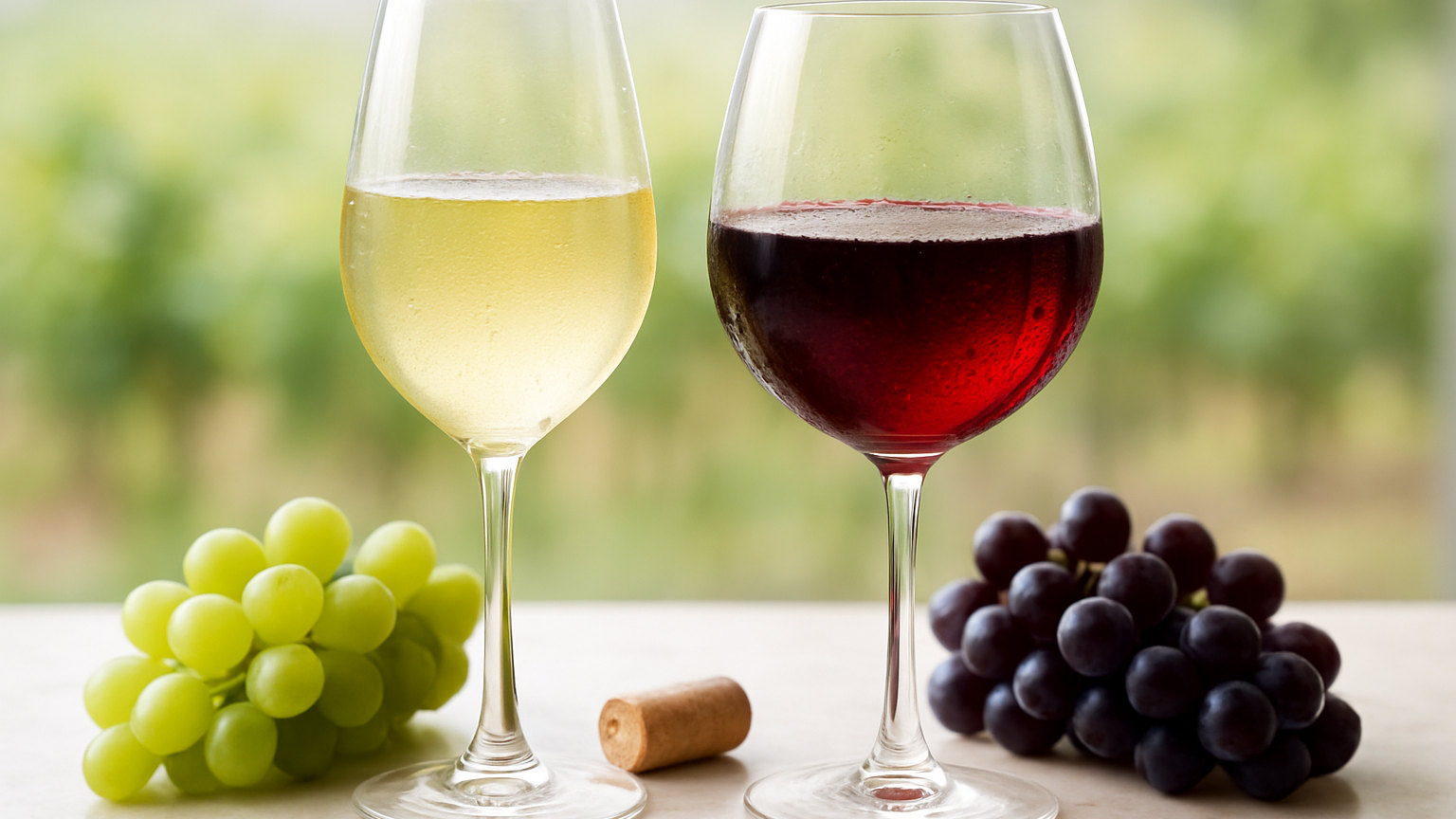
A wine shelf contains two quite different labelling systems side by side, and nobody explains the difference. One tells you what the wine is made from; the other tells you where it is from and expects you to know the rest.
What is varietal labelling?
Naming the grape on the front: chardonnay, malbec, sauvignon blanc. This is standard across the New World, meaning the Americas, Australia, New Zealand and South Africa.
It is straightforward and it tells you what to expect from the fruit. It says nothing about how the wine was made or where exactly it came from.
What is regional labelling?
Naming the place: Chablis, Rioja, Chianti, Sancerre. This is standard across much of Europe, particularly France, Italy and Spain.
The grape is implied rather than stated. Chablis is chardonnay, Sancerre is sauvignon blanc, Chianti is mostly sangiovese, and the label assumes you know.
Why do they do that?
Because European wine law is built around appellations, which define not just the region but the permitted grapes, yields, ripeness and often the winemaking. The place name is a guarantee of a whole set of rules.
The reasoning is that where a grape is grown matters more than which grape it is. That is a defensible position and it makes the shelf considerably harder to read.
Which system is more useful?
Varietal labelling is more useful when you are learning, since it connects a name to a taste. Regional labelling is more useful once you know the regions, since it tells you far more.
Many European producers now add the grape to the back label, which is a sensible compromise.
What are the key equivalences?
- Chablis, white Burgundy. Chardonnay.
- Sancerre, Pouilly-Fumé. Sauvignon blanc.
- Red Burgundy. Pinot noir.
- Red Bordeaux. Cabernet sauvignon and merlot blends.
- Rioja. Mostly tempranillo.
- Chianti, Brunello. Sangiovese.
- Barolo, Barbaresco. Nebbiolo.
- Northern Rhône. Syrah.
- Châteauneuf-du-Pape. Grenache-led blends.
Those nine cover a large proportion of the European wine most people encounter.
What else is on the label?
- Vintage. The year the grapes were picked.
- Alcohol. A useful proxy for body and ripeness.
- Appellation. The more specific, the tighter the rules.
- Producer. Often the most reliable indicator of quality.
- Estate bottled or similar. Grown and made by the same people.
Why does alcohol content tell you something?
Because it reflects ripeness. A wine at 11 per cent comes from a cooler climate or an earlier pick and will be lighter and more acidic. One at 14.5 will be riper, fuller and softer.
It also matters practically. A 175ml glass is 1.9 units at 11 per cent and 2.5 at 14.5, which is a meaningful difference across an evening from a bottle that looks identical.
How specific is specific?
Generally, the smaller the named area, the tighter the rules and the more the name promises. A regional appellation covers a large area; a village or single-vineyard name covers very little.
That is why the same producer may sell three wines at very different prices with progressively narrower names on the label.
Does the producer name matter?
More than almost anything else, and it is the hardest thing to use without experience. Within any appellation, the range between a careful producer and a careless one is wider than the range between appellations.
That is why merchants and wine lists organise by producer where supermarkets organise by region. Finding two or three producers you trust is more useful than memorising maps.
What about back labels?
Increasingly informative and worth reading. Many European producers now state the grape there even when the front label does not, and back labels often give the alcohol, the residual sugar and sometimes the ageing.
Tasting notes on a back label are written to sell and should be read as an indication of style rather than a description.
Is one system disappearing?
Neither, and they are converging slightly. European producers increasingly add grape names for export markets, and New World producers increasingly emphasise specific regions as their vineyards establish reputations.


