
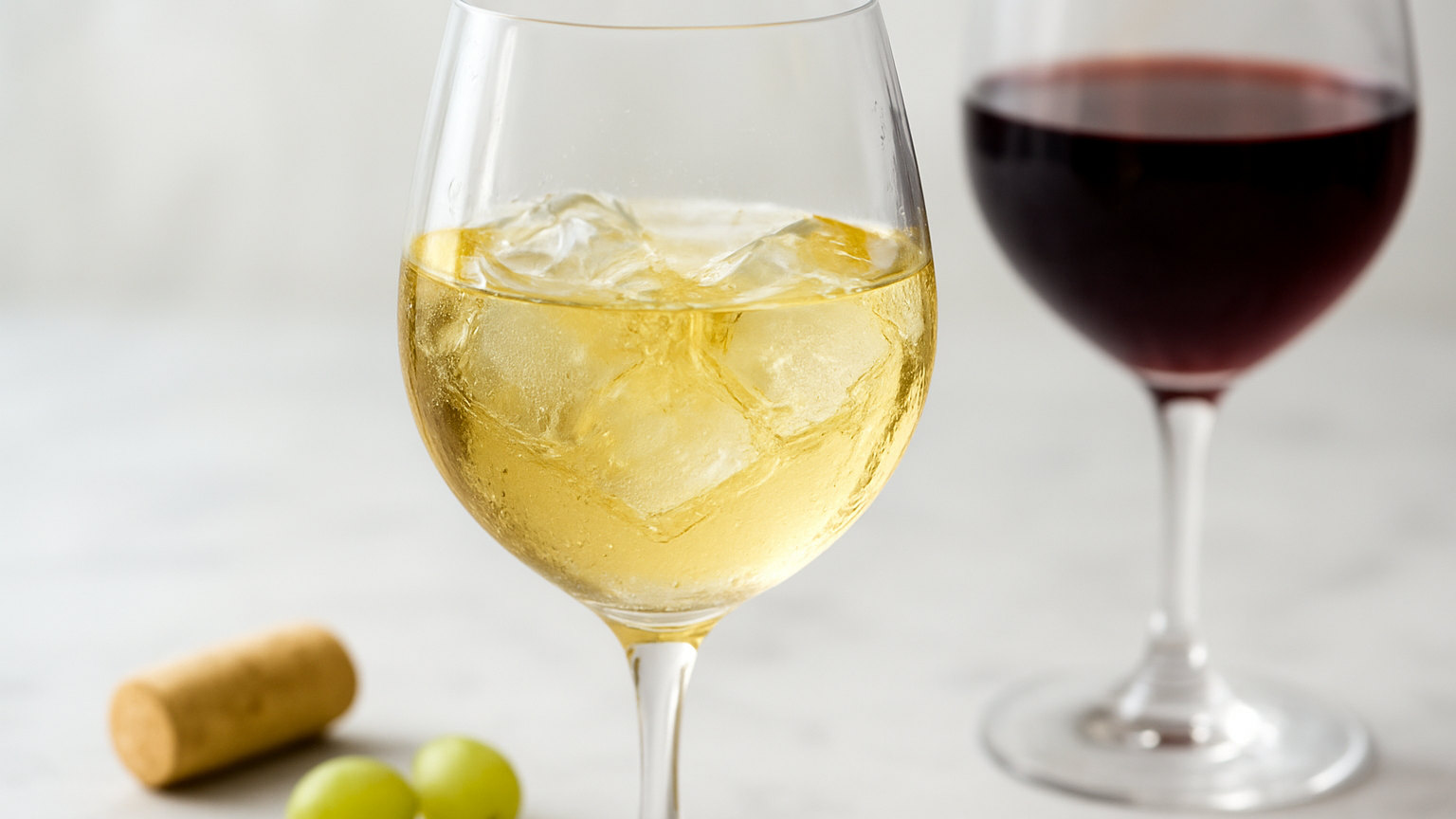
Glassware is where wine marketing is at its most enthusiastic, with different shapes sold for every grape. Some of the effect is real and most of the range is unnecessary.
What does the shape actually do?
Concentrates aroma. A bowl that narrows towards the rim traps volatile compounds released by the wine and delivers them to your nose as you drink.
A straight-sided glass lets them disperse into the room. The difference between the same wine in a tumbler and in a proper glass is immediate and substantial.
What matters most?
- A bowl that narrows at the top. The single most important feature.
- Enough size to swirl. A glass filled to the brim cannot be.
- Thin rim. Thick rims interfere with how the wine enters the mouth.
- Clear glass. So you can see the colour.
- A stem. To keep your hand off the bowl.
Why does the stem matter?
Because hands are warm. Holding the bowl raises the temperature of the wine noticeably over a few minutes, and most wine is served too warm already.
Stemless glasses look modern and are practically worse, particularly for white wine.
Do grape-specific glasses work?
Partially. There is measurable evidence that bowl shape affects how aroma compounds are delivered and where wine lands in the mouth.
Whether the difference justifies owning eight shapes is another question. The gap between a tumbler and a good glass is enormous; the gap between a good all-purpose glass and a grape-specific one is small.
What should you actually own?
One good all-purpose glass with a decent-sized bowl, in whatever quantity you need. That covers red, white and rosé perfectly well.
If you want a second, a smaller glass for fortified wine and a larger one for reds is a reasonable split. Nobody needs more than two shapes.
What about champagne flutes?
They preserve bubbles and deliver very little aroma, which is a genuine trade. For inexpensive sparkling wine, where the bubbles are the attraction, a flute is fine.
For a good champagne or traditional-method wine, a standard white wine glass shows it far better. Many sparkling wine producers now recommend exactly that.
How full should a glass be?
A third at most. That leaves room to swirl and space above the wine for aroma to collect.
A standard 175ml serving looks modest in a large glass, which is the correct appearance rather than a mean one. Filling a glass to the top makes it impossible to smell anything.
Does the glass need washing carefully?
Yes, and this matters more than the shape. Detergent residue affects aroma and surface tension, and a glass stored upside down in a cupboard picks up stale smells.
Rinse with hot water, dry with a clean cloth, and store upright. Rinsing a glass with a little of the wine before pouring properly, as sommeliers do, addresses the same problem.
Is expensive glassware worth it?
Thin, well-made glasses do feel better and do show wine well. They also break easily and cost a great deal.
A mid-priced set with the right shape delivers most of the benefit. The shape matters; the price largely does not.
Does the glass affect temperature?
Through how you hold it, mainly. A hand on the bowl warms wine noticeably within a few minutes, which matters most for whites and sparkling wines served cold.
Holding the stem is the whole reason stems exist, and it is the easiest improvement anyone can make.
How should you store them?
Upright, in a cupboard that does not smell of anything. Glasses stored rim-down trap stale air and pick up the smell of the shelf, which then transfers to the wine.
Rinsing with hot water before use, and drying with a clean cloth rather than a tea towel that has been used for anything else, removes most of the problem.
What size bowl is right?
Large enough to hold a 175ml serving at no more than a third full, which means a bowl of around 500ml or more. Smaller glasses make swirling impossible and concentrate nothing.
Very large bowls look impressive and are unnecessary outside specific red wine styles.


