
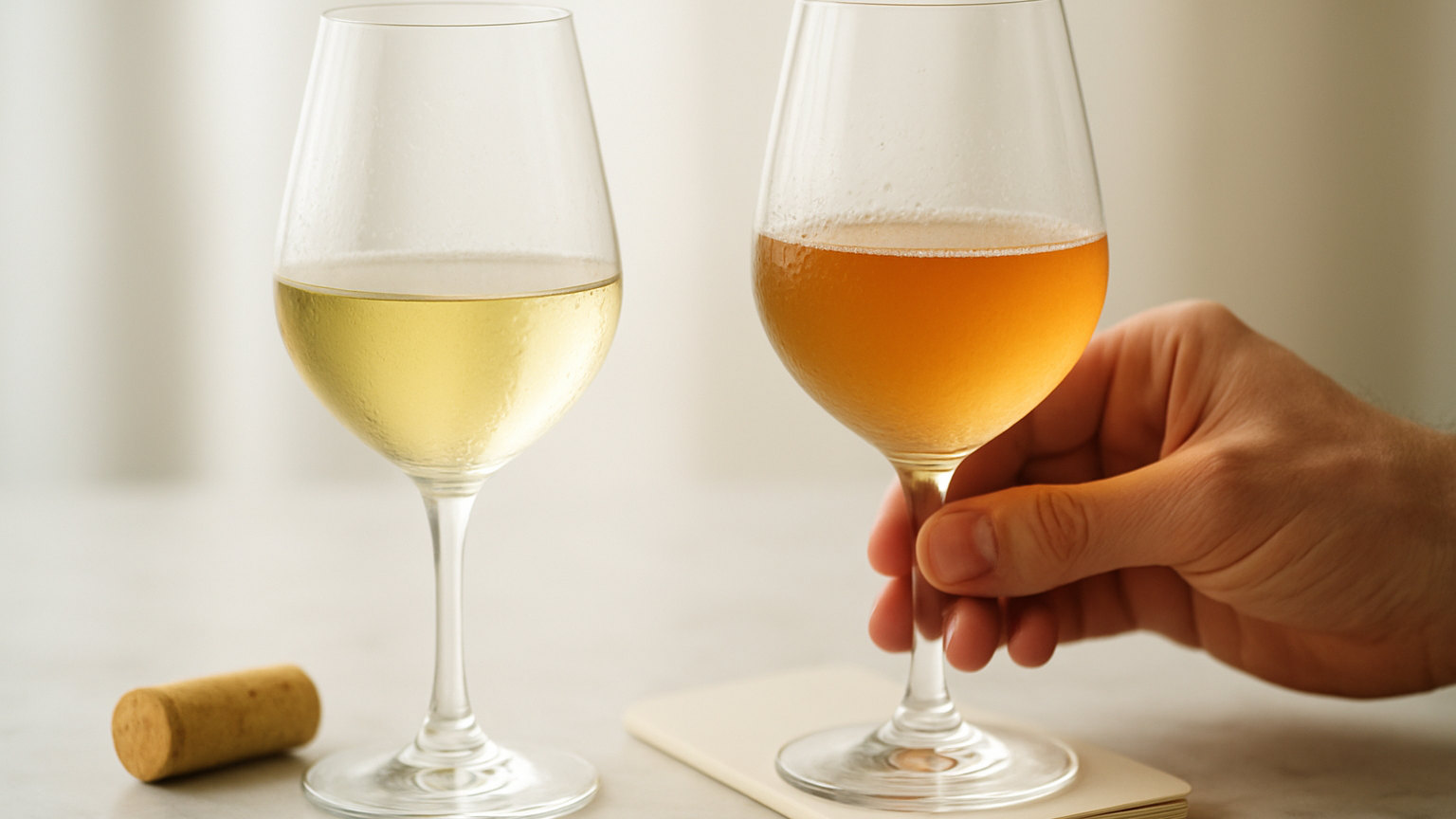
Most bad wine is simply dull rather than faulty. Genuine faults are specific, identifiable and caused by known mechanisms, and recognising them means knowing when a bottle is wrong rather than just not to your taste.
What is cork taint?
The commonest fault, caused by a compound called TCA that forms when chlorine compounds react with mould in cork or in winery timber.
It smells of damp cardboard, wet dog or a musty cellar. In severe cases it is obvious; in mild cases it simply strips the fruit out and leaves the wine flat and lifeless.
It is harmless to drink and unpleasant. It affects perhaps 1 to 3 per cent of cork-sealed bottles, which is a large part of why screwcaps became common.
Is it the fault of the drinker?
No, and nobody should feel awkward returning a corked bottle. It happens at the source and any decent merchant or restaurant will replace it without question.
What is oxidation?
Excessive exposure to air, which converts alcohol into acetaldehyde. The wine turns brown, loses its fruit and smells of bruised apple, sherry or nuts.
In a young white or red it is a fault. In sherry, madeira and tawny port it is deliberate and the whole point, which is why the same character can be a flaw or a feature depending on the bottle.
Causes include a failed cork, poor storage, or simply a bottle that has been open too long.
What is volatile acidity?
Acetic acid and ethyl acetate produced by bacteria, smelling of vinegar and nail varnish respectively.
Small amounts occur in all wine and can add lift and complexity. Above a threshold it dominates and the wine is faulty. Nail varnish remover is the clearer signal, since vinegar can be confusing in a high-acid wine.
What is brettanomyces?
A yeast producing compounds that smell of farmyard, sticking plaster, leather or horse. Known universally as brett.
It divides opinion more than any other fault. Small amounts add savoury complexity that some drinkers value, particularly in traditional-style reds. Larger amounts strip the fruit and dominate everything.
What is reduction?
The opposite of oxidation: insufficient oxygen during winemaking, producing sulphur compounds that smell of struck match, rubber or, at worse levels, drains and rotten eggs.
Mild reduction often blows off with air, so decanting or vigorous swirling can fix it. If it persists after twenty minutes, the bottle is faulty.
What is not a fault?
- Sediment in old red. Normal. Decant off it.
- Tartrate crystals. Harmless and tasteless.
- Cloudiness in unfiltered wine. Deliberate.
- A stained or crumbly cork. Not evidence of anything.
- Petrol notes in aged riesling. A marker of maturity.
What should you do about a faulty bottle?
Return it, with the cork and most of the contents. Retailers and restaurants expect this and it is not a confrontation.
If you are unsure, say so plainly. A faulty wine is a supply problem rather than a judgement on anyone in the room.
How common are faults?
Cork taint affects a few per cent of cork-sealed bottles. The others are considerably rarer in commercially made wine, though more common in low-intervention wines where less is done to prevent them.
Most disappointing bottles are simply dull, which is not a fault and not grounds for return.
Can any of them be fixed?
Only reduction, which frequently blows off with air. Decanting vigorously or swirling hard for a few minutes will clear mild sulphur notes.
Cork taint, oxidation, volatile acidity and heavy brett are all permanent. Nothing done at the table will improve them.
How do you know it is the wine and not you?
Smell it again after a few minutes, and if possible have someone else smell it. Faults are consistent and obvious once identified, where a temporarily dulled palate affects everything equally.
A wine that smells wrong to two people is wrong.
Does screwcap eliminate faults?
It eliminates cork taint from the closure, which is the main reason it was adopted. TCA can still reach a wine through contaminated winery timber or equipment, so the risk is greatly reduced rather than removed.
Screwcaps also allow less oxygen exchange, which reduces oxidation and slightly increases the chance of reduction. That is a trade rather than a straightforward improvement.


