
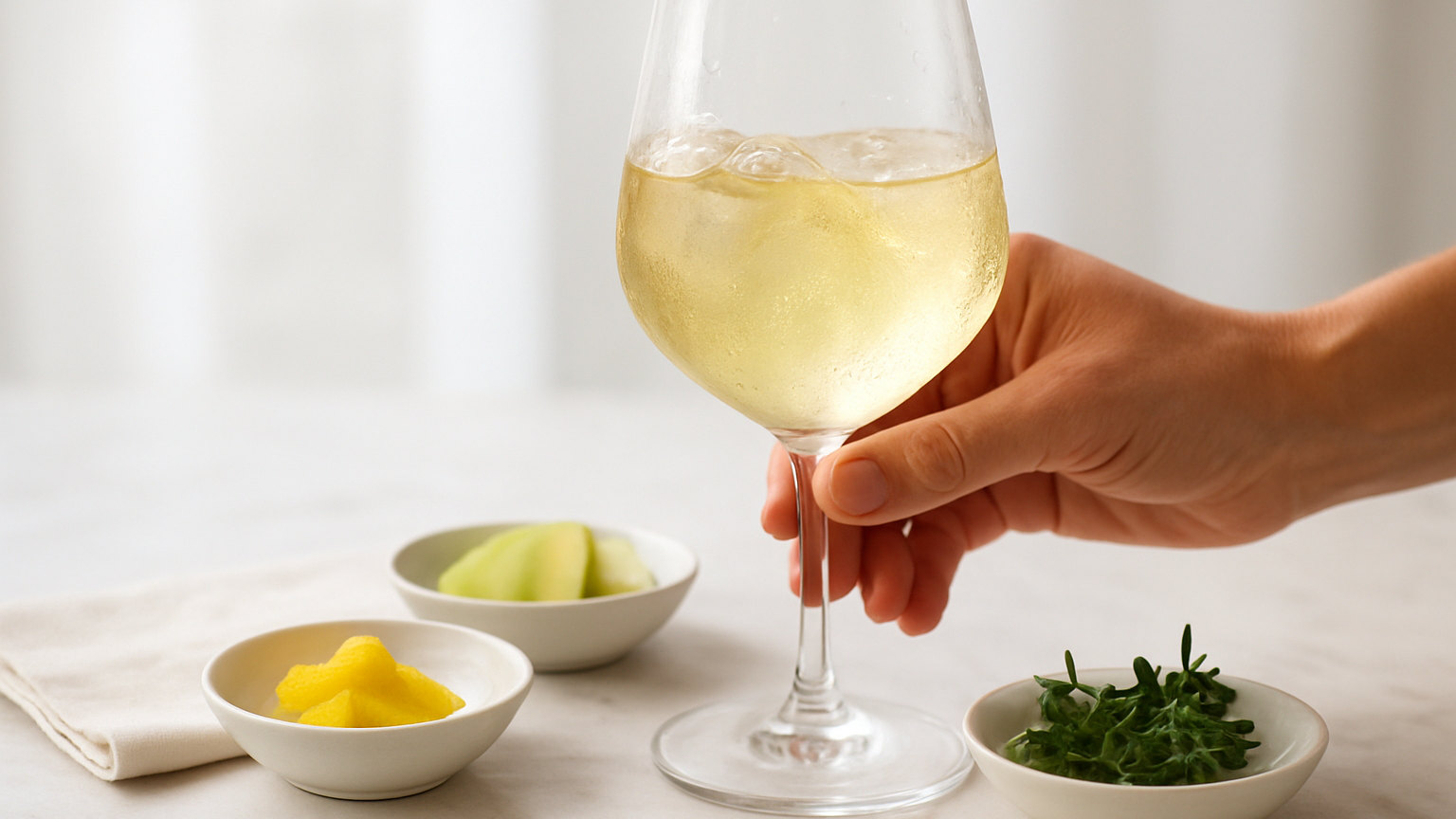
People assume tasting ability is innate, which is mostly wrong. Sensory thresholds vary between individuals and the gap between a beginner and an experienced taster is overwhelmingly practice rather than equipment.
What actually improves?
Three things: attention, memory and vocabulary. You learn to notice what you were already sensing, to remember it, and to attach a word so you can retrieve it later.
Very few people have a genuinely superior sense of smell. Almost everyone has an untrained one.
What is the fastest way to improve?
Comparative tasting. Two wines side by side teach far more than four wines in sequence, because differences are far easier to perceive than absolutes.
Nobody can say whether a wine is high in acid without a reference. Anyone can say which of two wines is higher.
What should you compare?
- Same grape, two climates. Cool against warm.
- Oaked against unoaked. Isolates a single decision.
- Two price points, same region. Shows what money buys.
- Young against older. Shows what age does.
- Dry against off-dry. Calibrates sweetness perception.
Isolating one variable is the whole method. Four unrelated bottles teach very little.
What can you practise outside wine?
Smelling deliberately. Open the spice jars and smell them. Smell herbs before cooking, fruit before eating, coffee before brewing.
That builds the reference library that tasting draws on. Someone who has consciously smelled cardamom will recognise it in a glass; someone who has not will know only that something is there.
Does keeping notes help?
Considerably, and more than any other single habit. Writing forces you to decide what you think, and reading old notes shows how your perception has changed.
Keep them brief. Sweetness, acidity, tannin, body, one or two aromas, and whether you would buy it again. Four lines is enough.
How long does it take?
Noticeable improvement within a few months of paying attention. Being able to identify grapes blind takes years and is not the point for most people.
The useful skill is knowing what you like and being able to describe it well enough to buy it again, which comes far sooner.
What holds people back?
- Drinking without attention. Volume does not train anything.
- Tasting alone rather than comparatively.
- Anxiety about being wrong. There is no wrong answer about your own perception.
- Not keeping notes. Memory for smell is vivid and unreliable.
- Always drinking the same thing. Range builds reference points.
Does drinking more help?
No, and this is worth being clear about. Tasting attentively is a skill practised in small quantities, and the professionals who do it daily spit almost everything.
Five 50ml pours compared carefully teaches more than a bottle drunk over an evening, and amounts to a third of the alcohol.
What is the single best habit?
Taste two wines side by side, write four lines about each, and do it once a fortnight. That is more effective than any course.
Do courses help?
They provide structure and a range of wines to compare, which is genuinely useful. What they cannot substitute for is regular attention over months.
A structured tasting group meeting monthly does much the same job for less money.
Does age affect it?
Sense of smell does decline gradually with age, and the effect is smaller than the effect of practice. An attentive sixty-year-old taster will comfortably outperform an inattentive twenty-five-year-old.
Smoking, colds and certain medications all reduce sensitivity temporarily, which is worth knowing before concluding a wine is dull.
What is the most common mistake?
Trying to name aromas before establishing structure. Sweetness, acidity, tannin and body are easier to perceive, more useful to know, and they build the confidence that makes aroma identification less daunting.
Does it make drinking less enjoyable?
The opposite, for most people. Noticing more gives more to enjoy, and knowing what you like makes buying less of a gamble.
The risk is becoming unable to drink anything without analysing it, which is worth resisting. Most wine should simply be drunk.


