
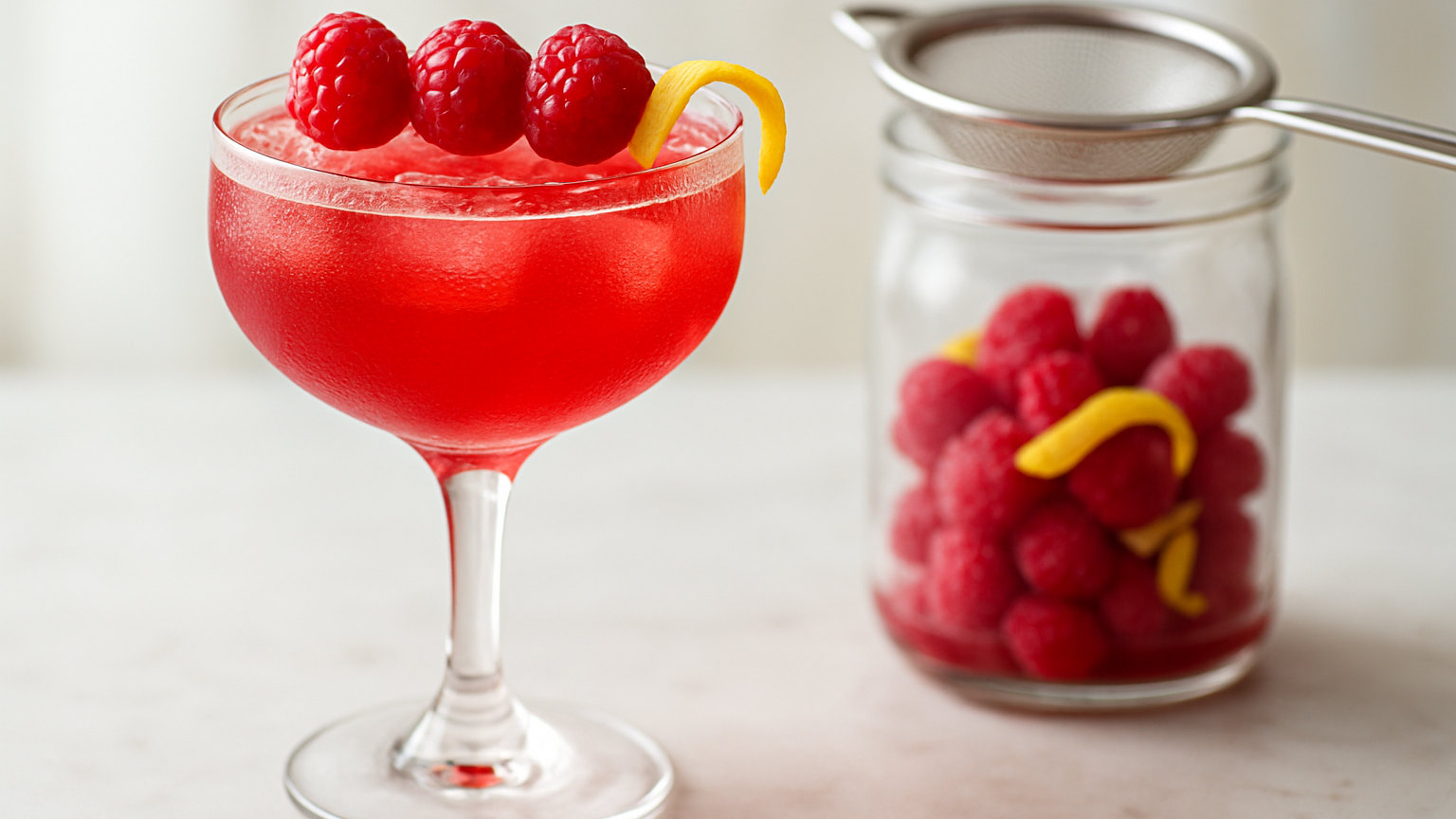
Infusing a spirit is the simplest technique in this whole section and the one with the most misunderstanding around it. Nothing is being made or distilled. A solvent is being used to pull flavour out of something.
Why does alcohol work so well?
Because it dissolves both water-soluble and oil-soluble compounds, which water alone cannot do. Most of the aromatic compounds that make herbs, spices and citrus peel interesting are oil soluble.
That is why steeping vanilla in water gives almost nothing and steeping it in vodka gives extract. It is the same principle behind every tincture, and it is why spirit strength affects the result.
Does strength matter?
Considerably. A 40 per cent vodka extracts more efficiently than a 37.5 per cent one, and an overproof spirit at 55 to 60 per cent extracts faster and more completely again.
For woody roots and barks the difference is large. For soft fruit and delicate herbs, where the flavour is largely water soluble, it matters much less.
What controls the speed?
- Surface area. The single biggest factor. Sliced ginger extracts far faster than whole.
- Alcohol strength. Higher extracts faster.
- Temperature. Warmth speeds extraction and can damage delicate aromatics.
- Cell structure. Tough skins slow things down until they are broken.
- Agitation. Shaking helps, and less than people assume.
Slicing rather than chopping is usually the right call, since it increases surface area without releasing pulp that clouds the result.
Why do some things over-extract?
Because pleasant compounds and unpleasant ones do not extract at the same rate. Citrus peel gives up its bright oils quickly and its bitter pith compounds more slowly, so a short infusion is good and a long one turns bitter.
The same applies to tea, coffee, chilli and most spices. There is a window, and past it the infusion gets worse rather than stronger.
That is why tasting daily beats following a fixed schedule. The material varies and the schedule does not.
Is this the same as making a liqueur?
Half of it. A liqueur is a sweetened infusion, and the sugar changes the texture, the preservation and the balance.
An infusion on its own is an unsweetened flavoured spirit. It behaves like a spirit in a cocktail, which means it can go into a drink where a liqueur would throw the sugar off.
Is it legal?
Entirely. Infusing bought spirit involves no distillation, and it is what a great many commercial gin and flavoured vodka producers do at scale.
Distilling at home is a separate matter and is an offence in the UK without a licence, regardless of quantity or purpose. Nothing in this section requires a still.
What equipment do you need?
A sealable glass jar, muslin, a funnel and some bottles. A kitchen scale and a pipette help with consistency and neither is essential.
Glass rather than plastic, since strong alcohol will leach compounds out of some plastics over time.
How long do infusions keep?
An unsweetened infusion at 35 per cent or above keeps for a year or more once strained. Anything containing fresh fruit flesh or juice introduces water and sugar and keeps less well.
Strain when it tastes right rather than leaving the material in, since extraction continues and eventually turns the infusion harsh.
Does temperature help?
It speeds extraction and it changes what you get. Warmth drives off some of the lightest volatile aromatics, so a heated infusion tends to be deeper and less bright than a cold one.
For roots, dried spices and tough material that suits it. For fresh herbs, citrus peel and anything floral, room temperature gives the better result.
What should you avoid infusing?
Anything you cannot identify with certainty, and anything not established as safe to eat. Several common garden and hedgerow plants are toxic, and alcohol extracts their compounds as efficiently as it extracts pleasant ones.
Culinary ingredients from a shop or a garden cover nearly everything worth making, and there is no flavour argument that justifies guessing.


