How Do You Shake a Cocktail Properly?
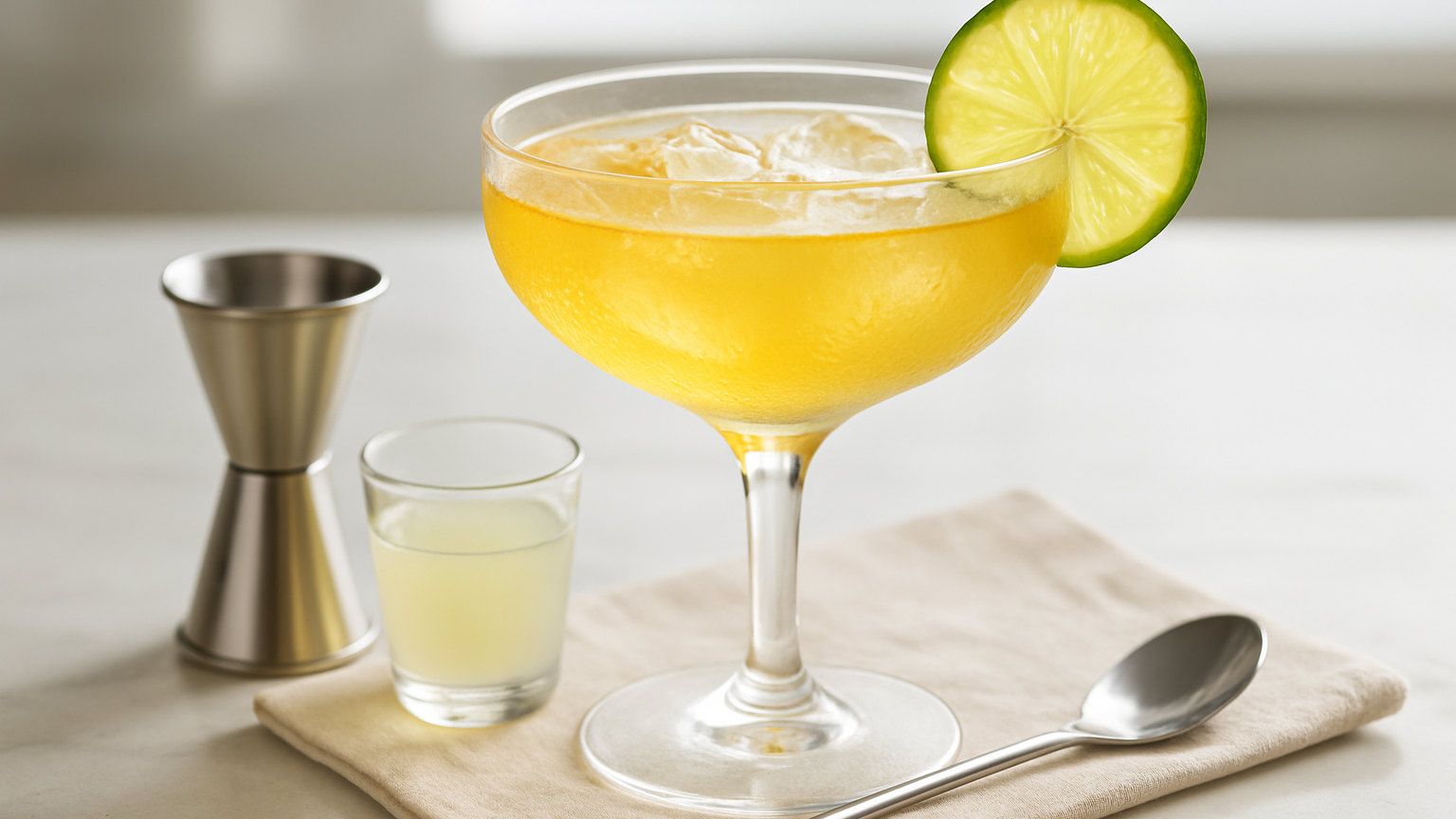
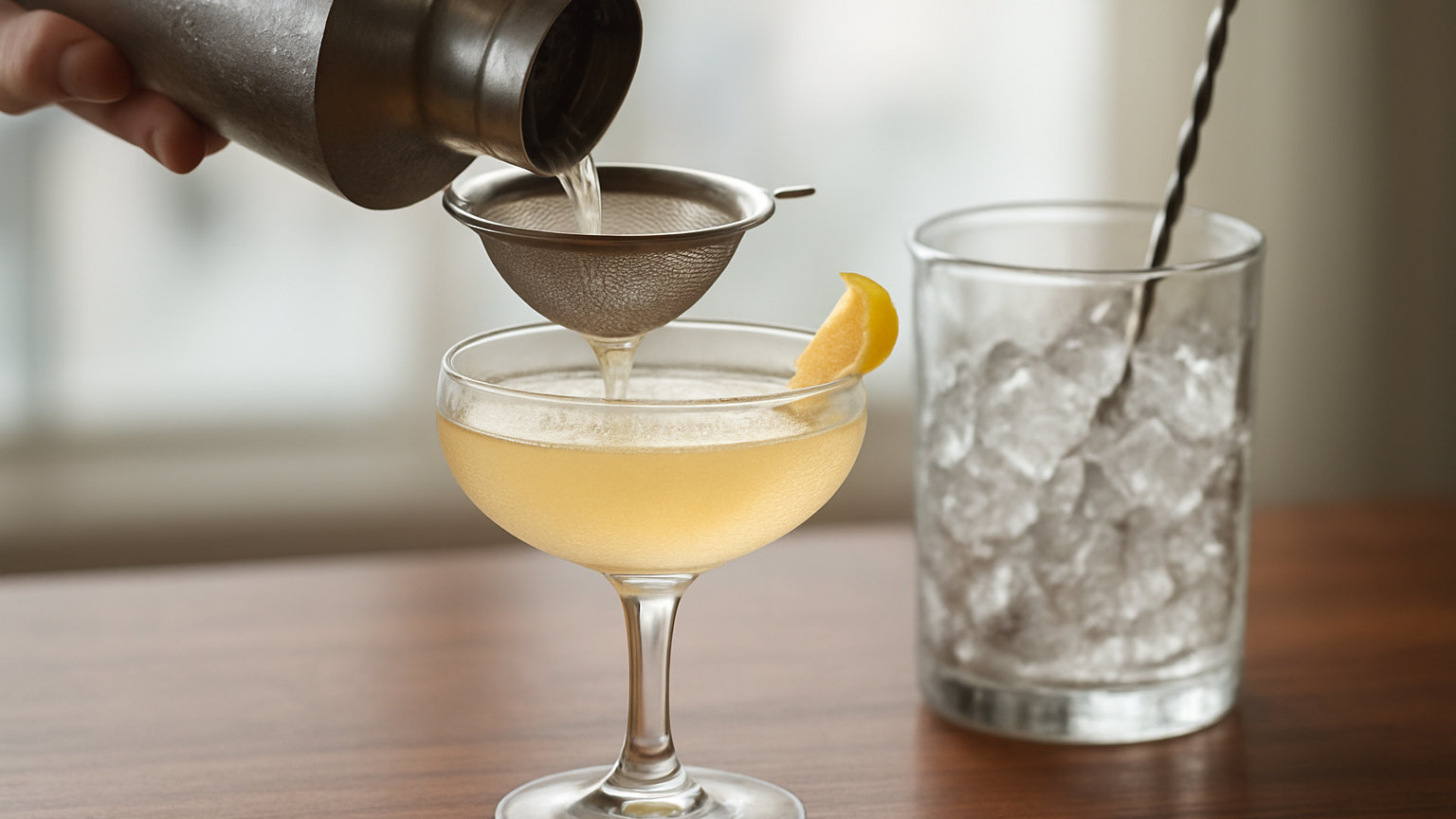
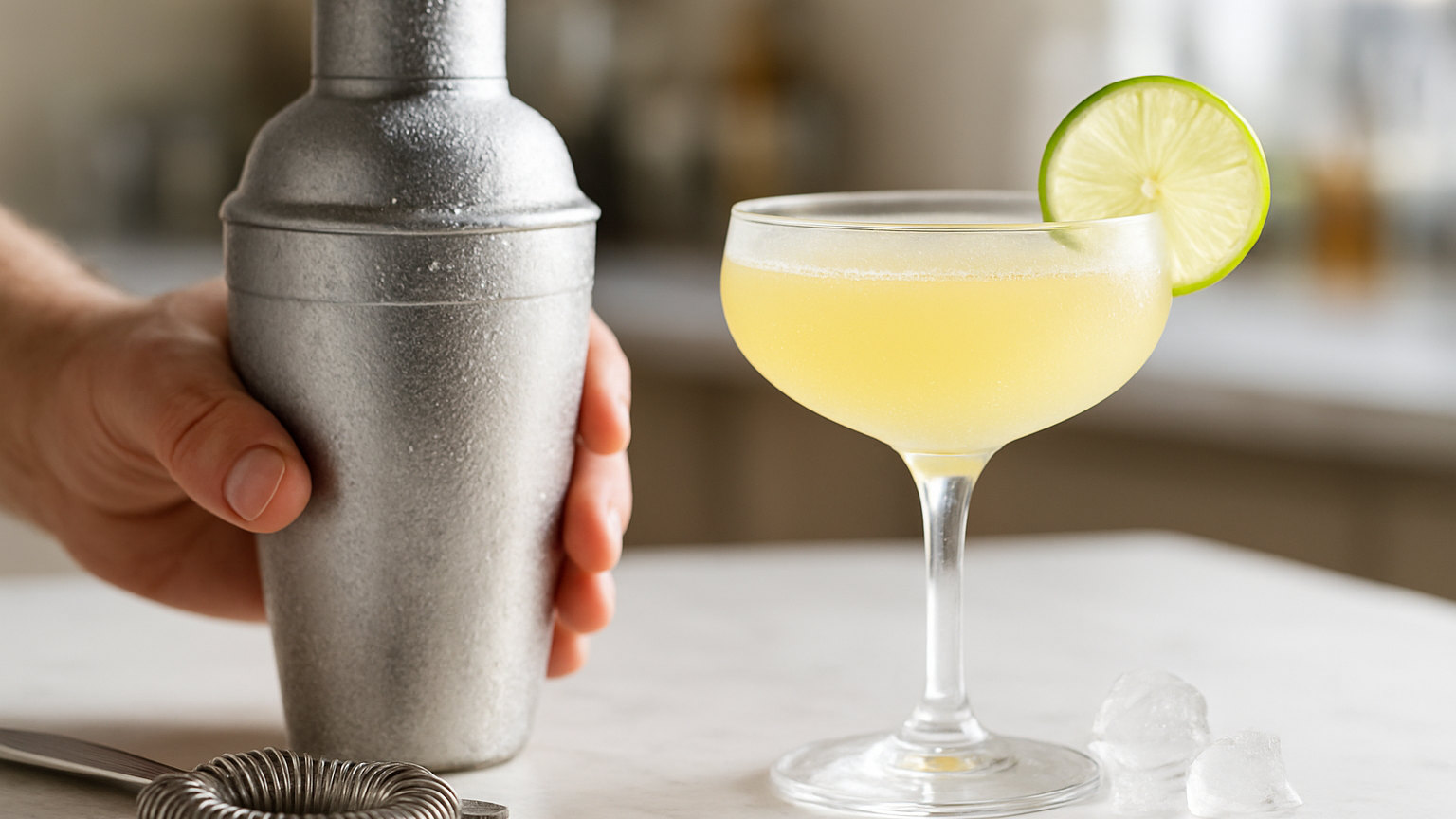
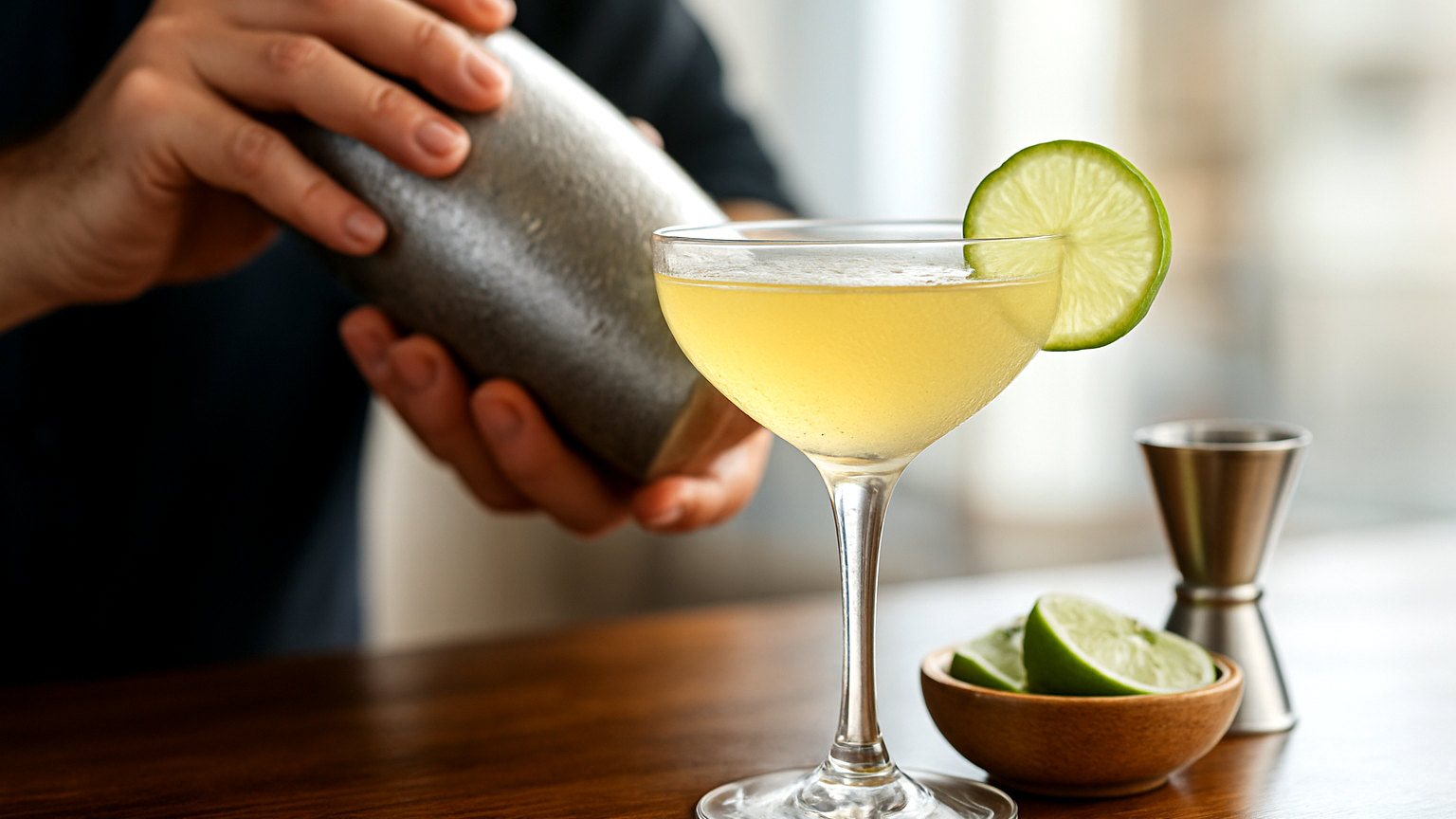
Shaking looks like the least technical thing in bartending. Grip, direction and ice quantity all change the result, and most people get two of the three wrong.
A short list of cocktails made properly beats a long list made approximately, so this section starts with the classics and the ratios worth committing to memory, then explains the technique underneath them. Every recipe gives measures in both millilitres and ounces, says whether to shake or stir and why it matters, and tells you what to do when you have not got the exact bottle. Dilution, ice and the order things go into the glass change a drink more than most people expect, so they are covered as their own subjects rather than buried in a method step.
Shaking looks like the least technical thing in bartending. Grip, direction and ice quantity all change the result, and most people get two of the three wrong.
American recipes work in ounces and most European ones in millilitres. Five conversions cover nearly everything, and one of them trips people up.
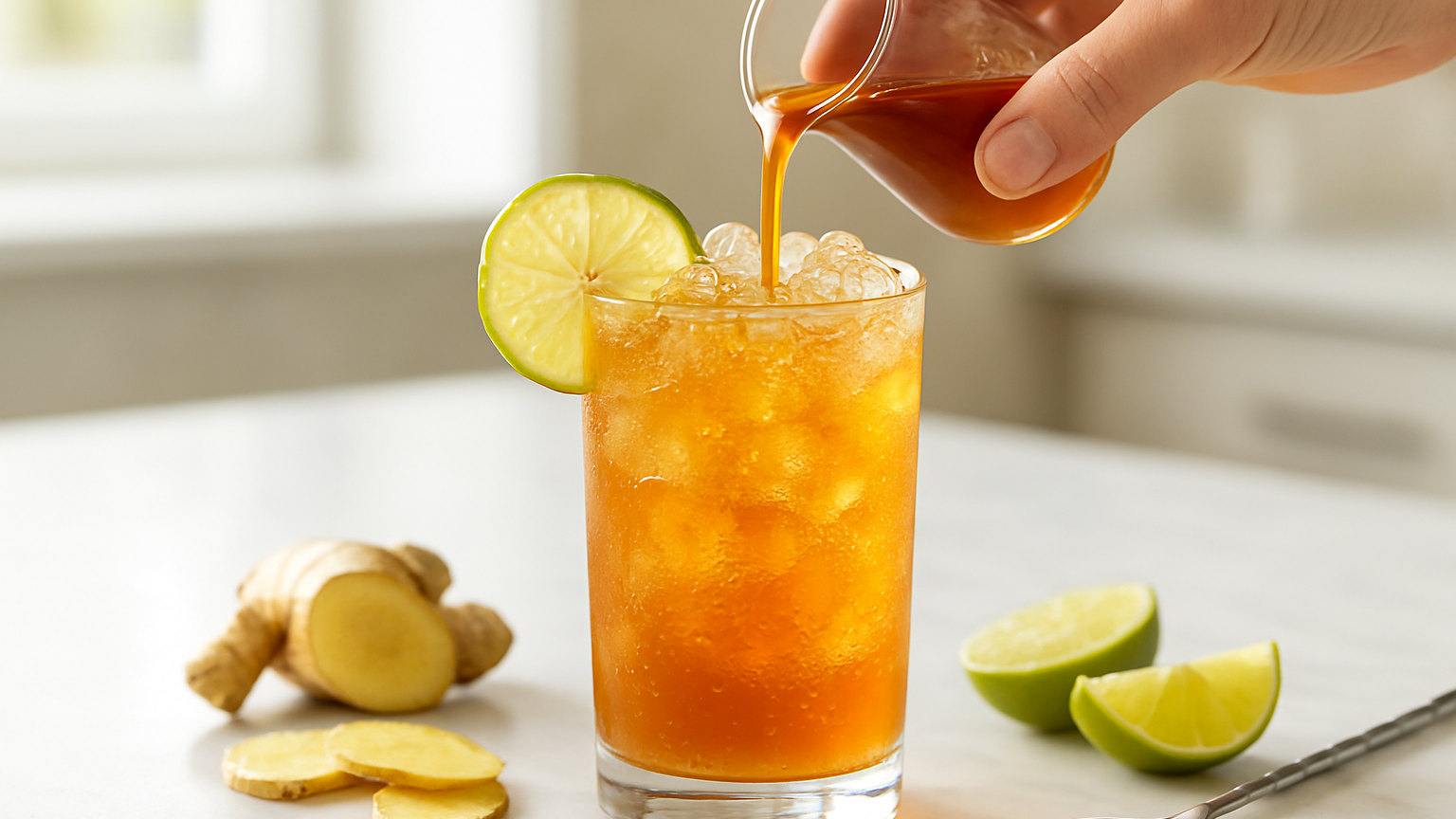
Ginger syrup gives a drink genuine warmth, which is the one thing alcohol free drinks lack most and rum drinks always want more of.
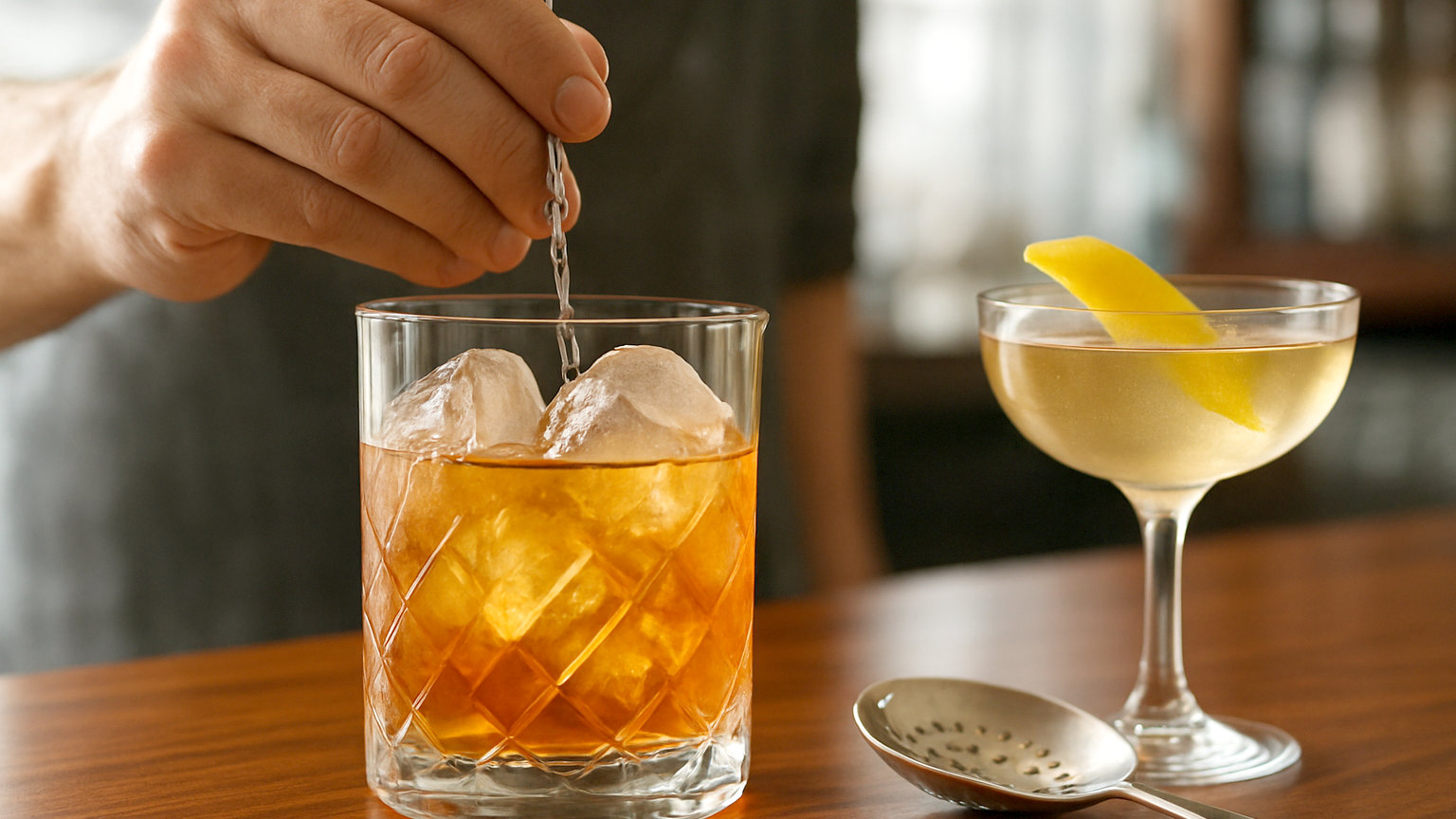
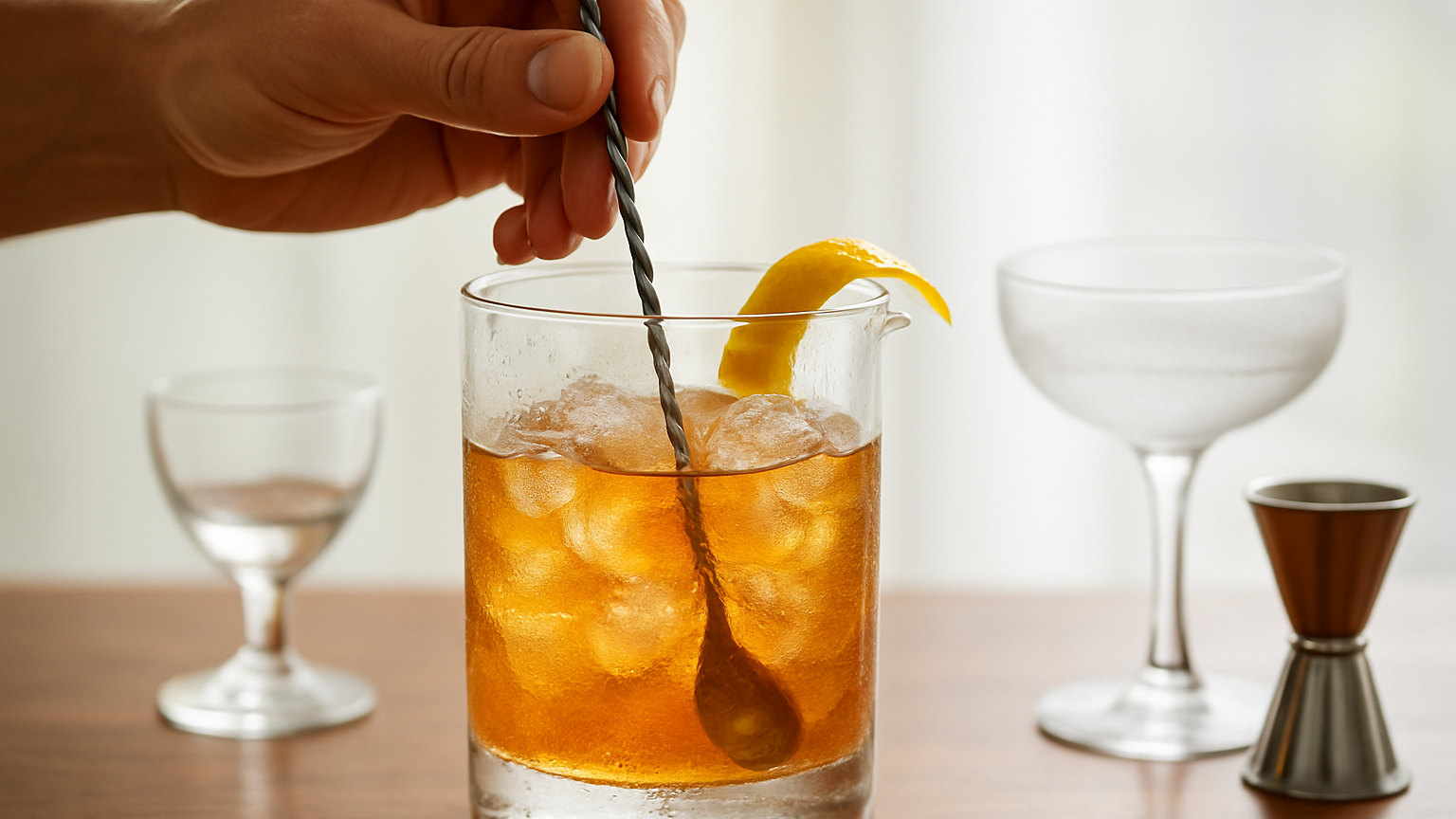
A mixing glass exists for one reason: stirred drinks need room for the ice to rotate, and a shaker tin is the wrong shape for it.
The two things people underestimate are ice and non-alcoholic options. Everything else is arithmetic, and the arithmetic is straightforward.
Every cocktail contains water, and how much decides whether it works. Shaking and stirring exist to add it in a controlled way.
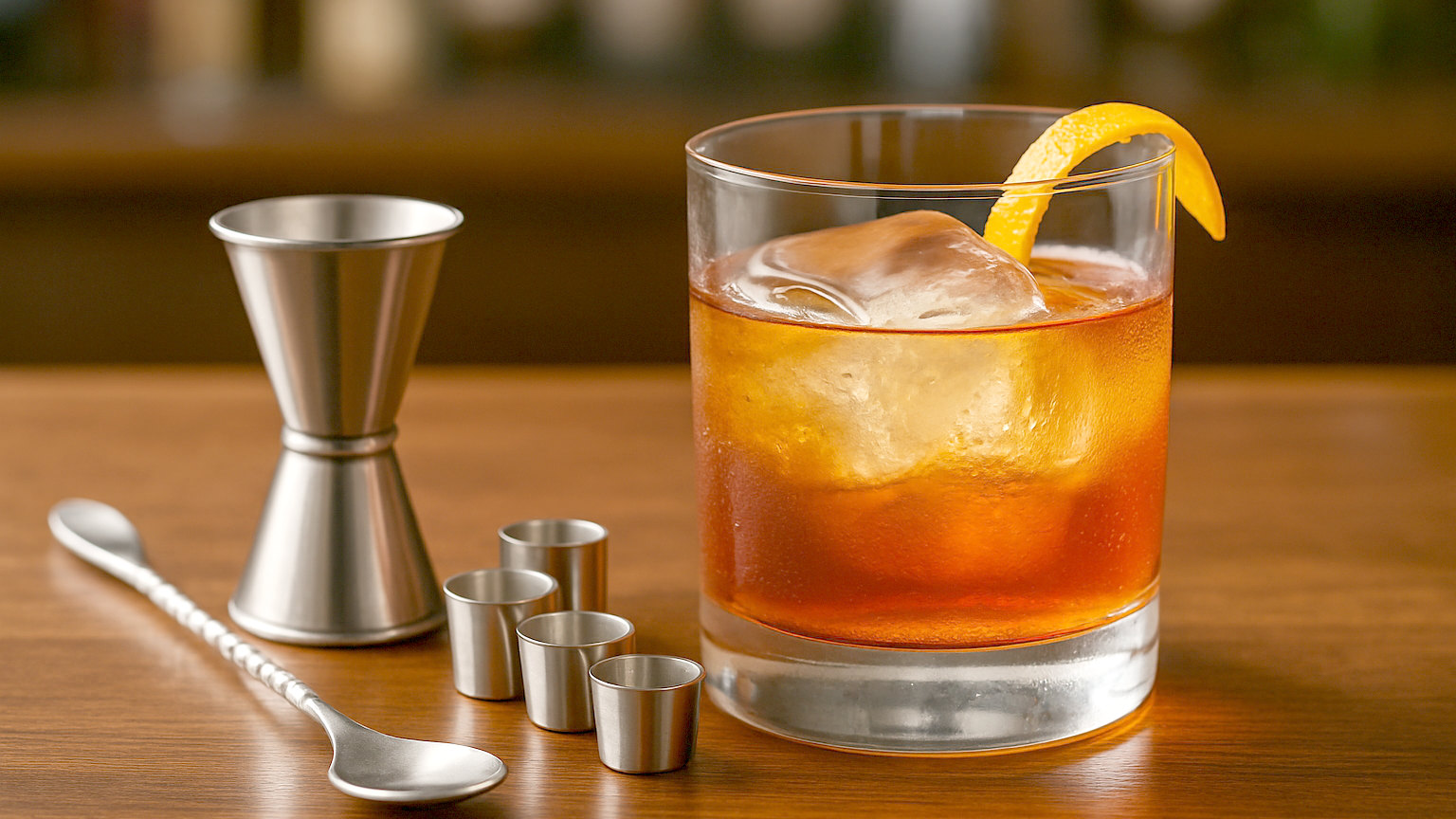
Five quantities cover almost every classic cocktail. Learning them means most recipes stop needing to be looked up at all.
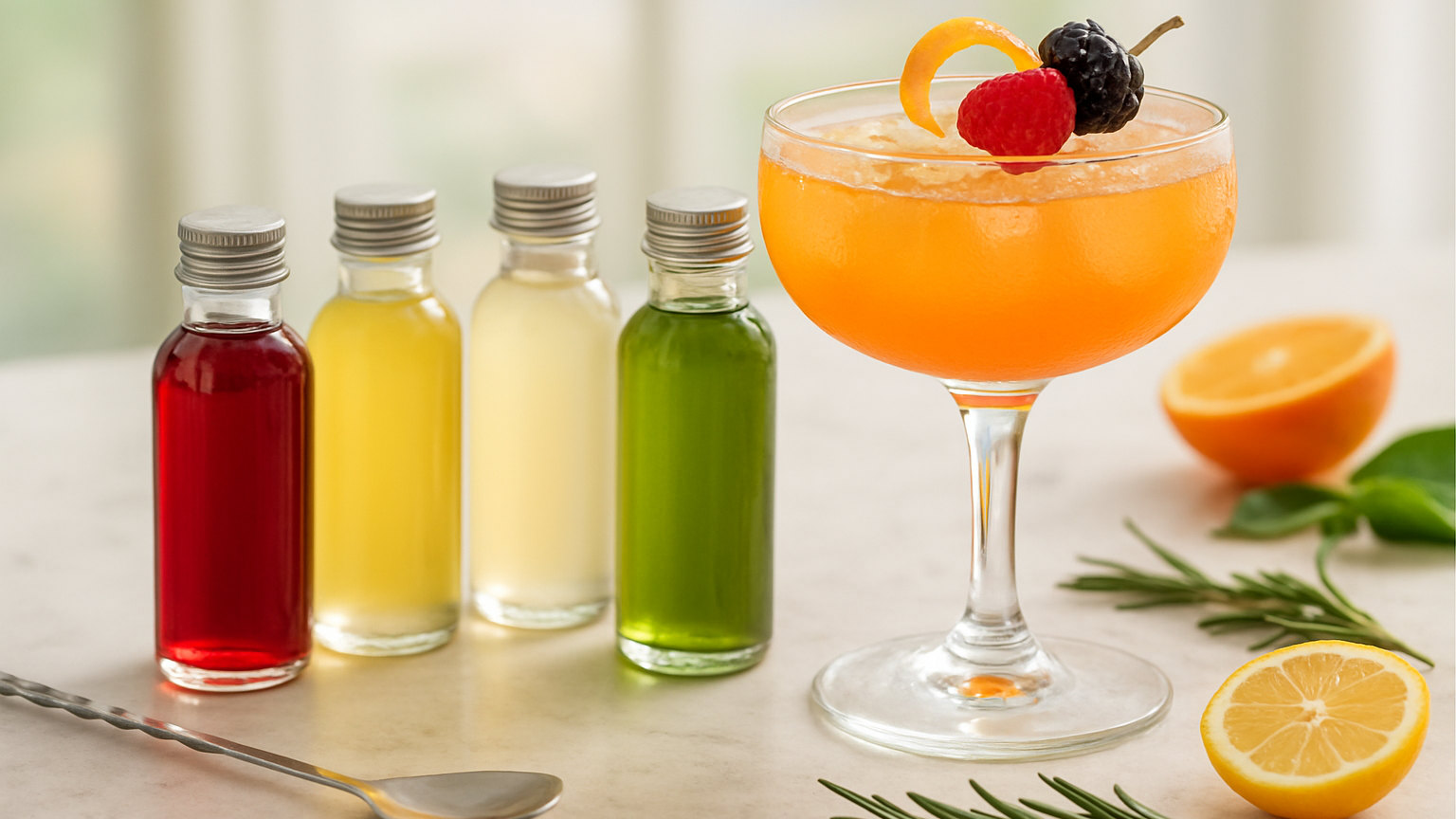
A syrup expands what your existing bottles can do far more cheaply than another spirit would. Five are worth the ten minutes each takes.
The twisted handle on a bar spoon is not decoration. It makes the spoon rotate in your fingers, which is the whole point of the design.
Spirits do not go off, but they do go dull. Everything else in a bar has a real clock on it, and vermouth has the shortest.
Twelve to fifteen seconds covers almost every shaken drink. The more useful skill is recognising the point at which it is done.
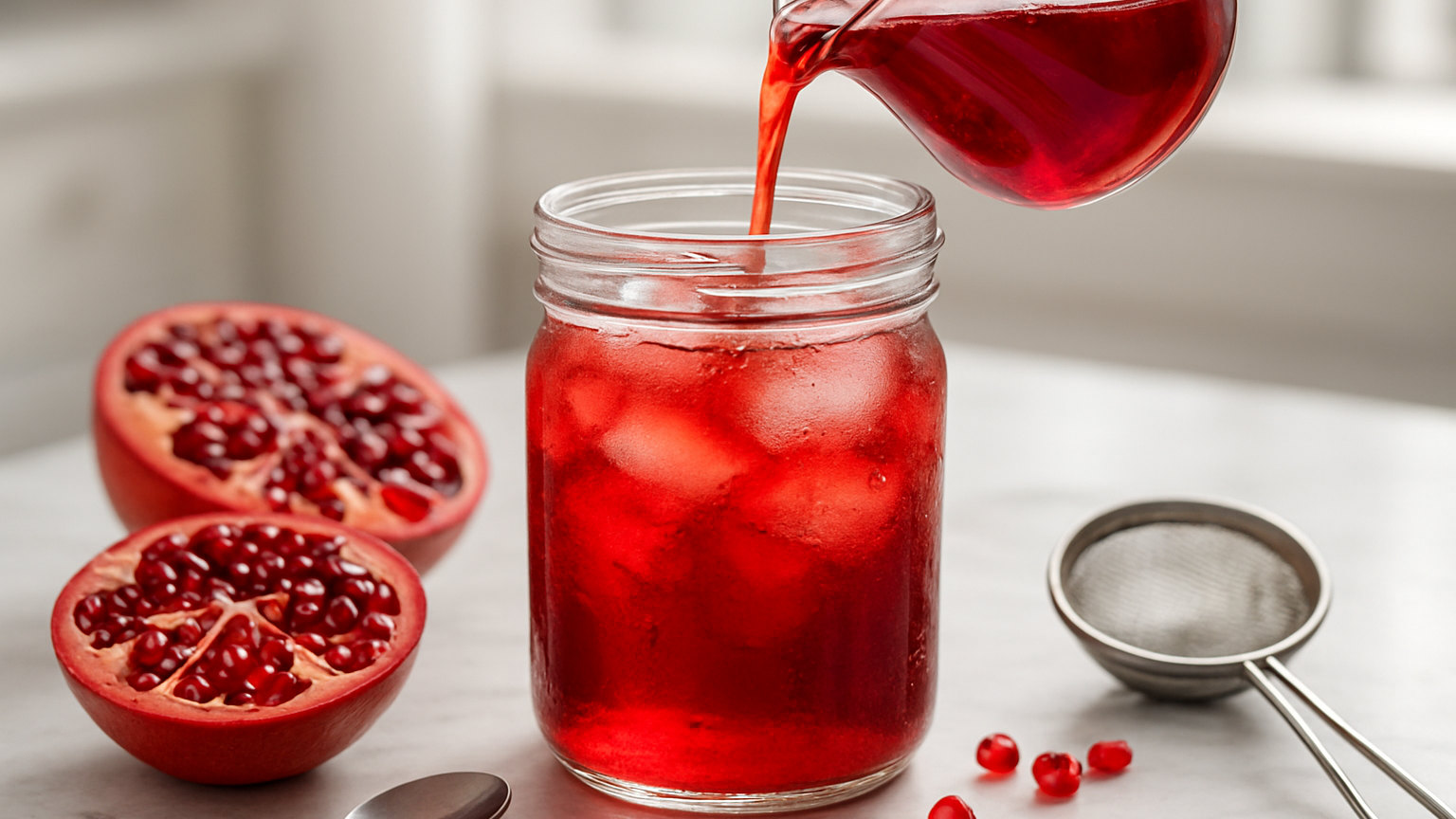
Real grenadine is pomegranate syrup. The bright red bottled version is usually corn syrup and colouring, and the difference is not subtle.
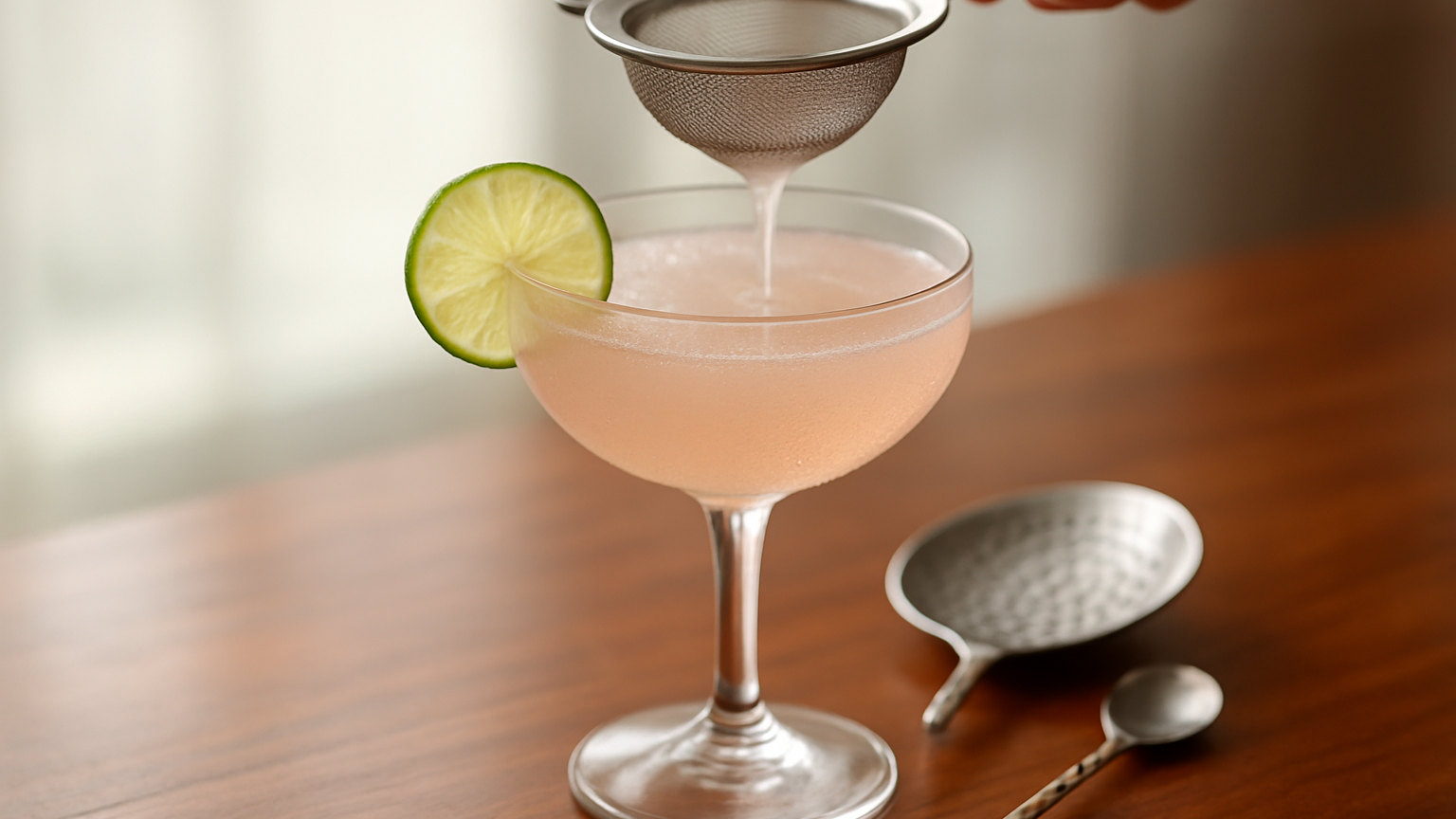
Three strainers exist and they do different jobs. Two are worth owning, and one of those is already in your kitchen drawer.
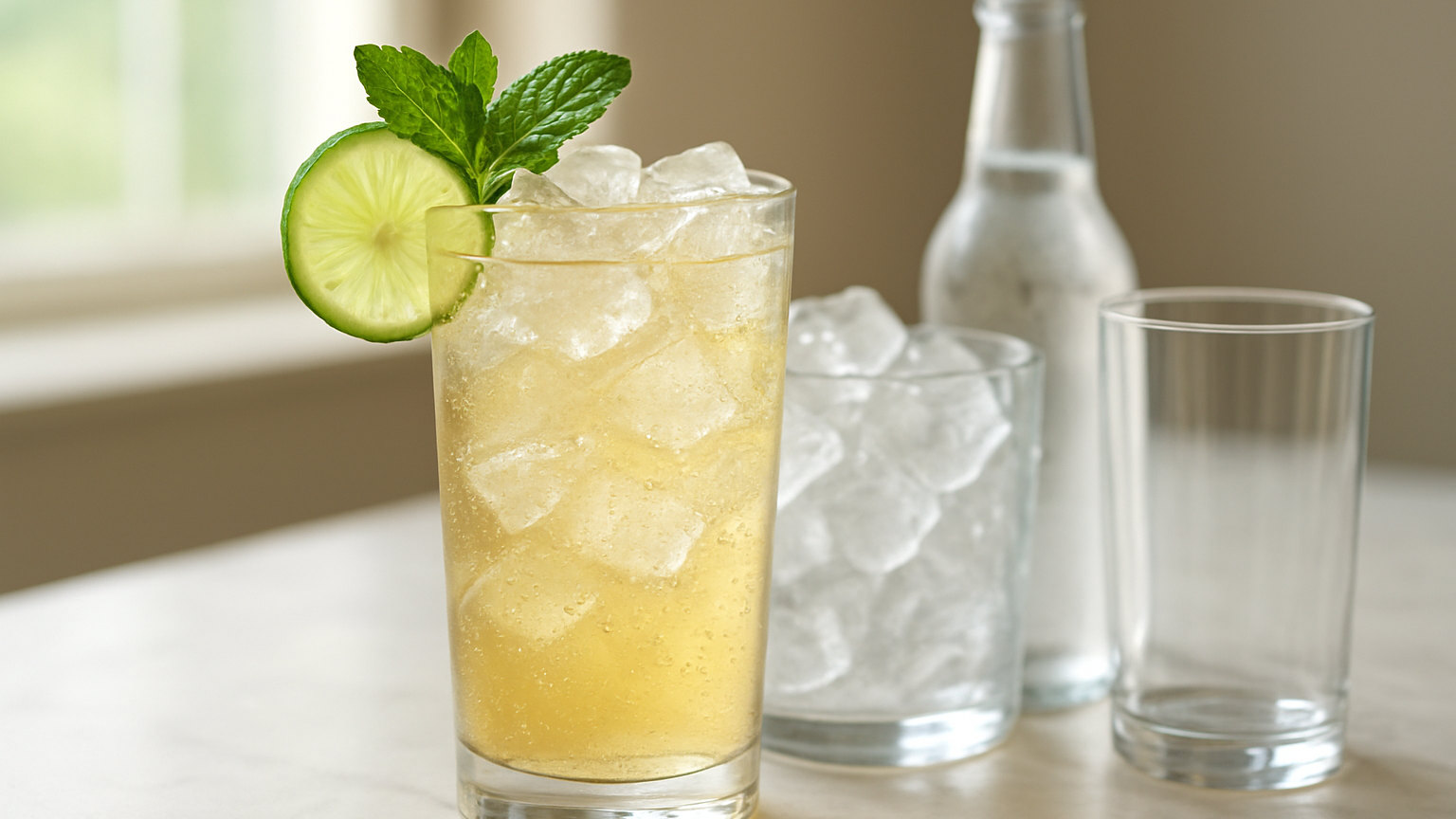
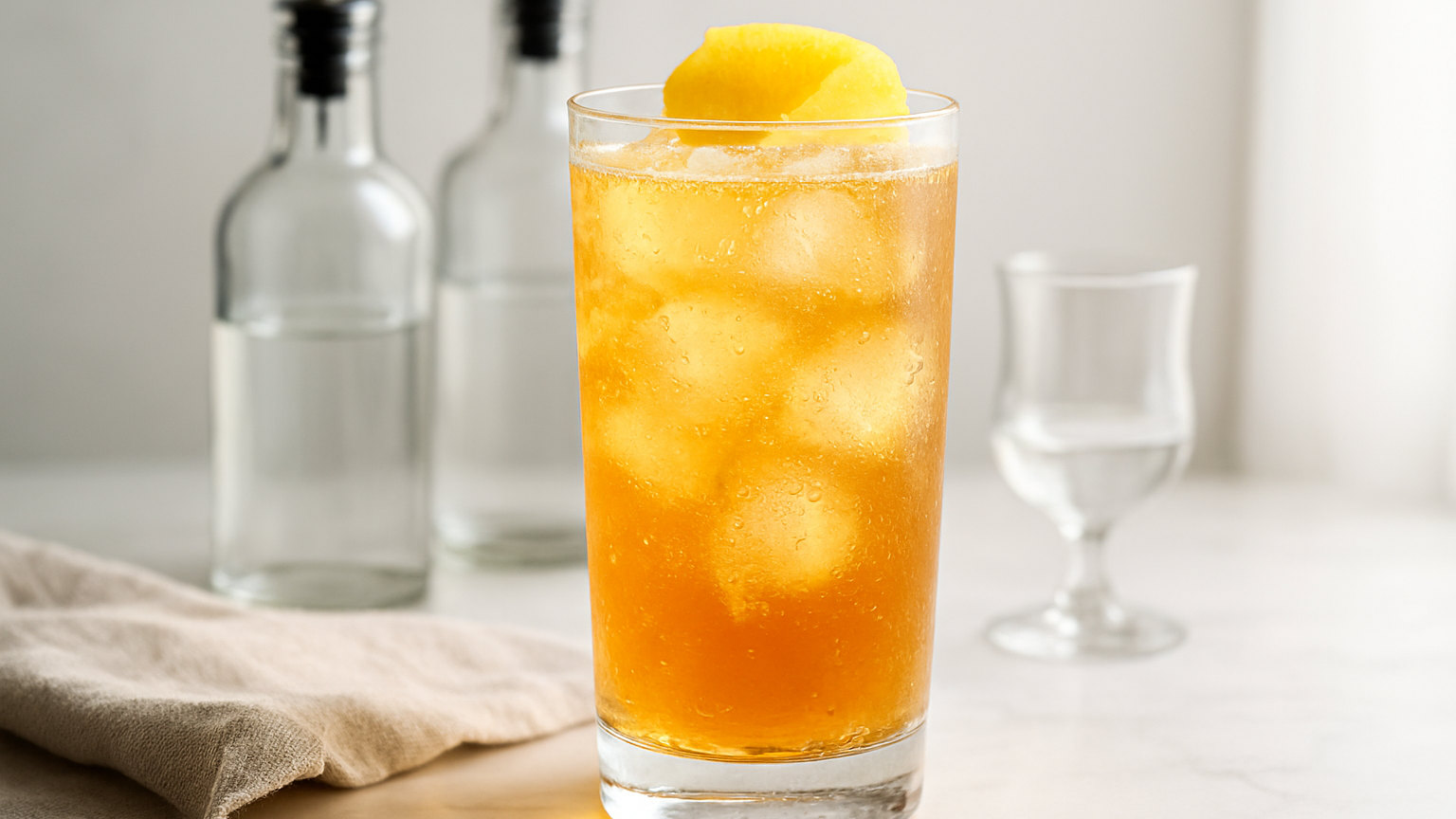
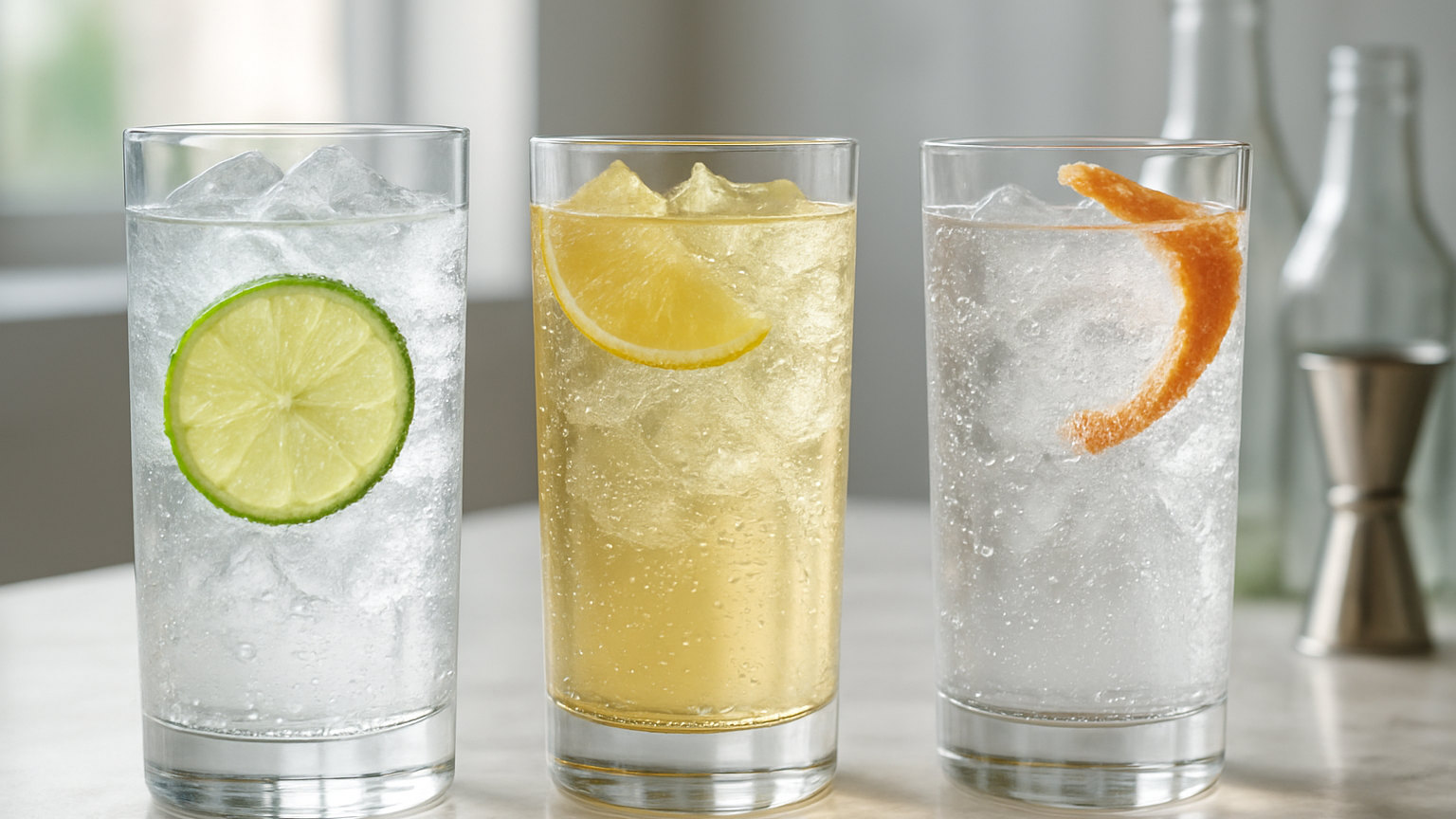
In a long drink the mixer is three quarters of the glass, which makes it the ingredient most worth getting right and the one usually neglected.