
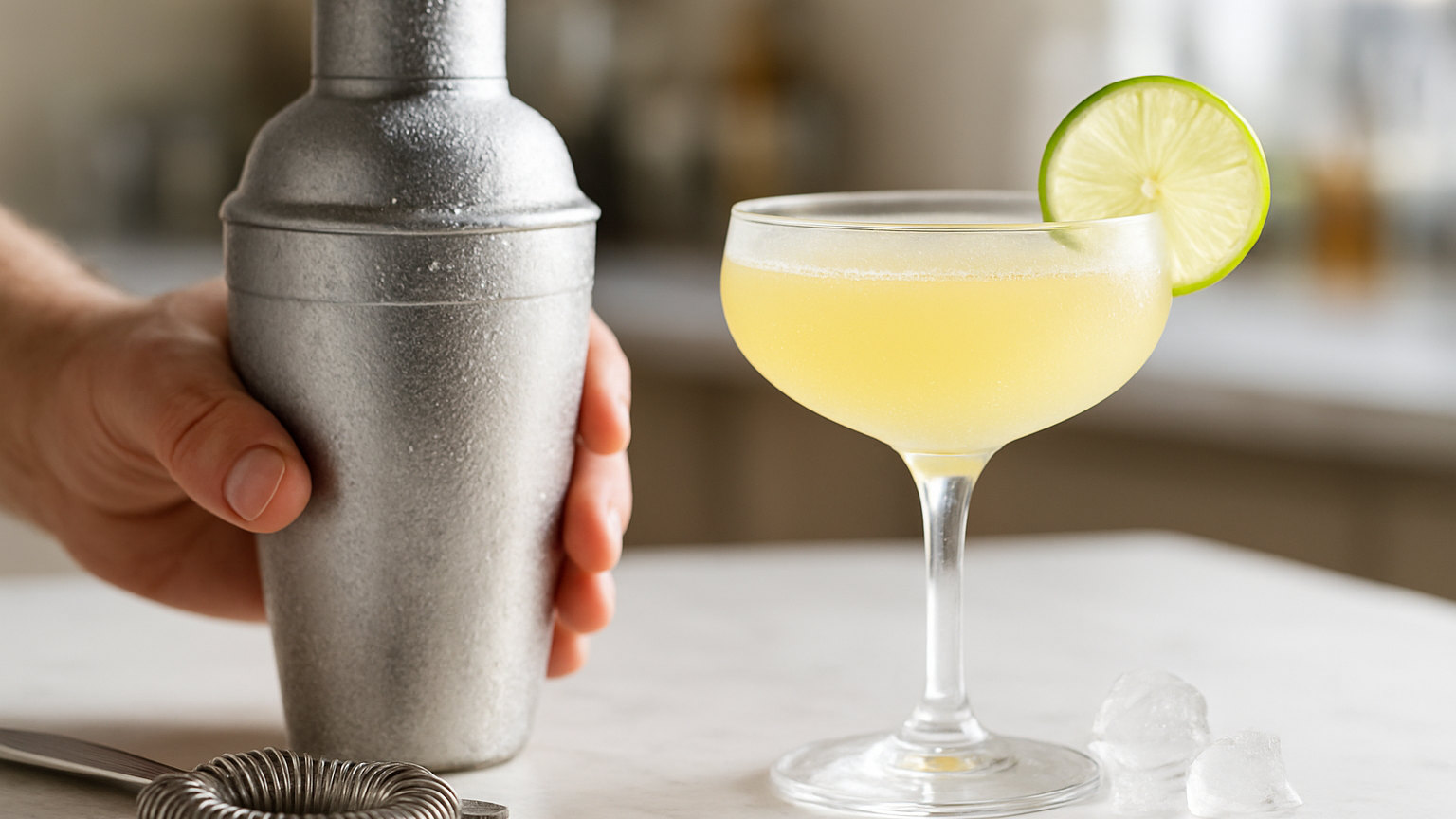
Shake times get quoted with more precision than they deserve. The honest answer is that twelve to fifteen seconds of hard shaking covers nearly every drink, and that the exact figure matters less than shaking hard enough and recognising when the shaker tells you it is finished.
What is the working range?
- Standard sour with citrus: 12 to 15 seconds.
- Drink with egg white or aquafaba: 15 seconds dry, then 12 with ice.
- Espresso martini: 15 seconds, hard, to build the foam.
- Drink with cream or purée: 15 to 20 seconds.
- Anything going over fresh ice: shorter, around 10 seconds.
That last point is worth noting. A drink strained over fresh ice will continue diluting in the glass, so it needs less dilution in the shaker.
How do you tell when it is done?
By touch. Frost forms on the outside of a metal shaker, and by the time it is uncomfortable to hold the contents are at roughly the right temperature. That is the most reliable indicator available and it works regardless of counting.
The sound changes too. A shake starts with the loud rattle of solid cubes and softens as they fracture and the liquid thickens. Experienced bartenders judge largely by that shift.
Why not just count?
Counting is a useful starting point and it ignores the variables. Ice temperature, cube size, how full the shaker is and how hard you shake all change how fast a drink chills. Fifteen seconds with wet ice from a bucket is a different drink from fifteen seconds with dry cubes from a freezer.
What does shaking longer actually do?
It adds water. Past the point where the drink has reached temperature, the ice keeps melting and the only thing changing is dilution.
A properly shaken sour ends up around 25 per cent water by volume. Shaking for thirty seconds pushes that towards 35, and the result tastes flat and thin rather than colder.
What does under-shaking do?
The more common fault by a wide margin. An under-shaken drink is hot with alcohol, sharp with citrus and thin in texture, because it has neither the dilution nor the aeration it needed.
If your cocktails taste harsh even when the ratios are right, this is the first thing to check. Most people shake for about six seconds and think they have shaken hard.
How hard should you shake?
Genuinely hard. The ice needs to travel the full length of the shaker and back, which is what fractures it and produces the small fragments that chill fast.
Hold it with both hands, one at each end, and shake along the long axis rather than side to side. If your forearms are not working, you are rattling rather than shaking.
Does the ice change the timing?
Considerably. Large dry cubes straight from a cold freezer chill efficiently and dilute slowly, so they tolerate a longer shake. Small or wet ice dilutes fast and needs a shorter one.
Fill the shaker roughly two thirds with ice. Too little and the cubes have nothing to strike against; too much and they cannot move.
Is there a way to check afterwards?
Taste it before straining, with a straw or a spoon. A correctly shaken drink tastes cold, integrated and balanced. If the alcohol hits the back of your throat before you register any flavour, it needed longer. If it tastes hollow and watery, it had too much.
That window is wider than people fear, and a few seconds either side will not ruin anything.
Does the shaker material change the timing?
Yes. Metal conducts heat efficiently and chills fast; a glass jam jar insulates and takes several seconds longer for the same result. If you are shaking in a jar, add three or four seconds and rely on counting, since the frost test will not work through glass.
Is there ever a reason to shake very briefly?
Yes, for a drink going over crushed ice, which will dilute rapidly in the glass. A short eight-second shake to combine and chill is enough, and anything longer leaves the finished drink watery before you reach halfway down it.


