
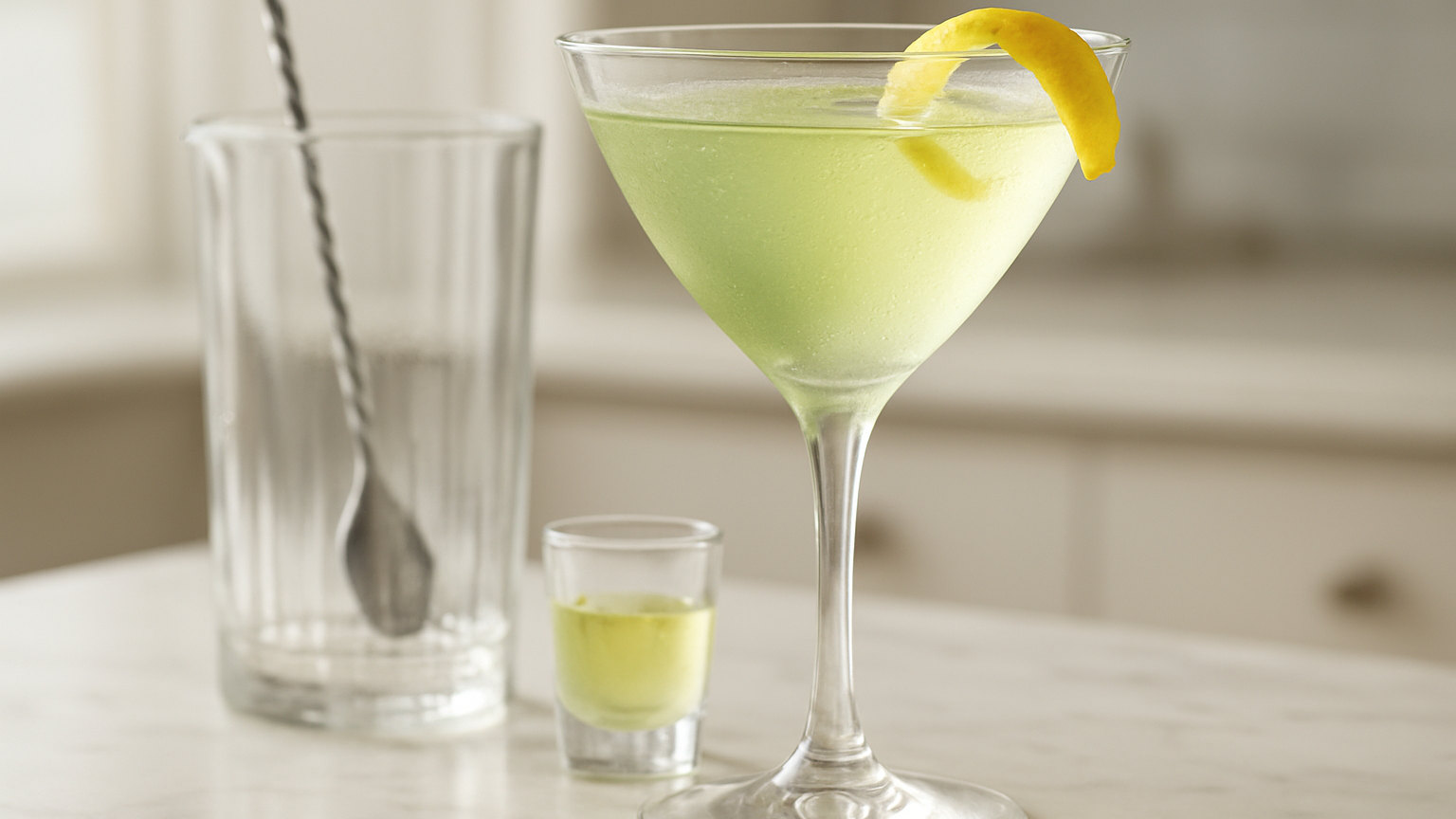
The advantage of an infusion over a liqueur is that it behaves like a spirit. No sugar has been added, so the balance of a drink is unchanged and the infusion can simply take the place of the base.
Can you substitute the whole measure?
Yes, and it is the simplest approach. A raspberry vodka in a vodka sour, a chilli tequila in a margarita or a rhubarb gin in a gin and tonic all work without adjusting anything else.
Check the strength first. If fresh fruit has taken the infusion down to 30 per cent, the drink will be noticeably weaker and slightly thinner than intended.
When should you split the base?
Whenever the infusion is assertive. Using half infused and half plain spirit gives the character without letting it dominate.
- Chilli: a quarter to a half of the measure is usually plenty.
- Lapsang or smoky infusions: a third.
- Herbs: half.
- Fruit: the full measure is usually fine.
Splitting also stretches an infusion, which matters when a jar produced 500ml and you want it to last.
Does the drink need rebalancing?
Sometimes. A fruit infusion brings a little natural sweetness even without added sugar, so a sour may need slightly less syrup.
A bitter or tannic infusion, such as strong tea, may need slightly more. Taste the drink and adjust the syrup rather than the citrus, since acidity is doing structural work.
Which drinks suit infusions best?
- Sours. Citrus and sugar frame almost any infusion well.
- Highballs. Soda or tonic lets a subtle infusion show.
- Old fashioneds. Excellent for coffee, cherry, smoky and fat-washed spirits.
- Spritzes. Long and forgiving.
Stirred drinks with strong modifiers, such as a negroni, are less forgiving, since the vermouth and bitter liqueur leave little room for another voice.
Can you use more than one infusion?
Sparingly. Two infused components usually produce a muddled drink, since each was made to lead.
One infusion against plain modifiers is nearly always cleaner than two competing ones.
What about using them as a rinse?
Effective for intense infusions. Coating the inside of the glass with a smoky or chilli infusion and discarding the excess gives aroma and a trace of flavour without a measure.
The same technique is used with absinthe in a sazerac, and it works for anything powerful.
How do you account for strength?
Check the base spirit and estimate the dilution. An infusion made in overproof vodka at 57 per cent gives 2.9 units per 50ml, against 2 for a standard spirit.
Fruit infusions usually go the other way and end up weaker. Neither is obvious from the glass, which is the argument for noting the strength on the label when you bottle it.
What should you write on the label?
What it is, the date, the base spirit and its strength, and anything that might be an allergen. A row of identical unlabelled bottles is a problem you only create once.
Do they work in long drinks?
Particularly well, since soda or tonic gives a subtle infusion room to show. A cucumber gin with tonic or a citrus vodka with soda needs nothing else.
That is also the most forgiving way to test a new infusion, because there is nothing else competing for attention.
What about batching drinks in advance?
Infusions batch as well as any spirit. Pre-mix the spirit components, keep them cold, and add citrus and ice at the last moment since fresh juice dulls within hours.
How do you introduce one to guests?
Say what it is and roughly how strong it is, particularly for anything made on an overproof base or anything containing chilli. Both catch people out, and neither is visible in the glass.
Should you adjust the measure?
Only if the strength has changed noticeably. A fruit infusion that has dropped to 30 per cent can take a slightly larger measure without unbalancing the drink; an overproof one should take less.


