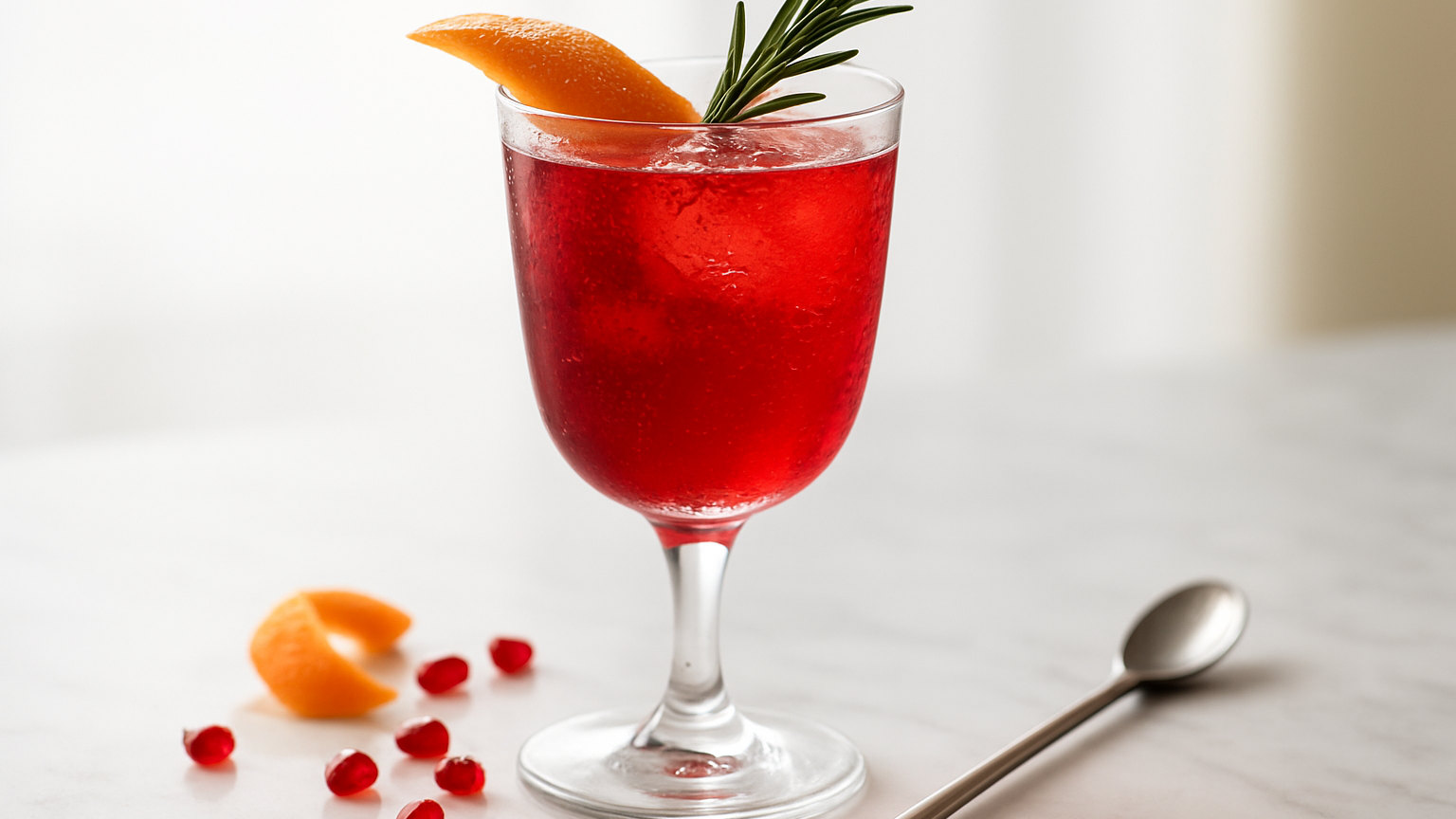
How Do You Make a Mocktail That Tastes Like a Drink?
Take the alcohol out and you take out four separate things. Replace them individually and the drink works. Replace none and you have squash.
Most mocktails fail for the same reason: take the alcohol out and you take out the bitterness, the burn and the body, and what is left is squash in a nice glass. These recipes put those things back with strong tea, verjuice, salt, acid and properly made syrups. The rest of the section covers the drinks people actually make every day - coffee with the ratios written down in grams, tea with the times and temperatures that fix most bad cups, fresh juice, homemade soda from a syrup and an acid, and energy drinks with the caffeine stated in milligrams rather than hidden in a blend.
Take the alcohol out and you take out four separate things. Replace them individually and the drink works. Replace none and you have squash.
Two inexpensive items improve home coffee more than any brewer. Both cost less than a month of takeaway cups.
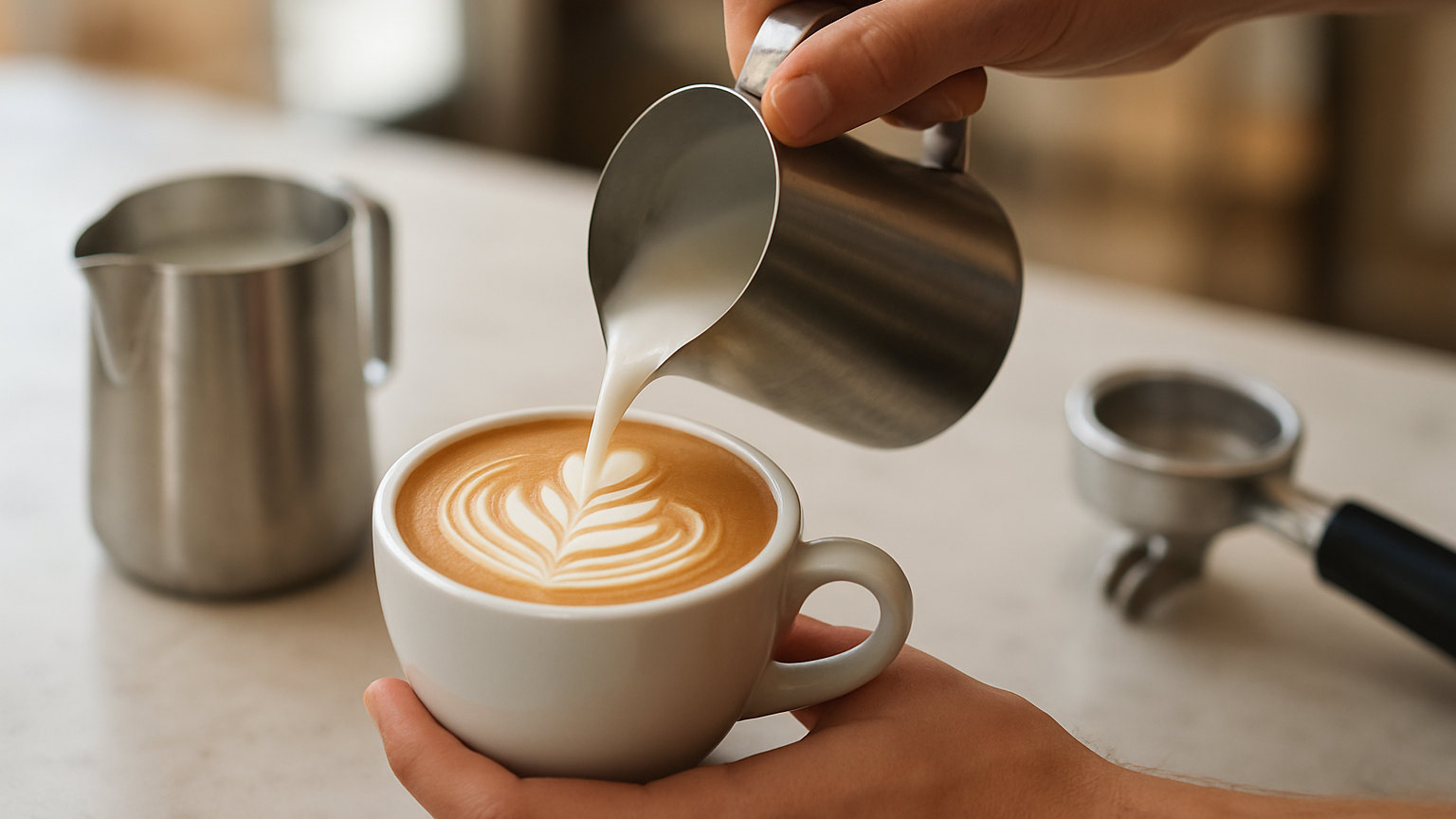
Plant milks behave very differently in hot coffee, and the barista versions exist because the standard ones struggle.
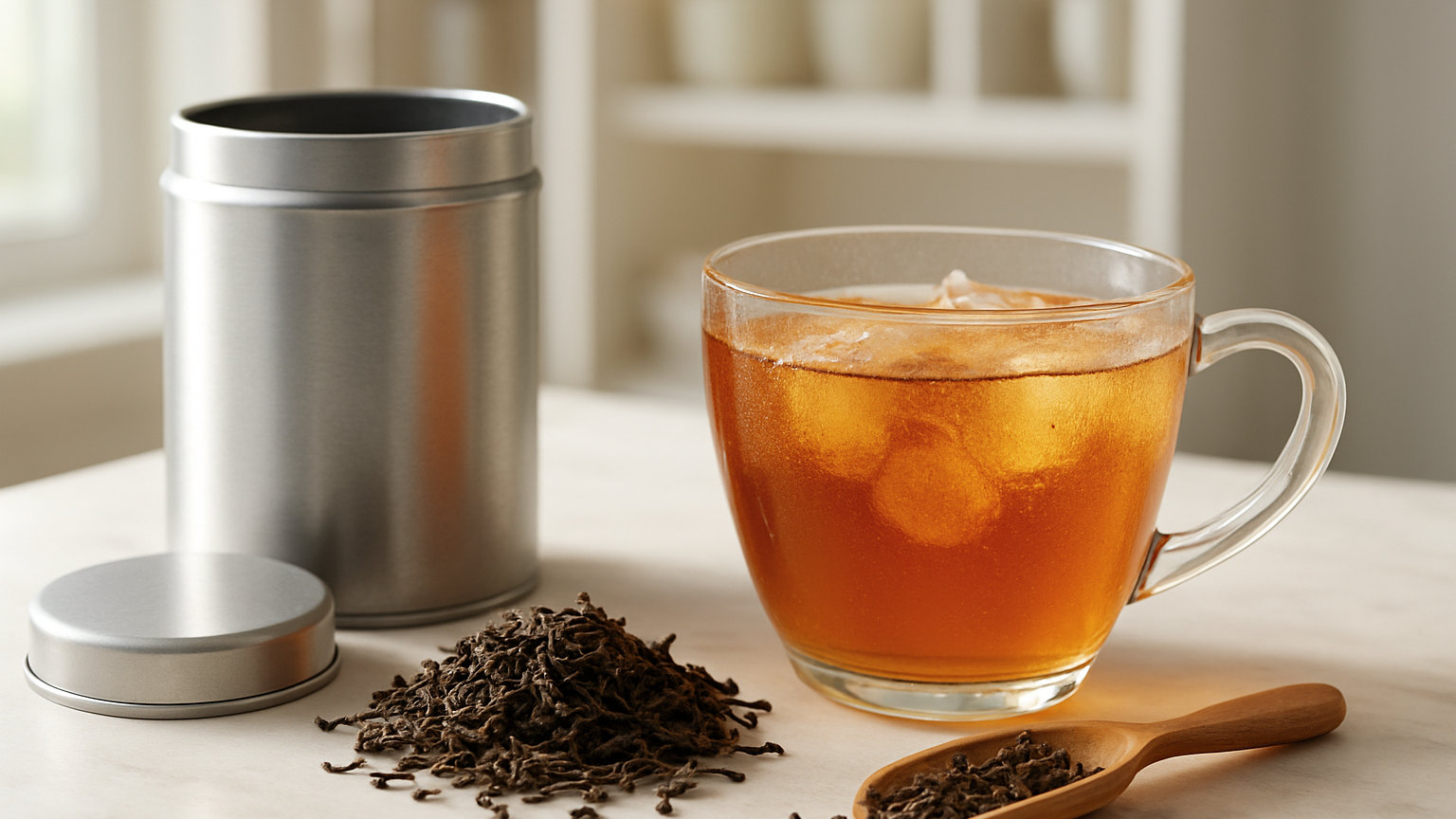
Tea absorbs smells readily and stales through air and light. A tin in a cupboard solves nearly all of it.
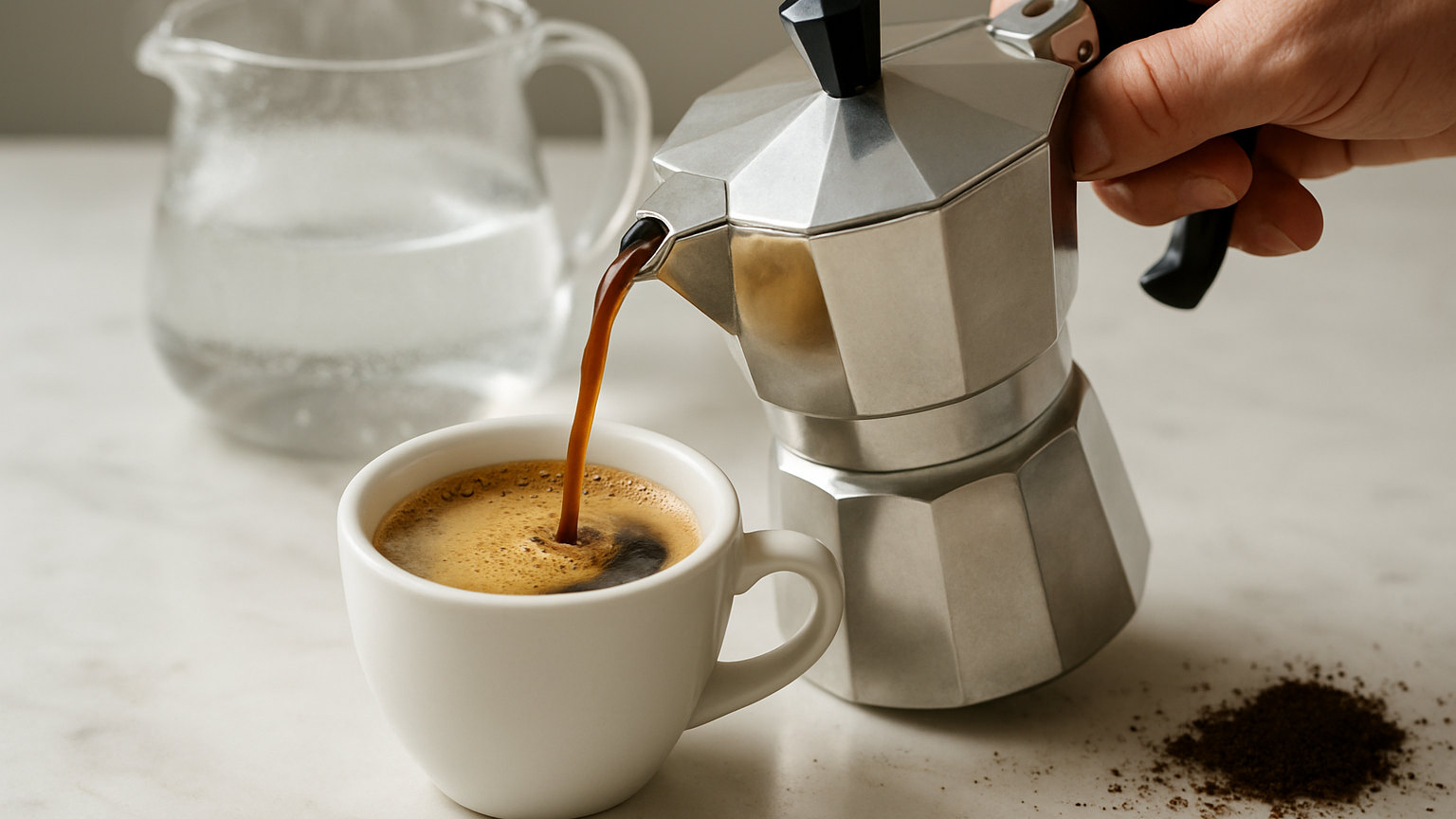
A moka pot makes excellent coffee and burns it easily. Starting with hot water solves most of the problem.
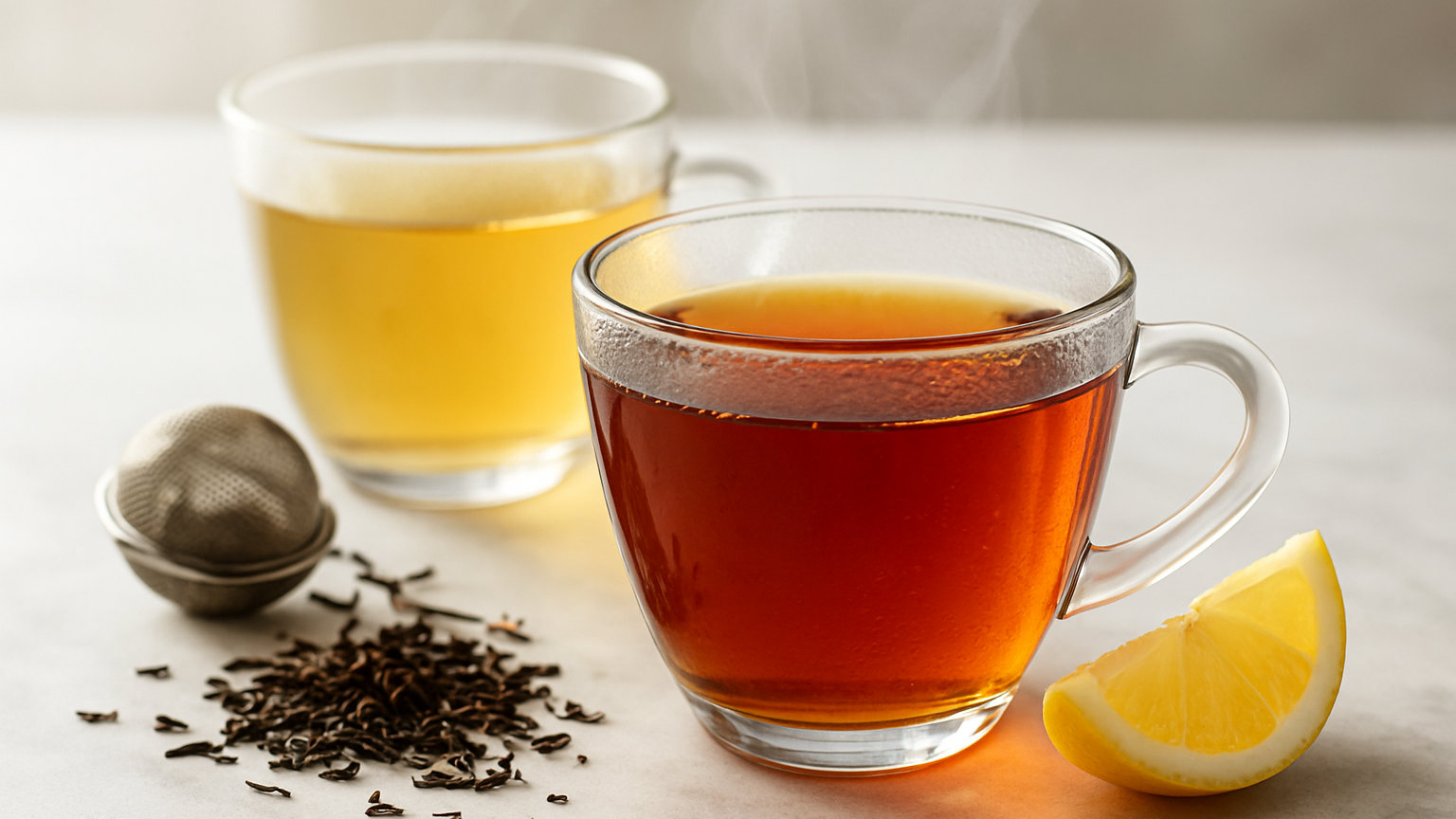
Brewing strength affects caffeine in tea more than the type does, which upends most of the usual advice.
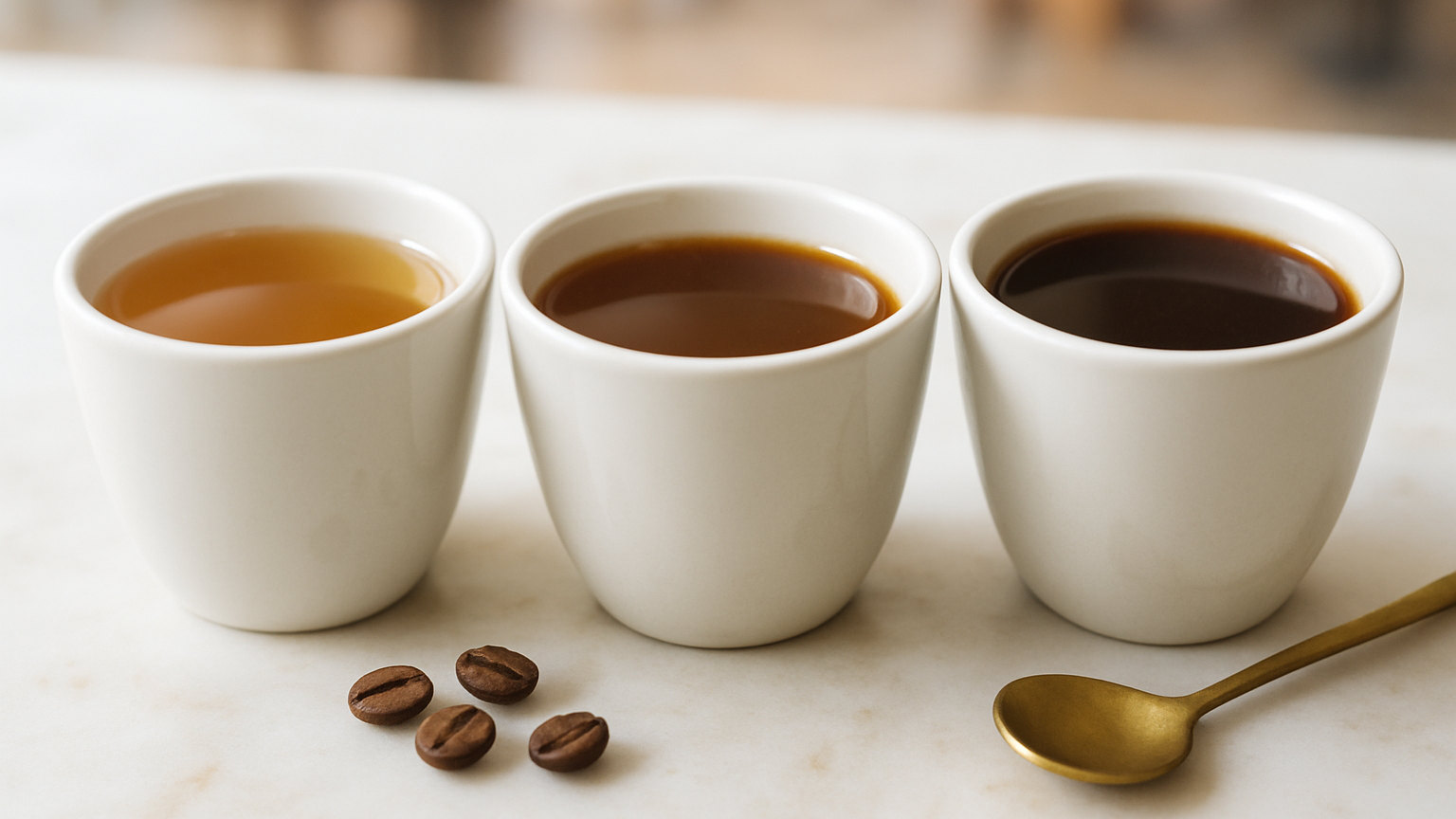
Roast level changes coffee more than the bean does, and the darkest roasts taste of roasting rather than of origin.
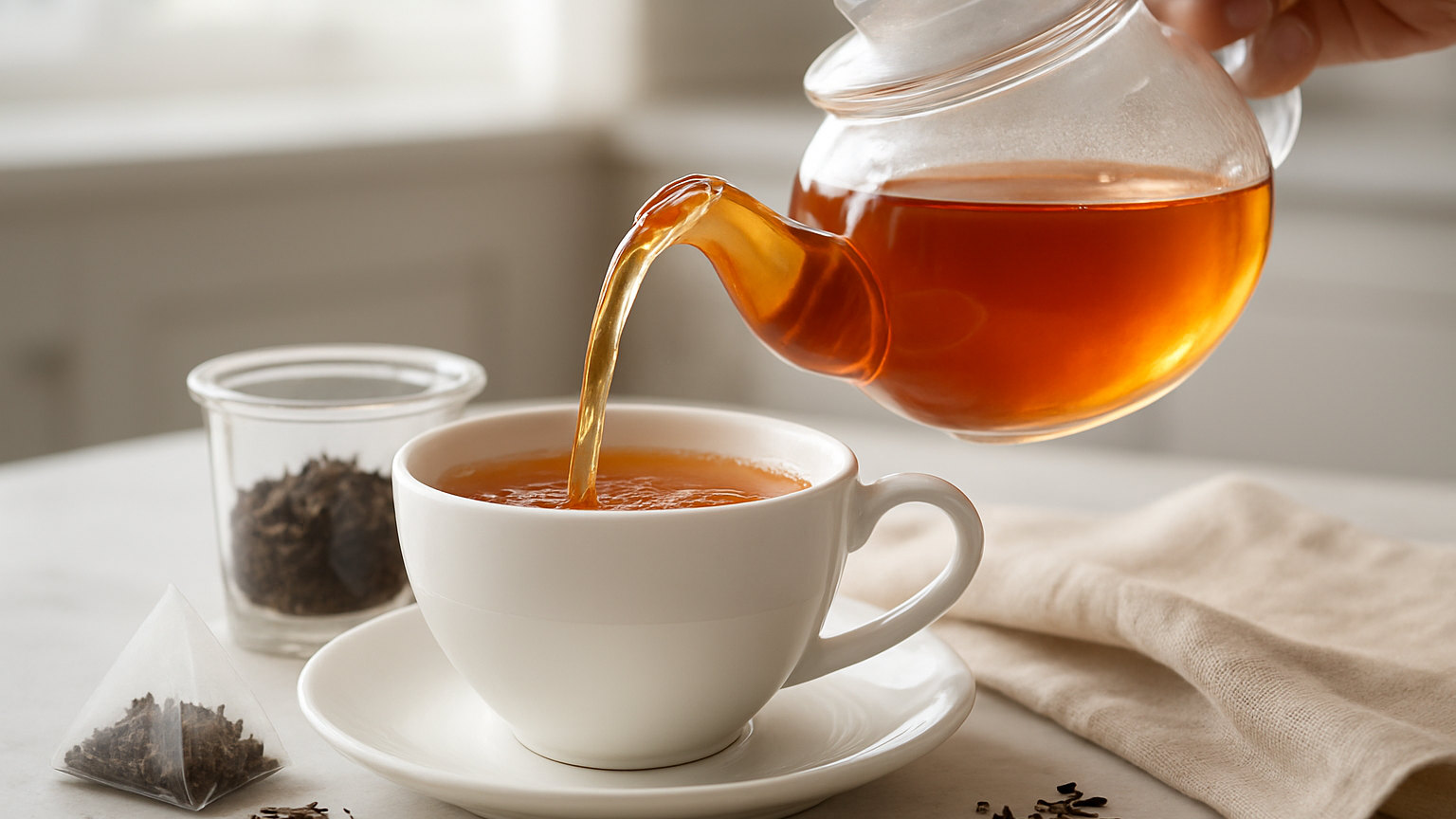
The difference is leaf size and room to expand, not quality in the abstract. Both facts explain most of the gap.
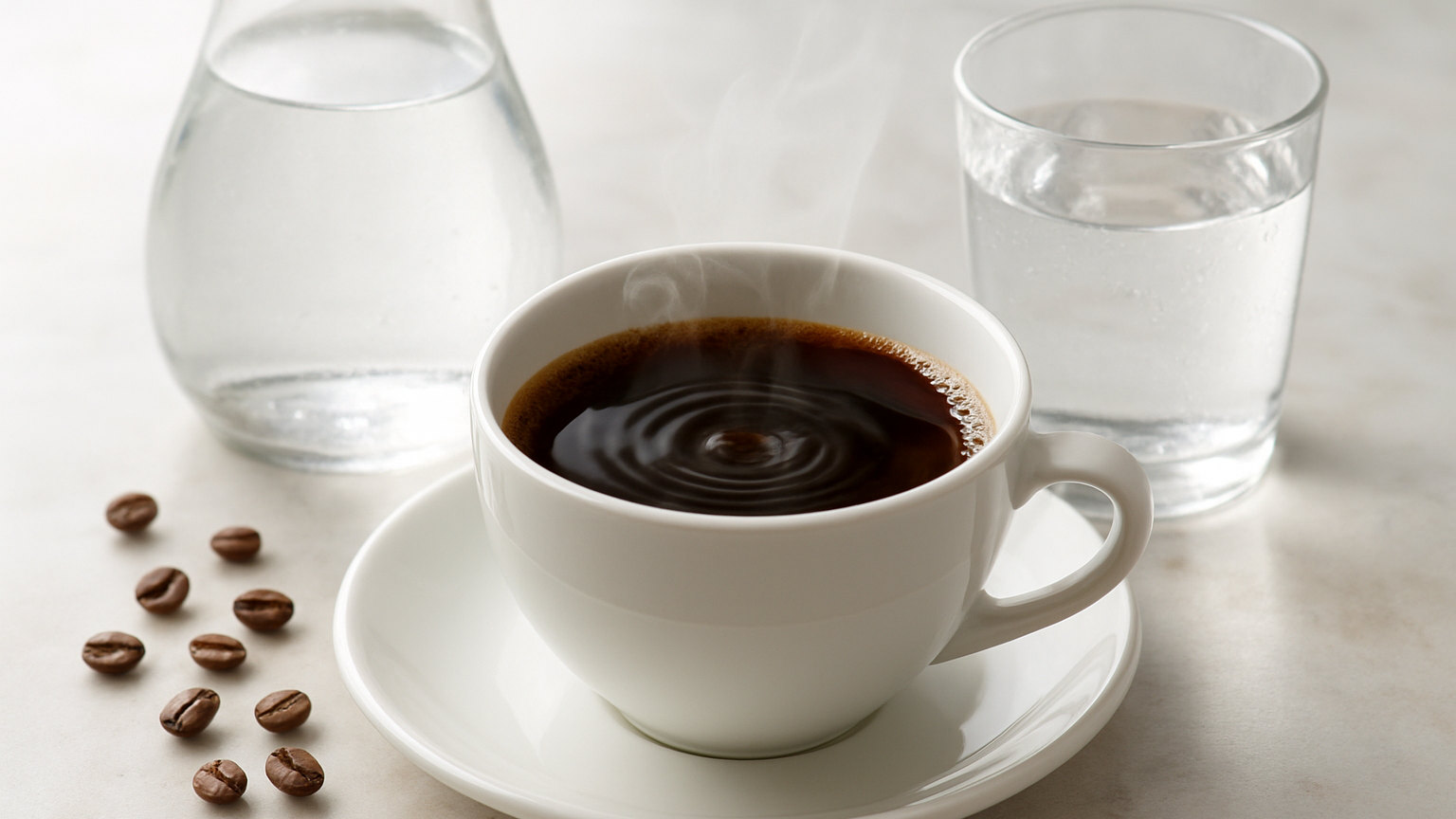
A cup of coffee is around 98 per cent water, which makes it the ingredient most worth thinking about and least considered.
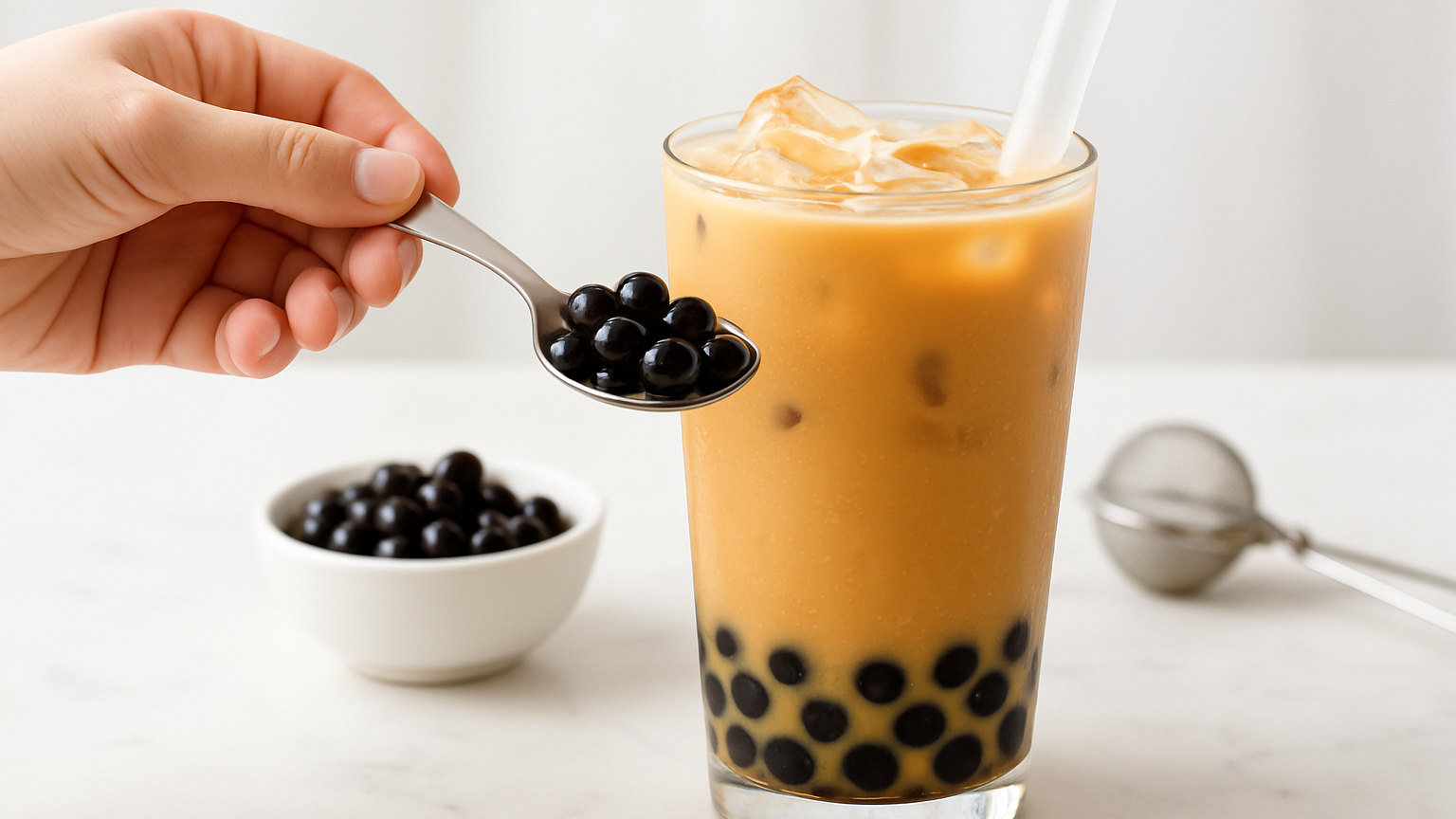
Bubble tea is milk tea with cooked tapioca pearls. Cooking the pearls correctly is the whole difficulty.
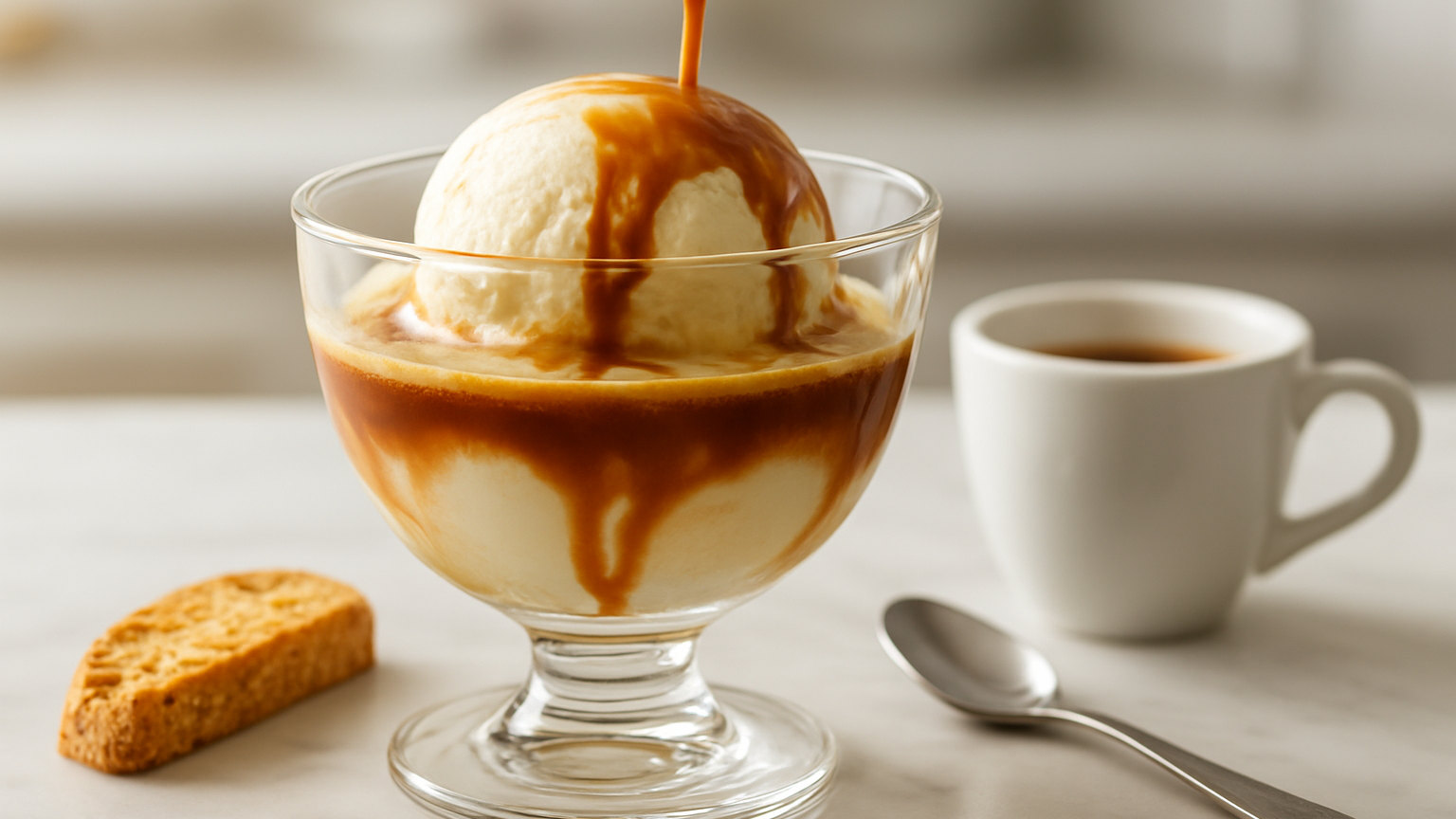
Affogato is two ingredients and one moment of timing. It is the best coffee dessert there is and takes thirty seconds.
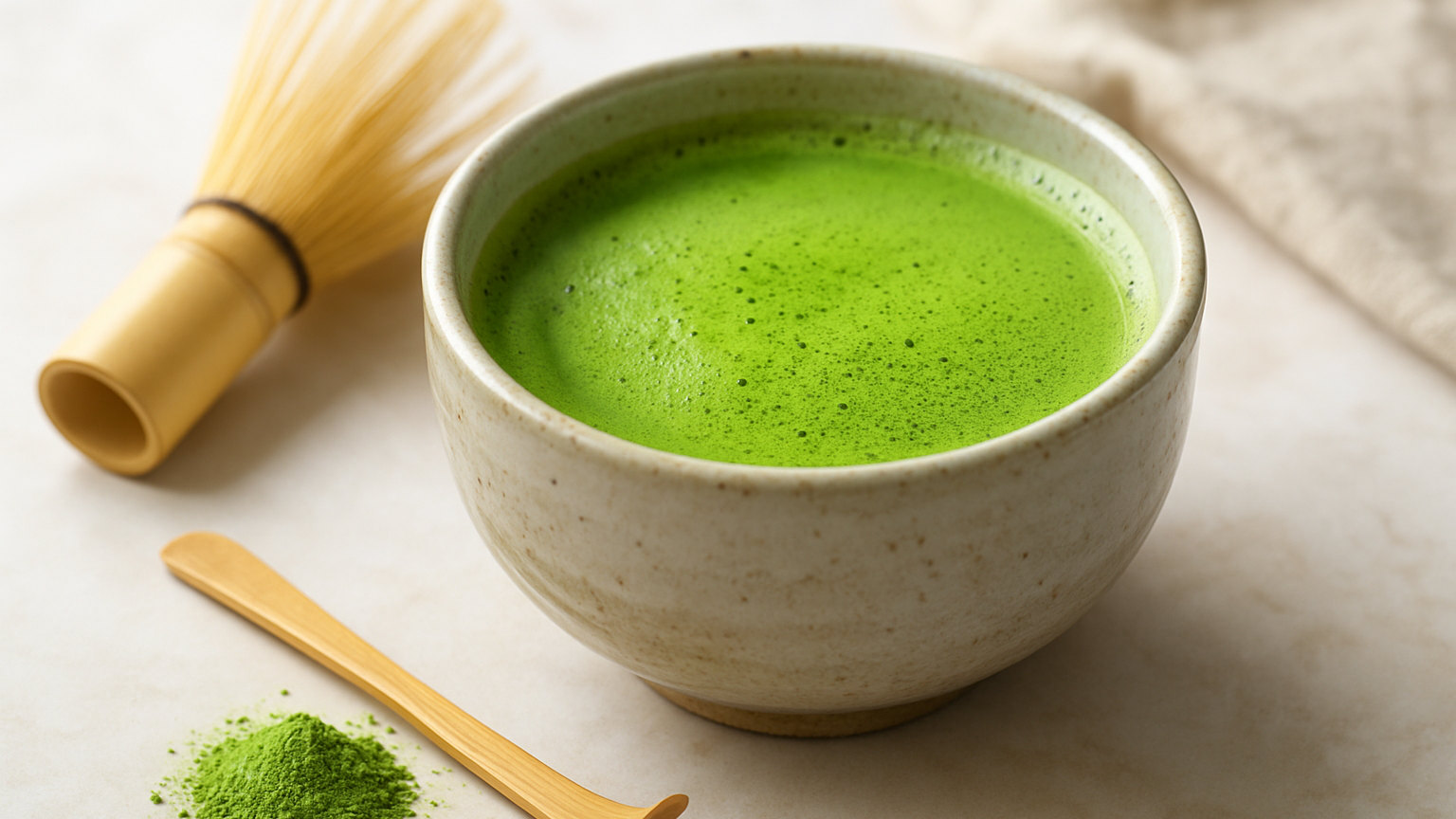
Matcha is the whole leaf rather than an infusion of it, which changes the caffeine, the method and the price.
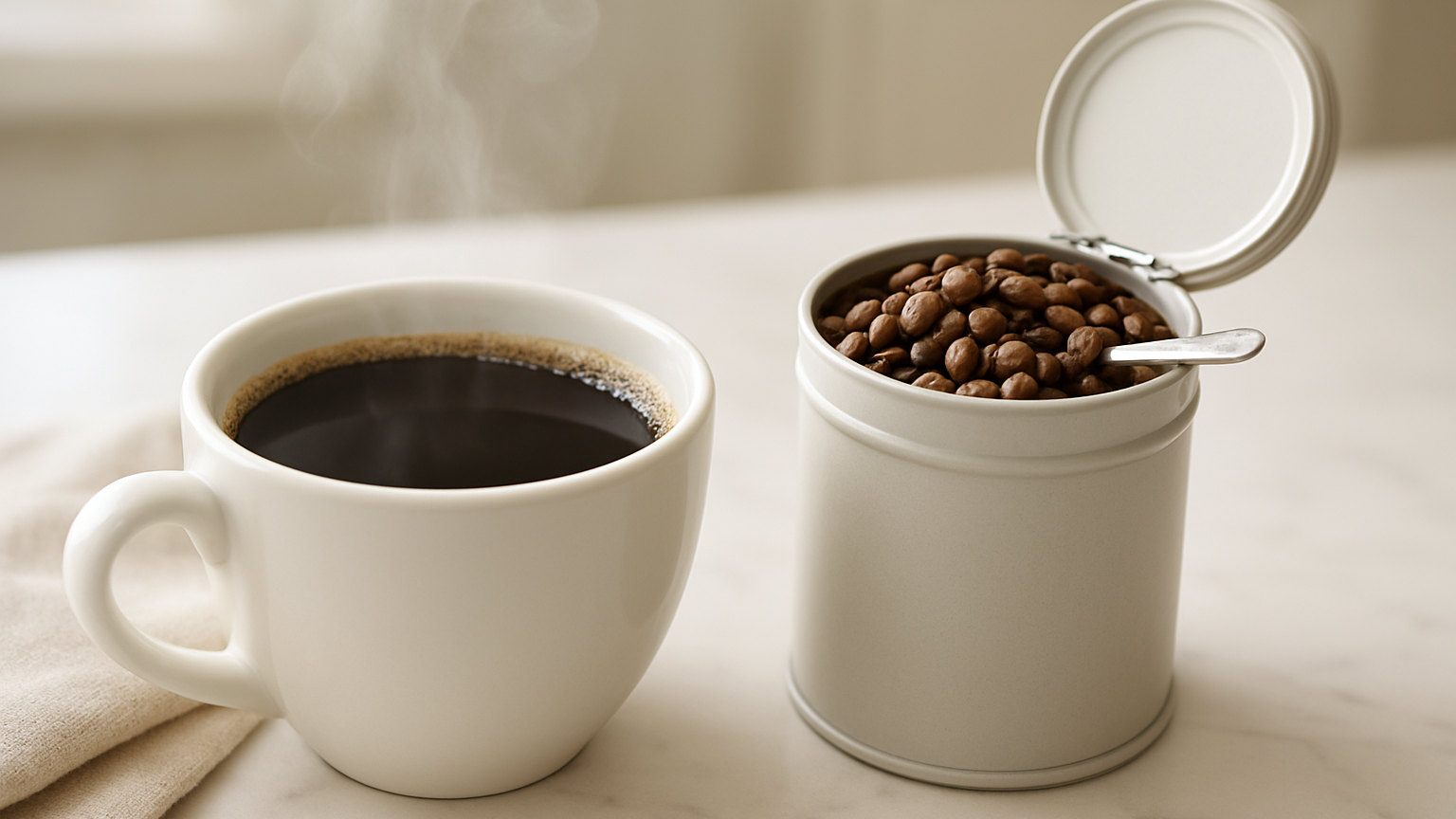
Coffee stales through oxygen, light, heat and moisture. Buying less more often solves more than any container.
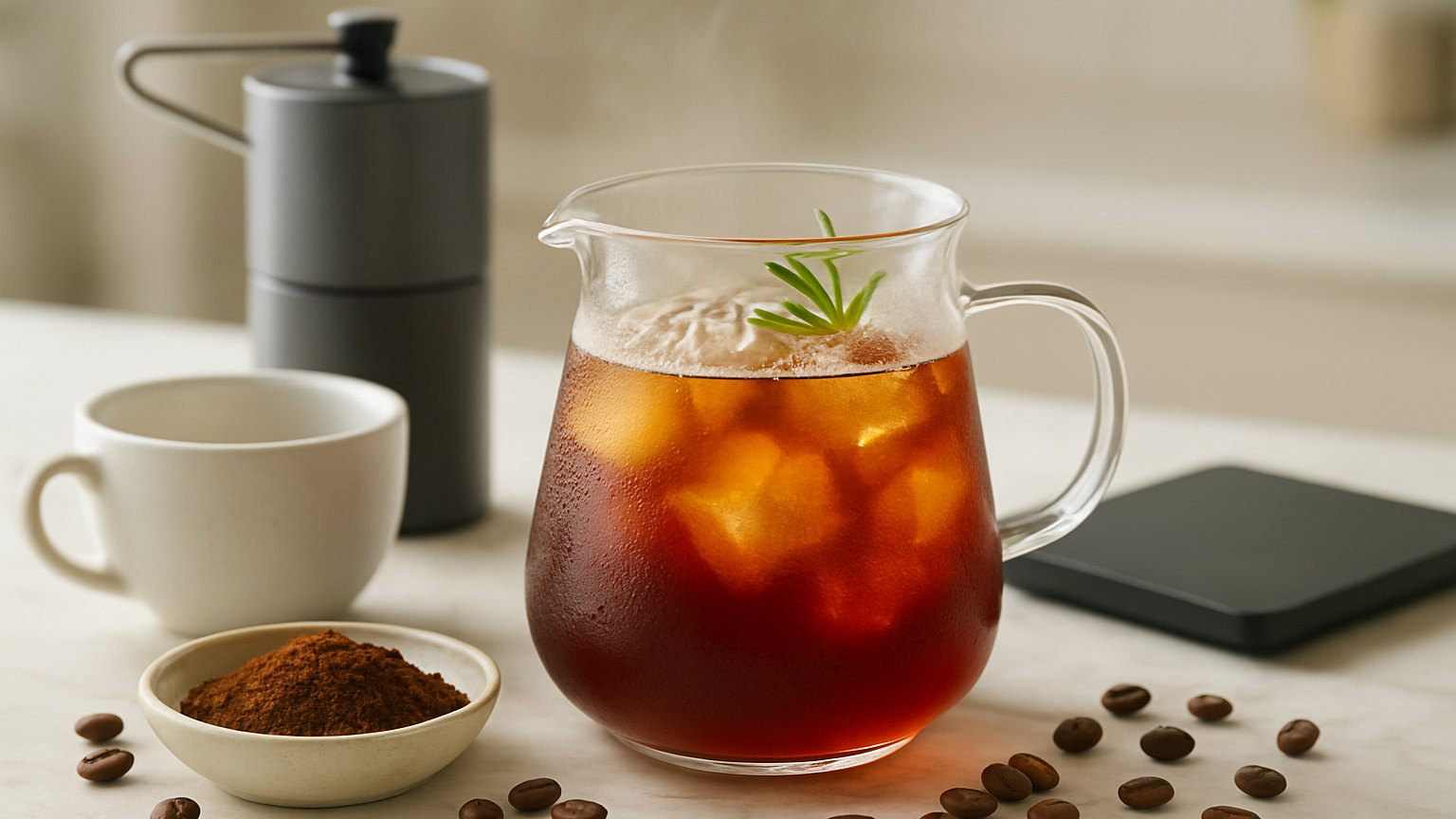
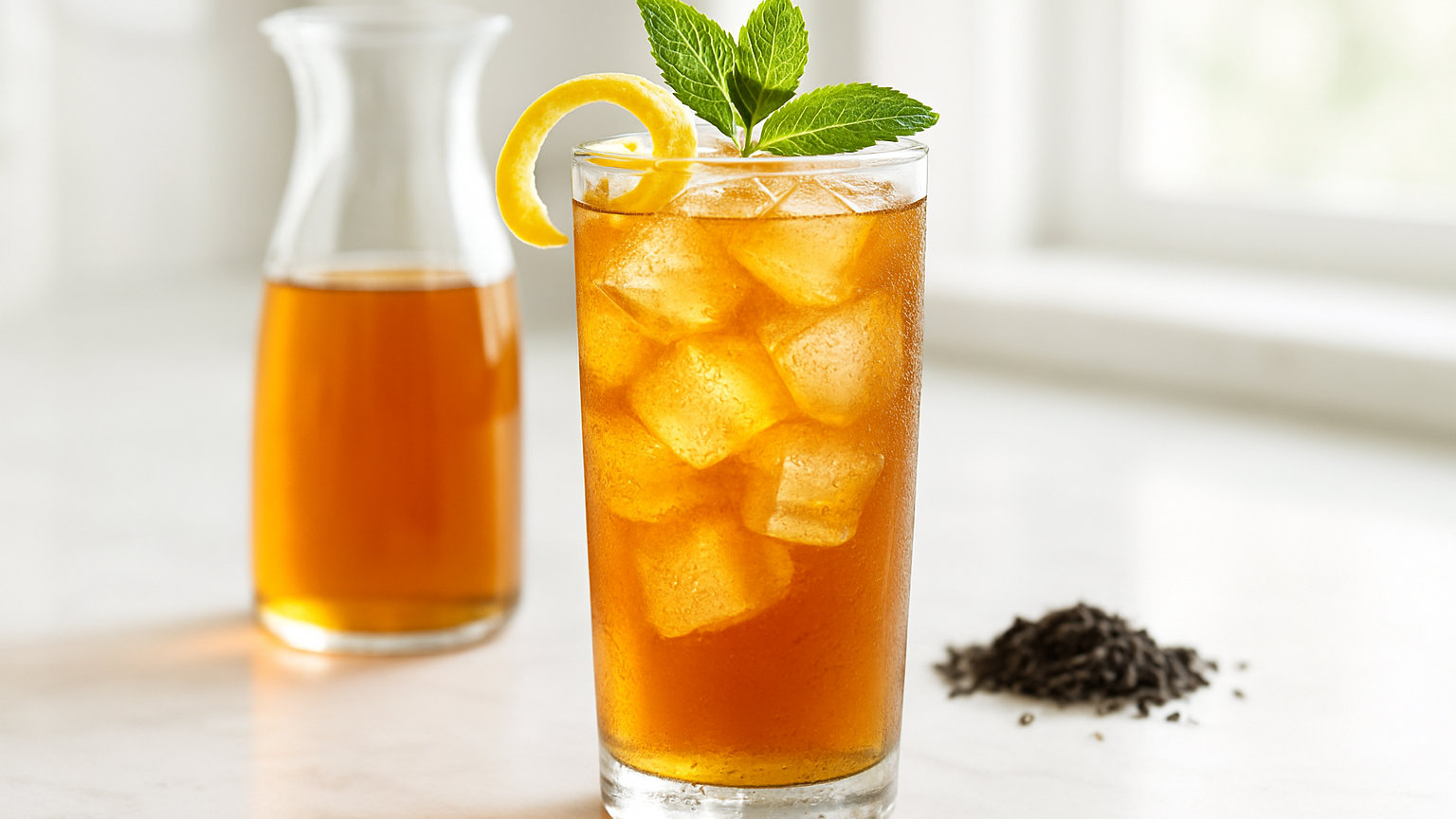
Iced tea made by cooling hot tea turns bitter and cloudy. Cold brewing avoids both problems entirely.