
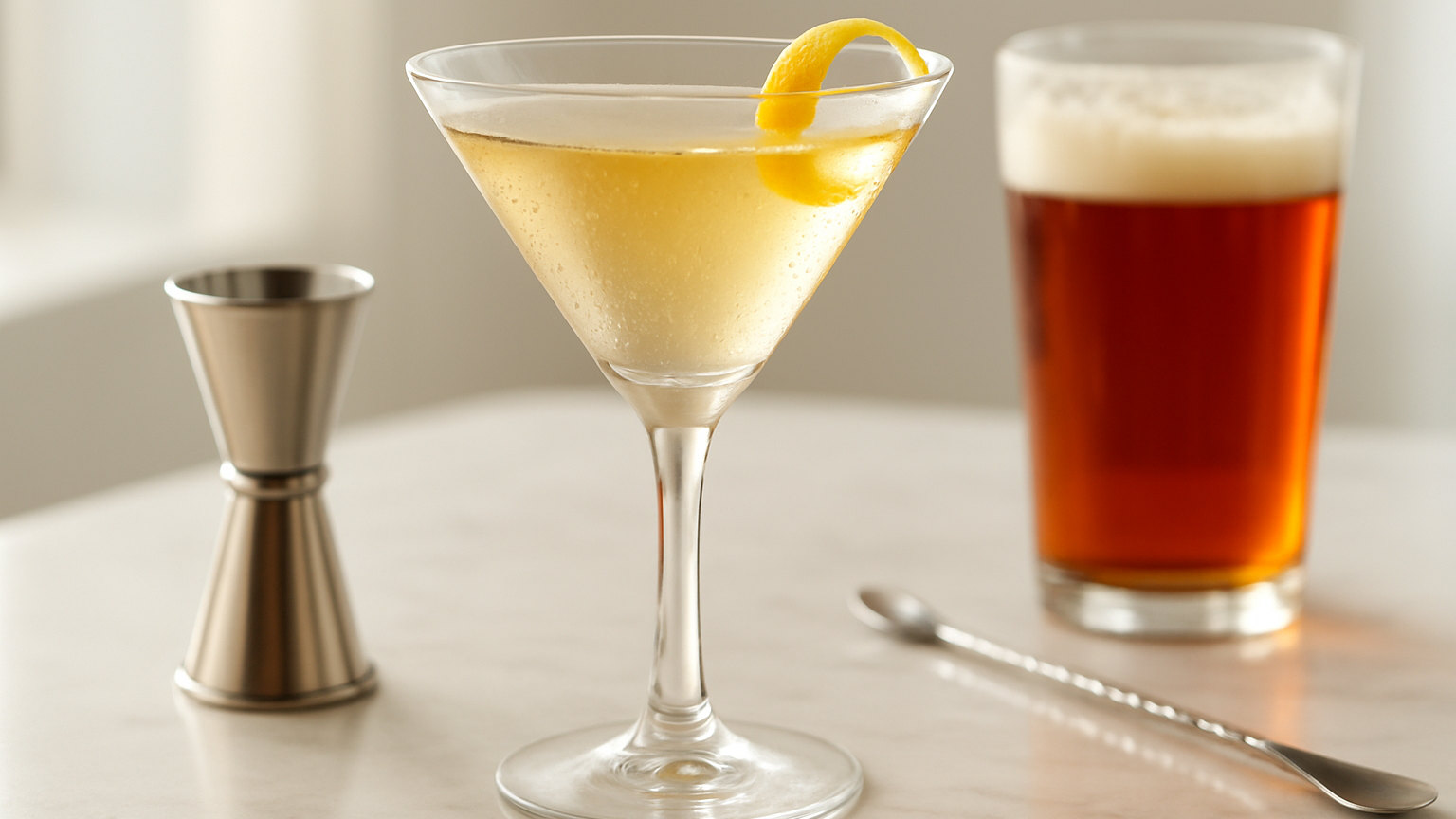
A cocktail does not look like a large drink. A Manhattan in a coupe is around 110ml of liquid and contains roughly the same alcohol as a strong pint of beer. Knowing the arithmetic makes it easy to keep track, particularly with home pours, which tend to be more generous than bar ones.
How do you calculate units?
Volume in millilitres multiplied by the strength as a percentage, divided by 1000.
So 60ml of a 40 per cent whiskey is 60 times 40, divided by 1000, which is 2.4 units. A 25ml pub single at the same strength is 1 unit.
For a cocktail, do it for each alcoholic ingredient and add them together.
What do common cocktails come to?
- Gin and tonic, 50ml at 40 per cent: 2 units.
- Daiquiri, 60ml rum at 40 per cent: 2.4 units.
- Manhattan, 60ml rye plus 30ml vermouth: around 2.9 units.
- Negroni, 30ml each of gin, Campari and vermouth: around 2.2 units.
- Margarita, 50ml tequila plus 25ml orange liqueur: around 2.8 units.
- Espresso martini, 50ml vodka plus 30ml coffee liqueur: around 2.6 units.
- Long island iced tea: 5 units or more.
Most standard cocktails sit between 2 and 3 units, which is more than a small glass of wine and comparable to a pint of strong lager.
What is the UK guidance?
The Chief Medical Officers advise no more than 14 units a week for both men and women, spread over three or more days rather than concentrated, with several drink-free days.
Fourteen units is roughly five standard cocktails across a week. That is a guideline rather than a limit, and it is a useful reference point because cocktails are easy to underestimate.
Why are home pours often higher?
Because cocktail recipes specify 60ml where a bar single is 25ml, and because free pouring at home tends to be generous. A drink poured by eye is frequently a third larger than intended.
Using a jigger keeps the figure predictable as well as making the drink taste better, which is a reasonable argument for measuring even when you are not following a recipe.
Does strength vary much?
Considerably. Spirits run from 37.5 per cent at the legal minimum for most categories up to 57 per cent for navy strength gin and beyond for cask strength whisky.
A 60ml pour of a 57 per cent gin is 3.4 units against 2.4 for a 40 per cent one. The label is the only reliable source, and it is worth glancing at when using an unfamiliar bottle.
What about home-made drinks?
Country wine, liqueurs and home brew carry no label, so the strength is unknown unless you measured it. A hydrometer reading before and after fermentation gives the figure, and a country wine can finish anywhere between roughly 10 and 16 per cent.
Guessing is how people end up with drinks considerably stronger than intended, particularly with fruit wines that taste mild.
How do you make a lighter drink?
- Scale the whole recipe down. A 45ml daiquiri keeps the ratios and drops the units.
- Choose long drinks. A highball is 2 units across 200ml and takes longer to finish.
- Use lower-strength bases. Sherry, vermouth and bitter aperitifs make good drinks at 15 to 20 per cent.
- Alternate with water. Keeps the glass in your hand without adding to the total.
An americano at 30ml each of Campari and vermouth topped with soda comes to around 1.2 units, which is a genuinely good drink at half the strength of most cocktails.
Does food change anything?
It slows absorption rather than reducing the total. The units in the glass are the same whether or not you have eaten, though the effect arrives more gradually, which makes it easier to underestimate how much has been drunk.
Where can you check further?
The NHS and Drinkaware both publish unit calculators and current guidance, which is more useful than any figure repeated on a drinks site. If you are ever unsure about your own drinking, a GP has had the conversation many times and will not make it awkward.


