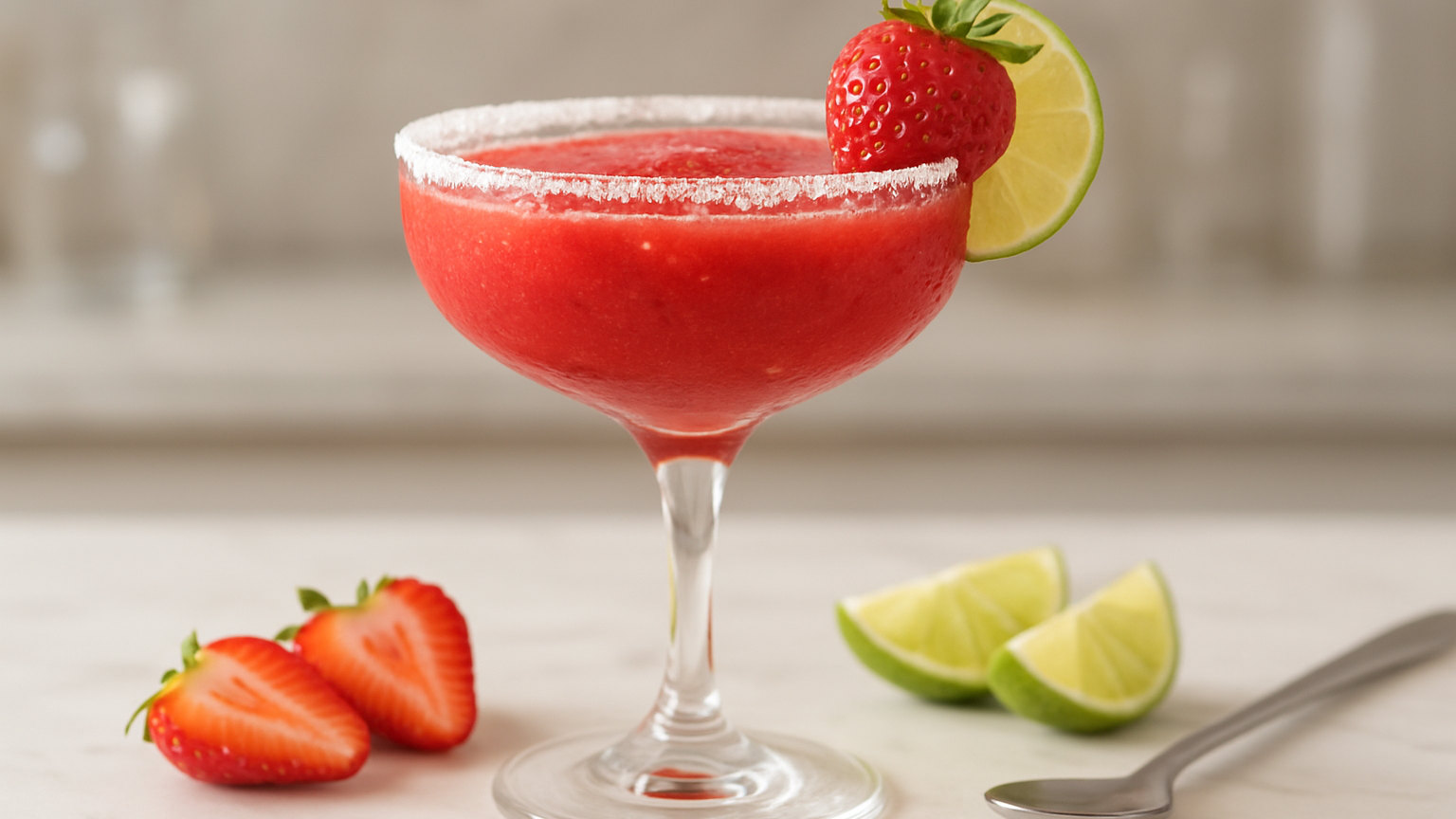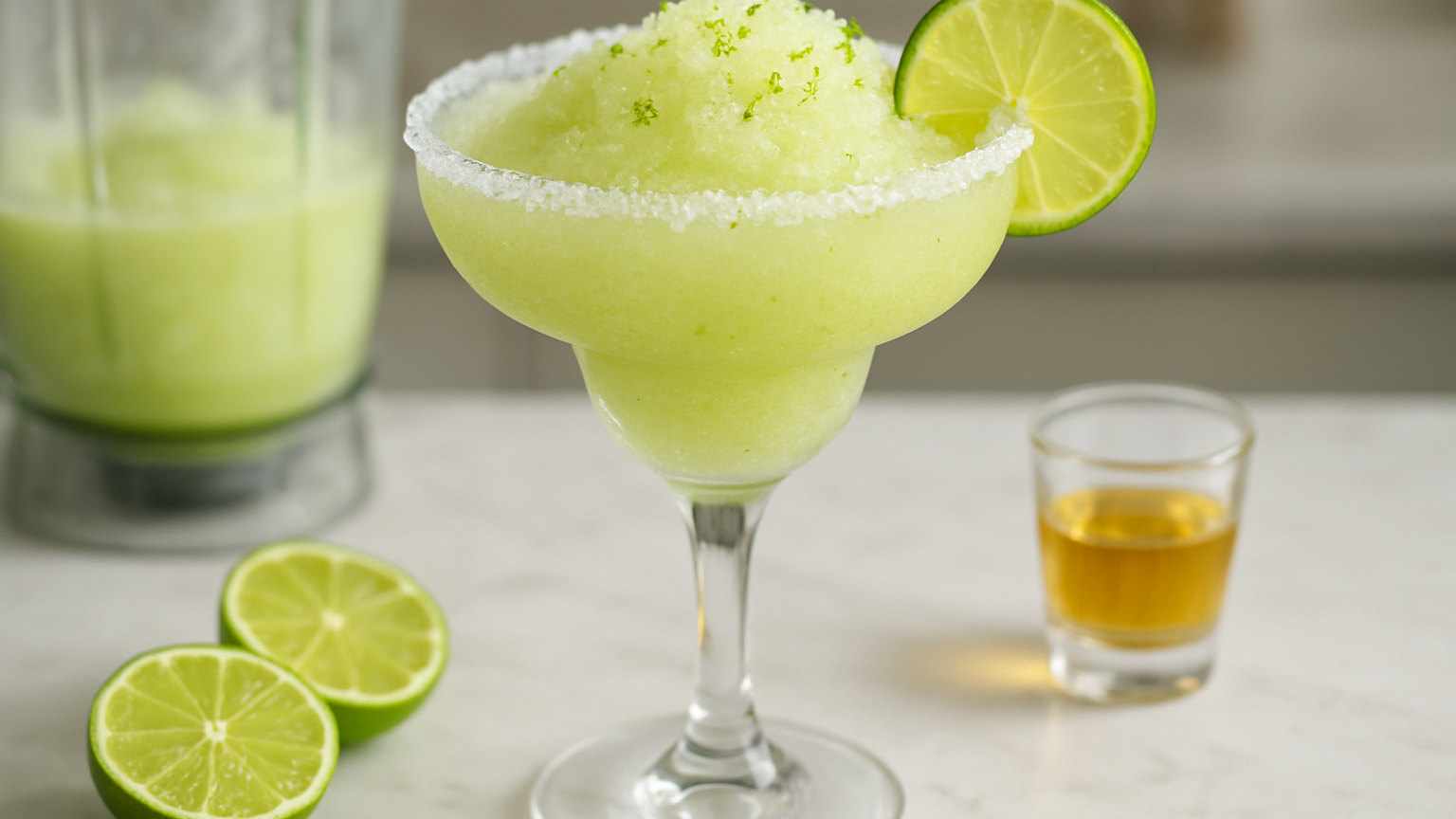
How Do You Make a Frozen Margarita?
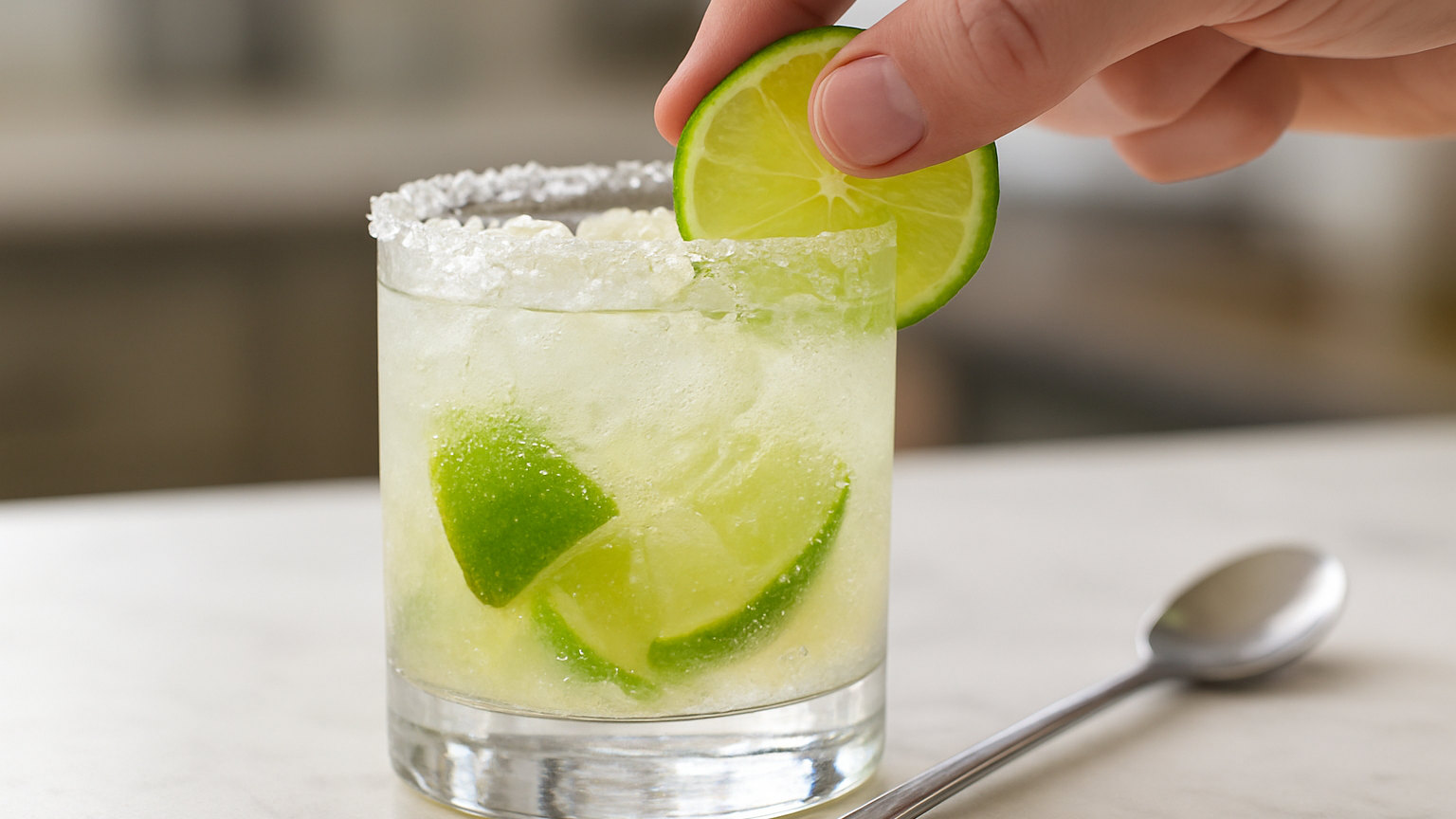
Cold suppresses sweetness and acidity, so a frozen margarita needs noticeably more of both than the shaken version.
By Drink Recipes Team
3 May 2025

White, gold, aged and overproof rum, blanco against reposado - what to buy for daiquiris and margaritas.
Cold suppresses sweetness and acidity, so a frozen margarita needs noticeably more of both than the shaken version.
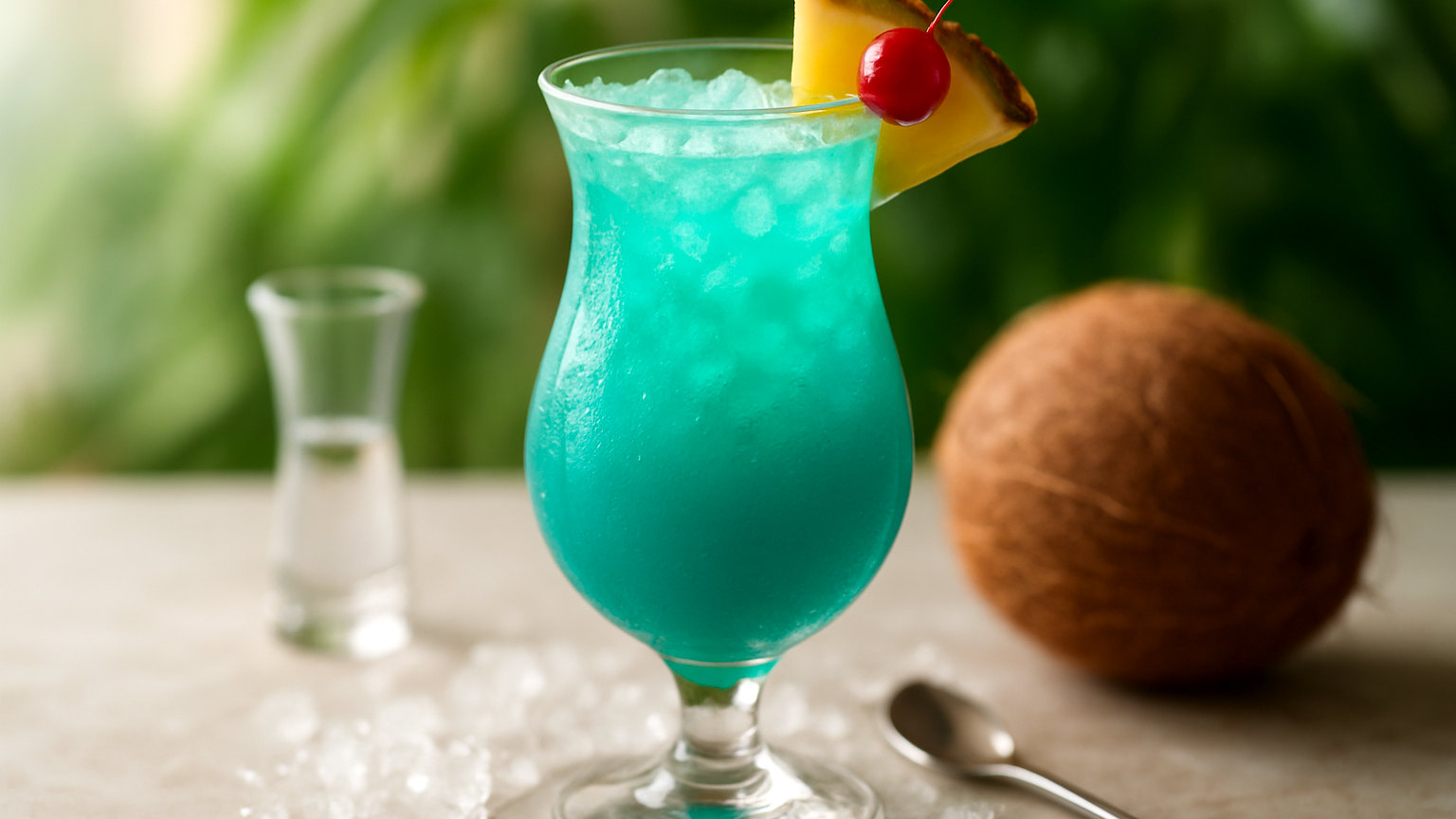
Rum, blue curaçao, pineapple and coconut. The blue liqueur is orange flavoured, which catches most people out.
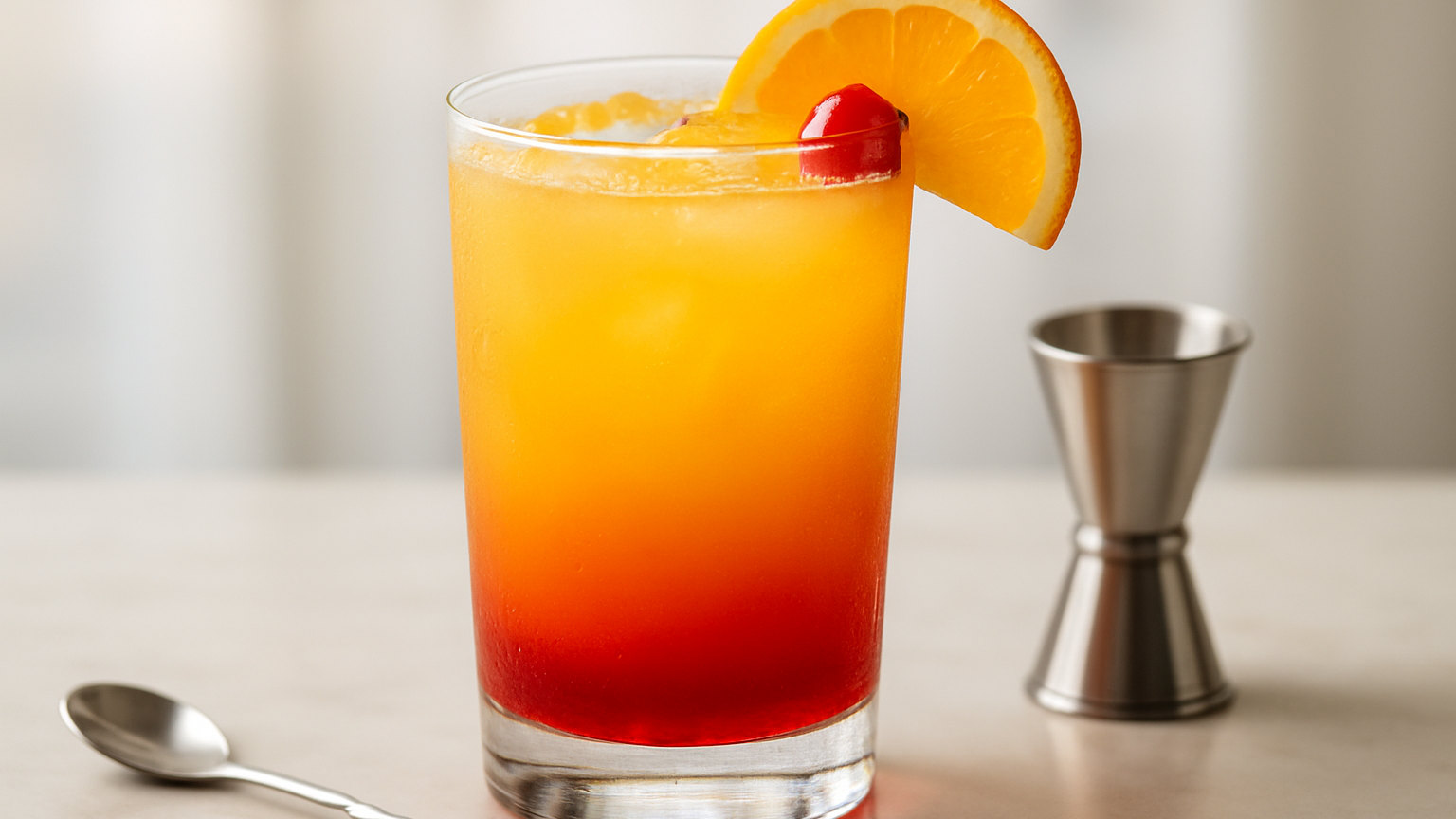
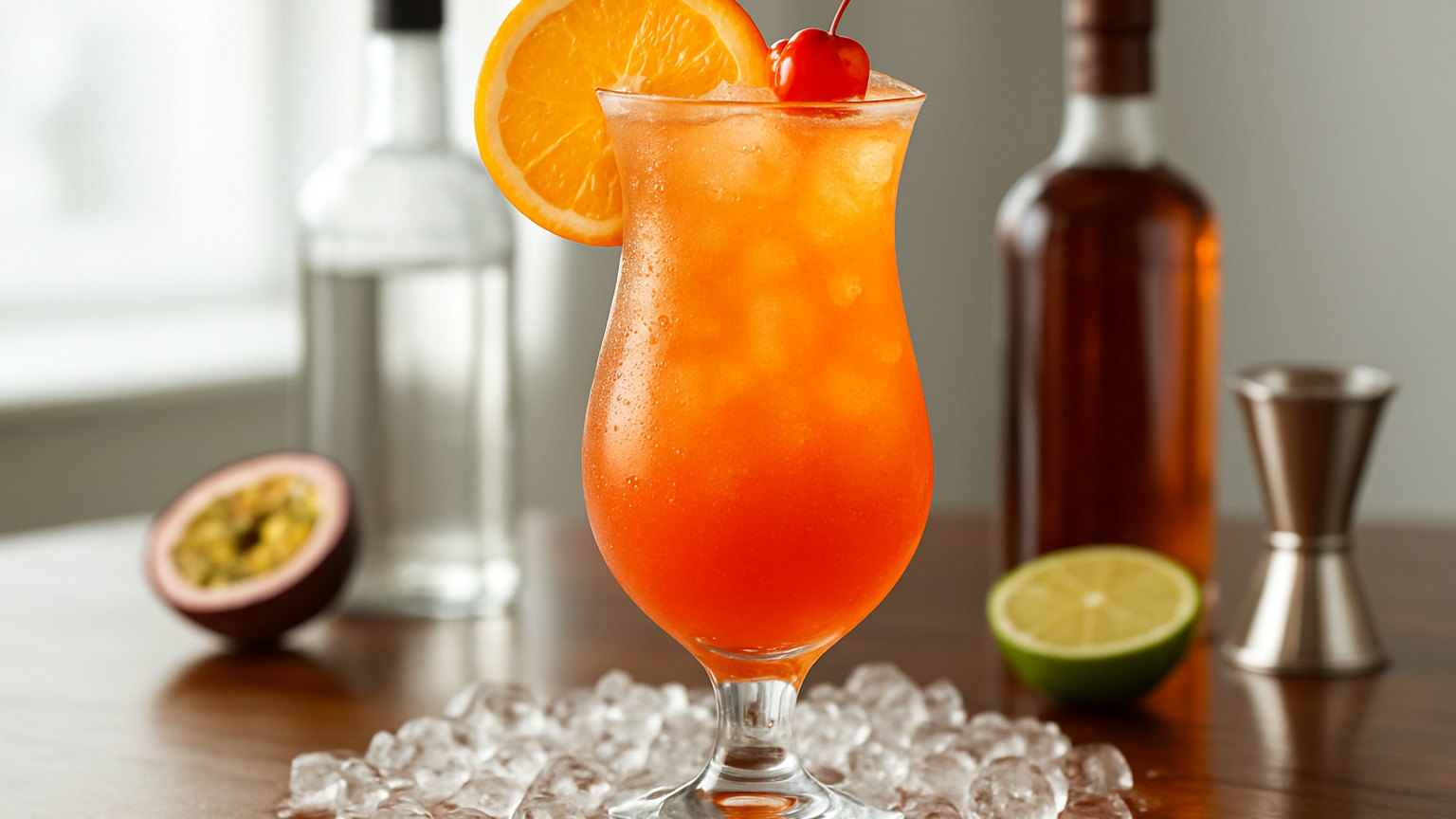
The gradient comes from grenadine sinking through orange juice, which only works if it goes in last and undisturbed.
Two rums, coffee liqueur and pineapple. The coffee liqueur sounds wrong in a beach drink and holds it together.
The national drink of Brazil, built in the glass with lime and sugar. Pressing the lime too hard is what ruins it.
Dark rum, bitter aperitivo, pineapple and lime. The only tiki drink built on bitterness, and it works.
Rum, lime and sugar. Nothing to hide behind, which is why it is the drink bartenders use to test a bar.
One of sour, two of sweet, three of strong, four of weak. A ratio older than most cocktails, in rhyme.
More widely drunk in Mexico than the margarita, easier to make, and it takes about thirty seconds.
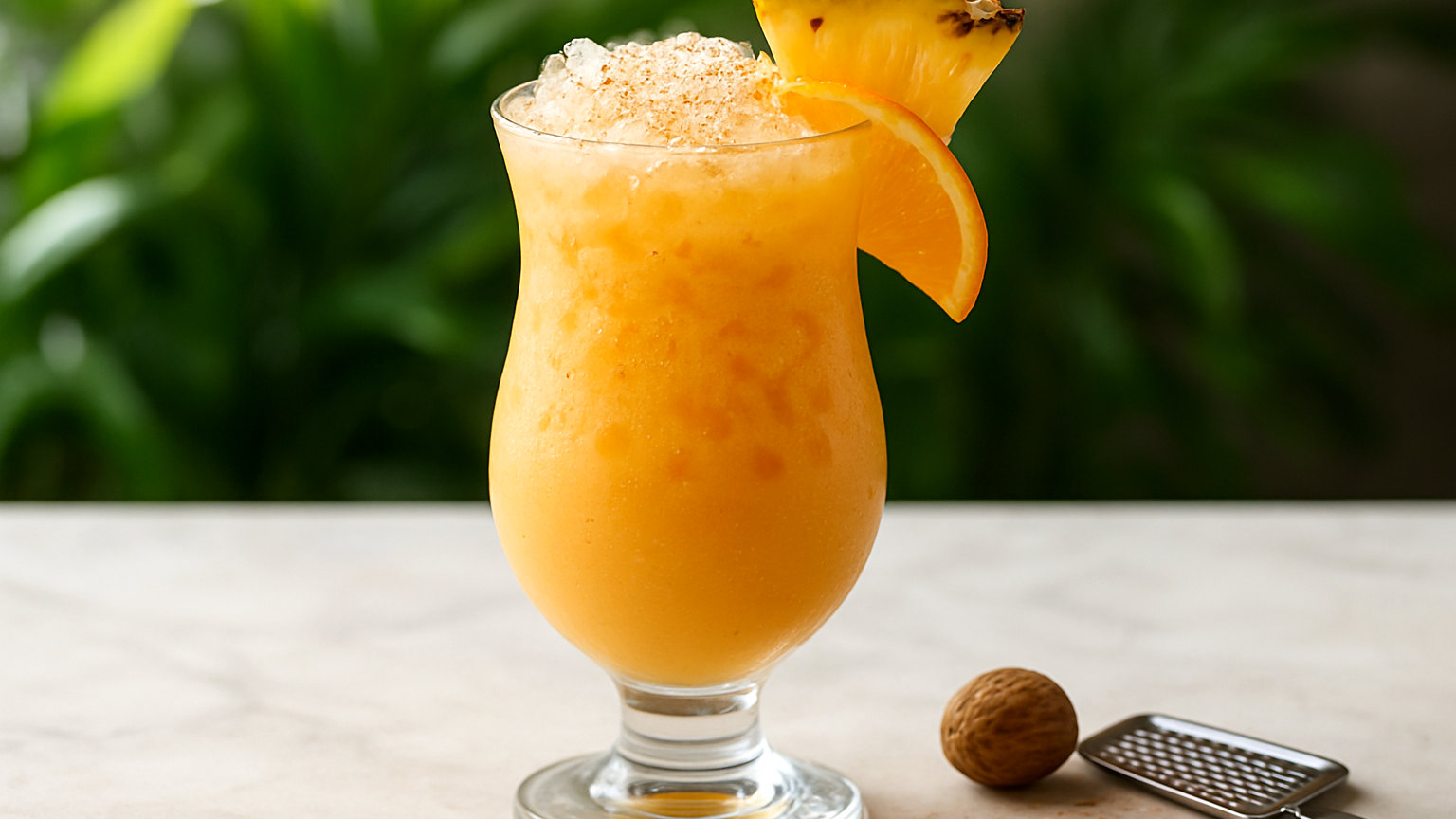
Rum, pineapple, orange and coconut cream, with nutmeg over the top. The nutmeg is not optional.
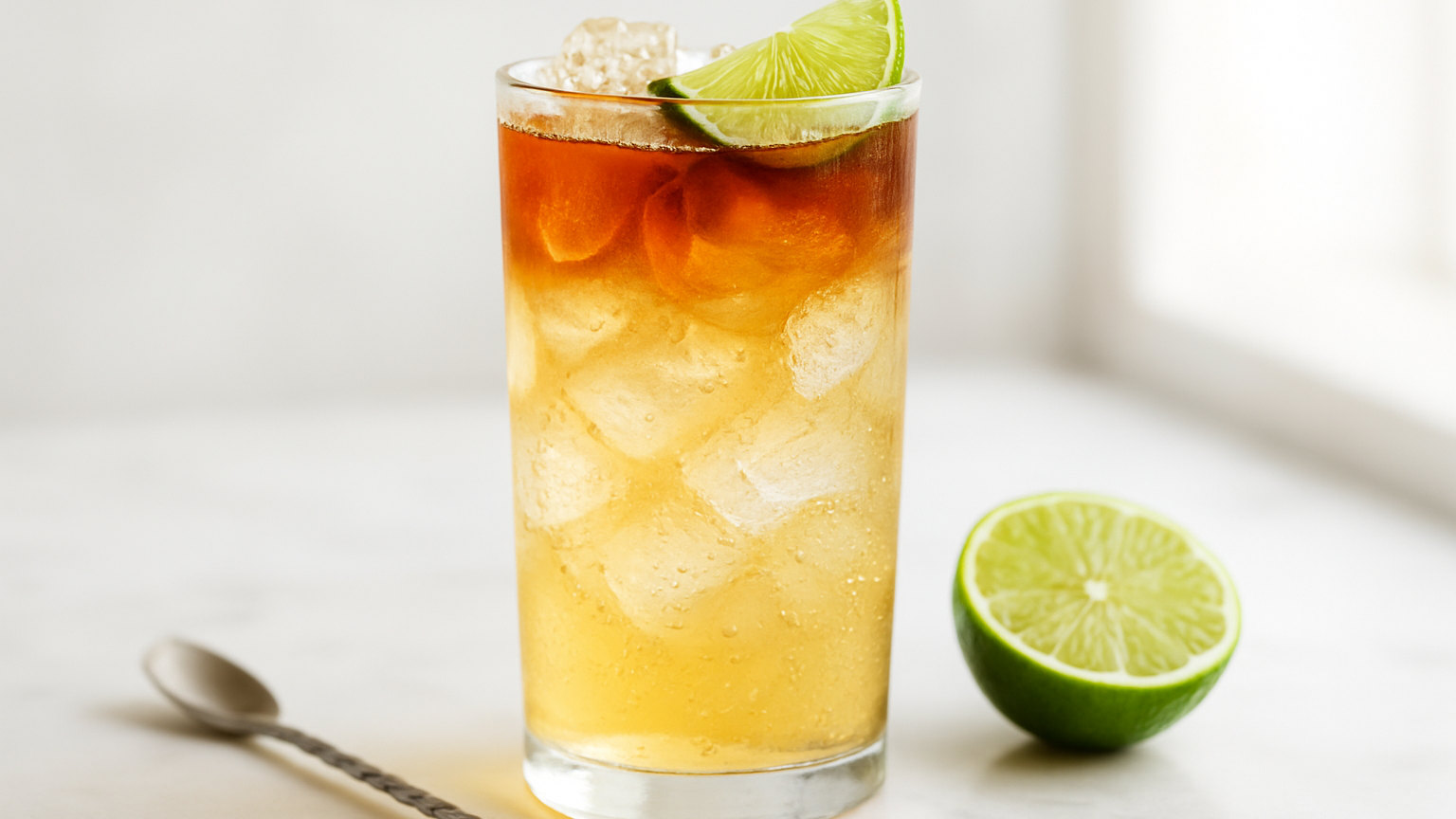
Dark rum floated over ginger beer, which is why it looks the way it does. The ginger beer is most of the drink.
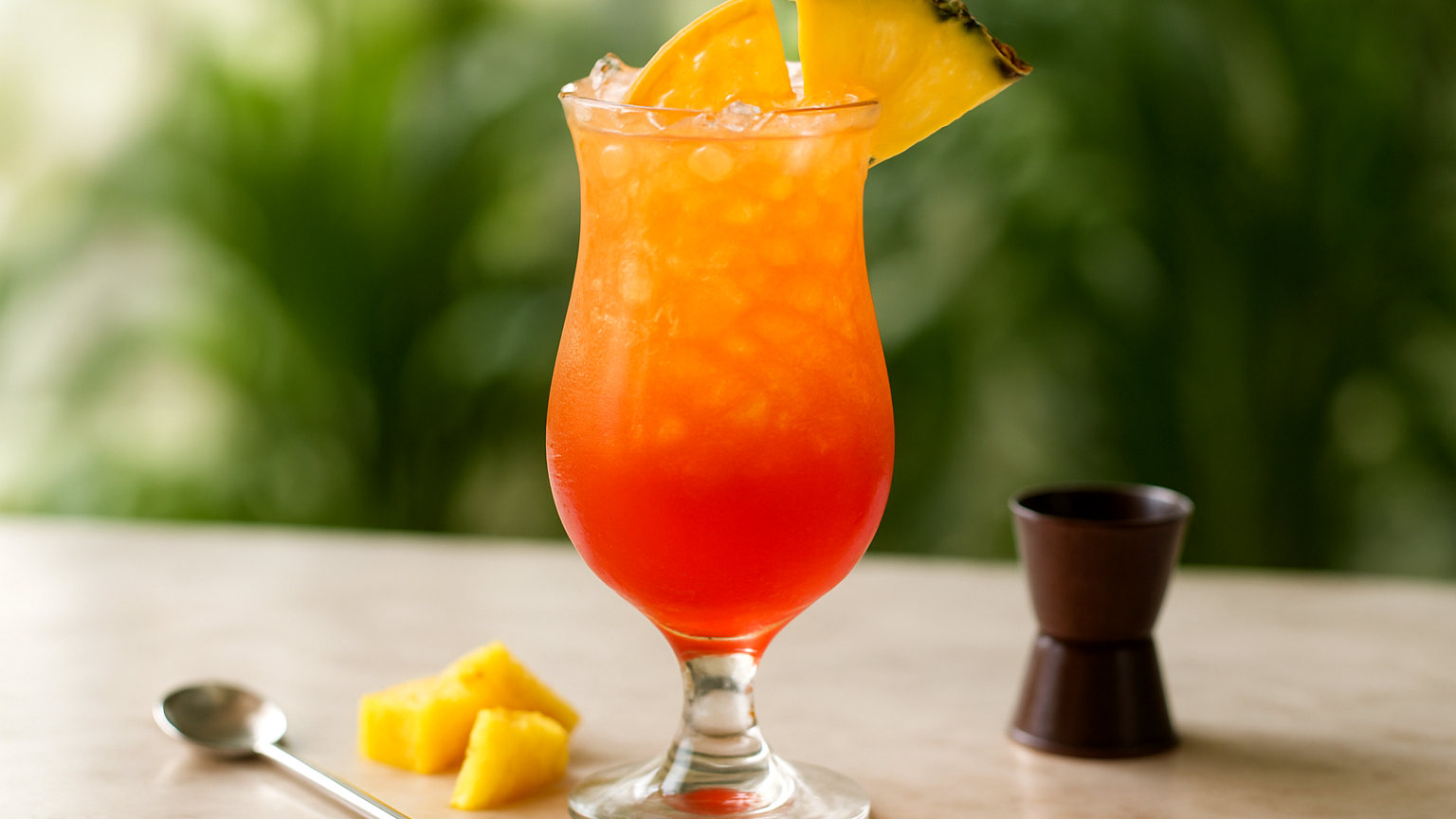
Two rums, passion fruit and citrus. The bright red version most bars serve has very little to do with the original.
The original contains no pineapple juice and no grenadine. It is a rum sour with orgeat, and it tastes nothing like the version most people know.
Cold suppresses both sweetness and acidity, which is why a frozen daiquiri needs more of each than the shaken version.