
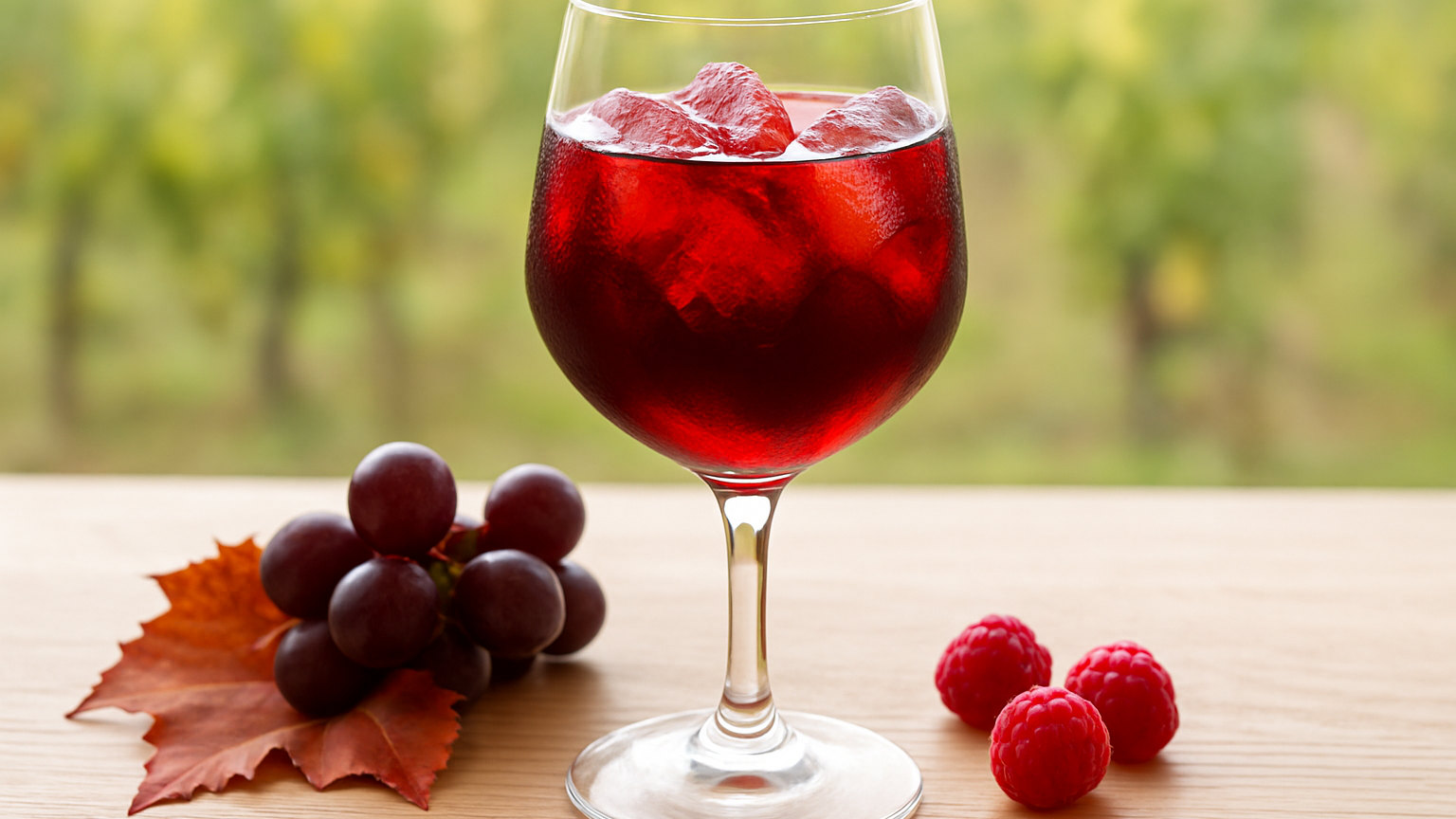
Pinot noir produces some of the most admired wine in the world and a great deal of disappointing wine at the everyday price point. The reason for both is the same: it is genuinely hard to grow.
What does it taste like?
Red cherry, raspberry and strawberry, with earthy, mushroom and forest floor notes as it ages. Light in colour, low in tannin, high in acidity.
It is the most delicate of the major red grapes. Where cabernet is structured and syrah is powerful, pinot is aromatic and translucent, and it shows its origin more clearly than almost any other variety.
Why is it difficult?
- Thin skins. Prone to rot in damp weather.
- Early budding. Vulnerable to spring frost.
- Tight bunches. Trap moisture and encourage disease.
- Narrow ripening window. Underripe is thin and green; overripe loses all its delicacy.
- Genetically unstable. Mutates readily, giving many clones of varying quality.
It also needs a cool climate to keep its acidity and aromatics, which means growing it in exactly the places most likely to have difficult weather.
What happens when it goes wrong?
Cheap pinot noir tends to be thin, pale and slightly sweet, made to compensate for underripe fruit. That is what most people encounter at the bottom of the market.
How does region change it?
- Burgundy. The benchmark. Earthy, savoury, structured, expensive.
- New Zealand. Riper red fruit, more immediate, good value at the mid range.
- Oregon. Between the two. Elegant and increasingly expensive.
- California. Ripe, fuller-bodied, often with noticeable oak.
- Germany. Sold as spätburgunder. Light, precise and undervalued.
- Chile. Cool coastal sites producing good value.
Why is Burgundy so expensive?
Because the region is small, the vineyards are divided into tiny parcels, demand is global and production cannot be increased. Prices reflect scarcity as much as quality.
Entry-level Burgundy is frequently poor value for that reason. The same money buys considerably better pinot noir from Germany, Chile or New Zealand.
What food does it suit?
Its low tannin and high acidity make it unusually flexible. Duck, chicken, pork, mushrooms, salmon and soft cheeses all work.
It is one of very few reds that genuinely suits fish, particularly salmon and tuna, because there is no tannin to clash with the oils.
How should you serve it?
Cooler than other reds, around 14 to 16 degrees. Half an hour in the fridge before opening is right, and warmth makes it taste flabby and alcoholic.
A large-bowled glass helps, since aroma is most of what the grape offers.
Where should you look for value?
German spätburgunder is the clearest opportunity, being excellent and largely unknown outside Germany. Chilean coastal pinot and New Zealand from regions other than the most famous are the next.
Below about the mid price point, a good gamay or a light Italian red will usually give more pleasure than a cheap pinot noir.
Does it keep once opened?
A day, sometimes two. Its low tannin means there is little protecting it from oxidation, so it fades faster than a structured red.
Recork it and refrigerate immediately, and drink it the next day rather than the day after.
What else is worth trying alongside?
Gamay, from Beaujolais, which is lighter still and considerably cheaper. Trousseau and poulsard from the Jura, and Austrian zweigelt, all occupy similar territory at lower prices.
What should you expect at each price?
At the cheapest level, thin and disappointing. One step up, from Germany, Chile or New Zealand, genuinely pleasant. Above that the improvements are real and the prices rise faster than the quality.
It is a grape where buying at the bottom is a poor use of money in a way that is less true of, say, syrah.
Why does it show its origin so clearly?
Because it has little tannin, no oak dominance in the best examples and relatively delicate fruit, so nothing masks the site. Small differences in soil and aspect show through in a way they do not in a bigger wine.
That transparency is exactly why Burgundy is divided into so many tiny named vineyards, and why the region has spent centuries mapping them.


