Almost anything with sugar in it can be fermented, which is not the same as being worth fermenting. A handful of fruits reliably make wine people want a second glass of, and the rest are experiments. Knowing which is which before spending six months waiting is worth a great deal.
Which fruits are the most reliable?
- Blackberry. 1.8kg per gallon. Free, abundant, deep colour and real structure. The best first red.
- Elderberry. 1.4kg per gallon. The most wine-like of all, though it needs years.
- Damson. 1.8kg per gallon. Rich and plummy with good acidity.
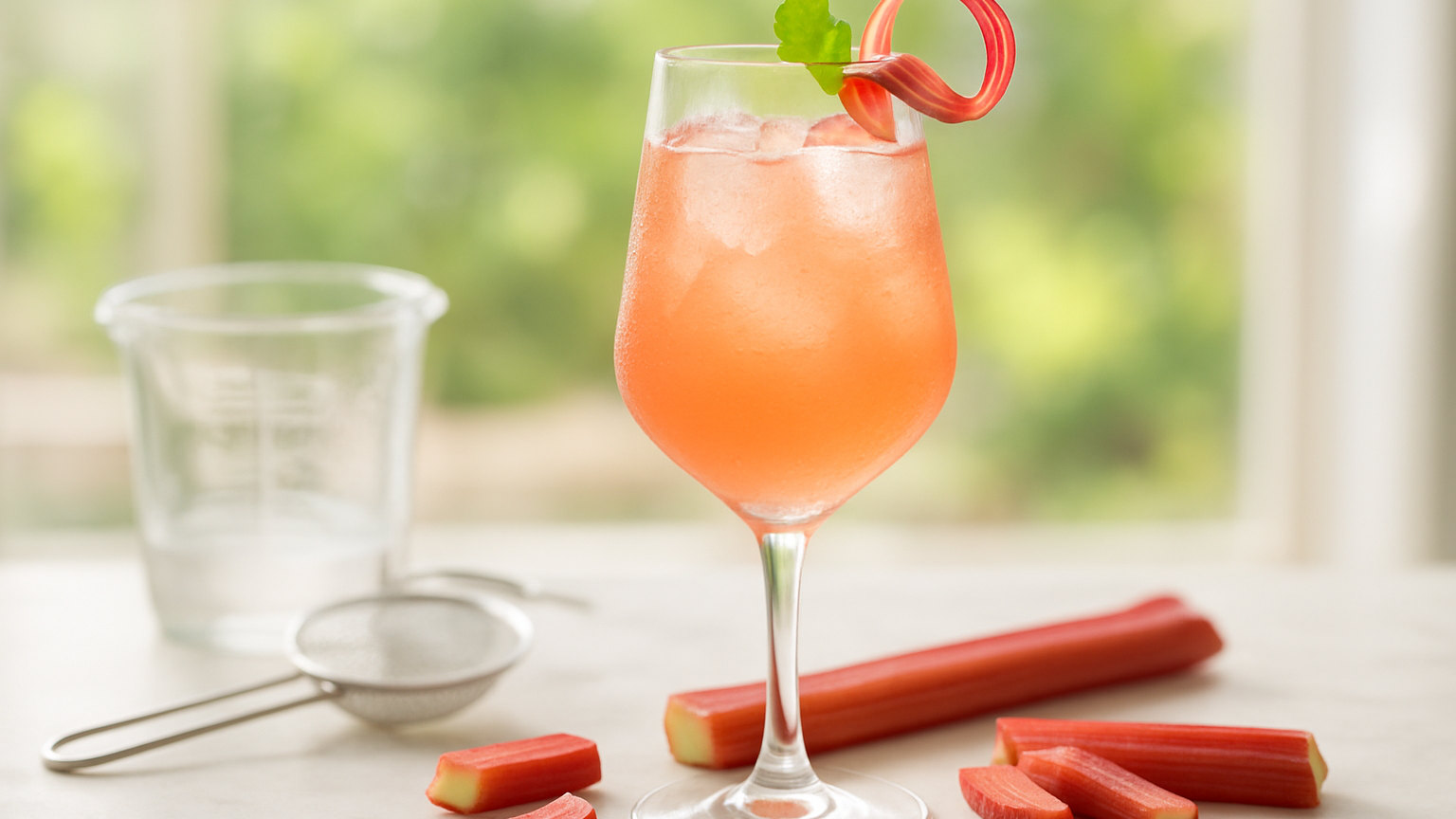
- Rhubarb. 1.5kg per gallon. Crisp, dry and ready in six months.
- Apple. 3kg or 4 litres of juice per gallon. Light and clean, though it needs added acid.
- Gooseberry. 1.8kg per gallon. Makes the closest thing to a proper dry white.
All six ferment predictably, clear reasonably and produce something recognisable as wine rather than as flavoured alcohol.
What makes a fruit suitable?
Three qualities. Enough acid to give the wine structure and protect it from spoilage. Enough tannin or body to stop it tasting thin. And a flavour that survives fermentation, since many delicate fruits lose their character entirely.
Strawberry is the classic disappointment. It smells wonderful going in and produces a pale, faintly perfumed wine that tastes of very little. Raspberry keeps more of itself but fades within a year.
What about flowers and vegetables?
Elderflower and dandelion both make good light wines and are traditional. Parsnip makes a strong, sherry-like wine that people either rate highly or cannot drink. Any starchy ingredient risks a permanent haze unless handled carefully.
When is each in season?
- March to May: rhubarb.
- May to June: elderflower, dandelion.
- June to July: gooseberry, redcurrant, blackcurrant.
- August to September: blackberry, plum, early apple.
- September to October: elderberry, damson, sloe, apple, pear.
Starting a batch each time something comes in gives a rolling stock without ever having more than two demijohns going at once.
How long does each need?
Roughly, and from the start date rather than from bottling:
- Six months: rhubarb, elderflower, gooseberry.
- One year: apple, pear, blackcurrant.
- Eighteen months: blackberry, plum, damson.
- Two to three years: elderberry, sloe, parsnip.
The pattern is that tannin and body take time to soften, and light wines have nothing to soften. Drink the pale ones young and lay the dark ones down.
Does frozen fruit work?
Very well, and it is often better than fresh. Freezing ruptures the cell walls, which releases juice and colour more readily than crushing does. It also means you can pick over several weeks and start a batch when you have time.
Bought frozen fruit is a perfectly reasonable route if nothing is growing near you, and it removes any question of misidentification.
What should you avoid?
Anything you cannot identify with complete certainty, since some hedgerow berries are toxic. Anything mouldy, since one mouldy fruit taints a whole batch. Anything picked from a busy roadside or from ground that may have been sprayed. And rhubarb leaves, which are genuinely poisonous and never go in the bucket.
Elderberries must be cooked rather than used raw, since raw ones cause nausea and sickness. Apple pips, cherry stones and plum stones should not be crushed, as they carry the same class of compounds. Removing stones before fermenting is straightforward and worth the effort.
Which fruit disappoints most often?
- Strawberry. Smells wonderful, ferments into something pale and largely flavourless.
- Banana. Adds body usefully but makes a poor wine on its own, and risks a starch haze.
- Orange and other bought citrus. The pith gives a persistent bitterness.
- Melon. Almost all water, so the flavour vanishes.
None is a disaster, and all of them are worth one small batch if you are curious. Just do not commit a whole autumn to them.
Can you blend fruits?
Yes, and it often produces better wine than a single fruit does. Apple is the most useful blending partner, since it brings body and fermentable sugar without a dominant flavour, and it stretches a small quantity of something more interesting.
A common approach is two thirds apple to one third blackcurrant, damson or blackberry. It gives a rounder wine than the strong fruit alone and uses far less of it.
How much fruit do you need in total?
Between 1.4kg and 2kg per gallon for most soft fruit, and up to 3kg for apples and pears, which give up less juice. A productive blackberry hedge will yield a gallon batch in about an hour of picking.