
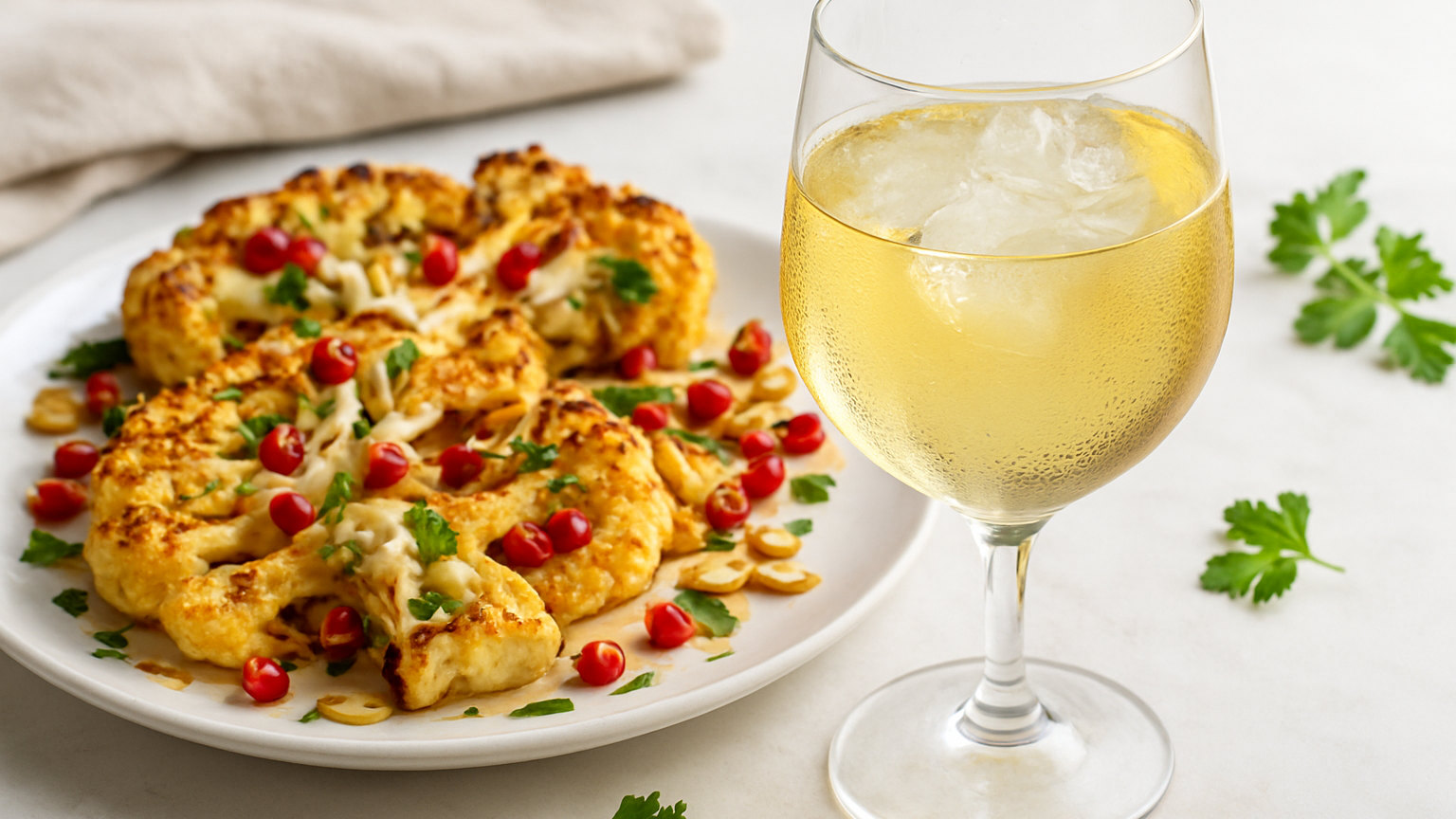
Wine pairing advice has historically been organised around meat, which leaves vegetarian food poorly served. The same three variables apply, and the dominant flavour is usually the method or the sauce rather than the vegetable.
What should you pair to?
The cooking method first, then the seasoning. Raw, steamed, roasted and grilled versions of the same vegetable sit at completely different weights.
- Raw and salad. Light high-acid whites. Sauvignon blanc, picpoul.
- Steamed and delicate. Unoaked whites, muscadet, pinot grigio.
- Roasted. Caramelisation adds weight. Fuller whites, rosé, light reds.
- Grilled and charred. Reds work. Grenache, syrah, barbera.
- Fried. High acidity or sparkling wine to cut the fat.
What suits mushroom dishes?
Mushrooms carry the savoury depth that meat usually provides, which makes them one of the easiest vegetarian pairings.
Pinot noir is the natural match, sharing earthy and forest-floor character. Nebbiolo, aged Rioja and oaked chardonnay all work well.
What suits lentils, beans and pulses?
They have real weight and earthiness, so they take medium-bodied reds comfortably. Chianti, southern Rhône blends and Portuguese reds all suit lentil and bean dishes.
A lentil stew handles the same wine a meat stew would, which is worth knowing when cooking for a mixed table.
What suits tomato-based dishes?
High acidity, since tomato is acidic and will flatten a low-acid wine. Sangiovese, barbera and Italian whites are the reliable answers.
Which vegetables cause problems?
- Artichoke. Contains cynarin, which alters sweetness perception and makes wine taste oddly sweet or metallic.
- Asparagus. Sulphur compounds clash with most wine.
- Raw spinach and chard. Bitter and mineral, difficult with tannin.
- Brussels sprouts and brassicas. Sulphurous when overcooked.
The artichoke effect is genuine chemistry rather than folklore. Sauvignon blanc handles asparagus better than anything else, and artichoke is best served with something high in acid and served alongside fat such as butter or oil, which softens the effect.
What suits spiced vegetarian dishes?
The same logic as any spicy food. Off-dry riesling or gewürztraminer if there is chilli heat, aromatic dry whites if the spicing is warm rather than hot.
What about vegan dishes specifically?
The absence of dairy and animal fat means there is less richness for tannin and acidity to work against, so lighter, fresher wines generally suit better.
Dishes built on nuts, tahini, coconut or oil restore that richness and take fuller wines.
Is wine itself vegan?
Not always, which surprises people. Fining agents used to clarify wine have traditionally included egg white, casein from milk, gelatin and isinglass from fish.
These are filtered out and are not present in the finished wine in meaningful quantity, and many people avoiding animal products still prefer not to use them.
Vegan-friendly wines use bentonite clay or pea protein instead, or are left unfined. Labels increasingly state this, and it is worth checking rather than assuming.
What is the safest all-round choice?
A dry rosé or a light red served cool. Both sit at a weight that suits most vegetable cooking and neither has enough tannin to clash.
What about cheese-based vegetarian dishes?
Follow the cheese rather than the vegetables. A cheese-heavy gratin or bake needs acidity to cut the fat, so a crisp white or a light red with good acidity works better than a big tannic red.
How should you handle a mixed table?
A dry rosé or a light red covers a vegetarian main and a meat one at the same table better than either a big red or a delicate white.
Two bottles, one white and one light red, gives everyone something appropriate without planning around individual plates.
What is the biggest difference from meat pairing?
The absence of fat and protein to soften tannin. Without them a tannic red has nothing to bind with, which is why big structured reds so often feel harsh alongside vegetable dishes.
Adding richness with oil, cheese, nuts or cream changes that immediately.
What is the safest single bottle?
A dry rosé, which sits at the right weight for most vegetable cooking and has neither the tannin that clashes nor the delicacy that disappears.
A light red served cool, such as gamay or barbera, does much the same job with a little more depth.


