
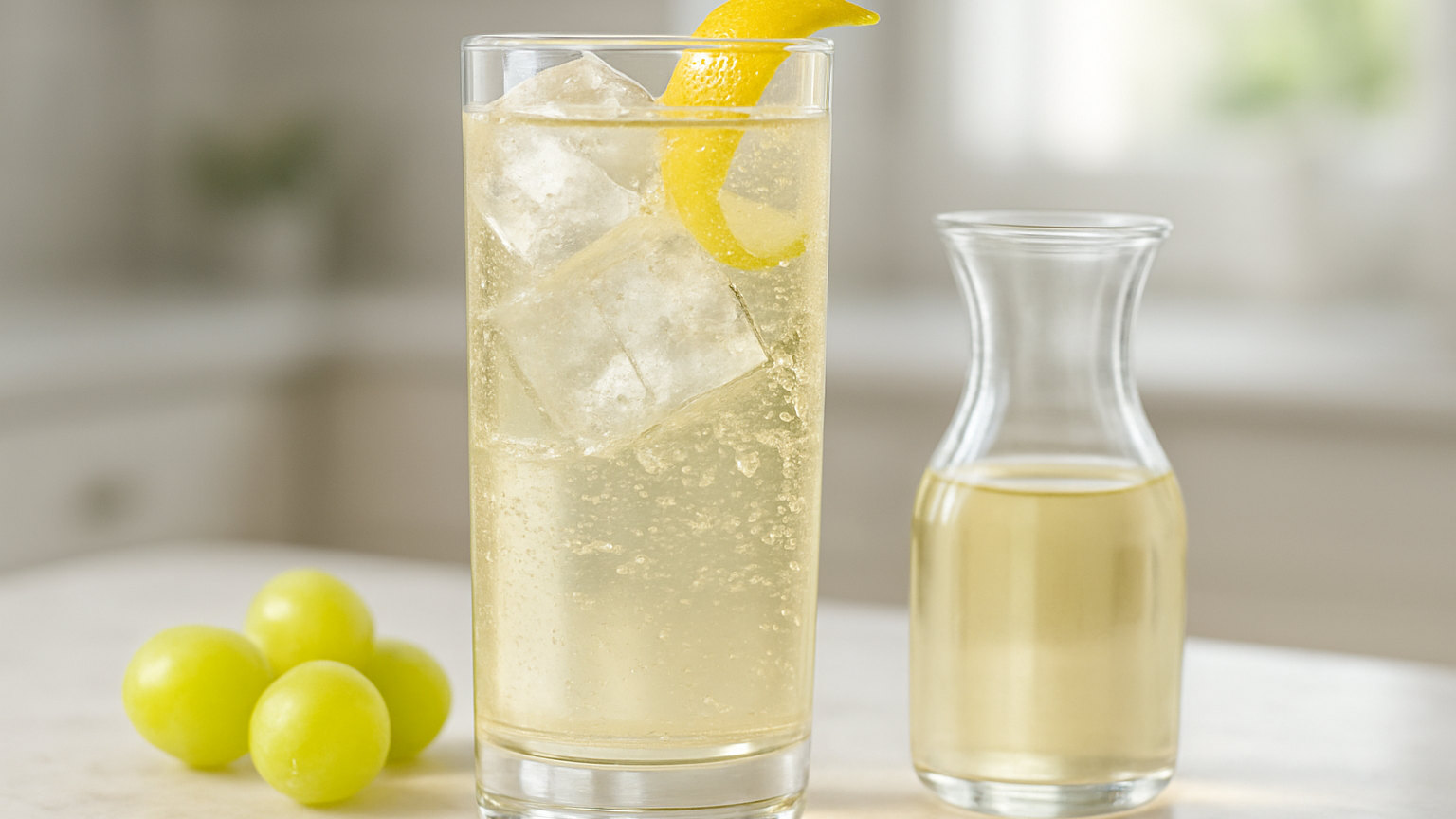
Choosing wine for a cocktail is mostly a matter of ruling things out. Three characteristics cause problems, and avoiding them leaves a wide field of perfectly good inexpensive options.
What should you avoid?
- Oak. Vanilla and butter fight fresh fruit and citrus.
- Heavy tannin. Turns harsh and drying when chilled or mixed.
- Residual sweetness. Removes your control over the sugar.
- High price. Everything you paid for is buried.
- Faults. A corked or oxidised bottle shows through regardless.
Why is oak the problem people miss?
Because an oaked chardonnay is a perfectly good wine and a poor cocktail base. The vanilla, butter and toast character that makes it enjoyable on its own clashes with citrus and fresh fruit.
The same applies to heavily oaked reds in sangria. Oak and fruit pull in different directions once sugar and acid are added.
What suits each drink?
- Red sangria: dry fruity red, moderate tannin. Garnacha or tempranillo.
- White sangria: dry unoaked white. Albariño, verdejo, pinot grigio.
- Spritz: dry prosecco or cava.
- Bellini and mimosa: dry prosecco.
- Kir: dry crisp white with acidity. Aligoté, picpoul, muscadet.
- Mulled wine: dry fruity red, unoaked.
- Frozen wine drinks: dry rosé.
- Punch: dry white or rosé.
What about sparkling wine?
Dry is what matters. Prosecco labelled brut is dry; extra dry is confusingly sweeter, and dry is sweeter still. That labelling is genuinely counterintuitive and worth checking.
Champagne is rarely worth it in a cocktail, since the modifiers cover its complexity. Cava is dry and inexpensive and works everywhere prosecco does.
Does crémant work?
Very well, and it is often the best value in dry sparkling wine. It is made by the same method as champagne, in other French regions, at a considerably lower price.
How much should you spend?
Everyday supermarket level, and not the cheapest shelf. Very cheap wine often has a thin, slightly sharp character that comes through even under fruit and sugar.
One step up from the bottom is where the value sits. Beyond mid-range you are paying for things the cocktail will remove.
Can you use leftover wine?
If it is a day or two old and still tastes sound, yes. Sangria and mulled wine are both good uses for a bottle that is past its best for drinking on its own.
Anything genuinely oxidised, vinegary or corked should not be used. Sugar and spice do not cover a fault, they sit on top of it.
Does the wine need to be cold?
For everything except mulled wine, yes. Warm wine hitting ice dilutes faster, and warm sparkling wine loses carbonation immediately on pouring.
What is the general rule?
Dry, unoaked, sound and inexpensive. That description covers the right wine for almost every drink in this section.
What about alcohol-free wine?
It works better in cocktails than on its own, since the fruit and sugar cover the slight thinness that dealcoholised wine tends to have.
An alcohol-free sparkling wine makes a perfectly good spritz or mimosa, and it is worth having alongside the standard version rather than as an afterthought.
Does a screwcap matter?
Not for quality, and it helps practically. A screwcap bottle is easier to reseal and keeps better in the fridge for a day or two, which suits cocktail use where you may not use the whole bottle at once.
Does box wine work?
Perfectly well for punches and sangria, where quantity matters and the wine is heavily modified. The bag-in-box format also keeps far longer once opened, since air does not enter.
That makes it genuinely practical for occasional cocktail use where a bottle would go stale.
How much do you need per drink?
Between 90 and 150ml for most wine cocktails, so a bottle covers five to eight drinks depending on the recipe. Spritzes and sparkling cocktails use the least; sangria and punch use a full bottle across roughly six servings.
That is worth working out before shopping, since wine cocktails use less per glass than a straight pour and it is easy to overbuy.


